علاج سلس البول في تركيا: 14 مستشفيات


تمت مراجعة المقالة طبيا من قبل
فهد مولود
كيف نعمل؟
ما هي تكلفة سلس البول إجراءات التشخيص والعلاج في تركيا؟ اعرف الآن
| تركيا | إسبانيا | ألمانيا | |
|---|---|---|---|
| جراحة ربط الإحليل السفلي (TVT) | ≈ $2,400 | ≈ $3,600 | ≈ $3,900 |
اكتشف أفضل سلس البول العيادات في تركيا: 14 خيارات معتمدة والأسعار



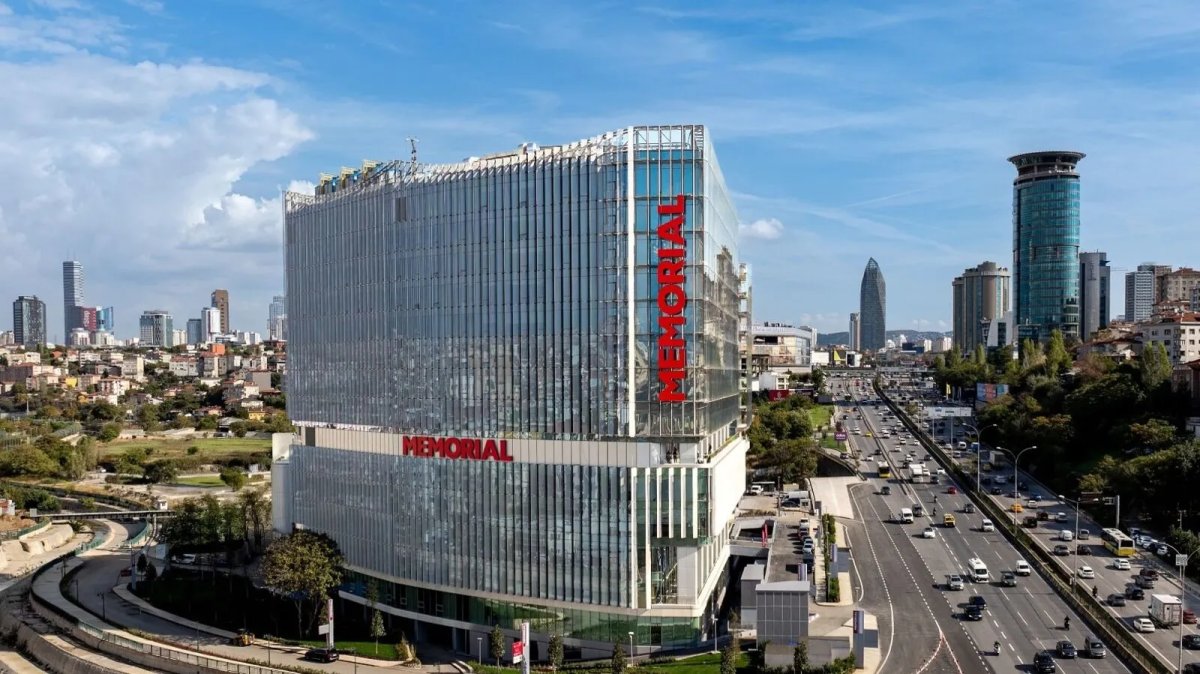
Memorial Göztepe Hospital

Group Florence Nightingale Hospitals
Tunc Ozdemir





Assoc. Prof. Dr. Esra Özbaşlı OBGYN & Women Genital Aesthetics



Estophia Hospital

احصل على تقييم طبي لـ في تركيا. استشر الآن 21 أطباء ذوي الخبرة.
عرض جميع الأطباء
Cenk Acar
الدكتور جنك أكار هو جراح مسالك بولية في مستشفى هيسار إنتركونتيننتال في إسطنبول. أجرى أكثر من 500 عملية جراحية لأمراض السرطان المسالك البولية. كان أول طبيب في تركيا يطبق استئصال البروستاتا ثنائي القطب. أكمل الدكتور أكار زمالة في الجراحة الروبوتية والمنظارية في معهد السرطان الهولندي.
- أجرى أكثر من 250 عملية HOLEP لتضخم البروستاتا الحميد.
- خبير في التصوير الفلوري أثناء الجراحة للعمليات الروبوتية للمسالك البولية.
- متخصص في استئصال العقد الليمفاوية الخافرة لعلاج سرطان البرو

Abdulmuttalip Simsek
الدكتور عبد المطلب شيمشيك هو جراح مسالك بولية في مستشفى ميموريال بهجيليفلر في إسطنبول. وهو متخصص في الجراحة الروبوتية والترميمية للحالات البولية المعقدة. يحمل الدكتور شيمشيك رتبة أستاذ وأكمل تدريبه في جراحة المسالك البولية الترميمية في المملكة المتحدة. يعالج مجموعة واسعة من السرطانات بما في ذلك أورام الكلى والبروستاتا والمثانة.
- يجري عمليات استئصال البروستاتا بالليزر (HoLEP) لتضخم البروستاتا الحميد وجراحات زراعة العضو الذكري.
- خبير في الإجراءات الترميمية مثل رأب الإحليل وجراح
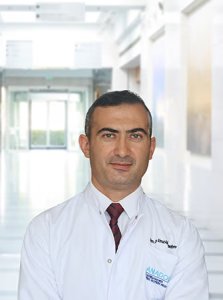
Elnur Allahverdiyev
يتخصص الدكتور إلنور اللهوردييف في طب المسالك البولية النسائية وجراحة المسالك البولية الترميمية في مركز الأناضول الطبي، حيث يقدم علاجات حديثة طفيفة التوغل.
- تدرب في جامعة أذربيجان الطبية وجامعة مرمرة
- حاصل على شهادة في ديناميكا البول للتشخيص الدقيق
- عضو نشط في الجمعيات الدولية للمسالك البولية
- يقدم رعاية شاملة لأمراض المسالك البولية النسائية وعلاجات البروستاتا
Tunc Ozdemir
أستاذ المسالك البولية في جامعة بيليم والمتخصص في سلس البول – رائد في مجال الأبحاث والعلاج.
- رئيس قسم المسالك البولية في مستشفى إسطنبول فلورنس نايتنجيل
- تدرب على جراحة الأورام البولية وعلاجات HIFU في أوروبا
- جوائز متعددة للأبحاث في الجراحات الروبوتية وسلس البول
- عضو في جمعيات المسالك البولية وسلس البول الرئيسية
مشاركة المحتوى
قصص فيديو من مرضى Bookimed
 Anna Leonova
أسئلة متكررة حول علاج سلس البول في تركيا
ما هي أنواع سلس البول التي يتم علاجها في تركيا؟
تعالج العيادات التركية المعتمدة من قبل JCI سلس البول الإجهادي، وسلس البول الإلحاحي، والسلس المختلط باستخدام طرق جراحية وغير جراحية متقدمة. تتعامل المراكز المتخصصة مع الحالات المتعلقة بالأطفال وما بعد الولادة. تشمل الإجراءات الشائعة شرائط TOT أو TVT وتثبيت العجز والمهبل الروبوتي. معظم العمليات طفيفة التوغل وتضمن راحة المريض.
- سلس البول الإجهادي: يُعالج بشرائط TOT أو TVT وتثبيت المهبل بالمنظار بطريقة بورش.
- سلس البول الإلحاحي: يُعالج بحقن البوتوكس في المثانة أو برامج متخصصة لإعادة تأهيل قاع الحوض.
- السلس المختلط: تستهدف الأساليب المجمعة كلاً من السلس الناتج عن المجهود البدني والرغبة المفاجئة في التبول.
- سلس البول بعد الولادة: غالبًا ما يجمع المتخصصون بين تصحيح السلس والإصلاح الجراحي للقيلة المثانية أو القيلة المستقيمة.
رأي خبراء Bookimed: يتميز طب المسالك البولية النسائية في تركيا بفضل دمج الروبوتات في عمليات إعادة بناء قاع الحوض القياسية. كان البروفيسور الدكتور تونش أوزدمير في مستشفى فلورنس نايتنجيل في إسطنبول رائدًا في جراحة تثبيت العجز والمهبل الروبوتية في تركيا. بينما تعتمد العديد من الدول على الجراحة المفتوحة التقليدية، غالبًا ما يستخدم الأساتذة الأتراك أنظمة دافنشي لحالات السلس المعقدة. يسمح هذا النهج عادةً بتعافي أسرع من الطرق التقليدية.
إجماع المرضى: يؤكد المرضى على أهمية التمييز بين السلس عند السعال والرغبة المفاجئة في التبول قبل العملية. ينصحون بإجراء فحص كامل لقاع الحوض لاستبعاد أي تدلٍ مصاحب.
ما هي نسبة نجاح جراحة سلس البول في تركيا؟
تحافظ جراحة سلس البول في تركيا على نسبة نجاح عالية تتراوح بين 85% و98% لإجراءات الشريحة (sling) الحديثة. تستخدم المراكز المتخصصة تقنيات الشريط المهبلي الخالي من التوتر (TVT) والشريط عبر السدادة (TOT). تقدم هذه المرافق المعتمدة من قبل JCI علاجات طفيفة التوغل يجريها أطباء مسالك بولية معتمدون لضمان التحكم في المثانة على المدى الطويل.
- نسب النجاح: تُظهر إجراءات الشريحة فعالية بنسبة 85% إلى 90% لسلس البول الإجهادي.
- جراحة طفيفة التوغل: تستغرق العمليات عادة 15 دقيقة مع الخروج من المستشفى خلال 24 إلى 48 ساعة.
- تكنولوجيا متطورة: يستخدم الجراحون أنظمة دافنشي الروبوتية لحالات تعليق المهبل بطريقة بورش (Burch) بالمنظار المعقدة.
- الخبرة السريرية: أجرى أطباء مسالك بولية أتراك مثل الدكتور أوزكان أونوك أكثر من 1200 عملية ناجحة.
رؤية خبير Bookimed: النجاح في تركيا مدفوع بالتخصص الشديد للجراحين. في حين أن المستشفيات العامة شائعة، فإن أفضل النتائج تأتي من أساتذة مثل الدكتور تونك أوزديمير الذين يقودون أقسام المسالك البولية الروبوتية المتخصصة. يركز هؤلاء المتخصصون ذوو الخبرة العالية على تقنيات محددة مثل طعوم اللفافة المستقيمة أو تثبيت العجز المهبلي الروبوتي بدلاً من المسالك البولية العامة. تضمن هذه الدقة أن 95% من الإجراءات تتم دون مضاعفات.
إجماع المرضى: يؤكد المرضى على أهمية إجراء فحص ديناميكا البول قبل الجراحة لضمان التشخيص الصحيح. ويشير الكثيرون إلى أن اختيار الجراح بناءً على حجم إجراءاته المحددة يؤدي إلى نتائج يومية أفضل.
كم من الوقت يجب أن أخطط للبقاء في تركيا لتلقي العلاج؟
يجب على المرضى التخطيط للبقاء في تركيا لمدة تتراوح بين 5 إلى 7 أيام لعلاج سلس البول. تغطي هذه الفترة الزمنية الاختبارات التشخيصية قبل الجراحة والإجراء الجراحي نفسه. كما تشمل يومين إلى 3 أيام من المراقبة لضمان استقرار التعافي قبل السفر إلى الوطن.
- مدة العلاج: تستغرق الإجراءات مثل TOT أو TVT عادةً أقل من 60 دقيقة.
- الإقامة في المستشفى: تتطلب معظم عيادات المسالك البولية ليلة واحدة للمراقبة.
- فترة التعافي: يوصي الأطباء بـ 48 إلى 72 ساعة من الراحة في مكان الإقامة قبل السفر بالطائرة.
- زيارة المتابعة: إجراء فحص نهائي لإزالة القسطرة أو العناية بالجرح هو إجراء قياسي.
رؤية خبير Bookimed: تُظهر بياناتنا من 390 عيادة تركية أن المرضى غالبًا ما يتجاهلون اختبار تدفق البول النهائي. تعطي عيادات مثل Memorial Şişli أو Liv Hospital Ulus الأولوية لهذه الفحوصات بعد 3 أيام من الجراحة. جدولة رحلة عودتك في اليوم السابع تمنع توتر إعادة الجدولة إذا تسبب تورم طفيف في تأخير هذا الاختبار.
إجماع المرضى: يؤكد المرضى على أهمية الوصول قبل يومين لإنهاء الأوراق والاختبارات دون الشعور بالاستعجال. يشير الكثيرون إلى أن الإقامة في فنادق مزودة بمصاعد أمر ضروري عند التعامل مع الحركة بعد الجراحة واستخدام القسطرة.
ما هي التشخيصات التي يتم إجراؤها لتحديد أفضل علاج؟
يتضمن تشخيص سلس البول في تركيا عادةً تقييماً سريرياً للتمييز بين أنواعه الإجهادي أو الإلحاحي أو المختلط. يشمل التقييم فحص الحوض، ومذكرة المثانة لمدة 3 أيام، وقياس متبقي البول بعد التبول. قد تتطلب الحالات المتقدمة اختبارات ديناميكية البول أو تنظير المثانة في مرافق معتمدة من JCI مثل مستشفى ميموريال شيشلي.
- التقييم المفصل: يقوم الأطباء بتقييم مسببات تسرب البول، وتكرار استخدام الفوط، والتاريخ التوليدي.
- مذكرة المثانة: يسجل المرضى كمية السوائل التي يتناولونها، وأوقات التبول، والإلحاح لمدة 3 أيام.
- اختبارات ديناميكية البول: تقيم ضغط المثانة وتدفق البول باستخدام أجهزة استشعار للحالات التشخيصية المعقدة.
- تحليل البول: يستبعد الفحص الروتيني الالتهابات أو وجود دم في البول قبل بدء أي علاج.
رؤية خبير Bookimed: تظهر البيانات أن أطباء المسالك البولية الأتراك مثل الدكتور إلنور اللهوردييف والدكتور بوجرا بيلجي كيسيروغلو يؤكدون على التشخيص مزدوج الطبقات. فهم يجمعون بين ديناميكية البول التقليدية والخبرة الروبوتية لحالات مثل جراحة تثبيت العجز. يضمن هذا التركيز المتخصص أن التدخلات الجراحية مثل TOT أو TVT لا يتم إجراؤها إلا بعد تأكيد النوع الفرعي المحدد للسلس البولي.
إجماع المرضى: يشير المرضى إلى أن الاحتفاظ بسجل مفصل للسوائل والتسرب أمر ضروري. كما يسلطون الضوء على أن الفحص البدني لهبوط أعضاء الحوض غالباً ما يغير خطة العلاج النهائية.
ما هي المخاطر المرتبطة بجراحة سلس البول في تركيا؟
تعتبر جراحة سلس البول في تركيا آمنة بشكل عام مع معدلات مضاعفات منخفضة عند إجرائها من قبل أخصائيي مسالك بولية ذوي خبرة. تشمل المخاطر الشائعة احتباس البول المؤقت، أو التهابات طفيفة، أو ألم في الفخذ. تستخدم المراكز المتخصصة تقنيات متقدمة مثل نظام الروبوت da Vinci XI لتقليل هذه المخاطر الجراحية وتحسين الدقة.
- احتباس البول: تحدث صعوبة مؤقتة في إفراغ المثانة لدى بعض المرضى بعد إجراءات تركيب الشريط (Sling).
- مخاطر المواد: تنطوي جراحة الشريط على خطر نادر يتمثل في تآكل الشبكة أو انكشافها بمرور الوقت.
- أعراض الإلحاح: يصاب بعض المرضى بأعراض إلحاح أو تكرار جديدة بعد نجاح جراحة إصلاح سلس البول الإجهادي.
- الفشل الميكانيكي: تحتوي العضلة العاصرة الاصطناعية للبول على خطر بنسبة 7% تقريباً يتطلب مراجعة بسبب الفشل.
رؤية خبير Bookimed: تعطي العيادات التركية مثل مستشفى إسطنبول فلورنسا نايتينجيل ومستشفى ميموريال شيشلي الأولوية لاعتماد JCI لضمان معايير سلامة صارمة. تظهر البيانات أن جراحين مثل الدكتور تونك أوزدمير يتخصصون في جراحة تثبيت العجز بالروبوت، والتي يمكن أن تقلل من مخاطر المناولة اليدوية المرتبطة بالجراحة المفتوحة التقليدية. غالباً ما يؤدي اختيار النهج المدعوم بالروبوت في المراكز ذات الحجم الكبير إلى نتائج أكثر اتساقاً.
إجماع المرضى: يؤكد المرضى على ضرورة التأكد مما إذا كانت سيتم استخدام شبكة، وغالباً ما يشعرون بالقلق بشأن كيفية التعامل مع رعاية المتابعة إذا حدثت مضاعفات بعد عودتهم إلى المنزل.