علاج سكري النوع الأول في تركيا — احصل على 3 عيادات مختارة خصيصاً لك


تمت مراجعة المقالة طبيا من قبل
فهد مولود
كيف نعمل؟
ما هي تكلفة سكري النوع الأول إجراءات التشخيص والعلاج في تركيا؟ اعرف الآن
| تركيا | إسبانيا | ألمانيا | |
|---|---|---|---|
| علاج مرض السكري بالخلايا الجذعية | من $7,400 | ≈ $9,500 | ≈ $9,500 |
اكتشف أفضل سكري النوع الأول العيادات في تركيا: 10 خيارات معتمدة والأسعار






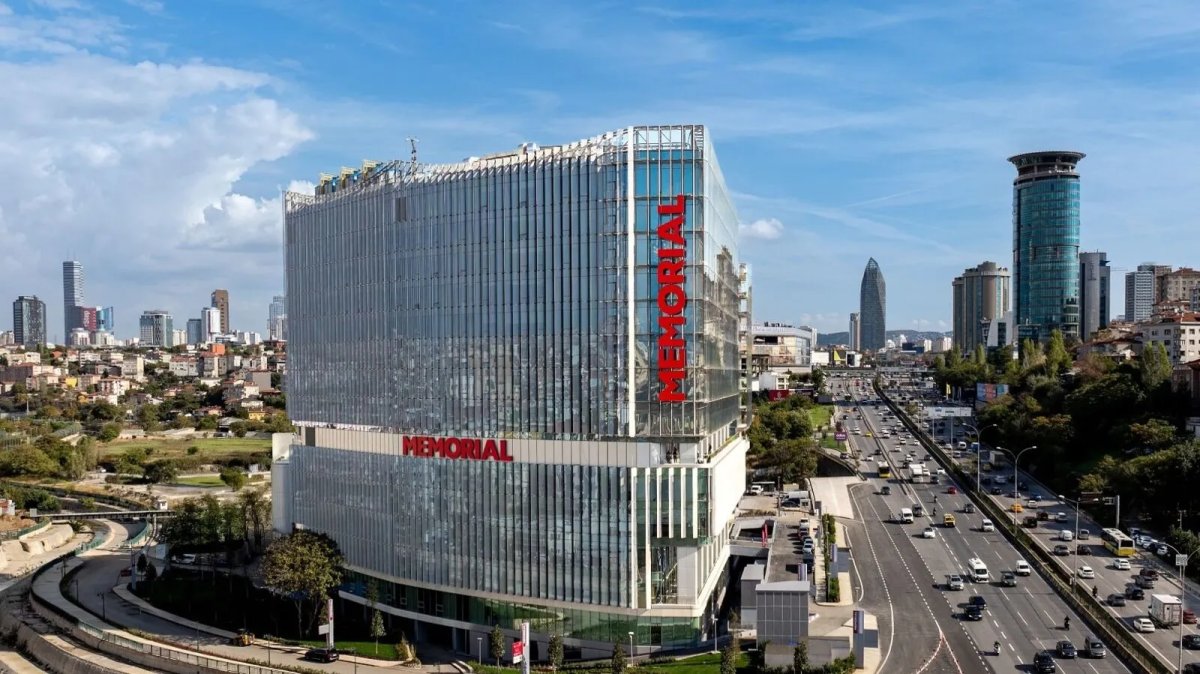
Memorial Göztepe Hospital



احصل على تقييم طبي لـ في تركيا. استشر الآن 10 أطباء ذوي الخبرة.
عرض جميع الأطباء
Betul Tavil
الدكتورة بيتول تافيل هي أستاذة في أمراض الدم والأورام للأطفال، وخبيرة عالمية في زراعة نخاع العظم للأطفال.
لماذا يثق المرضى بالدكتورة تافيل:
- طبيبة ذات نتائج استثنائية — عالجت بنجاح أكثر من 500 طفل مصاب باللوكيميا وأجرت عمليات زرع نخاع العظم لأكثر

Suleyman Hilmi Ipekci
الدكتور سليمان حلمي إيبكجي هو أستاذ الغدد الصماء في جامعة أطلس. يعالج اضطرابات الهرمونات المعقدة، وسرطانات الغدة الدرقية، وأمراض الغدة النخامية. يمارس عمله في مستشفى هيسار إنتركونتيننتال في إسطنبول. تخدم هذه المنشأة المعتمدة من اللجنة الدولية المشتركة (JCI) أكثر من 500,000 مريض سنوياً. حصل الدكتور إيبكجي على شهادته الطبية وإقامته في جامعة إسطنبول.
- ألف أكثر من 40 مقالاً في مجلات دولية مع 230 استشهاداً.
- حائز على جوائز متعددة في المؤتمر الوطني للسكري.
- قاد مشاريع عل
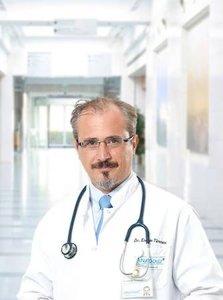
Erdem Turemen
أدار أخصائي الغدد الصماء إردم توريمين رعاية أكثر من 900 مريض في مركز الأناضول الطبي.
- أخصائي متمرس في طب الغدد الصماء
- حاصل على تقييم عالٍ لرضا المرضى يبلغ 4.6 نجوم
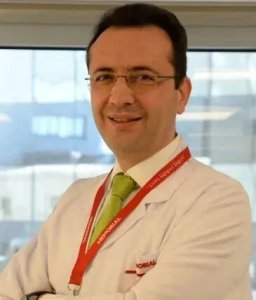
Yavuz Yalcin
الدكتور يافوز يالتشين أخصائي الغدد الصماء والأمراض الأيضية في مستشفى ميموريال شيشلي بإسطنبول، ويعمل فيه منذ 2014. عمل سابقًا في ميموريال إيتيلر، ومستشفى ميديكال بارك أردو الخاص، ومستشفى أردو الحكومي. أكمل زمالة الغدد الصماء في مستشفى أنقرة نوموني بين 2009 و2012. وقبل ذلك أنهى اختصاص الطب الباطني في SSK غوزتيبه، وحصل على درجته الطبية من جامعة أكدينيز.
يشمل عمله الأكاديمي 8 منشورات دولية و10 منشورات وطنية. قدّم 10 عروض دولية و20 عرضًا وطنيًا، وحضر 39 اجتماعًا علميًا. يحمل شهادة البورد في
مشاركة المحتوى
قصص فيديو من مرضى Bookimed
 Anna Leonova
أسئلة متكررة حول علاج سكري النوع الأول في تركيا
هل العلاج بالخلايا الجذعية لمرض السكري من النوع الأول متاح وفعال في تركيا؟
العلاج بالخلايا الجذعية لمرض السكري من النوع الأول متاح في تركيا في مراكز الطب التجديدي المتخصصة. يهدف العلاج إلى تحسين التحكم في نسبة الجلوكوز في الدم وتقليل الاعتماد على الأنسولين. تستخدم المرافق التركية الخلايا الجذعية الوسيطة في بيئات معتمدة من قبل اللجنة الدولية المشتركة (JCI). لا يزال هذا إجراءً اختيارياً وليس علاجاً نهائياً.
- التقنيات المتاحة: تقدم العيادات زراعة الخلايا الجذعية الوسيطة وعلاج الخلايا الجذعية المستحثة وافرة القدرة.
- البنية التحتية السريرية: تدير مرافق مثل مستشفى ليف أولوس مختبرات متخصصة للخلايا الجذعية وفقاً لمعايير التصنيع الجيد (GMP).
- المؤهلات العلمية للخبراء: يتمتع كبار المتخصصين مثل الدكتور إردال كاراوز بخلفية بحثية متقدمة من جامعة هارفارد.
- النتائج المبلغ عنها: تشير بعض البروتوكولات إلى تحسن يصل إلى 60% في حساسية الأنسولين لدى المرضى.
رؤية خبير Bookimed: بينما تقدم العديد من المرافق العلاج بالخلايا الجذعية، فإن وجود مختبر معتمد من قبل ممارسات التصنيع الجيد (GMP) في الموقع هو مؤشر الجودة الرئيسي. كان مستشفى ليف أولوس أول مستشفى تركي خاص يضع هذا المعيار. وهذا يضمن فعالية الخلية والسلامة السريرية التي لا تستطيع العيادات الأصغر مضاهاتها. يجب على المرضى إعطاء الأولوية للمراكز ذات الخلفية البحثية الموثقة مثل البروفيسور الدكتور إردال كاراوز.
إجماع المرضى: يشير المرضى إلى أنه من المهم التمييز بين إدارة الأعراض والشفاء التام. وغالباً ما يؤكدون على التحقق مما إذا كانت العيادة تستخدم خلايا وسيطة أصل
هل تتوفر تقنيات السكري الحديثة – أجهزة CGM ومضخات الأنسولين الآلية – بسهولة في تركيا؟
تتوفر تقنيات السكري الحديثة مثل أجهزة CGM ومضخات الأنسولين الآلية في تركيا. توفر المراكز الخاصة ذات الحجم الكبير في إسطنبول هذه الأجهزة المتقدمة. وتتواجد علامات تجارية مثل Abbott و Medtronic في السوق. على الرغم من وجود الأجهزة، إلا أن التوفر غالباً ما يعتمد على التأمين الخاص أو دفع مبالغ نقدية كبيرة.
- الأجهزة المتاحة: تُباع أنظمة Abbott FreeStyle Libre و Medtronic 780G في تركيا.
- مراكز الوصول: توفر عيادات الغدد الصماء المتخصصة في إسطنبول، مثل مركز الأناضول الطبي، هذه التقنيات.
- الخبرة: يتخصص البروفيسور الدكتور إردال كاراوز في مستشفى ليف أولوس في أبحاث السكري المتقدمة.
- المعايير الدولية: تقدم المرافق المعتمدة من قبل اللجنة الدولية المشتركة (JCI) مثل مستشفى ميموريال شيشلي فرقاً متعددة التخصصات لإدارة مرض السكري.
رؤية خبير Bookimed: تظهر بيانات Bookimed أن عيادات إسطنبول مثل ميديبول ميغا تخدم أكثر من 1,000,000 مريض سنوياً. يسمح هذا الحجم الكبير لهذه "مستشفيات المدينة" بالحفاظ على مخزون ثابت من أجهزة الاستشعار ومستلزمات المضخات. يجب على المرضى اختيار عيادات بها أخصائيو غدد صماء في الموقع مثل الدكتور إردم توريمين لضمان معايرة الأجهزة بشكل فوري.
إجماع المرضى: يشير المرضى إلى أنه على الرغم من توفر التكنولوجيا، إلا أن العثور على طبيب على دراية باستكشاف أخطاء أجهزة معينة وإصلاحها أمر حيوي. ويؤكد الكثيرون أن التكلفة لا تزال العائق الرئيسي بدلاً من المخزون المادي للأجهزة.
ما هي العيادات والمستشفيات في تركيا الأكثر شهرة لرعاية مرضى السكري من النوع الأول؟
تشمل أفضل المستشفيات التركية لعلاج مرض السكري من النوع الأول المرافق المعتمدة من قبل اللجنة الدولية المشتركة (JCI) مثل مركز الأناضول الطبي ومستشفى جامعة ميديبول ميغا. تتخصص هذه المراكز في الغدد الصماء المتقدمة، وعلاج مضخة الأنسولين، ومراقبة الجلوكوز المستمرة. غالباً ما يتعاون أخصائيو الغدد الصماء مع فرق متخصصة من أخصائيي التغذية وعلم النفس للإدارة الشاملة.
- مركز الأناضول الطبي: تابع لـ Johns Hopkins Medicine، ويضم هذا المرفق في إسطنبول أخصائي الغدد الصماء الأول الدكتور إردم توريمين.
- جامعة ميديبول ميغا: يعالج هذا المجمع الضخم أكثر من 1,000,000 مريض سنوياً مع وحدات متخصصة في غدد الصماء للأطفال.
- مستشفى ليف أولوس: معروف بالطب التجديدي وأبحاث الخلايا الجذعية المبتكرة لاستبدال خلايا بيتا.
- مجموعة ميموريال الصحية: تقدم مراكز استقلابية متخصصة في مواقع متعددة، بما في ذلك مواقع شيشلي وبهجيلي إيفلر.
رؤية خبير Bookimed: يعد حجم المرضى مؤشراً رئيسياً على جودة الرعاية المزمنة في تركيا. يخدم مستشفى جامعة ميديبول ميغا ما يقرب من 1,000,000 مريض سنوياً. يؤدي هذا الحجم الكبير غالباً إلى وصول أسرع إلى المختبرات المتخصصة وأخصائيي الغدد الصماء للأطفال مقارنة بالمرافق الأصغر. توفر هذه المراكز الثالثية عادةً البنية التحتية الأكثر استقراراً لدعم الأجهزة على المدى الطويل والتعليم الاستقلابي.
إجماع المرضى: يشير المرضى إلى أنه من الضروري تأمين موعد مع أخصائي غدد صماء معتمد بدلاً من طبيب عام. يؤكد الكثيرون على اختيار مستشفيات كبيرة في إسطنبول
هل يتم إجراء زراعة البنكرياس في تركيا لمرضى السكري من النوع الأول المتقدم؟
يتم إجراء عمليات زراعة البنكرياس في تركيا للمرضى الذين يعانون من مرض السكري من النوع الأول المتقدم والذين يواجهون مضاعفات تهدد الحياة. توفر مراكز متخصصة في إسطنبول عمليات زراعة البنكرياس والكلى المتزامنة (SPK) وعمليات زراعة البنكرياس فقط. تحافظ هذه المرافق على معدلات نجاح عالية وتتبع معايير السلامة الدولية لزراعة الأعضاء المعقدة.
- معدلات النجاح: أفاد مستشفى ميموريال شيشلي بنسبة نجاح 90% لإجراءات زراعة الأعضاء.
- تقنيات متخصصة: تقدم المراكز التركية عمليات زراعة البنكرياس والكلى المتزامنة للمرضى الذين يعانون من اعتلال الكلية المتقدم.
- التشخيص المتقدم: تستخدم العيادات التصوير المقطعي المحوسب بـ 512 شريحة والرنين المغناطيسي 3 تسلا للتقييمات قبل الزرع.
- جراحون خبراء: يركز متخصصون مثل الدكتور إردال كاراوز على علاجات السكري التجديدية والخلوية.
رؤية خبير Bookimed: بينما تتوفر عمليات زراعة البنكرياس، تبلغ المراكز الطبية التركية مثل ميموريال أتاشهير عن معدلات نجاح عالية بشكل استثنائي في عمليات زراعة الكلى تصل إلى 99%. غالباً ما يعطي المرضى الذين يعانون من الفشل الكلوي السكري الأولوية للعمليات المتزامنة لأن مطابقة متبرع واحد لكلتا العضويين يحسن عادةً البقاء على قيد الحياة على المدى الطويل في وحدات زراعة الأعضاء ذات الحجم الكبير في تركيا.
إجماع المرضى: يشير المرضى إلى أن هذه الجراحة هي خيار يغير الحياة لأولئك الذين يعانون من عدم إدراك نقص السكر في الدم الحاد. وهم يؤكدون أنه على الرغم من أنها يمكن أن تقضي على الاعتماد على الأنسولي
هل ستكون اللغة عائقًا عند مناقشة الإدارة المعقدة للسكري من النوع الأول في تركيا؟
اللغة ليست عائقًا أمام الإدارة المعقدة للسكري من النوع الأول (T1D) في المستشفيات الخاصة التركية. غالبًا ما يتم تدريب كبار أطباء الغدد الصماء في المراكز المعتمدة من اللجنة الدولية المشتركة (JCI) في الولايات المتحدة أو أوروبا ويتحدثون الإنجليزية بطلاقة. توفر هذه المرافق منسقين شخصيين ومترجمين طبيين محترفين لضمان تواصل دقيق فيما يتعلق بمضخات الأنسولين وبيانات المراقبة المستمرة للجلوكوز (CGM).
- اعتمادات العيادات: تخدم أكثر من 390 عيادة تركية أكثر من 46000 مريض دولي مع دعم مخصص متعدد اللغات.
- خبرة الأخصائيين: يتمتع كبار الأطباء مثل البروفيسور إردال كاراوز في مستشفى ليف أولوس بتدريب أمريكي.
- خدمات الترجمة: يوفر مركز الأناضول الطبي منسقين شخصيين مخصصين للمرضى الذين لا يتحدثون التركية.
- المساعدة في التواصل: تقدم مستشفيات مثل ميموريال شيشلي مساعدة في السفر والثقافة لأكثر من 160 دولة.
رؤية خبير Bookimed: تُظهر بياناتنا أن الفجوات الإدارية أكثر شيوعًا من الحواجز اللغوية الطبية. على الرغم من أن أكثر من 150 طبيبًا في مركز الأناضول الطبي قد يتحدثون الإنجليزية، إلا أن أوقات الانتظار في مكتب الاستقبال قد تحدث. اعتمد دائمًا على منسقك الشخصي المعين لتوجيهك خلال عملية تسجيل الوصول. إنهم يسدون الفجوة بين لوجستيات مكتب الاستقبال واستشارتك المتخصصة.
إجماع المرضى: يلاحظ المرضى أنه على الرغم من أن الأطباء مؤهلون للغاية ولطفاء، إلا أن أوقات الانتظار قد تحدث حتى مع وجود مواعيد. يساعد إعداد ملخص طبي خاص بك باللغة الإنجليزية البسيطة في تجنب الا