علاج سكري النوع الأول في ليتوانيا: 2 مستشفيات


تمت مراجعة المقالة طبيا من قبل
فهد مولود
ما هي تكلفة سكري النوع الأول إجراءات التشخيص والعلاج في ليتوانيا؟ اعرف الآن
| تركيا | إسبانيا | |
|---|---|---|
| علاج مرض السكري بالخلايا الجذعية | من $7,400 | ≈ $9,500 |
مزاياك وضماناتك مع Bookimed
أسعار مباشرة
Bookimed لا يضيف رسوماً إضافية على أسعار علاج سكري النوع الأول. الأسعار مأخوذة من قوائم الأسعار الرسمية للعيادات. تدفع مباشرة في العيادة مقابل علاجك عند وصولك إلى البلد.
عيادات وأطباء معتمدون فقط
Bookimed ملتزم بسلامتك. نحن نعمل فقط مع المؤسسات الطبية التي تحافظ على معايير دولية عالية في علاج سكري النوع الأول ولديها التراخيص اللازمة لخدمة المرضى الدوليين في جميع أنحاء العالم.
مساعدة مجانية على مدار الساعة
Bookimed يقدم مساعدة خبراء مجانية. منسق طبي شخصي يدعمك قبل وأثناء وبعد العلاج، ويحل أي مشاكل. لن تكون وحيداً أبداً في رحلة علاج سكري النوع الأول.

منسقك الطبي الشخصي في Bookimed
- يدعمك في كل مرحلة
- المساعدة في اختيار العيادة الطبية المناسبة والطبيب المناسب
- يضمن الوصول السريع والمريح إلى المعلومات
اكتشف أفضل سكري النوع الأول العيادات في ليتوانيا: 2 خيارات معتمدة والأسعار


احصلوا على تقييم طبي لـ سكري النوع الأول في ليتوانيا: استشيروا أطباء ذوي خبرة الآن
عرض جميع الأطباء
Agne Abraitiene
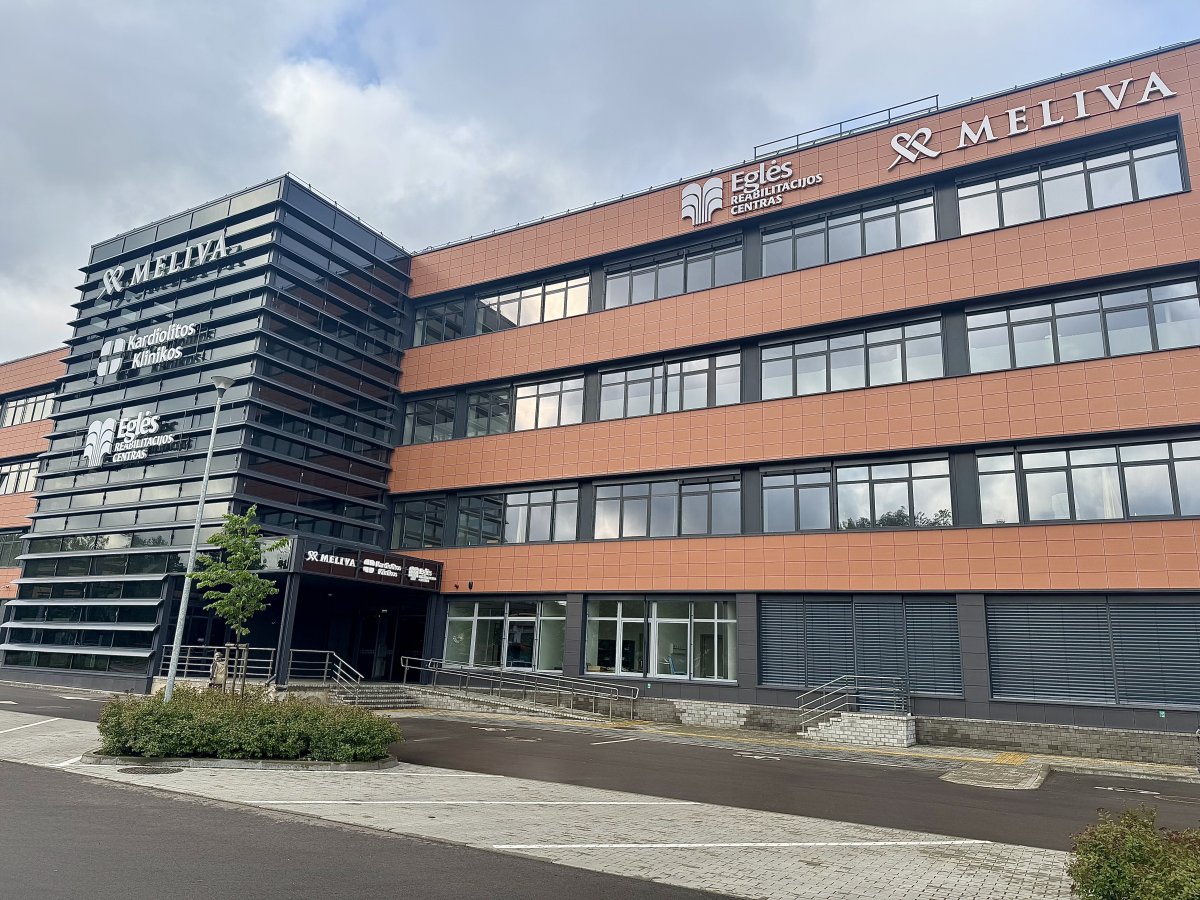
الدكتورة أبريتيني هي طبيبة غدد صماء تعالج المرضى في مستشفى ميليفا كارديوليتا.
- متخصصة في إدارة مرض السكري واضطرابات الغدد الصماء
- تقدم التشخيص والعلاج لمرض السكري من النوع الأول
- تركز على خطط رعاية المرضى الشخصية
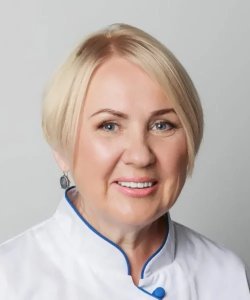
Aldona Danylienė

Morkveniene Nijole
الدكتورة موركفينيني نيولي هي أخصائية غدد صماء متخصصة في مرض السكري من النوع الأول في مركز التشخيص والعلاج الطبي.
- متخصصة في علاج وإدارة مرض السكري من النوع الأول
- تقدم رعاية غدد صماء تتمحور حول المريض
- تعمل ضمن منشأة تشخيص طبي متخصصة
مشاركة المحتوى
قصص فيديو من مرضى Bookimed
 Anna Leonova
أسئلة متكررة حول علاج سكري النوع الأول في ليتوانيا
هل يتم تغطية علاج مرض السكري من النوع الأول من قبل الدولة للوافدين؟
يتم تغطية علاج مرض السكري من النوع الأول في ليتوانيا للوافدين الذين يساهمون في نظام التأمين الصحي الإلزامي (PSD). تتطلب التغطية تصريح إقامة ساري المفعول والتسجيل في عيادة محلية. يحصل الأفراد المؤمن عليهم على الأنسولين المدعوم واستشارات الغدد الصماء الأساسية من خلال شبكة الرعاية الصحية العامة.
- متطلبات التأمين: يجب أن يكون الوافدون موظفين بشكل قانوني أو يدفعون ضرائب PSD بشكل مستقل.
- بروتوكول الوصول: التسجيل لدى طبيب الرعاية الأولية والحصول على إحالة من طبيب الغدد الصماء أمر إلزامي.
- نطاق التغطية: يغطي التأمين العام بشكل أساسي الأنسولين الأساسي ومستلزمات إدارة مرض السكري الأساسية.
- خيارات مقدمي الخدمة: توفر المراكز الخاصة مثل مستشفى ميليفا كارديوليتا استشارات متخصصة للمقيمين المسجلين.
رؤية خبير Bookimed: على الرغم من أن التغطية العامة فعالة للرعاية الروتينية، إلا أنه غالبًا ما يتم تفضيل المرافق الخاصة مثل مركز التشخيص والعلاج الطبي في فيلنيوس للتشخيصات الأولية. تتعامل هذه المراكز مع أكثر من 48,000 مريض سنويًا وتوفر وصولاً أسرع إلى أطباء الغدد الصماء المعتمدين مثل الدكتورة أغني أبريتيني. بالنسبة للوافدين، يمكن أن يؤدي استخدام عيادة خاصة معتمدة من JCI للتقييم الأول إلى تجاوز فترات الانتظار الطويلة في نظام الدولة مع ضمان توافق خطة علاجك مع معايير الوصفات الطبية الليتوانية.
إجماع المرضى: يشير المرضى إلى أنه من الضروري الحصول على تصريح إقامة بسرعة لفتح مزايا الدولة. ويؤكدون على أهمية إحضار سجلات طبية مفصلة من بلدك الأصلي لم
هل مضخات الأنسولين متوفرة ومغطاة بالكامل بالتأمين في ليتوانيا؟
مضخات الأنسولين متوفرة ومغطاة بنسبة 100% في ليتوانيا من خلال صندوق التأمين الصحي الإلزامي. تغطي الدولة تكاليف الإيجار والصيانة الفنية وقطع الغيار لجميع المقيمين المؤهلين. الوصول متاح عالمياً عبر جميع الفئات العمرية بشرط أن تؤكد لجنة طبية الضرورة السريرية.
- التغطية الشاملة: يغطي صندوق التأمين الوطني 100% من تكاليف استئجار المضخة.
- الموافقة الطبية: يجب أن تؤكد لجنة من أطباء الغدد الصماء في الرعاية الثالثية حاجتك السريرية.
- تغطية المستلزمات: يتم تغطية مجموعات التسريب والخزانات بالكامل من قبل التأمين الصحي الحكومي.
- أخصائيون خبراء: أطباء مثل الدكتورة أغني أبرايتيني متخصصون في إدارة مرض السكري المعقد.
رؤية خبير Bookimed: بينما تركز الأنظمة الحكومية على العيادات العامة، تخدم المراكز الخاصة مثل مستشفى ميليفا كارديوليتا ومركز التشخيص والعلاج الطبي أكثر من 340,000 مريض مجتمعين. توفر هذه المرافق غالباً وصولاً أسرع إلى أطباء الغدد الصماء المعتمدين مثل الدكتورة موركفينيني نيجولي للتقييمات المتخصصة الأولية. يمكن أن يؤدي استخدام التشخيصات الخاصة إلى تسريع عملية التوثيق المطلوبة للموافقة على التغطية الحكومية بشكل كبير.
إجماع المرضى: يشير المرضى إلى أن الجمع بين مضخة مغطاة بالتأمين وجهاز مراقبة الجلوكوز المستمر يغير الحياة. ويؤكدون على أهمية تأمين التدريب الفني والحفاظ على جداول تجديد صارمة لوصفات المستلزمات.
كيف يمكن للمريض طلب مضخة أنسولين مدعومة؟
لطلب مضخة أنسولين مدعومة، يجب على المريض إثبات الضرورة الطبية من خلال طبيب الغدد الصماء. عادة ما يتم إدارة الدعم من خلال التأمين الصحي الحكومي أو برامج مساعدة الشركات المصنعة. يجب على المرضى إثبات أن الحقن اليومي المتعدد يفشل في إدارة نسبة السكر في الدم بفعالية أو يسبب تقلبات حادة.
- الضرورة الطبية: يجب على أطباء الغدد الصماء توثيق تقلبات السكر في الدم المتكررة أو نقص السكر الحاد في الدم.
- الإثبات السريري: يجب على المرضى تقديم سجلات الجلوكوز أو تقارير أجهزة مراقبة الجلوكوز المستمرة (CGM).
- برامج الشركات المصنعة: تقدم شركات مثل Medtronic و Insulet مساعدات مالية للمرضى المؤهلين.
- قنوات التأمين: غالبًا ما تغطي البرامج الحكومية المضخات ضمن مزايا المعدات الطبية المتينة (DME).
رؤية خبير Bookimed: توظف العيادات في فيلنيوس مثل مستشفى Meliva Kardiolita ومركز التشخيص والعلاج الطبي أكثر من 700 طبيب مجتمعين. تظهر البيانات أن خبراء مثل الدكتورة Agne Abraitiene والدكتورة Morkveniene Nijole متخصصون في إدارة مرض السكري المبتكرة. يشارك هؤلاء المتخصصون بشكل متكرر في التجارب السريرية لأمراض التمثيل الغذائي. يساعد حجم اختباراتهم التشخيصية المرتفع المرضى في بناء التاريخ الطبي اللازم للموافقة على الدعم.
إجماع المرضى: يشير المرضى إلى أنه من المهم أن يطلبوا من الأطباء إجراء تقييم باستخدام لغة دقيقة. يقترح الكثيرون أن إظهار الاستعداد لإكمال التدريب على الجهاز يساعد في تقليل تردد الطبيب أثناء عملية الموافقة.
هل أنظمة المراقبة المستمرة للجلوكوز (CGM) مغطاة؟
تتم تغطية أنظمة المراقبة المستمرة للجلوكوز (CGM) لمرض السكري من النوع الأول في ليتوانيا من خلال صندوق التأمين الصحي الإلزامي. تعتمد الأهلية على معايير سريرية. يشمل هذا عادةً الأطفال والمراهقين والبالغين الذين يعانون من عدم استقرار نسبة السكر في الدم. يلزم الحصول على وصفة طبية من أخصائي غدد صماء معتمد للحصول على التعويض.
- معايير الأهلية: تنطبق التغطية على المرضى الذين يعانون من نقص السكر في الدم الموثق أو الحمل.
- الدعم السريري: يجب على أخصائيي الغدد الصماء تقديم وثائق مفصلة للموافقة على التعويض.
- حدود التعويض: غالبًا ما يضع التأمين العام سقفًا لعدد المستشعرات شهريًا.
- المرافق المعتمدة: تدير المراكز المعتمدة من قبل JCI مثل مستشفى Meliva Kardiolita الحالات المعقدة.
رؤية خبراء Bookimed: يشير حجم المرضى إلى كفاءة تشخيصية عالية في فيلنيوس. يخدم مركز التشخيص والعلاج الطبي أكثر من 48,000 مريض سنويًا. يوظف مستشفى Meliva Kardiolita 510 طبيبًا عبر 33 قسمًا. يضمن اختيار المراكز الكبيرة متعددة التخصصات قدرة أخصائي الغدد الصماء على التنسيق بسرعة مع متخصصين آخرين في حالة حدوث مضاعفات.
إجماع المرضى: يلاحظ المرضى أن التغطية تعتمد غالبًا على قواعد أهلية محددة مثل حالات انخفاض السكر الشديدة. يوصي الكثيرون بالتحقق مما إذا كان التعويض يشمل مستلزمات المستشعرات أم فقط مجموعة جهاز الإرسال الأولية.
هل يمكن للمرضى الحصول على مستشعرات CGM وشرائط اختبار الجلوكوز اليدوية مجانًا؟
توفر ليتوانيا تعويضًا لكل من مستشعرات مراقبة الجلوكوز المستمرة (CGM) وشرائط الاختبار اليدوية لمرض السكري من النوع الأول. عادةً ما يغطي التأمين الصحي الوطني هذه المستلزمات. تعتمد التغطية غالبًا على العمر والضرورة الطبية المحددة ونوع جهاز CGM الموصوف.
- التغطية المزدوجة: غالبًا ما تعوض البرامج العامة كلاً من المستشعرات وشرائط الاختبار الاحتياطية في وقت واحد.
- حدود الإمداد: قد تحد قواعد البرنامج من كميات الشرائط لمستخدمي أجهزة CGM التي تمت معايرتها في المصنع.
- الضرورة الطبية: يجب على أطباء الغدد الصماء وصف كلا العنصرين بشكل منفصل لضمان التعويض الكامل.
- الخيارات الخاصة: توفر مرافق مثل المركز الطبي للتشخيص والعلاج استشارات متخصصة في الغدد الصماء.
رؤية خبير Bookimed: يمكن للمرضى في ليتوانيا الوصول إلى رعاية متخصصة في مراكز مثل مستشفى Meliva Kardiolita، الذي يعالج أكثر من 290,000 مريض سنويًا. يمكن لأطباء الغدد الصماء ذوي الخبرة العالية، مثل الدكتورة Agne Abraitiene التي تتمتع بخبرة تزيد عن 15 عامًا، المساعدة في التنقل في قواعد التعويض العام. إن وجود خبير يدير وصفاتك الطبية يضمن حصولك على الحد الأقصى المسموح به من الإمدادات لكل من CGM والاختبار اليدوي.
إجماع المرضى: يؤكد المرضى أن جهاز CGM لا يحل محل وخز الإصبع تمامًا، خاصة أثناء فشل المستشعر أو تقلبات الجلوكوز السريعة. يشير الكثيرون إلى أنه يجب عليك طلب كلتا الوصفتين بشكل استباقي من طبيبك لتجنب نفاد الإمدادات الاحتياطية.
هل يتم تغطية إبر الأنسولين والمحاقن والمشارط لمرضى السكري من النوع الأول البالغين؟
يغطي التأمين الصحي العام في ليتوانيا إبر الأنسولين والمحاقن والمشارط لمرضى السكري من النوع الأول البالغين. تعتمد التغطية على وجود تأمين صحي إلزامي ساري المفعول ووصفة طبية محددة. يجب على أطباء الغدد الصماء تأكيد الضرورة الطبية لتفويض هذه الإمدادات من خلال نظام السداد الوطني.
- فئات الإمدادات: تشمل التغطية إبر أقلام الأنسولين، والمحاقن المتخصصة، وأجهزة وخز الإصبع (المشارط).
- متطلبات الوصفة الطبية: يجب على الأطباء تقديم وصفات طبية مفصلة لتحديد كميات التسليم بدقة.
- حدود الكمية: غالبًا ما يكون لعمليات السداد مخصصات شهرية ثابتة لإمدادات الاختبار.
- شبكة مقدمي الخدمة: تقوم الصيدليات المعتمدة في فيلنيوس ومدن أخرى بصرف المواد المشمولة بالتغطية.
رؤية خبير Bookimed: على الرغم من أن الأنظمة العامة تغطي الأساسيات، إلا أن المرضى البالغين غالبًا ما يواجهون حدودًا شهرية صارمة للكميات. تضم عيادات مثل مستشفى Meliva Kardiolita أطباء غدد صماء متخصصين مثل الدكتورة Agne Abraitiene. يدير هؤلاء المتخصصون الوثائق الدقيقة اللازمة لزيادة أحجام الإمدادات المسموح بها بموجب اللوائح الليتوانية.
إجماع المرضى: غالبًا ما يشير المرضى إلى أن التغطية الأساسية متاحة ولكنها أحيانًا غير كافية للإدارة المكثفة. يقترح الكثيرون الاحتفاظ بإمدادات احتياطية شخصية لتجنب التأخيرات الناجمة عن قواعد صرف الصيدليات.
هل مضاعفات مرض السكري والدعم المرتبط بها مغطاة بموجب نظام الصحة العامة؟
تغطي أنظمة الصحة العامة في ليتوانيا بشكل عام مضاعفات مرض السكري كخدمات طبية أساسية. يتم دعم علاج أمراض الكلى وفقدان البصر ومشاكل القلب والأوعية الدموية للمرضى المؤمن عليهم. تشمل التغطية العمليات الجراحية في المستشفيات، واستشارات المتخصصين، والأدوية للأمراض الثانوية مثل الاعتلال العصبي أو اعتلال الكلية.
- الرعاية المتخصصة: يقدم أطباء مثل الدكتورة أغني أبرايتيني استشارات الغدد الصماء المشمولة بالتغطية للإدارة.
- دعم الرؤية: عادة ما يتم تضمين فحوصات العين المنتظمة وعلاجات الليزر لاعتلال الشبكية.
- دعم الأعضاء: يتم دعم غسيل الكلى وزراعة الكلى لاعتلال الكلية بشكل كبير من قبل الأطر العامة.
- الوصول إلى التشخيص: تدير المراكز المعتمدة من JCI مثل مستشفى Meliva Kardiolita حجمًا كبيرًا يصل إلى 298,000 زيارة مريض سنويًا.
رؤية خبير Bookimed: بينما يتم تغطية العلاجات الأساسية، نرى أن المرافق الخاصة مثل مركز التشخيص والعلاج الطبي تتعامل مع العديد من المرضى الدوليين للوصول بشكل أسرع إلى التشخيص. قد يكون للأنظمة العامة فترات انتظار طويلة لفحوصات المضاعفات المتخصصة. يمكن للمرضى تجنب هذه التأخيرات من خلال الاستعانة بأخصائيين خاصين يعملون أيضًا ضمن أطر التكامل بين القطاعين العام والخاص.
إجماع المرضى: يشير المرضى إلى أنه على الرغم من أن علاجات الطوارئ مجانية، فإن الحصول على إمدادات متقدمة مثل أجهزة مراقبة الجلوكوز المستمرة (CGM) أو المضخات يتطلب تجاوز عقبات إدارية كبيرة. يقول الكثيرون إن التشخيص في حد ذاته لا يكفي؛ غالبًا ما تحتاج إلى إثبات