علاج سكري النوع الأول في كوريا الجنوبية: 2 مستشفيات


تمت مراجعة المقالة طبيا من قبل
فهد مولود
ما هي تكلفة سكري النوع الأول إجراءات التشخيص والعلاج في كوريا الجنوبية؟ اعرف الآن
| كوريا الجنوبية | تركيا | إسبانيا | |
|---|---|---|---|
| علاج مرض السكري بالخلايا الجذعية | ≈ $18,500 | من $7,400 | ≈ $9,500 |
مزاياك وضماناتك مع Bookimed
أسعار مباشرة
Bookimed لا يضيف رسوماً إضافية على أسعار علاج سكري النوع الأول. الأسعار مأخوذة من قوائم الأسعار الرسمية للعيادات. تدفع مباشرة في العيادة مقابل علاجك عند وصولك إلى البلد.
عيادات وأطباء معتمدون فقط
Bookimed ملتزم بسلامتك. نحن نعمل فقط مع المؤسسات الطبية التي تحافظ على معايير دولية عالية في علاج سكري النوع الأول ولديها التراخيص اللازمة لخدمة المرضى الدوليين في جميع أنحاء العالم.
مساعدة مجانية على مدار الساعة
Bookimed يقدم مساعدة خبراء مجانية. منسق طبي شخصي يدعمك قبل وأثناء وبعد العلاج، ويحل أي مشاكل. لن تكون وحيداً أبداً في رحلة علاج سكري النوع الأول.

منسقك الطبي الشخصي في Bookimed
- يدعمك في كل مرحلة
- المساعدة في اختيار العيادة الطبية المناسبة والطبيب المناسب
- يضمن الوصول السريع والمريح إلى المعلومات
اكتشف أفضل سكري النوع الأول العيادات في كوريا الجنوبية: 2 خيارات معتمدة والأسعار




احصلوا على تقييم طبي لـ سكري النوع الأول في كوريا الجنوبية: استشيروا أطباء ذوي خبرة الآن
عرض جميع الأطباء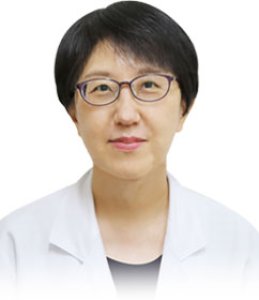
Kim Yeonsun
الدكتور كيم يونسون أخصائي غدد صماء ورئيس قسم الغدد الصماء في مستشفى نايون. يعالج السكري، وأمراض الغدة الدرقية، ومتلازمة الأيض، وارتفاع الكوليسترول، وهشاشة العظام، وغيرها من اضطرابات الغدد الصماء.
حصل على درجة الطب من كلية الطب بجامعة سيول الوطنية. أنهى تدريب الدراسات العليا في الطب الباطني بجامعة غاتشون، ثم عمل زميلًا سريريًا في الغدد الصماء بمركز سامسونغ الطبي.
شغل سابقًا منصب رئيس قسم الطب الباطني في مستشفى الصليب الأحمر بسيول. كما شغل منصب أستاذ طب الغدد الصماء والتمثيل الغذا
مشاركة المحتوى
قصص فيديو من مرضى Bookimed
 Anna Leonova
أسئلة متكررة حول علاج سكري النوع الأول في كوريا الجنوبية
هل يغطي التأمين الصحي الوطني في كوريا الجنوبية علاج مرض السكري من النوع الأول للسياح الطبيين؟
لا يغطي التأمين الصحي الوطني في كوريا الجنوبية علاج مرض السكري من النوع الأول للسياح الطبيين. يخدم هذا النظام المواطنين والمقيمين الذين يبقون لأكثر من 6 أشهر. يدفع الزوار الرسوم الكاملة غير المدعومة للأنسولين والاستشارات. يجب على المرضى الدوليين دفع جميع التكاليف الطبية من أموالهم الخاصة.
- أهلية التأمين: تتطلب الأهلية 6 أشهر من الإقامة والتسجيل الرسمي.
- تكاليف الاستشارة: تتراوح تكلفة زيارات الأخصائيين في عيادات سيول بين 36 دولارًا و109 دولارات.
- الوصول إلى الأدوية: تتطلب الصيدليات المحلية وصفة طبية كورية لجميع أنواع الأنسولين.
- العلاجات المتقدمة: تقدم مراكز متخصصة مثل RE:YOUTH علاجات تجديدية بالخلايا الجذعية الشريانية.
رؤية خبراء Bookimed: أصبحت العلاجات التجديدية المتقدمة متاحة بشكل متزايد للحالات المزمنة في كوريا. يخدم مركز RE:YOUTH حوالي 1,000 مريض سنويًا باستخدام بروتوكولات الخلايا الجذعية الشريانية المتخصصة. على الرغم من غياب تغطية NHI التقليدية، توفر هذه العيادات المتخصصة رعاية ذات أولوية عالية. غالبًا ما يحدون الاستقبال اليومي إلى مريضين فقط للحصول على رعاية طبية مكثفة.
إجماع المرضى: يشير المرضى إلى أنه على الرغم من أن النظام الوطني مغلق أمام الزوار، إلا أن الوصول إلى الصيدليات يتسم بالكفاءة. ويؤكدون على أهمية تأكيد جميع متطلبات الفواتير والوصفات الطبية قبل الوصول لضمان إمدادات ثابتة من الأنسولين.
كيف يمكنني تجديد وصفات الأنسولين مثل Humalog أو Lantus أثناء وجودي في كوريا الجنوبية؟
لتجديد وصفة Humalog أو Lantus في كوريا الجنوبية، يجب عليك الحصول على وصفة طبية جديدة من طبيب محلي. الوصفات الطبية الأجنبية ليست صالحة قانونيًا في الصيدليات الكورية. تفضل بزيارة قسم الغدد الصماء في مستشفى جامعي أو عيادة طبية محلية للاستشارة أولاً.
- استشارة العيادة: قم بزيارة عيادة غدد صماء محلية أو مستشفى للحصول على وصفة طبية كورية صالحة.
- الوثائق المطلوبة: أحضر جواز سفرك، وعبوات الأنسولين الأصلية، وخطابًا من طبيبك في بلدك.
- موقع الصيدلية: قم بشراء الأنسولين من الصيدليات المرتبطة بالمستشفيات، حيث قد لا توفر الصيدليات الصغيرة في الشوارع هذا النوع.
- التكاليف المباشرة: كن مستعدًا للدفع بالسعر الكامل إذا لم يكن لديك تأمين صحي وطني كوري.
رؤية خبراء Bookimed: بينما يمكن للعيادات الصغيرة إصدار وصفات طبية، فإن زيارة الشبكات المتكاملة مثل مستشفى جامعة سون تشون هيانغ (Soon Chun Hyang) أكثر أمانًا. تمتلك هذه المراكز الكبيرة أكثر من 100 طبيب وأقسام متعددة التخصصات. وهي مجهزة بشكل أفضل للتعامل مع الملخصات الطبية الدولية وضمان توفر ماركات الأنسولين. إذا كانت الصيدليات المحلية تفتقر إلى علامتك التجارية المحددة، فإن صيدليات المستشفيات في سيول أو تشونان تحتفظ عادة بمخزون مبرد أكبر.
إجماع المرضى: يشير المرضى إلى أهمية إحضار ملخصات مكتوبة لأن شرح الجرعات وأنواع الأنسولين قد يكون صعبًا. يقترحون حمل إمدادات إضافية لأن التسجيل لدى طبيب محلي قد يستغرق وقتًا.
ما هي المستشفيات أو العيادات في سيول المتخصصة في رعاية مرضى السكري من النوع الأول ويمكنها التواصل باللغة الإنجليزية؟
تشمل أفضل المراكز الطبية في سيول لعلاج السكري من النوع الأول مركز آسان الطبي، ومستشفى جامعة سيول الوطنية، ومركز سامسونج الطبي. توفر هذه المستشفيات التعليمية المعتمدة من اللجنة الدولية المشتركة (JCI) منسقين يتحدثون الإنجليزية. وهي متخصصة في إدارة مضخات الأنسولين والغدد الصماء المتقدمة داخل مراكز رعاية صحية دولية مخصصة.
- خبرة الغدد الصماء: تدير الأقسام المتخصصة استقرار الجلوكوز والتقنيات المتقدمة.
- دعم اللغة: توفر المراكز الدولية موظفين مخصصين يتحدثون الإنجليزية للاستشارات.
- أدوات التشخيص: تقدم المرافق قياسات طبقة الألياف العصبية للشبكية للكشف عن المضاعفات.
- حجم العمل السريري: تخدم المستشفيات الكبيرة مثل Soon Chun Hyang آلاف المرضى سنويًا.
رؤية خبير Bookimed: تحتل كوريا المرتبة السابعة عالميًا في بياناتنا للسياحة العلاجية. في حين أن المستشفيات الجامعية الكبيرة ممتازة للرعاية القياسية، تقدم عيادة RE:YOUTH علاجًا متخصصًا بالخلايا الجذعية الشريانية. تحد هذه العيادة من استقبالها إلى مريضين يوميًا، مما يضمن تركيزًا عالي المستوى للحالات المزمنة المعقدة.
إجماع المرضى: يؤكد المرضى على استخدام العيادات الدولية بدلاً من المكاتب العامة للحجز. يوصي الكثيرون بإحضار نتائج A1c الحديثة وقوائم الأدوية باللغة الإنجليزية إلى الموعد الأول.
هل يتم تعويض أجهزة مراقبة الجلوكوز المستمرة (CGM) ومضخات الأنسولين أم يجب أن أدفع من جيبي الخاص؟
تتم تغطية أجهزة مراقبة الجلوكوز المستمرة (CGM) ومضخات الأنسولين في كوريا الجنوبية بشكل عام من قبل التأمين الصحي الوطني. عادة ما يغطي التعويض 70% من التكاليف لمرضى السكري من النوع الأول. يدفع المرضى الدوليون عادةً من جيوبهم الخاصة ما لم يكونوا مسجلين في نظام الصحة الوطني. التوثيق والوصفات الطبية إلزامية لجميع المطالبات.
- معدل التعويض: يغطي التأمين الوطني عادة 70% من التكاليف للمرضى المؤهلين.
- معايير الأهلية: تنطبق التغطية على مرضى السكري من النوع الأول الذين لديهم وصفة طبية.
- المواد المطلوبة: يجب على المرضى تقديم مطالبات لأجهزة الاستشعار وأجهزة الإرسال ومستلزمات مضخة الأنسولين.
- الأجهزة المشمولة: تشمل التغطية معظم العلامات التجارية الكبرى لأجهزة CGM ونماذج مضخات الأنسولين المؤهلة.
رؤية خبير Bookimed: بينما تدير المستشفيات الجامعية مثل Soon Chun Hyang وصفات الأجهزة القياسية، تركز العيادات التجديدية مثل RE:YOUTH على العلاج بالخلايا الجذعية الشريانية. يجب على المرضى ملاحظة أن العلاجات المتخصصة أو العلاجات التجريبية غالبًا ما تقع خارج بروتوكولات التعويض القياسية. تأكد دائمًا مما إذا كان مسار المستشفى الخاص بك يدعم الفوترة المباشرة لهذه الأجهزة.
إجماع المرضى: يشير المرضى إلى أن التغطية غالبًا ما تكون جزئية وليست كاملة. ويؤكدون أن التكاليف المستمرة لأجهزة الاستشعار ومجموعات التسريب تظل غالبًا مصروفًا شهريًا كبيرًا.
ما هي كمية الأنسولين والمستلزمات الأخرى التي يجب أن أحضرها، وما هي القواعد التي تحكم العبور عبر الجمارك الكورية؟
يمكن للمسافرين إلى جمهورية كوريا إحضار كمية أنسولين تكفي لمدة 3 أشهر للاستخدام الشخصي. يجب أن تحمل خطابًا من طبيبك والوصفات الطبية الأصلية. قم بإخطار ضباط الجمارك إذا كنت تحمل محاقن. تتطلب الكميات الأكبر موافقة مسبقة من وزارة سلامة الغذاء والدواء.
- حد الإمداد: يمكنك استيراد كمية تكفي لمدة تصل إلى 90 يومًا دون إذن مسبق من الوزارة.
- متطلبات التوثيق: احمل خطابًا من الطبيب باللغة الإنجليزية يوضح التشخيص والأدوية المطلوبة.
- سلامة التخزين: قم بتخزين كل الأنسولين في حقائب اليد لتجنب درجات الحرارة المتجمدة.
- قاعدة العبور: قم بإبلاغ أمن المطار عن مضخات الأنسولين أو أجهزة مراقبة الجلوكوز المستمرة (CGM) قبل المرور عبر أجهزة الفحص.
رؤية خبير Bookimed: بينما يحضر معظم المسافرين الإمدادات القياسية، تعد كوريا الجنوبية مركزًا للطب التجديدي المتقدم. تقدم عيادة RE:YOUTH علاجًا فريدًا بالخلايا الجذعية الشريانية للحالات المزمنة. إنهم يحدون من استقبالهم إلى مريضين يوميًا لضمان تركيز عالي المستوى. هذا النهج المخصص نادر في المستشفيات الكبيرة مثل مستشفى جامعة Soon Chun Hyang.
إجماع المرضى: يوصي المرضى بحزم 3 أضعاف الكمية المتوقعة وتقسيمها بين حقيبتين. إن الاحتفاظ ببطاقة ترجمة كورية لمرض السكري وجهات اتصال الطوارئ يساعد أثناء تأخيرات العبور غير المتوقعة.
ما هي ماركات الأنسولين وموديلات المضخات وأنظمة المراقبة المستمرة للجلوكوز (CGM) المحددة المتوفرة في كوريا الجنوبية؟
تقدم كوريا الجنوبية تكنولوجيا متطورة لمرض السكري، بما في ذلك مضخات EOPatch وDana-i المحلية إلى جانب أنظمة Medtronic MiniMed العالمية. تتوفر مستشعرات Dexcom G6/G7 وAbbott FreeStyle Libre 2/3 على نطاق واسع. كما تتوفر نظائر الأنسولين الرئيسية مثل NovoRapid وHumalog وLantus في المستشفيات الجامعية.
- مضخات الأنسولين: تشمل العلامات التجارية المحلية مضخات EOPatch بدون أنابيب وأنظمة SOOIL Dana-i ذات الأنابيب.
- أنظمة CGM: تعتبر مستشعرات Dexcom G6 وG7 وAbbott FreeStyle Libre وMedtronic Guardian قياسية.
- ماركات الأنسولين: تتوفر نظائر Novo Nordisk وEli Lilly وSanofi في صيدليات المستشفيات.
- المراقبة المحلية: تنتج شركة i-SENS الكورية تكنولوجيا محلية لمراقبة الجلوكوز للمرضى المحليين.
رؤية خبراء Bookimed: بينما تتوفر تكنولوجيا متقدمة مثل العلاج بالخلايا الجذعية في مدن مثل تشونان بتكلفة تتراوح بين 18,500 و33,000 دولار، فإن الإدارة اليومية تعتمد على المخزون الخاص بالمستشفى. تمتلك المستشفيات الجامعية الكبرى مثل Soon Chun Hyang صيدليات متخصصة توفر نطاقاً أوسع بكثير من ماركات الأنسولين العالمية مقارنة بالعيادات الخاصة الصغيرة.
إجماع المرضى: يؤكد المرضى أن الحفاظ على إمداد ثابت من أطقم التسريب المحددة يعد تحدياً أكبر من العثور على المضخة نفسها. يقترح الكثيرون إحضار خطة أنسولين بديلة لأن الصيدليات المحلية قد لا تحتوي على ماركتك المحددة في حال حدوث نقص.
هل توفر مراكز الغدد الصماء الكورية برامج تعليمية منظمة للمرضى الذين تم تشخيص إصابتهم بمرض السكري من النوع الأول حديثاً؟
توفر مراكز الغدد الصماء الكورية تعليماً منظماً من خلال فرق متعددة التخصصات للمرضى الذين تم تشخيص إصابتهم بمرض السكري من النوع الأول حديثاً. تركز برامج مثل منهج T1DE على الإدارة المكثفة. يقود ممرضون متخصصون وأخصائيو تغذية هذه الجلسات في المرافق المعتمدة من قبل اللجنة الدولية المشتركة (JCI). وهي تغطي العلاج بالأنسولين وتكنولوجيا المراقبة المستمرة للجلوكوز.
- الرعاية متعددة التخصصات: تشمل الفرق أطباء الغدد الصماء، وممرضين متخصصين، وأخصائيي تغذية معتمدين.
- الوحدات السريرية: يغطي التدريب حساب الكربوهيدرات، ومعايرة الأنسولين، وإدارة نقص السكر في الدم.
- تكامل التكنولوجيا: تعلم البرامج المرضى كيفية تفسير البيانات من أجهزة مراقبة الجلوكوز المستمرة.
- النطاق المؤسسي: توفر المستشفيات الجامعية الكبرى عموماً مسارات تشخيص أكثر رسمية من العيادات الصغيرة.
رؤية خبير Bookimed: يؤثر حجم المرضى على جودة التعليم في كوريا الجنوبية. يدير مستشفى جامعة سون تشون هيانج أربعة مراكز رئيسية في جميع أنحاء البلاد. وعادة ما توظف مثل هذه الأنظمة المستشفائية الكبيرة معلمين متخصصين في مرض السكري. يقدم هؤلاء المتخصصون تدريباً فردياً أكثر كثافة مما تركز عليه العيادات الخاصة الأصغر.
إجماع المرضى: يلاحظ المرضى أن التعليم غالباً ما يكون عملياً وتطبيقياً بدلاً من كونه قائماً على الفصول الدراسية. ويؤكد الكثيرون أن طرح أسئلة محددة حول التكنولوجيا يساعد في الحصول على تدريب أفضل من الممرضين.