Bookimed لا يضيف رسوماً إضافية على أسعار علاج تمزق الرباط الصليبي الأمامي (إصابة الرباط الصليبي الأمامي). الأسعار مأخوذة من قوائم الأسعار الرسمية للعيادات. تدفع مباشرة في العيادة مقابل علاجك عند وصولك إلى البلد.
Bookimed ملتزم بسلامتك. نحن نعمل فقط مع المؤسسات الطبية التي تحافظ على معايير دولية عالية في علاج تمزق الرباط الصليبي الأمامي (إصابة الرباط الصليبي الأمامي) ولديها التراخيص اللازمة لخدمة المرضى الدوليين في جميع أنحاء العالم.
Bookimed يقدم مساعدة خبراء مجانية. منسق طبي شخصي يدعمك قبل وأثناء وبعد العلاج، ويحل أي مشاكل. لن تكون وحيداً أبداً في رحلة علاج تمزق الرباط الصليبي الأمامي (إصابة الرباط الصليبي الأمامي).
Dr. Halil Can Gemalmaz is a professor of orthopedics and traumatology in Istanbul. He is a pioneer in Turkey for 3D patient-specific orthopedic procedures. Dr. Gemalmaz specializes in robotic-assisted joint replacements for the knee and hip. He currently serves as a faculty member at Atlas University Faculty of Medicine.
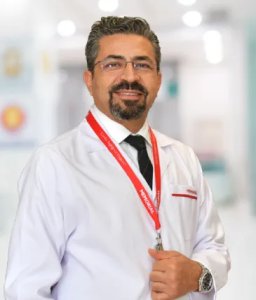
الدكتور مراد كيزر جراح عظام ذو خبرة، متخصص في إعادة بناء المفاصل وجراحات المفاصل والإصابات الرياضية. أتم تدريبات متقدمة في استبدال مفصل الركبة والورك الكلي والجزئي بتقنية MAKO. منذ عام 2002، شارك في أكثر من 20 مؤتمراً ودورة تدريبية محلية ودولية.
الدكتور كيزر عضو في الجمعية الطبية التركية، وجمعية جراحة مفصل الورك والركبة، والمؤتمر الدولي لإعادة بناء المفاصل، والجمعية التركية لجراحة العظام والكسور. يشتهر بمهارته في جراحات استبدال مفصل الورك والركبة، وله سجل ناجح في العمليات الجراحية، ويكرس جهوده للابتكار الجراحي ورعاية المرضى.
د. مهمت أيدوغان اختصاصي في جراحة العظام والكسور وجراحة العمود الفقري في مستشفى ميموريال شيشلي. عمل هناك في جراحة العمود الفقري خلال 2024–2025، ويعمل في جراحة العظام منذ 2026. ترأّس سابقاً مركز جراحة العظام والكسور وجراحة العمود الفقري المتقدمة في مستشفى إمسِي (2018–2022). وتشمل خبرته مركز التميّز الجراحي للعمود الفقري EURO SPINE في سويسرا (2022–2024) وزمالة بحثية في مركز العمود الفقري الشامل بجامعة كاليفورنيا في لوس أنجلوس (2009–2011). كما شغل مناصب في مركز بوغازيتشي للعمود الفقري، ميديكال بارك غوزتبه، وفلورنس نايتينغيل.
التعليم: دكتوراه في الطب (MD)، جامعة إيجه (1990–1996). إقامة اختصاص في جراحة العظام والكسور بمستشفى د. لطفي كردار كارتال التعليمي والبحثي (2000–2004). المنشورات: 50 مقالة محكّمة و37 عرضاً تقديمياً.
العضويات: TTB، TOTBİD، الجمعية التركية للعمود الفقري، MINOD، NASS، SRS، الجمعية الأوروبية للعمود الفقري، وAPSS.
يتخصص الدكتور سميح أك في رعاية العظام والكسور في مجموعة توران توران الصحية، مع التركيز على صحة الجهاز العضلي الهيكلي.
تعد عملية إعادة بناء الرباط الصليبي الأمامي (ACL) في تركيا إجراءً تنظيريًا طفيف التوغل لإصلاح الرباط الممزق. يستخدم الجراحون شقوقًا صغيرة لإدخال كاميرا وأدوات طبية. يقومون باستبدال الرباط الصليبي الأمامي الممزق بطعم (graft). هذا يعيد استقرار الركبة ووظيفتها. تقدم المرافق المعتمدة من JCI هذا العلاج للمرضى الدوليين.
رؤية خبير Bookimed: بينما تركز معظم العيادات على الجراحة، تأتي أفضل النتائج من مراكز مثل مستشفى ميموريال جوزتيبي (Memorial Göztepe Hospital) التي تستخدم التصوير بالرنين المغناطيسي بقوة 3 تسلا المدعوم بالذكاء الاصطناعي لرسم خرائط دقيقة. كما أن اختيار متخصصين مثل الدكتور مراد كيزر في مجموعة توران توران الصحية (Turan Turan Health Group) يضمن الوصول إلى جراحين مدربين على إعادة بناء المفاصل بمساعدة الروبوت، وليس فقط التقنيات اليدوية.
إجماع المرضى: يشير المرضى إلى أنه من الضروري التأكد مما إذا كان السعر المعروض يغطي نوع الطعم المحدد والأجهزة المطلوبة. ويؤكد الكثيرون أن العثور على جراح متخصص في الطب الرياضي يحدث فرقًا كبيرًا في سرعة التعافي.
عادةً لا يلتئم تمزق الرباط الصليبي الأمامي الكامل ليعود إلى قوته الأصلية من تلقاء نفسه. الجراحة ليست إلزامية للجميع. تُظهر البروتوكولات الحديثة شفاءً بنسبة تصل إلى 90% في حالات محددة غير جراحية. ومع ذلك، يحتاج الرياضيون الذين يمارسون أنشطة عالية التأثير عادةً إلى إجراء عملية إعادة بناء لاستعادة الاستقرار ومنع حدوث ضرر ثانوي في الغضروف الهلالي.
رؤية خبراء Bookimed: غالبًا ما تجمع مراكز العظام التركية بين الخبرة الجراحية والتشخيص المتقدم مثل التصوير بالرنين المغناطيسي بقوة 3 تسلا لتقييم إمكانية الشفاء. يتمتع متخصصون مثل الدكتور فريدون سيلي والدكتور مراد كيزر بتدريب من جامعة بيتسبرغ، وهي رائدة عالمية في الطب الرياضي. هذا المستوى العالي من التخصص يعني أن المرضى غالبًا ما يتلقون توصية أكثر دقة. قد يقترحون إعادة تأهيل مستهدفة أولاً إذا أظهر التصوير بالرنين المغناطيسي انكماشًا طفيفًا في ألياف الرباط.
إجماع المرضى: يلاحظ المرضى أن الركبتين غالبًا ما تشعران بالاستقرار عند المشي ولكن قد تفشلان أثناء الحركات الالتوائية المفاجئة أو صعود الدرج. يؤكد الكثيرون أن تجنب الجراحة يتطلب التزامًا مدى الحياة بتقوية الساقين لتجنب تخلخل المفصل المؤلم.
يستغرق التعافي الكامل بعد عملية إعادة بناء الرباط الصليبي الأمامي في تركيا من 9 إلى 12 شهراً للعودة الكاملة لممارسة الرياضات التي تتطلب الارتكاز. عادةً ما يبقى المرضى 7 أيام لإجراء الجراحة وإعادة التأهيل الأولية. يستأنف معظم الأفراد الأنشطة اليومية الخفيفة في غضون 4 إلى 8 أسابيع بعد الإجراء.
رؤية خبير Bookimed: غالباً ما يتخصص جراحو العظام الأتراك في مفاصل معينة، مما يعزز دقة التعافي. يركز الدكتور مراد كيزر في مجموعة توران توران الصحية (Turan Turan Health Group) والدكتور برهان سوباشي في ميديكال بوينت إنترناشيونال (Medicalpoint International) بشكل خاص على إعادة بناء المفاصل والإصابات الرياضية. اختيار متخصص بدلاً من طبيب عظام عام يضمن أن خطة إعادة التأهيل الخاصة بك تعالج ضغط الأربطة الخاص بالرياضة.
إجماع المرضى: يؤكد المرضى أن الجراحة هي نصف المعركة فقط. ويشيرون إلى أن وجود خطة علاج طبيعي واضحة ومكتوبة عند العودة إلى المنزل أمر حيوي لاستعادة قوة العضلة الرباعية.
لاختيار عيادة ذات سمعة طيبة لإعادة بناء الرباط الصليبي الأمامي في تركيا، تحقق من شهادة الجمعية التركية لجراحة العظام والصدمات (TOTBID). امنح الأولوية للجراحين المتخصصين في تنظير المفاصل والطب الرياضي. توفر المستشفيات التركية ذات السمعة الطيبة مرافق معتمدة من اللجنة الدولية المشتركة (JCI) وتحافظ على معدلات نجاح تتراوح بين 90-95% لإصلاحات الأربطة.
رؤية خبراء Bookimed: غالباً ما يحمل كبار المتخصصين الأتراك اعتمادات مزدوجة من هيئات دولية مرموقة. على سبيل المثال، يحتفظ الدكتور بورسين كيتشي بعضوية في جمعيات جراحة العظام التركية والأوروبية. إن اختيار جراح يتمتع بهذا المنظور العالمي يضمن توافق التقنيات مع أحدث بروتوكولات السلامة الدولية.
إجماع المرضى: يؤكد المرضى على أهمية اختيار الأطباء بناءً على حجم حالات الرباط الصليبي الأمامي الخاصة بهم بدلاً من تسويق العيادة. كما يشيرون إلى أنه من الضروري التأكد مما إذا كانت خطة إعادة التأهيل بعد الجراحة محددة بوضوح.
ACL surgery in Turkey carries standard surgical risks like infection, blood clots, and stiffness. Success rates for reconstruction range from 85% to 95%. Major Turkish facilities use robotic systems and multidisciplinary teams to manage complex cases. Patients must plan for long-haul travel restrictions after the procedure.
Bookimed Expert Insight: Turkish orthopaedic leadership increasingly centres on robotic specialisation. Associate Professor Samet Erinc at VM Medical Park Florya practises in a Robotic Surgery Centre of Excellence. Patients choosing these high-volume robotic centres often benefit from 3D planning. This technology helps with precise graft placement, which is a key factor in reducing re-rupture risks.
Patient Consensus: Patients emphasise that private hospital selection is vital and note that keeping the leg bent on return flights is difficult. Success depends on arranging 9–12 months of consistent physiotherapy in Australia before leaving Turkey.
Turkey leads in ACL surgery because it offers immediate access to specialists and arthroscopic techniques. Patients bypass long Australian waiting lists. Surgeons often hold international fellowships. Procedures use modern systems for precision and faster recovery in JCI-accredited facilities.
Bookimed Expert Insight: Turkish orthopaedic centres stand out by combining surgical expertise with on-site rehabilitation infrastructure. Associate Professor Samet Erinc works at VM Medical Park Florya. It is a JCI-accredited Robotic Surgery Centre of Excellence. This integration combines robotic precision with immediate post-op physio. It typically leads to more reliable joint stability than standard manual techniques.
Patient Consensus: Australian patients find Turkey a cost-effective alternative to private surgery at home. However, they suggest bringing a support person for the return flight. They emphasise that planning local rehabilitation before leaving is essential for long-term success.
Rehabilitation in Turkey follows a structured 9 to 12-month timeline. It focuses on graft stability and functional return. Major centres like Medical Park Antalya and Memorial Göztepe Hospital use phase-based protocols. Patients often begin aggressive isometric exercises within 24 hours to prevent knee stiffness.
Bookimed Expert Insight: Turkish orthopaedic specialists, like Dr Murat Kezer, often use robotic training from systems like MAKO. They integrate it into surgical planning. This precision directly aids rehabilitation because the graft placement matches the patient's unique anatomy. Data shows patients choosing clinics with multidisciplinary teams report more consistent early-stage progress. The clinics they chose had on-site physiotherapists like PT Sefa Goben.
Patient Consensus: Rehabilitation begins immediately and requires aggressive effort to prevent stiffness, even when painful. Patients emphasise that success depends on finding a committed physiotherapist in Australia. This should happen before travelling to Turkey. Long-term graft protection relies on this.
ACL reconstruction surgery in Turkey typically takes 1 to 3 hours. Most patients stay in hospital for 1 night. Specialists use arthroscopic keyhole techniques to speed up recovery. Total travel time usually requires 5–7 days for initial check-ups before flying home.
Bookimed Expert Insight: Turkish orthopaedic centres specialise in high-volume robotic-assisted surgery. Dr Murat Kezer and Associate Professor Samet Erinc use systems like MAKO or OMNI. These technologies improve graft placement accuracy. This precision helps patients at JCI-accredited clinics regain movement faster.
Patient Consensus: Patients note the surgery itself is quick and relatively painless. They frequently report being able to walk without crutches after just 4 weeks. Most recommend having a caregiver for the initial weeks in Turkey. They can help with daily tasks.
Athletes generally return to full, pivoting sports after ACL reconstruction in Turkey. This takes 9 to 12 months. Light jogging often starts at 3 months. However, full clearance needs the leg to reach 90% of the healthy limb’s strength.
Bookimed Expert Insight: Turkish centres often integrate robotic assistance and regenerative therapies to support recovery. Dr Murat Kezer at Turan Turan Health Group uses MAKO robotic systems, while clinics like Memorial Göztepe Hospital provide AI-supported imaging. Patients benefit from combining these technologies with biological boosters like Platelet-Rich Plasma (PRP). This may enhance tissue healing during the long rehabilitation window.
Patient Consensus: Patients note that waiting a full year for contact sports is safer. Rushing back at 6 months is riskier. High-stress activities like skiing need mental readiness and consistent agility drills. These drills help prevent re-injury in Turkish recovery programs.
Patients should plan a 5-7 day stay in Turkey for initial clinical recovery. Specialists require this time to manage swelling and monitor wound healing. However, long-haul flights to Australia typically require waiting at least 6 weeks. This reduces medical risks.
Bookimed Expert Insight: Clinics like Medicalpoint International Hospital and Memorial Şişli hold JCI accreditation. However, recovery speed often depends on the surgeon's training. Dr Feridun Cilli and Dr Mehmet Aydogan both completed fellowships at major US institutions. Their protocols often allow patients to start basic physiotherapy within 48 hours of surgery.
Patient Consensus: Visitors to Turkey say arranging a local caretaker for the first 2 weeks is vital. Patients emphasise that long-haul travel is only safe with a physiotherapist's clearance. This clearance requires adequate knee flexion and strength.
Insurance rarely covers ACL surgery in Turkey for Australians. Most domestic policies exclude elective overseas procedures. Patients typically pay out-of-pocket, as Turkish clinics focus on self-pay packages. Australian private health insurance usually requires treatment within Australia to trigger hospital cover benefits.
Bookimed Expert Insight: Most assume surgery is the only path. However, Bursa-based clinics like Turan Turan Health Group integrate both robotic systems and PRP therapy. This combination is often unavailable in Australian public hospitals. Doctors like Dr Murat Kezer use these technologies to refine graft placement. This potentially improves long-term knee stability for active patients.
Patient Consensus: Patients note they must stay in Turkey for 3–4 weeks before flying home. Long-haul travel is restricted due to knee movement limits and recovery requirements after the procedure.