علاج تمزق الرباط الصليبي الأمامي (إصابة الرباط الصليبي الأمامي) في إسبانيا: 3 مستشفيات


تمت مراجعة المقالة طبيا من قبل
فهد مولود
كيف نعمل؟
ما هي تكلفة تمزق الرباط الصليبي الأمامي (إصابة الرباط الصليبي الأمامي) إجراءات التشخيص والعلاج في إسبانيا؟ اعرف الآن
اكتشف أفضل تمزق الرباط الصليبي الأمامي (إصابة الرباط الصليبي الأمامي) العيادات في إسبانيا: 3 خيارات معتمدة والأسعار


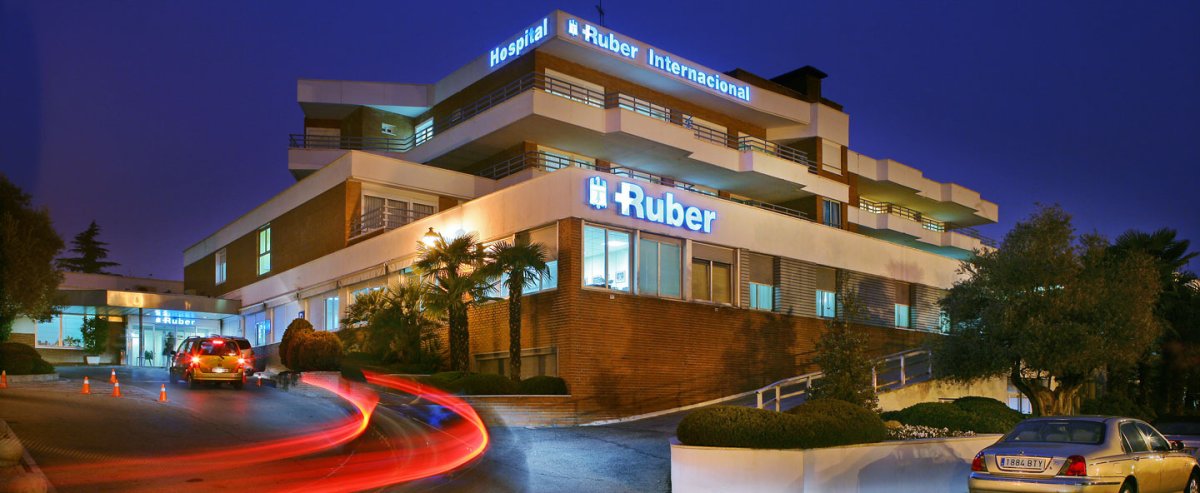


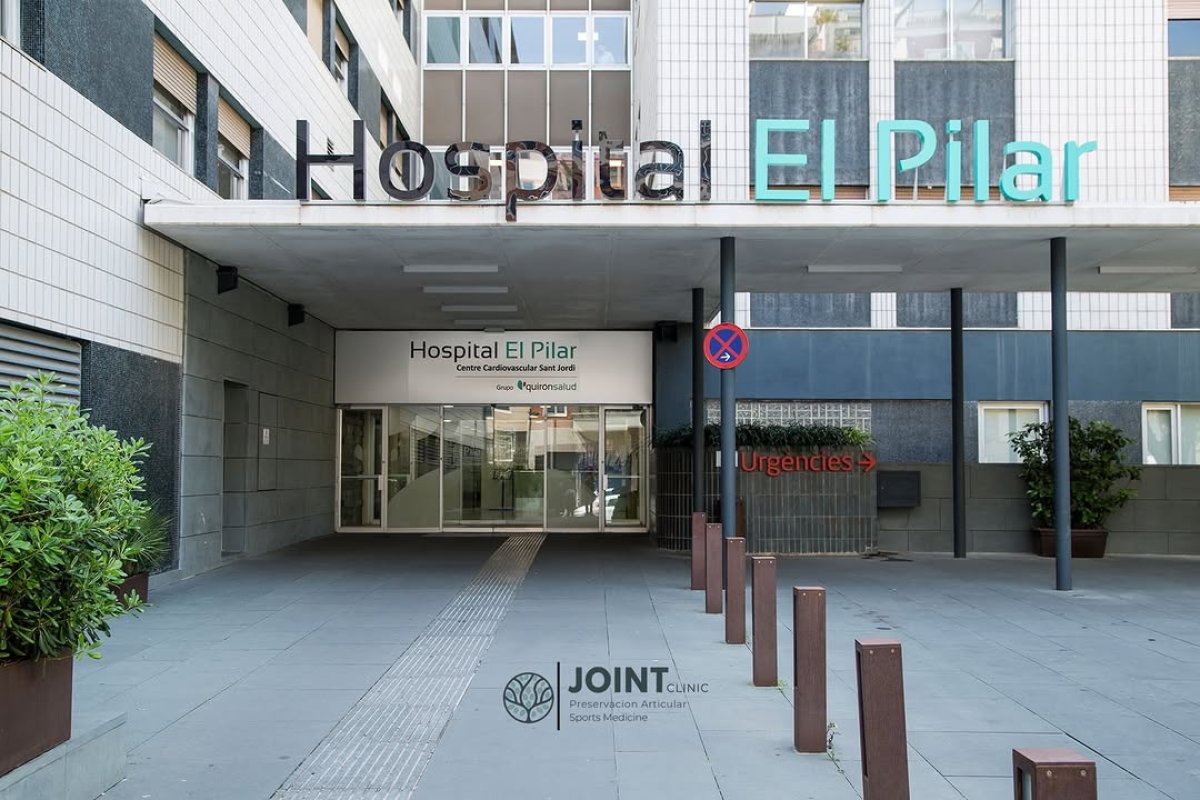
Joint Preservation Surgery Clinic
احصلوا على تقييم طبي لـ تمزق الرباط الصليبي الأمامي (إصابة الرباط الصليبي الأمامي) في إسبانيا: استشيروا أطباء ذوي خبرة الآن
عرض جميع الأطباء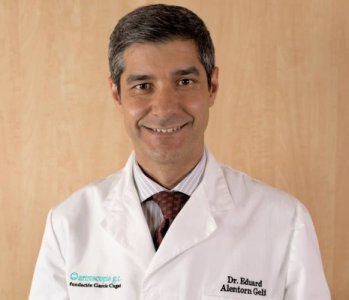
Eduard Alentorn Geli
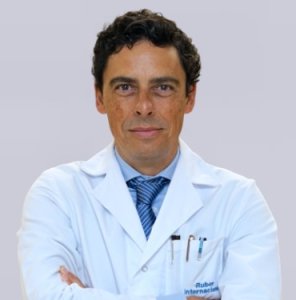
Pablo De La Cuadra
الدكتور بابلو دي لا كوادره (Pablo Cuadra de la Virgili) جرّاح عظام واختصاصي طب الرضوح في مدريد. يختص بإصابات الرياضيين وجراحة الكتف في Hospital Ruber Internacional، حيث يعمل منذ عام 1999. لديه خبرة تفوق 25 عامًا. يقود وحدة متعددة التخصصات ويرأس فريقًا متخصصًا في طب الرضوح. يُعد خبيرًا معترفًا به في اضطرابات الكتف المعقدة. يستخدم تقنيات تنظير مفصلي وترميم متقدمة لعلاج عدم الاستقرار وإصابات الكفة المدورة.
المؤهلات: دكتور في الطب (1993) ودكتوراه في الطب (2001) من جامعة مدريد المستقلة. اخت
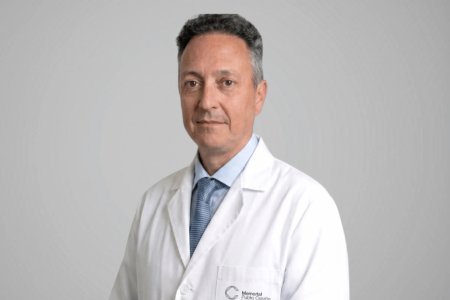
Alberto Gómez Martín
الدكتور ألبرتو جوميز مارتن هو طبيب عظام في مستشفى بوبليو كوردون التذكاري في مدريد. وهو متخصص في علاجات الكتف والركبة، بما في ذلك الإصابات الرياضية مثل تمزق الرباط الصليبي الأمامي وإصابات الكفة المدورة. يستخدم الدكتور جوميز مارتن العلاجات البيولوجية إلى جانب الخيارات الجراحية، بما في ذلك البلازما الغنية بالصفائح الدموية (PRP) والعلاج بالخلايا الجذعية لاستعادة وظائف المفاصل.
يعمل الدكتور في منشأة معتمدة من اللجنة الدولية المشتركة (JCI). يضم المستشفى فريقاً طبياً يتألف من أكثر من 100 طبيب.
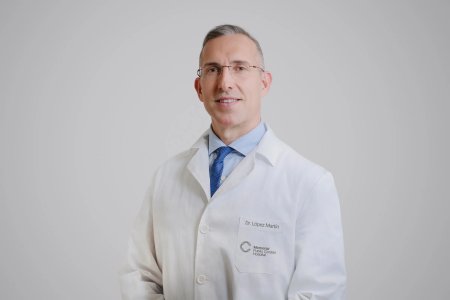
Félix López Martín
الدكتور فيليكس لوبيز مارتن هو جراح عظام في مستشفى بوبليو كوردون التذكاري في مدريد. يعالج حالات المفاصل، بما في ذلك الفصال العظمي وإصابات الأربطة المعقدة. يجري الدكتور لوبيز مارتن جراحات تنظير المفاصل طفيفة التوغل والعلاجات التجديدية مثل العلاج بالخلايا الجذعية والبلازما الغنية بالصفائح الدموية (PRP). وهو يعمل في منشأة معتمدة من اللجنة الدولية المشتركة (JCI) وتتبع البروتوكولات الدولية لسلامة الجراحة.
مشاركة المحتوى
قصص فيديو من مرضى Bookimed
 Anna Leonova
أسئلة متكررة حول علاج تمزق الرباط الصليبي الأمامي (إصابة الرباط الصليبي الأمامي) في إسبانيا
ما هو معدل نجاح جراحة الرباط الصليبي الأمامي (ACL) في إسبانيا؟
تحافظ جراحة الرباط الصليبي الأمامي في إسبانيا على معدل نجاح يتراوح بين 85% و95%. يستعيد حوالي 90% من المرضى استقرار الركبة بنجاح. يستخدم أطباء إصابات الملاعب النخبة في مدريد وبرشلونة تقنيات تنظير المفاصل. يضمن هذا النهج معدل تمزق متكرر منخفض يتراوح بين 3% إلى 5% فقط.
- استقرار المفصل: يحافظ 90% من المرضى على المحاذاة المثلى.
- العودة للرياضة: يصل ما بين 85% إلى 90% إلى مستويات النشاط التي كانوا عليها قبل الإصابة.
- سلامة الطعم: يحدث التمزق المتكرر أو الفشل في 3% إلى 5% فقط من الحالات.
- طرق متقدمة: يستخدم الجراحون أنظمة GraftLink و Arthrex TightRope الدقيقة.
رؤية خبير Bookimed: يعد الحجم السريري مؤشرًا رئيسيًا للجودة في إسبانيا. يجري مستشفى Ruber Internacional أكثر من 6000 عملية جراحية سنويًا عبر الأقسام. يتمتع متخصصون مثل الدكتور بابلو دي لا كوادرا بخبرة تزيد عن 25 عامًا. غالبًا ما تحقق المراكز ذات الحجم الكبير نتائج أكثر اتساقًا لعمليات إعادة بناء الأربطة المعقدة.
إجماع المرضى: يعتمد النجاح بشكل كبير على العلاج الطبيعي المستمر وليس فقط على الجراحة نفسها. يلاحظ العديد من المرضى أن الوظيفة اليومية تعود بسرعة، لكن العودة إلى ممارسة الرياضة تستغرق وقتًا أطول بكثير مما كان متوقعًا.
هل تتطلب جميع تمزقات الرباط الصليبي الأمامي (ACL) جراحة؟
لا تتطلب جميع تمزقات الرباط الصليبي الأمامي جراحة. على الرغم من أن الأربطة المقطوعة لا تلتئم بشكل طبيعي، إلا أن العديد من المرضى يتعاملون مع الإصابات من خلال العلاج الطبيعي واستخدام الدعامات. تعتمد الأهلية للرعاية غير الجراحية على العمر، واستقرار الركبة، وما إذا كانت أهداف النشاط تتضمن رياضات عالية التأثير مثل التزلج أو كرة القدم.
- ملف الاستقرار: تُعطى الأولوية للجراحة إذا كانت الركبة تخذل المريض أثناء الحركات اليومية الروتينية.
- متطلبات النشاط: يستفيد الرياضيون الذين يمارسون رياضات عالية التأثير من إعادة بناء الرباط الصليبي الأمامي للعودة بأمان إلى حركات الالتفاف.
- الأضرار المركبة: الإصابات التي تشمل الغضروف المفصلي أو الغضروف غالباً ما تتطلب تدخلاً جراحياً.
- التركيز على إعادة التأهيل: تستخدم الخطط غير الجراحية علاجاً مكثفاً لتقوية أوتار الركبة لدعم المفصل.
رؤية خبير Bookimed: توفر إسبانيا توازناً فريداً بين المراكز الجراحية ذات الحجم الكبير والتعافي الميكانيكي الحيوي المتخصص. بينما يقوم الدكتور بابلو دي لا كوادرا في مستشفى روبر الدولي بتقنيات إعادة بناء معقدة، تركز مراكز في ماربيا مثل مركز الدكتور بلوم على إعادة التأهيل الميكانيكي الحيوي الخاص. وهذا يعني أن المرضى الذين يعانون من تمزقات جزئية يمكنهم الوصول إلى برامج غير جراحية عالمية المستوى تستخدم معدات متخصصة غالباً ما تكون غير متوفرة في عيادات العلاج الطبيعي القياسية.
إجماع المرضى: يؤكد المرضى أن القرار الجراحي يجب أن يستند إلى كيفية شعور الركبة أثناء النشاط ولي
من هم كبار أخصائيي الركبة وأفضل العيادات في إسبانيا لعلاج الرباط الصليبي الأمامي (ACL)؟
تعد إسبانيا مركزاً عالمياً للطب الرياضي. يستخدم كبار أخصائيي الركبة مثل الدكتور بابلو دي لا كوادرا والدكتور مانويل ليز تنظير المفاصل المتقدم والطب التجديدي. تعالج المرافق الرائدة المعتمدة من اللجنة الدولية المشتركة (JCI) في مدريد وبرشلونة نخبة الرياضيين والمرضى الدوليين الذين يبحثون عن خبرة جراحية عالية المستوى.
- مستشفى روبر الدولي (Hospital Ruber Internacional): مرفق في مدريد يجري أكثر من 6000 عملية جراحية سنوياً مع اعتمادات JCI و ISO.
- الدكتور بابلو دي لا كوادرا: أخصائي مدرب في مستشفى روبر الدولي بخبرة تزيد عن 25 عاماً.
- تقنيات جراحية متخصصة: تستخدم العيادات التصوير بالرنين المغناطيسي بقوة 3 تسلا للتشخيص الدقيق وإعادة بناء الأربطة بمساعدة الروبوت.
- التركيز على إعادة التأهيل: تعطي مراكز مثل مركز الدكتور بلوم في ماربيا الأولوية للميكانيكا الحيوية وبروتوكولات التعافي.
رؤية خبراء Bookimed: بينما يبحث الكثيرون عن جراحين مشهورين في برشلونة، يحافظ مستشفى روبر الدولي في مدريد على حجم هائل يتجاوز 93000 استشارة سنوياً. يضمن هذا الإقبال الكبير أن جراحين مثل الدكتور بابلو دي لا كوادرا يتعاملون مع تعقيدات الأربطة المتعددة النادرة. اختيار مرفق حاصل على اعتماد JCI ويضم أكثر من 40 قسماً متخصصاً يضمن بيئة تعافي أكثر أماناً وشمولاً.
إجماع المرضى: يؤكد المرضى أن خطة إعادة التأهيل المنظمة لا تقل أهمية عن الجراحة نفسها. وغالباً ما يوصون باختيار جراح يعالج الرياضيين بشكل متكرر لضمان نتيجة ناجحة للعودة إلى ممارسة الرياضة.
ما هي التقنيات الجراحية وأنواع الطعوم المستخدمة في العيادات الإسبانية لإعادة بناء الرباط الصليبي الأمامي (ACL)؟
تجري العيادات الإسبانية عمليات إعادة بناء الرباط الصليبي الأمامي بالمنظار بنسبة نجاح للطعم تصل إلى 95%. يتخصص الجراحون في إعادة البناء التشريحي باستخدام تقنية "all-inside" للحفاظ على العظام الأصلية. تستخدم المرافق الرائدة مثل مستشفى روبير الدولي (Hospital Ruber Internacional) التصوير بالرنين المغناطيسي بقوة 3 تسلا للتخطيط الدقيق قبل الجراحة وتحديد حجم الطعم.
- التقنيات الجراحية: يعد منظار المفصل طفيف التوغل هو المعيار للحالات الأولية وحالات المراجعة.
- اختيار الطعم: تظل الطعوم الذاتية من الأوتار المأبضية هي الخيار الأساسي لمعظم المرضى النشطين.
- خيارات التأثير العالي: تُستخدم طعوم الوتر الرضفي للرياضيين المحترفين الذين يحتاجون إلى التئام صلب.
- الإجراءات المتقدمة: تقدم بعض المراكز إعادة بناء مزدوجة الحزمة لزيادة استقرار دوران الركبة إلى أقصى حد.
رؤية خبير Bookimed: يرتبط حجم الحالات بشكل مباشر بالدقة في شد الطعم. يتمتع الدكتور بابلو دي لا كوادرا في مستشفى روبير الدولي بأكثر من 25 عاماً من الخبرة في إصابات الملاعب المعقدة. تجري المراكز الرائدة في مدريد مثل روبير أكثر من 6,000 عملية جراحية سنوياً. يضمن هذا التكرار العالي أن الجراحين بارعون في كل من طعوم الأوتار المأبضية التقليدية وطعوم وتر العضلة الرباعية الأحدث.
إجماع المرضى: يلاحظ المرضى أن الجراحين غالباً ما يكون لديهم تفضيلات شخصية قوية لأنواع معينة من الطعوم. يؤكد معظمهم أن خطة إعادة التأهيل المكثفة بعد الجراحة تحدد النجاح النهائي أكثر من اختيار الطعم نفسه.
ما هو الجدول الزمني والمعالم المتوقعة للتعافي من الرباط الصليبي الأمامي (ACL) بعد الجراحة في إسبانيا؟
يستغرق التعافي من جراحة الرباط الصليبي الأمامي في إسبانيا عادةً من 9 إلى 12 شهرًا. يتوقف المرضى عادةً عن استخدام العكازات بحلول الأسبوع الثاني. يبدأ الجري الخفيف حوالي الشهر الثالث. يُسمح بالعودة إلى الرياضات التي تتطلب الارتكاز مثل كرة القدم بعد الشهر التاسع. تعطي البروتوكولات الإسبانية الأولوية للتقدم القائم على المعالم بدلاً من الجداول الزمنية الثابتة.
- الحركة المبكرة: تحقيق ثني الركبة بزاوية 90 درجة والمد الكامل بحلول الأسبوع الثاني.
- تطبيع المشي: المشي بشكل طبيعي بدون عكازات واستئناف القيادة في غضون 6 أسابيع.
- بناء القوة: الوصول إلى تماثل بنسبة 80% في العضلة الرباعية الرؤوس من خلال تدريبات المقاومة الموزونة بحلول الشهر الرابع.
- الاندماج الرياضي: إكمال تمارين الرشاقة واختبارات التماثل الوظيفي بنسبة 90% بحلول الشهر التاسع.
رؤية خبير Bookimed: يمكن أن يؤثر اختيار مراكز إعادة التأهيل المتخصصة بشكل كبير على سرعة التعافي. على سبيل المثال، يستخدم مركز الميكانيكا الحيوية للدكتور بلوم في ماربيا طرقًا حاصلة على براءة اختراع تركز على اضطرابات الجهاز العضلي الهيكلي. وفي الوقت نفسه، يجري مستشفى روبر الدولي أكثر من 6000 عملية جراحية سنويًا. غالبًا ما يؤدي هذا الحجم الكبير إلى بروتوكولات ما بعد الجراحة أكثر توحيدًا وكفاءة. التنسيق بين جراحك وأخصائي العلاج الطبيعي أمر حيوي لتحقيق المعالم.
إجماع المرضى: يؤكد المرضى أن العلاج الطبيعي الخاص من 3 إلى 5 مرات في الأسبوع يبدو أكثر تخصيصًا. ويشيرون إلى أن الوصول إلى المد الكامل في وقت