Bookimed لا يضيف رسوماً إضافية على أسعار علاج تمزق الرباط الصليبي الأمامي (إصابة الرباط الصليبي الأمامي). الأسعار مأخوذة من قوائم الأسعار الرسمية للعيادات. تدفع مباشرة في العيادة مقابل علاجك عند وصولك إلى البلد.
Bookimed ملتزم بسلامتك. نحن نعمل فقط مع المؤسسات الطبية التي تحافظ على معايير دولية عالية في علاج تمزق الرباط الصليبي الأمامي (إصابة الرباط الصليبي الأمامي) ولديها التراخيص اللازمة لخدمة المرضى الدوليين في جميع أنحاء العالم.
Bookimed يقدم مساعدة خبراء مجانية. منسق طبي شخصي يدعمك قبل وأثناء وبعد العلاج، ويحل أي مشاكل. لن تكون وحيداً أبداً في رحلة علاج تمزق الرباط الصليبي الأمامي (إصابة الرباط الصليبي الأمامي).
Not all ACL tears require surgery in India. While complete Grade 3 tears often need reconstruction, partial tears frequently heal through non-surgical regenerative therapies. Treatment depends on knee stability, activity levels, and age. Specialist clinics offer injection-based treatments that avoid the theatre entirely.
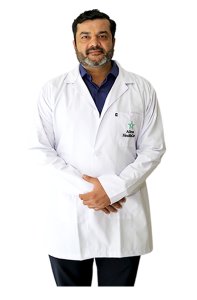
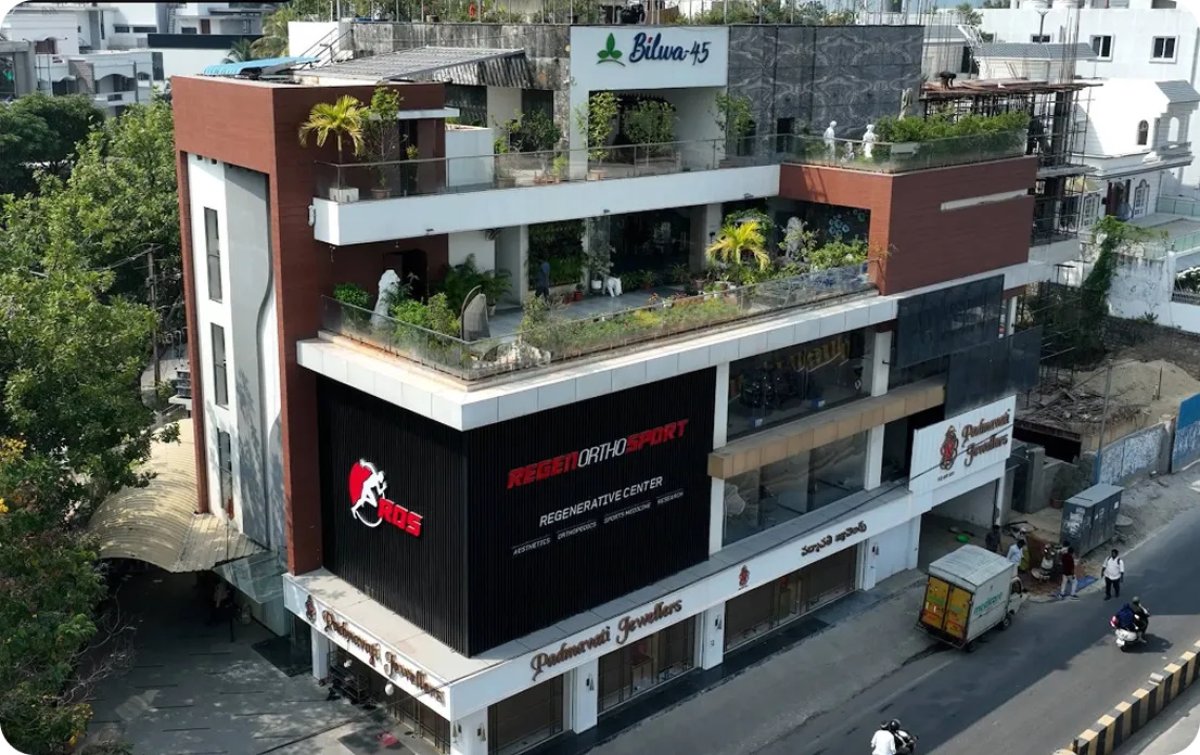
Bookimed Expert Insight: Indian clinics specialising in sports medicine often bridge the gap between physiotherapy and surgery. Dr Venkatesh Movva at RegenOrthoSport India brings over 30 years of experience to non-surgical joint care. Choosing a centre with on-site BMAC and stem cell capabilities allows tailored recovery plans. Australian private health might not yet cover these.
Patient Consensus: Patients in India often find success by starting with a structured physiotherapy and muscle-strengthening program. Many note that a trial of rehabilitation frequently stabilises the knee sufficiently. This makes surgery an optional path rather than a necessity.
Standard treatment for a torn ACL in India is arthroscopic reconstruction. Surgeons replace the ligament with a tissue graft during a minimally invasive procedure. This keyhole approach uses tiny incisions. It reduces pain and allows faster recovery compared to open surgery.
Bookimed Expert Insight: While reconstruction is standard, some centres now offer non-surgical regenerative options. RegenOrthoSport India reports success rates between 70% and 90% for partial tears. Specialists like Dr Venkatesh Movva use ultrasound-guided injections to treat these specific ligament injuries. This avoids surgery entirely for certain patient types.
Patient Consensus: Patients in India emphasise one point. Finding a skilled physiotherapist is just as vital as the surgery itself. Practical experience shows one key factor. Following a strict rehab plan determines how quickly one can walk unaided.
ACL treatment in India is safe and highly effective. Specialist centres offer arthroscopic surgery and regenerative therapies. Success rates for these procedures range from 85% to 95%. Surgeons often use minimally invasive techniques. This approach helps patients return to sports within 6 to 12 months.
Bookimed Expert Insight: Indian orthopaedics is shifting toward hybrid care models. While surgeons like Dr Anchit Uppal focus on robotic reconstruction, centres like RegenOrthoSport India specialise in non-surgical biological treatments. Our data shows patients with partial tears can often avoid the theatre entirely using image-guided regenerative techniques. These procedures typically take only 90 minutes.
Patient Consensus: Patients in India find that dedicated rehabilitation is just as vital as the surgery itself. They recommend a second opinion for partial tears. This helps explore conservative strengthening before committing to an operation.
Choosing not to have surgery for an ACL tear in India means managing the injury. This can involve intensive physiotherapy or regenerative therapies. This approach works for minor tears or less active lifestyles. However, it requires permanent quadriceps and hamstring strengthening to prevent knee instability and chronic joint deficiency.
Bookimed Expert Insight: Patients often overlook that non-surgical success depends on precision diagnostics, not just exercise. Specialists like Dr Maitri Shah use MRI and fluoroscopy to tailor regenerative protocols. Choosing a clinic with 10,000+ procedures, such as RegenOrthoSport, allows the specialist to predict accurately. They can determine if a tear will respond to injections.
Patient Consensus: Patients find that avoiding surgery is possible. This requires committing to lifelong strengthening and avoiding pivoting sports like football. Many choose a 'rehab first' trial in India. They know they can have delayed reconstruction later if the knee keeps giving way.
Recovery time after ACL reconstruction surgery in India typically spans 6 to 12 months for full sporting return. Functional recovery occurs within 3 to 6 months. Most patients resume daily walking within 2 weeks. Structured physiotherapy is essential for successful ligament maturation and joint stability.
Bookimed Expert Insight: For partial ACL tears, non-surgical regenerative therapies at specialised Bangalore clinics show 70% to 90% success rates. These injection-based procedures take only 90 minutes. Patients often feel relief within 6 weeks, significantly faster than traditional surgical timelines for full reconstructions.
Patient Consensus: The first 6 weeks feel the hardest due to swelling and brace use. Rehabilitation consistency is as critical as the surgery, with full muscle recovery often extending to 15 months.
ACL reconstruction replaces the damaged ligament with a tendon graft. ACL repair stitches the native ligament back to the bone. Reconstruction is standard for full ruptures. Repair is reserved for specific tears near the bone. Indian specialists use both methods depending on tissue quality.
Bookimed Expert Insight: Indian clinics like RegenOrthoSport now offer regenerative alternatives for partial tears. Specialists like Dr Venkatesh Movva achieve 70% to 90% success using PRP or stem cell therapy. These non-surgical options avoid the risks of both repair and reconstruction.
Patient Consensus: Patients highlight that even with faster repair techniques, rehabilitation remains intensive in India. Many note that choosing the right tear-pattern match is more important than avoiding surgery altogether.
Patients in India typically start protected walking within 48 hours of ACL reconstruction. Surgeons generally allow partial weight-bearing with crutches and a knee brace straight away. Most transition to unassisted walking within 2 to 4 weeks. Normal gait usually returns by week 6.
Bookimed Expert Insight: Indian clinics increasingly focus on regenerative support alongside surgery to speed up tissue healing. Surgeons like Dr Venkatesh Movva at RegenOrthoSport India have over 30 years of experience. They use ultrasound-guided injections. This precision can help manage inflammation early. That is vital for regaining the quad control needed to walk without a limp.
Patient Consensus: Patients note that weight-bearing starts early. However, a normal-looking walk in India often takes 6 to 10 weeks. They emphasise that diligent physiotherapy and swelling control are the most important factors. These help patients move from crutches to independent walking.