علاج متلازمة مخرج الصدر في تركيا — احصل على 3 عيادات مختارة خصيصاً لك


تمت مراجعة المقالة طبيا من قبل
فهد مولود
كيف نعمل؟
ما هي تكلفة متلازمة مخرج الصدر إجراءات التشخيص والعلاج في تركيا؟ اعرف الآن
تختلف التكلفة الإجمالية لعلاج متلازمة مخرج الصدر في تركيا اعتمادًا على الإجراءات التشخيصية والعلاجية المحددة المطلوبة. تبلغ تكلفة التصوير بالرنين المغناطيسي للرقبة والاستشارة مع جراح الصدر حوالي 900$. أما بالنسبة للتقييم الشامل الذي يشمل العلاج الطبيعي وفحص إعادة التأهيل، وفحص أمراض الصدر، وفحص الأنف والأذن والحنجرة، وتصوير الصدر المقطعي بالصبغة، وتنظير القصبات، وEBUS، فتبلغ التكلفة حوالي 7,100$. يتم وضع خطة العلاج النهائية بعد تقييم شخصي من قبل الفريق الطبي.
اكتشف أفضل متلازمة مخرج الصدر العيادات في تركيا: 15 خيارات معتمدة والأسعار




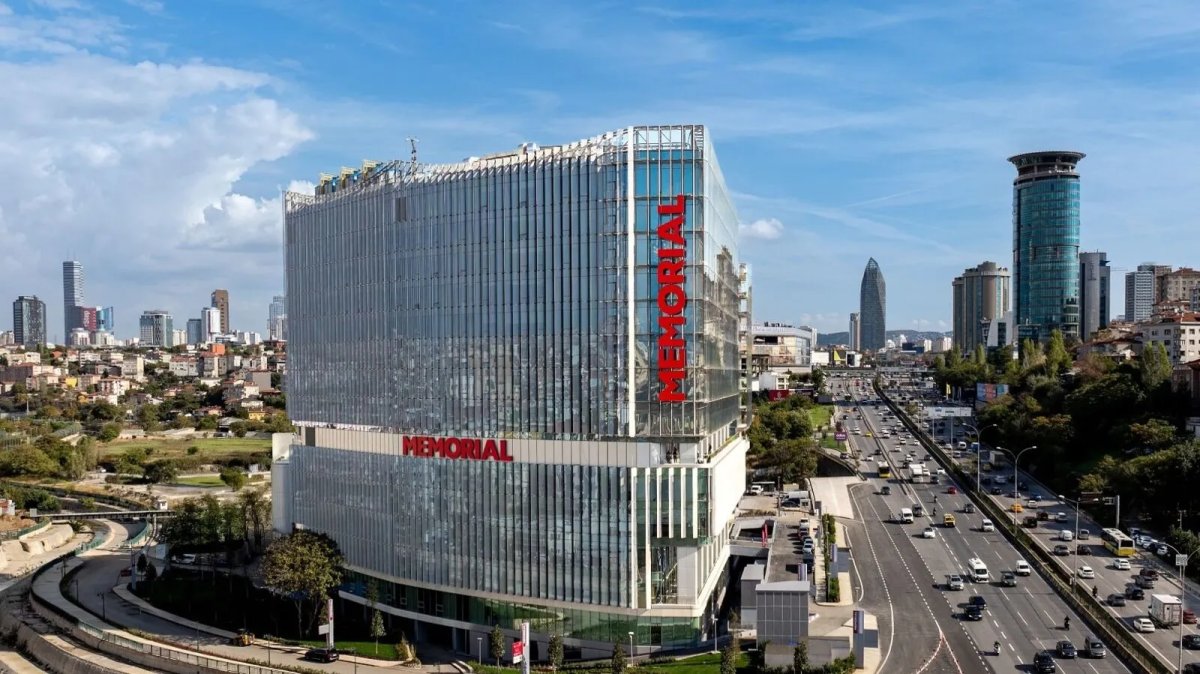
Memorial Göztepe Hospital





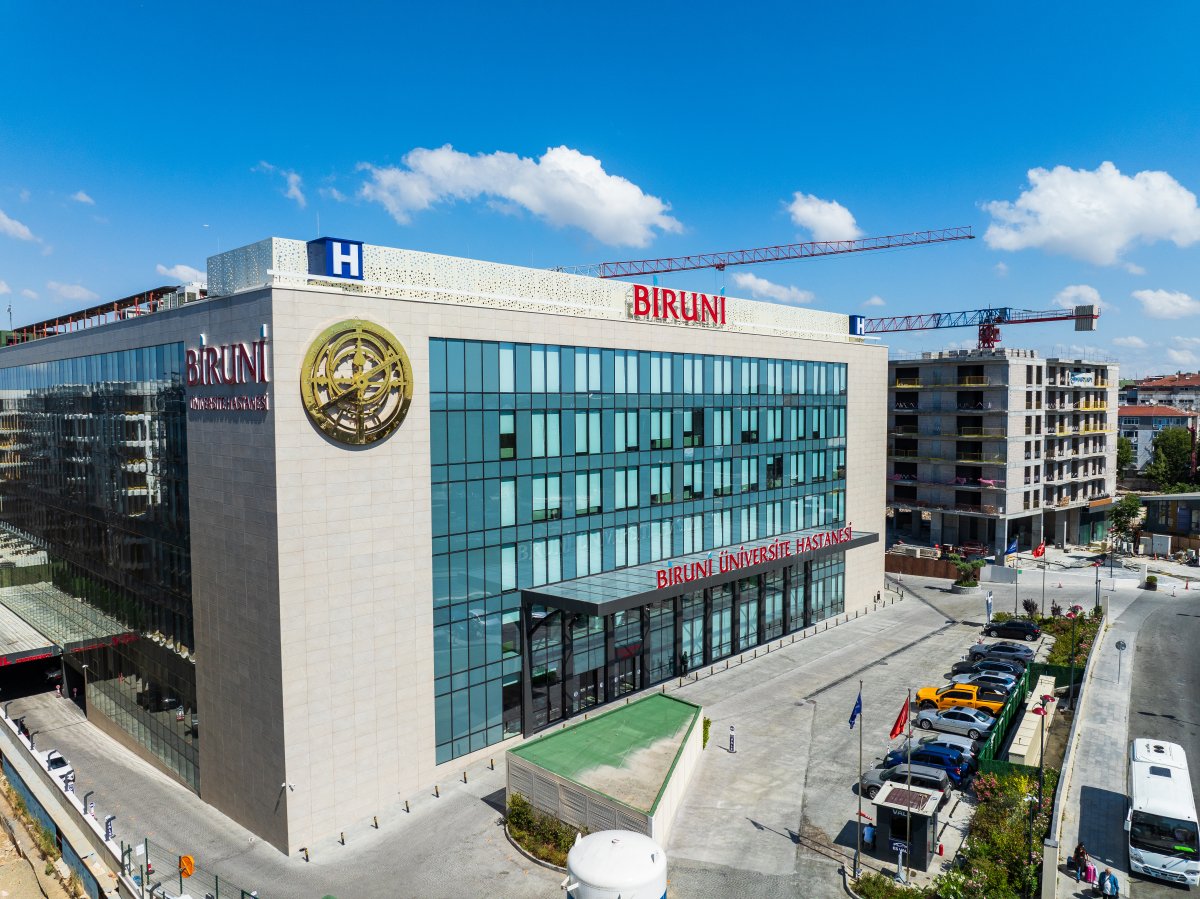
Memorial Ankara Hospital


احصل على تقييم طبي لـ في تركيا. استشر الآن 8 أطباء ذوي الخبرة.
عرض جميع الأطباء
Baris Topcular
يتخصص الدكتور باريش توبجلار في متلازمة مخرج الصدر في مستشفى فلورنس نايتنجيل، مع تدريب مكثف في طب الأعصاب.
- تخرج من كلية الطب بجامعة إسطنبول جراح باشا
- تدرب في عيادة الأعصاب بجامعة بازل ومركز أبحاث فارما زينتروم
- عضو في كلية الطب بجامعة إسطنبول للعلوم، قسم الأعصاب
- يعمل في عيادات الأعصاب بمستشفيات فلورنس نايتنجيل في شيشلي وكاديكوي
- خبرة في عيادات اضطرابات الحركة والخرف

Yasef Özsarfati
يتمتع الأستاذ الدكتور ياسف أوزسارفاتي بخبرة تزيد عن _doctor_9610_ سنوات في طب الأعصاب، وهو متخصص في الحالات العصبية المعقدة في مستشفى فلورنس نايتينجيل.
- تدرب على الخرف وطب الأعصاب السلوكي في الولايات المتحدة
- أستاذ مشارك يتمتع بخبرة أكاديمية وسريرية واسعة
- متخصص في الصرع والصداع وإدارة الخرف
- علاقة طويلة الأمد مع أفضل مستشفيات إسطنبول
Murat Cakar
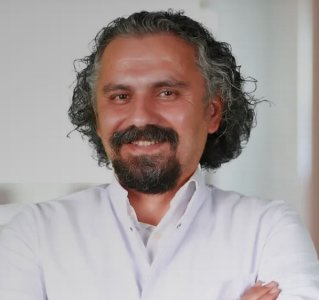
الدكتور مراد جاكار أستاذ مساعد في جراحة الأطفال. يتركز عمله على أمراض الصدر والبطن لدى حديثي الولادة، واستبدال المريء في حالات رتق المريء، وفتق الحجاب الحاجز، وجراحات أورام الأطفال (ورم ويلمز، الورم الأرومي العصبي)، والحالات الجراحية الخاصة بالخصية.
حصل على درجة الطب من جامعة جمهوريت (1998–2005). أكمل تدريب جراحة الأطفال (2006–2011). عمل كجرّاح أطفال (2011–2013). وتولّى رئاسة قسم جراحة الأطفال في جامعة كارابوك، وجامعة إستينيا/مستشفى ليف (منذ 2020)، وجامعة أيدين (منذ 2021).
شملت
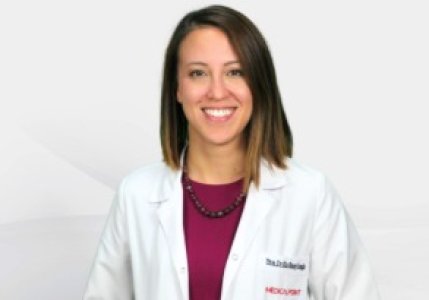
Ela Simay Zengin
يتمتع الدكتور زينجين بخبرة واسعة في طب الأعصاب في حالات متلازمة مخرج الصدر، مع تدريب من أفضل الجامعات الطبية التركية.
- متخصص في الحالات العصبية المعقدة بما في ذلك المشاكل الوعائية
- عضو في الأكاديميتين الأمريكية والأوروبية لطب الأعصاب
- تدريب متقدم في اضطرابات الحركة والعلاجات العصبية الوعائية
- يعالج في مستشفى ميديكال بوينت الدولي - مركز عصبي رائد
مشاركة المحتوى
قصص فيديو من مرضى Bookimed
 Anna Leonova
أسئلة متكررة حول علاج متلازمة مخرج الصدر في تركيا
هل من الآمن تلقي العلاج في تركيا؟
تعد تركيا وجهة آمنة لعلاج متلازمة مخرج الصدر. تحمل مراكز مثل Memorial Şişli و Medipol Mega اعتماد اللجنة الدولية المشتركة، مما يضمن معايير سريرية عالية. يستخدم الجراحون ذوو التخصص العالي التصوير المتقدم والأنظمة الروبوتية لإجراء عمليات فك ضغط الأعصاب والأوعية الدموية المعقدة بنجاح كبير.
- اعتماد المستشفيات: تمتلك أفضل العيادات شهادات اللجنة الدولية المشتركة و ISO للسلامة.
- حجم كبير من المرضى: يعالج مستشفى Medipol Mega الجامعي أكثر من 1,000,000 مريض كل عام.
- التشخيص المتقدم: تستخدم المرافق تصوير الرنين المغناطيسي 3 تسلا المدعوم بالذكاء الاصطناعي والأشعة المقطعية 512 شريحة للدقة.
- خبرة متخصصة: يجري الجراحون في Memorial Ankara إجراءات صدرية دقيقة دون شقوق جراحية كبيرة.
رؤية خبير Bookimed: غالباً ما تختبئ مؤشرات الجودة لمتلازمة مخرج الصدر في بيانات الأداء الجراحي العام. تبلغ Medical Park Antalya عن أدنى معدل آثار جانبية لعمليات الزرع في تركيا. يشير هذا إلى دقة جراحية عالية المستوى ومعايير رعاية ما بعد الجراحة متفوقة تفيد مرضى الأعصاب والصدر المعقدين.
ما هي العلاجات الأولية لمتلازمة مخرج الصدر في تركيا؟
تشمل العلاجات الأولية لمتلازمة مخرج الصدر (TOS) في تركيا العلاج الطبيعي المحافظ، وحقن توكسين البوتولينوم المستهدفة، والجراحات المتخصصة. تستخدم الفرق متعددة التخصصات في المرافق المعتمدة من قبل JCI تقنيات تصوير متقدمة مثل الأشعة المقطعية بـ 512 شريحة للتمييز بين الأنواع الفرعية العصبية والوريدية والشريانية قبل اتخاذ قرار بشأن استئصال الضلع الأول أو فك ضغط العضلات.
- العلاج الطبيعي: يركز على تصحيح القوام وتمديد العضلات للحالات العصبية.
- الحقن العلاجي: يستخدم المتخصصون حقن توكسين البوتولينوم الموجهة بالأشعة المقطعية لإرخاء العضلات الأخمعية.
- فك الضغط الجراحي: يقوم الجراحون بإجراء استئصال الضلع الأول عبر الإبط واستئصال العضلة الأخمعية للحالات الشديدة.
- التشخيص المتقدم: تستخدم العيادات التصوير بالرنين المغناطيسي بقوة 3 تسلا والأشعة المقطعية بالإصدار البوزيتروني الرقمية (PET/CT) لتحديد النوع الفرعي بدقة.
رؤية خبير Bookimed: تظهر البيانات من المراكز الكبرى مثل إسطنبول أن المستشفيات الجامعية تخدم أكثر من 500,000 مريض سنوياً. غالباً ما توفر هذه المراكز الكبيرة دقة تشخيصية أعلى للأنواع الفرعية النادرة لأنها تدمج طب الأعصاب وجراحة الأوعية الدموية والعلاج الطبيعي المتخصص في موقع واحد. هذا النهج المشترك حيوي لأن متلازمة مخرج الصدر العصبية تتطلب تقنيات جراحية مختلفة عن الحالات الوعائية.
إجماع المرضى: يشير المرضى إلى أنه من المهم العثور على عيادة تحدد نوعك الفرعي المحدد قبل الجراحة. يعتمد النجاح على الحصول على تصوير مناسب ورؤية أخصائي أوعية
ما هي المستشفيات في تركيا المعروفة بعلاج متلازمة مخرج الصدر (TOS)؟
تشمل المستشفيات التركية الرائدة لعلاج متلازمة مخرج الصدر (TOS) مستشفى Memorial Sisli، ومستشفى Medipol Mega الجامعي، ومستشفى إسطنبول Florence Nightingale. تستخدم هذه المراكز المعتمدة من قبل JCI فرقًا متعددة التخصصات من جراحي الأوعية الدموية والصدريين. وهم يستفيدون من التصوير المتقدم بالرنين المغناطيسي بقوة 3 تسلا والتصوير المقطعي بـ 512 شريحة للتشخيص الدقيق.
- الأقسام المتخصصة: تدمج المستشفيات أقسام الأوعية الدموية، والصدر، وجراحة الأعصاب للحالات المعقدة.
- التشخيص المتقدم: تستخدم مراكز مثل Memorial Goztepe التصوير المقطعي بـ 512 شريحة لرسم خرائط الأوعية الدموية بالتفصيل.
- الجراحون الخبراء: الأستاذ الدكتور يوسف أوزسارفاتي في Florence Nightingale متخصص في الاضطرابات العصبية العضلية.
- الحجم الكبير: يعالج مستشفى Medipol Mega أكثر من 1200 مريض يوميًا، مما يضمن خبرة سريرية واسعة.
رؤية خبير Bookimed: بينما يبحث الكثيرون عن تخصص الأعصاب العام، فإن أكثر نتائج علاج متلازمة مخرج الصدر (TOS) نجاحًا في تركيا تحدث في المراكز التي تضم وحدات جراحة الأوعية الدموية والصدريين النشطة. تم تجهيز Memorial Goztepe و Medipol Mega خصيصًا بتقنية الرنين المغناطيسي بقوة 3 تسلا المدعومة بالذكاء الاصطناعي. هذه المعدات ضرورية لتحديد متلازمة مخرج الصدر العصبية، والتي غالبًا ما يتم تجاهلها في التصوير القياسي.
إجماع المرضى: يلاحظ المرضى أنه من المهم اختيار جراح يميز متلازمة مخرج الصدر عن مشاكل العمود الفقري العنقي. يؤكد الكثيرون أن التصوير الواضح لا يست
ما هي الاختبارات التشخيصية المستخدمة قبل العلاج في تركيا؟
تتضمن بروتوكولات التشخيص في تركيا لمتلازمة مخرج الصدر مناورات جسدية، وتصويرًا متخصصًا، ودراسات للأعصاب. تستخدم المراكز المعتمدة من قبل JCI التصوير بالرنين المغناطيسي بقوة 3 تسلا، والأشعة المقطعية متعددة الشرائح، ودوبلر بالموجات فوق الصوتية لتحديد تشوهات الضلوع أو الضغط الوعائي. يطلب الجراحون عادةً نتائج مجمعة من اختبارات متعددة قبل وضع اللمسات الأخيرة على خطة العلاج الجراحي.
- الفحص البدني: يستخدم المتخصصون مناورات استفزازية وتحديد وضع الذراع لإعادة إنتاج الأعراض.
- التصوير المتقدم: تستخدم العيادات تصوير الأوعية بالأشعة المقطعية أو الرنين المغناطيسي لرؤية الضغط أثناء الحركة.
- توصيل الأعصاب: تقيم اختبارات تخطيط كهربائية العضل (EMG) وظيفة الأعصاب وتستبعد الحالات الأخرى.
- الفحص الهيكلي: تحدد الأشعة السينية للصدر والرقبة الضلوع العنقية أو الاختلافات التشريحية للعظام.
رؤية خبير Bookimed: بينما يتوقع العديد من المرضى أن يوفر فحص واحد إجابات، تظهر البيانات الواردة من كبار عيادات إسطنبول أن النجاح يعتمد على الاختبارات الموضعية. يستخدم مستشفى Medipol Bahçelievler التصوير المقطعي بالإصدار البوزيتروني (PET-CT) لفحوصات الأورام السريعة، ولكن لهذه الحالة، يوفر التصوير المقطعي بـ 512 شريحة في Memorial Göztepe خريطة الأوعية الدموية عالية الدقة الضرورية للجراحة.
إجماع المرضى: يلاحظ المرضى أن الاختبارات الأولية مثل EMG يمكن أن تظهر أحيانًا طبيعية على الرغم من وجود أعراض. ويؤكدون أن الأطباء غالبًا ما يجرون العديد من المناورات الجسدية للت
ما هي فترة التعافي بعد الجراحة في تركيا؟
يتطلب التعافي بعد الجراحة في تركيا عادةً إقامة لمدة 7 إلى 14 يومًا للمراقبة الطبية. يحدث الشفاء الأولي وفحوصات المتابعة عادةً خلال الأسبوع الأول. يعود معظم المرضى إلى الأنشطة الخفيفة بعد 14 يومًا. غالبًا ما يستغرق التعافي الكامل من تخفيف ضغط العصب عدة أشهر.
- الإقامة في المستشفى: يقضي المرضى عادةً من ليلة إلى 3 ليالٍ في المستشفى بعد الجراحة الكبرى.
- التعافي الأولي: تنطوي الأسابيع الثلاثة الأولى على إرهاق يمكن التحكم فيه وحساسية في موقع الشق الجراحي.
- قيود النشاط: يقيد الجراحون عادةً رفع الأثقال والحركات فوق الرأس لعدة أسابيع.
- سلامة الطيران: تقليل الإقامة لمدة 7 أيام في تركيا يقلل من مخاطر تجلط الأوردة العميقة للسفر الجوي.
رؤية خبير Bookimed: بينما يتوقع الكثيرون حلاً سريعًا، تفيد المراكز ذات الحجم الكبير مثل مستشفى Medipol Mega الجامعي بعلاج 1,000,000 مريض سنويًا. يشير هذا الحجم إلى أن العيادات التركية فعالة للغاية في إدارة مرحلة ما بعد الجراحة الفورية. ومع ذلك، يعتمد التعافي الحقيقي على العلاج الطبيعي. ابدأ أعمال إعادة التأهيل في غضون أسبوعين من العودة إلى المنزل لتعظيم النتائج.
إجماع المرضى: يلاحظ المرضى أنه على الرغم من تحسن الألم غالبًا بسرعة، إلا أن الأسابيع القليلة الأولى مقيدة للغاية. يقترحون ترتيب العلاج الطبيعي في المنزل قبل المغادرة إلى تركيا.