متلازمة مخرج الصدر العلاج في النمسا - التكاليف 2026


تمت مراجعة المقالة طبيا من قبل
فهد مولود
ما هي تكلفة متلازمة مخرج الصدر إجراءات التشخيص والعلاج في النمسا؟ اعرف الآن
مزاياك وضماناتك مع Bookimed
أسعار مباشرة
Bookimed لا يضيف رسوماً إضافية على أسعار علاج متلازمة مخرج الصدر. الأسعار مأخوذة من قوائم الأسعار الرسمية للعيادات. تدفع مباشرة في العيادة مقابل علاجك عند وصولك إلى البلد.
عيادات وأطباء معتمدون فقط
Bookimed ملتزم بسلامتك. نحن نعمل فقط مع المؤسسات الطبية التي تحافظ على معايير دولية عالية في علاج متلازمة مخرج الصدر ولديها التراخيص اللازمة لخدمة المرضى الدوليين في جميع أنحاء العالم.
مساعدة مجانية على مدار الساعة
Bookimed يقدم مساعدة خبراء مجانية. منسق طبي شخصي يدعمك قبل وأثناء وبعد العلاج، ويحل أي مشاكل. لن تكون وحيداً أبداً في رحلة علاج متلازمة مخرج الصدر.

منسقك الطبي الشخصي في Bookimed
- يدعمك في كل مرحلة
- المساعدة في اختيار العيادة الطبية المناسبة والطبيب المناسب
- يضمن الوصول السريع والمريح إلى المعلومات
اكتشف أفضل متلازمة مخرج الصدر العيادات في النمسا: 1 خيار معتمدة والأسعار

مشاركة المحتوى
قصص فيديو من مرضى Bookimed
 Anna Leonova
أسئلة متكررة حول علاج متلازمة مخرج الصدر في النمسا
ما هي التخصصات الطبية الأنسب لتشخيص وعلاج متلازمة مخرج الصدر (TOS) في المراكز النمساوية؟
في النمسا، يُعدّ جراحو الأوعية الدموية، وجراحو الصدر، وأطباء الأعصاب من أبرز المتخصصين في متلازمة مخرج الصدر. يعمل هؤلاء الخبراء ضمن فرق متكاملة لعلاج انضغاط الأعصاب والأوردة والشرايين. وتوفر المراكز الأكاديمية في فيينا وغراتس وإنسبروك الكوادر متعددة التخصصات اللازمة للتشخيص الدقيق وإجراء الجراحة لتخفيف الضغط.
- جراحو الأوعية الدموية: متخصصون رائدون في تشخيص جميع أنواع حالات الأوعية الدموية وإجراء عمليات تخفيف الضغط الجراحي للأوعية الدموية.
- جراحو الصدر: متخصصون في تشريح الصدر يقومون باستئصال الضلع الأول لخلق المساحة اللازمة.
- يلعب أطباء الأعصاب دورًا مهمًا في إجراء الدراسات الفيزيولوجية العصبية لتأكيد درجة انضغاط الضفيرة العضدية.
- أطباء إعادة التأهيل: أخصائيون يقدمون العلاج الطبيعي الموجه، وهو الطريقة الرئيسية للعلاج التحفظي.
- أخصائيو الأشعة التداخلية: أخصائيون يقومون بإجراء التصوير الديناميكي وحقن الأعصاب التشخيصية لتخطيط العمليات الجراحية.
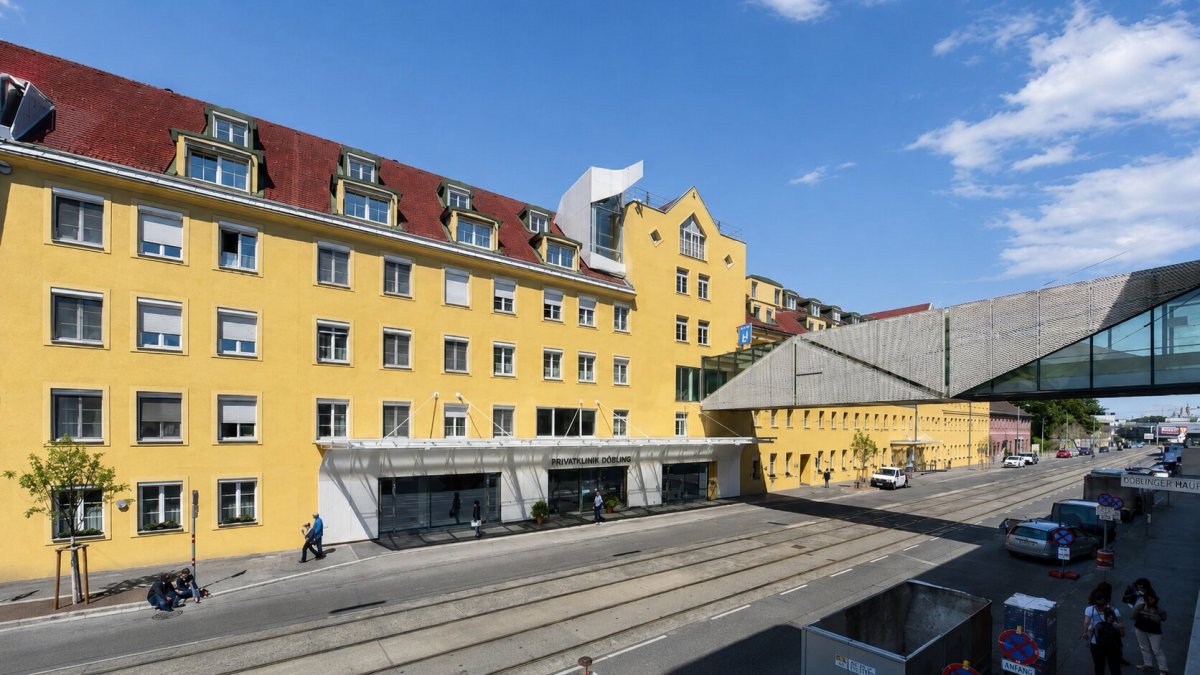
رأي خبراء بوكيمد: على الرغم من أن المستشفيات الجامعية توفر موارد واسعة، إلا أن المؤسسات الخاصة مثل مستشفى دوبلينغ الخاص في فيينا تُعطي الأولوية للسلامة، حيث تقل معدل
كيف يؤكد الأخصائيون النمساويون التشخيص بشكل موثوق ويحددون نوع متلازمة الشريان الأورطي الصدري العلوي؟
يؤكد أخصائيون نمساويون تشخيص متلازمة مخرج الصدر (TOS) باستخدام بروتوكولات متعددة التخصصات ضمن شبكات جامعية. يجمعون بين اختبارات التحفيز البدني والتصوير الديناميكي والدراسات الفيزيولوجية العصبية. قبل التشخيص، يجب على الأخصائيين استبعاد اعتلال الجذور العنقية ومتلازمة النفق الرسغي. ولتأكيد الضغط العصبي، يستخدمون التخدير الموضعي الموجه.
- التلاعب الجسدي: يستخدم الأطباء اختبارات روس وأدسون لإعادة إنتاج الأعراض المتعلقة بوضع الجسم.
- التصوير الديناميكي: يتتبع التصوير بالموجات فوق الصوتية الوظيفية بتقنية دوبلر التغيرات في تدفق الدم أثناء رفع الذراع.
- التصوير العصبي: يسمح التصوير بالرنين المغناطيسي عالي الدقة برؤية تورم الأعصاب والأشرطة الليفية الهيكلية.
- الحصار التشخيصي: تؤكد الحقن الموجهة بالموجات فوق الصوتية في عضلات الأخمعية متلازمة الشريان الأورطي الصدري العلوي العصبية، مما يوفر راحة مؤقتة من الأعراض.
رأي خبراء بوكيميد: تُظهر البيانات السريرية من فيينا أن المؤسسات الطبية الرائدة، مثل مستشفى دوبلينغ الخاص، تُولي السلامة أولوية قصوى، حيث تقل معدلات المضاعفات عن المعدل الطبيعي. وبينما تبدو العديد من الفحوصات التشخيصية قياسية، يُركز الأخصائيون النمساويون غالبًا على العصب الجلد
ما هي أساليب العلاج التحفظية المستخدمة في البرامج النمساوية كعلاج أولي لمتلازمة الشريان الأورطي الصدري العلوي العصبية؟
تُعطي برامج العلاج النمساوية لمتلازمة مخرج الصدر العصبي الأولوية لبروتوكول علاجي تحفظي متعدد الوسائط يستمر من 4 إلى 12 أسبوعًا. يهدف الخط الأول للعلاج إلى استعادة الميكانيكا الحيوية من خلال العلاج الطبيعي المتخصص وتحريك الأضلاع يدويًا. يجمع الأطباء بين تصحيح وضعية الجسم والدعم الدوائي لتخفيف الضغط عن الضفيرة العضدية قبل اللجوء إلى التدخل الجراحي.
- إعادة التأهيل البيوميكانيكي: يهدف العلاج اليدوي إلى تخفيف الضغط عن الضلع الأول والمفصل العنقي الصدري.
- استرخاء العضلات الموجه: تستهدف تمارين التمدد المحددة عضلات الأخمعية والصدرية الصغيرة المفرطة النشاط.
- تصحيح وضعية الجسم: تعمل بروتوكولات تقوية العضلات على تثبيت لوح الكتف وعضلات ثني الرقبة العميقة.
- التخدير الموضعي: يمكن لحقن الروبيفاكين أو البوتوكس في منطقة ما بين العضلات الأخمعية تحت المراقبة البصرية أن تخفف من آلام الأعصاب الشديدة.
رأي خبراء بوكيميد: تُظهر البيانات من المراكز الرائدة في فيينا، مثل مستشفى دوبلينغ الخاص، أنها تُولي اهتمامًا كبيرًا للعلاج متعدد التخصصات. ورغم أنها تُعالج أكثر من 16000 مريض سنويًا، إلا أن حالات متلازمة الشريان الأورطي الصدري العلوي (nTOS) تخضع لتسلسل هرمي صارم. فإذا لم يُجدِ العلاج الطبيعي ن
هل تُستخدم الحقن الموجهة بالموجات فوق الصوتية غير الجراحية لتخفيف الضغط عن مخرج الصدر في النمسا؟
في النمسا، يستخدم الأخصائيون حقنًا غير جراحية موجهة بالموجات فوق الصوتية لعلاج متلازمة مخرج الصدر العصبي. تعمل هذه الإجراءات على تخفيف الضغط على أعصاب الضفيرة العضدية. وتستخدم المؤسسات الطبية النمساوية، مثل مستشفى دوبلينغ الخاص في فيينا، تقنيات تصوير متقدمة لضمان دقة وضع الإبرة. يتجنب هذا النهج المخاطر الجراحية الجسيمة مع استهداف انحصارات عضلية محددة.
- أنواع الإجراءات: يستخدم الأطباء سم البوتولينوم لإرخاء العضلات الأخمعية الأمامية أو الوسطى المتشنجة.
- تشريح الأعصاب بالماء: يقوم الفنيون بحقن محلول ملحي أو دكستروز لفصل الأعصاب عن النسيج الندبي المحيط بها.
- التخدير التشخيصي: تساعد حقن المخدر الموضعي في تأكيد ما إذا كان مخرج الصدر هو سبب ألم المريض.
- تقنية الملاحة: يوفر التصوير بالموجات فوق الصوتية عالي الدقة رؤية في الوقت الحقيقي، مما يساعد على تجنب إلحاق الضرر بالهياكل الوعائية القريبة.
رأي خبراء بوكيمد: تضم فيينا مرافق طبية حاصلة على شهادة الأيزو، مثل مستشفى دوبلينغ الخاص، الذي يعالج أكثر من 16000 مريض سنويًا. ورغم شيوع استخدام الحقن، فإن العيادات النمساوية غالبًا ما تستخدمها لأغراض التشخيص في المقام الأول. فالاستجابة الإيجابية لتخدير الأعصاب غالبًا ما تتنبأ بنجاح الجر
في أي الحالات يُنصح بالتدخل الجراحي بدلاً من العلاج التحفظي طويل الأمد؟
يُنصح بالتدخل الجراحي في الحالات التي تثبت فيها العلاجات التحفظية عدم فعاليتها بعد 6-12 أسبوعًا. تشمل المؤشرات السريرية تدهورًا عصبيًا تدريجيًا أو مضاعفات وعائية. تُعطي العيادات النمساوية، مثل مستشفى دوبلينغ الخاص، الأولوية للتدخلات الجراحية في حالات عدم استقرار العمود الفقري. فالجراحة في الوقت المناسب تمنع تلف الأعصاب الدائم والقصور الوظيفي.
- الاضطرابات العصبية: الجراحة ضرورية إذا تفاقم ضعف الحركة أو فقدان الإحساس.
- العوامل الوعائية التي تسبب تطور متلازمة الشريان الأورطي الصدري العلوي: تورم أو برودة اليد تتطلب علاجًا مكثفًا لمتلازمة الأوعية الدموية في الشريان الأورطي الصدري العلوي.
- الضعف الوظيفي: يتم التدخل عندما يصبح أداء الأنشطة اليومية مستحيلاً على الرغم من العلاج.
- الحصار التشخيصي: إن تسكين الألم المؤقت الذي يتم تحقيقه من خلال الحصار الأخمعي يحسن من فعالية التدخل الجراحي.
رأي خبراء بوكيمد: تُظهر بياناتنا من العيادات المعتمدة من قبل اللجنة الدولية المشتركة (JCI)، مثل مستشفى دوبلينغ الخاص، أنها تُولي أهمية كبيرة للخبرة بناءً على حجم العمليات الجراحية التي تُجريها. يُعالج هذا المستشفى 16,000 مريض دولي سنويًا، مع الحرص على الحفاظ على معدل منخفض للمضاعفات. عند علاج م