علاج ورم الغدة اللعابية في تركيا: 5 مستشفيات


تمت مراجعة المقالة طبيا من قبل
فهد مولود
كيف نعمل؟
ما هي تكلفة ورم الغدة اللعابية إجراءات التشخيص والعلاج في تركيا؟ اعرف الآن
اكتشف أفضل ورم الغدة اللعابية العيادات في تركيا: 5 خيارات معتمدة والأسعار





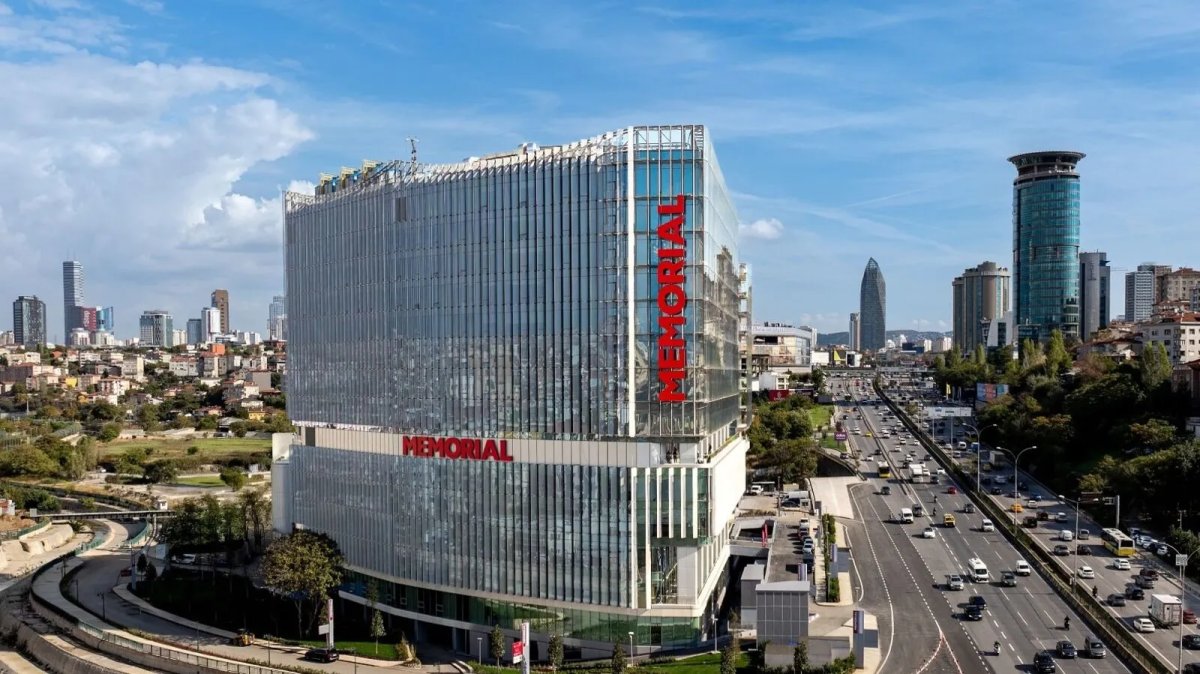
Memorial Göztepe Hospital
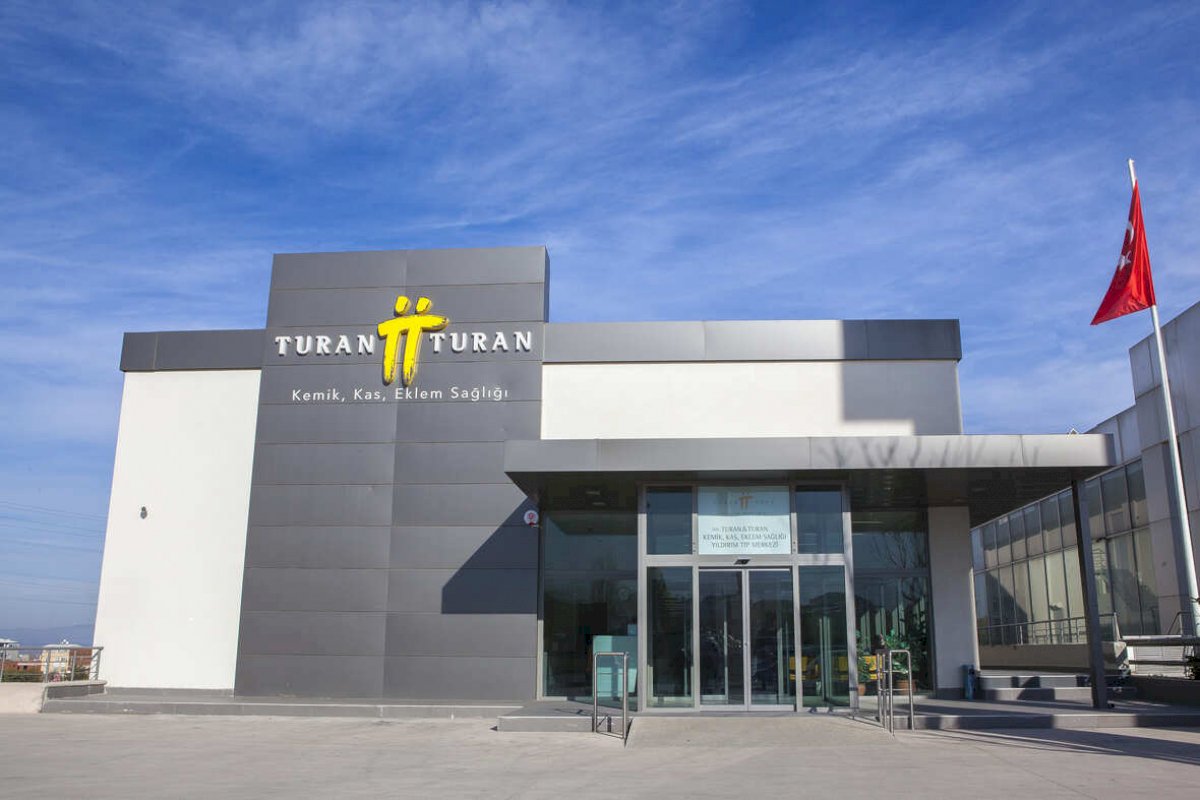
Turan Turan Health Group
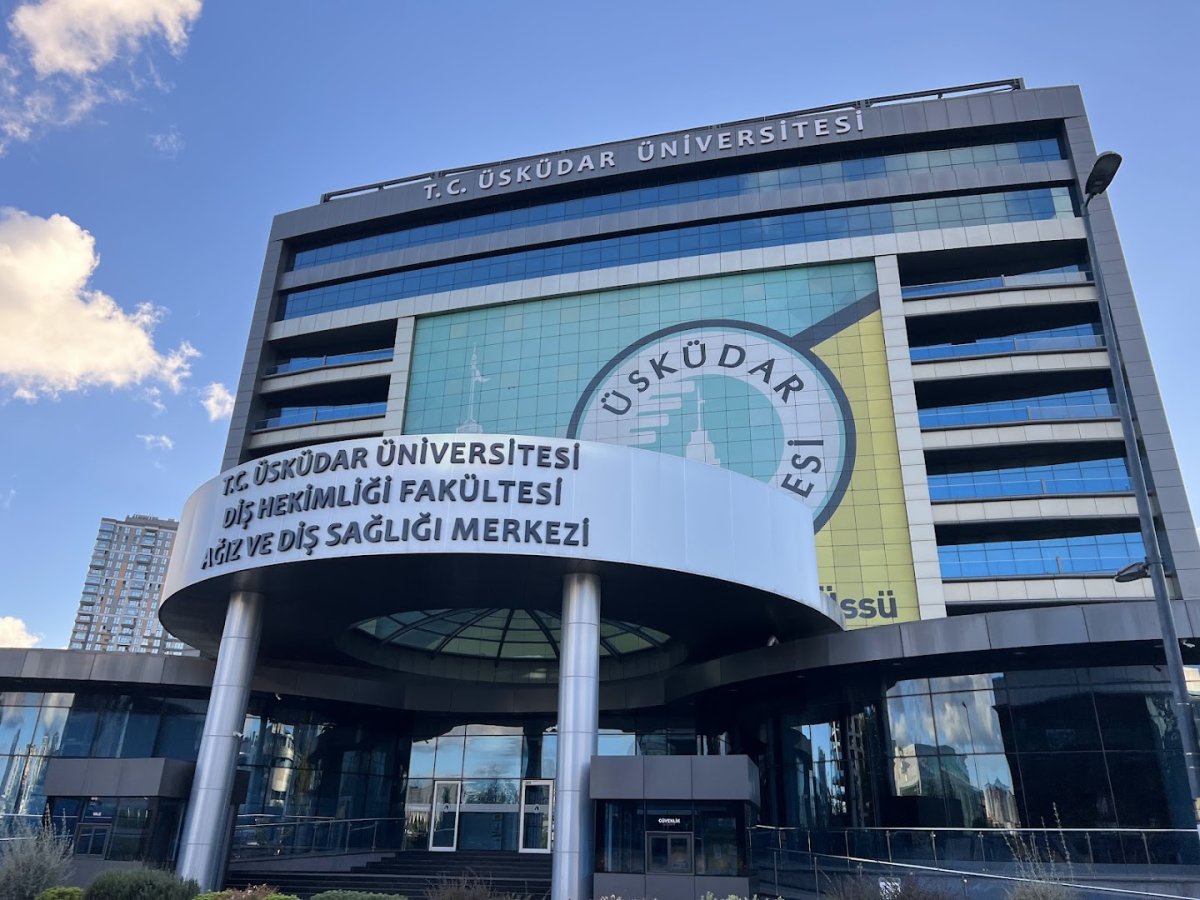
Üsküdar University Dental Hospital
احصلوا على تقييم طبي لـ ورم الغدة اللعابية في تركيا: استشيروا أطباء ذوي خبرة الآن
عرض جميع الأطباء
Halil Alis
الدكتور خليل أليس هو جراح جهاز هضمي والمدير الطبي في مستشفى VM Medical Park Florya. وهو مدرب في الجراحة الروبوتية باستخدام نظام دافنشي (Da Vinci). يعالج الدكتور أليس السمنة، وأمراض القولون والمستقيم، وأمراض الجهاز الهضمي المعقدة. وقد ألف أكثر من 70 ورقة علمية في مجلات طبية دولية.
- عضو نشط في SAGES وEAES وIASGO وISSO وIFSO.
- يجري عمليات تكميم وتحويل مسار المعدة الروبوتية باستخدام نظام دافنشي.
- يقدم إجراءات تنظيرية تشخيصية وعلاجية مثل ERCP وEUS.
- شغل منصب مدير في
Selin Kapan
الأستاذة الدكتورة سيلين كابان أستاذة جراحة عامة منذ عام 2017. تعمل حالياً في جامعة إسطنبول آيدن، كلية الطب، قسم الجراحة العامة (2022–حتى الآن). عملت سابقاً في مستشفى باكيركوي د. سادي كونوق للتدريب والبحوث كاختصاصية وأستاذة مشاركة. كما شغلت منصب المشرفة التعليمية والإدارية في مستشفى قانوني سلطان سليمان للتدريب والبحوث. إضافةً إلى ذلك، عملت منسقة طبية وجرّاحة عامة في مستشفى إسطنبول للجراحة.
لها أكثر من 50 مقالة محكّمة ألّفتها أو شاركت في تأليفها. تشمل أبحاثها إصلاح الفتق، الناسور حول الش
مشاركة المحتوى
قصص فيديو من مرضى Bookimed
 Anna Leonova
أسئلة متكررة حول علاج ورم الغدة اللعابية في تركيا
ما هي طرق العلاج الرئيسية لأورام الغدد اللعابية في تركيا؟
يركز علاج أورام الغدد اللعابية في تركيا على الاستئصال الجراحي جنبًا إلى جنب مع بروتوكولات الأورام المتقدمة. تعطي المراكز المتخصصة الأولوية للحفاظ على العصب الوجهي أثناء استئصال الغدة النكفية. تقوم مجالس الأورام متعددة التخصصات في مرافق مثل مستشفى ميموريال جوزتيبي بتخصيص العلاجات باستخدام الأنظمة الروبوتية، وإشعاع MR Linac، والعلاج المناعي للحالات الخبيثة المعقدة.
- الاستئصال الجراحي: يقوم الجراحون بإزالة الغدة جزئيًا أو كليًا للقضاء على الورم الأساسي.
- الحفاظ على الأعصاب: تقنيات متخصصة تحمي العصب الوجهي للحفاظ على وظيفة العضلات الطبيعية.
- الإشعاع المتقدم: توفر تقنية MR Linac استهدافًا دقيقًا للأورام الخبيثة عالية الدرجة أو المتكررة.
- المساعدة الروبوتية: تتيح أنظمة مثل da Vinci XI أساليب طفيفة التوغل للأورام التي يمكن الوصول إليها.
- العلاج الجهازي: يعالج العلاج الموجه والعلاج الكيميائي المراحل المتقدمة أو تطور المرض النقيلي.
رؤية خبير Bookimed: غالبًا ما تدمج مراكز الأورام التركية التكنولوجيا التشخيصية والجراحية في غرف العمليات الهجينة. يستخدم مستشفى ميموريال جوزتيبي التصوير المقطعي المحوسب بـ 512 شريحة والرنين المغناطيسي بقوة 3 تسلا لرسم خرائط حدود الورم. تساعد هذه الدقة الجراحين على تجنب تلف الأنسجة السليمة. اختيار مركز مزود بتصوير عالي الدقة يقلل من خطر عدم استئصال الورم بالكامل.
إجماع المرضى: يؤكد المرضى على ضرورة التأكد مما إذا كان جراح الرأس والرقبة يقود الفريق متعدد التخصصات. ويشيرون إلى
هل جراحة أورام الغدد اللعابية محفوفة بالمخاطر؟
تعد جراحة أورام الغدد اللعابية ناجحة بشكل عام. وتتعلق المخاطر بشكل أساسي بقربها من العصب الوجهي. في حين يعاني 10% إلى 20% من المرضى من ضعف مؤقت، يتجنب 99% حدوث شلل دائم. يستخدم المتخصصون في تركيا مجالس متعددة التخصصات وتصويرًا متقدمًا لضمان السلامة والدقة أثناء استئصال الورم.
- حماية الأعصاب: يستخدم الجراحون المراقبة أثناء العملية لتحديد والحفاظ على وظيفة العصب الوجهي.
- ضعف مؤقت: يزول معظم الضعف أو عدم التناظر المرتبط بالأعصاب تمامًا في غضون 6 إلى 9 أشهر.
- متلازمة فراي: يسبب هذا الأثر الجانبي النادر طويل الأمد تعرق الوجه أثناء الأكل فقط.
- التركيز على التعافي: عادة ما يختفي الخدر بعد العملية أو تراكم السوائل في غضون بضعة أسابيع.
رؤية خبير Bookimed: تشير البيانات إلى أن المراكز ذات الحجم الكبير مثل مستشفى ميموريال جوزتيبي توفر نتائج أكثر أمانًا. تدمج هذه المنشأة التصوير المقطعي المحوسب بـ 512 شريحة والرنين المغناطيسي بقوة 3 تسلا للحصول على رسم خرائط دقيق. تستفيد الحالات المعقدة من مجالس الأورام التي تتعاون فيها 39 قسمًا. يساعد هذا النهج متعدد التخصصات الجراحين على تخطيط مسارات تجنب الأعصاب قبل إجراء الشق الأول.
إجماع المرضى: يشير المرضى إلى أن عدم التناظر الوجهي المؤقت أو صعوبة الابتسام أمر شائع. ويؤكدون على اختيار جراح يقوم بهذه الإجراءات المحددة يوميًا لتقليل المخاطر على المدى الطويل.
كيف يحدد الأطباء في تركيا ما إذا كان ورم الغدة اللعابية سرطانيًا؟
يحدد الأطباء في تركيا ما إذا كان ورم الغدة اللعابية سرطانيًا من خلال التصوير التشخيصي وخزعة الأنسجة. تستخدم المراكز المتخصصة الرنين المغناطيسي 3 تسلا والأشعة المقطعية بـ 512 شريحة لتحديد موقع الكتل. يقوم أخصائيو علم الأمراض بعد ذلك بإجراء سحب بالإبرة الدقيقة أو خزعات بالإبرة لتحديد الخلايا الخبيثة وتوجيه الجراحة.
- تكنولوجيا التصوير: يساعد التصوير المقطعي بـ 512 شريحة والرنين المغناطيسي 3 تسلا في تحديد حدود الورم بوضوح.
- الخزعة الخلوية: تجمع عملية السحب بالإبرة الدقيقة (FNA) الخلايا للتحقق من وجود ورم خبيث مجهريًا.
- التحليل المرضي: يفرق أخصائيو علم الأمراض بين خلايا الغدد اللعابية الحميدة والخبيثة عالية الدرجة.
- تصنيف السرطان: يحدد تصوير PET/CT الرقمي ما إذا كانت الخلايا الخبيثة قد انتشرت إلى أماكن أخرى.
رؤية خبير Bookimed: تستخدم المراكز المتقدمة مثل مستشفى Memorial Göztepe مجالس أورام متعددة التخصصات للتحقق من النتائج. هذا أمر بالغ الأهمية لأن الخزعات الأولية لأورام الغدد اللعابية قد تكون أحيانًا غير حاسمة. يضمن مجلس الأورام أن يقوم أطباء الأشعة والجراحون بمراجعة نفس البيانات قبل بدء الإجراءات المعقدة للحفاظ على الأعصاب.
إجماع المرضى: يشير المرضى إلى أن الخزعة نادرًا ما تكون الكلمة الأخيرة في التشخيص. يوصي الكثيرون بطلب تقرير نسيجي مكتوب لأن علم الأمراض الجراحي النهائي يكشف أحيانًا عن ورم خبيث لم يكتشفه التصوير.
ما هي نسبة نجاح علاج الغدد اللعابية في تركيا؟
يظهر علاج الغدد اللعابية في تركيا نسبة نجاح تبلغ 100% لإزالة الحصوات بالمنظار. تبلغ نسبة رضا المرضى عن جراحات الأورام الحميدة 79%. تختلف نتائج الأورام الخبيثة حسب المرحلة، حيث تصل معدلات البقاء على قيد الحياة لمدة عام واحد إلى 79%. تستخدم المراكز المتخصصة أنظمة روبوتية da Vinci ومجالس أورام متعددة التخصصات لضمان الدقة.
- نجاح تنظير الغدد اللعابية: تحقق إزالة الحصوات طفيفة التوغل دقة في حل الأعراض بنسبة 100% للمرضى.
- ندبات القنوات: تشير الدراسات التي أجريت في تركيا إلى معدل نجاح يبلغ 70% في علاج ندبات القنوات.
- رعاية الأورام الحميدة: يبلغ حوالي 79% من المرضى عن رضا عالٍ بعد جراحة الغدة النكفية.
- البقاء على قيد الحياة من السرطان: يبلغ متوسط معدلات البقاء على قيد الحياة لمدة خمس سنوات لأورام الغدد اللعابية الخبيثة حوالي 45%.
رؤية خبير Bookimed: يعتمد النجاح في تركيا على حجم الجراحات وتوافر التكنولوجيا. يدمج مستشفى Memorial Göztepe، على سبيل المثال، مجالس أورام متعددة التخصصات وأنظمة روبوتية da Vinci XI. يستخدم متخصصون مثل الدكتور خليل أليس الأنظمة الروبوتية منذ عام 2010. يساعد هذا العمق التكنولوجي في الحفاظ على العصب الوجهي أثناء إزالة الأورام المعقدة.
إجماع المرضى: يؤكد المرضى أن النجاح يعني إزالة الورم والحفاظ على حركة الوجه في آن واحد. يقترحون الحصول على رأي مرضي ثانٍ، لأن بعض الأنواع الفرعية النادرة من الأورام تتطلب خطط إشعاع محددة.
ما الذي تتضمنه المتابعة بعد العلاج في تركيا؟
تتضمن المتابعة بعد علاج أورام الغدد اللعابية في تركيا مراقبة موقع الجراحة والمراجعة المرضية. عادةً ما يبقى المرضى لمدة 5-7 أيام لإزالة الأنابيب التصريفية وفحص الجروح. تستخدم المراكز المتخصصة مثل مستشفى Memorial Göztepe تقنية الأشعة المقطعية بـ 512 شريحة و PET/CT الرقمية لتأكيد إزالة الورم تمامًا قبل خروج المريض.
- المراجعة المرضية: يشرح المتخصصون نتائج الحواف وأنواع الأورام لتحديد الرعاية اللاحقة.
- التقييم الجسدي: يقوم الجراحون بإجراء فحوصات نهائية شخصية لإزالة الغرز أو الأنابيب التصريفية.
- بروتوكولات التصوير: تستخدم المرافق التصوير بالرنين المغناطيسي 3 تسلا المدعوم بالذكاء الاصطناعي للتحقق من نجاح إزالة الورم.
- المراقبة عن بعد: تنسق الفرق التركية التعافي على المدى الطويل من خلال مكالمات الفيديو ومراجعة الصور الرقمية.
رؤية خبير Bookimed: تعد مجالس الأورام متعددة التخصصات هي المعيار في المرافق الكبرى في إسطنبول مثل مستشفى Memorial Göztepe. تضمن هذه المجالس ألا تقتصر خطط المتابعة على الجانب الجراحي فقط، حيث تجمع خبرات أكثر من 90 طبيبًا لتقرير ما إذا كان الإشعاع الفوري أو المراقبة الأورام ضرورية.
إجماع المرضى: يؤكد المرضى على ضرورة الحصول على جميع تقارير علم الأمراض المترجمة قبل السفر. ويشيرون إلى أن التواصل الواضح بشأن وظيفة العصب الوجهي والتورم هو الخطوة الأكثر أهمية في التعافي.
لماذا تختار تركيا لعلاج أورام الغدد اللعابية؟
تُعد تركيا وجهة رائدة لعلاج أورام الغدد اللعابية نظرًا لخبرتها الجراحية المتخصصة وتكنولوجيتها المتقدمة. تستخدم المراكز التركية مراقبة العصب الوجهي لحماية تعبيرات الوجه أثناء استئصال الغدة النكفية. يستفيد المرضى من مجالس الأورام متعددة التخصصات والمرافق المعتمدة من اللجنة الدولية المشتركة (JCI) التي تتبع معايير السلامة الدولية لعلم الأورام.
- الحفاظ على الأعصاب: يستخدم الجراحون المراقبة أثناء العملية لمنع ضعف العصب الوجهي أثناء استئصال الورم.
- التشخيص المتقدم: تستخدم مرافق مثل مستشفى ميموريال جوزتيبي (Memorial Göztepe) التصوير بالرنين المغناطيسي 3 تسلا المدعوم بالذكاء الاصطناعي لرسم خرائط دقيقة.
- الخبرة المتخصصة: تنشر الأستاذة الدكتورة سيلين كابان في مستشفى ليف بجامعة إستينيا (İstinye University Liv Hospital) أبحاثًا حول حالات الغدد اللعابية المعقدة.
- الرعاية متعددة التخصصات: يتم التحقق من خطط العلاج من قبل مجالس الأورام وعلم الأمراض والجراحة لضمان الدقة.
رؤية خبراء Bookimed: تدمج المستشفيات التركية مثل ميموريال جوزتيبي تقنية PET/CT الرقمية وجهاز MR Linac داخل مراكز السرطان التي تبلغ مساحتها 81,000 متر مربع. يسمح هذا النطاق لهم بإدارة الحالات المعقدة تحت الفك والنكفية التي قد تحيلها العيادات الصغيرة إلى أماكن أخرى. كما يوفر وجود وحدات البحث السريري إمكانية الوصول إلى ابتكارات العلاج العالمية التي لا تتوفر دائمًا في ممارسات الأنف والأذن والحنجرة العامة.
إجماع المرضى: يؤكد المرضى أن جدولة المواعيد السريعة للخزعات والفحوص