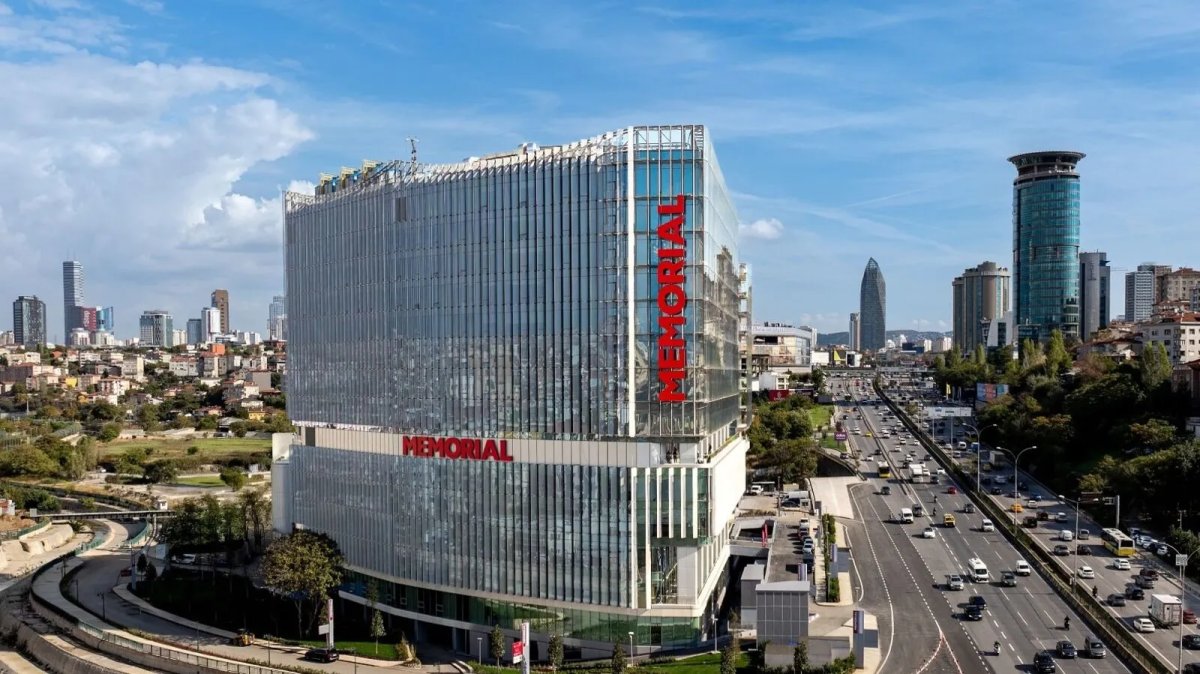
Memorial Göztepe Hospital
تركيا, إسطنبول


تمت مراجعة المقالة طبيا من قبل
فهد مولود
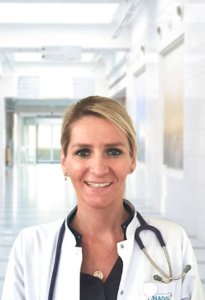
الدكتورة Nermina Alagic طبيبة قلب استشارية في مركز الأناضول الطبي بإسطنبول، الشريك لطب جامعة جونز هوبكنز. تخرّجت من جامعة إسطنبول–جراح باشا. أنهت برنامج الإقامة في أمراض القلب بمستشفى إسطنبول محمد عاكف أرصوي لجراحة الصدر والقلب والأوعية (2014–2018). تركّز على تصوير القلب، وتمتلك خبرة في تخطيط صدى القلب عبر جدار الصدر وعبر المريء ثنائي/ثلاثي الأبعاد (TTE/TEE). وطوّرت هذا التدريب عبر بحث في مختبر الصدى بجامعة ألاباما في برمنغهام (UAB) عام 2015، وعمل تطبيقي على TEE ثنائي/ثلاثي الأبعاد في مختبر T
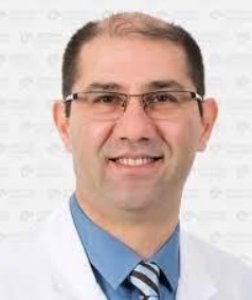
الدكتور جنك إندلن اختصاصي جراحة القلب والأوعية الدموية. يمارس المهنة منذ عام 2002. يعمل في مستشفى إسطنبول فلورنس نايتينغيل منذ عام 2025. أنهى إقامة جراحة الصدر والقلب والأوعية الدموية في جامعة كوجايلي (1996–2002). أصبح أستاذاً مشاركاً عام 2023.
يركّز عمله على إدارة دم المريض وتحسين الأداء القلبي الصدري. نشر أبحاثاً حول الجدوى الاقتصادية لنقل الدم وتطبيق إدارة دم المريض PBM (Cardiovasc J Afr، 2023). كما تناول اقتصاديات استبدال الصمام الأبهري (Heart Surg Forum، 2023) وتقنيات جراحات الشرا
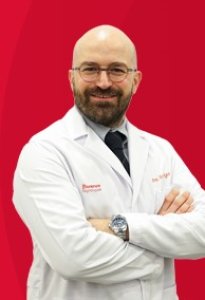
أستاذ مشارك في أمراض القلب في مستشفى الدكتور سيامي إرسيك للتدريب والبحوث في جراحة الصدر والقلب والأوعية الدموية – متخصص في مضاعفات ما بعد احتشاء عضلة القلب.
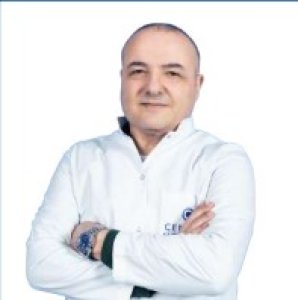
البروفيسور الدكتور Rifat Eralp Ulusoy اختصاصي أمراض القلب، متخصّص في أمراض القلب السريرية والتصوير القلبي المتقدم. يركّز على تخطيط صدى القلب، وتخطيط صدى القلب عبر المريء، وتخطيط صدى القلب الإجهادي. كما يعالج أمراض صمامات القلب، وارتفاع ضغط الدم، وفشل القلب، واعتلالات عضلة القلب. شغل مناصب أكاديمية وسريرية في مراكز رائدة في تركيا والولايات المتحدة، وهو زميل للجمعية الأوروبية لأمراض القلب.
نشر أكثر من 125 بحثاً علمياً وله أكثر من 1,400 استشهاد. تشمل اهتماماته السريرية أورام القلب والرعاي
 Anna Leonova
تعالج مراكز القلب التركية المضاعفات الميكانيكية والكهربائية ونقص التروية بعد نوبة قلبية. يقوم المتخصصون بإجراء إصلاحات الحاجز البطيني، وجراحات تجميل صمامات القلب، ورسم الخرائط ثلاثي الأبعاد لاضطرابات نظم القلب. تستخدم المستشفيات الإقليمية أشعة مقطعية بـ 512 شريحة وغرف عمليات هجينة لإجراء إصلاحات هيكلية سريعة وعالية الدقة.
رؤية خبير Bookimed: تم بناء البنية التحتية للقلب في تركيا للتعامل مع التعقيدات ذات الحجم الكبير. كان الأستاذ الدكتور دنيز سها كوجوكاكسو في مستشفى جامعة باشكنت بإسطنبول رائدًا في برامج القلب الصناعي محليًا. يسمح هذا التخصص للمراكز التركية بالتعامل مع حالات فشل القلب في المرحلة النهائية التي لا تستطيع العديد من العيادات القياسية إدارتها. تدمج المرافق الكبرى مثل مستشفى ميموريال جوزتيبي الأشعة المقطعية بـ 512 شريحة للحصول على وضوح تشخيصي شبه فوري في حالات طوارئ القلب.
إجماع المرضى: يشير المرضى إلى أهمية اختيار مراكز خاصة كبيرة في المدن ا
تقدم تركيا رعاية قلبية متقدمة في مرافق معتمدة من اللجنة الدولية المشتركة (JCI) متخصصة في مضاعفات ما بعد النوبة القلبية. تقدم المراكز الرائدة مثل مستشفى ميموريال جوزتيبي ومركز أناضول الطبي عمليات مجازة الشريان التاجي المعقدة، والجراحة الروبوتية، وإصلاح الصمامات التدخلي. تتميز هذه المستشفيات بغرف عمليات هجينة عالية التقنية ووحدات عناية مركزة.
رؤية خبير Bookimed: غالبًا ما يشير حجم المرضى إلى الكفاءة التقنية في إسطنبول. يمارس الأساتذة ذوو الخبرة مثل الدكتور دنيز سها كوتشوكاكسو أو الدكتور مراد سنبل عملهم في العديد من العيادات الراقية. وهذا يعني أن اختيار جراح لديه أكثر من 100 منشور أو أكثر من 30 عامًا من الخبرة يضمن الوصول إلى التقنيات الأكثر دقة بغض النظر عن فرع المستشفى المحدد.
إجماع المرضى: يؤكد المرضى على اختيار المرافق التي تحتوي على مختبرات قسطرة تعمل على مدار الساعة طوال أيام الأسبوع ودعم جراحي في الموقع. ويلاحظ الكثيرون أن المستشفيات الخاصة توفر وصولاً أسرع للرعاية وأجنحة تعافي أكثر راحة مقارنة بمؤسسات الأب
تستخدم إعادة التأهيل بعد احتشاء عضلة القلب في تركيا بروتوكولات متعددة التخصصات تجمع بين إشراف أطباء القلب، والتمارين المصممة خصيصًا، والتصوير المتقدم. غالبًا ما تدمج البرامج العلاجات بمساعدة الروبوت والتشخيصات الرقمية داخل مرافق معتمدة من قبل اللجنة الدولية المشتركة (JCI). يتلقى المرضى خططًا مخصصة للتحكم في ضغط الدم، وإدارة التوتر، وتعديل عوامل الخطر.
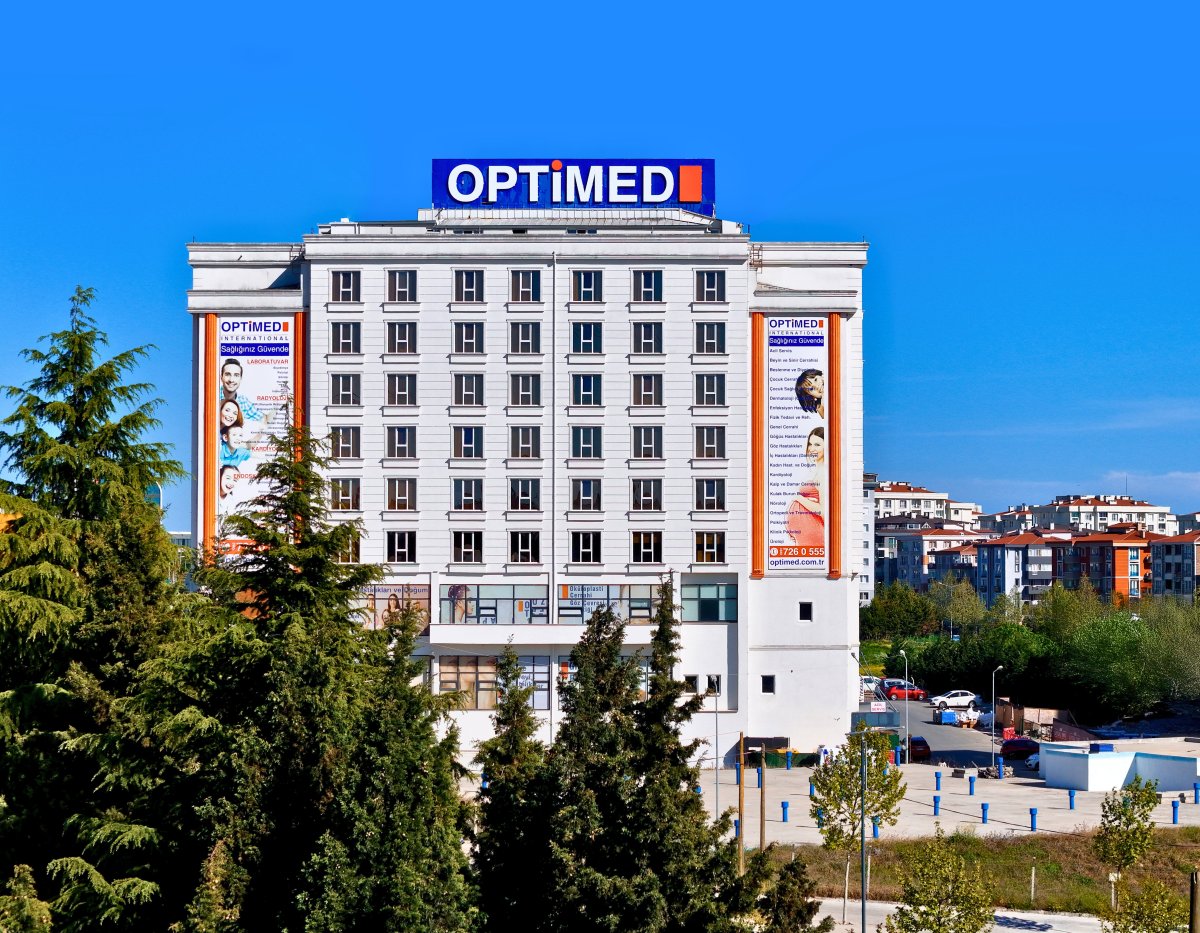
رؤية خبير بوكيميد: بينما يختار الكثيرون إسطنبول لمستشفياتها ذات الإقبال الكبير مثل مستشفى أوبتيميد الدولي، الذي يعالج 200,000 مريض سنويًا، فإن النجاح يعتمد على خبرة محددة. إن اختيار طبيب متخصص في طب القلب الرياضي أو إعادة تأهيل القلب، مثل الموجودين في مستشفى ليف، يضمن تحسين أحمال التمارين بأمان بناءً على تقييمات الأداء بدلاً من مجرد متابعات الخروج القياسية.
إجماع المرضى: يؤكد المرضى على ضرورة التأكد مما إذا كانت البرامج تتضمن مراقبة نشطة لعلامات التحذير مثل الخفقان أو ضيق التنفس أثناء الجلسات. ينصحون بطلب خطة مطبوعة للتمارين المنزلية وجداول ز
تتطلب الوقاية من نوبة قلبية ثانية التزامًا صارمًا بالأدوية وتعديلات منظمة في نمط الحياة. تشمل الإجراءات الرئيسية تناول مميعات الدم والستاتينات الموصوفة طبيًا. يجب على المرضى المشاركة في برامج إعادة التأهيل القلبي المتخصصة. كما أن الإقلاع عن التدخين وإدارة الوزن من خلال اتباع نظام غذائي صحي للقلب يحسن النتائج القلبية الوعائية على المدى الطويل بشكل كبير.
رؤية خبراء Bookimed: تركز مراكز القلب التركية على الخبرة العالية في الرعاية بعد الاحتشاء. يتمتع البروفيسور الدكتور دنيز سها كوكوكاكسو في جامعة باشكنت بأكثر من 35 عامًا من الخبرة. تعد هذه الخبرة العميقة أمرًا حيويًا عند إدارة حالات التعافي المعقدة. تستخدم المنشآت الحديثة مثل مستشفى ميموريال جوزتيبي فحوصات الأشعة المقطعية بـ 512 شريحة للمتابعة الدقيقة. إن اختيار المراكز التي تستقبل أعدادًا كبيرة من المرضى، مثل مستشفى أوبتيميد الدولي، يضمن الوصول إلى بروتوكولات تعافي معتمدة.
إجماع المرضى: يؤكد المرضى أن الانضمام إلى برنامج إعادة التأهيل يساعد في استعادة الثقة أثناء النشاط البدني. ويشي