علاج مضاعفات ما بعد احتشاء عضلة القلب في كوريا الجنوبية: 2 مستشفيات


تمت مراجعة المقالة طبيا من قبل
فهد مولود
ما هي تكلفة مضاعفات ما بعد احتشاء عضلة القلب إجراءات التشخيص والعلاج في كوريا الجنوبية؟ اعرف الآن
مزاياك وضماناتك مع Bookimed
أسعار مباشرة
Bookimed لا يضيف رسوماً إضافية على أسعار علاج مضاعفات ما بعد احتشاء عضلة القلب. الأسعار مأخوذة من قوائم الأسعار الرسمية للعيادات. تدفع مباشرة في العيادة مقابل علاجك عند وصولك إلى البلد.
عيادات وأطباء معتمدون فقط
Bookimed ملتزم بسلامتك. نحن نعمل فقط مع المؤسسات الطبية التي تحافظ على معايير دولية عالية في علاج مضاعفات ما بعد احتشاء عضلة القلب ولديها التراخيص اللازمة لخدمة المرضى الدوليين في جميع أنحاء العالم.
مساعدة مجانية على مدار الساعة
Bookimed يقدم مساعدة خبراء مجانية. منسق طبي شخصي يدعمك قبل وأثناء وبعد العلاج، ويحل أي مشاكل. لن تكون وحيداً أبداً في رحلة علاج مضاعفات ما بعد احتشاء عضلة القلب.

منسقك الطبي الشخصي في Bookimed
- يدعمك في كل مرحلة
- المساعدة في اختيار العيادة الطبية المناسبة والطبيب المناسب
- يضمن الوصول السريع والمريح إلى المعلومات
اكتشف أفضل مضاعفات ما بعد احتشاء عضلة القلب العيادات في كوريا الجنوبية: 2 خيارات معتمدة والأسعار



احصلوا على تقييم طبي لـ مضاعفات ما بعد احتشاء عضلة القلب في كوريا الجنوبية: استشيروا أطباء ذوي خبرة الآن
عرض جميع الأطباء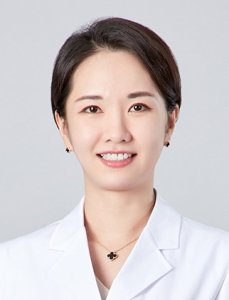
Min Jeong Kim
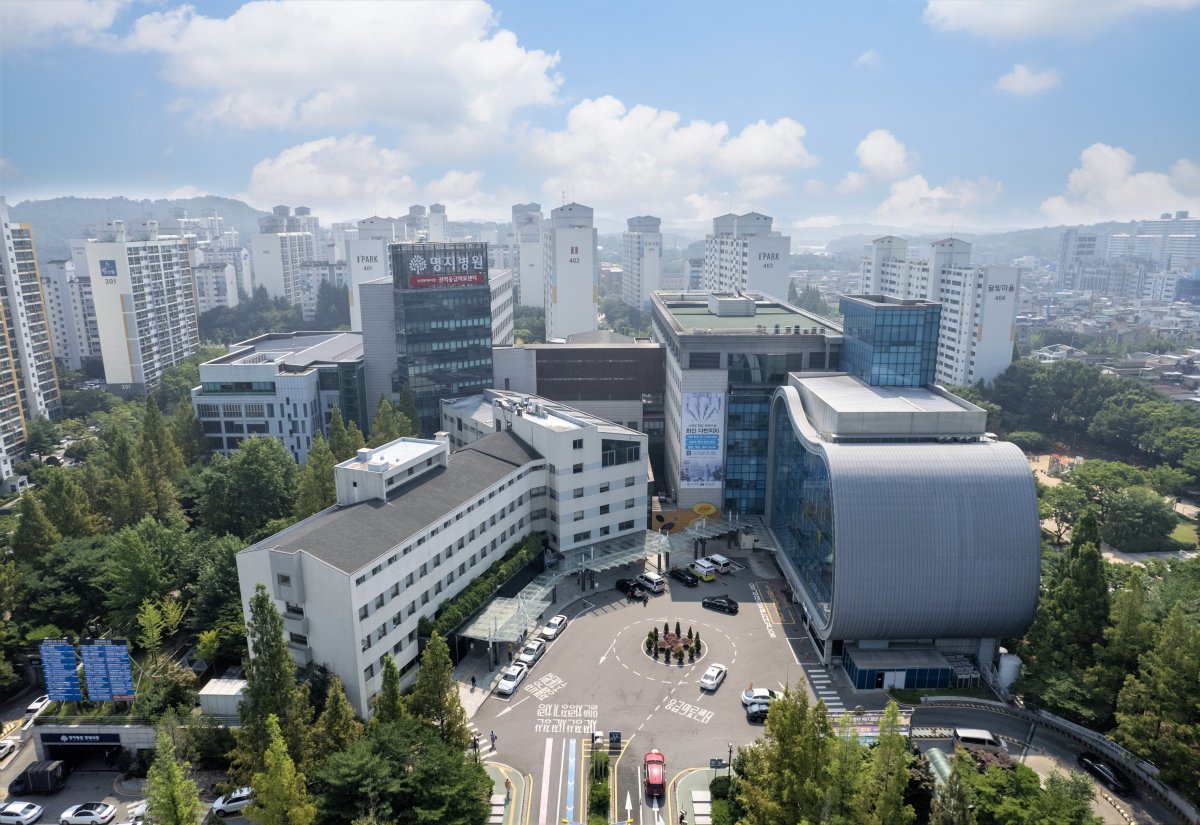
الدكتورة مين-جونغ كيم، طبيبة قلب تحمل درجتي الطب (MD) والدكتوراه (PhD)، تعمل في مستشفى إنتشون سيجونغ. تركز على طب القلب التدخلي، وفشل القلب، وارتفاع ضغط الدم، وطب القلب الوقائي.
حصلت على درجتي MD وPhD من كلية الطب بجامعة سيول الوطنية، وأتمت تدريباً متقدماً في الطب الباطني وأمراض القلب والأوعية في مركز طبي رائد في كوريا.
تشمل خبرتها مرض الشريان التاجي، وفشل القلب المزمن، واضطرابات نظم القلب، وارتفاع ضغط الدم. تجري تصوير الشرايين التاجية بالقسطرة والتدخل التاجي عبر الجلد، وتتقن تخ
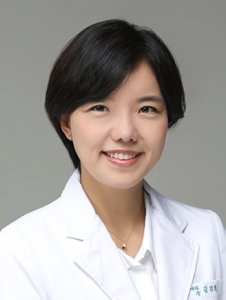
Kyung Hee Kim
الدكتورة كيونغ هي كيم، MD, PhD، مديرة مركز زراعة القلب ورئيسة قسم أمراض القلب في مستشفى إنشيون سيجونغ. حصلت على درجات MD وMS وPhD من كلية الطب بجامعة سيول الوطنية، وأكملت زمالات دولية، منها إجراء أبحاث في مايو كلينك.
تشمل خبرتها فشل القلب المتقدم، تقييم وإدارة الزرع، الدعم الدوري الميكانيكي (VAD، ECMO)، ارتفاع ضغط الدم الرئوي، اعتلالات عضلة القلب المعقدة، وأمراض القلب الوراثية والصمامية وعيوب القلب الخلقية لدى البالغين.
تقود رعاية قلبية متعددة التخصصات، وتطوّر بروتوكولات سريرية
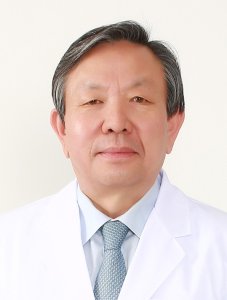
Byung Hee Oh
الأستاذ بيونغ-هي أوه، MD، PhD، طبيب قلب في مستشفى إنتشون سيجونغ. تخرّج في كلية الطب بجامعة سيول الوطنية. أكمل تدريبه في الطب الباطني وطب القلب في مستشفى جامعة سيول الوطنية. يركّز عمله السريري على قصور القلب، ومرض الشريان التاجي، وارتفاع ضغط الدم، والرجفان الأذيني، وطب القلب الوقائي.
شغل منصب أستاذ لطب القلب في جامعة سيول الوطنية. كما تولّى إدارة مركز لأمراض القلب والأوعية الدموية ورئاسة قسم طب القلب. ترأس الجمعية الكورية لأمراض القلب وقاد مجموعات وطنية لقصور القلب وارتفاع ضغط الدم. ألّ
مشاركة المحتوى
قصص فيديو من مرضى Bookimed
 Anna Leonova
أسئلة متكررة حول علاج مضاعفات ما بعد احتشاء عضلة القلب في كوريا الجنوبية
ما هي استراتيجيات العلاج الرئيسية لإدارة مضاعفات ما بعد احتشاء عضلة القلب في المستشفيات الكورية الكبرى؟
تعالج المستشفيات الكورية مضاعفات ما بعد احتشاء عضلة القلب (MI) باستخدام إعادة التروية السريعة في غضون 12 ساعة. تستخدم الفرق المتخصصة دعم الدوران الميكانيكي مثل أجهزة الأكسجة الغشائية خارج الجسم (ECMO) أو أجهزة مساعدة البطين لفشل القلب. تشمل البروتوكولات المتقدمة العلاج المضاد للصفيحات المزدوج والدعامات المطلية بالدواء. غالبًا ما تحصل المراكز ذات الحجم الكبير على شهادة معهد كوريا لاعتماد الرعاية الصحية (KOIHA).
- دعم الدوران: يستخدم الأطباء ECMO وأجهزة مساعدة البطين للصدمة القلبية المعقدة.
- توقيت إعادة التروية: يتم إعطاء الأولوية للتدخل التاجي عن طريق الجلد الأولي في غضون فترة 12 ساعة الحرجة.
- الأدوية المتخصصة: تشمل الأنظمة المخصصة الستاتينات عالية الكثافة والعلاج المضاد للصفيحات المزدوج المصمم خصيصًا.
- التشخيص المتقدم: يستخدم المتخصصون تخطيط صدى القلب وتصوير الأوعية التاجية لتحديد المخاطر بدقة.
رؤية خبير Bookimed: بينما تركز معظم المراكز على التعافي التقليدي، توفر عيادة RE:YOUTH علاجًا بالخلايا الجذعية الشريانية لإصلاح الأنسجة المزمنة. هذا النهج التجديدي نادر عالميًا. تحد العيادة الاستقبال بـ مريضين يوميًا، مما يضمن رعاية بمستوى كبار الشخصيات لحالات التعافي المعقدة بعد احتشاء عضلة القلب في تشونان.
ما هي الأدوية القياسية طويلة الأمد بعد الإصابة بنوبة قلبية في كوريا؟
تتضمن الأدوية القياسية طويلة الأمد بعد الإصابة بنوبة قلبية في كوريا الستاتينات ومضادات الصفائح الدموية ومثبطات نظام الرينين-أنجيوتensin (RAS). غالبًا ما يستمر العلاج المزدوج بمضادات الصفائح الدموية لمدة 6 إلى 12 شهرًا قبل الانتقال إلى عامل واحد. يتلقى المرضى الذين يعانون من قصور القلب أو انخفاض الكسر القذفي عادةً مثبطات الإنزيم المحول للأنجيوتنسين (ACE) أو حاصرات مستقبلات الأنجيوتنسين (ARBs) لحماية القلب.
- إدارة الدهون: تُعد الستاتينات مثل أتورفاستاتين ضرورية للحد من وفيات القلب على المدى الطويل.
- العلاج بمضادات الصفائح الدموية: يمنع العلاج المزدوج باستخدام الأسبرين ومثبطات P2Y12 تكون جلطات الدم المرتبطة بالدعامات.
- مثبطات RAS: تتحكم مثبطات ACE أو ARBs في ضغط الدم وتحمي عضلة القلب.
- حاصرات بيتا: تُعد أدوية مثل كارفيديلول قياسية، على الرغم من أن المرضى المستقرين قد يتوقفون عنها بعد عام واحد.
رؤية خبير Bookimed: يتخصص قادة طب القلب الكوريون مثل الدكتور أوه دونغ جو في مستشفى نا-أون والدكتور بيونغ هي أوه في مستشفى سيجونغ في رعاية ما بعد الاحتشاء المعقدة. تُظهر البيانات أن هؤلاء المتخصصين رفيعي المستوى يركزون على تصنيف المخاطر القائم على الأدلة. وهذا يضمن عدم استمرار المرضى في تناول حاصرات بيتا لفترة أطول من اللازم إذا استقرت وظائف القلب لديهم.
إجماع المرضى: يشير المرضى إلى أن العلاج المزدوج بمضادات الصفائح الدموية غالبًا ما يستمر لفترة أطول بكثير مما كانوا يتوقعون في البداية. ويؤكدون على أهمية عدم التوقف عن تناول هذه الأ
ما هي الخيارات المتاحة لعلاج فشل القلب كمضاعفات ما بعد احتشاء عضلة القلب في كوريا؟
تعطي علاجات فشل القلب في كوريا الأولوية للعلاج الطبي الموجه بالمبادئ التوجيهية (GDMT) بما في ذلك ARNI ومثبطات SGLT2. تستخدم الحالات المتقدمة أجهزة دعم البطين (VAD) وزراعة القلب. تقدم مراكز متخصصة مثل مستشفى سيجونغ خيارات تجديدية مثل ضخ الخلايا الجذعية الشريانية إلى جانب بروتوكولات أمراض القلب التدخلية القياسية.
- الأدوية المتخصصة: تعمل مثبطات مستقبلات الأنجيوتنسين والنيبريليسين (ARNI) على تقليل مخاطر الوفيات القلبية الوعائية.
- الدعم الميكانيكي: توفر أجهزة دعم البطين (VAD) و ECMO دعمًا دوريًا للفشل المتقدم.
- العلاج بالخلايا الجذعية: تقدم عيادة RE:YOUTH حقن الخلايا الجذعية الشريانية الفريدة للتعافي المزمن.
- التدخلات الجراحية: تتوفر زراعة القلب في المراكز ذات الحجم الكبير لعلاج فشل القلب في المرحلة النهائية.
رؤية خبير Bookimed: تتميز كوريا عالميًا من خلال الجمع بين رعاية القلب القياسية والطب التجديدي المتخصص. بينما يركز مستشفى سيجونغ على عمليات الزرع ذات الحجم الكبير، تقبل عيادة RE:YOUTH مريضين فقط يوميًا للعلاج المخصص بالخلايا الجذعية. وهذا يسمح للمرضى بالاختيار بين المراكز الأكاديمية الضخمة أو العيادات المتخصصة للتعافي بعد احتشاء عضلة القلب.
هل تتوفر رعاية قلبية مخصصة باللغة الإنجليزية للمرضى الدوليين في كوريا؟
توفر كوريا الجنوبية رعاية قلبية مخصصة باللغة الإنجليزية من خلال مراكز رعاية صحية دولية متخصصة في شبكات المستشفيات الكبرى. توظف مؤسسات مثل مستشفى سيجونغ (Sejong Hospital) ومستشفى نا-أون (Na-Eun Hospital) أخصائيين تدربوا في مايو كلينك (Mayo Clinic) وجامعة إيموري (Emory University) لإدارة المضاعفات المعقدة لما بعد احتشاء عضلة القلب للمرضى الدوليين.
- خبرة الأخصائيين: قام الدكتور أوه دونغ جو بتأليف أكثر من 240 منشوراً قلبياً دولياً مفهرساً في SCI.
- مؤهلات متقدمة: يشغل الدكتور كيونغ هي كيم عضوية لجنة أمراض القلب السريرية في جمعية القلب الأمريكية (American Heart Association).
- معايير الاعتماد: تحافظ العيادات على اعتماد KOIHA، مما يضمن أن بروتوكولات السلامة تلبي المعايير الطبية الدولية الصارمة.
- خدمات الدعم: توفر مكاتب دولية مخصصة مترجمين طبيين للمساعدة في إجراءات الموافقة والخروج.
رؤية خبراء Bookimed: يجب على المرضى الذين يبحثون عن رعاية ما بعد احتشاء عضلة القلب إعطاء الأولوية للمراكز من الدرجة الثالثة مثل مستشفى سيجونغ بدلاً من العيادات الصغيرة. تدمج هذه المرافق طب القلب التداخلي مع إعادة التأهيل القلبي ودعم العناية المركزة. تُظهر بياناتنا أن كبار أطباء القلب الكوريين غالباً ما يحملون درجات دكتوراه مزدوجة وزمالات أمريكية، مما يوفر مهارات تقنية تعادل تلك الموجودة في المؤسسات الغربية الرائدة.
إجماع المرضى: يثق المرضى بالجودة الطبية التقنية في كوريا، لكنهم يلاحظون أن التواصل في الأجنحة قد يكون محدوداً. ويوصون باستخدام التنسيق
كيف يبدو التأهيل القلبي في كوريا بعد الإصابة بنوبة قلبية؟
يعد التأهيل القلبي في كوريا برنامجًا يقوده متخصصون يركز على الوقاية الثانوية من خلال الالتزام بالأدوية والنشاط البدني الخاضع للمراقبة. تستخدم الفرق متعددة التخصصات في المراكز المعتمدة من JCI مثل مستشفى سيجونغ تمارين مراقبة بتخطيط القلب الكهربائي لاستعادة وظائف القلب بأمان. تجمع البرامج بين الإشراف السريري من قبل أطباء القلب وتقديم المشورة الغذائية وإدارة التوتر من أجل التعافي.
- فريق متخصص: يدير أطباء القلب والممرضون والمعالجون عملية التعافي في المستشفيات المرتبطة بالجامعات.
- نهج مرحلي: يبدأ التأهيل في وقت مبكر يصل إلى يوم واحد بعد الاحتشاء من خلال الجلوس الموجه.
- تكنولوجيا المراقبة: تستخدم جلسات التمرين تتبع تخطيط القلب المستمر لاكتشاف ضربات القلب غير الطبيعية.
- إدارة المخاطر: يشمل التركيز الإقلاع عن التدخين، والتحكم في ضغط الدم، وبروتوكولات صارمة للأدوية المضادة للصفيحات.
رؤية خبراء Bookimed: في حين أن العديد من البرامج تتم في المستشفيات، فإن كبار المتخصصين في كوريا مثل الدكتور أوه دونغ جو في مستشفى نا-أون يجلبون الصرامة الأكاديمية من إيموري وكورنيل. تظهر بياناتنا أن المرضى يعطون الأولوية للمراكز التي يرأس فيها رئيس قسم القلب أيضًا معاهد بحثية. يضمن هذا التكامل حصول المرضى على بروتوكولات إعادة تأهيل بناءً على أحدث التجارب السريرية العالمية وبيانات التعافي المفهرسة في SCI.
إجماع المرضى: يشير المرضى إلى أن التعافي يبدو موجهًا جدًا من قبل الطبيب، مع تركيز كبير على جداول الأدوية وتغييرات نمط الحياة المدعومة من الأسرة. ي