علاج مضاعفات ما بعد احتشاء عضلة القلب في إسبانيا — احصل على 3 عيادات مختارة خصيصاً لك


تمت مراجعة المقالة طبيا من قبل
فهد مولود
كيف نعمل؟
ما هي تكلفة مضاعفات ما بعد احتشاء عضلة القلب إجراءات التشخيص والعلاج في إسبانيا؟ اعرف الآن
اكتشف أفضل مضاعفات ما بعد احتشاء عضلة القلب العيادات في إسبانيا: 2 خيارات معتمدة والأسعار




مشاركة المحتوى
قصص فيديو من مرضى Bookimed
 Anna Leonova
أسئلة متكررة حول علاج مضاعفات ما بعد احتشاء عضلة القلب في إسبانيا
ما هي العلاجات المتقدمة المتاحة في إسبانيا للمضاعفات الميكانيكية بعد احتشاء عضلة القلب؟
تقدم إسبانيا علاجات متقدمة للمضاعفات الميكانيكية بعد احتشاء عضلة القلب. وتشمل هذه الدعم الميكانيكي المؤقت للدورة الدموية (tMCS) والجراحة الموجهة بالصدمة. تستخدم المراكز المعتمدة من قبل JCI في مدريد وبرشلونة الأكسجة الغشائية خارج الجسم (VA-ECMO). كما يطبقون تقنيات عن طريق الجلد مثل مشابك القسطرة لمشاكل الصمامات الحادة.
- الدعم الميكانيكي: تعمل مضخات VA-ECMO ومضخات التدفق المحوري الدقيق على استقرار المرضى قبل الإصلاح الجراحي.
- توقيت الجراحة: غالبًا ما تؤجل الفرق القلبية الوعائية الجراحة للسماح بتندب أنسجة عضلة القلب.
- أدوات طفيفة التوغل: تعالج أجهزة الإغلاق المتخصصة تمزق الحاجز البطيني عبر الوصول الفخذي.
- خيارات تجديدية: يتوفر علاج متقدم بالخلايا الجذعية في المراكز المعتمدة للتعافي من الصدمات.
- رائد في زراعة الأعضاء: توفر إسبانيا زراعة قلب عاجلة وسريعة من خلال بنية تحتية رائدة عالميًا.
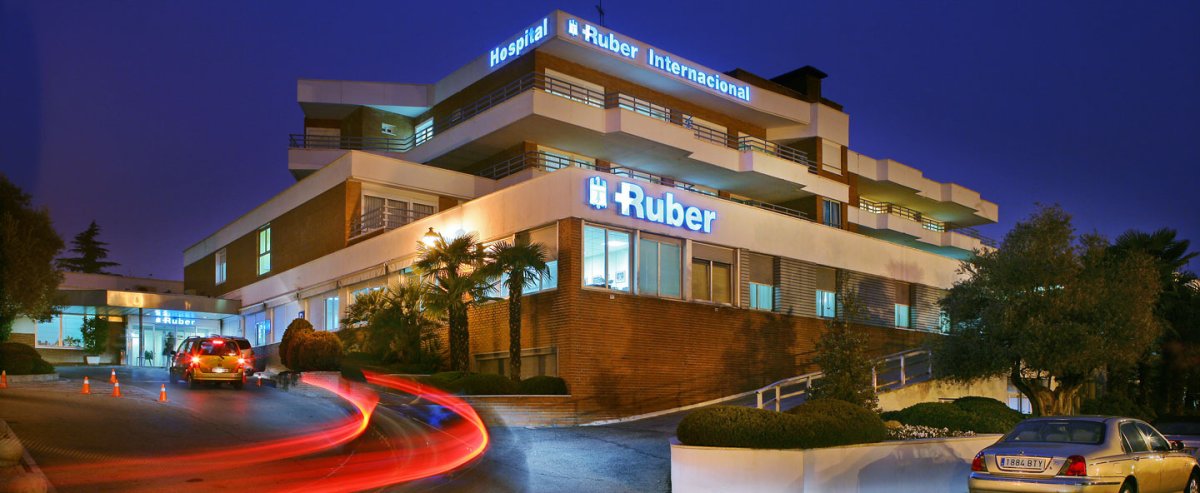
رؤية خبير Bookimed: يركز طب القلب الإسباني على حجم العمليات الجراحية والتخصص العالي. يجري مستشفى روبير الدولي أكثر من 6000 عملية جراحية سنويًا ويصنف ضمن أفضل 6 مراكز. يدير مركز تكنون الطبي 23500 عملية سنويًا مع 50 قسمًا متخصصًا. اختيار مراكز ذات حجم عمل كبير يزيد من فرص الوصول إلى فرق القلب متعددة التخصصات للإصلاحات المعقدة.
كيف تتعامل المستشفيات الإسبانية مع المضاعفات الخطيرة مثل الصدمة القلبية أو اضطرابات نظم القلب؟
تتعامل المستشفيات الإسبانية مع مضاعفات ما بعد احتشاء عضلة القلب الخطيرة من خلال بروتوكول "كود الصدمة" (Código Shock) الإقليمي والرعاية المركزة المتخصصة في القلب والأوعية الدموية. يتضمن العلاج التثبيت السريع باستخدام النوربينفرين، وإعادة التروية الفورية عبر التدخل التاجي عن طريق الجلد، والدعم الميكانيكي المتقدم مثل الأكسجة الغشائية خارج الجسم (ECMO). تخضع اضطرابات نظم القلب غير المستقرة لتقويم نظم القلب الكهربائي الطارئ أو تنظيم ضربات القلب عبر الوريد مؤقتاً.
- فرز الصدمات: يتبع المرضى نظاماً من ثلاثة مستويات للتعرف السريع على الحالة وتثبيتها.
- فرق متخصصة: تضم فرق الصدمات المخصصة أطباء العناية المركزة، وجراحي القلب، وأطباء القلب التداخليين.
- الدعم الميكانيكي: تستخدم المستشفيات المركزية مضخات Impella الدقيقة و VA-ECMO للصدمات المقاومة للعلاج.
- إدارة اضطرابات النظم: تستخدم المسارات السريرية الأميودارون للاستقرار أو تقويم نظم القلب المتزامن لحالات الطوارئ.
رؤية خبير Bookimed: تزدهر رعاية القلب والأوعية الدموية في إسبانيا بفضل نموذج المركز والمحور، حيث تعمل المراكز المعتمدة من اللجنة الدولية المشتركة (JCI) مثل مستشفى روبير الدولي (Hospital Ruber Internacional) أو مركز تكنون الطبي (Centro Médico Teknon) كمراكز رئيسية. تدير هذه المرافق أكثر من 10,000 مريض سنوياً وتمتلك البنية التحتية للتدخلات المتقدمة مثل استئصال القسطرة بالترددات الراديوية. يضمن اختيار مركز رئيسي الوصول الفوري إلى مختبر قسطرة القلب ووحدات العناية المركزة عالية الدقة دون الحاجة إلى
هل يمكن للمرضى الدوليين الوصول إلى نظام الصحة العامة في إسبانيا لرعاية القلب؟
يصل المرضى الدوليون إلى نظام الصحة العامة في إسبانيا بشكل أساسي من خلال حالة الإقامة أو الاتفاقيات الثنائية. رعاية القلب الطارئة هي حق عالمي بغض النظر عن الوضع القانوني. ومع ذلك، تتطلب مراقبة القلب الاختيارية التسجيل كمقيم أو وثائق بطاقة التأمين الصحي الأوروبية (EHIC) لتجنب الفواتير المباشرة.
- الوصول للطوارئ: يتم توفير علاج إنقاذ الحياة العالمي بغض النظر عن الجنسية أو حالة الإقامة القانونية.
- مسؤولية الفواتير: يتلقى السياح من خارج الاتحاد الأوروبي بدون تأمين ساري عادةً فاتورة بعد استقرار الحالة الطارئة.
- مواطنو الاتحاد الأوروبي/المملكة المتحدة: يتلقى المرضى الذين يحملون بطاقات EHIC أو GHIC الرعاية وفقًا لشروط المقيمين المحليين.
- التسجيل كمقيم: يحصل المقيمون القانونيون الذين يدفعون للضمان الاجتماعي على وصول كامل إلى تخصصات أمراض القلب.
- Convenio Especial: يمكن للمغتربين غير العاملين دفع رسوم شهرية للوصول إلى النظام العام بعد 12 شهرًا.
رؤية خبير Bookimed: بينما تقدم الأنظمة العامة رعاية ممتازة، يمكن أن تكون أوقات الانتظار لتشخيصات القلب غير العاجلة طويلة. تتعامل عيادات مثل Centro Médico Teknon أو Hospital Ruber Internacional مع أكثر من 10,000 مريض دولي سنويًا. اختيار المرافق المعتمدة من JCI في مدريد أو برشلونة يتجنب نظام الإحالة وحواجز اللغة المحلية الشائعة في الوحدات العامة.
كيف تبدو رعاية المتابعة بعد العلاج في إسبانيا؟
تركز رعاية المتابعة في إسبانيا على إعادة التأهيل القلبي الشخصي والمراقبة المتخصصة المنظمة. يتلقى المرضى تقارير خروج شاملة توضح الأدوية وعلامات التحذير. غالبًا ما توفر العيادات الخاصة استشارات عن بعد للمسافرين الدوليين. عادةً ما تقوم المراكز الإسبانية بجدولة مراجعات تشخيصية مستهدفة من 2 إلى 3 مرات في السنة.
- المراقبة المتخصصة: يقوم أطباء القلب بإجراء تخطيط كهربائي للقلب (ECG) بانتظام ومراجعة الأعراض.
- إدارة الأدوية: يقوم المتخصصون بتعديل جرعات مضادات الصفائح، وحاصرات بيتا، والستاتينات.
- إعادة التأهيل القلبي: تشمل البرامج بناء القدرة على التحمل تحت الإشراف وتوجيهات غذائية.
- التصوير التشخيصي: غالبًا ما تشمل المتابعة مخططات صدى القلب أو اختبارات الإجهاد.
رؤية خبير Bookimed: مؤشرات الجودة لرعاية القلب في إسبانيا عالية بشكل استثنائي. على سبيل المثال، يحمل مركز Centro Médico Teknon اعتماد اللجنة الدولية المشتركة (JCI) ويعالج 10,000 مريض سنويًا. تم تصنيف مستشفى Ruber Internacional ضمن أفضل 6 مستشفيات في إسبانيا من قبل مجلة فوربس ويضم أكثر من 800 طبيب. تضمن هذه الكثافة العالية من المتخصصين وصولاً أسرع إلى التشخيصات المعقدة مثل التصوير بالرنين المغناطيسي 3-تسلا لمراقبة ما بعد العلاج.
إجماع المرضى: يؤكد المرضى أن الحصول على نظام الدواء الصحيح هو أهم مهمة في المتابعة. يلاحظ الكثيرون أن أهداف المشي المحددة وحدود النشاط الواضحة هي أكثر الأجزاء فائدة في التعافي.
هل تتوفر برامج شاملة لإعادة التأهيل القلبي في إسبانيا؟
تتوفر برامج إعادة التأهيل القلبي الشاملة على نطاق واسع في إسبانيا من خلال المراكز الطبية الخاصة والمستشفيات العامة. تلبي هذه البروتوكولات متعددة التخصصات المعايير الأوروبية الصارمة. تدمج معظم البرامج التدريب البدني الخاضع للإشراف، والاستشارات الغذائية، والدعم النفسي لضمان التعافي الآمن بعد احتشاء عضلة القلب.
- مدة البرنامج: تستمر الجلسات الخاضعة للإشراف عادةً من 6 إلى 12 أسبوعًا.
- الفريق السريري: يضم الفريق أطباء قلب، وأخصائيي علاج طبيعي متخصصين، وممرضين، وأخصائيي تغذية.
- نماذج العلاج: تقدم المرافق خدمات العيادات الخارجية في المستشفيات، وإعادة التأهيل عن بُعد، والرعاية الداخلية المكثفة.
- معايير الاعتماد: تحافظ المراكز الرائدة على شهادات اللجنة الدولية المشتركة (JCI) و ISO 9001.
رؤية خبير Bookimed: في حين أن العديد من المرافق تقدم خدمات أمراض القلب، فإن مراكز مثل مستشفى روبر الدولي (Hospital Ruber Internacional) ومركز تكنون الطبي (Centro Médico Teknon) تتعامل مع أعداد هائلة من المرضى، تتجاوز 10,000 حالة سنويًا. غالبًا ما تترجم هذه الترددات العالية إلى بنية تحتية متعددة التخصصات أكثر قوة. يجب على المرضى الذين يسعون للحصول على إعادة التأهيل التأكد مما إذا كانت العيادة تقدم برامج رسمية للعيادات الخارجية من المرحلة الثانية بدلاً من مجرد استشارات متابعة روتينية. تظهر بياناتنا أن المستشفيات الخاصة من الدرجة الأولى في مدريد وبرشلونة غالبًا ما توفر وصولاً أسرع إلى معدات متخصصة مثل التصوير بالرنين المغناطيسي بقوة 3 تسلا للمراقبة بعد الحدث.