علاج اعتلال الأعصاب المتعدد في تركيا — احصل على 3 عيادات مختارة خصيصاً لك


تمت مراجعة المقالة طبيا من قبل
فهد مولود
كيف نعمل؟
ما هي تكلفة اعتلال الأعصاب المتعدد إجراءات التشخيص والعلاج في تركيا؟ اعرف الآن
تختلف تكلفة علاج الاعتلال العصبي المتعدد في تركيا بناءً على خطة العلاج المحددة. تبلغ تكلفة الاستشارة مع أخصائي حوالي $180. يبلغ سعر اختبار WES حوالي $1,000، بينما يكلف البزل القطني حوالي $2,100. يتم تسعير تخطيط كهربية العضل بـ $650. تبدأ تكلفة اختبارات الدم الإضافية من $300، ويمكن أن تصل التحاليل المخبرية المحددة إلى $500. تبلغ تكلفة التصوير بالرنين المغناطيسي بدون تباين حوالي $770، وتكلف تخطيط كهربية الدماغ $400. تتوفر حزم شاملة لإعادة التأهيل العصبي، والتي تشمل الإقامة والوجبات، بحوالي $4,300. يتم تحديد خطة العلاج النهائية والتكاليف بعد إجراء فحص شامل وتشخيص من قبل الفريق الطبي.
| تركيا | إسبانيا | ألمانيا | |
|---|---|---|---|
| فصادة البلازما ذات الترشيح المزدوج | ≈ $1,900 | ≈ $1,100 | ≈ $1,800 |
| تبادل البلازما | ≈ $3,900 | ≈ $2,400 | ≈ $3,800 |
| البلازما | من $3,200 | من $12,300 | ≈ $2,200 |
اكتشف أفضل اعتلال الأعصاب المتعدد العيادات في تركيا: 9 خيارات معتمدة والأسعار



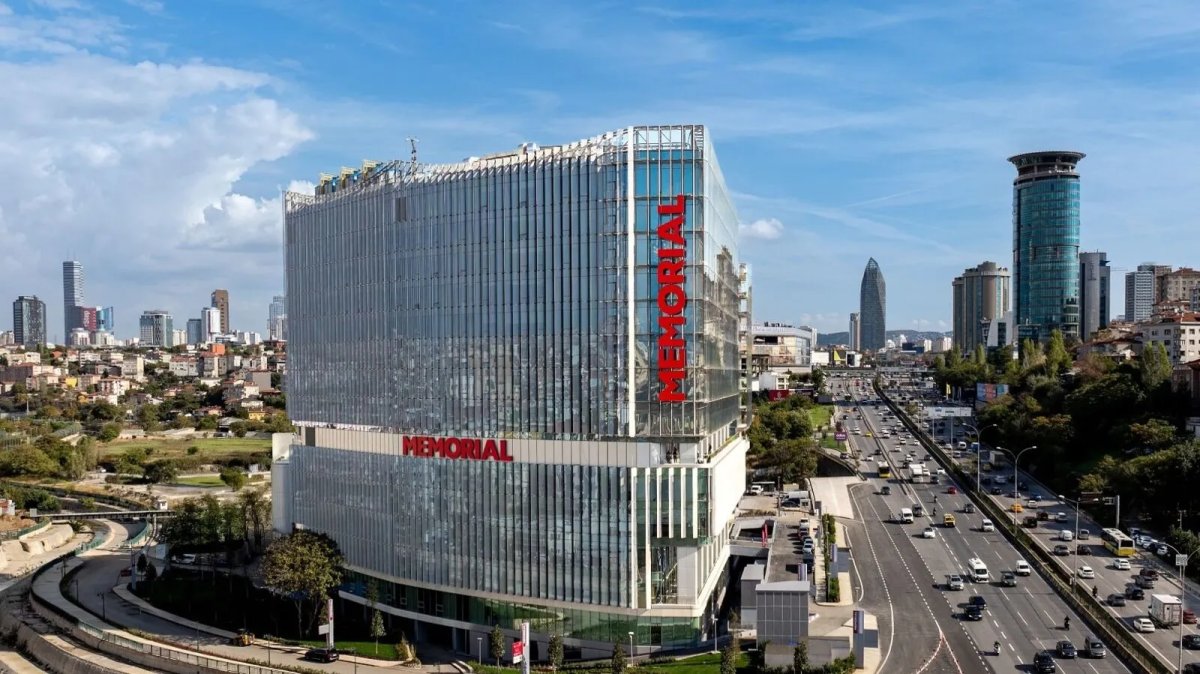
Memorial Göztepe Hospital

Fizyomer Terapia Physical Therapy and Rehabilitation & Aesthetic & Dental Medical Center
Turkan Tunerir

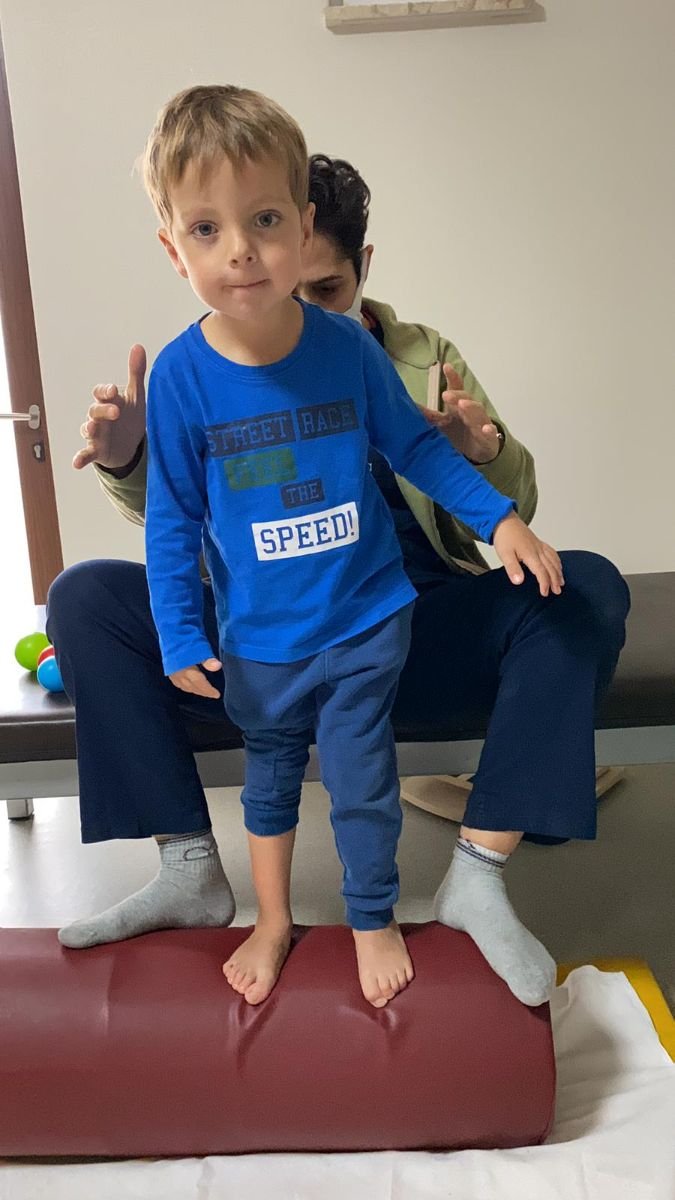
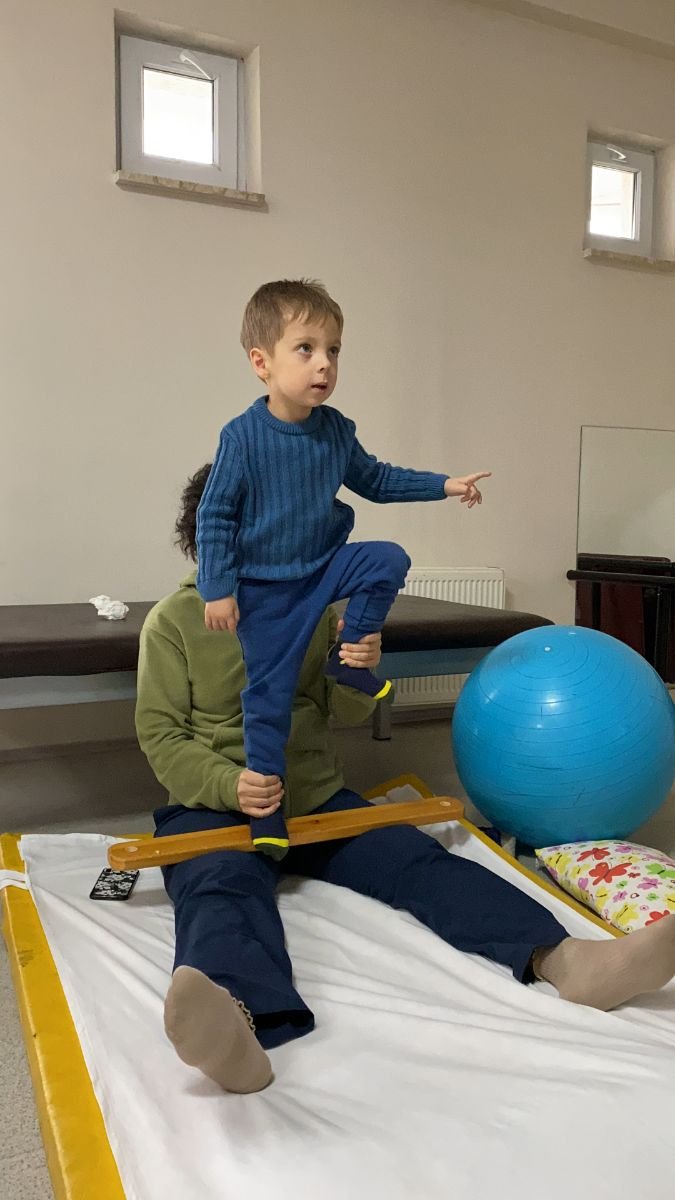
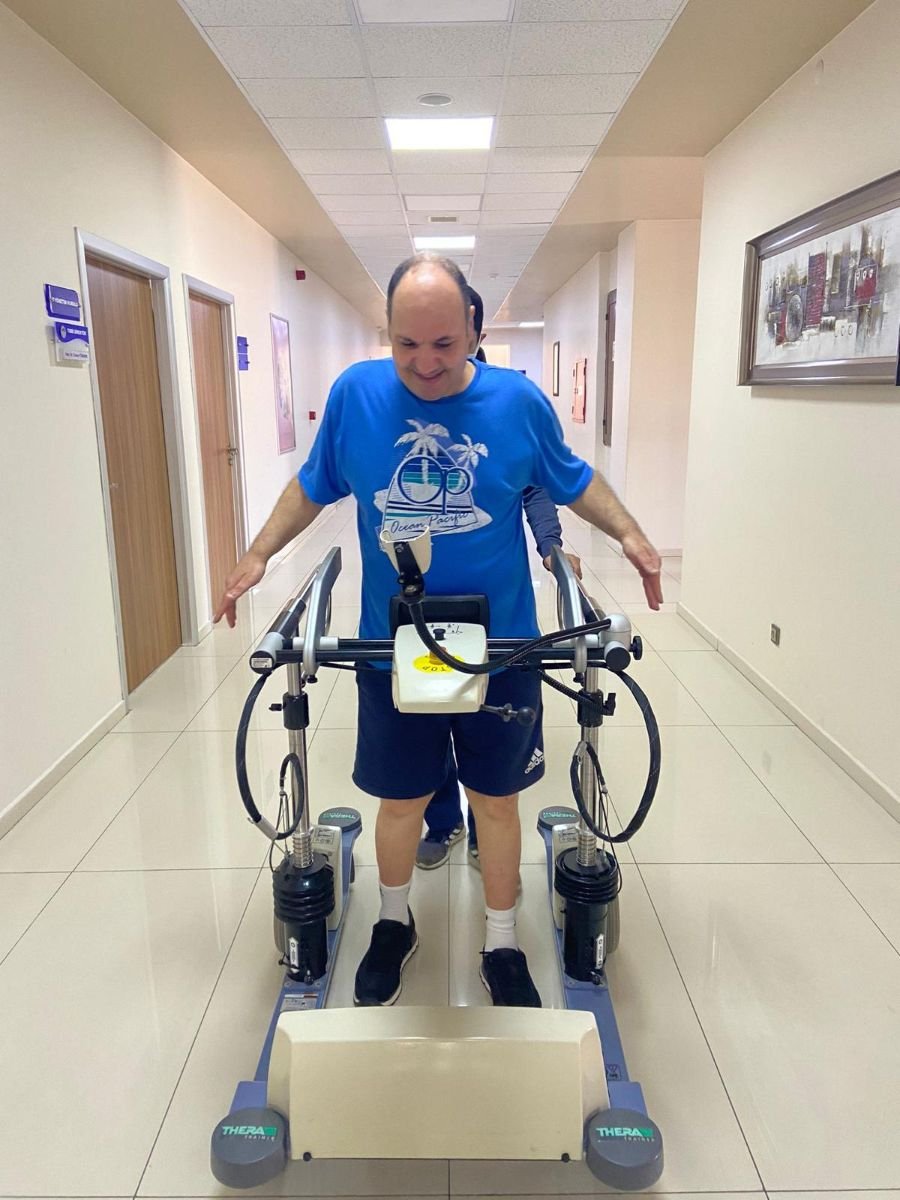




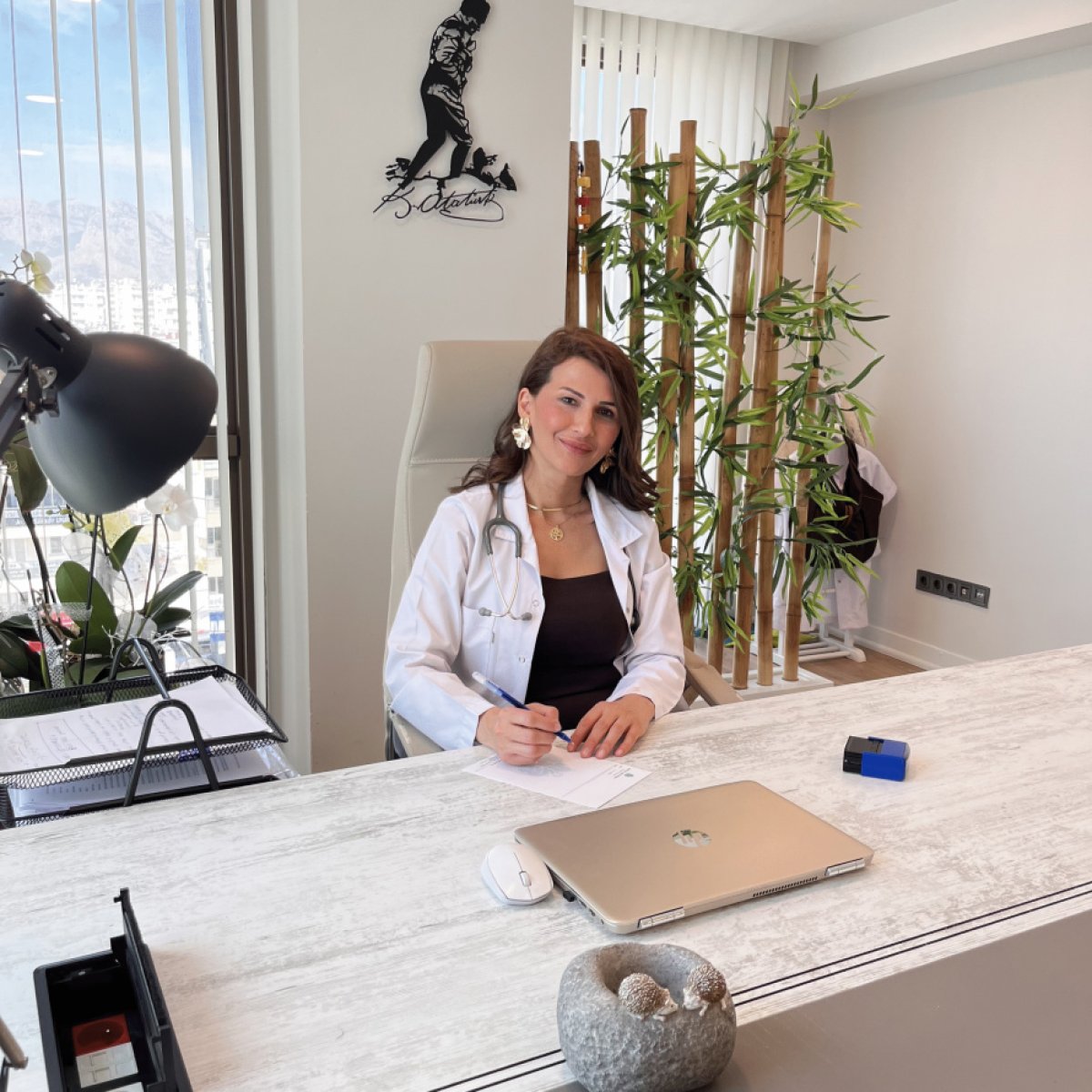
Uzm. Dr. Suna Sarıkaya
احصل على تقييم طبي لـ في تركيا. استشر الآن 17 أطباء ذوي الخبرة.
عرض جميع الأطباءTurkan Tunerir
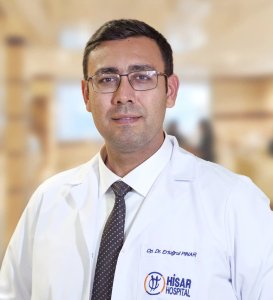
Ertugrul Pinar
الدكتور إرتوغرول بينار هو جراح أعصاب في مستشفى هيسار إنتركونتيننتال في إسطنبول. يعالج المرضى البالغين والأطفال المصابين بأمراض معقدة في الدماغ والعمود الفقري. يركز الدكتور بينار على أورام الدماغ، وتمدد الأوعية الدموية، وأمراض قاعدة الجمجمة. يعمل في مستشفى معتمد من اللجنة الدولية المشتركة (JCI) يخدم أكثر من 500,000 مريض سنوياً.
- يجري إجراءات متخصصة بما في ذلك استئصال الأورام عبر الأنف وإصلاح تمدد الأوعية الدموية في الدماغ.
- يعالج مجموعة واسعة من الحالات مثل أورام الغدة النخامي

Dilek Necioglu Orken
الدكتورة ديليك نيسيوغلو أوركين هي طبيبة أعصاب في مستشفى ميموريال شيشلي في إسطنبول. تركز على الحالات العصبية المعقدة وإدارة المرضى. شغلت الدكتورة أوركين سابقاً منصب رئيس قسم الأعصاب في جامعة ديميروغلو للعلوم. كما شغلت منصب مسؤول التعليم والإدارة في مستشفى شيشلي حميدية إتفل.
- عملت كعضو في هيئة التدريس بجامعة ديميروغلو للعلوم.
- مارست العمل كأخصائية في مستشفى شيشلي حميدية إتفل للتدريب والبحوث.
- تعمل في ميموريال شيشلي، وهو أول مستشفى في تركيا يحصل على اعتماد اللجنة الدولية

Ugur Korkmaz
الطبيب هو أخصائي أمراض الجهاز الهضمي متميز مع تخصص من جامعة كوجايلي وخبرة واسعة في كل من الأوساط الأكاديمية والسريرية. منذ عام 2014، عمل كأستاذ مشارك في أمراض الجهاز الهضمي، وقد قدم مساهمات كبيرة في هذا المجال من خلال العديد من المنشورات العلمية والعروض التقديمية.<\/p>
يركز الطبيب على مجموعة من اضطرابات الجهاز الهضمي، بما في ذلك أمراض المريء، وحالات المعدة والاثني عشر، وأمراض الكبد المزمنة، واضطرابات البنكرياس والقنوات الصفراوية. ماهر في طرق العلاج المتقدمة مثل بوتوكس المعدة، وERC
مشاركة المحتوى
قصص فيديو من مرضى Bookimed
 Anna Leonova
أسئلة متكررة حول علاج اعتلال الأعصاب المتعدد في تركيا
ما هي أفضل المستشفيات والمراكز في تركيا لعلاج الاعتلال العصبي المتعدد؟
يعتبر مستشفى ميموريال شيشلي ومستشفى إن بي إسطنبول للدماغ من المراكز الرائدة في علاج الاعتلال العصبي المتعدد في تركيا. تحمل هذه المرافق اعتماد اللجنة الدولية المشتركة (JCI) وتستخدم تقنيات تشخيصية متقدمة مثل الرنين المغناطيسي بقوة 3 تسلا. يركز أطباء الأعصاب المتخصصون على اضطرابات الأعصاب الطرفية باستخدام اختبارات التشخيص الكهربائي الدقيقة وبروتوكولات إعادة التأهيل التكاملية.
- مراكز متخصصة: مستشفى إن بي إسطنبول للدماغ هو ثاني أفضل مستشفى للدماغ في أوروبا في مجال الطب النفسي العصبي.
- خبرة تشخيصية: توفر المراكز فحص الفسيولوجيا العصبية السريري بما في ذلك تخطيط كهربية العضل (EMG)، وتخطيط كهربية الدماغ (EEG)، والجهود المستثارة.
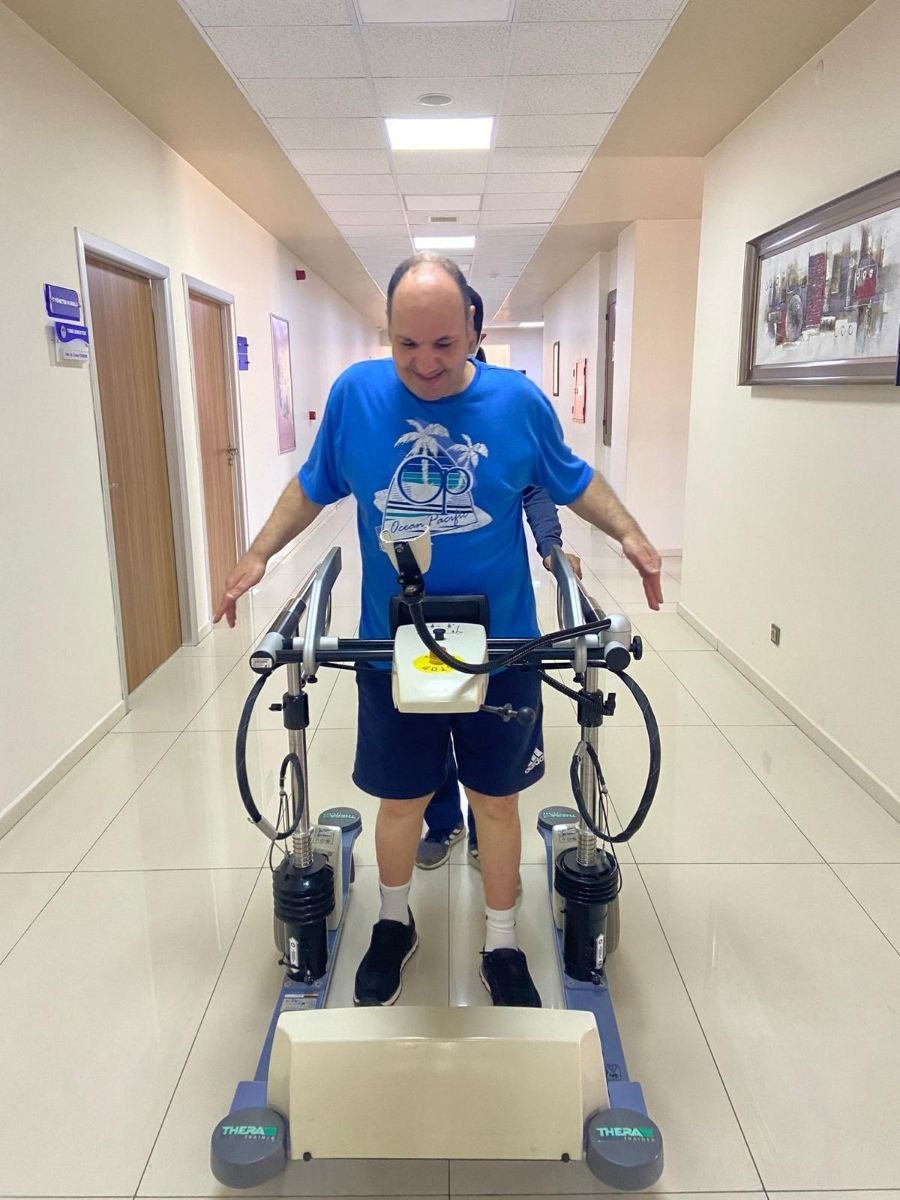
- التركيز على إعادة التأهيل: تحقق فيزيومر تيرابيا (Fizyomer Terapia) معدلات نجاح تصل إلى 95% في برامج العلاج الطبيعي المتخصصة.
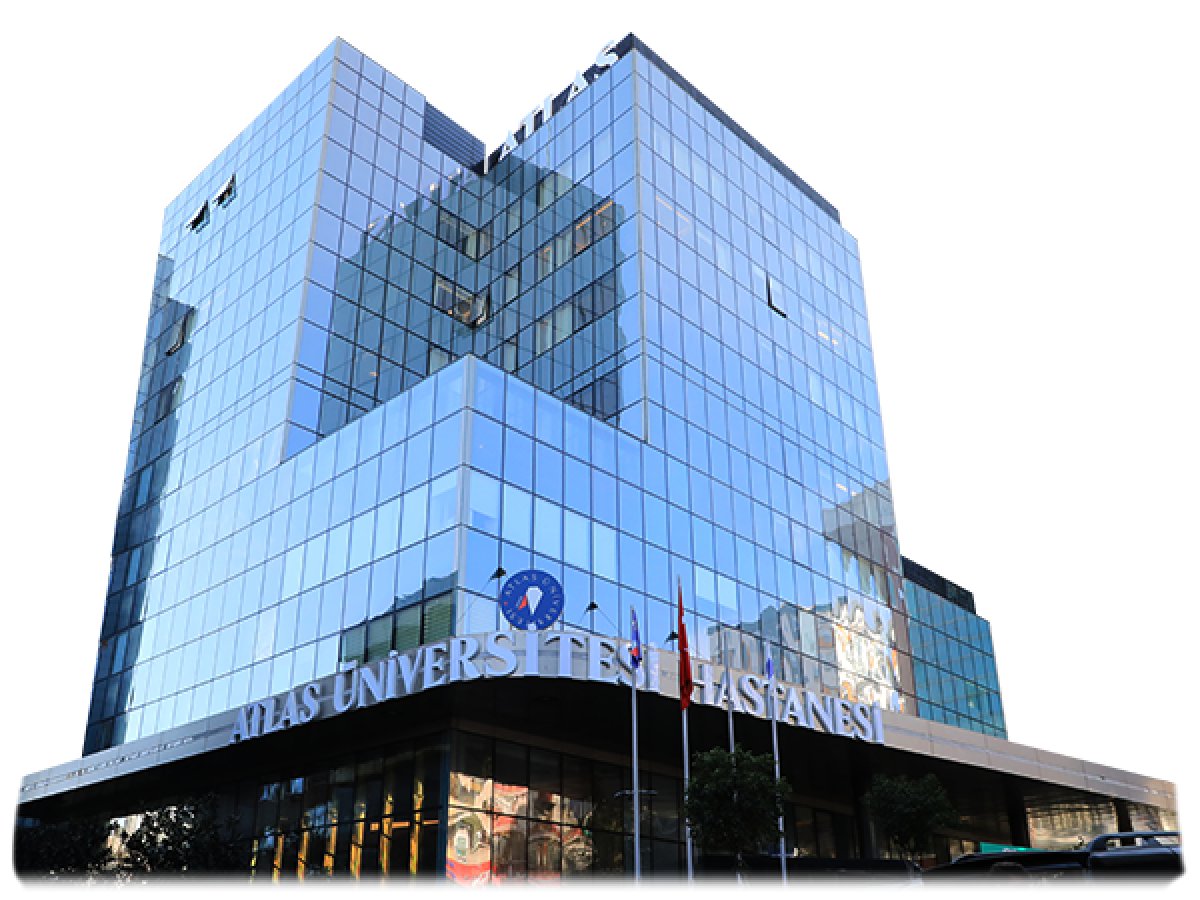
- خبرة أكاديمية: يخدم مستشفى جامعة أطلس 565,000 مريض سنوياً ولديه خبرة تمتد لـ 25 عاماً.
رؤية خبير Bookimed: غالباً ما يتجاهل المرضى أن الاعتلال العصبي المتعدد يتطلب دقة في التشخيص ومتابعة طويلة الأمد للتعافي. اختر مركزاً متعدد التخصصات مثل مستشفى ليف أولوس أو فيزيومر تيرابيا. تجمع هذه العيادات بين طب الأعصاب والعلاج الطبيعي. يضمن هذا النهج أنك لن تحصل على تشخيص فحسب، بل ستحصل أيضاً على خطة خاضعة للإشراف لاستعادة الوظيفة الحركية. تساعد المستشفيات الجامعية ذات الطاقة الاستيعابية العالية في تركيا على تجنب فترات الانتظار التي تستمر لأسابيع لإجراء اختبارات EMG، وهو أمر شائع في العديد من المناطق الأخرى.
ما هي الاختبارات التشخيصية لمرض اعتلال الأعصاب المتعدد المتاحة في تركيا؟
تشمل الاختبارات التشخيصية لاعتلال الأعصاب المتعدد في تركيا تخطيط العضلات الكهربائي (EMG)، ودراسات التوصيل العصبي (NCS)، والتصوير بالرنين المغناطيسي بقوة 3 تسلا المدعوم بالذكاء الاصطناعي. تستخدم العيادات المتخصصة الفسيولوجيا العصبية الكهربائية المتقدمة لتحديد أنماط تلف الأعصاب. توفر المرافق المعتمدة من اللجنة الدولية (JCI) في إسطنبول وإسكي شهير لوحات مختبرية شاملة للكشف عن الأسباب الأيضية أو المناعية الذاتية.
- الاختبارات الفسيولوجية العصبية: تستخدم العيادات EMG وNCS لقياس النشاط الكهربائي في العضلات والأعصاب.
- التصوير المتقدم: يكتشف التصوير بالرنين المغناطيسي بقوة 3 تسلا المدعوم بالذكاء الاصطناعي في مستشفى ميموريال جوزتيبي إصابات العمود الفقري والدماغ.
- فحوصات المختبر: تحدد لوحات الدم الشاملة الأسباب القابلة للعكس مثل نقص فيتامين B12 أو علامات مرض السكري.
- الفحوصات السريرية: يقوم الأخصائيون بإجراء اختبارات الجهد المستثار وتخطيط النوم لتقييم عمق الجهاز العصبي المحيطي.
رؤية خبير Bookimed: تدمج مراكز الأعصاب التركية مثل مستشفى NP إسطنبول للدماغ قياس وظائف الدماغ مع الفسيولوجيا العصبية الكهربائية. غالبًا ما يضمن الوصول إلى هذه الاختبارات في المستشفيات الأكاديمية أو الخاصة المتخصصة إجراء فحص تشخيصي كامل. تظهر البيانات أن مؤسسات مثل مستشفى ليف أولوس تعالج أكثر من 330,000 مريض سنويًا باستخدام هذه الأنظمة التشخيصية المتقدمة.
إجماع المرضى: يشير المرضى إلى أن EMG وNCS ضروريان لتأكيد التلف. ويؤكدون على طلب لوحة دم كاملة للتحقق م
ما هي العلاجات المستخدمة للاعتلال العصبي المتعدد في تركيا؟
يجمع علاج الاعتلال العصبي المتعدد في تركيا بين التشخيصات المكثفة مثل تخطيط كهربية العضل (EMG) والبروتوكولات الدوائية والتجديدية. تستخدم المراكز المعتمدة من JCI العلاج بالخلايا الجذعية الوسيطة، وفصادة البلازما، والفسيولوجيا العصبية السريرية للتحكم في الأعراض. يركز المتخصصون على تحديد المحفزات الكامنة مثل التهاب الأوعية الدموية المناعي الذاتي أو النواقص الأيضية لاستعادة وظيفة العصب.
- العلاج التجديدي: يستهدف العلاج بالخلايا الجذعية الوسيطة وحقن البلازما الغنية بالصفائح الدموية (PRP) الألم العصبي وإصلاح الأعصاب.
- التشخيص المتخصص: يستخدم أطباء الأعصاب تخطيط كهربية العضل المتقدم، وخزعات الأعصاب، والأشعة المقطعية بـ 512 شريحة لتحديد المرحلة بدقة.
- البروتوكولات المناعية: تعالج فصادة البلازما والعلاج المناعي الوريدي الوسائط الالتهابية في تلف الأعصاب المرتبط بالمناعة الذاتية.
- إدارة الألم: تشمل الأنظمة المصممة خصيصاً أدوية مضادة للصرع، ومضادات الاكتئاب، والليدوكائين الوريدي للألم المستعصي.
رؤية خبير Bookimed: تُظهر بيانات حجم المرضى أن قطاع الأعصاب في تركيا يتركز بشكل كبير في إسطنبول. يتعامل مستشفى NP Istanbul Brain ومستشفى Liv Hospital Ulus مع آلاف الحالات الدولية سنوياً. أحد الاتجاهات الرئيسية هو دمج إعادة التأهيل المكثف. تبلغ مراكز مثل Fizyomer Terapia عن معدل نجاح بنسبة 95% في العلاج الطبيعي. إن الجمع بين العلاج الطبي والعلاج الفيزيائي المتخصص غالباً ما يعطي نتائج حركية أفضل من الأدوية وحدها.
إجماع المرضى: يشير المرضى إلى
كم من الوقت أحتاج للبقاء في تركيا لتلقي العلاج؟
يقضي معظم المرضى من 7 إلى 14 يوماً في تركيا لعلاج الاعتلال العصبي المتعدد. تغطي هذه الفترة الزمنية اختبارات الأعصاب التشخيصية وإجراءات مثل فصادة البلازما. غالباً ما تتطلب التقييمات الأولية من 3 إلى 5 أيام. قد تؤدي الحالات المعقدة التي تتضمن جلسات حقن متكررة أو مراقبة مرحلية إلى تمديد الإقامة إلى 21 يوماً للسلامة.
- الفحوصات الأولية: خصص من 3 إلى 5 أيام لدراسات التوصيل العصبي وتحاليل الدم.
- دورات العلاج: غالباً ما تتطلب فصادة البلازما أو تبادل البلازما إقامة من 5 إلى 10 أيام.
- فترة التعافي: اترك من 2 إلى 3 أيام للمراقبة قبل السفر إلى المنزل.
- جلسات إعادة التأهيل: قد تتطلب البرامج المكثفة المتخصصة البقاء لعدة أسابيع.
رؤية خبير Bookimed: تُظهر بياناتنا من عيادات مثل مستشفى NP Istanbul Brain أن مرضى الأعصاب يقللون غالباً من تقدير وقت التشخيص. غالباً ما تستغرق اختبارات الأعصاب المتخصصة وقياسات وظائف الدماغ 48 ساعة للمعالجة. نظراً لأن مستشفيات مثل Memorial Şişli تخدم مرضى من أكثر من 160 دولة، فإن تحديد موعد الوصول في منتصف الأسبوع يضمن عدم ضياع الوقت أثناء إغلاق المختبرات في عطلات نهاية الأسبوع.
إجماع المرضى: يشير المرضى إلى أنه من الضروري تجنب حجز رحلات العودة في وقت ضيق لأن الأخصائيين يطلبون غالباً تصويراً إضافياً بمجرد اكتمال الفحص الأولي. يقترح الكثيرون التخطيط لرحلة عودة منفصلة للعلاج المستمر بدلاً من توقع إنهاء كل شيء خلال الزيارة الأولى.
هل الأطباء الأتراك متخصصون في الاعتلال العصبي؟
يتخصص أطباء الأعصاب الأتراك في اضطرابات الجهاز العصبي المحيطي ويقدمون تشخيصات متقدمة مثل تخطيط كهربية العضل ودراسات التوصيل العصبي. يحمل العديد من الأطباء زمالات وشهادات دولية. توفر المرافق المعتمدة من JCI في إسطنبول وإزمير رعاية متعددة التخصصات لحالات الاعتلال العصبي المتعدد المناعي، والسكري، ومجهول السبب.
- تكنولوجيا التشخيص: تستخدم العيادات التصوير بالرنين المغناطيسي بقوة 3 تسلا، والأشعة المقطعية بـ 512 شريحة، والتصوير المقطعي بالإصدار البوزيتروني الرقمي.
- الخبرة العصبية العضلية: يركز متخصصون مثل الدكتورة نيميت دورتكان على الفسيولوجيا العصبية السريرية وأمراض العضلات.
- العلاجات المتقدمة: يستخدم الأطباء علاج الغلوبولين المناعي الوريدي (IVIG) وفصادة البلازما للحالات المعقدة.
- التركيز على إعادة التأهيل: تبلغ مراكز مثل Fizyomer عن معدلات نجاح عالية لبرامج إعادة التأهيل العصبي المكثف.
رؤية خبير Bookimed: تحتل تركيا المرتبة الأولى عالمياً في شبكتنا لطلبات المرضى، ويرجع ذلك إلى حد كبير إلى المستشفيات الجامعية ذات الحجم الكبير. يجلب أطباء مثل الأستاذ الدكتور ياسيف أوزسارفاتي أكثر من 40 عاماً من الخبرة. يسمح حجم المرضى الكبير لهؤلاء المتخصصين برؤية متغيرات الاعتلال العصبي النادرة بشكل متكرر أكثر من الجراحين في المناطق ذات الحجم الأقل.
إجماع المرضى: يؤكد المرضى على الحاجة إلى عمل فحص شامل لمعرفة السبب الأساسي. وغالباً ما يوصون بالبحث عن متخصصين ذوي خبرة محددة في تخطيط كهربية العضل بدلاً من الممارسين العامين.