علاج اعتلال الأعصاب المتعدد في الصين — احصل على 3 عيادات مختارة خصيصاً لك


تمت مراجعة المقالة طبيا من قبل
فهد مولود
كيف نعمل؟
ما هي تكلفة اعتلال الأعصاب المتعدد إجراءات التشخيص والعلاج في الصين؟ اعرف الآن
| الصين | تركيا | إسبانيا | |
|---|---|---|---|
| فصادة البلازما ذات الترشيح المزدوج | ≈ $450 | ≈ $1,900 | ≈ $1,100 |
| تبادل البلازما | ≈ $1,500 | ≈ $3,900 | ≈ $2,400 |
| البلازما | ≈ $2,200 | من $3,200 | من $12,300 |
اكتشف أفضل اعتلال الأعصاب المتعدد العيادات في الصين: 5 خيارات معتمدة والأسعار


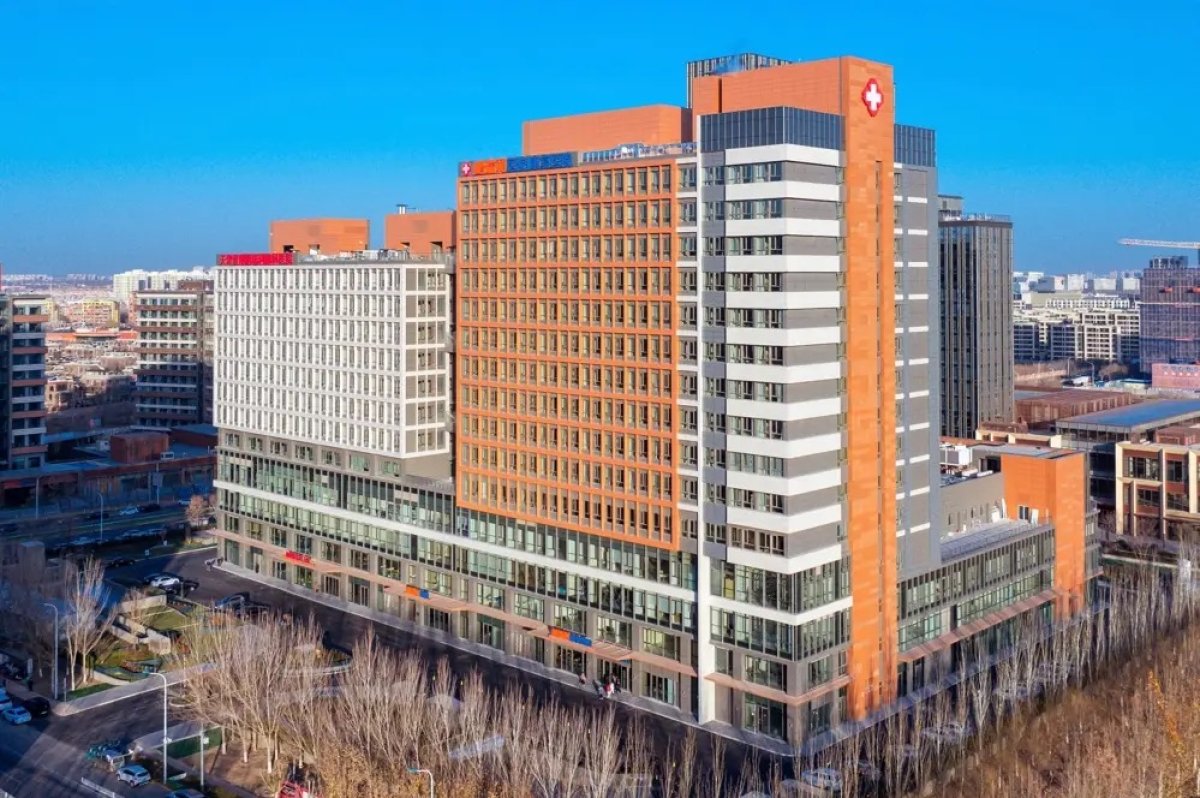
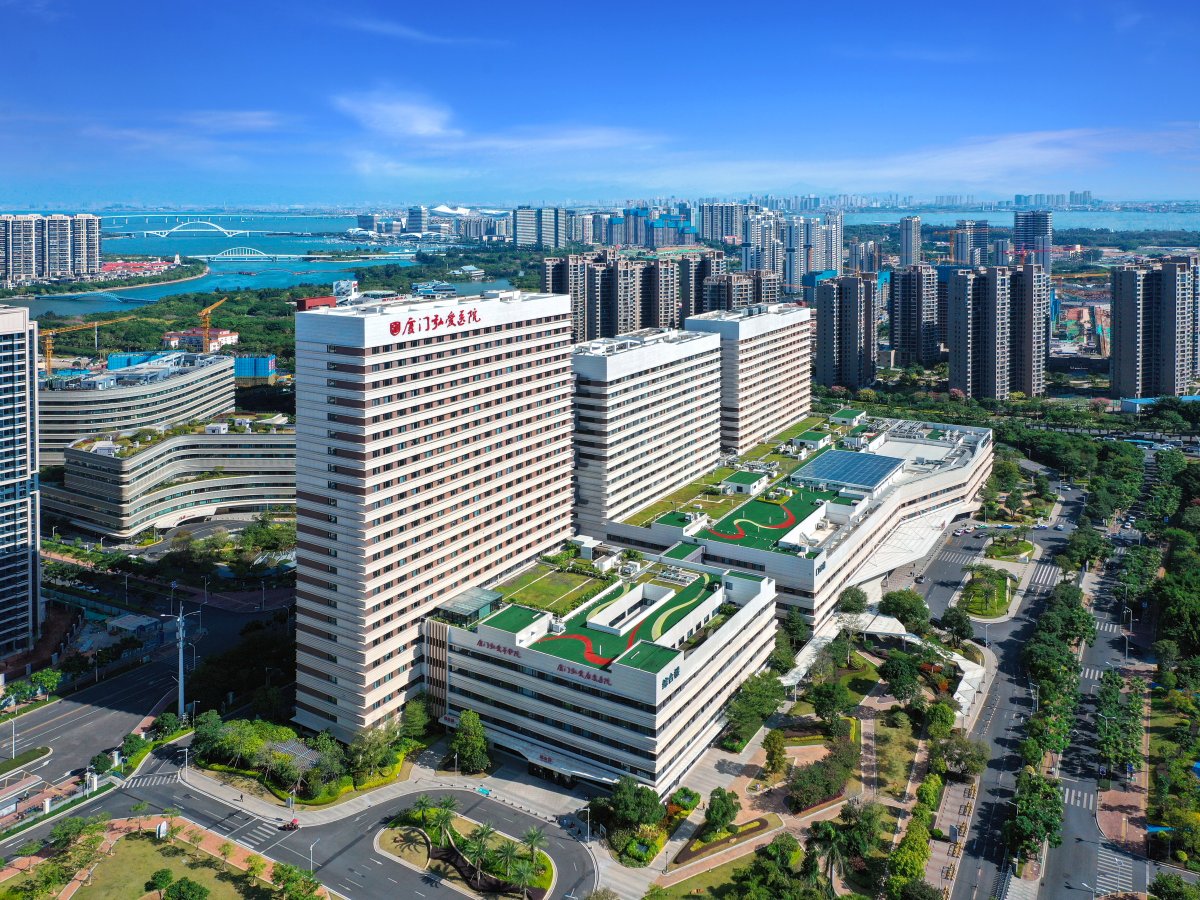
مستشفى شيامن هيومانيتي

احصلوا على تقييم طبي لـ اعتلال الأعصاب المتعدد في الصين: استشيروا أطباء ذوي خبرة الآن
عرض جميع الأطباء
Shao Ming
الدكتور شاو مينغ هو طبيب أعصاب رائد يتمتع بخبرة 32 سنة، ومتخصص في الصرع والمراقبة العصبية الفسيولوجية.
- زميل ما بعد الدكتوراه في جامعة هارفارد وجامعة تكساس
- أدخل عقار البروبوفول لاختبار وادا في الصين، مما أدى إلى تحسين السلامة الجراحية
- مؤلف لأكثر من 50 مقالة علمية، نُشرت في مجلة علم الأعصاب (The Journal of Neuroscience)
- رئيس مجموعة المراقبة العصبية الفسيولوجية التابعة للجمعية الصينية لجراحة الأعصاب
- أجرى أكثر من 900 علاج لحالات عصبية
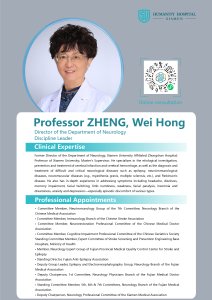
Zheng Wei Hong
البروفيسور تشنغ وي هونغ هو مدير قسم طب الأعصاب وقائد التخصص. شغل سابقًا منصب مدير قسم الأعصاب في مستشفى تشونغشان التابع لجامعة شيامن. وهو أستاذ بجامعة شيامن ومشرف على طلاب الماجستير.
يركّز عمله السريري على الاستقصاء السببي والوقاية وعلاج احتشاء الدماغ والنزف الدماغي. كما يشخّص ويعالج الأمراض العصبية المعقّدة، بما فيها الصرع، والاضطرابات العصبية‑المناعية والعصبية‑العضلية (الوهن العضلي الوبيل، التصلّب المتعدد)، ومرض باركنسون.
العضويات والمناصب: عضو في مجموعة علم المناعة العصبية (ف
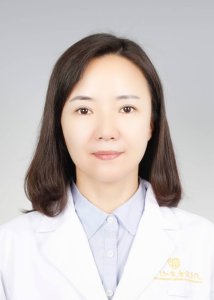
Liang Xiaoxiao
الأستاذة ليانغ شياوشياو مديرة القسم ورئيسة الأطباء في إعادة التأهيل العصبي. تحمل درجة الماجستير في طب الأعصاب. متمرسة في التعديل العصبي لاضطرابات الوعي والإدراك والحركة. يتركز عملها على حالات ناجمة عن أمراض الأوعية الدموية الدماغية، ومرض باركنسون، وحالات ذات صلة. كما تُجري حقن توكسين البوتولينوم بتوجيه الموجات فوق الصوتية لعلاج تشنج الجفن، وتشنج نصف الوجه، وتشنج الأطراف، وفرط سيلان اللعاب، وآلام الأعصاب.
الاعتمادات والمناصب: عضوة في لجان إعادة التأهيل العصبي، وإعادة تأهيل اضطرابات الإد
مشاركة المحتوى
قصص فيديو من مرضى Bookimed
 Anna Leonova
أسئلة متكررة حول علاج اعتلال الأعصاب المتعدد في الصين
كيف يتم علاج اعتلال الأعصاب المتعدد عادةً في الصين؟
في الصين، يُعالج اعتلال الأعصاب المتعدد بنهج شامل يجمع بين طب الأعصاب الغربي والطب الصيني التقليدي. يشمل هذا النهج أدوية مغذية للأعصاب، وتقنيات تشخيص متقدمة، وأدوية عشبية. وتتبع مؤسسات عالية الجودة، مثل مستشفى ياندا الدولي، بروتوكولات معتمدة من اللجنة الدولية المشتركة (JCI) لعلاج الأسباب الكامنة، مثل داء السكري، مع تعزيز تجديد الأعصاب في الوقت نفسه.
- دمج الأساليب العلاجية: في العيادات، يتم الجمع بين الفحوصات العصبية القياسية والوخز بالإبر والطب العشبي.
- الإشراف الخبير: يقدم خبراء مثل الدكتور شاو مينغ خبرة مكتسبة من جامعة هارفارد في مجال المراقبة العصبية الفيزيولوجية.
- التشخيص المتقدم: تجري المستشفيات من الفئة (أ) دراسات تخطيط كهربية العضل وتخطيط كهربية الأعصاب على نطاق واسع.
- العلاجات الخارجية: تعمل تقنيات الطب الصيني التقليدي مثل التبخير وحمامات القدم على تحفيز الدورة الدموية الموضعية وتحسين الوظائف.
رأي خبراء بوكيمد: الخيار الأمثل هو اختيار مركز طبي من الفئة الأولى، المستوى الثالث، مثل مستشفى ياندا الدولي. تُصنّف هذه المراكز ضمن أفضل المراكز في الصين، وتعالج أكثر من 2,500,000 مريض سنويًا. بينما تُركّز العيادات الصغيرة على التخفيف السريع للأعراض، تُوفّر هذه المستشفيا
ما هي طرق الطب الصيني التقليدي المحددة المستخدمة لعلاج آلام الأعصاب؟
يعالج الطب الصيني التقليدي آلام الأعصاب باستخدام الوخز بالإبر، والوخز بالإبر الكهربائي، ومشروبات عشبية متخصصة مثل بويان هوانوو. تهدف هذه العلاجات إلى تحسين الدورة الدموية وتحفيز المسارات العصبية. غالبًا ما تجمع المستشفيات الصينية الرائدة بين هذه الأساليب التقليدية والبروتوكولات العصبية الحديثة لعلاج أعراض اعتلال الأعصاب المتعدد بفعالية.
- الوخز بالإبر: يقلل الوخز بالإبر الكهربائي من نشاط مستقبلات الألم في الحبل الشوكي، مما يوفر تسكينًا طويل الأمد للألم.
- التركيبات العشبية: يحمي مغلي بويان هوانوو من تدهور الألياف العصبية ويعزز تكوين الخلايا العصبية.
- العلاج اليدوي: يقوم تدليك توينا بتدليك خطوط العضلات لتخفيف الضغط على الأعصاب الطرفية.
- العلاج الحراري: يستخدم الكي الحراري الحرارة العميقة لتعزيز الشفاء في الأطراف المخدرة أو الباردة.
رأي خبراء بوكيمد: تُظهر بيانات من مؤسسات طبية صينية رائدة، مثل مستشفى ياندا الدولي، أن نجاح العلاج يعتمد على استراتيجية شاملة من المستوى الثالث، الفئة أ. يجمع هذا النهج بين التشخيص العصبي المعتمد من اللجنة الدولية المشتركة (JCI) وأساليب العلاج التقليدية. على سبيل المثال، يستخدم الدكتور شاو مينغ من مستشفى الدكتور إيبر مراقبة عصبية فيزيولوجية مت
هل الطب العشبي الصيني فعال في علاج الاعتلال العصبي المحيطي الناجم عن العلاج الكيميائي (CIPN)؟
يُخفف الطب الصيني التقليدي بشكل فعال من أعراض الاعتلال العصبي المحيطي الناجم عن العلاج الكيميائي، كالألم والخدر. وتدمج العيادات المتميزة في الصين هذه الأساليب التقليدية مع البروتوكولات الدولية. وتشير الأبحاث إلى أن مزيجًا من الأعشاب، كجذر الأستراغالوس وفرع القرفة، يُحسّن التوصيل العصبي والوظائف الجسدية أثناء علاج السرطان.
- إدارة الأعراض: أفاد المرضى بتحسن كبير في شدة التنميل والألم العصبي.
- التحسن الموضوعي: تشير التحليلات التلوية إلى زيادة في سرعة توصيل النبضات العصبية الحسية بعد العلاج بالأعشاب.
- الحفاظ على القدرة الوظيفية: تساعد التركيبات في الحفاظ على القدرة البدنية وتحسين أداء كارنوفسكي.
- طريقة الاستخدام: تعمل حمامات اليدين والقدمين العشبية على تقليل حدة الأعراض مع الحد الأدنى من المخاطر الجهازية.
رأي خبراء بوكيمد: بينما يختار الكثيرون الطب العشبي لعلاج الآلام المزمنة، تُولي المؤسسات الطبية الصينية الرائدة، مثل مستشفى ياندا الدولي، أولوية قصوى للسلامة، ملتزمةً بمعايير اعتماد اللجنة الدولية المشتركة (JCI). يعالج هذا المستشفى 2,500,000 مريض سنويًا، ويجمع بين الأساليب التقليدية وعلم الأعصاب الحديث. وباعتباره مستشفى من المستوى الثالث، الفئة أ، فإنه يضمن مراقبة بروتوكو
هل هناك أي مخاوف تتعلق بالسلامة أو آثار جانبية عند استخدام الطب الصيني التقليدي لعلاج اعتلال الأعصاب المتعدد؟
يُعدّ الطب الصيني التقليدي لعلاج اعتلال الأعصاب المتعدد آمنًا عند تطبيقه في مرافق معتمدة من قبل اللجنة الدولية المشتركة (JCI) وفقًا لبروتوكولات التعقيم. تشمل المخاطر ظهور كدمات طفيفة نتيجة الوخز بالإبر، واحتمالية حدوث تفاعلات بين الأدوية والأعشاب. ينبغي على المرضى الذين يعانون من انخفاض الحساسية مراجعة ممارسين مؤهلين لتجنب الإصابات العرضية الناتجة عن وخز الإبر أو تلف الجلد.
- مكافحة العدوى: تعطي المستشفيات المعتمدة من قبل اللجنة الدولية المشتركة مثل مستشفى ياندا الدولي الأولوية للإبر المعقمة ذات الاستخدام الواحد.
- الإشراف الخبير: يقوم أطباء الأعصاب البارزون مثل الدكتور تشنغ وي هونغ بمراقبة موانع الاستخدام العصبية العضلية.
- سلامة الأعضاء: يتطلب الاستخدام طويل الأمد للمستحضرات العشبية مراقبة مخبرية منتظمة لوظائف الكبد والكلى.
- التفاعلات الدوائية: قد تغير المكونات العشبية من فعالية أدوية تسييل الدم أو أدوية السكري.
رأي خبراء بوكيمد: توفر المستشفيات الصينية من الفئة (أ) والمستوى الثالث، مثل مستشفى ياندا الدولي، بيئة أكثر أمانًا من العيادات الصغيرة. تجمع هذه المرافق المتميزة بين الأساليب التقليدية والتشخيصات الحديثة، مما يضمن عدم إخفاء الأسباب الكامنة، مثل نقص فيتامين ب12،
إلى أي الأقسام الطبية في المستشفيات الصينية ينبغي على المريض المصاب باعتلال الأعصاب المتعدد التوجه؟
في المستشفيات الصينية، ينبغي على المرضى المصابين باعتلال الأعصاب المتعدد استشارة قسم الأعصاب أولاً. يقوم هذا القسم بإجراء الفحوصات التشخيصية الأولية، مثل تخطيط كهربية العضل ودراسات توصيل الأعصاب. أما المراكز المتخصصة، فغالباً ما تضم عيادات أعصاب عالية التخصص للحالات المعقدة، مثل متلازمة غيلان-باريه.
- قسم طب الأعصاب: المركز التشخيصي الرئيسي للتنميل والخدر وضعف الحركة.
- قسم الغدد الصماء: يجب زيارته إذا كان يُشتبه في أن مرض السكري هو سبب تلف الأعصاب.
- قسم أمراض الروماتيزم: ضروري لاعتلال الأعصاب المتعدد المرتبط بأمراض المناعة الذاتية مثل متلازمة شوغرن.
- قسم إعادة التأهيل: يقدم العلاج الطبيعي اللازم لضعف العضلات أو مشاكل التوازن.
رأي خبراء بوكيمد: تشير البيانات إلى أن المستشفيات متعددة التخصصات من الفئة (أ) والمستوى الثالث، مثل مستشفى جاندا الدولي، هي الأنسب للحالات التي لم يتم تحديد تشخيصها. تخدم هذه المؤسسات 2,500,000 شخص سنويًا، وهي معتمدة من قبل اللجنة الدولية المشتركة (JCI). يضمن اختيار مركز بهذا الحجم إمكانية تعاون جميع الأقسام البالغ عددها 63 قسمًا في حال تغير سبب المرض من عصبي إلى مناعي ذاتي أو أيضي.
ملاحظات ال
هل يمكن أن تساعد عادات نمط الحياة الشائعة في الصين على التعافي من اعتلال الأعصاب المتعدد؟
تساهم ممارسات نمط الحياة الصحي الشائعة في الصين بشكل كبير في التعافي من اعتلال الأعصاب المتعدد عن طريق تحسين توصيل الإشارات العصبية والدورة الدموية. ويساعد دمج تمارين التاي تشي والوخز بالإبر وعادات غذائية محددة على إدارة الألم العصبي. كما تُحسّن هذه الممارسات التوازن بشكل فعال، وتقلل من خطر السقوط، وتعزز استعادة غمد المايلين الواقي.
- تمارين التوازن: يعمل التاي تشي على تقوية العضلات وتسريع نقل الإشارات العصبية إلى الدماغ.
- الدورة الدموية الدقيقة: يحفز الوخز بالإبر الجهاز العصبي المركزي، مما يحسن تدفق الدم الموضعي.
- العلاج الحراري: تعمل حمامات القدم العلاجية على توسيع الأوعية الدموية، مما يساعد على مكافحة التنميل والألم المزمن في الأطراف.
- العلاج الغذائي: تحمي الأطعمة الكاملة الغنية بمضادات الأكسدة وشاي الأعشاب النهايات العصبية الطرفية.
رأي خبراء بوكيميد: يُظهر مستشفى ياندا الدولي كيف يُسهم الجمع بين البروتوكولات الدولية والطب الصيني التقليدي في مساعدة عدد هائل من المرضى - 2,500,000 مريض سنويًا. يُعد هذا النهج متعدد التخصصات بالغ الأهمية، إذ يُؤكد أطباء الأعصاب البارزون، مثل الدكتور شاو مينغ، أن الحالات المعقدة تتطلب تشخيصًا متقدمًا وتأهيلًا متخصصًا. ويضمن هذا النموذج ا