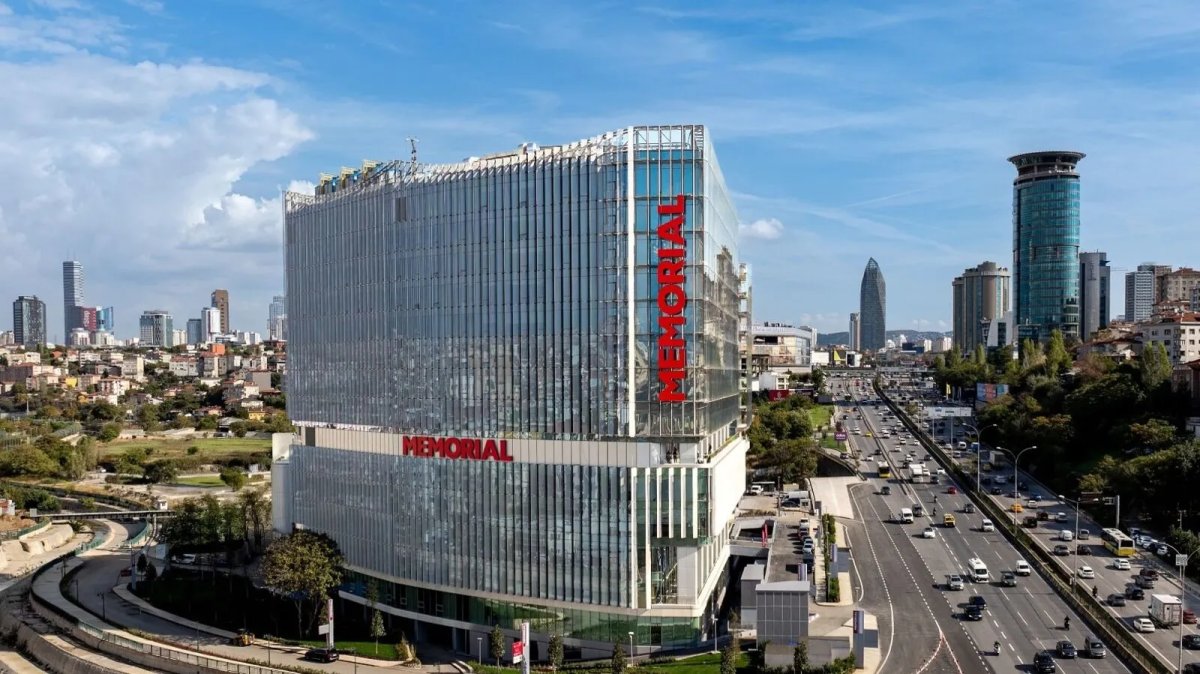
Memorial Göztepe Hospital
تركيا, إسطنبول


تمت مراجعة المقالة طبيا من قبل
فهد مولود
| تركيا | إسبانيا | ألمانيا | |
|---|---|---|---|
| جراحة إعادة تسطيح مفصل الورك | ≈ $8,500 | ≈ $10,500 | ≈ $12,500 |

الدكتور خليل جان جمالماز هو أستاذ جراحة العظام والكسور في إسطنبول. وهو رائد في تركيا في إجراءات تقويم العظام ثلاثية الأبعاد المخصصة للمرضى. يتخصص الدكتور جمالماز في استبدال المفاصل بمساعدة الروبوت للركبة والورك. يشغل حالياً منصب عضو هيئة تدريس في كلية الطب بجامعة أطلس.

الدكتور مراد كيزر جراح عظام ذو خبرة، متخصص في إعادة بناء المفاصل وجراحات المفاصل والإصابات الرياضية. أتم تدريبات متقدمة في استبدال مفصل الركبة والورك الكلي والجزئي بتقنية MAKO. منذ عام 2002، شارك في أكثر من 20 مؤتمراً ودورة تدريبية محلية ودولية.
الدكتور كيزر عضو في الجمعية الطبية التركية، وجمعية جراحة مفصل الورك والركبة، والمؤتمر الدولي لإعادة بناء المفاصل، والجمعية التركية لجراحة العظام والكسور. يشتهر بمهارته في جراحات استبدال مفصل الورك والركبة، وله سجل ناجح في العمليات الجراحية، وي
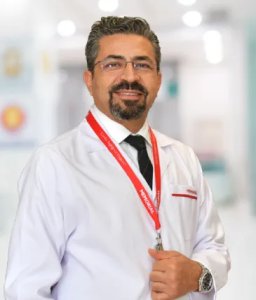
د. مهمت أيدوغان اختصاصي في جراحة العظام والكسور وجراحة العمود الفقري في مستشفى ميموريال شيشلي. عمل هناك في جراحة العمود الفقري خلال 2024–2025، ويعمل في جراحة العظام منذ 2026. ترأّس سابقاً مركز جراحة العظام والكسور وجراحة العمود الفقري المتقدمة في مستشفى إمسِي (2018–2022). وتشمل خبرته مركز التميّز الجراحي للعمود الفقري EURO SPINE في سويسرا (2022–2024) وزمالة بحثية في مركز العمود الفقري الشامل بجامعة كاليفورنيا في لوس أنجلوس (2009–2011). كما شغل مناصب في مركز بوغازيتشي للعمود الفقري، ميديكال با
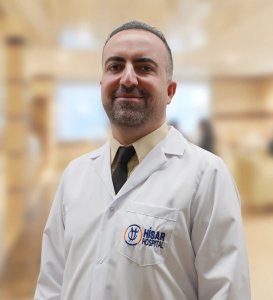
الأستاذ المشارك الدكتور سرفِت إيغريك اختصاصي جراحة العظام والكسور، تلقّى تدريبه في جامعة مرمرة. يعمل في مستشفى ديار بكر صلاح الدين الأيوبي الحكومي وفي مستشفى مدينة كارتال الدكتور لطفي كردار.
يركّز على الإصابات الرياضية وجراحة تنظير المفاصل. يمتلك خبرة واسعة في تنظير مفاصل الركبة والكتف والورك والكاحل؛ وجراحة الأربطة والغضروف الهلالي؛ وعدم استقرار الكتف؛ وإصابات الغضروف؛ واستبدال المفاصل؛ وإصابات وكسور العظام.
أتمّ زمالة في جراحة الرياضة معتمدة من SECEC وESSKA. ألّف وشارك في تألي
 Anna Leonova
تقدم تركيا حلولًا متقدمة لالتهاب مفاصل الورك تتراوح من العلاجات التحفظية إلى الجراحة بمساعدة الروبوت. تشمل العلاجات الرئيسية استبدال مفصل الورك بالكامل، والتدخلات بالمنظار، والعلاجات التجديدية مثل حقن البلازما الغنية بالصفائح الدموية (PRP). تستخدم المستشفيات المعتمدة من اللجنة الدولية المشتركة (JCI) في إسطنبول وبورصة المعايير السريرية الأمريكية لإدارة أمراض المفاصل التنكسية بفعالية.
رؤية خبير Bookimed: تظهر البيانات أن أخصائيي العظام الأتراك غالبًا ما يكون لديهم أحجام جراحية استثنائية. على سبيل المثال، تدرب الدكتور مراد كيزر والأستاذ الدكتور إبراهيم أزبوي في أفضل المؤسسات الأمريكية مثل مستشفى الجراحة الخاصة (Hospital for Special Surgery). تعد هذه الخبرة ذات الحجم الكبير أمرًا بالغ الأهمية لأن الجراحين الذين يجرون أكثر من 200 عملية استبدال سنويًا يحافظون عادةً على نتائج أفضل.
إجماع المرضى: يلاحظ المرضى أن الخيارات التحفظية هي جسور مفيدة. ومع ذلك، يؤكدون على عدم الانتظار طويلًا لإجراء الجراحة لتجنب فقدان الحر
تصل معدلات نجاح استبدال مفصل الورك في العيادات التركية إلى 95% إلى 99%. تتجاوز هذه النتائج المعايير الدولية من خلال الدقة التخصصية بمساعدة الروبوت وخبرة الجراحين ذات الحجم الكبير. الإجراءات التي تتضمن أطرافًا صناعية من السيراميك أو البولي إيثيلين تدوم عادةً لأكثر من 20 عامًا. تحافظ المرافق على اعتماد اللجنة الدولية المشتركة (JCI) لضمان السلامة.
رؤية خبير Bookimed: تُظهر البيانات أن المراكز الرائدة في تركيا مثل مستشفى هيسار أو مركز الأناضول الطبي تخدم ما يصل إلى 500,000 مريض دولي سنويًا. يخلق هذا الحجم الهائل نمطًا فريدًا. غالبًا ما يحمل الجراحون زمالات أمريكية متعددة في مؤسسات مثل معهد روثمان. تتيح لهم هذه الخبرة التعامل مع المراجعات المعقدة التي قد تتجنبها العيادات الأصغر. غالبًا ما توفر المراكز ذات الحجم الكبير نتائج أكثر استقرارًا على المدى الطويل بسبب فرق التمريض المتخصصة.
إجماع المرضى: يلاحظ المرضى أن الوصول إلى الحركة الكاملة يعتمد بشكل كبير على بدء العلاج الطبيعي على الفور. يؤكد الكثيرون أن النتيجة الناجحة تتط
تقدم تركيا استبدال مفصل الورك الروبوتي المتطور باستخدام أنظمة متقدمة مثل MAKO لعلاج هشاشة العظام. تستخدم مراكز العظام المتخصصة في إسطنبول وبورصة التخطيط ثلاثي الأبعاد المخصص للمريض. يحصل المرضى الدوليون على مرافق معتمدة من قبل اللجنة الدولية المشتركة (JCI) مع جراحين تدربوا في مؤسسات أمريكية مرموقة مثل معهد روثمان (Rothman Institute).
رؤية خبير Bookimed: في حين يعتقد الكثيرون أن الأنظمة الروبوتية متطابقة، فإن الخبرة التركية في العظام مركزة للغاية. أكمل كل من الدكتور مراد كيزر والبروفيسور إبراهيم أزبوي زمالات في معهد روثمان. تعد خلفية التدريب المحددة هذه في فيلادلفيا إشارة جودة موثوقة عند اختيار جراح في تركيا. فهي تضمن أن الطبيب يتقن البروتوكولات الروبوتية الدقيقة المستخدمة في أفضل المستشفيات الأمريكية.
إجماع المرضى: يؤكد المرضى على أن خبرة الجراح مع روبوت معين تهم أكثر من العلامة التجارية للتكنولوجيا. من المهم أيضًا توضيح ما إذا كانت إعادة التأهيل والرعاية اللاحقة مدرجة في عرض السعر الجراحي الأولي.
خطط لإقامة تتراوح بين 14 إلى 21 يومًا في تركيا لرحلة آمنة لاستبدال مفصل الورك. يقضي المرضى عادةً من ليلتين إلى 3 ليالٍ في مستشفى معتمد من قبل اللجنة الدولية المشتركة (JCI). يجب أن تبقى محليًا لمدة تتراوح بين 10 إلى 14 يومًا لإجراء فحوصات الجروح وإزالة المصارف والعلاج الطبيعي قبل السفر جوًا.
رؤية خبير Bookimed: ترتبط مؤشرات الجودة في تركيا غالبًا بحجم المرضى الكبير والانتماءات الأكاديمية المتخصصة. مركز الأناضول الطبي، على سبيل المثال، تابع لـ Johns Hopkins ويخدم 65,000 مريض سنويًا. يضمن اختيار المراكز ذات الحجم الكبير أن يحافظ الجراحون على المهارة اليدوية المطلوبة لعمليات استبدال مفصل الورك المعقدة بمساعدة الروبوت أو المصممة خصيصًا للمريض بتقنية ثلاثية الأبعاد.
إجماع المرضى: يشير العديد من المرضى إلى أن أسبوعين هما الحد الأدنى الفعلي لأن التعب والتورم يجعل السفر في وقت أبكر أمرًا صعبًا للغاية. وهم يؤكدون على ضرورة البقاء لفترة كافية لإجراء فحص رسمي للجرح والحصول على موافقة الجراح لتجنب المضاعفات في المنزل.
للتحقق من جودة جراحة العظام في تركيا، تحقق من اعتماد اللجنة الدولية المشتركة (JCI) والتسجيل لدى وزارة الصحة التركية. تأكد من أن الجراحين أعضاء في الجمعية التركية لجراحة العظام والكسور (TOTBID). غالبًا ما يحمل كبار المتخصصين زمالات دولية من مؤسسات مثل مستشفى الجراحة الخاصة (Hospital for Special Surgery).
رؤية خبير Bookimed: تظهر البيانات تركيزًا عاليًا للخبرة في إسطنبول، حيث تخدم مستشفيات مثل مستشفى حصار إنتركونتيننتال 250,000 مريض سنويًا. في حين تعلن العديد من العيادات عن التميز العام، فإن مؤشر الجودة الأكثر موثوقية هو التدريب المحدد للجراح في استبدال الورك بمساعدة الروبوت. على سبيل المثال، أكمل الدكتور مراد كيزر والبروفيسور الدكتور إبراهيم أزبوي زمالات متقدمة في إعادة بناء المفاصل في الولايات المتحدة. غالبًا ما يرتبط اختيار جراح بهذا التدريب الدولي المحدد بدرجات رضا أعلى للمرضى في شبكتنا.
إجماع المرضى: يشير المرضى إلى أنه من المهم التحقق من خبرة الجراح المحددة بدلاً من مجرد العلامة التجارية للمستشفى. ويؤكدون على السؤال عن النوع الدقي
لا يتم تضمين خدمات إعادة التأهيل تلقائيًا في جميع حزم علاج خشونة الورك الشاملة في تركيا. تختلف الحزم بشكل كبير بين المرافق. تركز معظم العروض القياسية على الإجراء الجراحي والإقامة في المستشفى للحالات الحادة. تشمل بعض العيادات التعبئة المبكرة والعلاج الطبيعي الأساسي قبل الخروج.
رؤية خبير Bookimed: تظهر بياناتنا اتجاهًا واضحًا في المراكز متعددة التخصصات الأكبر مثل مستشفى حصار إنتركونتيننتال أو مركز الأناضول الطبي. غالبًا ما تقدم هذه المرافق تعليمات أولية بعد الجراحة، لكنها تعامل إعادة التأهيل الهيكلي طويل الأمد كخدمة منفصلة. عند مقارنة الحزم، ابحث عن تلك التي تتضمن 3 جلسات علاج طبيعي على الأقل. يشير هذا إلى أن العيادة تركز على التعافي المبكر أكثر من مقدمي الخدمات الذين يجرون الجراحة فقط.
إجماع المرضى: يشير المرضى إلى أن ما تسميه العيادات بالمتابعة غالبًا ما يكون مجرد نصيحة أساسية عند الخروج. يقترح الكثيرون طلب خطة تمارين مكتوبة على وجه التحديد قبل مغادرة المستشفى.