علاج هشاشة العظام في الورك في إسبانيا — احصل على 3 عيادات مختارة خصيصاً لك


تمت مراجعة المقالة طبيا من قبل
فهد مولود
كيف نعمل؟
ما هي تكلفة هشاشة العظام في الورك إجراءات التشخيص والعلاج في إسبانيا؟ اعرف الآن
| تركيا | إسبانيا | ألمانيا | |
|---|---|---|---|
| جراحة إعادة تسطيح مفصل الورك | ≈ $8,500 | ≈ $10,500 | ≈ $12,500 |
اكتشف أفضل هشاشة العظام في الورك العيادات في إسبانيا: 4 خيارات معتمدة والأسعار











احصلوا على تقييم طبي لـ هشاشة العظام في الورك في إسبانيا: استشيروا أطباء ذوي خبرة الآن
عرض جميع الأطباء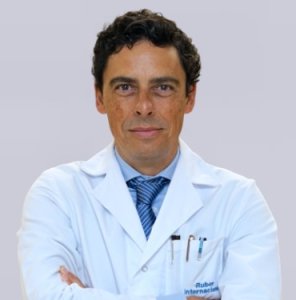
Pablo De La Cuadra
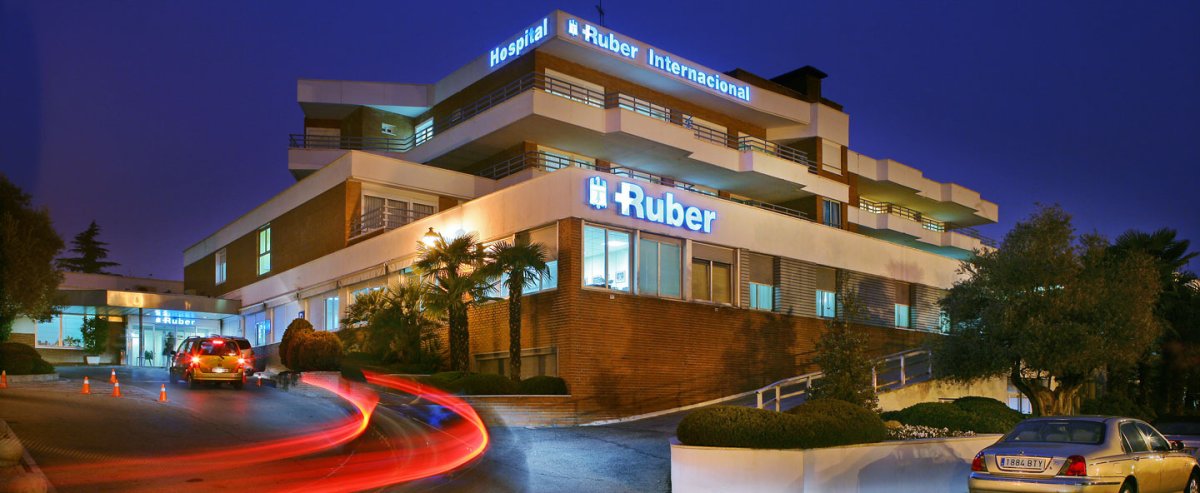
الدكتور بابلو دي لا كوادره (Pablo Cuadra de la Virgili) جرّاح عظام واختصاصي طب الرضوح في مدريد. يختص بإصابات الرياضيين وجراحة الكتف في Hospital Ruber Internacional، حيث يعمل منذ عام 1999. لديه خبرة تفوق 25 عامًا. يقود وحدة متعددة التخصصات ويرأس فريقًا متخصصًا في طب الرضوح. يُعد خبيرًا معترفًا به في اضطرابات الكتف المعقدة. يستخدم تقنيات تنظير مفصلي وترميم متقدمة لعلاج عدم الاستقرار وإصابات الكفة المدورة.
المؤهلات: دكتور في الطب (1993) ودكتوراه في الطب (2001) من جامعة مدريد المستقلة. اخت
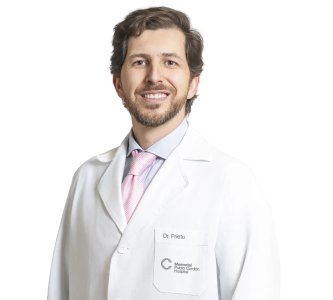
Juan Ramón Prieto
الدكتور خوان رامون برييتو هو استشاري جراحة العظام في مستشفى بوبليو كوردون التذكاري في مدريد. وهو متخصص في جراحة الورك وعلاج حالات المفاصل التنكسية مثل الفصال العظمي. يجري الدكتور برييتو تقنية ALMIS، وهي تقنية لجراحة استبدال مفصل الورك طفيفة التوغل تعمل على الحفاظ على العضلات لتسريع عملية التعافي.
يعمل الدكتور في مستشفى بوبليو كوردون التذكاري، وهو مرفق طبي حاصل على اعتماد اللجنة الدولية المشتركة (JCI). تعني هذه الشهادة أن المستشفى يفي ببروتوكولات السلامة والجودة الأمريكية. تضم العيادة أك
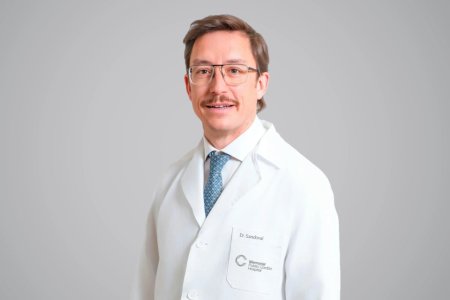
Enrique Sandoval Hip
الدكتور إنريكي ساندوفال هيب هو طبيب عظام في مستشفى بوبليو كوردون التذكاري في مدريد. يعالج حالات الورك، بما في ذلك الكسور، والتهاب المفاصل العظمي، وخلل التنسج النمائي. يجري الدكتور ساندوفال هيب عملية استبدال مفصل الورك طفيفة التوغل (ALMIS)، وذلك لتقليل تلف الأنسجة وتقليص فترات التعافي.
يعمل في منشأة حاصلة على اعتماد اللجنة الدولية المشتركة (JCI). يضم المستشفى أكثر من 100 طبيب، ويُعد مركزاً للجراحة وإعادة التأهيل في إسبانيا. كما يقوم الدكتور ساندوفال هيب بإجراء عمليات تنظير مفصل الورك الم
مشاركة المحتوى
قصص فيديو من مرضى Bookimed
 Anna Leonova
أسئلة متكررة حول علاج هشاشة العظام في الورك في إسبانيا
متى يوصي جراحو العظام الإسبان بالانتقال إلى جراحة استبدال مفصل الورك؟
يوصي جراحو العظام الإسبان باستبدال مفصل الورك عندما يستمر الألم الشديد أثناء الراحة وتفشل العلاجات التحفظية. تعطي الإرشادات السريرية الأولوية للقيود الوظيفية وجودة الحياة على نتائج الأشعة السينية. غالبًا ما ينتقل الجراحون إلى الجراحة بمجرد أن يمنع التهاب المفاصل العظمي الحركات الأساسية مثل المشي أو صعود السلالم.
- فشل العلاج: تتبع الجراحة استنفاد خيارات العلاج الطبيعي والأدوية والحقن داخل المفصل.
- مؤشرات الألم: الألم المستمر أثناء الراحة أو أثناء النوم يشير إلى الحاجة للتدخل الجراحي.
- التأثير الوظيفي: عدم القدرة على أداء مهام مثل ارتداء الأحذية يستدعي تدخل الجراح.
- المخاطر الهيكلية: التآكل الشديد الذي يسبب اختلالات في وضعية الجسم قد يؤدي إلى استبدال المفصل في الوقت المناسب.
رؤية خبير Bookimed: تستخدم المراكز الإسبانية مثل HM Nou Delfos تصوير EOS لرسم خرائط عضلية هيكلية عالية الدقة. تسمح هذه التقنية للجراحين بتصور ميكانيكا المفصل بدقة أكبر من الأشعة السينية القياسية. تظهر البيانات السريرية أن أدوات التشخيص المتقدمة تساعد المتخصصين في تحديد توقيت الجراحة بشكل أكثر فعالية للمرضى الأصغر سنًا والنشطين.
إجماع المرضى: يشير المرضى إلى أن الوقت المناسب للجراحة يعتمد على متى يصبح الألم مستمرًا. يؤكد الكثيرون على تجربة كل خيار من خيارات العلاج الطبيعي قبل أن يحدد الجراحون الإسبان موعدًا للجراحة.
ما هي معدلات نجاح عمليات استبدال مفصل الورك في المستشفيات الإسبانية؟
تبلغ المستشفيات الإسبانية عن متوسط معدلات نجاح قصيرة المدى تتراوح بين 92% و98% لعمليات استبدال مفصل الورك. وتعد هذه النتائج من بين الأعلى في أوروبا. يجري الجراحون أكثر من 30,000 إجراء سنوياً مع معدلات مضاعفات منخفضة. تحافظ الغرسات الحديثة على معدلات بقاء تصل إلى 90% بعد 15 عاماً.
- مقاييس النجاح: يشمل النجاح استعادة الحركة الفورية والقضاء التام على آلام المفاصل.
- طول عمر الغرسة: تظهر معظم الأطراف الصناعية معدل بقاء يتراوح بين 89% و90% بعد 15 عاماً من الاستخدام.
- الوصول إلى التكنولوجيا: تستخدم المراكز تصوير EOS والأنظمة الروبوتية لتحقيق محاذاة دقيقة للجهاز العضلي الهيكلي.
- معايير الاعتماد: تحافظ المرافق الرائدة مثل مستشفى روبير الدولي (Hospital Ruber Internacional) على شهادات JCI وISO.
رؤية خبير Bookimed: يرتبط النجاح في إسبانيا بالبنية التحتية المتخصصة لشبكات المستشفيات الخاصة فيها. كانت عيادة جامعة نافارا (Clinica Universidad de Navarra) الأولى في إسبانيا التي تحصل على اعتماد JCI. وهي تخدم الآن 140,000 مريض سنوياً. توفر الشبكات الكبيرة مثل مستشفيات HM إمكانية الوصول إلى إعادة التأهيل العصبي المتكامل من خلال الشراكات. يضمن هذا الحجم الكبير من المرضى احتفاظ الجراحين بالمهارات اليدوية المتخصصة اللازمة لإعادة بناء المفاصل المعقدة.
إجماع المرضى: يشير المرضى إلى أن تخفيف الألم الذي يغير حياتهم هو مؤشر النجاح الأكثر فورية. ويؤكدون أنه على الرغم من أن الأسبوعين الأولين من التعافي مرهقان، إلا أن المشي المبكر هو مفتاح الحركة ع
هل من الآمن للمرضى الدوليين السفر إلى إسبانيا لعلاج الورك؟
تعد إسبانيا وجهة آمنة للغاية للمرضى الدوليين الذين يبحثون عن علاج الورك والرعاية العظمية. تحتل البلاد المرتبة العاشرة عالمياً في جودة الرعاية الصحية. تحافظ مرافق مثل مستشفى روبر الدولي (Hospital Ruber Internacional) ومستشفى نافارا (Navarra Hospital) على اعتماد اللجنة الدولية المشتركة (JCI). تبلغ العيادات الحديثة عن معدلات نجاح تصل إلى 99% لعمليات استبدال الورك.
- اعتماد المستشفيات: تضمن شهادات JCI وISO معايير صارمة للسلامة والنظافة.
- التصوير المتقدم: تستخدم العيادات تقنية EOS للتصوير العضلي الهيكلي ثلاثي الأبعاد عالي الدقة.
- التعافي المتخصص: تستفيد المراكز في ماربيا من مناخ البحر الأبيض المتوسط لإعادة التأهيل القائم على الميكانيكا الحيوية.
- حجم كبير من المرضى: تعالج أفضل المستشفيات الإسبانية أكثر من 140,000 مريض دولي ومحلي سنوياً.
رؤية خبير Bookimed: تعطي المراكز الصحية الإسبانية الأولوية للحركة طويلة المدى على الجراحة البسيطة. تتعاون عيادات مثل مستشفى HM Nou Delfos مع مستشفيات متخصصة في إعادة التأهيل العصبي. وهذا يضمن انتقال المرضى بسلاسة من الجراحة إلى العلاج الطبيعي النشط. عالج مستشفى نافارا مرضى من 70 دولة مختلفة. خبرتهم في الخدمات اللوجستية الدولية تقلل بشكل كبير من المخاطر الإدارية للزوار.
إجماع المرضى: يؤكد المرضى أن السلامة تعتمد على وجود خطة متابعة واضحة. يشير الكثيرون إلى أن البقاء لمدة 10 إلى 14 يوماً بعد الجراحة أمر حيوي. هذا يمنع تجلط الدم أثناء رحلات العودة الطويلة. العثور على معالج طبيعي محلي في الوطن ق
كم تستغرق فترة التعافي بعد استبدال مفصل الورك في إسبانيا؟
تسمح فترة التعافي بعد استبدال مفصل الورك في إسبانيا للمرضى بأداء أنشطة خفيفة في غضون 4 إلى 6 أسابيع. وعادة ما يستغرق التعافي الوظيفي الكامل من 3 إلى 6 أشهر. تستخدم المراكز المعتمدة من قبل اللجنة الدولية المشتركة (JCI) ذات الكثافة العالية في مدريد وبرشلونة تقنيات طفيفة التوغل لتقليل فترات الإقامة في المستشفى إلى 2-5 أيام.
- الإقامة في المستشفى: يبقى المرضى عادةً في المستشفى لمدة 2 إلى 5 أيام للمراقبة.
- الحركة الأولية: يعد استخدام العكازات أو المشايات أمراً قياسياً خلال الأسابيع الثلاثة إلى الستة الأولى.
- العودة إلى العمل: غالباً ما تكون العودة إلى العمل المكتبي ممكنة في غضون 6 إلى 8 أسابيع.
- الجدول الزمني للقيادة: يستأنف معظم المرضى القيادة بعد فترة تتراوح بين 4 و 8 أسابيع من الجراحة.
رؤية خبراء Bookimed: تدمج المستشفيات الخاصة الإسبانية مثل HM Nou Delfos و Hospital Ruber Internacional أنظمة تصوير متخصصة مثل EOS. تسمح هذه الصور العضلية الهيكلية عالية الدقة للجراحين بتخطيط التعديلات بدقة أكبر. غالباً ما تمنع هذه الدقة التشخيصية الانحرافات الطفيفة التي تسبب تورماً طويل الأمد بعد الجراحة أو آلام العضلات.
إجماع المرضى: يؤكد المرضى أنه على الرغم من قدرتهم على المشي في غضون 24 ساعة، إلا أن الإرهاق المستمر غالباً ما يكون مفاجئاً. يعتمد النجاح بشكل كبير على اتباع تمارين العلاج الطبيعي اليومية التي توفرها العيادة.
ما هي العلاجات غير الجراحية المتاحة لالتهاب مفصل الورك في إسبانيا؟
تشمل العلاجات غير الجراحية لالتهاب مفصل الورك في إسبانيا العلاج الطبيعي المتخصص، والإدارة الدوائية، والحقن الموجه بالتصوير. تستخدم المراكز في مدريد وبرشلونة حقن حمض الهيالورونيك أو الكورتيكوستيرويدات الموجهة بالموجات فوق الصوتية. تتوفر خيارات تجديدية مثل البلازما الغنية بالصفائح الدموية وعلاجات الخلايا الجذعية الوسيطة لتأخير استبدال المفصل.
- الطب التجديدي: تستهدف حقن البلازما الغنية بالصفائح الدموية والخلايا الجذعية الذاتية التهاب المفاصل والألم.
- التصوير المتقدم: توفر تقنية EOS في مراكز مثل HM Nou Delfos خرائط عضلية هيكلية عالية الدقة.
- إعادة التأهيل الميكانيكي الحيوي: تعمل الأساليب الخاصة في المراكز المتخصصة على تنشيط التجديد الطبيعي من خلال الحركة.
- الحقن الموجه: تضمن الحقن الموجهة بالموجات فوق الصوتية توصيلًا دقيقًا للمزلقات إلى مفاصل الورك العميقة.
رؤية خبير Bookimed: تدمج المراكز الإسبانية مثل HM Nou Delfos و Hospital Ruber Internacional بين الخبرة الجراحية عالية المستوى والرعاية التحفظية. بينما تخدم هذه العيادات أكثر من 25,000 مريض سنويًا، فإنها تعطي الأولوية للتصوير بالرنين المغناطيسي 3-تسلا وتصوير EOS. تسمح هذه الأجهزة عالية الدقة للأطباء باكتشاف تغيرات المفاصل الدقيقة في وقت مبكر. يضمن التصوير الأفضل توقيت العلاجات غير الجراحية بشكل مثالي لتعظيم فعاليتها.
إجماع المرضى: يلاحظ المرضى أن الحركة المستمرة واللطيفة تحقق نتائج أفضل من الراحة التامة. ويؤكدون على طلب برامج التقوية بدلاً من العلاجات السلبية للحفاظ عل
هل توفر العيادات الإسبانية برامج إعادة تأهيل منظمة بعد الجراحة؟
توفر العيادات الإسبانية إعادة تأهيل منظمة بعد الجراحة من خلال فرق متعددة التخصصات ومراكز متخصصة. غالبًا ما تبدأ البرامج في غضون 48 ساعة من الجراحة. وهي تدمج العلاج الطبيعي مع تقنيات متقدمة مثل التدريب على المشي بمساعدة الروبوت. تضمن المرافق الخاصة في مدريد وبرشلونة تنسيقًا سلسًا للمرضى الدوليين.
- التحريك المبكر: يبدأ العلاج الطبيعي عادةً بعد 24 إلى 48 ساعة من جراحة العظام.
- مرافق متخصصة: تركز مراكز مثل مركز الدكتور بلوم للميكانيكا الحيوية (Dr. Blum Biomechanics Center) حصريًا على التعافي الوظيفي.
- تشخيص متقدم: تستخدم العيادات تصوير EOS لتقييم دقيق للجهاز العضلي الهيكلي أثناء المتابعة.
- معايير الجودة: تحافظ المؤسسات الرائدة مثل مستشفى نافارا (Navarra Hospital) وRuber Internacional على اعتماد اللجنة الدولية المشتركة (JCI).
رؤية خبير Bookimed: بينما يتوقع الكثيرون أن تتعامل العيادات المتخصصة مع كل شيء، فإن التعافي بأعلى جودة غالبًا ما يأتي من الشراكات. على سبيل المثال، يتعاون مستشفى HM Nou Delfos مع معهد جوتمان (Institut Guttmann)، وهو رائد في إعادة التأهيل العصبي ومعتمد من JCI. تسمح هذه الاستراتيجية لمستشفيات الرعاية الحادة بتوفير إعادة تأهيل مكثفة ومتخصصة لا يمكن لجناح العظام العام مضاهاتها. عند اختيار عيادة، تحقق مما إذا كانت لديهم اتفاقيات رسمية مع مراكز إعادة تأهيل مخصصة للحصول على نتائج أفضل على المدى الطويل.
إجماع المرضى: يشير المرضى إلى أن التعافي المبكر غالبًا ما يكون ذاتيًا، لذا من الضروري طلب إحالات محددة للع
ما هي المدن والعيادات الأكثر شهرة لعلاج هشاشة العظام في الورك في إسبانيا؟
تعد مدريد وبرشلونة المدينتين الأكثر شهرة لعلاج هشاشة العظام في الورك في إسبانيا. تضم هذه المراكز مرافق معتمدة من اللجنة الدولية المشتركة (JCI) مثل مستشفى روبر الدولي (Hospital Ruber Internacional) ومستشفى إتش إم نو ديلفوس (Hospital HM Nou Delfos). وهي توفر تصويراً متقدماً للجهاز العضلي الهيكلي وإعادة بناء المفاصل طفيفة التوغل على يد جراحين يتمتعون بخبرة تزيد عن 25 عاماً.
- مستشفيات مدريد: يوفر مستشفى روبر الدولي تصوير بالرنين المغناطيسي بقوة 3 تسلا ورعاية تقويم عظام ذات حجم كبير.
- التميز في برشلونة: يستخدم مستشفى إتش إم نو ديلفوس أنظمة تصوير ثلاثية الأبعاد دقيقة للغاية بجرعة منخفضة (EOS).
- السمعة في بامبلونا: تحافظ عيادة جامعة نافارا (Clinica Universidad de Navarra) على معدل حفظ للأطراف بنسبة 95%.
- مؤهلات الجراحين: يقود الدكتور بابلو دي لا كوادرا في مدريد فرقاً متخصصة في إعادة بناء المفاصل.
رؤية خبير Bookimed: بينما تتصدر مدريد وبرشلونة من حيث الحجم، تخدم عيادة جامعة نافارا في بامبلونا أكثر من 140,000 مريض سنوياً وتتمتع بصدارة فريدة في حفظ الأطراف. تظهر البيانات أن المرضى غالباً ما يختارون هذا المرفق للحالات المعقدة حيث يتم إعطاء الأولوية لإنقاذ المفصل بدلاً من الاستبدال الفوري. يصنف هذا المركز الأكاديمي باستمرار كأفضل مستشفى خاص في إسبانيا وفقاً للمعايير الدولية الرئيسية.
إجماع المرضى: يشير المرضى إلى أن اختيار جراح ذي خبرة لديه حجم سنوي مرتفع من عمليات استبدال الورك أكثر أهمية من العلامة التجارية المحددة للعيادة. وغ