علاج هشاشة العظام في الورك في إسرائيل — احصل على 3 عيادات مختارة خصيصاً لك


تمت مراجعة المقالة طبيا من قبل
فهد مولود
كيف نعمل؟
ما هي تكلفة هشاشة العظام في الورك إجراءات التشخيص والعلاج في إسرائيل؟ اعرف الآن
| إسرائيل | تركيا | إسبانيا | |
|---|---|---|---|
| جراحة إعادة تسطيح مفصل الورك | ≈ $17,500 | ≈ $8,500 | ≈ $10,500 |
اكتشف أفضل هشاشة العظام في الورك العيادات في إسرائيل: 6 خيارات معتمدة والأسعار











Herzliya Medical Center
احصلوا على تقييم طبي لـ هشاشة العظام في الورك في إسرائيل: استشيروا أطباء ذوي خبرة الآن
عرض جميع الأطباء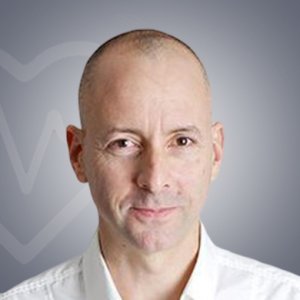
Alon Friedlander
د. ألون فريدلاندر (MD) جرّاح عظام واختصاصي في العمود الفقري والجنف لدى الكبار والأطفال. يشغل منصب مدير قسم جراحة العظام في مركز شيبا الطبي، وهو أستاذ مشارك في جراحة العظام بجامعة تل أبيب. مُدرج ضمن قائمة فوربس لأفضل أطباء إسرائيل.
يعالج اضطرابات العمود الفقري المعقّدة بجراحات طفيفة التوغل وأخرى مفتوحة، وتشمل إجراءاته التثبيت الأمامي والخلفي. تتركز خبرته على الجنف والتشوّهات الأخرى، والأورام، وتضيّق القناة الشوكية وعدم الاستقرار، والانزلاق الغضروفي. التعليم: دكتوراه في الطب، جامعة تل أب
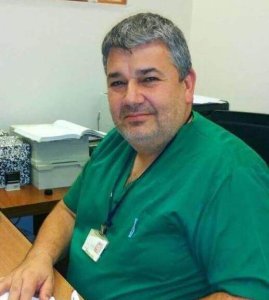
Boaz Liberman
الدكتور بوعز ليبرمان، MD، اختصاصي أورام العظام وجراح الساركوما للبالغين والأطفال. يترأس وحدة أورام العظام ويشغل منصب نائب رئيس قسم جراحة العظام في مركز شيبا الطبي. يركّز على جراحات أورام مُحافِظة على الأطراف مع ترميم وظيفي. يجري ترميمات مفصلية معقّدة، ومراجعات الاستبدال المفصلي، وتقنية MRgFUS، والترميم بعد النقائل العظمية.
التعليم والتدريب: دكتوراه في الطب (MD)، جامعة تل أبيب. إقامة في جراحة العظام، مركز شيبا الطبي. زمالات في ترميم مفاصل البالغين في مستشفى ماونت سايناي، تورونتو، وفي أو
المراجعات
جميع المراجعاتمشاركة المحتوى
قصص فيديو من مرضى Bookimed
 Anna Leonova
أسئلة متكررة حول علاج هشاشة العظام في الورك في إسرائيل
ما هي العلاجات غير الجراحية المتقدمة المتاحة في إسرائيل لالتهاب مفاصل الورك؟
توفر إسرائيل علاجات بيولوجية وميكانيكية حيوية متقدمة للتعامل مع التهاب مفاصل الورك دون جراحة. تشمل الخيارات الأساسية مصل الدم الذاتي المكيّف (Orthokine)، وحقن البلازما الغنية بالصفائح الدموية (PRP)، والعلاج بالخلايا الجذعية الوسيطة. كما تستخدم المراكز الإسرائيلية أجهزة AposHealth الميكانيكية الحيوية والكي بالترددات الراديوية للحفاظ على المفاصل على المدى الطويل.
- الحقن التجديدية: يقلل Orthokine وPRP من التهاب المفاصل باستخدام دم المريض نفسه.
- العلاج البيولوجي: تساعد الخلايا الجذعية الوسيطة من نخاع العظم في استقرار بيئة الورك.
- تصحيح المشية: تقوم أجهزة AposHealth التي يتم ارتداؤها في القدم بإعادة توزيع قوى تحمل الوزن بعيداً عن الغضروف التالف.
- الكي العصبي: تعمل طاقة التردد الراديوي على تعطيل أعصاب حسية معينة لتوفير تخفيف طويل الأمد للألم.
رؤية خبير Bookimed: تُظهر المراكز الطبية الإسرائيلية تكاملاً فريداً بين الأبحاث التي تقودها الجامعات والممارسة السريرية. على سبيل المثال، غالباً ما يستخدم مركز هداسا الطبي ومركز سوراسكي الطبي (إيخيلوف) بروتوكولات خاصة طورها موظفوهم. هذا الارتباط الوثيق بين المختبرات والعيادات يعني أن المرضى يحصلون على علاجات بيولوجية غالباً ما تكون غير متوفرة في بيئات المستشفيات القياسية في أماكن أخرى.
إجماع المرضى: يشير المرضى إلى أن العلاج الطبيعي المنظم ضروري قبل تجربة الحقن. يجد الكثيرون أن تقوية عضلات الورك يمكن أن تزيد من فعالية العلاجات غير الجراحية لمدة تتراوح بين سنة إلى سنتين.
ما هي الأساليب الجراحية والتقنيات التي يستخدمها الجراحون الإسرائيليون لاستبدال مفصل الورك؟
يستخدم الجراحون الإسرائيليون تقنيات متقدمة طفيفة التوغل والملاحة الروبوتية لتقويم مفصل الورك بالكامل. تعطي مرافق مثل مركز سوراسكي الطبي وأسوتا الأولوية للطرق التي تحافظ على الأنسجة. تشمل هذه الأساليب النهج الأمامي المباشر وأنظمة الملاحة بمساعدة الكمبيوتر. تضمن هذه التقنيات وضع الغرسة بدقة وتحريك المريض بشكل أسرع.
- النهج الجراحي: يفضل الجراحون النهج الأمامي المباشر لتجنب قطع العضلات.
- حجم الشق: تستخدم الإجراءات طفيفة التوغل شقوقًا دقيقة يبلغ قياسها من 5 إلى 8 سنتيمترات فقط.
- المساعدة الروبوتية: تستخدم منصات مثل Mako نماذج افتراضية ثلاثية الأبعاد لدقة جراحية مطلقة.
- المواد: تحفز الأطراف الاصطناعية المصنوعة من التيتانيوم بدون أسمنت نمو العظام الطبيعي لدى المرضى الأصغر سنًا.
- الملاحة: تساعد مستشعرات التتبع بالأشعة تحت الحمراء في القضاء على تباينات طول الأطراف ومخاطر الخلع.
رؤية خبير Bookimed: تُظهر أقسام العظام الإسرائيلية تخصصًا شديدًا بين القطاعين الخاص والعام. تجري العيادات الخاصة مثل مركز أسوتا الطبي أكثر من 92,000 عملية سنويًا. وهي توفر للمرضى القدرة النادرة على اختيار الطبيب المعالج الخاص بهم. يسمح هذا الحجم للجراحين مثل الدكتور بوعز ليبرمان في شيبا بالحفاظ على كفاءة عالية في عمليات إعادة بناء المفاصل المعقدة. هذه الخبرة حيوية للمرضى الذين يحتاجون إلى جراحة مراجعة أو إجراءات الحفاظ على الأطراف.
إجماع المرضى: يسلط المرضى الضوء على أن الجراحين غالبًا ما يفضلون النهج الأمامي المباشر لسرعة التع
كيف تسرع إعادة التأهيل بعد الجراحة في إسرائيل من التعافي بعد جراحة الورك؟
تسرع إعادة التأهيل بعد الجراحة في إسرائيل من التعافي من خلال التحريك المبكر للغاية والرعاية متعددة التخصصات. يبدأ المرضى عادةً في المشي في غضون 24 إلى 48 ساعة بعد الجراحة. يمنع هذا التنشيط السريع ضمور العضلات ويقلل من مخاطر جلطات الدم. غالبًا ما تسمح البرامج المتكاملة للمرضى بالعودة إلى الأنشطة اليومية في غضون ستة أسابيع.
- التحريك المبكر: يجلس المرضى ويمشون في غضون 48 ساعة لتعزيز استقرار المفصل.
- التقنيات الذكية: تستخدم مراكز مثل سوراسكي الذكاء الاصطناعي والتصوير الرقمي لتتبع العلاج بدقة.
- المعدات المتخصصة: يساعد العلاج المائي والمزامنة الروبوتية في إعادة بناء أنماط المشي الطبيعية بأمان.
- فرق الخبراء: يدير متخصصون مثل الدكتور ألون فريدلاندر عمليات التعافي العظمي المعقدة في شيبا.
رؤية خبير Bookimed: تظهر البيانات أن اختيار مراكز كبيرة متعددة التخصصات مثل سوراسكي أو هداسا يوفر ميزة واضحة. تدير هذه المرافق أكثر من 1,000,000 مريض سنويًا وتضم أقسام إعادة تأهيل مخصصة. هذا الحجم الكبير يعني أن الجراحين والمعالجين يعملون في حلقات متزامنة. يستخدمون سجلات صحية إلكترونية مشتركة لتعديل العلاج الطبيعي بناءً على البيانات الجراحية في الوقت الفعلي. هذا التنسيق هو السبب في أن العديد من المرضى يكملون دورات التعافي الكاملة في 3 أشهر بدلاً من 6.
إجماع المرضى: يؤكد المرضى أن بدء العلاج الطبيعي فور الاستيقاظ تقريبًا أمر حيوي. على الرغم من أن الجلسات الأولى صعبة، إلا أن الكثيرين يبلغون عن المشي دون مساعدة بحلول الأسبوع الثاني والقيادة في غ
ما هي المستشفيات الإسرائيلية الرائدة لعلاج هشاشة العظام المتقدمة في الورك؟
تشمل المستشفيات الإسرائيلية الرائدة لعلاج هشاشة العظام المتقدمة في الورك مركز سوراسكي الطبي، ومركز شيبا الطبي، ومركز هداسا الطبي. تستخدم هذه المؤسسات المعتمدة من قبل اللجنة الدولية المشتركة (JCI) الجراحة بمساعدة الروبوت والأطراف الصناعية غير الأسمنتية. تجري المراكز المتخصصة أكثر من 35,000 عملية جراحية سنويًا. وهي توفر بروتوكولات تعافي متسارعة للمرضى الدوليين.
- الدقة الروبوتية: تستخدم العيادات أنظمة الذراع الروبوتية Mako لرسم الخرائط التشريحية ثلاثية الأبعاد.
- الغرسات المتقدمة: يؤكد المتخصصون على الأطراف الصناعية غير الأسمنتية لزيادة بقاء الغرسة على المدى الطويل.
- جراحون خبراء: الدكتور بواز ليبرمان في شيبا متخصص في إعادة بناء المفاصل للبالغين.
- التعافي السريع: تسمح البروتوكولات القياسية لمعظم المرضى بالمشي بعد يوم واحد من الجراحة.
رؤية خبير Bookimed: بينما تدير المراكز العامة مثل سوراسكي حجمًا هائلاً يبلغ 1,800,000 مريض سنويًا، توفر المرافق الخاصة ميزة لوجستية متميزة. في مركز أسوتا الطبي، يمكن للمرضى اختيار جراحهم ونوع غرفتهم. يقلل هذا النموذج الخاص عادةً فترة الانتظار الجراحية من أشهر إلى بضعة أيام فقط.
إجماع المرضى: يلاحظ المرضى أنه على الرغم من أن المستشفيات العامة تقدم نتائج عالمية المستوى، إلا أن العملية الإدارية يمكن أن تكون بطيئة. يسلط الكثيرون الضوء على أن دمج العلاج المائي المتخصص في مراكز مثل شيبا يساعد في استعادة الحركة بشكل أسرع بكثير.
لماذا تُعد إسرائيل واحدة من الوجهات الرائدة في جراحة الأعصاب؟
تُعدّ إسرائيل مركزًا رائدًا في جراحة الأعصاب بفضل مزيجها من التطورات الطبية عالية التقنية والخبرات الجراحية المتميزة. وتستخدم مرافق متطورة مثل مركز شيبا الطبي أنظمة ملاحة تعتمد على الذكاء الاصطناعي والتصوير بالرنين المغناطيسي أثناء الجراحة في الوقت الفعلي. وتشير المراكز المتخصصة إلى نسبة نجاح تصل إلى 98% في العمليات الجراحية المعقدة، بما في ذلك جراحة الدماغ مع اليقظة وعلاج اضطرابات الحركة.
- التكنولوجيا المتقدمة: تستخدم العيادات الموجات فوق الصوتية المركزة الموجهة بالرنين المغناطيسي (MRgFUS) والأنظمة الروبوتية لإجراء الشقوق.
- الخبرة الجراحية: يقود جراحون مثل الدكتور تسفي رام جمعيات دولية بخبرة تزيد عن 25 عامًا.
- الوصول السريع: يمكن للمرضى الدوليين عادةً تحديد مواعيد لإجراء عمليات جراحية معقدة في الدماغ أو العمود الفقري في غضون 2-4 أسابيع.
- الرعاية الطبية المعتمدة: المراكز الكبيرة مثل سوراسكي (إيشيلوف) وأسوتا معتمدة من قبل اللجنة الدولية المشتركة، مما يؤكد سلامتها.
رأي خبراء بوكيمد: تُظهر البيانات فرقًا واضحًا بين خيارات العلاج في القطاعين العام والخاص في إسرائيل. تُجري المراكز الخاصة، مثل مركز أسوتا الطبي، أكثر من 92,000 عملية جراحية سنويًا، وتتيح للمرضى اختيار جراح را
ما هي أنواع الأمراض العصبية التي يتم علاجها في إسرائيل؟
يعالج جراحو الأعصاب الإسرائيليون طيفاً واسعاً من الحالات، بدءاً من أورام الدماغ والحبل الشوكي وصولاً إلى الاضطرابات الوظيفية المعقدة. وتستخدم المراكز المتخصصة أحدث التقنيات، مثل جهاز جاما نايف، والتحفيز العميق للدماغ، والتصوير بالرنين المغناطيسي أثناء الجراحة، لتشخيص دقيق للغاية لحالات الصرع، ومرض باركنسون، وأمراض الأوعية الدموية الدماغية.
- الأمراض السرطانية: علاج الأورام الدبقية والأورام السحائية وأورام الغدة النخامية باستخدام استئصال قاعدة الجمجمة.
- الاضطرابات الوظيفية: علاج مرض باركنسون والرعاش الأساسي باستخدام التحفيز العميق للدماغ.
- أمراض العمود الفقري: تصحيح الجنف، وانزلاق الغضروف، وأورام العمود الفقري باستخدام الأنظمة الروبوتية.
- علاج أمراض الأوعية الدموية الدماغية: العلاج الجراحي لتمدد الأوعية الدموية الدماغية والتشوهات الشريانية الوريدية باستخدام التدخلات داخل الأوعية الدموية.
- جراحة الأعصاب للأطفال: رعاية متخصصة لاستسقاء الرأس والتشوهات الخلقية في مراكز طب الأطفال المتخصصة.
رأي خبراء بوكيمد: غالبًا ما تجمع المستشفيات الإسرائيلية بين تخصصات طبية متعددة لمعالجة الحالات المعقدة. ففي مركز سوراسكي ا
ما هي المستشفيات في إسرائيل التي تشتهر بأقسام جراحة الأعصاب فيها؟
تضم إسرائيل مراكز جراحة أعصاب عالمية المستوى، مثل مركز سوراسكي الطبي، ومركز شيبا الطبي، ومركز هداسا الطبي. وتُعدّ هذه المؤسسات رائدة عالميًا في علاج أورام الدماغ المعقدة، وأمراض العمود الفقري، واضطرابات الحركة. وتستخدم أحدث التقنيات، مثل جهاز جاما نايف، والأنظمة الروبوتية، والتصوير بالرنين المغناطيسي أثناء الجراحة.
- سوراسكي (إيخيلوف): يجري أكثر من 2500 عملية جراحية عصبية سنوياً في تل أبيب بنسبة نجاح تبلغ 98%.
- مركز شيبا الطبي: مصنف ضمن أفضل عشرة مستشفيات في العالم، حيث يعالج 1.9 مليون مريض سنوياً.
- مركز هداسا الطبي: مرشح لجائزة نوبل للسلام. رائد في جراحة الأعصاب للأطفال والعلاج الجيني.
- مركز أسوتا الطبي: أكبر منشأة طبية خاصة في إسرائيل. متخصص في جراحات العمود الفقري والدماغ طفيفة التوغل.
- مستشفى شنايدر للأطفال: مركز رائد في جراحة الأعصاب للأطفال، يعالج 275000 طفل سنوياً.
رأي خبراء بوكيمد: تُظهر بياناتنا أنه بينما يلجأ معظم المرضى للعلاج في تل أبيب، يُقدّم مركز رامبام الطبي في حيفا رعايةً فريدةً لإصابات الدماغ. فهو يضم وحدةً متخصصةً للعناية المركزة العصبية تُعالج ما يقارب مليون مريض سنويًا. وهذا ما يجعله
من هم أبرز جراحي الأعصاب في إسرائيل؟
من بين أبرز جراحي الأعصاب الإسرائيليين البروفيسور تسفي رام، والبروفيسور شلومي كونستانتيني، والبروفيسور إسحاق فريد من مركز سوراسكي الطبي. ويشغل هؤلاء المتخصصون مناصب قيادية في الجمعية الأوروبية لجمعيات جراحة الأعصاب (EANS) والجمعية العالمية لجراحة الأعصاب التجسيمية والوظيفية (WSSFN). ويستخدمون تقنيات رسم الخرائط المتقدمة أثناء الجراحة وأنظمة الروبوتات.
- البروفيسور تسفي رام: خبير في جراحة أورام الدماغ طفيفة التوغل والعلاج الجيني للسرطان.
- الأستاذ شلومي كونستانتيني: متخصص في إجراءات التنظير العصبي المعقدة للأطفال والجراحة المجهرية لأورام الدماغ.
- الأستاذ إسحاق فريد: خبير في جراحة الصرع، ورسم خرائط الدماغ الوظيفية، وتحفيز الدماغ العميق.
- الدكتور إيلي أشكينازي: جراح عظام رائد في مستشفى أسوتا، متخصص في نظام TOPS المبتكر.
رأي خبراء بوكيمد: تشير بيانات مركز سوراسكي وشيبا إلى وجود علاقة وثيقة بين ارتفاع عدد العمليات الجراحية وسلامة المرضى. فعلى سبيل المثال، يُجري مركز سوراسكي أكثر من 34,000 عملية جراحية لعلاج الأورام سنويًا بنسبة نجاح تصل إلى 90%. لذا، ينبغي على المرضى الذين يحتاجون إلى استئصال أورام معقدة إعطاء الأولوية لمراكز كهذه، حيث يُجري الجراحون مئات العمليات الجراحية ا
ما هي متطلبات المرضى الدوليين القادمين الذين يسعون للحصول على رعاية جراحية عصبية؟
يجب على المرضى الأجانب الذين يحتاجون إلى علاج جراحي للأعصاب في إسرائيل تقديم وثائق طبية كاملة، بما في ذلك نتائج التصوير بالرنين المغناطيسي أو التصوير المقطعي المحوسب الحديثة، مترجمة إلى اللغة الإنجليزية. يتطلب دخول المستشفى فحصًا سريريًا من قبل أخصائيين للتأكد من ملاءمة المريض للعلاج. غالبًا ما تطلب المستشفيات دفعًا مسبقًا كاملًا أو دفعة مقدمة كبيرة قبل تأكيد مواعيد الجراحة أو إصدار وثائق التأشيرة.
- السجلات الطبية: تقديم تقارير مفصلة ونتائج التصوير مترجمة إلى اللغة الإنجليزية في غضون 48 ساعة للمراجعة السريرية.
- إثبات القدرة المالية: يرجى تقديم إثبات توفر الأموال بمبلغ تقريبي يتراوح بين _price_from_ و _price_to_ لتغطية تكاليف العلاج.
- دعم التأشيرة: تقوم عيادات مثل مركز سوراسكي الطبي (إيخيلوف) بإصدار خطابات رسمية للحصول على تأشيرة طبية من نوع B-2.
- مرحلة الاستشارة: غالبًا ما يتم إجراء التقييم الأولي عبر استشارة عبر الإنترنت مع جراحين مثل الدكتور شتراوس إيدو.
رأي خبراء بوكيمد: تُظهر البيانات أن المؤسسات الطبية الإسرائيلية الرائدة، مثل مركز شيبا الطبي ومركز هداسا الطبي، تستقبل عددًا هائلًا من المرضى، يتجاوز مليون مريض سنويًا. هذا الطلب المرتفع يعني أن العيادات تُعطي الأول
كم من الوقت سأحتاج للبقاء في إسرائيل لإجراء جراحة الأعصاب والمتابعة؟
تتراوح مدة الإقامة المعتادة في قسم جراحة الأعصاب في إسرائيل بين 10 و14 يومًا للحالات غير المعقدة. أما المرضى الذين يخضعون لإجراءات معقدة، مثل استئصال ورم دماغي أو تحفيز الدماغ العميق، فغالبًا ما يحتاجون إلى الإقامة لمدة تتراوح بين 4 و6 أسابيع. تشمل هذه الفترة التشخيص قبل الجراحة، والجراحة نفسها، والمتابعة اللازمة بعد العملية.
- مدة الإقامة في المستشفى: تستغرق الإجراءات طفيفة التوغل من يوم إلى ثلاثة أيام. أما عمليات فتح الجمجمة التقليدية فتستغرق في المتوسط من ثلاثة إلى عشرة أيام.
- التعافي في الموقع: بعد الخروج من المستشفى، البقاء في إسرائيل لمدة 7-14 يومًا لإجراء فحوصات المتابعة الإلزامية.
- سلامة الطيران: يوصي الجراحون بالانتظار من 4 إلى 6 أسابيع قبل السفر جواً للسماح لضغط الجمجمة الداخلي بالاستقرار.
- جدول المتابعة: عادة ما يتم إجراء الفحوصات السريرية الشخصية في الأيام 3 و7 و14 بعد الجراحة.
رأي خبراء بوكيمد: تُظهر بيانات مركز سوراسكي الطبي أنه يعالج أكثر من 400,000 مريض سنويًا بنسب نجاح عالية. غالبًا ما تتميز العيادات التي تستقبل هذا العدد الكبير من المرضى، مثل هاداسا وأسوتا، بإجراءات خروج مبسطة. وهذا يُسهّل على المرضى الدوليين الانتقال بسرعة أكبر إلى إعادة التأهيل في ا