علاج ركود لمفي في تركيا: 36 مستشفيات


تمت مراجعة المقالة طبيا من قبل
فهد مولود
كيف نعمل؟
ما هي تكلفة ركود لمفي إجراءات التشخيص والعلاج في تركيا؟ اعرف الآن
تختلف تكلفة علاج اللمفوديم في تركيا اعتمادًا على الإجراءات والخدمات المحددة المطلوبة. يمكن أن تتراوح تكلفة حزمة العلاج الجراحي الشامل لللمفوديم من $15,000 إلى $24,000. بدلاً من ذلك، تبلغ تكلفة خطة تتضمن 15 جلسة من تدليك التصريف اللمفاوي والتضميد حوالي $6,550. يحدد الطبيب التكلفة النهائية بعد تخصيص خطة العلاج بناءً على حالة المريض واحتياجاته.
اكتشف أفضل ركود لمفي العيادات في تركيا: 36 خيارات معتمدة والأسعار



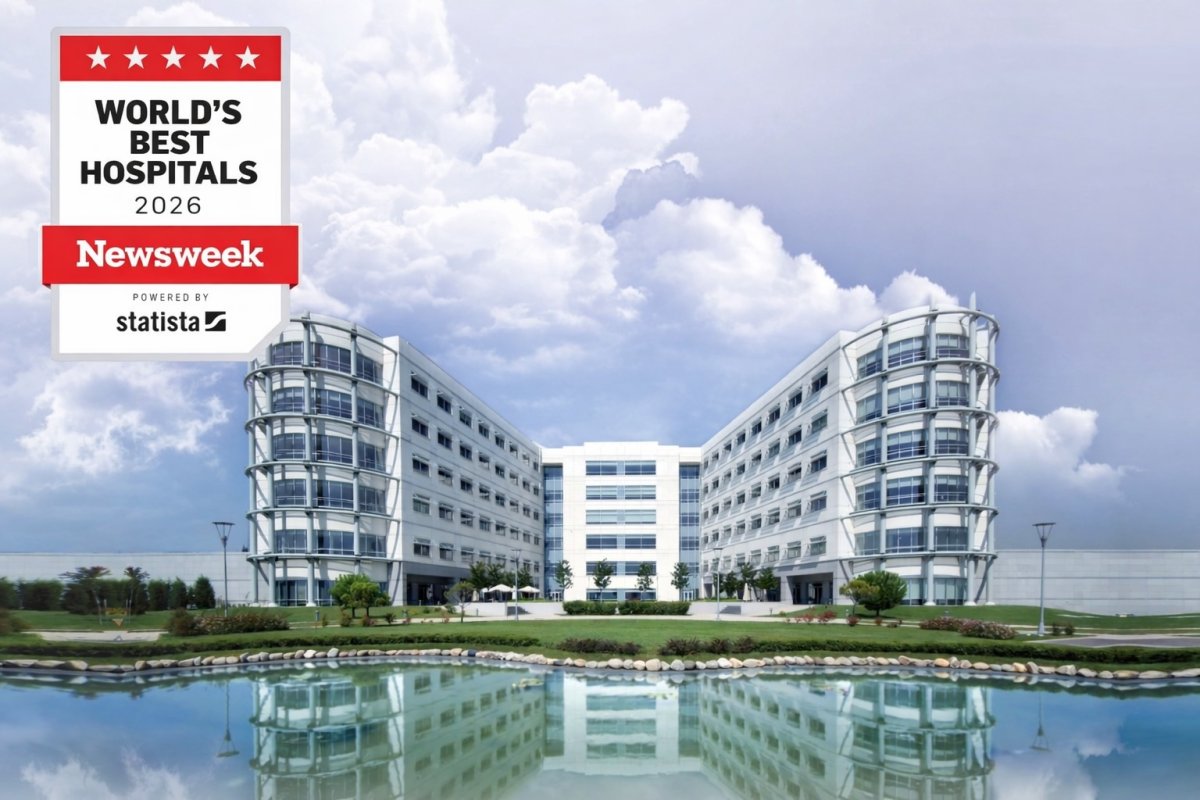





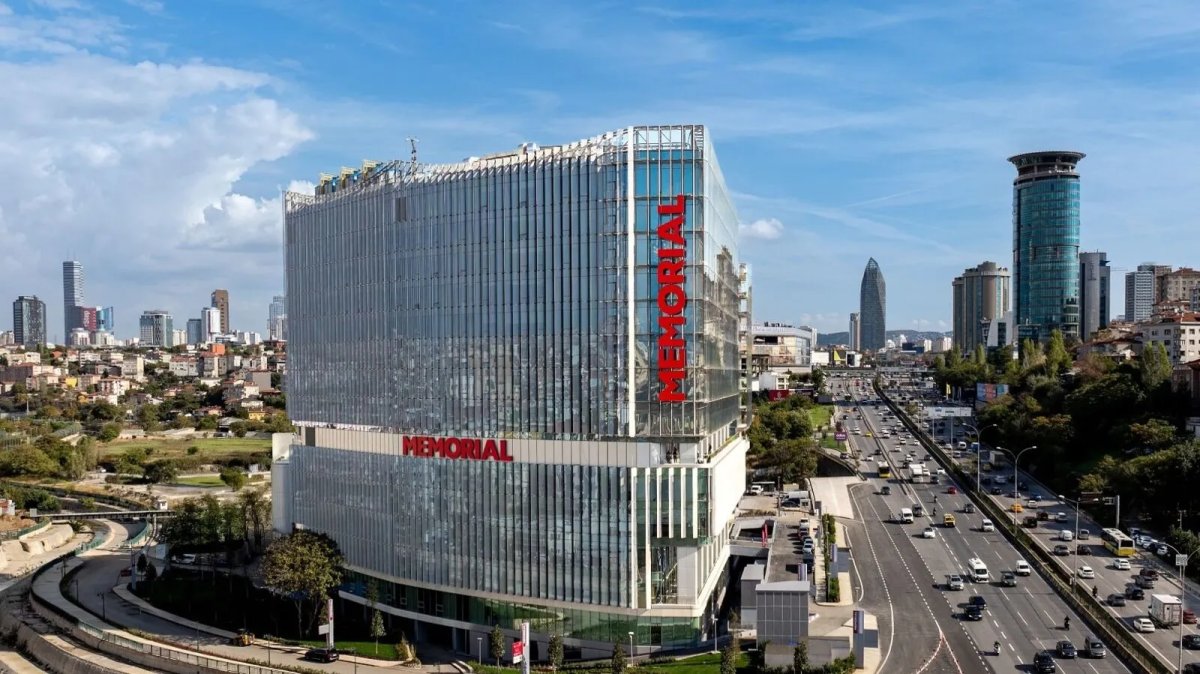
Memorial Göztepe Hospital

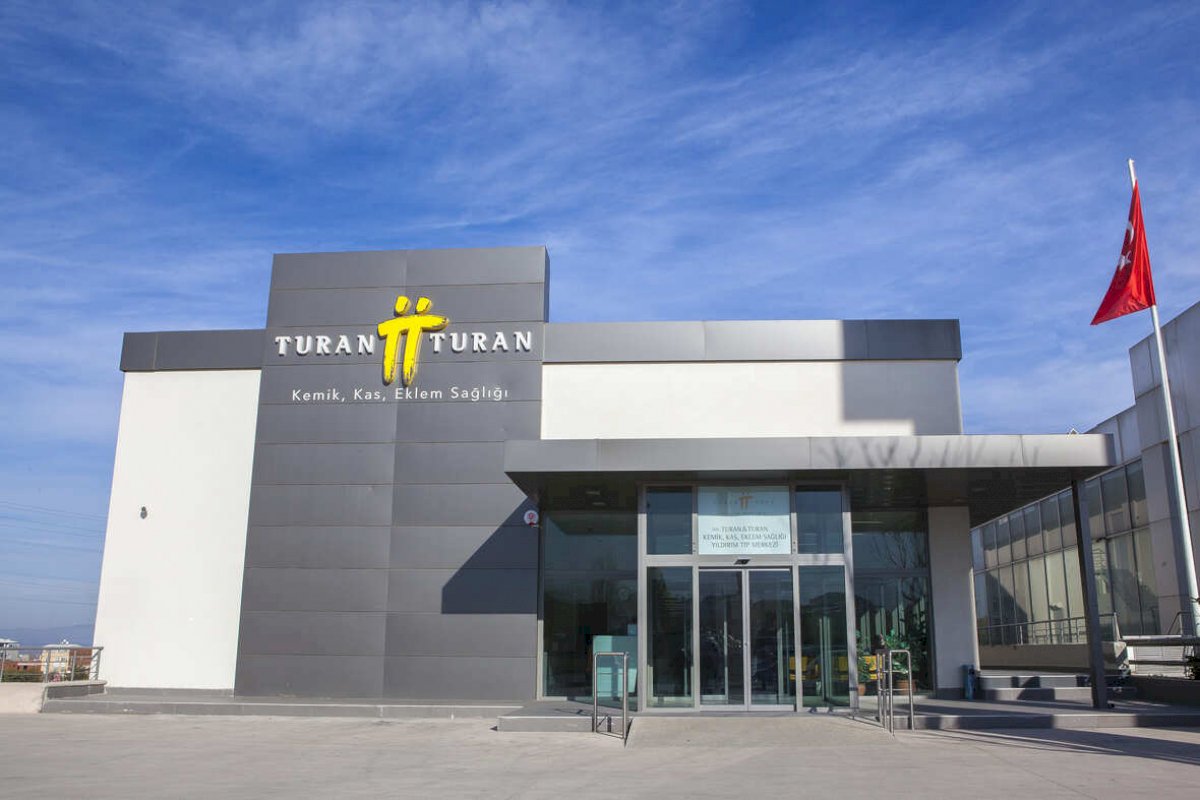
Turan Turan Health Group



Dr. MED Clinic
احصل على تقييم طبي لـ في تركيا. استشر الآن 42 أطباء ذوي الخبرة.
عرض جميع الأطباء
Murat Yaman
الدكتور مراد يمان هو جراح تجميل وتجميل متمرس. وهو معروف بخبرته في جراحات شد البطن واستخدام التقنيات الجراحية المتقدمة لتحقيق أفضل النتائج. وقد أجرى عدداً مذهلاً من العمليات الجراحية المختلفة، بما في ذلك أكثر من 1500 عملية تجميل للأنف وتكبير للثدي، و500 عملية شد للوجه، و1,000 عملية شد للوجه، وحوالي 1,000 عملية شفط دهون باستخدام تقنية VASER lipo.
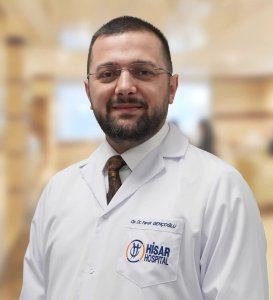
Faruk Gencoglu
شارك الدكتور فاروق جينك أوغلو في حوالي 3000 حالة قلب وأوعية دموية في مستشفى هيسار إنتركونتيننتال. وهو متخصص في أمراض الشرايين التاجية لدى البالغين وجراحات صمامات القلب المعقدة. شغل الدكتور جينك أوغلو سابقاً منصب رئيس قسم جراحة القلب المفتوح في مستشفى باتمان التعليمي. وهو يمارس عمله في منشأة معتمدة من اللجنة الدولية المشتركة (JCI) في إسطنبول، والتي تشتهر بمعايير السلامة العالية.
- يقوم بإجراء عمليات استبدال وإصلاح صمامات الأبهر والتاجي وثلاثي الشرفات.
- يعالج أمراض الأوعية الدمو

Ibrahim Aliosmanoglu
أجرى البروفيسور أليوسمان أوغلو أكثر من 2000 عملية جراحية في الكبد والقنوات الصفراوية بنسبة نجاح 95%، وأكثر من 1000 عملية زراعة كبد في مستشفى ميديكال بارك أنطاليا.
- جراح عام معتمد بخبرة 23 سنة
- رئيس سابق لوحدة زراعة الكبد والكلى والبنكرياس في جامعة أكدينيز
- متخصص في حالات الزراعة المعقدة وإجراءات الكبد والقنوات الصفراوية المتقدمة
- باحث منشور في مجال حماية الكبد والتقنيات الجراحية

Halil Alis
الدكتور خليل أليس هو جراح جهاز هضمي والمدير الطبي في مستشفى VM Medical Park Florya. وهو مدرب في الجراحة الروبوتية باستخدام نظام دافنشي (Da Vinci). يعالج الدكتور أليس السمنة، وأمراض القولون والمستقيم، وأمراض الجهاز الهضمي المعقدة. وقد ألف أكثر من 70 ورقة علمية في مجلات طبية دولية.
- عضو نشط في SAGES وEAES وIASGO وISSO وIFSO.
- يجري عمليات تكميم وتحويل مسار المعدة الروبوتية باستخدام نظام دافنشي.
- يقدم إجراءات تنظيرية تشخيصية وعلاجية مثل ERCP وEUS.
- شغل منصب مدير في
مشاركة المحتوى
قصص فيديو من مرضى Bookimed
 Anna Leonova
أسئلة متكررة حول علاج ركود لمفي في تركيا
هل الوذمة اللمفية قابلة للشفاء، أم يتم تدبيرها فقط بالعلاج؟
الوذمة اللمفية هي حالة مزمنة لا يوجد لها علاج نهائي. يركز التدبير على العلاج مدى الحياة لتقليل التورم ومنع العدوى. ومع ذلك، يمكن للجراحات المجهرية المتخصصة استعادة التصريف وربما عكس الأعراض في الحالات المبكرة. يتضمن العلاج عادةً العلاج الاحتقاني الكامل والضغط.
- العلاج القياسي: يشمل العلاج الاحتقاني الكامل التصريف اليدوي والضغط.
- الخيارات الجراحية: يربط مجازة اللمف الوريدي الأوعية اللمفاوية مباشرة بالأوردة.
- الجراحة المجهرية المتقدمة: تقوم عملية نقل العقد اللمفاوية بزراعة عقد سليمة في المناطق المتضررة.
- التمارين العلاجية: تعمل حركات عضلية محددة كمضخات لتشجيع التصريف.
رؤية خبير Bookimed: تجمع عيادات مثل مركز الأناضول الطبي بين الخبرة في الأورام وإعادة البناء المتخصصة للوقاية الفعالة من الوذمة اللمفية. تظهر بياناتنا أن المرافق الحاصلة على اعتماد اللجنة الدولية المشتركة (JCI) غالبًا ما توفر النتائج الأكثر استقرارًا على المدى الطويل. يتطلب التدبير الناجح عادةً 2-3 ليالٍ من المراقبة في المستشفى بعد التدخل الجراحي.
إجماع المرضى: يشير المرضى إلى أن العثور على معالج معتمد لا يقل أهمية عن الجراحة نفسها. يؤكد الكثيرون أن الحفاظ على نظافة الجلد باستمرار هو أفضل طريقة لتجنب الالتهابات المؤلمة مثل التهاب النسيج الخلوي.
ما هي التقنيات الجراحية المجهرية المتقدمة المقدمة في تركيا لعلاج الركود اللمفاوي؟
تقدم المراكز التركية المعتمدة من قبل اللجنة الدولية المشتركة (JCI) تقنيات جراحية مجهرية متقدمة لعلاج الركود اللمفاوي، بما في ذلك مفاغرة الأوعية اللمفاوية الوريدية (LVA) ونقل العقد اللمفاوية الموعاة (VLNT). تتضمن إجراءات الجراحة المجهرية الفائقة هذه أوعية يقل قطرها عن 0.8 مم. تستخدم المستشفيات المتخصصة مثل ميموريال بهجيلي إيفلر ومركز الأناضول الطبي هذه الأساليب لاستعادة التصريف اللمفاوي الوظيفي.
- مفاغرة الأوعية اللمفاوية الوريدية: إنشاء قنوات تحويلية تربط الأوعية اللمفاوية بالأوردة.
- نقل العقد اللمفاوية: زراعة عقد لمفاوية سليمة لاستعادة مسارات التصريف.
- تكنولوجيا التصوير: يستخدم مركز الأناضول الطبي تصوير اللمف بالومضان (lymphoscintigraphy) لرسم خرائط دقيقة للنظام.
- الاعتماد السريري: تحتفظ معظم المرافق التركية رفيعة المستوى بشهادة اللجنة الدولية المشتركة.
رؤية خبير Bookimed: يتميز مركز الأناضول الطبي في علاج الركود اللمفاوي بسبب ارتباطه الرسمي بطب جونز هوبكنز. بينما تركز العديد من العيادات على الجراحة التجميلية العامة، يدمج هذا المركز تصوير اللمف بالومضان المتخصص لرسم خرائط الجهاز اللمفاوي قبل بدء الجراحة. هذا النهج القائم على البيانات ضروري للنجاح في الجراحة المجهرية الفائقة حيث تتطلب الدقة على مستوى دون المليمتر.
إجماع المرضى: يشير المرضى إلى أنه من المهم التحقق من حجم عمليات الجراح المحددة في إعادة البناء اللمفاوي مقابل التجميل العام. ويوصون بالتحقق مما إذا كانت المنشأة تقدم كلاً من الإصلاح الجراحي المجهري ودعم العل
كم من الوقت يجب أن أتوقع البقاء في تركيا لعلاج الوذمة اللمفية بالكامل؟
خطط للبقاء في تركيا لمدة تتراوح بين أسبوع إلى 4 أسابيع لعلاج الوذمة اللمفية. تعتمد الجداول الزمنية الدقيقة بشكل كبير على ما إذا كنت تختار العلاج التحفظي أو الجراحة المجهرية. تتطلب الحالات الجراحية عادةً من 10 إلى 14 يومًا. غالبًا ما تستمر البرامج غير الجراحية المكثفة من 3 إلى 4 أسابيع لإكمال جميع الجلسات.
- الإطار الزمني للعلاج: يتطلب العلاج التحفظي من 15 إلى 20 جلسة يومية على مدار 3 أسابيع.
- الإقامة الجراحية: خطط لما مجموعه 10 إلى 14 يومًا للجراحة المجهرية أو جراحة إزالة الأنسجة.
- فترة الاستشفاء: يقضي معظم المرضى الجراحيين من 2 إلى 5 أيام في المستشفى.
- المتابعة بعد العملية: يقوم الجراحون عادةً بإزالة الغرز وإجراء الفحوصات النهائية بعد 7 إلى 10 أيام من العملية.
رؤية خبير Bookimed: غالبًا ما يتجاهل المرضى الفجوة بين الخروج من المستشفى ورحلة العودة إلى الوطن. تظهر البيانات أنه على الرغم من أن الإجراءات الجراحية مثل تلك التي يتم إجراؤها في مستشفى ميموريال شيشلي تستغرق بضعة أيام فقط، فإن فترة التعافي الأكثر أمانًا هي 10 أيام لتجنب مخاطر الطيران. بالنسبة للحالات المعقدة التي تتضمن نقل العقد اللمفاوية، فإن البقاء لمدة 14 يومًا يضمن إزالة المصارف من قبل الفريق الجراحي الرئيسي قبل المغادرة.
إجماع المرضى: يشير المرضى إلى أن 10 أيام هي الحد الأدنى المطلق للجراحة للسماح بفحوصات المتابعة. يوصي الكثيرون بترتيب العلاج الطبيعي المحلي في المنزل مباشرة بعد الرحلة للحفاظ على النتائج.
ما هي التخصصات التي تشكل الفريق متعدد التخصصات لعلاج الركود اللمفاوي في المستشفيات التركية؟
تدمج فرق الركود اللمفاوي متعددة التخصصات في تركيا جراحي الأوعية الدموية، وأخصائيي العلاج الطبيعي، وأطباء الأورام لإدارة الاضطرابات اللمفاوية. يتعاون هؤلاء المتخصصون داخل مرافق معتمدة من قبل JCI لتقديم تدخلات جراحية مجهرية وعلاج إزالة الاحتقان المعقد. يضمن هذا النهج الشامل رعاية كاملة للمرضى الذين يعانون من الوذمة اللمفية الأولية أو الثانوية.
- جراحو الأوعية الدموية: يجرون جراحات مجهرية متقدمة مثل مفاغرة الأوعية اللمفاوية الوريدية ونقل العقد اللمفاوية.
- أخصائيو إعادة التأهيل: يديرون علاج إزالة الاحتقان المعقد، بما في ذلك التصريف اليدوي والضمادات الضاغطة.
- فرق الأورام: ينسقون الرعاية للمرضى الذين يصابون بالوذمة اللمفية بعد جراحة السرطان أو العلاج الإشعاعي.
- أطباء الجلدية: يراقبون صحة الجلد ويمنعون الالتهابات في الأطراف المصابة.
رؤية خبير Bookimed: تخدم المراكز التركية الرائدة مثل مركز الأناضول الطبي ومستشفى ميموريال شيشلي ما يصل إلى 65,000 مريض سنويًا. تظهر بياناتنا أن هذه المستشفيات غالبًا ما تضم وحدات الأورام والعلاج الطبيعي في مبنى واحد. هذا القرب يسرع الانتقال من جراحة السرطان إلى الوقاية من الوذمة اللمفية.
إجماع المرضى: يقدر المرضى كيفية تعامل الفرق مع كل شيء بدءًا من الجراحة وحتى تركيب أكمام الضغط. يشعر الكثيرون بالارتياح عندما يناقش الجراحون والمعالجون الخطة طويلة المدى معًا.