علاج الورم اللمفي في تركيا: 27 مستشفيات


تمت مراجعة المقالة طبيا من قبل
فهد مولود
كيف نعمل؟
ما هي تكلفة الورم اللمفي إجراءات التشخيص والعلاج في تركيا؟ اعرف الآن
تشمل تكلفة علاج الورم اللمفاوي في تركيا عدة إجراءات وتقييمات. يتم تسعير الاستشارة مع أخصائي الأورام أو أخصائي الأشعة بمبلغ $110. وتكلفة الخزعة تحت التخدير العام هي $2,400، والجراحة اللاحقة لإزالة الورم، بما في ذلك الإقامة في المستشفى، هي $21,000. يتم وضع خطة العلاج النهائية بعد تقييمات شاملة من قبل المتخصصين.
اكتشف أفضل الورم اللمفي العيادات في تركيا: 27 خيارات معتمدة والأسعار
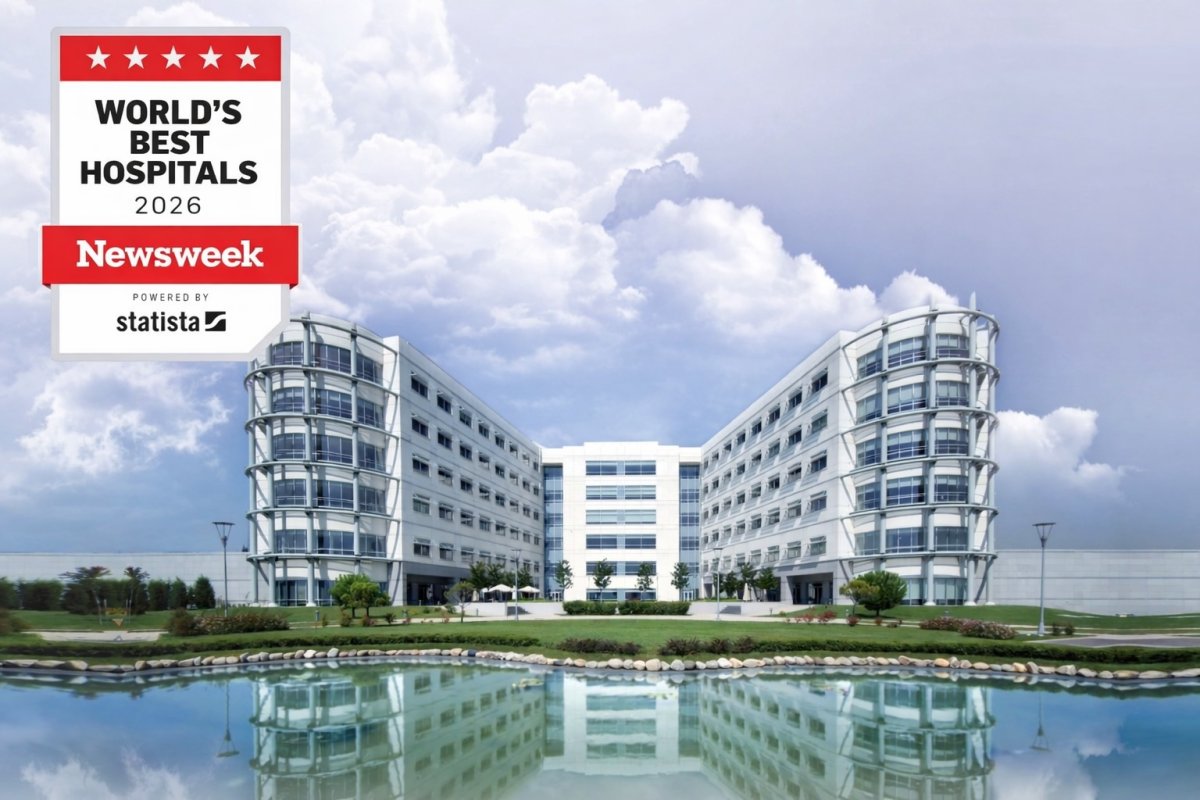








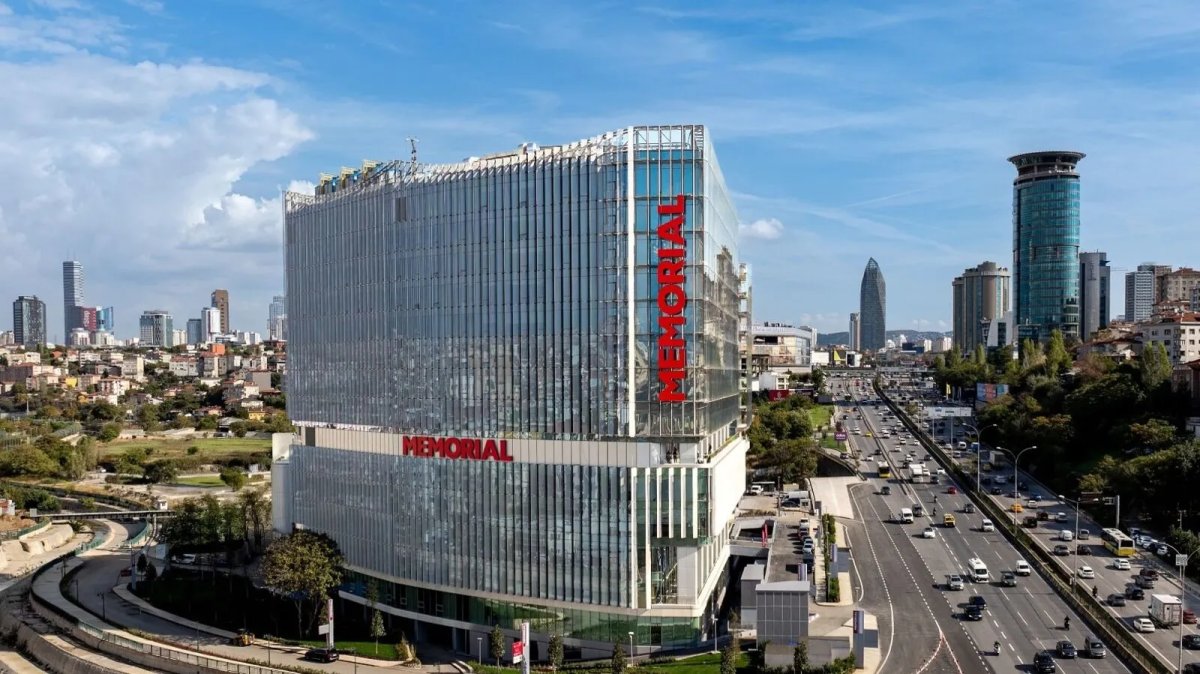
Memorial Göztepe Hospital


Memorial Ankara Hospital


احصل على تقييم طبي لـ في تركيا. استشر الآن 26 أطباء ذوي الخبرة.
عرض جميع الأطباء
Bulent Karagoz
الطبيب هو أخصائي أورام طبية تركي ذو خبرة عالية متخصص في الساركوما، الليمفوما، سرطان البنكرياس، سرطان الرئة، وسرطان الثدي. مع أكثر من 20 عامًا من الخبرة، يركز الطبيب على بيولوجيا الأورام، علم المناعة للأورام، العلاج المناعي للسرطان، والعلاجات المستهدفة. منذ عام 2019، يعمل الطبيب كأخصائي أورام طبية في مركز الأناضول الطبي وكان قد شغل سابقًا مناصب قيادية في كلية الطب بجامعة إسطنبول أوكان ومستشفى التدريب غاتا حيدر باشا. قام الطبيب بتأليف أكثر من 40 منشورًا في أبحاث السرطان وهو عضو في جمعية الأورام
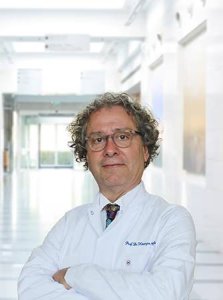
Huseyin Baloglu
البروفيسور حسين بال أوغلو اختصاصي علم الأمراض في مركز الأناضول الطبي بغبزه، كوجالي، تركيا. يركز على علم الأمراض الجزيئي، وعلم الأمراض الجراحي، وخزعات الأورام والتشخيص.
التعليم والاعتمادات: دكتوراه في الطب، كلية طب غاتا (1986). تدريب تخصصي في علم الأمراض، غاتا (1992). أستاذ مشارك (Doçent)، غاتا (2004). باحث زائر في كلية طب ألبرت آينشتاين (نيويورك) وجامعة هايدلبرغ.
الإنجازات: مؤلف لأكثر من 600 منشور مُحكَّم. يحمل براءة اختراع في التشخيص الجزيئي لسرطان الغدة الدرقية. يقود خدمات الخ

البروفيسور سيزر ساغلام
يتخصص البروفيسور سيزر ساغلام في علاج الورم اللمفاوي، حيث يجلب 27 سنة من الخبرة في علم الأورام إلى مستشفى غايريتيب فلورنس نايتنجيل.
- أستاذ منذ عام 2016 مع التركيز على طب الأورام
- تدرب في معهد الأورام الشهير بجامعة إسطنبول
- عضو في ESMO و ASCO والجمعية الأوروبية لأورام الغدد الصماء العصبية
- طبيب معالج سابق في طب أورام الجهاز الهضمي
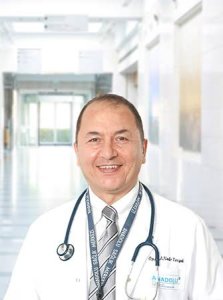
Ahmet Nadir Tosyali
تخرج الطبيب من كلية الطب بجامعة ديكل في عام 1984 وأكمل تدريب التخصص في جراحة الأطفال في نفس المؤسسة في عام 1994. مع التركيز على جراحة حديثي الولادة، وجراحة المسالك البولية للأطفال، والجراحة الأورام، وأكثر من ذلك، يحمل الطبيب شهادة تأهيل جراحة الأطفال التركية منذ عام 2002.<\/p>
بعد أن شارك في العديد من الدورات المتخصصة، بما في ذلك التشوهات الشرجية المستقيمية وإصلاحها والدورات الدولية حول الإحليل التحتي، يعد الطبيب عضوًا في العديد من الجمعيات المهنية مثل الجمعية التركية لجراحة الأطف
المراجعات
جميع المراجعاتمشاركة المحتوى
قصص فيديو من مرضى Bookimed
 Anna Leonova
أسئلة متكررة حول علاج الورم اللمفي في تركيا
ما هو الورم اللمفاوي (Lymphangioma) بالضبط، وهل هو نوع من أنواع السرطان؟
الورم اللمفاوي هو كتلة غير سرطانية (حميدة) مكونة من أكياس مملوءة بالسوائل. وينتج عن نمو غير طبيعي للأوعية اللمفاوية. على الرغم من أن الاسم ينتهي بـ -oma، إلا أنه ليس سرطانًا ولا ينتشر. تظهر هذه الأورام الخلقية عادة في منطقة الرأس أو الرقبة.
- الحالة السرطانية: تُصنف الأورام اللمفاوية طبيًا على أنها تشوهات حميدة، وليست أورامًا خبيثة.
- السبب الرئيسي: معظم الحالات خلقية، تظهر عند الولادة أو قبل سن الثانية.
- أنواع الحجم: يتم تصنيف الأكياس إلى مجهرية (microcystic) أو كبيرة (macrocystic) بناءً على أبعادها.
- محفزات الأعراض: تنشأ المضاعفات إذا ضغطت الكتل على مجرى الهواء أو عضلات البلع.
رؤية خبير Bookimed: غالبًا ما تتماشى مؤشرات جودة رعاية الأورام اللمفاوية مع البنية التحتية لعلم الأورام. يحمل كل من مركز الأناضول الطبي (Anadolu Medical Center) ومستشفى ميموريال شيشلي (Memorial Sisli) اعتماد اللجنة الدولية المشتركة (JCI). تدمج هذه المرافق أخصائيي طب الأطفال والتصوير المتقدم، وهو أمر حيوي لرسم خرائط الشبكات اللمفاوية المعقدة. تقدم العيادات ذات الحجم الكبير من المرضى، مثل مستشفى هيسار الذي يخدم 250 ألف شخص سنويًا، عادةً عمليات تشخيصية أكثر دقة.
إجماع المرضى: يشير المرضى إلى أهمية توضيح ما إذا كانت الإزالة الكاملة للورم واقعية. وغالبًا ما يؤكدون أن التفسيرات التفصيلية للمخاطر أكثر فائدة من الاستشارات المتخصصة المختصرة.
هل يمكن أن يعود الورم اللمفاوي (Lymphangioma) بعد علاجه؟
يمكن أن يعود الورم اللمفاوي بعد العلاج، حيث تشير الدراسات إلى حدوث تكرار في أكثر من 30% من الحالات. غالباً ما تتشابك هذه التشوهات مع الأنسجة العميقة، مما يجعل الإزالة الكاملة أمراً صعباً. إذا بقيت خلايا مجهرية بعد الجراحة أو المعالجة بالتصليب (sclerotherapy)، فقد تنمو الآفة مرة أخرى. عادة ما يكون للأكياس القريبة من سطح الجلد معدلات تكرار أقل.
- خطر التكرار: تشير الأبحاث إلى معدل تكرار يتجاوز 30% بعد العلاج الأولي.
- التعقيد الجراحي: تؤدي التوغلات النسيجية العميقة بالقرب من الأعصاب أو العضلات إلى تعقيد إزالة الخلايا بنسبة 100%.
- قيود المعالجة بالتصليب: قد تتوسع الآفات مرة أخرى بمرور الوقت، وغالباً ما تتطلب جلسات متعددة.
- احتياجات المراقبة: غالباً ما يدير الأطباء الأورام اللمفاوية كحالات مزمنة تتطلب فحوصات متابعة طويلة الأمد.
رؤية خبير Bookimed: تسلط البيانات الواردة من المراكز ذات الحجم الكبير مثل مستشفى جامعة ميديبول ميجا (Medipol Mega University Hospital)، التي تخدم أكثر من 1,200 مريض يومياً، الضوء على أهمية الرعاية متعددة التخصصات. تتطلب إدارة التكرار بفعالية تصويراً متقدماً مثل الأشعة المقطعية بـ 512 شريحة أو التصوير بالرنين المغناطيسي المدعوم بالذكاء الاصطناعي الموجود في Memorial Göztepe لرسم خرائط دقيقة قبل الإجراءات المتكررة.
إجماع المرضى: يلاحظ المرضى أن النمو مرة أخرى قد يظهر بعد سنوات، وليس فوراً. يؤكدون على اختيار فرق التدخل الجراحي التركية ذات الخبرة الخاصة في التشوهات الوعائية لضمان إجراء العلاج الأولي الأك
هل الجراحة هي الطريقة الوحيدة لعلاج الورم اللمفي الوعائي (Lymphangioma)؟
الجراحة ليست العلاج الوحيد للورم اللمفي الوعائي. بينما يستخدم الأطباء الاستئصال لإزالة الآفات، فإن الطرق البديلة مثل العلاج بالتصليب والعلاج بالليزر شائعة. يحصل المرضى في تركيا على رعاية متعددة التخصصات في مراكز معتمدة من اللجنة الدولية المشتركة (JCI). تختار فرق الأخصائيين العلاجات بناءً على حجم الآفة وموقعها.
- العلاج بالتصليب: يحقن الأخصائيون محاليل مثل الدوكسيسيكلين لتقليص الآفات الكيسية الكبيرة بفعالية.
- العلاج بالليزر: تعالج ليزرات ثاني أكسيد الكربون التشوهات السطحية أو الآفات الموجودة على الأغشية المخاطية.
- الأدوية المستهدفة: تساعد أدوية مثل سيروليموس في التحكم في النمو في الحالات المعقدة أو المتغلغلة.
- المراقبة اليقظة: قد يوصي الأطباء بالملاحظة إذا كان الورم اللمفي الوعائي صغيرًا ولا تظهر عليه أعراض.
رؤية خبير Bookimed: بينما يعالج العديد من الجراحين العامين الأكياس البسيطة، تستخدم المراكز التركية ذات الكثافة العالية مثل مستشفى جامعة ميديبول ميجا مجالس أورام متعددة التخصصات. تضم هذه المجالس جراحي تجميل وأطباء أشعة تداخلية لإدارة الآفات في المناطق عالية الخطورة. هذا النهج التعاوني حيوي لأن الأورام اللمفية الوعائية المعقدة غالبًا ما تتسلل إلى الأنسجة المحيطة في الرقبة أو الفم.
إجماع المرضى: يؤكد المرضى على أهمية العثور على أخصائيين لديهم خبرة في التشوهات الوعائية بدلاً من الممارسين العامين. ويشيرون إلى أن التعافي يختلف. يجد الكثيرون أن العلاج بالتصليب هو نقطة بداية مفضلة وأقل توغلاً قبل التفكير في الجراحة.
ما هو الورم الرطب الكيسي (Cystic Hygroma) وهل يتم علاجه بشكل مختلف؟
الورم الرطب الكيسي هو كيس حميد مليء بالسائل ناتج عن انسداد الجهاز اللمفاوي أثناء التطور الجنيني. عادة ما تظهر هذه الأورام الخلقية في الرقبة أو الرأس. يختلف العلاج بناءً على الحجم والموقع وشدة الأعراض مثل صعوبات التنفس.
- اختيار العلاج: يوصي الأطباء بالملاحظة أو العلاج بالتصليب أو الجراحة بناءً على نوع الآفة.
- العلاج بالتصليب: يقوم الأخصائيون بحقن دواء لتقليص الأكياس المليئة بالسائل دون استخدام جراحة غازية.
- الاستئصال الجراحي: يعطي الجراحون الأولوية للإزالة الكاملة للآفات الكبيرة أو العرضية أو محددة المعالم.
- جودة العيادة: تحافظ المراكز التركية الكبرى مثل مركز أناضولو الطبي على اعتماد اللجنة الدولية المشتركة (JCI).
رؤية خبير Bookimed: تستفيد المستشفيات التركية مثل ميموريال شيشلي وأناضولو من فرق متعددة التخصصات لهذه الحالات. نظرًا لأن الأورام الرطبة الكيسية غالبًا ما تشمل الأعصاب، تستخدم المراكز الرائدة التصوير بالرنين المغناطيسي بقوة 3 تسلا والتصوير المقطعي بالإصدار البوزيتروني الرقمي (PET/CT) لرسم خرائط دقيقة. تساعد هذه التقنية الجراحين على تجنب الهياكل الحيوية أثناء إجراءات الرقبة المعقدة.
إجماع المرضى: يشير المرضى إلى أن هذه الآفات يمكن أن تنمو فجأة بعد عدوى أو إصابة. ويؤكدون على أهمية مراجعة أخصائي يفهم الفرق بين الأنواع كبيرة الكيسات وصغيرة الكيسات قبل اختيار الجراحة.
ما الذي يجب علي فعله إذا أصيب طفلي بالورم اللمفي الوعائي (Lymphangioma)؟
راقب طفلك عن كثب بحثًا عن أي تورم سريع أو تكسر في الجلد أو حمى بعد إصابة الورم اللمفي الوعائي. ضع كمادة باردة بلطف وأرح المنطقة المصابة. اطلب الرعاية الطبية العاجلة إذا حدثت الإصابة بالقرب من الرقبة أو الوجه لمنع حدوث مشاكل في مجرى الهواء. قد يستخدم الجراحون الموجات فوق الصوتية للتحقق من وجود نزيف داخلي.
- علامات العدوى: راقب زيادة الاحمرار، أو الحرارة، أو الألم، أو الحمى التي تزيد عن 38 درجة مئوية.
- سلامة مجرى الهواء: اطلب المساعدة الفورية إذا كان تورم الوجه أو الرقبة يؤثر على التنفس أو البلع.
- رعاية الإجراءات: قد يوصي الأطباء بالمضادات الحيوية للعدوى أو العلاج بالتصليب في حالة التضخم المفاجئ.
- الحماية الجسدية: تجنب تدليك أو ضغط المنطقة المصابة لأن التلاعب بها قد يؤدي إلى تفاقم التورم الداخلي.
رؤية خبير Bookimed: يتعامل مستشفى جامعة ميديبول ميجا (Medipol Mega) مع أكثر من 1,000,000 مريض سنويًا وحصل على جائزة Bookimed لأورام الأطفال واضطرابات الدم. تسمح بنيتهم التحتية الكبيرة بالتنسيق السريع بين أطباء الأشعة وجراحي التجميل. هذا النهج متعدد التخصصات حيوي لإدارة التشوهات الوعائية المعقدة بعد إصابة صادمة.
إجماع المرضى: يشير المرضى إلى أنه من الضروري الحصول على تشخيص واضح وخطة علاج جاهزة قبل حدوث أي أزمة. يؤكد الكثيرون أن التواصل السريع مع موظفي العيادة يساعد في إدارة التوتر الناتج عن التغيرات المفاجئة.
كم ستستغرق فترة العلاج؟
يتطلب علاج الورم اللمفاوي في تركيا عادةً من أسبوع إلى أسبوعين للتدخلات الجراحية أو عدة جلسات خارجية للعلاج بالتصليب. تعتمد المدة على حجم وموقع الآفة. عادةً ما يبقى المرضى الخاضعون للجراحة في إسطنبول لمدة 7 إلى 10 أيام لمراقبة التعافي وإدارة التورم الأولي.
- مدة الجراحة: تستغرق الإزالة الجراحية عمومًا من ساعتين إلى 5 ساعات اعتمادًا على التعقيد.
- الإقامة في المستشفى: يبقى معظم المرضى في المستشفى لمدة ليلة إلى 3 ليالٍ بعد الجراحة.
- جلسات العلاج بالتصليب: غالبًا ما تتطلب الآفات الكبيرة من 2 إلى 4 جلسات تفصل بينها أسابيع.
- فترة التعافي: يستغرق الشفاء التام وتراجع التورم عادةً من 3 إلى 6 أسابيع.
رؤية خبير Bookimed: بينما يتوقع الكثيرون إجراءً واحدًا، تظهر البيانات من العيادات الرائدة مثل مستشفى جامعة ميديبول ميجا أن الحالات المعقدة غالبًا ما تتضمن فرقًا متعددة التخصصات. تخدم هذه العيادة أكثر من 1,000,000 مريض سنويًا وتستخدم تقنية الأشعة المقطعية ذات الـ 512 شريحة لرسم خرائط دقيقة. وغالبًا ما تقوم مراكز ذات معدل مراجعة مرتفع مثل هذه بجدولة التصوير التشخيصي الأولي والجراحة في غضون 48 ساعة لتقليل وقت السفر.
إجماع المرضى: يشير المرضى إلى أن الرعاية غالبًا ما تكون عملية متعددة الخطوات بدلاً من كونها حلًا لمرة واحدة. ويؤكدون أن التعافي قد يستغرق أسابيع، ويسلطون الضوء على الحاجة إلى تواصل سريع بين الأطباء والمترجمين.