علاج ورم وعائي الكبد في تركيا: 36 مستشفيات


تمت مراجعة المقالة طبيا من قبل
فهد مولود
كيف نعمل؟
ما هي تكلفة ورم وعائي الكبد إجراءات التشخيص والعلاج في تركيا؟ اعرف الآن
تختلف تكلفة علاج الورم الوعائي الكبدي في تركيا حسب الإجراءات المطلوبة. يتم تسعير خزعة الكبد وجراحة استئصال الكبد الجزئي بمبلغ 17,000 دولار. يتم تقديم الانصمام الورم الوعائي الكبدي باستخدام الطرق التصويرية بمبلغ 9,000 دولار، ويشمل ذلك رسوم الطبيب، وتكاليف غرفة العمليات، والإقامة في المستشفى. يتم وضع خطة العلاج النهائية بعد التشخيص الشامل وتقييم حالة المريض.
اكتشف أفضل ورم وعائي الكبد العيادات في تركيا: 36 خيارات معتمدة والأسعار





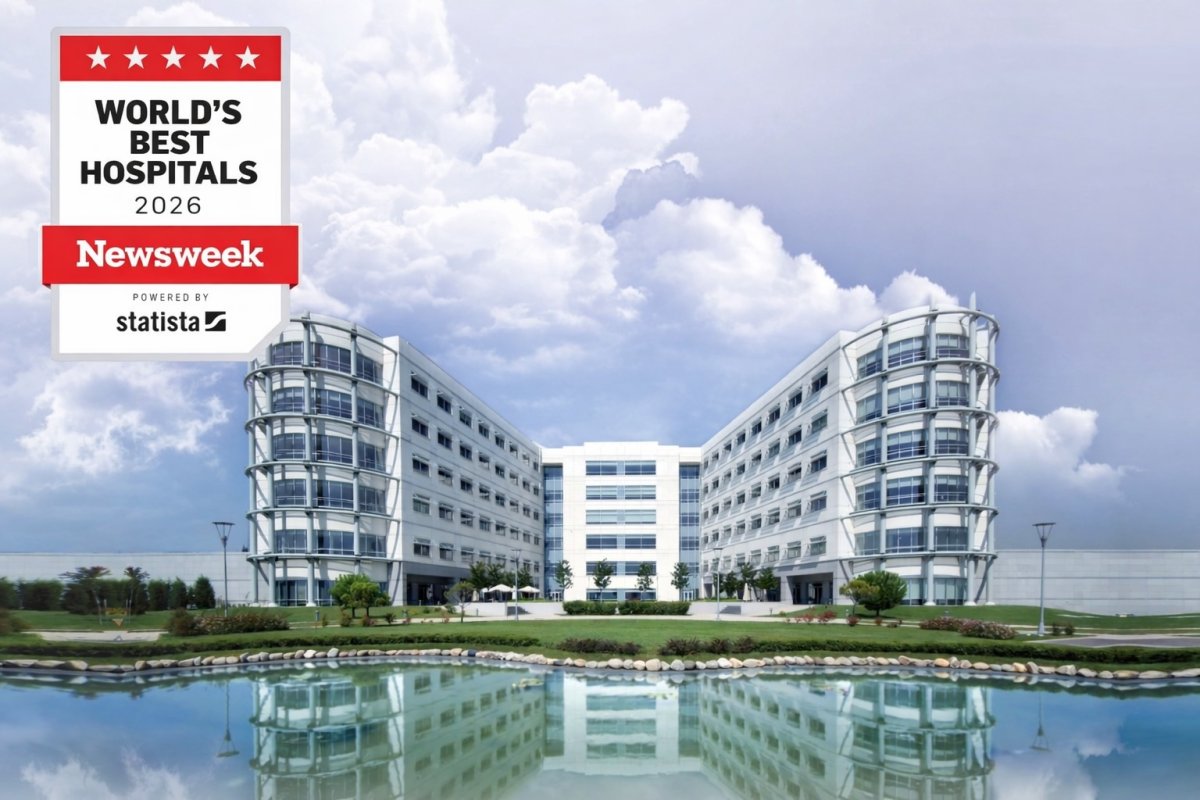




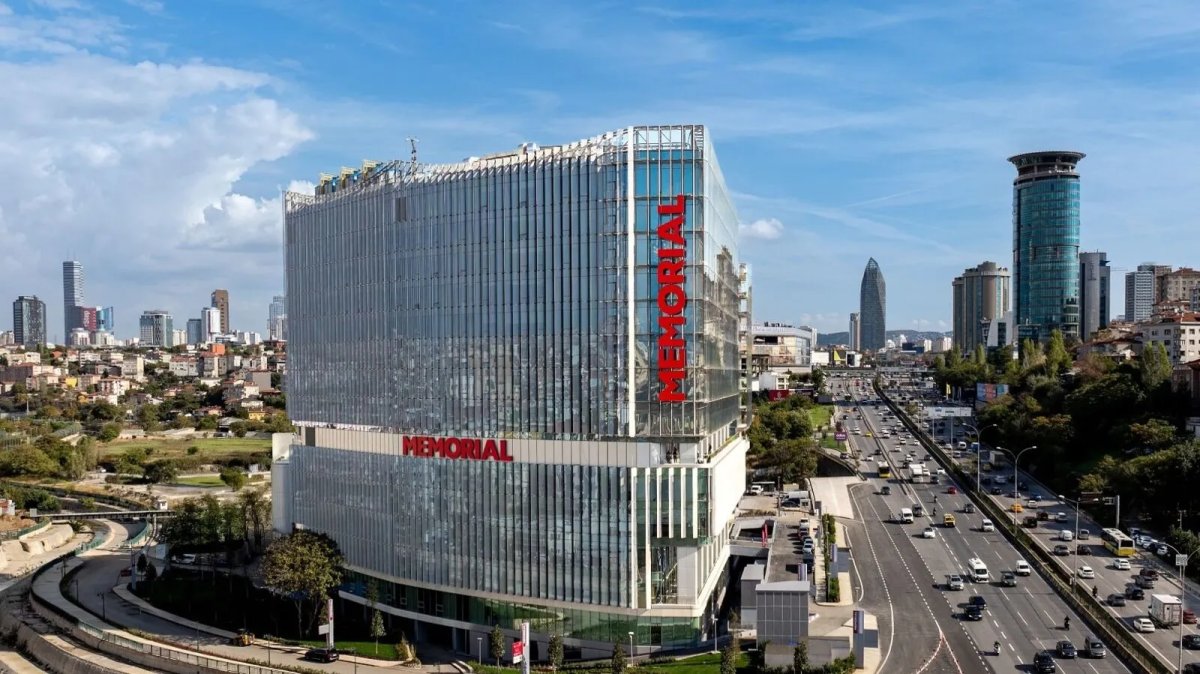
Memorial Göztepe Hospital

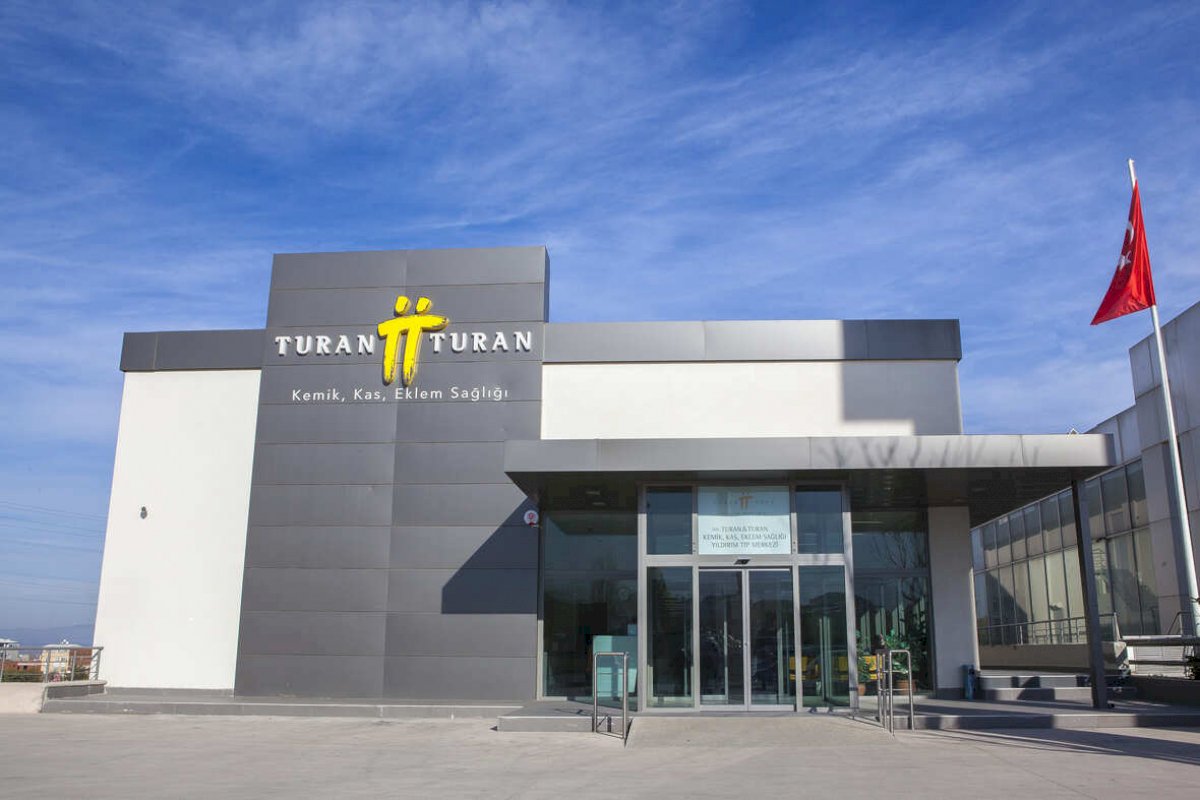
Turan Turan Health Group

احصل على تقييم طبي لـ في تركيا. استشر الآن 53 أطباء ذوي الخبرة.
عرض جميع الأطباء
Sedat Karademir
الدكتور سيدات كارادمير جرّاح عام يركّز على جراحة الكبد والبنكرياس والقنوات الصفراوية (HPB) وزراعة الكبد. منذ عام 2024 يعمل اختصاصي جراحة عامة ومنسّق القسم في مستشفى مركز الأناضول الطبي. وقد ترأّس سابقًا زراعة الأعضاء وجراحة HPB في مستشفى أنقرة غوفن.
تخرّج في كلية الطب بجامعة إيجه (1979–1985). أتمّ الإقامة في مستشفى إزمير أتاتورك للتدريب والبحوث (1988–1993). تلقّى تدريبًا في زراعة الأعضاء كزميل سريري في راش-بريسبتيريان–سانت لوك في شيكاغو (1994–1997). كما عمل باحثًا مع برنامج زراعة الكبد

Samet Yardimci
يتخصص البروفيسور الدكتور ساميت يارديمجي في جراحة الجهاز الهضمي مع تدريب متقدم في مركز إم دي أندرسون للسرطان ومستشفيات ميموريال هيرمان.
- تدرب على جراحة السرطان وزراعة الأعضاء في الولايات المتحدة
- أصغر جراح جهاز هضمي في تركيا عند تعيينه
- أسس وحدات متقدمة للجراحة بالمنظار وزراعة الأعضاء

Ibrahim Aliosmanoglu
أجرى أكثر من 2000 جراحة كبدية صفراوية بنسبة نجاح 95% و1000 عملية زراعة كبد بنسبة نجاح 90% – يقود الدكتور أليوسمان أوغلو وحدة زراعة الأعضاء في ميديكال بارك أنطاليا.
- متخصص في جراحات الكبد المعقدة وعمليات الزراعة
- أستاذ جامعي لديه أبحاث أكاديمية وسريرية واسعة في جراحة الكبد والقنوات الصفراوية
- أدار وحدات زراعة الأعضاء في مستشفيات جامعية كبرى
- نشر العديد من المشاريع البحثية حول صحة الكبد والبنكرياس

Halil Alis
الدكتور خليل أليس هو جراح جهاز هضمي والمدير الطبي في مستشفى VM Medical Park Florya. وهو مدرب في الجراحة الروبوتية باستخدام نظام دافنشي (Da Vinci). يعالج الدكتور أليس السمنة، وأمراض القولون والمستقيم، وأمراض الجهاز الهضمي المعقدة. وقد ألف أكثر من 70 ورقة علمية في مجلات طبية دولية.
- عضو نشط في SAGES وEAES وIASGO وISSO وIFSO.
- يجري عمليات تكميم وتحويل مسار المعدة الروبوتية باستخدام نظام دافنشي.
- يقدم إجراءات تنظيرية تشخيصية وعلاجية مثل ERCP وEUS.
- شغل منصب مدير في
مشاركة المحتوى
قصص فيديو من مرضى Bookimed
 Anna Leonova
أسئلة متكررة حول علاج ورم وعائي الكبد في تركيا
هل تتطلب جميع الأورام الوعائية الكبدية علاجاً في تركيا؟
لا تتطلب الأورام الوعائية الكبدية الصغيرة والمستقرة علاجاً في تركيا. يوصي الأخصائيون عادة بالمراقبة النشطة مع التصوير السنوي للحالات التي لا تظهر عليها أعراض. يتم حجز التدخل الطبي للآفات التي يتجاوز حجمها 5 سنتيمترات أو الحالات التي تسبب آلاماً في البطن. يركز الإدارة على الحفاظ على أنسجة الكبد السليمة من خلال المراقبة الدقيقة.
- إدارة الأعراض: لا يُشار بالعلاج إلا عندما تسبب الآفات الكبيرة ألماً مستمراً.
- تقنيات متقدمة: تستخدم العيادات أنظمة دافنشي الروبوتية لاستئصال الكبد طفيف التوغل.
- إجراءات تحفظية: يسمح استئصال الأورام للجراحين بإزالة الأورام مع الحفاظ على معظم الأنسجة السليمة.
- تقييم الخبراء: يستخدم الجراحون في مركز الأناضول الطبي تصوير مقطعي محوسب بـ 512 شريحة لتشخيص دقيق.
رؤية خبراء Bookimed: يعطي كبار الأخصائيين الأتراك الأولوية لتأكيد التشخيص بدلاً من الجراحة الفورية. أجرى الدكتور كيفانش ديريا بيكر في مستشفى هيسار أكثر من 200 عملية كبد. تظهر البيانات أن الجراحين ذوي الخبرة يفضلون غالباً المراقبة لأن جراحة الكبد غير الضرورية تحمل مخاطر أكثر من الورم الوعائي المستقر. هذا يفسر سبب رفض المراكز ذات الحجم الكبير غالباً لطلبات الجراحة إذا كانت الآفة صغيرة.
إجماع المرضى: يؤكد المرضى على ضرورة التأكد من أن الآفة هي بالفعل ورم وعائي قبل الموافقة على أي إجراء. يلاحظ الكثيرون أن الحصول على رأي ثانٍ من أخصائي كبد ساعدهم في تجنب التدخلات الجراحية غير الضرورية.
متى يُوصى بعلاج ورم وعائي كبدي؟
يُوصى بعلاج الورم الوعائي الكبدي عندما يتجاوز الورم 5 سم أو يسبب أعراضاً جسدية. يتم التدخل إذا لم تتمكن الصور الشعاعية من استبعاد وجود ورم خبيث. ينصح الأطباء أيضاً بالعلاج في حالة النمو السريع، أو التمزق التلقائي، أو مضاعفات دموية نادرة مثل متلازمة كاساباخ-ميريت. تتطلب معظم الآفات الصغيرة التي لا تسبب أعراضاً المراقبة فقط.
- العتبة العرضية: الألم البطني المستمر أو ضغط الورم على الأعضاء المجاورة يؤدي إلى تقييم جراحي.
- معايير الحجم: غالباً ما تتطلب الآفات المصنفة كـ "عملاقة" تدخلاً لمنع التمزق النادر.
- وضوح التشخيص: يوصى بالجراحة إذا لم تتمكن الفحوصات من التمييز بين الورم الوعائي والأورام الخبيثة.
- معدل النمو: التضخم الملحوظ أثناء فحوصات المتابعة يغير خطة العلاج إلى التدخل النشط.
رؤية خبير Bookimed: غالباً ما تفضل الفرق الجراحية التركية، مثل تلك الموجودة في مستشفى هيسار، الأساليب ذات التدخل الجراحي المحدود. أجرى الدكتور كيفانش ديريا بيكر أكثر من 200 عملية جراحية للكبد باستخدام هذه التقنيات. تجمع المراكز ذات الكثافة العالية في تركيا بين معايير السلامة المعتمدة من JCI ووجود أخصائيين يتعاملون مع حالات الكبد والقنوات الصفراوية المعقدة يومياً.
إجماع المرضى: يشير المرضى إلى أن الأطباء يقترحون عادةً المراقبة اليقظة مع إجراء فحوصات منتظمة للآفات الصغيرة. غالباً ما يسعون للعلاج فقط عندما تؤثر أعراض مثل الانتفاخ المستمر أو الانزعاج في الجانب الأيمن على حياتهم اليومية.
ما المدة التي سأقضيها في المستشفى بعد علاج ورم وعائي كبدي؟
تستغرق الإقامة في المستشفى بعد علاج الورم الوعائي الكبدي في تركيا عادةً من يوم إلى يومين للإجراءات بالمنظار. تتطلب الجراحة المفتوحة من 5 إلى 6 أيام من الاستشفاء. قد تؤدي الحالات المعقدة التي تنطوي على آفات كبيرة إلى تمديد الإقامة إلى 14 يومًا. يستأنف معظم المرضى نشاطهم المحدود في غضون 48 ساعة.
- الإقامة طفيفة التوغل: يغادر المرضى عادةً في غضون يوم إلى يومين بعد جراحة المنظار.
- الإقامة في الجراحة المفتوحة: يتراوح متوسط الاستشفاء من 5 إلى 6 أيام للشقوق القياسية.
- معايير الخروج: يأذن الجراحون بالخروج بمجرد السيطرة على الألم وتحمل الأطعمة الصلبة.
- مرحلة المراقبة: تتبع الفرق الطبية مخرجات الصفراء والنزيف خلال الـ 24 ساعة الأولى.
رؤية خبير Bookimed: تبلغ المراكز الجراحية التركية مثل مستشفى ميموريال شيشلي عن معدلات نجاح عالية في إجراءات الكبد المعقدة. يستخدم جراحون بارزون مثل البروفيسور كيفانش ديريا بيكر تدريبًا متقدمًا في الكبد والبنكرياس والقنوات الصفراوية لتحديد أولويات التقنيات طفيفة التوغل. غالبًا ما يؤدي اختيار هذه المراكز ذات الحجم الكبير إلى أوقات تعافي أسرع وإقامة أقصر في المستشفى مقارنة بالعيادات الصغيرة.
- إجماع المرضى: غالبًا ما يتفاجأ المرضى بمدى سرعة تشجيعهم على المشي. يلاحظ معظمهم أن الغرف الخاصة الفسيحة والموظفين اليقظين يجعلون مرحلة التعافي المبكر أكثر راحة بكثير.
ما الذي يجب أن أحضره معي إلى موعدي في تركيا؟
أحضر معك جواز سفرك، والأقراص الأصلية لأشعة الرنين المغناطيسي أو الأشعة المقطعية، والتقارير الطبية. يحتاج متخصصو الكبد والقنوات الصفراوية الأتراك إلى صور كاملة لتقييم حجم الآفة وتدفق الدم. قم أيضًا بتضمين اختبارات الدم الأخيرة، وقوائم الأدوية الحالية، وإثبات تأمين السفر أو التأمين الصحي لتسجيل المستشفى.
- بيانات التصوير: أحضر أقراص الرنين المغناطيسي/الأشعة المقطعية الأصلية، وليس فقط التقارير المكتوبة لأخصائي الأشعة.
- السجلات الطبية: قم بتضمين نتائج المختبر وقوائم بجميع المكملات الغذائية أو مميعات الدم.
- الهوية: احمل جواز سفر ساري المفعول لمدة 6 أشهر على الأقل لتسجيل الوصول في العيادة.
- الخدمات اللوجستية: اجعل عنوان فندقك المحلي وطريقة الدفع جاهزين للزيارة.
رؤية خبير Bookimed: تتعامل المراكز التركية مثل مركز الأناضول الطبي أو Memorial Şişli مع أحجام كبيرة من المرضى من أكثر من 160 دولة. غالبًا ما يجد متخصصون مثل الدكتور Kivanc Derya Peker أن الأقراص الرقمية تسمح بتخطيط علاج أكثر دقة من الملخصات المطبوعة وحدها. إن إحضار الفحوصات السابقة من سنوات مختلفة يساعد الأطباء في تحديد ما إذا كان الورم الوعائي ينمو بسرعة.
إجماع المرضى: يشير المرضى إلى أنه من الضروري توفير جميع ملفات الفحص على قرص USB أو قرص مدمج. كما يوصون بكتابة أسئلة محددة حول الضرورة الجراحية قبل الموعد لضمان عدم تفويت أي شيء.