علاج ورم وعائي الكبد في ألمانيا — احصل على 3 عيادات مختارة خصيصاً لك


تمت مراجعة المقالة طبيا من قبل
فهد مولود
كيف نعمل؟
ما هي تكلفة ورم وعائي الكبد إجراءات التشخيص والعلاج في ألمانيا؟ اعرف الآن
اكتشف أفضل ورم وعائي الكبد العيادات في ألمانيا: 11 خيارات معتمدة والأسعار


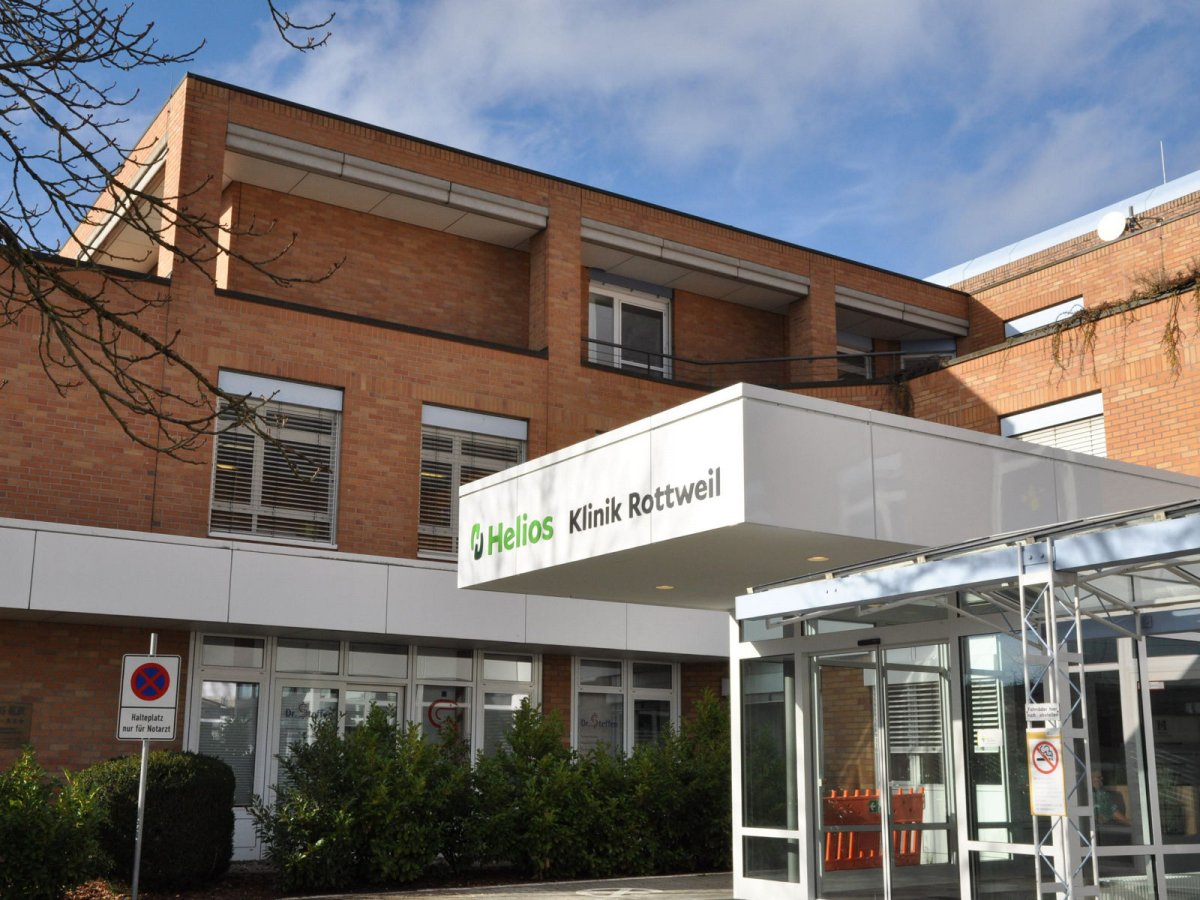



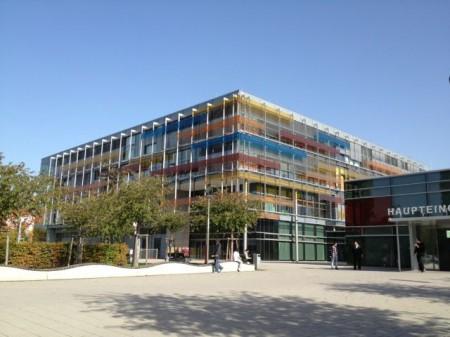
University Hospital in Haydelberge



Hospital in the Pfeiffer`s foundations





احصلوا على تقييم طبي لـ ورم وعائي الكبد في ألمانيا: استشيروا أطباء ذوي خبرة الآن
عرض جميع الأطباء
Viktor Alexander Krol
يقود الدكتور فيكتور ألكسندر كرول أقسام أمراض الجهاز الهضمي والطب الباطني في مستشفى مارتينوس، وهو متخصص في العلاجات المتقدمة لأمراض الكبد.
- يرأس مركزاً معتمداً لعلاج السمنة بمعدلات نجاح عالية
- يستخدم أحدث التقنيات التنظيرية والتشخيصية
- خبير في أمراض الجهاز الهضمي والكبد والأمراض الأيضية
- يوفر خطط علاج فردية لكل مريض

Peter Schenker
متخصص في الجراحة طفيفة التوغل لورم وعائي كبدي في المركز الطبي في سولينغن – أدخل تقنيات حديثة في جراحة الأورام.
- استشاري أول مع 19 سنة من الخبرة في جراحة الأحشاء
- خبير في أورام الجهاز الهضمي وجراحة البنكرياس
- كبير الجراحين في مستشفى سولينغن الأكاديمي
- منسق مركز سرطان البنكرياس (Oncocert)
- باحث ومحاضر نشط في الأساليب الجراحية
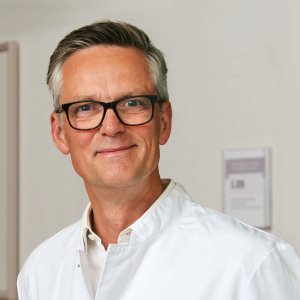
Wolfgang Schröder
مشاركة المحتوى
قصص فيديو من مرضى Bookimed
 Anna Leonova
أسئلة متكررة حول علاج ورم وعائي الكبد في ألمانيا
هل يمكن أن يتحول ورم وعائي كبدي إلى سرطان؟
الأورام الوعائية الكبدية حميدة تمامًا ولا يمكن أن تتحول إلى سرطان. تؤكد الأبحاث الطبية أنها لا تتحور أبدًا أو تتحول إلى أورام خبيثة. تتكون هذه الكتل الوعائية من أوعية دموية متشابكة. تحدث لدى ما يصل إلى 20% من عامة السكان دون تهديد الصحة.
- الدقة التشخيصية: التصوير بالرنين المغناطيسي المتقدم أو الأشعة المقطعية المعززة بالتباين دقيقة بنسبة 90% للتأكيد.
- أنماط النمو: قد تنمو الآفات بسبب الهرمونات ولكنها تظل غير سرطانية تمامًا.
- الملاحظة السريرية: لا تتطلب معظم الحالات أي علاج أو تدخل جراحي.
- شهادة الخبراء: غالبًا ما تحصل المراكز الألمانية على اعتماد الجمعية الألمانية للسرطان للدقة التشخيصية.
رؤية خبير Bookimed: تدير المستشفيات الجامعية الألمانية مثل إيسن أو هايدلبرغ أكثر من 300,000 مريض سنويًا. يستخدمون مجالس أورام متعددة التخصصات لمراجعة بقع الكبد الغامضة. وهذا يضمن عدم الخلط أبدًا بين ورم وعائي حميد وآفة خبيثة. توفر هذه الخبرة ذات الحجم الكبير يقينًا تشخيصيًا نهائيًا للمرضى الدوليين.
إجماع المرضى: يشير المرضى إلى أن الحصول على تصوير بالرنين المغناطيسي نهائي مع التباين هو مفتاح الراحة. ويؤكدون أنه على الرغم من أن الأورام الوعائية الكبيرة تسبب عدم الراحة، فإن تأكيد التشخيص يوقف القلق من السرطان.
كيف يتم استبعاد أن يكون الورم الوعائي الكبدي ورماً خبيثاً في المراكز الألمانية؟
تستبعد المراكز الطبية الألمانية الخباثة باستخدام بروتوكولات تصوير غير جراحية موحدة. يستخدم أطباء الأشعة الموجات فوق الصوتية المعززة بالتباين والتصوير بالرنين المغناطيسي متعدد المعلمات لتحديد أنماط وعائية محددة. تؤكد هذه الأدوات عالية الدقة الأورام الوعائية الحميدة من خلال اكتشاف توقيعات تدفق الدم البطيء وأنماط التعبئة المركزية دون الحاجة إلى خزعات محفوفة بالمخاطر.
- المعيار الذهبي للتصوير: تتجاوز حساسية التصوير بالرنين المغناطيسي للتمييز بين الأورام الوعائية والسرطان 90%.
- أنماط وعائية محددة: تكشف الموجات فوق الصوتية المعززة بالتباين (CEUS) عن تعزيز عقدي محيطي فريد.
- تجنب المخاطر: يتجنب المتخصصون الخزعات بالإبرة لمنع النزيف الداخلي من الكتل الوعائية.
- الالتزام بالمبادئ التوجيهية: تتبع المراكز بروتوكولات الجمعية الألمانية للموجات فوق الصوتية في الطب (DEGUM) بدقة.
رؤية خبير Bookimed: تدير المستشفيات الجامعية الألمانية مثل مستشفيات إيسن أو هايدلبرغ أحجاماً هائلة من المرضى، تصل إلى أكثر من 300,000 حالة سنوياً. يوفر هذا النطاق لأطباء الأشعة تعرضاً هائلاً لآفات الكبد غير النمطية. بينما قد تتردد العيادات القياسية في إجراء فحص معقد، غالباً ما تؤكد هذه المراكز الأكاديمية ذات الحجم الكبير الحميدة حيث يقترح الآخرون الجراحة، مما يجنب آلاف المرضى إجراءات جراحية غير ضرورية.
إجماع المرضى: يلاحظ المرضى أن الأطباء الألمان يعطون الأولوية لانتظار مراجعة أطباء الأشعة الخبراء بدلاً من التسرع في إجراء الخزعات. يشعر الكثيرون بالارتياح عندما
متى يتطلب الورم الوعائي الكبدي علاجاً، ومتى يمكن تركه دون تدخل؟
يمكن ترك الأورام الوعائية الكبدية دون علاج بأمان إذا كانت بدون أعراض ومستقرة. توصي الإرشادات السريرية الألمانية بالمراقبة للكتل الصغيرة التي يقل حجمها عن 5 سم. التدخل مطلوب فقط في حالات آلام البطن الشديدة، أو النمو السريع، أو المضاعفات النادرة مثل متلازمة كاساباخ-ميريت أو ضغط الأعضاء.
- الحالة بدون أعراض: عدم وجود ألم أو شعور بالامتلاء يسمح بالمراقبة الآمنة دون تدخل.
- استقرار الحجم: الكتل التي يقل حجمها عن 5 سم تتطلب عادةً مراقبة دورية فقط عبر التصوير بالرنين المغناطيسي.
- تشخيص واضح: يجب أن تؤكد صور الأشعة عالية الجودة أن الكتلة حميدة وليست سرطانية.
- دواعي العلاج: تُخصص الجراحة للألم المستمر أو في حال وجود شكوك تشخيصية.
رؤية خبير Bookimed: تعطي المستشفيات الجامعية الألمانية الأولوية لليقين التشخيصي قبل أي تدخل جراحي. تدير مراكز مثل المركز الطبي في سولينغن ومستشفى جامعة إيسن أكثر من 60,000 إلى 370,000 مريض سنوياً. يسمح هذا الحجم الكبير للجراحين مثل الدكتور بيتر شينكر بالتمييز بين الأورام الوعائية العرضية وحالات الأورام الحرجة باستخدام التصوير الرقمي المتقدم. إذا تم تأكيد تشخيصك كـ ورم وعائي مستقر، غالباً ما يقلل المتخصصون الألمان من وتيرة المتابعة لتجنب الفحوصات غير الضرورية.
إجماع المرضى: يشير المرضى إلى أهمية تأكيد التشخيص مع متخصص للحصول على راحة البال. يدرك الكثيرون أن الانزعاج البطني الغامض غالباً ما ينبع من أسباب أخرى وليس من الورم الوعائي نفسه.
ما هي الأقسام أو المتخصصون الألمان الذين يديرون أورام الكبد الوعائية (hemangiomas)؟
تتضمن إدارة أورام الكبد الوعائية في ألمانيا أقساماً متخصصة في أمراض الجهاز الهضمي، وجراحة الأحشاء، والأشعة التداخلية. تقوم هذه الفرق متعددة التخصصات بتنسيق الرعاية في مراكز الكبد المعتمدة. يركز متخصصون مثل الدكتور فيكتور ألكسندر كرول على التشخيص. ويدير جراحون مثل البروفيسور بيتر شينكر الحالات المعقدة التي تتطلب استئصالاً أو إزالة للورم.
- أقسام أمراض الجهاز الهضمي: توفر المراقبة الأولية، والتقييم الأيضي، والتصوير بالموجات فوق الصوتية التشخيصي للأورام الوعائية.
- وحدات جراحة الأحشاء: تتعامل مع إزالة الورم مع الحفاظ على العضو أو الاستئصال التشريحي للنمو المصحوب بأعراض.
- الأشعة التداخلية: تجري فحوصات التصوير بالرنين المغناطيسي أو الأشعة المقطعية المعززة بالتباين وتنفذ عمليات الانصمام طفيفة التوغل.
- مراكز البطن متعددة التخصصات: تجمع بين متخصصين متعددين لمراجعة التصوير التشخيصي وأنماط النمو.
رؤية خبير Bookimed: تتخصص المستشفيات الجامعية الألمانية مثل إيسن وسولينغن في رعاية الكبد والقنوات الصفراوية ذات الحجم الكبير. يعالج مستشفى جامعة إيسن وحده حوالي 370,000 مريض سنوياً. هذا الحجم ضروري لأورام الكبد الوعائية لأن المراكز الكبيرة تقدم مجالس متعددة التخصصات. تضمن هذه المجالس أن يقوم الجراحون وأطباء الأشعة بالتحقق المزدوج مما إذا كان الألم ناتجاً حقاً عن الورم أو أنه اكتشاف عرضي.
إجماع المرضى: يشير المرضى إلى أن الأطباء الألمان غالباً ما يفضلون المراقبة على الجراحة للآفات الصغيرة. يؤكد الكثيرون أن نمط التباين الواضح في التصوير ب
ما هي التقنيات المتقدمة التي تستخدمها المراكز الألمانية لجراحة الأورام الوعائية الدموية العملاقة لتقليل خطر النزيف؟
تعمل المراكز الجراحية الألمانية على تقليل النزيف أثناء استئصال الأورام الوعائية الدموية العملاقة باستخدام النمذجة الافتراضية ثلاثية الأبعاد، والموجات فوق الصوتية أثناء الجراحة، وأجهزة الشفط الجراحية بالموجات فوق الصوتية. غالبًا ما تجمع هذه المرافق بين الأشعة التداخلية والمنصات الروبوتية مثل "دا فينشي" لضمان تحكم وعائي دقيق وتشريح أكثر أمانًا للأنسجة في الحالات المعقدة.
- أدوات الملاحة: تقوم المحاكاة ثلاثية الأبعاد بتحديد حدود الورم الوعائي بالنسبة للأوعية الدموية الكبدية الرئيسية.
- التقنيات التداخلية: يعمل الانصمام الشرياني عبر القسطرة على تقليص الآفات عن طريق تقليل إمدادات الدم قبل الجراحة.
- أجهزة التشريح: تقوم أجهزة الشفط بالموجات فوق الصوتية بتفتيت خلايا الكبد مع الحفاظ على الهياكل الوعائية والصفراوية المرنة.
- بروتوكولات التخدير: يقلل مراقبة الضغط الوريدي المركزي المنخفض من النزيف العكسي أثناء قطع أنسجة الكبد النشطة.
رؤية خبير Bookimed: تُظهر البيانات الواردة من مراكز ذات حجم عمل كبير مثل مستشفى جامعة إيسن ومستشفى جامعة آخن أن الخبرة تتركز في مراكز متعددة التخصصات. تعالج هذه المرافق ما يصل إلى 370,000 مريض سنويًا وتنسق بين الجراحين وأطباء الأشعة التداخلية. هذا التعاون حيوي لأن الأورام الوعائية العملاقة تتطلب غالبًا انصمامًا متخصصًا في غرفة هجينة قبل أن يبدأ الفريق الجراحي في الاستئصال.
إجماع المرضى: يشير المرضى إلى أن اختيار مركز يضم فرقًا متخصصة في الكبد والقنوات الصفراوية أكثر أهمية من الأدوات المحددة. ويؤكدون أن
هل هناك أدوية أو أنماط حياة يمكن أن تجعل الورم الوعائي الكبدي ينمو؟
يمكن للأدوية التي تحتوي على الإستروجين والمراحل الهرمونية في الحياة مثل الحمل أن تحفز نمو الورم الوعائي الكبدي. في حين أن عوامل نمط الحياة مثل النظام الغذائي أو ممارسة الرياضة لا تزيد بشكل مباشر من حجم الآفة، إلا أن الهرمونات تؤثر بنشاط على هذه التجمعات الوعائية. عادةً ما يقوم أخصائيو الكبد الألمان بمراقبة الأورام الوعائية الكبيرة أثناء العلاج الهرموني أو الحمل.
- الأدوية الهرمونية: قد تسرع حبوب منع الحمل والعلاج بالهرمونات البديلة (HRT) من نمو التجمعات الوعائية.
- مرحلة الحمل: تؤدي الزيادات الطبيعية في الإستروجين والبروجسترون بشكل متكرر إلى تضخم الأورام الوعائية الموجودة.
- تأثير الستيرويدات: ترتبط الستيرويدات الابتنائية أو الموصوفة طبيًا أحيانًا بزيادة الحجم في الأبحاث الطبية.
- التأثير الغذائي: لا يؤدي الكحول والسكر إلى تحفيز النمو ولكنهما يؤثران على صحة الكبد بشكل عام.
رؤية خبير Bookimed: تظهر البيانات من مراكز ألمانية رائدة مثل مستشفى جامعة آخن ومستشفى جامعة إيسن التركيز على دقة التشخيص. العديد من حالات النمو المشتبه بها هي في الواقع اختلافات في القياس بين تقنيات التصوير المختلفة. مع وجود أكثر من 370,000 مريض سنويًا في إيسن، يعطي الخبراء الأولوية لتأكيد التشخيص قبل عزو التغيير إلى نمط الحياة أو الأدوية.
إجماع المرضى: يلاحظ المرضى أن الأطباء غالبًا ما يعتبرون تجنب الإستروجين الإضافي إجراءً احترازيًا للآفات الكبيرة. يؤكد الكثيرون أن تقرير النمو في الفحص قد يكون مجرد اختلاف في كيفية قياسه من قبل أخصائي الأشعة.
ما هي المستشفيات في ألمانيا التي تحظى بأعلى التقييمات في جراحة الأعصاب؟
تضم ألمانيا بعضًا من أرقى أقسام جراحة الأعصاب في العالم، بقيادة مستشفى شاريتيه الجامعي في برلين ومستشفى جامعة هايدلبرغ. وتتميز هذه المراكز بخبرتها الواسعة في علاج أورام الدماغ المعقدة وأمراض الأوعية الدموية الدماغية. ولتحقيق أقصى قدر من الفعالية في عملياتها، تستخدم هذه المراكز أحدث التقنيات، مثل التصوير بالرنين المغناطيسي أثناء الجراحة والتوجيه العصبي بمساعدة الحاسوب.
- مستشفى شاريتيه برلين: يُجري أكثر من 5000 عملية جراحية سنوياً. ويرأس العيادة جراح الأعصاب الشهير الدكتور بيتر فايكوتشي.
- المركز الطبي في سولينجن: أجرى الدكتور رالف بوهل أكثر من 4000 عملية جراحية، بما في ذلك جراحات العمود الفقري طفيفة التوغل.
- عيادة أسكليبيوس نورد: مجهزة بنظام التصوير بالرنين المغناطيسي الثنائي الوحيد في ألمانيا أثناء الجراحة لضمان الدقة الجراحية في الوقت الحقيقي أثناء إزالة الورم.
- عيادة نوردويست: تم الاعتراف بها من قبل مجلة نيوزويك كمستشفى رائد في مجال الابتكار في تكنولوجيا الموجات فوق الصوتية ثلاثية الأبعاد.
رأي خبراء بوكيمد: تشير البيانات إلى أن اختيار المراكز ذات الحجم الجراحي الكبير غالبًا ما يؤدي إلى توصيات علاجية أكثر تحفظًا. ففي مركز سولينجن الطبي، الذي يعالج أكثر من 60,000 مريض
ما هي نسب نجاح العمليات الجراحية العصبية المعقدة في ألمانيا؟
في ألمانيا، تتميز العمليات الجراحية العصبية بالغة التعقيد بمستوى أمان استثنائي. تصل نسبة نجاح عمليات دمج الفقرات إلى 99%، بينما تبلغ نسبة النجاة بعد استئصال أورام الدماغ الأولية 97%. كما يتمتع المرضى بقدرة عالية على الاعتماد على أنفسهم في أداء وظائفهم اليومية، حيث يغادر أكثر من 82% منهم المستشفى مباشرةً بعد العلاج. وتولي المراكز الألمانية اهتماماً بالغاً بالحفاظ على الوظائف العصبية باستخدام أحدث تقنيات التخطيط العصبي.
- استئصال الورم: يحقق الجراحون استئصالًا كاملاً للورم في 87.2% من حالات النقائل الدماغية.
- النجاح في علاج أمراض الأوعية الدموية: أفادت المستشفيات الألمانية بنسبة نجاة بلغت 98.7% لحالات تمدد الأوعية الدموية غير الممزقة.
- تحسن الحالة العصبية: يشهد ما يقرب من 43% من المرضى تحسناً في المعايير الوظيفية بعد عمليات الاستئصال المعقدة.
- سلامة التدخلات الجراحية: في المراكز الجراحية الكبيرة، تتراوح معدلات بقاء المرضى على قيد الحياة بعد جراحة العمود الفقري بين 98-99%.
رأي خبراء بوكيمد: يُجري جراحون ذوو خبرة، مثل الدكتور أوفه كولر من عيادة أسكليبيوس ألتونا، أكثر من 2000 عملية جراحية سنويًا. تُشير البيانات إلى أن هؤلاء المتخصصين يحافظون على معدلات نجاح تصل إلى 90%، حتى
ما هي التقنيات المتقدمة المتوفرة عادةً في عيادات جراحة الأعصاب الألمانية؟
تُدخل عيادات جراحة الأعصاب الألمانية بانتظام أدوات رقمية عالية الدقة وتقنيات تصوير فوري في الممارسة الجراحية. تشمل التقنيات الرئيسية الملاحة العصبية الحاسوبية لجراحات الدماغ والحبل الشوكي. تستخدم مؤسسات مثل عيادة أسكليبيوس نورد التصوير بالرنين المغناطيسي أثناء الجراحة للتحقق من استئصال الورم في الوقت الفعلي. توفر هذه الأنظمة للجراحين نظام ملاحة ثلاثي الأبعاد.
- الملاحة العصبية: توفر تصورًا ثلاثي الأبعاد وتتبعًا فوريًا للأدوات لتحقيق دقة جراحية تصل إلى مستوى أقل من المليمتر.
- التصوير أثناء العملية: تسمح أنظمة مثل التصوير بالرنين المغناطيسي أثناء العملية (iMRI) والتصوير المقطعي المحوسب ذي الذراع O (O-arm CT) بالتأكيد الفوري على نجاح عملية الاستئصال.
- المراقبة العصبية: تراقب الوظائف الحركية والحسية أثناء الجراحة لحماية الجهاز العصبي.
- التشخيص الفلوري: يتم استخدام صبغة 5-ALA لتسليط الضوء على حدود الورم من أجل إزالته بشكل أكثر اكتمالاً.
- المساعدة الروبوتية: تعمل أنظمة مثل نظام دافنشي على تحسين الدقة في الإجراءات المعقدة ذات التدخل الجراحي البسيط.
رأي خبراء بوكيمد: تُجري مراكز طبية كبيرة، مثل مستشفى شاريتيه الج
ما هي التدريبات المتخصصة التي يتلقاها جراحو الأعصاب الممارسون في ألمانيا؟
في ألمانيا، يتعين على جراحي الأعصاب إكمال برنامج إقامة تخصصي لمدة ست سنوات بعد التخرج من كلية الطب. يشمل هذا البرنامج المنظم العناية المركزة، والتدريب السريري، وكتابة مقالات في مجلة جراحية إلزامية. بعد ذلك، يجتاز المرشحون امتحانًا حكوميًا للحصول على لقب طبيب مقيم (Facharzt für Neurochirurgie).
- الإقامة السريرية: تتطلب من 48 إلى 72 شهرًا من الممارسة المتخصصة في جراحة الأعصاب.
- العناية المركزة: تتضمن فترة تدريب إلزامية لمدة 6 أشهر في وحدة العناية المركزة لجراحة الأعصاب.
- المجلة الجراحية: يوثق الجراحون مئات العمليات الجراحية، بما في ذلك عمليات فتح الجمجمة وجراحات العمود الفقري.
- امتحان الترخيص: يجب على المتقدمين اجتياز امتحان طبي شفوي وعملي تديره الدولة.
رأي خبراء بوكيميد: يركز التدريب الألماني في جراحة الأعصاب على الخبرة الجراحية الواسعة. فعلى سبيل المثال، أجرى الدكتور رالف بول من المركز الطبي في سولينجن أكثر من 4000 عملية جراحية. ويتمتع الدكتور يورغن كيويت من مستشفى ميوكلينيك بخبرة تزيد عن 25 عامًا. يضمن هذا النظام الدقيق أن يتعامل المتخصصون في المراكز الكبرى مع الحالات المعقدة بدقة مثبتة.
آراء المرضى: يشع