علاج تضيق القحف في تركيا — احصل على 3 عيادات مختارة خصيصاً لك


تمت مراجعة المقالة طبيا من قبل
فهد مولود
كيف نعمل؟
ما هي تكلفة تضيق القحف إجراءات التشخيص والعلاج في تركيا؟ اعرف الآن
تختلف التكلفة الإجمالية لعلاج تضيق الجمجمة في تركيا اعتمادًا على الخطة الطبية المحددة المختارة. تبلغ تكلفة الاستشارة مع جراح الأعصاب حوالي 160 دولارًا إلى 200 دولار. تتراوح تكلفة التدخل الجراحي لتضيق الجمجمة من 14,000 دولار إلى 25,000 دولار. تشمل التكلفة الإقامة في المستشفى، والإقامة، واستشارات الأطباء. سيتم تحديد التكلفة النهائية بناءً على توصيات الطبيب لحالة المريض.
اكتشف أفضل تضيق القحف العيادات في تركيا: 34 خيارات معتمدة والأسعار








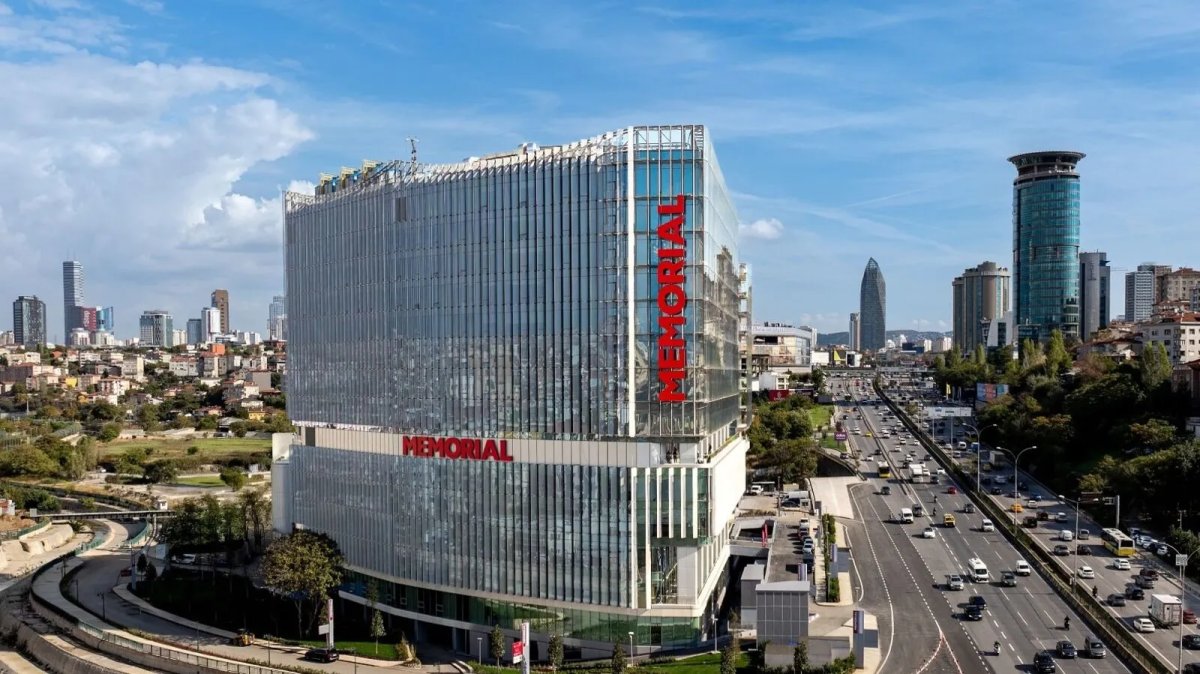
Memorial Göztepe Hospital



احصل على تقييم طبي لـ في تركيا. استشر الآن 44 أطباء ذوي الخبرة.
عرض جميع الأطباء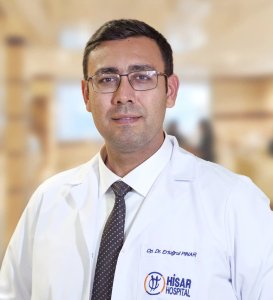
Ertugrul Pinar
الدكتور إرتوغرول بينار هو جراح أعصاب في مستشفى هيسار إنتركونتيننتال في إسطنبول. يعالج المرضى البالغين والأطفال المصابين بأمراض معقدة في الدماغ والعمود الفقري. يركز الدكتور بينار على أورام الدماغ، وتمدد الأوعية الدموية، وأمراض قاعدة الجمجمة. يعمل في مستشفى معتمد من اللجنة الدولية المشتركة (JCI) يخدم أكثر من 500,000 مريض سنوياً.
- يجري إجراءات متخصصة بما في ذلك استئصال الأورام عبر الأنف وإصلاح تمدد الأوعية الدموية في الدماغ.
- يعالج مجموعة واسعة من الحالات مثل أورام الغدة النخامي
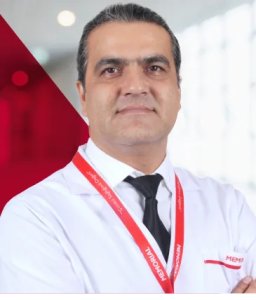
Mustafa Sakar
الدكتور مصطفى ساكار اختصاصي جراحة أعصاب في مستشفى ميموريال غوزتيبه بإسطنبول (2025–حتى الآن). عمل سابقًا في مستشفى جامعة مرمرة بنديك للتدريب والبحوث (2013–2025) وفي مستشفى ألبستان الحكومي في قهرمان مرعش (2011–2012).
حصل على شهادة الطب من كلية الطب بجامعة حاجت تبه في أنقرة (1997–2003). وأكمل هناك إقامته التخصصية في جراحة الأعصاب (2004–2010).
العضويات المهنية: الجمعية التركية لجراحة الأعصاب؛ مجموعة التعليم والتدريب في جراحة الأعصاب لدى الأطفال التابعة للجمعية التركية لجراحة الأعصاب
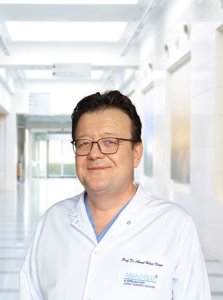
Ahmet Hilmi Kaya
البروفيسور الدكتور أحمد حلمي كايا أستاذ جراحة الأعصاب في مركز الأناضول الطبي في غبزة، تركيا. حصل على شهادة الطب من جامعة إسطنبول - جراح باشا (البرنامج الإنجليزي)، وأكمل فيها اختصاص جراحة الأعصاب بين 1996 و2003. نال لقب أستاذ عام 2015، وأتم فترتي ملاحظة في جامعة ماسترخت عامي 2007 و2009.
يركز عمله السريري على جراحة الأعصاب الوظيفية والتوضيعية (التجسيمية)، بما في ذلك التحفيز العميق للدماغ لعلاج مرض باركنسون والرعاش الأساسي. كما يعالج أورام العمود الفقري وتضيق القناة الشوكية ويجري تثبيتات

Hasan Ozgur Ozdemir
يتخصص البروفيسور الدكتور حسن أوزغور أوزدمير في جراحة المخ بالمنظار - وهو نهج طفيف التوغل لعلاج تضيق القحف في مستشفى ميديكال بارك أنطاليا.
- أكثر من _doctor_9311_ سنوات من الخبرة في جراحة الأعصاب
- خبير في جراحات الانزلاق الغضروفي القطني وعنق الرحم بالمنظار
- المركز الأول في امتحان الكفاءة للجمعية التركية لجراحة الأعصاب
- عضو في الجمعية التركية لجراحة الأعصاب
المراجعات
جميع المراجعاتمشاركة المحتوى
قصص فيديو من مرضى Bookimed
 Anna Leonova
أسئلة متكررة حول علاج تضيق القحف في تركيا
ما هو أفضل عمر للطفل لإجراء جراحة تعظم الدروز الباكر (Craniostenosis) في تركيا؟
العمر الأمثل لجراحة تعظم الدروز الباكر في تركيا هو عمومًا بين 3 و 12 شهرًا. يفضل المتخصصون التدخل المبكر بينما لا تزال الجمجمة قابلة للتشكيل. تستفيد الجراحة المبكرة من نمو الدماغ السريع للمساعدة في إعادة التشكيل. يعتمد التوقيت المحدد على التقنية الجراحية التي يستخدمها جراح الأعصاب.
- الجراحة بالمنظار: يقوم الجراحون بهذا النهج طفيف التوغل قبل عمر 3 أشهر.
- إعادة تشكيل قبة الجمجمة: عادة ما يجدول الأطباء هذا الإجراء المفتوح للرضع الذين تتراوح أعمارهم بين 6-12 شهرًا.
- تعظم الدروز السهمي: غالبًا ما يشير جراحو أعصاب الأطفال الأتراك إلى 9 أشهر على أنها النافذة الجراحية المثالية.
- الحالات المتلازمية: قد تتطلب الحالات المعقدة التي تشمل عدة دروز جراحة خلال الأسابيع الأولى.
رؤية خبير Bookimed: تتخصص المرافق التركية مثل مستشفى إسطنبول فلورنس نايتنجيل وميديبول ميغا في جراحة أعصاب الأطفال ذات الحجم الكبير. تُظهر البيانات أن البروفيسور الدكتور إلهان إلماسي والبروفيسور الدكتور جودت جوكتش يمتلك كل منهما أكثر من 30 عامًا من الخبرة. هذه الخبرة حيوية لأن الجراحين المتمرسين يمكنهم إجراء عمليات ترميم معقدة بأمان حتى عند حديثي الولادة. يجب على الآباء إعطاء الأولوية للجراحين ذوي التدريب المتخصص المتنوع، مثل الزمالات في ييل أو جونز هوبكنز.
إجماع المرضى: يؤكد الآباء أن الحصول على تشخيص من متخصص في وقت مبكر أمر بالغ الأهمية لأن الانتظار يعقد عملية التعافي. تشير العديد من العائلات إلى أن خيارات المنظار المبكرة أقل توغلاً من الإصلاحات المفتوحة الم
ما هي التقنيات الجراحية المتاحة في تركيا؟
يعالج جراحو الأعصاب الأتراك تضيق القحف باستخدام تقنيات مجهرية وبالمنظار متقدمة في مرافق معتمدة من قبل اللجنة الدولية المشتركة (JCI). تستخدم المراكز المتخصصة مثل مستشفى ميموريال شيشلي أنظمة الروبوت Da Vinci XI وتصوير الرنين المغناطيسي 3 تسلا المدعوم بالذكاء الاصطناعي للدقة العالية. غالبًا ما يستخدم متخصصو الأطفال جراحة قاعدة الجمجمة طفيفة التوغل لضمان السلامة والتعافي الأمثل.
- الجراحة الروبوتية: يستخدم مستشفى ميموريال شيشلي أنظمة Da Vinci XI لإجراءات الجمجمة عالية الدقة.
- جراحة قاعدة الجمجمة: البروفيسور الدكتور مصطفى بوزبوغا متخصص في تقنيات قاعدة الجمجمة المعقدة والتقنيات الوعائية العصبية.
- التصوير المتقدم: تستخدم العيادات أجهزة الأشعة المقطعية بـ 512 شريحة وأجهزة PET/CT الرقمية للتخطيط الدقيق قبل الجراحة.
- الخبرة التابعة: يحتفظ مركز الأناضول الطبي بتبعية سريرية مع معايير مستشفى جونز هوبكنز.
رؤية خبير Bookimed: تعطي أقسام جراحة الأعصاب في تركيا الأولوية للتكنولوجيا المتكاملة على مجرد وجود المعدات. على سبيل المثال، يجمع مستشفى ميموريال شيشلي بين غرفة عمليات هجينة مع MR Linac والرنين المغناطيسي المعتمد على الذكاء الاصطناعي. يسمح هذا التآزر للجراحين بالتحقق من النتائج الجراحية في الوقت الفعلي. هذا المستوى من التكامل التقني هو السبب في أن تركيا تحتل المرتبة الأولى عالميًا في بيانات السوق لدينا.
إجماع المرضى: يشير الآباء إلى أن العثور على قسم متخصص في جراحة الوجه والجمجمة أمر حيوي لراحة البال. ويؤكدون على أهمية طلب خطط علا
كيف تقارن النتائج الجراحية في تركيا بتلك الموجودة في أوروبا الغربية أو الولايات المتحدة؟
تضاهي النتائج الجراحية التركية لحالات تعظم الدروز الباكر (craniostenosis) تلك الموجودة في أوروبا الغربية والولايات المتحدة في المراكز المعتمدة من قبل اللجنة الدولية المشتركة (JCI). غالبًا ما يجري المتخصصون الذين يتعاملون مع حالات كبيرة الآلاف من إجراءات الجمجمة المعقدة. وتحافظ مرافق مثل مركز الأناضول الطبي (Anadolu Medical Center) على شراكات مع مؤسسة جونز هوبكنز الطبية لضمان تطبيق البروتوكولات السريرية الدولية.
- معدلات النجاح: أفاد مستشفى ميموريال أتاشهير (Memorial Ataşehir) بتحقيق معدل نجاح 99% في العمليات الجراحية العصبية المعقدة المتعلقة بالأعضاء.
- الخبرة السريرية: أجرى الدكتور جيفدت غوكجيك (Dr. Cevdet Gokcek) بنجاح أكثر من آلاف جراحات الدماغ المعقدة.
- التكنولوجيا المتقدمة: تستخدم المراكز الرنين المغناطيسي 3T، والأشعة المقطعية بـ 512 شريحة، والملاحة العصبية لإعادة بناء الجمجمة بدقة.
- حجم المتخصصين: يخدم مستشفى جامعة ميديبول ميغا (Medipol Mega University Hospital) أكثر من مليون مريض سنويًا عبر 70 قسمًا.
رؤية خبراء Bookimed: بينما تقدم المراكز الغربية معايير عالية، توفر المستشفيات التركية مثل مستشفى إسطنبول فلورنس نايتنجيل مزايا تقنية فريدة. فهي تستخدم نظام التصوير EOS لتقليل التعرض للإشعاع أثناء المراقبة العظمية والقحفية. وتعد هذه ميزة أمان حاسمة للمرضى الأطفال الذين يحتاجون إلى عمليات فحص متابعة متعددة على مدى عدة سنوات.
إجماع المرضى: يؤكد الآباء أن خبرة الجراح في أنواع معينة من تعظم الدروز الباكر أكثر أهمية من مو
ما هو معدل نجاح جراحة تضيق الجمجمة (Craniostenosis) في تركيا؟
تحافظ جراحة تضيق الجمجمة في تركيا على معدلات نجاح تتجاوز 95% في مراكز جراحة الأعصاب للأطفال المتخصصة. ويبلغ الجراحون ذوو التدريب العالي عن معدلات بقاء على قيد الحياة تتجاوز 97.6% لهذه الإجراءات المعقدة. تعمل التقنيات المتقدمة على تقليل الضغط داخل الجمجمة بفعالية وتحقيق إعادة تشكيل الجمجمة المطلوبة لمرضى الأطفال.
- الفعالية الجراحية: تبلغ المراكز عن نجاح كبير في تحقيق شكل الرأس المستهدف.
- معدلات البقاء على قيد الحياة: تحافظ وحدات الأطفال على معدلات بقاء تتجاوز 97.5% سنوياً.
- الإقامة في المستشفى: يبقى المرضى عادةً في المستشفى لمدة تتراوح بين 3 إلى 5 أيام.
- وقت التعافي: عادة ما يتم التعافي الجراحي الكامل في غضون 4 أسابيع.
رؤية خبراء Bookimed: يعود النجاح في تركيا إلى حجم العمليات الجراحية الكبير للغاية. يدير أساتذة مثل الدكتور بكير توغجو أقساماً تضم أكثر من 1200 سرير إجمالاً. يسمح هذا التدفق العالي للمرضى للجراحين باكتساب الخبرة في الحالات بشكل أسرع مما هو عليه في العديد من المراكز الأوروبية. يرتبط هذا الحجم بشكل مباشر بكفاءة فنية أعلى في إعادة تشكيل الجمجمة.
إجماع المرضى: يؤكد الآباء أن المهارة الجراحية هي نصف المعركة فقط. ويشيرون إلى أن النجاح يعتمد أيضاً على رعاية المتابعة الواضحة والمراقبة الدقيقة بعد الجراحة من قبل الفريق الطبي.
ما هي الوثائق الطبية التي يجب على العائلات الدولية تجهيزها قبل المجيء إلى تركيا؟
يجب على العائلات التي تعالج حالات تعظم الدروز الباكر (craniostenosis) في تركيا إعداد سجلات طبية رقمية ومادية. تشمل الوثائق الأساسية مسوحات الأشعة المقطعية (CT) والرنين المغناطيسي (MRI) الحديثة على أقراص مدمجة. أحضر تقارير الأشعة الأصلية، ورسوم بيانية لنمو الرأس، وتقييمات النمو. يُعد التاريخ الجراحي التفصيلي وقوائم الأدوية المترجمة ضرورية للتخطيط قبل الجراحة.
- بيانات التصوير: احمل الأقراص المادية لمسوحات الأشعة المقطعية أو الرنين المغناطيسي، وليس فقط التقارير المكتوبة.
- اتجاهات النمو: قدم قياسات محيط الرأس ورسوم بيانية للنمو المسجلة بمرور الوقت.
- التاريخ الجراحي: وثّق الإجراءات السابقة بما في ذلك التواريخ والتقنيات المستخدمة وأي عمليات نقل دم.
- سجلات المتخصصين: أدرج تقييمات حديثة في طب العيون والأعصاب لتقييم تقدم النمو.
رؤية خبراء Bookimed: تتعامل مراكز جراحة الأعصاب التركية مثل Medipol Mega وIstanbul Florence Nightingale مع أحجام ضخمة من المرضى. يخدم مستشفى Medipol وحده 1,000,000 مريض سنويًا. غالبًا ما توفر العيادات الكبيرة وحدات متخصصة للأطفال. يجب على المرضى طلب نتائج الرنين المغناطيسي الرقمية على الفور. تظهر بياناتنا أن المعالجة الداخلية قد تستغرق عدة أيام في المراكز ذات الحجم الكبير.
إجماع المرضى: يؤكد الآباء على أهمية إحضار الصور على أقراص لأن الجراحين غالبًا ما يتجاهلون الملخصات المكتوبة. تشير العائلات إلى أن الحصول على نتائج الرنين المغناطيسي قد يستغرق بضعة أيام في المستشفيات الكبرى.