علاج التهاب الكبد المزمن ب في تركيا: 3 مستشفيات


تمت مراجعة المقالة طبيا من قبل
فهد مولود
كيف نعمل؟
ما هي تكلفة التهاب الكبد المزمن ب إجراءات التشخيص والعلاج في تركيا؟ اعرف الآن
اكتشف أفضل التهاب الكبد المزمن ب العيادات في تركيا: 3 خيارات معتمدة والأسعار




احصلوا على تقييم طبي لـ التهاب الكبد المزمن ب في تركيا: استشيروا أطباء ذوي خبرة الآن
عرض جميع الأطباء
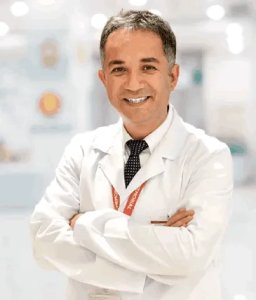
Erdem Akbal
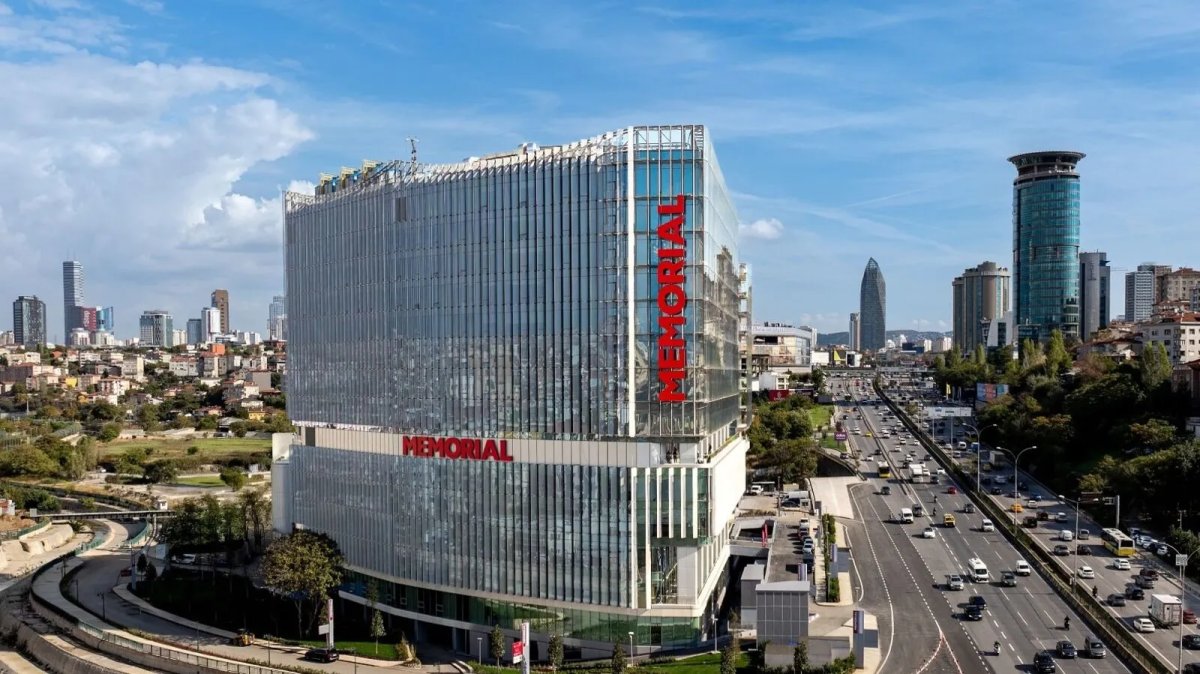
الأستاذ الدكتور إردم أكبال اختصاصي أمراض الجهاز الهضمي في مستشفيَي Memorial Şişli وMemorial Bahçelievler في إسطنبول. عمل سابقًا في Liv Hospital Ulus وMedicana Ataşehir ومستشفيات Florence Nightingale وجامعة Çanakkale Onsekiz Mart. نال لقب أستاذ مشارك عام 2014 ثم أستاذ عام 2019.
تلقى تدريبًا متقدمًا في التنظير التدخلي. أكمل ESD في Jichi Medical University باليابان. تدرّب على POEM/ESD وحركية الجهاز الهضمي في Amsterdam Medical Center. وتدرّب على EUS في مستشفى Johns Hopkins بالولايات المتحد
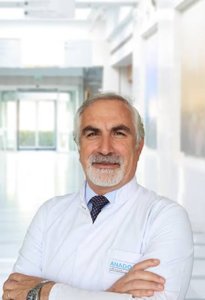
Zulfikar Polat
الدكتور زولفيكار بولات اختصاصي أمراض الجهاز الهضمي والطب الباطني. تدرّب في الأكاديمية الطبية العسكرية غولهانه في أنقرة، حيث أتمّ تخصّصه وترقّى إلى أستاذ مشارك. وهو أستاذ في جامعة إسطنبول آيدن. تشمل خبرته بعد التخرّج الأكاديمية الطبية العسكرية غولهانه وجامعة إسطنبول آيدن. كما عمل في مركز الأناضول الطبي التابع لطب جونز هوبكنز (الولايات المتحدة).
يركّز عمله السريري على أمراض الجهاز الهضمي، وأمراض الكبد والبنكرياس، وأمراض الأمعاء الالتهابية، وإجراءات التنظير التشخيصية والتداخلية. تشمل عضوي
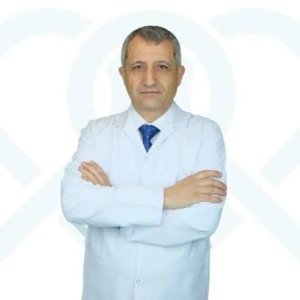
Ibrahim Dogan
الأستاذ الدكتور إبراهيم دوغان اختصاصي أمراض الجهاز الهضمي. حصل على شهادة الطب (MD) من كلية الطب بجامعة أنقرة عام 1991. أصبح اختصاصيًا في الطب الباطني بجامعة غازي عام 1996، وأكمل تدريب التخصص الدقيق في أمراض الجهاز الهضمي بجامعة إنونو عام 2001.
كانت مسيرته الأكاديمية في جامعة غازي؛ شغل مناصب محاضر (2002)، وأستاذ مساعد (2003)، وأستاذ مشارك (2007)، وأستاذ (2012). عمل باحثًا في جامعة كاليفورنيا في سان دييغو بين عامي 2004 و2006. وهو يعمل في مستشفى كورو منذ يناير 2023.
تشمل مجالات ترك
مشاركة المحتوى
قصص فيديو من مرضى Bookimed
 Anna Leonova
أسئلة متكررة حول علاج التهاب الكبد المزمن ب في تركيا
هل يوجد علاج لالتهاب الكبد الوبائي ب المزمن في تركيا؟
لا يوجد حاليًا علاج نهائي لالتهاب الكبد الوبائي ب المزمن في تركيا أو في أي مكان آخر. يركز المتخصصون الأتراك على العلاج الوظيفي، وهذا يعني تحقيق قمع طويل الأمد للفيروس وفقدان مستضد السطح. تقلل هذه النتائج بشكل كبير من مخاطر الإصابة بتليف الكبد والسرطان.
- هدف العلاج: يهدف الأطباء إلى الوصول إلى التصفية المصلية لتحسين معدلات البقاء على قيد الحياة على المدى الطويل.
- إدارة الفيروس: تعمل الأدوية المضادة للفيروسات مثل تينوفوفير على قمع تكاثر الفيروس بفعالية.
- رعاية المتخصصين: يعالج البروفيسور الدكتور أحمد مليح أوزيل أمراض الكبد المعقدة في إسطنبول.
- التشخيص المتقدم: يستخدم مستشفى ميموريال جوزتيبي تقنية التصوير المقطعي المحوسب بـ 512 شريحة لمراقبة الكبد بدقة.
رؤية خبير Bookimed: غالبًا ما يتجاهل المرضى حقيقة أن المراكز المرتبطة بالجامعات التركية، مثل تلك التي يمارس فيها البروفيسور الدكتور ذو الفقار بولات، تتبع بروتوكولات الجمعية الأوروبية لدراسة الكبد (EASL). وهذا يضمن أن يكون العلاج مطابقًا لأفضل المستشفيات الأوروبية أو الأمريكية، ولكن غالبًا مع وصول أسرع إلى المتخصصين.
إجماع المرضى: يشير المرضى إلى أن الوصول إلى حمل فيروسي غير قابل للكشف يعتبر نجاحًا كبيرًا. ويؤكدون أن فحوصات الدم المنتظمة ضرورية لمنع أي ارتداد مفاجئ للفيروس.
ما الذي يجب أن أتوقعه خلال استشارتي الأولى لالتهاب الكبد المزمن ب في تركيا؟
توقع تقييمًا مفصلاً من قبل طبيب كبد أو أخصائي أمراض الجهاز الهضمي في إسطنبول أو بورصة. تشمل الزيارة فحص الكبد واختبار الحمل الفيروسي لتقييم نشاط العدوى. ستحصل على خطة مراقبة طويلة الأمد أو خطة علاج مضاد للفيروسات في غضون 2 إلى 3 أيام.
- مراجعة المتخصصين: يقوم أطباء مثل البروفيسور الدكتور ذو الفقار بولات بتحليل التاريخ الطبي والعلامات الفيروسية.
- أدوات التشخيص: تستخدم المرافق FibroScan أو التصوير بالرنين المغناطيسي بقوة 3 تسلا للتحقق من وجود تندب في الكبد.
- تحاليل الدم: تقيس المختبرات مستويات الحمض النووي للفيروس (HBV DNA) وإنزيمات الكبد لتأكيد مرحلة العدوى.
- خطة العلاج: يحدد المتخصصون ما إذا كنت بحاجة إلى علاج فموي فوري أو مراقبة دورية.
رؤية خبير Bookimed: بينما يتوقع الكثيرون الحصول على دواء فوري، يعطي المتخصصون الأتراك مثل أولئك في مركز الأناضول الطبي الأولوية للتأكد من نشاط الفيروس أولاً. تظهر بياناتنا أن الأطباء غالبًا ما ينتظرون اتجاهات طويلة الأمد من مختبرات متعددة قبل بدء العلاج طويل الأمد. يمنع هذا النهج الحذر تناول أدوية مدى الحياة بشكل غير ضروري للمرضى في مرحلة الحمل غير النشط.
إجماع المرضى: يشير المرضى إلى أن الاستشارات قد تكون فعالة ولكنها سريعة، لذا من المفيد إحضار قائمة مكتوبة بالأسئلة. يؤكد الكثيرون أن وجود نتائج مختبرية سابقة في متناول اليد أمر حيوي للطبيب ليرى كيف تصرف الفيروس بمرور الوقت.
كم تستغرق مدة علاج التهاب الكبد المزمن ب؟
يتطلب علاج التهاب الكبد المزمن ب في تركيا عادةً إدارة طويلة الأمد تستمر لعدة سنوات أو مدى الحياة. تعمل الأدوية المضادة للفيروسات على قمع الفيروس لأجل غير مسمى. تتضمن مُعدِّلات المناعة مثل الإنترفيرون عادةً دورات علاجية أقصر تتراوح من 6 إلى 12 شهرًا. تتم المراقبة المنتظمة كل 3 إلى 12 شهرًا.
- مدة العلاج المضاد للفيروسات: غالبًا ما تتطلب الأدوية الفموية مثل تينوفوفير الاستخدام مدى الحياة لمنع تلف الكبد.
- دورة الإنترفيرون: تتبع مُعدِّلات المناعة القابلة للحقن عادةً جدولًا زمنيًا ثابتًا من 24 إلى 48 أسبوعًا.
- تواتر المراقبة: تتم استشارات المتخصصين واختبارات إنزيمات الكبد كل 3 إلى 6 أشهر.
- اختبارات المتابعة: تضمن اختبارات الحمل الفيروسي (DNA) المنتظمة وفحوصات الموجات فوق الصوتية صحة الكبد على المدى الطويل.
رؤية خبير Bookimed: تعمل مراكز أمراض الجهاز الهضمي التركية مثل مركز الأناضول الطبي (Anadolu Medical Center) بالتعاون مع جونز هوبكنز للطب. تستخدم هذه المرافق تقنية الأشعة المقطعية المتقدمة بـ 512 شريحة والتصوير بالرنين المغناطيسي بقوة 3 تسلا لمراقبة الكبد بدقة. يضمن الوصول إلى أساتذة مثل الدكتور ذو الفقار بولات توافق بروتوكولك طويل الأمد مع أحدث إرشادات الجمعية الأوروبية لدراسة الكبد (EASL).
إجماع المرضى: يؤكد المرضى أن العلاج هو ماراثون وليس علاجًا سريعًا. يسلطون الضوء على أهمية عدم التوقف عن تناول الدواء فجأة لتجنب نوبات الفيروس الخطيرة.
هل تتمتع المستشفيات التركية بخبرة في إدارة التهاب الكبد المزمن ب؟
توفر المستشفيات التركية خبرة واسعة في إدارة التهاب الكبد المزمن ب بسبب الانتشار الإقليمي العالي للمرض. يدير الأخصائيون أكثر من 600 ألف حالة سنويًا في المراكز الكبرى. تتبع المرافق مثل مركز الأناضول الطبي (Anadolu Medical Center) بروتوكولات موحدة وتستخدم أدوات متقدمة مثل التصوير بالرنين المغناطيسي (MRI) بقوة 3 تسلا المدعوم بالذكاء الاصطناعي لمراقبة الكبد بدقة.
- خبرة متخصصة: البروفيسور الدكتور ذو الفقار بولات عضو في الجمعية الأوروبية لدراسة الكبد (EASL).
- تشخيصات متقدمة: يستخدم مستشفى ميموريال جوزتيبي (Memorial Goztepe Hospital) التصوير بالرنين المغناطيسي بقوة 3 تسلا المدعوم بالذكاء الاصطناعي وتصوير PET/CT الرقمي.
- رعاية موحدة: تضمن البرامج الوطنية بقاء بروتوكولات العلاج متسقة عبر المرافق الطبية الكبرى المعتمدة من اللجنة الدولية المشتركة (JCI).
- اعتمادات الخبراء: يحمل متخصصون مثل الدكتور أحمد مليح أوزيل شهادات من الجمعية التركية لأبحاث الكبد.
رؤية خبير Bookimed: تُظهر أقسام أمراض الجهاز الهضمي التركية عمقًا استثنائيًا من خلال توظيف أساتذة ذوي تخصصات مزدوجة. البروفيسور الدكتور ذو الفقار بولات والدكتور أحمد مليح أوزيل كلاهما أساتذة لديهم خلفيات في الأكاديميات الطبية العسكرية. يشير مسار التدريب المحدد هذا في تركيا إلى بيئة سريرية ذات حجم كبير ومعايير جودة صارمة.
- إجماع المرضى: يشير المرضى إلى أن المدن الكبرى مثل إسطنبول توفر الوصول الأكثر موثوقية إلى المتخصصين الناطقين بالإنجليزية ومراقبة مخبرية شاملة. يؤكد معظمهم أن