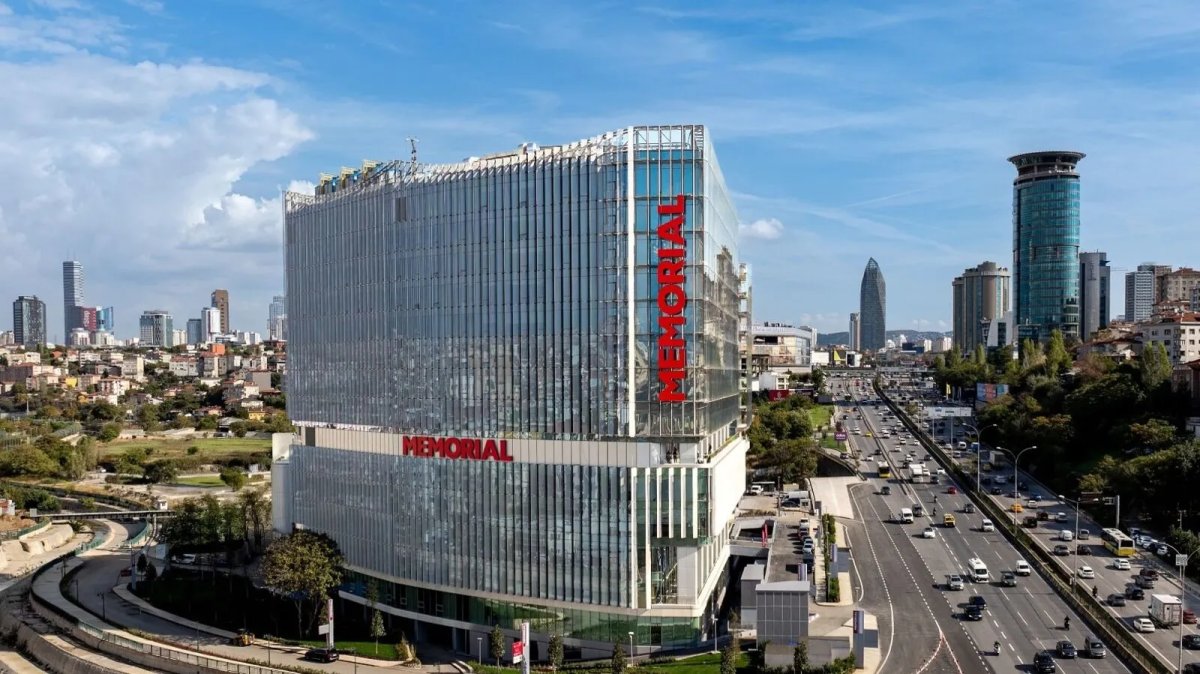
Memorial Göztepe Hospital
تركيا, إسطنبول


تمت مراجعة المقالة طبيا من قبل
فهد مولود
Bookimed لا يضيف رسوماً إضافية على أسعار علاج قصور القلب المزمن . الأسعار مأخوذة من قوائم الأسعار الرسمية للعيادات. تدفع مباشرة في العيادة مقابل علاجك عند وصولك إلى البلد.
Bookimed ملتزم بسلامتك. نحن نعمل فقط مع المؤسسات الطبية التي تحافظ على معايير دولية عالية في علاج قصور القلب المزمن ولديها التراخيص اللازمة لخدمة المرضى الدوليين في جميع أنحاء العالم.
Bookimed يقدم مساعدة خبراء مجانية. منسق طبي شخصي يدعمك قبل وأثناء وبعد العلاج، ويحل أي مشاكل. لن تكون وحيداً أبداً في رحلة علاج قصور القلب المزمن .

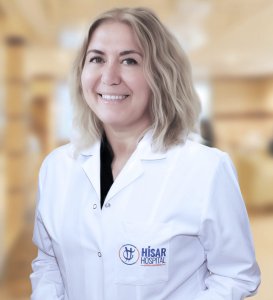
الأستاذة الدكتورة غولدن كافالي أستاذة في طب قلب الأطفال. تشخّص وتعالج أمراض القلب لدى الأطفال والمراهقين، بما في ذلك أمراض القلب الخلقية، اضطرابات نظم القلب، اعتلالات عضلة القلب، التهاب عضلة القلب، والحمّى الروماتيزمية الحادّة. وتشمل مهاراتها تخطيط صدى قلب الجنين وفحوصات القلب للرياضيين اليافعين.
حصلت على شهادة الطب من كلية الطب بجامعة إيجه (1978–1984). أتمّت اختصاص طب الأطفال في كلية الطب بجامعة جمهوريت (1988–1992). وأكملت اختصاصًا دقيقًا في طب قلب الأطفال في كلية الطب بجامعة حاجت تبه
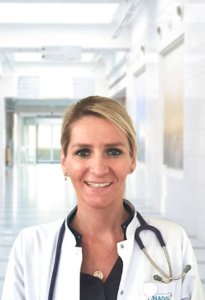
الدكتورة Nermina Alagic طبيبة قلب استشارية في مركز الأناضول الطبي بإسطنبول، الشريك لطب جامعة جونز هوبكنز. تخرّجت من جامعة إسطنبول–جراح باشا. أنهت برنامج الإقامة في أمراض القلب بمستشفى إسطنبول محمد عاكف أرصوي لجراحة الصدر والقلب والأوعية (2014–2018). تركّز على تصوير القلب، وتمتلك خبرة في تخطيط صدى القلب عبر جدار الصدر وعبر المريء ثنائي/ثلاثي الأبعاد (TTE/TEE). وطوّرت هذا التدريب عبر بحث في مختبر الصدى بجامعة ألاباما في برمنغهام (UAB) عام 2015، وعمل تطبيقي على TEE ثنائي/ثلاثي الأبعاد في مختبر T
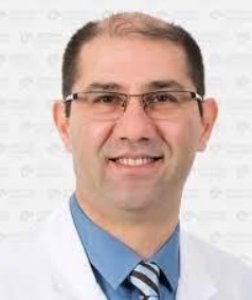
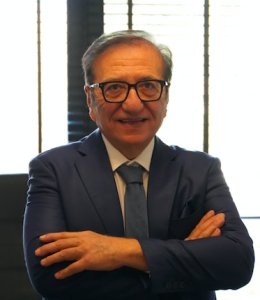
الدكتور جنك إندلن اختصاصي جراحة القلب والأوعية الدموية. يمارس المهنة منذ عام 2002. يعمل في مستشفى إسطنبول فلورنس نايتينغيل منذ عام 2025. أنهى إقامة جراحة الصدر والقلب والأوعية الدموية في جامعة كوجايلي (1996–2002). أصبح أستاذاً مشاركاً عام 2023.
يركّز عمله على إدارة دم المريض وتحسين الأداء القلبي الصدري. نشر أبحاثاً حول الجدوى الاقتصادية لنقل الدم وتطبيق إدارة دم المريض PBM (Cardiovasc J Afr، 2023). كما تناول اقتصاديات استبدال الصمام الأبهري (Heart Surg Forum، 2023) وتقنيات جراحات الشرا
 Anna Leonova
تُعد تركيا وجهة رائدة لعلاج فشل القلب المزمن بفضل التكنولوجيا القلبية المتقدمة والمتخصصين المعتمدين. تستخدم العيادات فحوصات التصوير المقطعي المحوسب (CT) بـ 512 شريحة ورنين مغناطيسي (MRI) بقوة 3 تسلا مدعوم بالذكاء الاصطناعي لرسم خرائط دقيقة للقلب. تحمل معظم المرافق عالية المستوى في إسطنبول اعتماد اللجنة الدولية المشتركة (JCI)، مما يضمن بروتوكولات سلامة دولية.
رؤية خبير Bookimed: الخبرة المهنية في تركيا عالية بشكل استثنائي. أجرى البروفيسور جنكيز كوكسال وحده أكثر من 2000 جراحة قلب مفتوح وجراحة أوعية دموية. هذا الحجم يسمح للمتخصصين الأتراك بتقديم إجراءات نادرة مثل إصلاح الصمام الميترالي بدون مضخة. العديد من الجراحين هم أيضًا مدربون دوليون، مما يجعلهم مدربين لنظرائهم في بلدان أخرى.
إجماع المرضى: يقدر المرضى سرعة حجز المواعيد لإعادة تقييم حالة القلب. يلاحظ الكثيرون أن وجود التصوير والمختبرات والمتخصصين في مبنى واحد يوفر الكثير من الوقت.
توفر مراكز القلب التركية علاجات متقدمة وشاملة لفشل القلب المزمن، بما في ذلك زراعة أجهزة مساعدة البطين الأيسر (LVAD) المتخصصة وزراعة القلب. تستخدم المرافق المعتمدة من اللجنة الدولية المشتركة (JCI) علاج إعادة التزامن القلبي (CRT) وأجهزة تقويم نظم القلب ومزيل الرجفان القابلة للزراعة (ICD). توفر التقنيات التداخلية المتقدمة مثل TAVI وMitraclip خيارات غير جراحية لفشل القلب المرتبط بصمامات القلب.
رؤية خبير Bookimed: بينما يبحث الكثيرون عن رعاية أساسية، فإن التمييز الحقيقي في مراكز القلب التركية هو وجود خبراء متخصصين في الصمامات. على سبيل المثال، البروفيسور الدكتور جنكيز كوكسال هو الطبيب الوحيد في تركيا المصرح له بإجراء عمليات إصلاح الصمام الميترالي بدون مضخة. اختيار جراح يتمتع بهذا المستوى من التفويض المحدد للتقنيات طفيفة التوغل يقلل بشكل كبير من الأثر الجسدي مقارنة بجراحة القلب المفتوح التقليدية.
إجماع المرضى: يؤكد المرضى على ضرورة الحصول على خطة علاج مكتوبة كاملة ويقترحون تأكيد توافر منسقين يتحدثون الإنجليزية. يؤكد الكثيرون على أهمية الحصول على رأي ثانٍ عند التفكير في تدخلات كبرى مثل زراعة LVAD أو جراحة زرا
تظهر علاجات فشل القلب في تركيا معدلات نجاح عالية، بما في ذلك 87% من المكاسب الصحية للعلاجات المبتكرة بالخلايا الجذعية. تتبع معظم المستشفيات المعتمدة من JCI إرشادات جمعية القلب الأمريكية. تركز معايير الجودة على تقليل إعادة الإدخال إلى المستشفى من خلال الرعاية متعددة التخصصات في مراكز مثل ميموريال جوزتيبي وميديبول أجيبادم.
رؤية خبير Bookimed: في حين يبحث الكثيرون عن معدلات نجاح عامة، فإن العامل المحلي المميز هو كثافة الأخصائيين. على سبيل المثال، أجرى البروفيسور جنكيز كوكسال في ميديبول أجيبادم أكثر من 2000 إجراء. وهو الطبيب التركي الوحيد المصرح له بتدريس إصلاح الصمام التاجي بدون مضخة. اختيار الجراحين الذين لديهم مثل هذه الأعداد الموثقة من الإجراءات يؤدي غالبًا إلى نتائج طويلة الأمد أكثر استقرارًا من الاختيار بناءً على حجم المستشفى وحده.
إجماع المرضى: يجد المرضى أن الاستقرار الفوري يعتمد على قوة فريق وحدة العناية المركزة للقلب. غالبًا ما يتم التعرف على الجودة العالية من خلال تحسن التنفس، وزيادة تحمل التمارين الرياضية، وخطط متابعة واضحة بعد الخروج.
توفر المستشفيات التركية رعاية متقدمة لفشل القلب من خلال مرافق معتمدة من JCI ومراكز جامعية متخصصة. تقدم المؤسسات الرائدة في إسطنبول عمليات زراعة القلب، وزرع أجهزة مساعدة البطين الأيسر (LVAD)، وتشخيصات متطورة. تستخدم الفرق المتخصصة الأشعة المقطعية بـ 512 شريحة والرنين المغناطيسي 3 تسلا لتخطيط القلب الدقيق وتخطيط العلاج.
رؤية خبير Bookimed: في حين أن العديد من المراكز الخاصة مجهزة تجهيزًا جيدًا، فإن الخبرة الأعمق غالبًا ما تكون لدى الأساتذة الذين يمارسون عملهم في المستشفيات التابعة للجامعات. على سبيل المثال، أجرى البروفيسور الدكتور جنكيز كوكسال في مستشفى ميديبول أجيبادم 2000 إجراء. وهو مخول بشكل فريد في تركيا لإصلاحات معينة للصمام التاجي، وهي ضرورية لتصحيح الأسباب الأساسية لفشل القلب.
إجماع المرضى: يشير المرضى إلى أنه من المهم اختيار المستشفيات التي توفر المراقبة المستمرة والرعاية طويلة الأمد. يؤكد الكثيرون أن المراكز التخصصية في إسطنبول توفر معالجة تشخيصية أسرع بكثير من العيادات الإقليمية الصغيرة.
يجب على المرضى التخطيط لإقامة من 10 إلى 14 يومًا في تركيا لعلاج فشل القلب المزمن. يسمح هذا الإطار الزمني بـ 1-2 يوم من فحص القلب واستشارة الأخصائي. تتطلب البروتوكولات المحددة عادةً 7 أيام. يضمن الوقت المتبقي الاستقرار السريري قبل السفر الدولي.
رؤية خبير Bookimed: تستخدم مراكز أمراض القلب التركية مثل مستشفى ميموريال جوزتيبي (Memorial Göztepe Hospital) الأشعة المقطعية بـ 512 شريحة والرنين المغناطيسي 3 تسلا للتشخيص السريع. تظهر بياناتنا أن كبار الأخصائيين، بمن فيهم البروفيسور الدكتور جنكيز كوكسال الذي أجرى أكثر من 2000 عملية، يؤكدون أن الفحص التشخيصي يحدد مدة الإقامة أكثر من الإجراء نفسه. يضمن اختيار المرافق المعتمدة من JCI بروتوكولات موحدة يمكنها تبسيط هذه التقييمات.
لا يلزم إتقان اللغة التركية لعلاج فشل القلب في تركيا. توفر المستشفيات الحاصلة على اعتماد اللجنة الدولية المشتركة (JCI) أقسامًا مخصصة للمرضى الدوليين وفرقًا متعددة التخصصات. توفر هذه المراكز مترجمين طبيين محترفين وأطباء قلب يتحدثون الإنجليزية. تستخدم مرافق مثل مستشفى ميموريال جوزتيبي (Memorial Göztepe Hospital) أدوات تشخيص متقدمة دون عوائق لغوية.
رؤية خبير Bookimed: تظهر بياناتنا أن كبار أطباء القلب الأتراك غالبًا ما يحملون شهادات دولية ودرجات علمية من إنجلترا أو الولايات المتحدة. على سبيل المثال، تدرب الدكتور إلهان مافيوغلو في مستشفى غريت أورموند ستريت في لندن. يضمن هذا التدريب العالمي قدرة الجراحين على توصيل خطط الرعاية المعقدة مباشرة باللغة الإنجليزية مع المرضى.
إجماع المرضى: يشير المرضى إلى أنه من الضروري إحضار السجلات الطبية السابقة وقوائم الأدوية مترجمة بوضوح إلى اللغة الإنجليزية. كما يوصون باختيار المستشفيات الخاصة بدلاً من العيادات العامة لضمان تواصل ودعم أكثر سلاسة عند الخروج.