أفضل مستشفيات علاج قصور القلب المزمن في كوريا الجنوبية


تمت مراجعة المقالة طبيا من قبل
فهد مولود
كيف نعمل؟
ما هي تكلفة قصور القلب المزمن إجراءات التشخيص والعلاج في كوريا الجنوبية؟ اعرف الآن
اكتشف أفضل قصور القلب المزمن العيادات في كوريا الجنوبية: 3 خيارات معتمدة والأسعار
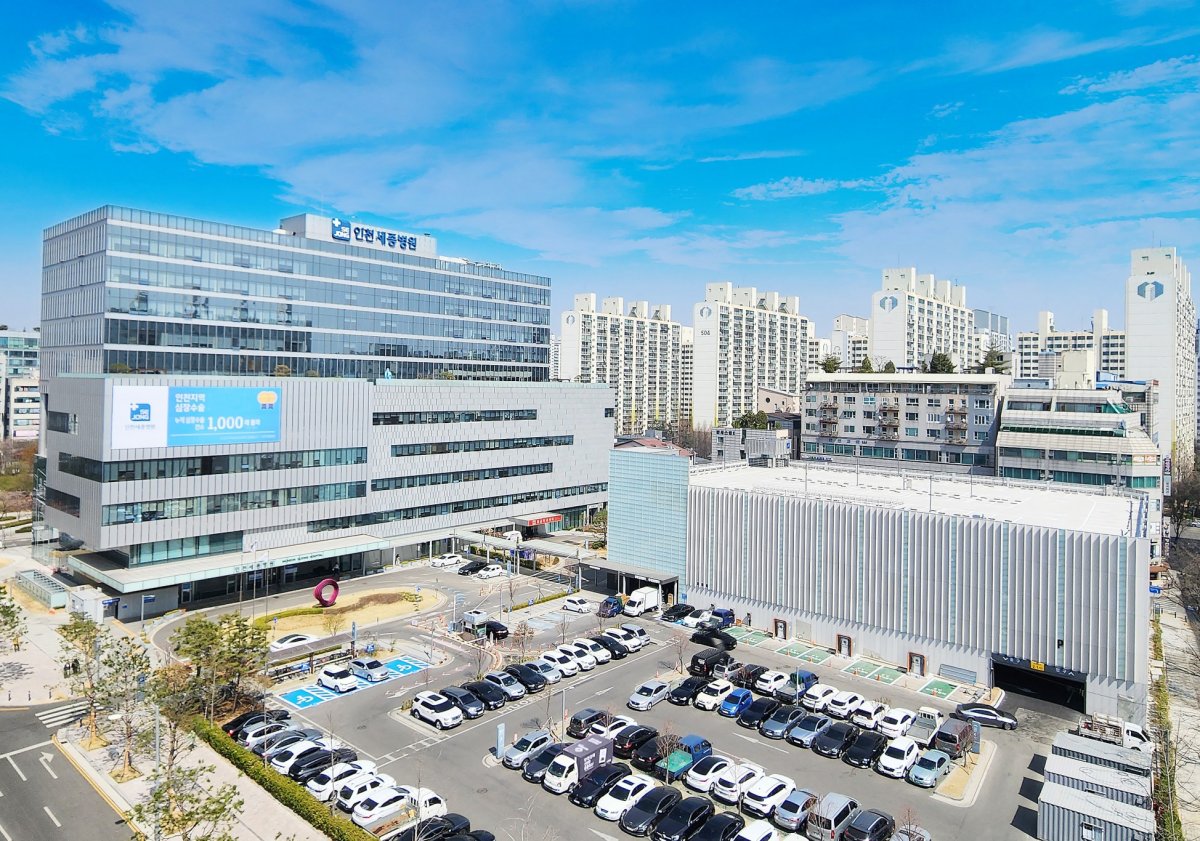
احصل على تقييم طبي لـ في كوريا الجنوبية. استشر الآن 6 أطباء ذوي الخبرة.
عرض جميع الأطباء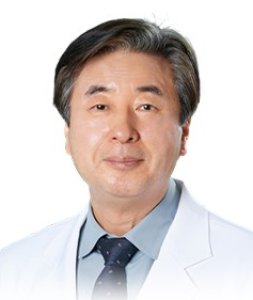
Ahn Taehun
الدكتور آن تايهون طبيب أمراض قلب حاصل على درجتي الطب والدكتوراه، ومدير مركز أمراض القلب والأوعية الدموية. يختص بمرض الشريان التاجي، بما في ذلك الذبحة الصدرية واحتشاء عضلة القلب. ويعالج أيضًا ارتفاع ضغط الدم، وأمراض صمامات القلب، وقصور القلب، وفرط شحميات الدم. تشمل خبرته طب القلب التداخلي، وتخطيط صدى القلب، وتصوير القلب والأوعية الدموية. ويعالج كذلك تصلب الشرايين، وأمراض انسداد الشرايين، واعتلال عضلة القلب التوسعي، والتهاب عضلة القلب.
تولى عدة مناصب قيادية. شغل منصب رئيس مجلس إدارة الجم
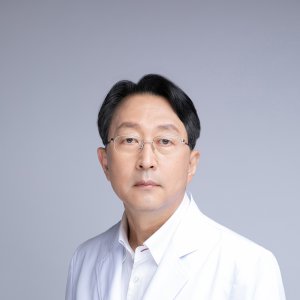
Kim Ki Bong
يتخصص الأستاذ الدكتور كيم كي-بونغ في جراحة مجازة الشريان التاجي (CABG)، وجراحة الصمامات، والرجفان الأذيني، وزراعة القلب. يشغل منصب مدير مراكز جراحة القلب والأوعية الدموية في مستشفى ميونغجي، وقد كان رائدًا في تقنيات جراحة مجازة الشريان التاجي المتقدمة في كوريا. يتمتع بخبرة واسعة في جراحة القلب النابض (OPCAB) ويعمل ضمن فريق جراحة مجازة الشريان التاجي بالمنظار الكامل (TECAB) باستخدام نظام دافنشي إكس آي (da Vinci Xi).
في عام 2025، أجرى فريقه أول عملية جراحية لمجازة الشريان التاجي بالمنظار
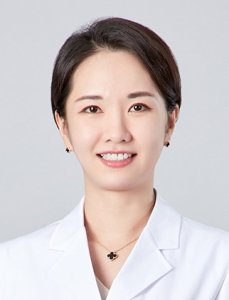
Min Jeong Kim
الدكتورة مين-جونغ كيم، طبيبة قلب تحمل درجتي الطب (MD) والدكتوراه (PhD)، تعمل في مستشفى إنتشون سيجونغ. تركز على طب القلب التدخلي، وفشل القلب، وارتفاع ضغط الدم، وطب القلب الوقائي.
حصلت على درجتي MD وPhD من كلية الطب بجامعة سيول الوطنية، وأتمت تدريباً متقدماً في الطب الباطني وأمراض القلب والأوعية في مركز طبي رائد في كوريا.
تشمل خبرتها مرض الشريان التاجي، وفشل القلب المزمن، واضطرابات نظم القلب، وارتفاع ضغط الدم. تجري تصوير الشرايين التاجية بالقسطرة والتدخل التاجي عبر الجلد، وتتقن تخ
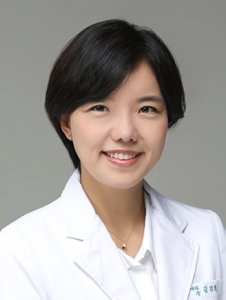
Kyung Hee Kim
الدكتورة كيونغ هي كيم، MD, PhD، مديرة مركز زراعة القلب ورئيسة قسم أمراض القلب في مستشفى إنشيون سيجونغ. حصلت على درجات MD وMS وPhD من كلية الطب بجامعة سيول الوطنية، وأكملت زمالات دولية، منها إجراء أبحاث في مايو كلينك.
تشمل خبرتها فشل القلب المتقدم، تقييم وإدارة الزرع، الدعم الدوري الميكانيكي (VAD، ECMO)، ارتفاع ضغط الدم الرئوي، اعتلالات عضلة القلب المعقدة، وأمراض القلب الوراثية والصمامية وعيوب القلب الخلقية لدى البالغين.
تقود رعاية قلبية متعددة التخصصات، وتطوّر بروتوكولات سريرية
مشاركة المحتوى
قصص فيديو من مرضى Bookimed
 Anna Leonova
أسئلة متكررة حول علاج قصور القلب المزمن في كوريا الجنوبية
ما هي أفضل المستشفيات في كوريا الجنوبية لعلاج فشل القلب المزمن؟
تقدم كوريا الجنوبية رعاية قلبية عالية النجاح في مؤسسات مثل مستشفى سيجونغ، ومستشفى جامعة سيول الوطنية، ومستشفى سيفيرانس. تستخدم هذه المرافق فرقًا متعددة التخصصات لفشل القلب. وهي تدمج الدعم الدوري الميكانيكي المتقدم، وبرامج زراعة القلب، وأنظمة المراقبة الرقمية. تمتلك معظم المراكز اعتماد KOIHA أو JCI للسلامة.
- مرافق متخصصة: مستشفى سيجونغ هو المستشفى المتخصص الوحيد في أمراض القلب المعين من قبل الحكومة في كوريا.
- قيادة خبيرة: يشغل البروفيسور بيونغ-هي أوه حاليًا منصب رئيس الجمعية الكورية لأمراض القلب.
- تكنولوجيا متقدمة: تستخدم المراكز بانتظام أجهزة دعم البطين (VAD) والأكسجة الغشائية خارج الجسم (ECMO).
- التكامل الرقمي: تطبق المستشفيات الرائدة مثل SNUBH مراقبة رقمية متقدمة لرعاية المرضى المستمرة.
رؤية خبير بوكيميد (Bookimed): في حين أن المستشفيات الجامعية في سيول مرموقة، يدير مستشفى سيجونغ في إنتشون أكثر من 400,000 زيارة مريض سنويًا. يضمن هذا الحجم الهائل احتفاظ الجراحين بكفاءة عالية. حتى أن الدكتور كيونغ-هي كيم يساهم في إرشادات AHA العالمية. بالنسبة لفشل القلب، يؤدي هذا الحجم المحدد غالبًا إلى نتائج إدارة أفضل على المدى الطويل.
إجماع المرضى: يشير المرضى إلى أهمية اختيار المراكز التي تسمح باستمرارية الرعاية مع نفس طبيب القلب. ويؤكدون على البحث عن مرافق توفر دعم وحدة عناية مركزة مخصص لعلاجات الأجهزة المعقدة.
ما هي خيارات العلاج المتقدمة التي تقدمها كوريا الجنوبية لفشل القلب المتقدم؟
تقدم كوريا الجنوبية علاجات عالية النجاح لفشل القلب المتقدم، بما في ذلك زراعة القلب، وأجهزة دعم البطين (VAD)، والأكسجة الغشائية خارج الجسم (ECMO). تقدم مراكز متخصصة مثل مستشفى سيجونغ هذه الخدمات تحت اعتماد KOIHA. تصل معدلات البقاء على قيد الحياة لمدة عام واحد لعمليات زراعة القلب في المنطقة إلى 90%.
- زراعة القلب: يقوم الجراحون بإجراء حوالي 200 عملية زراعة سنويًا بنتائج بقاء عالية.
- الدعم الميكانيكي: تعمل أجهزة دعم البطين الأيسر (LVAD) كجسر نحو الزراعة.
- علاج ECMO: تستخدم فرق متخصصة ECMO لتحقيق الاستقرار على المدى القصير في حالات الصدمة القلبية الحادة.
- إدارة الإيقاع: تعمل تقنية علاج إعادة التزامن القلبي (CRT) المتقدمة على تحسين كفاءة ضخ القلب عبر أجهزة تنظيم ضربات القلب.
رؤية خبير بوكيميد (Bookimed): غالبًا ما يشير حجم المرضى إلى الخبرة المتخصصة في كوريا. يدير مستشفى سيجونغ أكثر من 402,000 مريض سنويًا. يسمح هذا النطاق الهائل لأطباء مثل الدكتور كيونغ هي كيم بتطوير بروتوكولات دقيقة للغاية للدعم الدوري الميكانيكي. عادة ما تتركز القيادة الخبيرة، مثل رؤساء الجمعية الكورية لأمراض القلب السابقين، في هذه المراكز ذات الحجم الكبير.
إجماع المرضى: يشير المرضى إلى أن الرعاية المتقدمة تبدو كسلم تصاعدي. ويؤكدون على أهمية وجود فريق منسق من الجراحين ومنسقي الزرع من أجل الإدارة على المدى الطويل.
ما هو معدل نجاح علاج فشل القلب في كوريا الجنوبية؟
تُبلغ مراكز أمراض القلب الكورية الجنوبية عن معدل بقاء على قيد الحياة لمدة عام واحد بنسبة 91% لمرضى فشل القلب. يصل معدل البقاء على قيد الحياة لمدة 5 سنوات إلى 79% من خلال العلاج الطبي الموجه بالبروتوكولات. خفضت المستشفيات التخصصية معدل الوفيات داخل المستشفى للحالات الحادة إلى 2.2%. يستفيد المرضى من معايير السلامة المعتمدة من قبل KOIHA في المدن الكبرى.
- البقاء على قيد الحياة على المدى الطويل: تُظهر البيانات الوطنية معدل بقاء بنسبة 66% بعد 10 سنوات.
- الخبرة السريرية: ترأس الدكتور بيونغ هي أوه في مستشفى سيجونغ الجمعية الكورية لأمراض القلب.
- المؤهلات المتقدمة: تدرب جراحون مثل الدكتور كيونغ هي كيم في مايو كلينك.
- حجم المرضى المرتفع: يعالج مستشفى سيجونغ أكثر من 402,000 مريض كل عام في إنتشون.
رؤية خبير بوكيميد (Bookimed): النجاح في كوريا مدفوع بالمراكز المتخصصة ذات الحجم الكبير مثل مستشفى سيجونغ. غالبًا ما يشغل متخصصوهم أدوارًا قيادية في لجان أمراض القلب العالمية. نشر الدكتور أوه دونغ جو أكثر من 240 ورقة بحثية دولية. تضمن هذه البيئة الغنية بالبحوث حصول المرضى على أحدث بروتوكولات الأدوية قبل أن تصبح معايير عالمية.
إجماع المرضى: يؤكد المرضى أن النجاح يعني تنفسًا أفضل وتقليل عدد مرات دخول المستشفى بدلاً من الشفاء التام. ويشيرون إلى أن الاستمرار في مراقبة الوزن وتناول الملح أمر حيوي للاستقرار على المدى الطويل.
كم يستغرق علاج فشل القلب، ومتى يمكن للمريض العودة إلى المنزل؟
تستغرق الإقامة في المستشفى لاستقرار حالات فشل القلب الحاد في كوريا الجنوبية عادة من 5 إلى 10 أيام. يعود المرضى إلى المنزل بمجرد تحقيق الاستقرار الديناميكي الدموي وتوازن السوائل. يتطلب التعافي طويل الأجل لتحسين وظائف القلب عمومًا من 3 إلى 6 أشهر من الأدوية المحسنة والمراقبة المتخصصة.
- الإقامة الداخلية: تتطلب الرعاية الحادة عادة من 5 إلى 10 أيام للاستقرار.
- معايير الخروج: تتطلب العودة إلى المنزل ضغط دم مستقرًا وزوال احتباس السوائل.
- نافذة التعافي: يتم تقييم وظائف القلب عادةً بعد 3 أشهر من بدء العلاج.
- الإدارة المستمرة: يتطلب فشل القلب المزمن تعديل الأدوية مدى الحياة وتعديلات في نمط الحياة.
رؤية خبير Bookimed: توفر كوريا الجنوبية كثافة عالية من الخبرة المتخصصة للحالات المعقدة. تقود الدكتورة كيونغ هي كيم في مستشفى سيجونغ فريقًا متعدد التخصصات يركز على فشل القلب المتقدم والدعم الميكانيكي. غالبًا ما يؤدي هذا النهج المتكامل في المراكز ذات الحجم الكبير، التي تعالج أكثر من 400,000 مريض سنويًا، إلى تحسين أكثر دقة للأدوية خلال الإقامة الأولية التي تستغرق 10 أيام.
إجماع المرضى: يلاحظ المرضى أن الخروج يعتمد على تحسن التنفس ووظائف الكلى أكثر من اعتماده على تاريخ تقويمي محدد. ويؤكدون أن الأسابيع الأولى في المنزل بالغة الأهمية لمراقبة الوزن والتورم لمنع العودة إلى المستشفى.
هل يتم دمج إعادة التأهيل القلبي في العلاج في كوريا؟
تعد إعادة التأهيل القلبي جزءًا قياسيًا من علاج فشل القلب المزمن في كوريا الجنوبية. يغطي نظام التأمين الصحي الوطني هذه البرامج منذ عام 2017. تدمج الإرشادات السريرية الموضوعة في عام 2019 التقييم، والعلاج بالتمارين الرياضية تحت الإشراف، والتثقيف في بروتوكولات التعافي في مراكز القلب الرئيسية.
- تغطية التأمين: يغطي التأمين الصحي الوطني تكاليف التثقيف، والتقييم السريري، والعلاج بالتمارين.
- مكونات البرنامج: يشمل العلاج تدريبًا هوائيًا تحت الإشراف، وتقوية العضلات، وتثقيفًا حول الوقاية الثانوية.
- معايير الاعتماد: تحافظ مراكز مثل مستشفى سيجونغ على اعتماد KOIHA، مما يضمن بروتوكولات السلامة الدولية.
- القيادة السريرية: يتخصص خبراء مثل الدكتور بيونغ هي أوه في طب القلب الوقائي وفشل القلب.
رؤية خبير Bookimed: التنسيق بين الرعاية الحادة والتعافي عالٍ بشكل استثنائي في المراكز المتخصصة. يدير مستشفى سيجونغ أكثر من 400,000 مريض سنويًا ويضم 28 قسمًا متميزًا. يسمح هذا الحجم العالي بانتقال سلس من التدخلات المتقدمة مثل VAD أو الزراعة إلى إعادة التأهيل المنظم. يجب على المرضى اختيار مراكز متعددة التخصصات لضمان بدء إعادة التأهيل فور الاستقرار.
إجماع المرضى: يلاحظ المرضى أن برامج إعادة التأهيل المنظمة تعزز بشكل كبير القدرة البدنية وتقلل من القلق بعد حدث قلبي. ينصح الكثيرون بسؤال طبيب القلب عن التمارين تحت الإشراف في وقت مبكر، حيث قد لا يتم عرضها تلقائيًا أثناء الفحوصات الروتينية.
هل يجب على المرضى أن يكونوا مقيمين في كوريا الجنوبية لتلقي رعاية قلبية متخصصة؟
لا يحتاج المرضى إلى أن يكونوا مقيمين في كوريا الجنوبية لتلقي رعاية قلبية متخصصة. تقدم جمهورية كوريا خدمات قلب متقدمة للمرضى الدوليين من خلال تأشيرات طبية أو دخول قصير الأجل. توفر المراكز ذات الحجم الكبير مثل مستشفى سيجونغ إدارة معقدة لفشل القلب وزراعة الأعضاء لغير المقيمين.
- متطلبات التأشيرة: تغطي التأشيرات الطبية C-3-3 العلاج قصير الأجل أو الفحوصات التشخيصية.
- الرعاية طويلة الأجل: تأشيرات G-1-10 ضرورية للعلاجات التي تتجاوز 90 يومًا.
- التوثيق السريري: يجب على المرضى تقديم دعوات المستشفى، والسجلات الطبية، وإثبات وجود أموال.
- تأثير التأمين: يدفع غير المقيمين عادة تكاليف أعلى من جيبهم الخاص بدون تغطية التأمين العام الكوري.
رؤية خبير Bookimed: بينما يمكن لأي مستشفى كبير تقنيًا علاج غير المقيمين، تدير العيادات المتخصصة مثل مستشفى سيجونغ أكثر من 400,000 مريض سنويًا. يسمح هذا الحجم الهائل لأكثر من 100 طبيب لديهم بالحفاظ على كفاءة عالية في تدخلات فشل القلب النادرة. غالبًا ما يؤدي اختيار مركز قلب مخصص بدلاً من مستشفى جامعي عام إلى تبسيط عملية الإيداع والترجمة للمواطنين الأجانب.
إجماع المرضى: يلاحظ المرضى أن جمع تقارير الصدى ونتائج المختبر المترجمة هو العقبة الأكبر. ويؤكد معظمهم أن الرعاية المتخصصة تتركز في المستشفيات الحضرية الكبيرة حيث تتعامل الإدارات الدولية مع الأعمال الورقية المعقدة.
كيف تندمج التكنولوجيا الرقمية في كوريا الجنوبية في رعاية فشل القلب؟
تدمج كوريا الجنوبية التكنولوجيا الرقمية في رعاية فشل القلب من خلال تشخيصات تخطيط القلب الكهربائي (ECG) المدعومة بالذكاء الاصطناعي والمراقبة عن بُعد لأجهزة القلب. وتدعم البنية التحتية أجهزة استشعار محمولة تدعم تقنية البلوتوث للكشف السريع عن عدم انتظام ضربات القلب. تربط هذه الأدوات المرضى بفرق متعددة التخصصات داخل أنظمة معتمدة من قبل JCI أو KOIHA للإدارة الاستباقية.
- تشخيصات الذكاء الاصطناعي: تكتشف نماذج الذكاء الاصطناعي فشل القلب مع انخفاض الكسر القذفي باستخدام تخطيط القلب المعياري.
- أجهزة استشعار محمولة: تراقب الأجهزة المتصلة بالبلوتوث 6 قنوات لتخطيط القلب للكشف عن الأعراض في الوقت الفعلي.
- مراقبة الأجهزة: تضمن المراقبة عن بُعد للغرسات تتبعًا آمنًا للأجهزة الإلكترونية القلبية.
- العلاجات الرقمية: توفر تطبيقات الهاتف المحمول علاجًا قائمًا على البرمجيات لارتفاع ضغط الدم المزمن وفشل القلب.
رؤية خبير Bookimed: بينما يبحث الكثيرون عن أحدث الأدوات التقنية، تكمن القوة الحقيقية لكوريا الجنوبية في تكامل بيانات المراكز ذات الحجم الكبير. تدير المراكز المتخصصة مثل مستشفى سيجونغ أكثر من 400,000 زيارة سنويًا. يسمح هذا الحجم الهائل من المرضى لقادة مثل البروفيسور الدكتور بيونغ هي أوه بتحسين خوارزميات الذكاء الاصطناعي باستخدام ملايين نقاط البيانات. وهذا يضمن دقة تشخيصية لا يمكن للأنظمة الأصغر والأقل رقمنة تكرارها بسهولة.
إجماع المرضى: يلاحظ المرضى أن التكنولوجيا تكون أكثر قيمة عندما تمنع دخول المستشفى من خلال ميزات بسيطة مثل تنبيهات ا