قصور القلب المزمن العلاج في الهند - التكاليف 2026


تمت مراجعة المقالة طبيا من قبل
فهد مولود
ما هي تكلفة قصور القلب المزمن إجراءات التشخيص والعلاج في الهند؟ اعرف الآن
مزاياك وضماناتك مع Bookimed
أسعار مباشرة
Bookimed لا يضيف رسوماً إضافية على أسعار علاج قصور القلب المزمن . الأسعار مأخوذة من قوائم الأسعار الرسمية للعيادات. تدفع مباشرة في العيادة مقابل علاجك عند وصولك إلى البلد.
عيادات وأطباء معتمدون فقط
Bookimed ملتزم بسلامتك. نحن نعمل فقط مع المؤسسات الطبية التي تحافظ على معايير دولية عالية في علاج قصور القلب المزمن ولديها التراخيص اللازمة لخدمة المرضى الدوليين في جميع أنحاء العالم.
مساعدة مجانية على مدار الساعة
Bookimed يقدم مساعدة خبراء مجانية. منسق طبي شخصي يدعمك قبل وأثناء وبعد العلاج، ويحل أي مشاكل. لن تكون وحيداً أبداً في رحلة علاج قصور القلب المزمن .

منسقك الطبي الشخصي في Bookimed
- يدعمك في كل مرحلة
- المساعدة في اختيار العيادة الطبية المناسبة والطبيب المناسب
- يضمن الوصول السريع والمريح إلى المعلومات
اكتشف أفضل قصور القلب المزمن العيادات في الهند: 2 خيارات معتمدة والأسعار





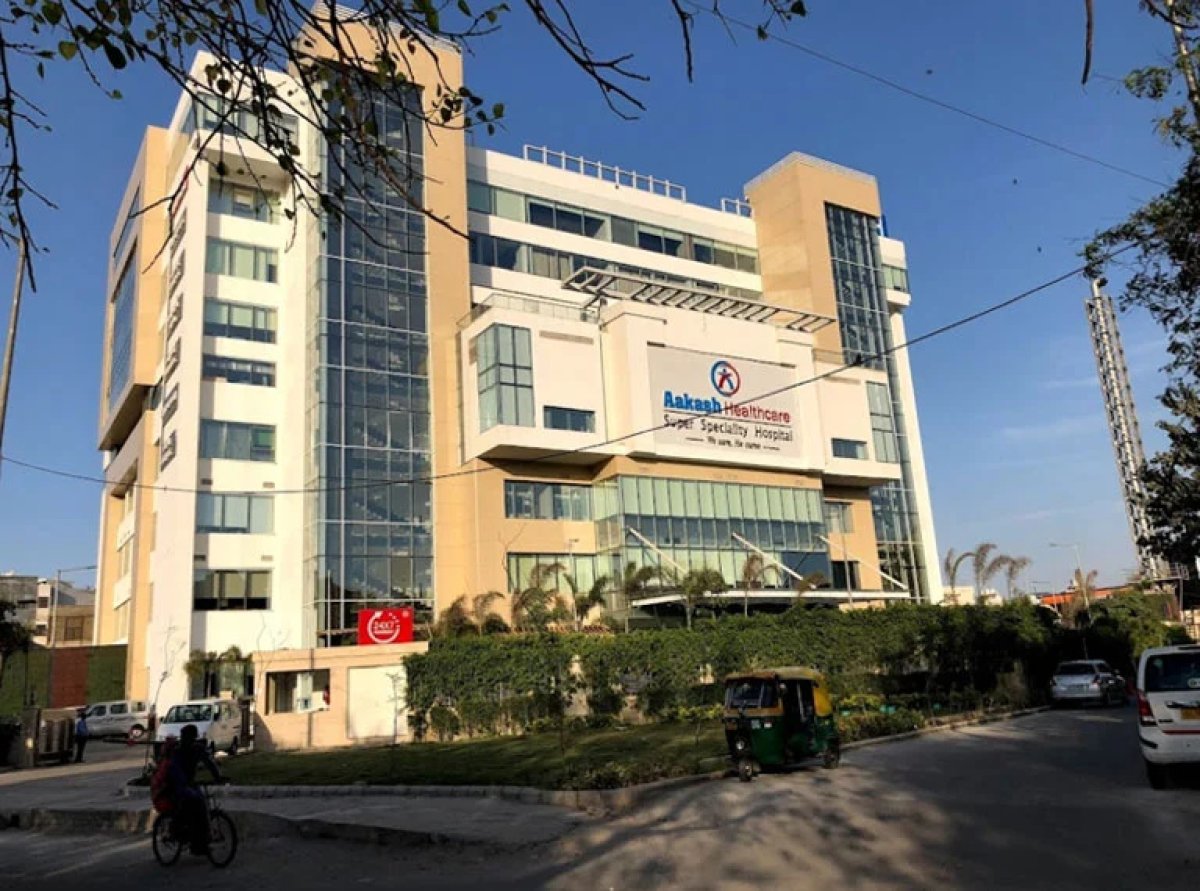
Helal Healthcare
احصلوا على تقييم طبي لـ قصور القلب المزمن في الهند: استشيروا أطباء ذوي خبرة الآن
عرض جميع الأطباء
MC Sandeep
الدكتور إم سي سانديب هو طبيب قلب في مستشفيات "كيورا" (Cura Hospitals) في بنغالور. وهو حاصل على درجة الماجستير في العلوم في طب القلب من المملكة المتحدة، وعضو في الكلية الملكية للأطباء في لندن. يجري الطبيب إجراءات تداخلية في هذه المنشأة الحاصلة على شهادة الأيزو.
- يجري عمليات تصوير الأوعية التاجية، ورأب الأوعية مع تركيب الدعامات، وزراعة أجهزة تنظيم ضربات القلب.
- يعالج حالات مثل قصور القلب المزمن وأمراض الشرايين التاجية.
- حاصل على شهادات مهنية تشمل زمالة الجمعية الأوروبية
Ashok Seth
Hemant Khemani
Surinder Hansra
مشاركة المحتوى
قصص فيديو من مرضى Bookimed
 Anna Leonova
أسئلة متكررة حول علاج قصور القلب المزمن في الهند
ما هي الأدوية التي يصفها الأطباء في الهند لعلاج قصور القلب المزمن؟
يصف الأطباء في الهند العلاج الطبي الموجه بالمبادئ التوجيهية (GDMT) بما في ذلك مثبطات ARNI، وحاصرات بيتا، ومضادات مستقبلات القشرانيات المعدنية (MRAs)، ومثبطات SGLT2. تعمل هذه الركائز الأربع على تقليل حالات دخول المستشفى وتحسين معدلات البقاء على قيد الحياة. تتبع البروتوكولات الهندية معايير جمعية قصور القلب في الهند. غالبًا ما يشمل العلاج مدرات البول مثل فوروسيميد لتخفيف الأعراض بشكل فوري وإدارة السوائل.
- الركائز الأساسية: يُفضل استخدام مثبطات ARNI مثل ساكوبيتريل-فالسارتان على مثبطات الإنزيم المحول للأنجيوتنسين (ACE) وحاصرات مستقبلات الأنجيوتنسين (ARBs) التقليدية.
- إدارة معدل ضربات القلب: يتم البدء بحاصرات بيتا مثل ميتوبرولول أو كارفيديلول بجرعات أولية منخفضة.
- التحكم في السوائل: سبيرونولاكتون هو مضاد مستقبلات القشرانيات المعدنية القياسي المستخدم لإدارة الألدوستيرون.
- العلاج الحديث: أصبحت مثبطات SGLT2 مثل إمباغليفلوزين الآن معيارًا لجميع مرضى قصور القلب.
رؤية خبير Bookimed: تتخصص العيادات الهندية مثل مستشفى جلوبال في تشيناي في الحالات القلبية المعقدة وعمليات الزرع. تُظهر بياناتنا أن هذه المراكز غالبًا ما تستخدم نسخًا عامة من أدوية GDMT الرئيسية. تساعد هذه الممارسة المرضى على الحفاظ على الامتثال طويل الأمد دون التضحية بجودة العلاج. تستخدم المراكز الأكاديمية الكبرى عادةً الإقامة في المستشفى لاستقرار وتعديل أنظمة الأدوية المكثفة هذه.
إجماع المرضى: يشير المرضى إلى أن الأطباء يقومون بتعديل الجرعات ببطء لتجنب الدوار. ويؤكدون
في أي مرحلة يوصى بإجراء جراحة أو تركيب أجهزة قلب في الهند؟
يوصى بإجراء جراحة أو تركيب أجهزة قلب في الهند عندما تفشل الأدوية وتغييرات نمط الحياة في السيطرة على أعراض فشل القلب. التدخلات ضرورية عند وجود تهديدات وشيكة للحياة. يعطي الأطباء الأولوية لهذه العلاجات في حالات انخفاض الكسر القذفي. كما يعالجون مشاكل هيكلية محددة مثل انسداد الشرايين أو أمراض الصمامات.
- انخفاض الكسر القذفي: يوصى بأجهزة تقويم نظم القلب ومزيل الرجفان القابل للزرع (ICD) للمرضى الذين لديهم كسر قذفي بنسبة 35% أو أقل.
- عدم التزامن البطيني: تساعد أجهزة إعادة المزامنة القلبية (CRT) المرضى الذين يعانون من فشل القلب المتقدم واضطراب التوصيل الكهربائي.
- انسداد الشرايين: يُنصح بجراحة المجازة (Bypass) في حالات تضيق الشريان التاجي الأيسر الرئيسي الذي يتجاوز 50% أو أمراض الشرايين المتعددة.
- فشل الصمام: الإصلاح أو الاستبدال ضروري في حالات تضيق أو ارتجاع الصمام الشديد والتكلس.
رؤية خبير Bookimed: تُظهر مراكز القلب الهندية مثل مستشفى جلوبال في تشيناي كفاءة تقنية عالية. كانت هذه المنشأة الأولى في الهند التي تجري عمليات زراعة رئة طفيفة التوغل وعمليات زراعة قلب وكلى مشتركة. يشير هذا إلى أن المرضى الذين يعانون من أمراض مصاحبة معقدة يمكنهم العثور على حلول جراحية متقدمة في الهند. توفر العديد من المرافق المعتمدة رعاية عالية الحجم، حيث تتعامل مع آلاف الإجراءات سنويًا للحفاظ على الخبرة السريرية.
إجماع المرضى: يلاحظ المرضى أن الأطباء عادة ما يستنفدون العلاجات الطبية المكثفة قبل مناقشة الغرسات. ويؤكدون أن القرارات تعتمد بشكل كبير على
من هو الطبيب المناسب لإدارة قصور القلب المزمن في الهند؟
تتطلب إدارة قصور القلب المزمن في الهند طبيب قلب حاصلاً على درجة دكتور في الطب أو دبلوم المجلس الوطني. غالبًا ما تتضمن الحالات المتقدمة جراح قلب وصدر أو أخصائي قصور قلب. يمارس هؤلاء الخبراء عملهم في مراكز ثالثية معتمدة من NABH لتقديم العلاج الطبي والتدخلات الجراحية الموجهة وفقًا للإرشادات.
- طبيب القلب: يصف الأدوية المقوية للقلب ويدير معايرة الأدوية والمراقبة على المدى الطويل.
- أخصائي قصور القلب: يركز على حالات المرحلة النهائية التي تتطلب عمليات زرع أو أنظمة دعم ميكانيكي للقلب.
- جراح القلب والصدر: يجري إجراءات متخصصة مثل إصلاح الصمامات، أو جراحة المجازة، أو زرع الأجهزة.
- طبيب الباطنة: يراقب الصيانة اليومية ويحدد العلامات المبكرة لزيادة السوائل لدى المرضى.
رؤية خبير Bookimed: تتميز المرافق الهندية الرائدة مثل مستشفى جلوبال تشيناي بتخصصها عالي الحجم. تجري هذه العيادة 18,000 عملية سنويًا. كما كانوا أول من أجرى عمليات زرع قلب وكلى مشتركة في الهند. اختيار مثل هذه المراكز ذات المستوى الأكاديمي يضمن الوصول إلى فرق متعددة التخصصات غالبًا ما تكون مفقودة في العيادات القياسية.
إجماع المرضى: يشير المرضى إلى أن الأعراض الأولية مثل ضيق التنفس يتم تشخيصها بسهولة بشكل خاطئ على أنها مجرد ضعف بسيط. ويؤكدون على أهمية زيارة طبيب القلب مبكرًا لإجراء تخطيط صدى القلب لتجنب تأخير العلاج.
ما هي الأعراض اليومية التي يجب على مريض فشل القلب مراقبتها في المنزل؟
يجب على مرضى فشل القلب تتبع زيادة الوزن المفاجئة، وتفاقم ضيق التنفس، وزيادة التورم يومياً. تشير هذه العلامات إلى احتباس السوائل قبل حدوث حالات الطوارئ. تشمل المراقبة التحقق من السعال الجاف المستمر، والتعب الشديد، وعدم القدرة على الاستلقاء بشكل مسطح دون وسائد إضافية للراحة.
- تتبع الوزن اليومي: زن نفسك كل صباح بعد استخدام الحمام ولكن قبل تناول الإفطار.
- عتبات زيادة الوزن: قم بتنبيه الأطباء في حال زيادة الوزن بمقدار 1-1.5 كجم يومياً أو 2.5 كجم أسبوعياً.
- تقييم التنفس: لاحظ أي صعوبة جديدة أثناء النشاط الخفيف أو الاستيقاظ وأنت تلهث ليلاً.
- فحص احتباس السوائل: افحص يومياً وجود تورم في الكاحلين، أو ضيق في الأحذية، أو انتفاخ غير عادي في البطن.
رؤية خبير Bookimed: تتخصص العيادات الهندية مثل مستشفى جلوبال في تشيناي في إدارة الأعضاء المتعددة، حيث تجري عمليات زراعة القلب والكلى المشتركة. هذه الخبرة حيوية لأن زيادة السوائل غالباً ما تؤدي إلى إجهاد كلوي ثانوي. يجب على المرضى اختيار مراكز حاصلة على اعتماد NABH لضمان بروتوكولات مراقبة موحدة لمثل هذه الحالات المعقدة.
إجماع المرضى: يؤكد المرضى أن العلامات الدقيقة مثل شعور الخواتم بالضيق أو ترك الجوارب علامات عميقة غالباً ما تكون أولى التحذيرات. يتمنى الكثيرون لو أنهم أدركوا أن فقدان الشهية المفاجئ يشير غالباً إلى الاحتقان بدلاً من مشاكل المعدة المعتادة.
ما هي التغييرات الغذائية المطلوبة لمرضى قصور القلب الاحتقاني (CHF) في الهند؟
يجب على مرضى قصور القلب في الهند تقليل الصوديوم اليومي إلى أقل من 2000 مجم. يتطلب ذلك التخلص من الأطعمة الأساسية مثل المخللات، والباباد، والنامكين المملح. يجب على المرضى تقييد إجمالي السوائل إلى 1.5–2 لتر لمنع احتقان الرئة. يساعد استبدال الأرز الأبيض بالحبوب الكاملة مثل الراغي أو الجوار في إدارة إجهاد القلب.
- تقييد الصوديوم: حدد إجمالي الملح بأقل من ملعقة صغيرة يومياً في جميع الوجبات.
- إدارة السوائل: تتبع جميع السوائل بما في ذلك الشاي، والسامبار، والدال ضمن الحدود اليومية.
- بدائل النكهة: استخدم الكمون، والكركم، والثوم، والليمون بدلاً من ملح الطعام للتتبيل.
- بدائل الحبوب: استبدل دقيق المايدا المكرر بخبز الشاباتي المصنوع من القمح الكامل الغني بالألياف والأرز البني.
- الدهون الصحية: تجنب السمن (Ghee) والفاناسباتي، واختر كميات صغيرة من زيت الخردل أو زيت الزيتون.
رؤية خبراء Bookimed: تعطي مراكز القلب الرائدة في الهند، مثل مستشفى جلوبال في تشيناي، الأولوية للرعاية المتكاملة للحالات المعقدة. لقد أجروا بنجاح أول عملية زراعة قلب وكلى في الهند، مما يسلط الضوء على سبب ضرورة موازنة النظام الغذائي بدقة. في حالات قصور القلب متعدد الأعضاء، تعد إدارة البروتين والبوتاسيوم حيوية تماماً مثل تقييد الصوديوم لحماية وظائف الكلى.
إجماع المرضى: يشير المرضى إلى أن الملح المخفي في الصلصات المطهية في المنزل ووجبات خفيفة وقت الشاي هو التحدي الأصعب. يؤكد الكثيرون أن استخدام الزنجبيل الطازج والفلفل الحار يساعد في إرضاء الرغ
كم مرة سأحتاج إلى زيارات متابعة بعد بدء العلاج في الهند؟
يحتاج المرضى في البداية إلى زيارات متابعة كل شهر إلى 3 أشهر لتعديل جرعات الأدوية. يعتمد الجدول الزمني على مدى تحملك لحاصرات بيتا ومدرات البول. عادةً ما يقوم الأطباء بتباعد الزيارات لتصبح كل 3 إلى 6 أشهر بمجرد استقرار وظائف القلب والمؤشرات الحيوية لديك.
- مرحلة الاستقرار: توقع مراقبة كل أسبوع إلى 4 أسابيع أثناء تعديلات الأدوية الأولية.
- المرحلة المستقرة: تتم الفحوصات الروتينية كل 3 إلى 6 أشهر لمراقبة صحة القلب.
- الاختبارات التشخيصية: تشمل المتابعة تخطيط صدى القلب واختبارات وظائف الكلى لتتبع تقدم العلاج.
- المراقبة عن بعد: تساعد الاستشارات الرقمية في إدارة نصائح نمط الحياة ونتائج تحاليل الدم المحلية.
رؤية خبير Bookimed: تُظهر مراكز القلب الهندية اتجاهاً واضحاً في بروتوكولات المتابعة المتخصصة بناءً على حجم المرضى. تدير مرافق مثل مستشفى جلوبال في تشيناي 80,000 مريض سنوياً وتستخدم جداول زمنية منظمة. غالباً ما تعطي فرقهم الأولوية لاستقرار مستويات البوتاسيوم ووظائف الكلى قبل تباعد المواعيد الشخصية.
إجماع المرضى: يشير المرضى إلى أن تتبع الوزن اليومي والتورم أمر حيوي بين الزيارات الرسمية. غالباً ما تؤدي زيادة الوزن السريعة إلى طلب فحص عاجل قبل الموعد المقرر التالي.