علاج فقدان الشهية في تركيا — احصل على 3 عيادات مختارة خصيصاً لك


تمت مراجعة المقالة طبيا من قبل
فهد مولود
كيف نعمل؟
ما هي تكلفة فقدان الشهية إجراءات التشخيص والعلاج في تركيا؟ اعرف الآن
تعتمد التكلفة الإجمالية لعلاج فقدان الشهية في تركيا على الرعاية الطبية المطلوبة ومدة العلاج. يمكن أن تكلف الإقامة الداخلية لمدة 7 أيام مع برامج علاجية متقدمة حوالي 11,900 دولار، بينما يتم تسعير الإقامة في المستشفى لمدة شهر للحالات الشديدة بـ 27,000 دولار. تشمل النفقات الإضافية استشارات الطب النفسي بـ 100 دولار وتخطيط كهربية الدماغ الروتيني بـ 170 دولار. يتم تخصيص برنامج العلاج بناءً على احتياجات المريض الخاصة وتقييم المتخصصين في الرعاية الصحية.
اكتشف أفضل فقدان الشهية العيادات في تركيا: 16 خيارات معتمدة والأسعار




Moodist Psychiatry and Neurology Hospital
Pelin Tas Durmus


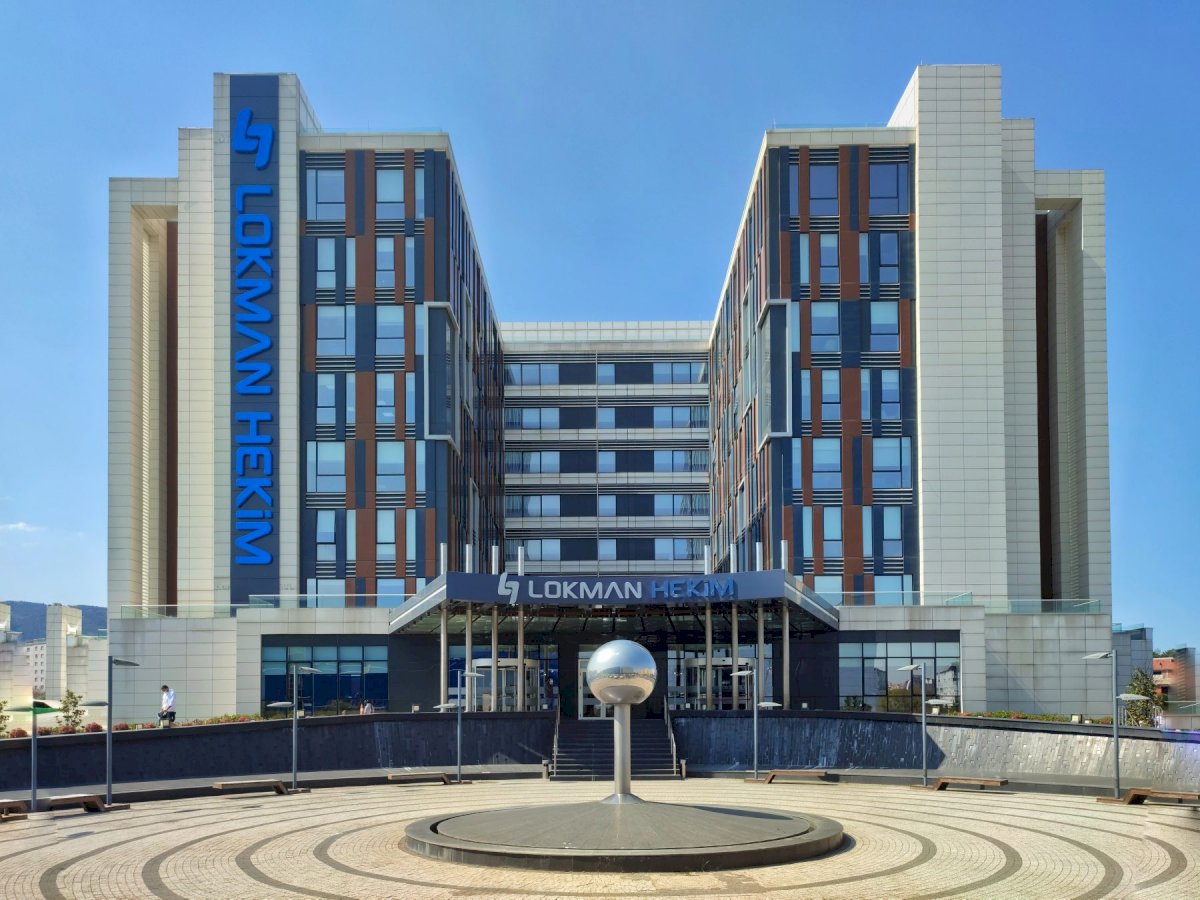


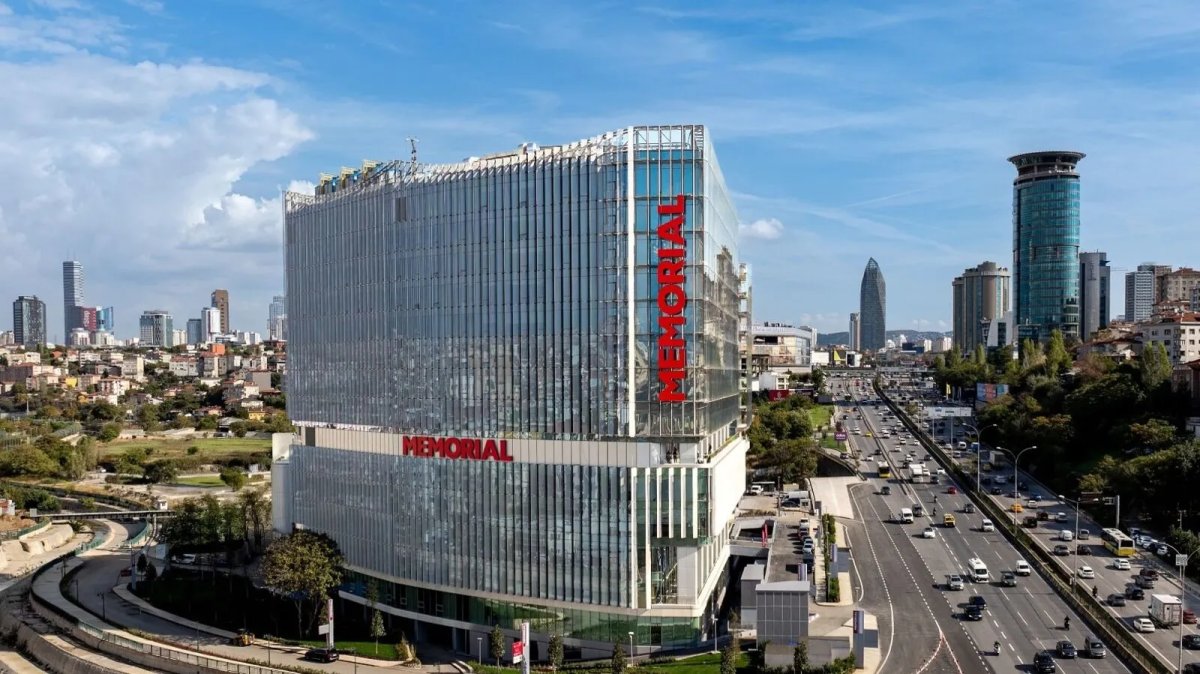
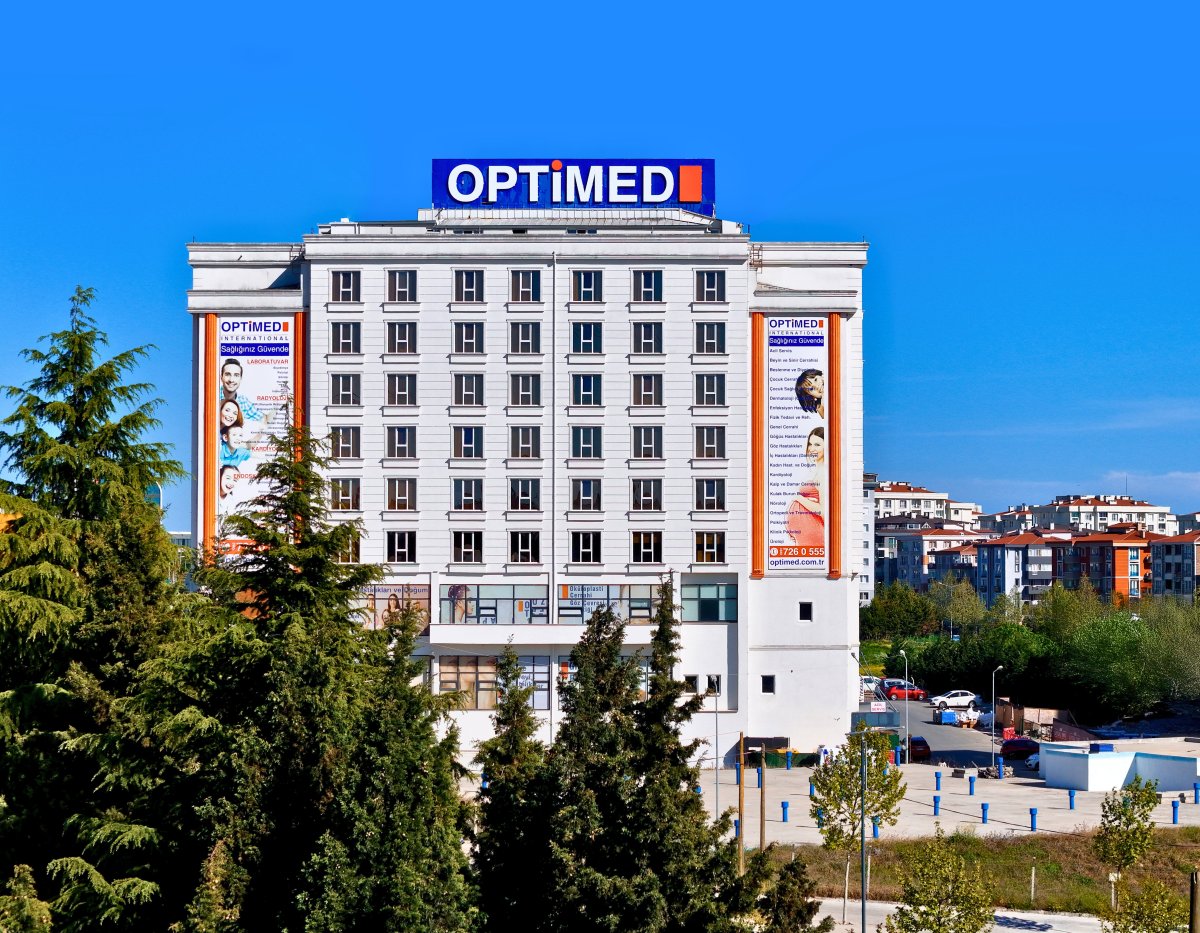
Memorial Göztepe Hospital




Memorial Ankara Hospital




احصل على تقييم طبي لـ في تركيا. استشر الآن 30 أطباء ذوي الخبرة.
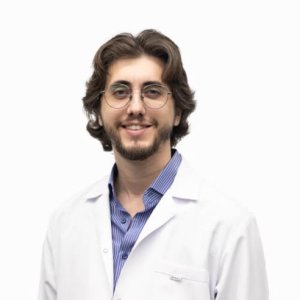
عرض جميع الأطباءPelin Tas Durmus
تتخصص الدكتورة بيلين تاس دورموش في الطب النفسي مع التركيز على علاج فقدان الشهية في مستشفى موديس للطب النفسي والأعصاب.
- تخرجت من كلية الطب بجامعة تراكيا
- أكملت تدريب أخصائي الطب النفسي في جامعة تراكيا
- نشرت أبحاثاً حول الصحة العقلية والأمراض المزمنة
- عملت في العديد من المستشفيات بما في ذلك مستشفى أديامان بيسني الحكومي
Yusuf

Cansu Gercek
تم إجراء أكثر من 1100 عملية – تتخصص الدكتورة جانسو جيرتشيك في طب نفس الأطفال في مستشفى مودست للطب النفسي والأعصاب.
- _doctor_6638_سنوات_ من الخبرة في علاج اضطرابات الأكل
- تركز على حالات الأطفال والمراهقين
- تعمل في واحدة من المؤسسات الرائدة في مجال الصحة النفسية في تركيا

Icsel Duru Yildirim
مشاركة المحتوى
قصص فيديو من مرضى Bookimed
 Anna Leonova
أسئلة متكررة حول علاج فقدان الشهية في تركيا
ما هي المؤهلات والرعاية المتخصصة التي يمكن للمرضى توقعها لعلاج فقدان الشهية في تركيا؟
يمكن للمرضى الذين يسعون لعلاج فقدان الشهية في تركيا توقع رعاية من مستشفيات الطب النفسي العصبي المعتمدة من اللجنة الدولية المشتركة (JCI). تجمع البروتوكولات المتخصصة بين الطب النفسي والتغذية ومراقبة الطب الباطني. تستخدم مرافق مثل مستشفى NP Istanbul Brain تقنيات قياس الدماغ المتقدمة والعلاجات الدوائية لإدارة اضطرابات الأكل المعقدة وفقاً لمعايير سلامة صارمة.
- الخبرة المتخصصة: يجلب البروفيسور الدكتور حسنو إركمن أكثر من 30 عاماً من الخبرة في الطب النفسي إلى العلاج.
- التشخيص المتقدم: تستخدم العيادات قياسات وظائف الدماغ والاختبارات المعملية لتقييمات سريرية دقيقة.
- فرق متعددة التخصصات: يشمل العلاج أطباء نفسيين وأخصائيي علم نفس وأخصائيي تغذية ينسقون الرعاية في بيئة المستشفى.
- معايير الاعتماد: تحافظ المرافق على شهادات JCI وISO مما يضمن بروتوكولات نفسية وطبية عالية الجودة.
رؤية خبير Bookimed: تظهر مراكز الطب النفسي العصبي التركية نمطاً واضحاً من التكامل الأكاديمي. على سبيل المثال، يعمل مستشفى NP Istanbul Brain كساحة تدريب لجامعة أوسكودار. يضمن هذا الارتباط استفادة المرضى من باحثين مثل البروفيسور الدكتور نيفزات تارهان والبروفيسور الدكتورة سينيم زينب ميتين الذين ينشرون بنشاط دراسات جديدة حول اضطرابات الأكل.
إجماع المرضى: يلاحظ المرضى أنه من الضروري العثور على عيادة تتابع صحة القلب والكهارل جنباً إلى جنب مع العلاج. ويؤكدون أن تنسيق الأطباء مع الأخصائيين النفسيين هو الطريقة الوحيدة لإدارة متلازمة إعادة التغذية بأمان.
ما هي طرق العلاج القائمة على الأدلة المستخدمة لفقدان الشهية في المراكز التركية؟
يتبع علاج فقدان الشهية القائم على الأدلة في تركيا نهجًا متعدد التخصصات يركز على الاستقرار الطبي وإعادة التأهيل الغذائي. تستخدم المراكز الرعاية النفسية، وخطط الوجبات المنظمة، والعلاج النفسي المتخصص مثل العلاج السلوكي المعرفي (CBT). تدمج مرافق مثل مستشفى NP Istanbul Brain قياسات وظائف الدماغ مع علم الصيدلة النفسي.
- الاستقرار الطبي: يراقب الأخصائيون العلامات الحيوية والكهارل لضمان السلامة الجسدية أثناء استعادة الوزن.
- إعادة التأهيل الغذائي: يقوم أخصائيو التغذية بإنشاء خطط وجبات منظمة لمعالجة فقدان الوزن السريع وسوء التغذية.
- بروتوكولات العلاج النفسي: تطبق الفرق السريرية علاجات معرفية سلوكية وعلاجات بالدراما النفسية لمنع الانتكاسات المحتملة.
- التكامل العصبي: تستخدم المراكز المتقدمة علاجات تركز على الدماغ والتحفيز المغناطيسي عبر الجمجمة (TMS) كأدوات مساعدة.
رؤية خبير بوكيميد (Bookimed): تظهر البيانات أن مستشفى NP Istanbul Brain يخدم 4,000 مريض سنويًا كمنشأة عصبية نفسية متخصصة. يسمح هذا الحجم الكبير بوجود فرق متخصصة بقيادة خبراء مثل البروفيسور الدكتور نيفزات تارهان، الذي يتمتع بخبرة تزيد عن 45 عامًا. اختيار مستشفى متخصص في الدماغ بدلاً من عيادة عامة يضمن الوصول إلى أدوات تشخيصية محددة مثل قياسات وظائف الدماغ ومراقبة تخطيط كهربية الدماغ (EEG).
إجماع المرضى: يؤكد المرضى أن الاستقرار الطبي يجب أن يأتي في المقام الأول، لكنهم يحذرون من أن زيادة الوزن بدون دعم نفسي قد تشعرك بعدم الاستقرار. يلاحظ الكثيرون أن المراكز التركية تشرك
كيف يتم إجراء التقييم الأولي لعلاج فقدان الشهية؟
يتضمن التقييم الأولي لفقدان الشهية إجراء فحص طبي ونفسي شامل لتحديد استقرار حالة المريض. يقوم المتخصصون بإجراء فحوصات بدنية، وتحاليل دم، وتخطيط كهربية القلب (ECG) مع مراجعة أنماط الأكل وسلوكيات التطهير. تستخدم المستشفيات التركية المعتمدة من اللجنة الدولية المشتركة (JCI) هذه المقاييس لاتخاذ قرار بين مستويات الرعاية الداخلية أو الخارجية.
- التقييم البدني: يقوم الأطباء بفحص العلامات الحيوية، ومؤشر كتلة الجسم، وفحص اختلالات الكهارل.
- الفحص النفسي: يغطي التقييم الحالات المصاحبة مثل القلق، والاكتئاب، ومخاطر إيذاء النفس.
- التكنولوجيا التشخيصية: يستخدم مستشفى Moodist تخطيط كهربية الدماغ (EEG) وتخطيط الدماغ المتقدم للتقييم.
- تصنيف المخاطر: يقوم الأطباء بتقييم علامات الخطر الطبية بما في ذلك الإغماء، أو آلام الصدر، أو فقدان الوعي.
رؤية خبير Bookimed: تتخصص المستشفيات الرائدة في مجال الدماغ في تركيا في التقييمات العصبية النفسية التي تتجاوز العلاج القياسي. يدمج مستشفى NPIstanbul للدماغ بين طب الأعصاب والطب النفسي لعلاج فقدان الشهية كاضطراب يعتمد على الدماغ. هذا النهج فعال بشكل خاص للحالات المعقدة التي لم تنجح فيها الاستشارة الغذائية القياسية.
إجماع المرضى: يشير المرضى إلى أن الزيارة الأولى مكثفة وتغطي كل شيء بدءًا من حساب السعرات الحرارية وحتى التاريخ العائلي. يوصون بإحضار قائمة مكتوبة بعادات ممارسة الرياضة والأدوية لضمان عدم نسيان أي شيء خلال جلسة القبول الطويلة.
كم تستغرق مدة برنامج العلاج الإجمالي عادةً؟
يختلف علاج فقدان الشهية العصبي في تركيا بناءً على الضرورة الطبية وشدة الأعراض. عادة ما يتطلب التثبيت الحاد للمرضى الداخليين من 1 إلى 3 أشهر من الرعاية المكثفة. تمتد برامج التعافي الشاملة عمومًا من 6 إلى 12 شهرًا. غالبًا ما يستمر العلاج النفسي والحفاظ على النتائج على المدى الطويل لمدة عام إلى عامين بعد الخروج من المستشفى.
- مرحلة التثبيت: تستمر رعاية المرضى الداخليين من 4 إلى 12 أسبوعًا لاستعادة الصحة البدنية.
- التعافي المستدام: غالبًا ما تمتد برامج المرضى الخارجيين من 6 أشهر إلى سنة واحدة.
- مراقبة الوزن: تحديد الوصول إلى مؤشر كتلة جسم (BMI) مستقر يحدد مواعيد الخروج الفردية.
- الوقاية من الانتكاس: يوصى بتقديم استشارات غذائية مستمرة لمدة 12 إلى 24 شهرًا بعد العلاج.
رؤية خبير بوكيميد (Bookimed): تدمج مراكز الطب النفسي الرائدة في تركيا، مثل مستشفى NP Istanbul Brain Hospital، تقنيات عصبية متقدمة مثل التحفيز المغناطيسي عبر الجمجمة (TMS) لدعم العلاج القياسي. يساعد هذا النهج متعدد الوسائط المرضى على إدارة أنماط الأكل الوسواسية بشكل أكثر فعالية خلال فترة الإقامة المعتادة في المستشفى التي تتراوح بين 30 و90 يومًا. يعد اختيار منشأة بها وحدات متخصصة للأطفال والمراهقين، مثل مستشفى جامعة بيروني، أمرًا بالغ الأهمية للمرضى الأصغر سنًا الذين يحتاجون إلى دعم تنموي أطول.
إجماع المرضى: يشير المرضى إلى أن التعافي هو ماراثون حيث تركز الأسابيع القليلة الأولى في المنشأة التركية على السلامة البدنية. ويؤكدون أن الالتزام بالعلاج الخارجي لمدة عام
هل يتم توفير خطة متابعة ورعاية لاحقة منظمة؟
توفر المراكز النفسية التركية متابعة منظمة لفقدان الشهية العصبي من خلال إدارة الحالات النفسية المتخصصة والدعم العلاجي متعدد الأبعاد. تتضمن خطط التعافي في المراكز المعتمدة من قبل اللجنة الدولية المشتركة (JCI) غالبًا قياس وظائف الدماغ، وعلاجات موجهة تحليليًا، ومراقبة مخصصة للمرضى الخارجيين لضمان الاستقرار على المدى الطويل ومنع الانتكاس الجسدي أو العاطفي.
- الإدارة الشخصية: تستخدم العيادات أنظمة إدارة حالات منظمة للحصول على دعم عاطفي وجسدي فردي.
- المراقبة المتقدمة: يستخدم متخصصون مثل الدكتورة فيرديفس سيفي سين تتبع وظائف الدماغ للعلاج.
- الإشراف المتخصص: يشرف خبراء مثل البروفيسور الدكتورة سينيم زينب ميتين على عيادات مخصصة لاضطرابات الأكل.
- فرق متعددة التخصصات: تدمج الخطط أطباء نفسيين وأطباء أعصاب وأخصائيي تغذية لمراقبة التعافي الشاملة لمدة 12 شهرًا.
رؤية خبير بوكيميد (Bookimed): تظهر البيانات السريرية أن مستشفى NP Istanbul Brain Hospital ومستشفى Moodist Hospital يقودان في استمرارية الرعاية من خلال دمج تشخيصات الدماغ الموضوعية مثل تخطيط كهربية الدماغ (EEG) والتحفيز المغناطيسي عبر الجمجمة (TMS) في بروتوكولات المتابعة الخاصة بهم. هذا يحول التركيز من المراقبة السلوكية البحتة إلى مقاييس التعافي البيولوجي. بالنسبة للمرضى الدوليين، يضمن اختيار منشأة بها مشرف طبيب نفسي متخصص أن تتم عمليات المتابعة عن بُعد من قبل خبراء طبيين وليس مجرد منسقين إداريين.
إجماع المرضى: يشير المرضى إلى أنه من المهم التأكد مما إذا كانت العيادات توفر وسيلة
هل ستكون حواجز التواصل واللغة مشكلة للمرضى الدوليين؟
يمكن السيطرة على حواجز اللغة للمرضى الدوليين في تركيا. توظف المستشفيات المعتمدة مثل مستشفى NP Istanbul Brain أو مستشفى Memorial Antalya موظفين طبيين ومنسقين يتحدثون الإنجليزية. توفر معظم المراكز المعتمدة من اللجنة الدولية المشتركة (JCI) خدمات ترجمة مخصصة. تضمن هذه الخدمات تواصلاً واضحاً أثناء العلاجات النفسية المعقدة ومتابعة ما بعد العلاج.
- كفاءة الموظفين: يتحدث متخصصون مثل الدكتورة سينيم زينب ميتين غالباً الإنجليزية والفرنسية.
- دعم اللغة: توفر المراكز الرائدة مترجمين طبيين للمرضى الذين يتحدثون الإنجليزية والروسية والعربية.
- المعايير السريرية: تفرض شهادات اللجنة الدولية المشتركة (JCI) ومعايير ISO تواصلاً واضحاً لبروتوكولات سلامة المرضى.
- التوجيه المكتوب: توفر المستشفيات غالباً تعليمات متابعة مفصلة باللغة الإنجليزية لتجنب سوء الفهم.
رؤية خبير Bookimed: بينما يتولى المنسقون اللوجستيات، يتطلب علاج اضطرابات الأكل بفعالية تواصلاً مباشراً مع الطبيب. تظهر بياناتنا أن عيادات مثل Moodist وNP Istanbul تخدم أكثر من 1,200 مريض دولي سنوياً. هذا الحجم الكبير يؤدي إلى وجود فرق رعاية متخصصة اعتادت على التعامل مع غير المتحدثين باللغة الأصلية. يجب على المرضى التأكد من أن طبيبهم النفسي أو معالجهم يتحدث لغتهم بشكل خاص قبل السفر.
إجماع المرضى: يلاحظ المرضى أن اللغة تمثل عائقاً أقل عندما توفر العيادات منسقاً مخصصاً. ويؤكدون على أهمية الحصول على جميع ملخصات الخروج الطبي وتعليمات العناية بالجروح كتابةً.
ما هي خدمات الدعم التي يتم ترتيبها للمرضى الدوليين القادمين للعلاج؟
يحصل المرضى الدوليون القادمون إلى تركيا لعلاج فقدان الشهية على تنسيق شامل يشمل الجدولة السريرية، والترجمة متعددة اللغات، ولوجستيات المطار. توفر المراكز النفسية التركية المعتمدة من اللجنة الدولية المشتركة (JCI) أنظمة إدارة حالات نفسية. تضمن هذه الأنظمة انتقالاً سلساً بين الاستقرار في المستشفى، والجلسات العلاجية، ومراقبة التعافي اليومية.
- التنسيق السريري: يدير الأطباء النفسيون خطط رعاية مخصصة بما في ذلك تقييمات تشخيص EEG وTMS.
- دعم اللوجستيات: ترتب الفرق تنقلات خاصة من المطار وخدمات النقل إلى العيادات المحلية.
- المساعدة في التواصل: يسهل المترجمون المخصصون المناقشات الطبية بين العائلات الدولية وكبار الأطباء النفسيين.
- التوجيه الإداري: يساعد المتخصصون في التحقق من التأمين، وتقدير التكاليف، ووثائق التأشيرة.
رؤية خبير Bookimed: تظهر بيانات حجم المرضى ثقة عالية في مستشفيات الأعصاب النفسية في إسطنبول، التي تخدم أكثر من 4,000 مريض سنوياً. وفي حين تشمل الباقات الشائعة التنقلات، توفر مراكز صحة نفسية محددة مثل Moodist وحدات طب أطفال متخصصة وطب نفسي للطوارئ. اختيار المراكز ذات أنظمة إدارة الحالات المخصصة يضمن استمرارية أفضل للرعاية مقارنة بالمستشفيات العامة متعددة التخصصات.
إجماع المرضى: يجد المرضى أن وجود شخص اتصال مخصص على مدار الساعة طوال أيام الأسبوع عبر تطبيقات الهاتف المحمول يقلل بشكل كبير من ضغوط السفر. من المفيد الحصول على جميع تفاصيل النقل والإقامة كتابةً قبل الوصول لضمان الانتقال السلس إلى المنشأة.