العودة إلى الصفحة الرئيسية
820К+ مريضًا حصلوا على المساعدة منذ عام 2014
50 دول
1,500 عيادات
6K+ تقييمات
3K+ طبيب مؤهل

ما هي تكلفة فقدان الشهية إجراءات التشخيص والعلاج في تايلاند؟ اعرف الآن

السعر يقدم بعد الطلب

مزاياك وضماناتك مع Bookimed

أسعار مباشرة

Bookimed لا يضيف رسوماً إضافية على أسعار علاج فقدان الشهية. الأسعار مأخوذة من قوائم الأسعار الرسمية للعيادات. تدفع مباشرة في العيادة مقابل علاجك عند وصولك إلى البلد.

عيادات وأطباء معتمدون فقط

Bookimed ملتزم بسلامتك. نحن نعمل فقط مع المؤسسات الطبية التي تحافظ على معايير دولية عالية في علاج فقدان الشهية ولديها التراخيص اللازمة لخدمة المرضى الدوليين في جميع أنحاء العالم.

مساعدة مجانية على مدار الساعة

Bookimed يقدم مساعدة خبراء مجانية. منسق طبي شخصي يدعمك قبل وأثناء وبعد العلاج، ويحل أي مشاكل. لن تكون وحيداً أبداً في رحلة علاج فقدان الشهية.

لماذا نحن؟

منسقك الطبي الشخصي في Bookimed

  • يدعمك في كل مرحلة
  • المساعدة في اختيار العيادة الطبية المناسبة والطبيب المناسب
  • يضمن الوصول السريع والمريح إلى المعلومات

مشاركة المحتوى

Twitter XLinkedinFacebookWhatsAppEmail
أحصل على الرابط

قصص فيديو من مرضى Bookimed

Dayana
جمعت بين إجازتي في أنطاليا والفحص الطبي.
إجراء: فحص صحة الإناث (انظر فحص النساء)
Igor
كان رائعاً! التنقلات والإقامة والعلاج - كل شيء مشمول.
إجراء: زرع الأسنان
مستشفى: WestDent Clinic
Marina
قام Bookimed بكل شيء من أجلي. لم أضطر للقلق بشأن أي شيء.
إجراء: فحص صحة الإناث (انظر فحص النساء)
مستشفى: Severance Hospital
محدث: 05/27/2022
تأليف
Anna Leonova
Anna Leonova
رئيس فريق تسويق المحتوى
محررة طبية معتمدة لديها خبرة تزيد عن 10 سنوات، طوّرت محتوى Bookimed الموثوق، مدعومة بماجستير في علم اللغة ومقابلات مع خبراء طبيين من جميع أنحاء العالم.
تمت المراجعة من قبل المستشار الطبي في Bookimed
فهد مولود
محرر طبي وعالم بيانات
طبيب عام. حاصل على 4 جوائز علمية. خدم في غرب آسيا. رئيس الفريق الطبي الناطق بالعربية سابقا ومسؤول عن معالجة البيانات ودقة المحتوى الطبي حاليا.
فهد مولود Linkedin
قد تحتوي هذه الصفحة على معلومات تتعلق بمختلف الحالات الطبية والعلاجات وخدمات الرعاية الصحية المتوفرة في بلدان مختلفة. يرجى العلم أن المحتوى مقدم لأغراض إعلامية فقط ولا ينبغي تفسيره على أنه نصيحة أو إرشادات طبية. يرجى استشارة طبيبك أو أخصائي طبي مؤهل قبل البدء أو تغيير العلاج الطبي.

أسئلة متكررة حول علاج فقدان الشهية في تايلاند

هذه الأسئلة الشائعة مأخوذة من مرضى حقيقيين يبحثون عن رعاية طبية عبر Bookimed. يتم تقديم الإجابات من قبل منسقين طبيين ذوي خبرة وممثلين موثوقين من العيادات.

ما أنواع برامج العلاج المتاحة لفقدان الشهية في تايلاند؟

تقدم تايلاند برامج الاستقرار الطبي للمرضى الداخليين والرعاية النفسية للمرضى الخارجيين لعلاج فقدان الشهية من خلال عياداتها الـ 154 المرخصة. تستخدم البرامج الشاملة فرقاً متعددة التخصصات، تشمل أطباء نفسيين وأخصائيي تغذية سريريين. توفر المراكز الأكاديمية الخاصة في بانكوك علاجاً مخصصاً، وغالباً ما تحمل اعتماد JCI للسلامة.

  • الاستقرار للمرضى الداخليين: مراقبة مكثفة في المستشفى لحالات فقدان الوزن التي تشكل خطورة طبية.
  • العلاج للمرضى الخارجيين: جلسات منتظمة تجمع بين العلاج النفسي والمتابعة الطبية.
  • الرعاية متعددة التخصصات: يشمل العلاج أطباء نفسيين وأطباء وأخصائيي تغذية.
  • العلاج الأسري: غالباً ما تشمل البرامج الأقارب في التخطيط للوجبات.

رؤية خبير Bookimed: تحتل تايلاند المرتبة السادسة عالمياً في الطلبات الطبية على منصتنا. على الرغم من وجود 154 عيادة، إلا أن القليل منها يتخصص فقط في اضطرابات الأكل. تتم معظم الرعاية المرموقة في المستشفيات الكبيرة متعددة التخصصات في بانكوك. تجمع هذه المرافق بين الخبرة النفسية والطب الباطني، وهو إعداد حيوي لعلاج المضاعفات البدنية جنباً إلى جنب مع الصحة العقلية.

إجماع المرضى: يشير المرضى إلى أن المستشفيات الخاصة هي أسرع طريقة للعثور على متخصصين يتحدثون الإنجليزية. يؤكدون على البدء بالاستقرار للمرضى الداخليين إذا كانت المخاطر الطبية عالية. يوصي الخبراء بالتأكد من وجود فريق متخصص في اضطرابات الأكل في العيادة قبل السفر.

ما الذي يتضمنه نهج علاج فقدان الشهية عادةً؟

يتضمن علاج فقدان الشهية خطة متعددة التخصصات تركز على الاستقرار الطبي وإعادة التأهيل الغذائي. الركيزة الأساسية للتعافي هي العلاج النفسي، وخاصة العلاج المعرفي السلوكي (CBT). يضمن العلاج في المراكز الطبية المعتمدة في تايلاند المراقبة الطبية، وزيادة الوزن تحت الإشراف، والرعاية النفسية للحفاظ على السلامة.

  • الاستقرار الطبي: مراقبة الإلكتروليتات، ومعدل ضربات القلب، واتجاهات الوزن تضمن السلامة البدنية.
  • إعادة التأهيل الغذائي: تستخدم إعادة التغذية خطط وجبات خاضعة للإشراف ومكملات غذائية للتعافي التدريجي والآمن.
  • العلاج النفسي: تتناول الجلسات المعتقدات المتعلقة بالطعام مع استخدام العلاج الأسري للقاصرين.
  • مستويات الرعاية المكثفة: توفر برامج المرضى الداخليين أو الإقامة دعماً للمرضى غير المستقرين طبياً.

رؤية خبير Bookimed: تُعد تايلاند مركزاً مهماً للرعاية الصحية، حيث تحتل المرتبة السادسة عالمياً في الطلبات الطبية التي يتم تلبيتها. تخدم مرافق مثل عيادة MedConsult Bangkok Medical Clinic أكثر من 1000 مريض كل عام. هذا الحجم الكبير في أكثر من 150 عيادة تايلاندية يشير إلى خبرة عميقة في التعامل مع الاحتياجات المتنوعة للمرضى الدوليين. غالباً ما توفر العيادات المتخصصة دعماً مخصصاً أكثر من مراكز الفحص الطبي العام.

إجماع المرضى: يلاحظ المرضى أن التعافي يبدو أصعب عاطفياً قبل أن يتحسن، حيث يزداد القلق أثناء استعادة الوزن. غالباً ما يعتمد النجاح على وجود طبيب ومعالج وأخصائي تغذية يتواصلون بتزامن.

هل الطاقم السريري مؤهل لعلاج اضطرابات الأكل؟

يستخدم الطاقم السريري المؤهل لعلاج فقدان الشهية في تايلاند نهجاً متعدد التخصصات. تشمل الفرق أطباء نفسيين متخصصين، وأخصائيي تغذية، وأطباء للمراقبة الطبية. غالباً ما تشمل الرعاية القائمة على الأدلة العلاج المعرفي السلوكي (CBT). تحصل المرافق التايلاندية غالباً على اعتماد اللجنة الدولية المشتركة (JCI) لضمان معايير سلامة صارمة.

  • المراقبة الطبية: يدير الأطباء الاستقرار البدني ويشرفون على بروتوكولات إعادة التغذية.
  • الخبرة النفسية: يعالج الأطباء النفسيون المتخصصون الحالات المصاحبة مثل القلق أو الاكتئاب.
  • إعادة التأهيل الغذائي: ينشئ أخصائيو التغذية خطط وجبات منظمة لاستعادة الوزن بشكل صحي.
  • الدعم العلاجي: يقدم علماء النفس دعماً عاطفياً واستراتيجيات للوقاية من الانتكاس.

رؤية خبير Bookimed: تحتل تايلاند المرتبة السادسة عالمياً في السياحة العلاجية على Bookimed. هذا الحجم الكبير يدفع العيادات لتوظيف طاقم عمل يتمتع بخبرة دولية. تخدم مرافق مثل عيادة MedConsult Bangkok Medical Clinic أكثر من 1000 مريض سنوياً. يضمن هذا النطاق احتفاظ الأطباء بكفاءة عالية من خلال التعرض المتكرر لحالات متنوعة.

إجماع المرضى: يشير المرضى إلى أن المرافق الراقية يجب أن تقدم دعماً عاطفياً إلى جانب الرعاية الطبية. من الضروري التأكد من أن الطاقم يضم متخصصين في اضطرابات الأكل بدلاً من الممارسين العامين فقط.

كم يستغرق البرنامج المعتاد؟

يتطلب علاج فقدان الشهية في تايلاند عادةً من 8 إلى 12 أسبوعًا لتحقيق الاستقرار. غالبًا ما تمتد البرامج الموجهة نحو التعافي إلى 16 أسبوعًا للحصول على نتائج دائمة. قد تتطلب الحالات الشديدة عدة أشهر من الرعاية السكنية. تعطي معظم المرافق الأولوية لاستعادة الوزن والاستقرار الطبي طوال فترة الإقامة.

  • الرعاية الخارجية المكثفة: تستغرق البرامج القياسية عادةً ما بين 8 و 12 أسبوعًا.
  • الإقامة السكنية: غالبًا ما تمتد المدد الدنيا لعدة أسابيع لاستقرار أنماط الأكل.
  • الرعاية الممتدة: قد تتطلب الحالات الطبية المعقدة أو طويلة الأمد عدة أشهر.
  • مدة الجلسة: تتراوح جلسات العلاج الفردي عادةً بين 90 و 120 دقيقة.

رؤية خبير Bookimed: تجذب تايلاند المرضى الدوليين بعيادات ذات سعة عالية مثل MedConsult Bangkok Medical Clinic. يخدم هذا المرفق وحده أكثر من 1,000 مريض سنويًا. بينما يسعى الكثيرون للحصول على رعاية خارجية، يعتمد نجاح التعافي غالبًا على برامج متدرجة. إن البدء بالرعاية الداخلية والانتقال إلى الدعم الخارجي يضمن نتائج أفضل على المدى الطويل.

إجماع المرضى: يلاحظ المرضى أن الإقامات القصيرة نادرة. يؤكدون أن البرامج طويلة بما يكفي لتحقيق أهداف وزن معينة وتقليل المخاطر الطبية.

ما هي خدمات المتابعة أو الدعم المقدمة بمجرد مغادرتي البرنامج؟

تركز متابعة فقدان الشهية في تايلاند على منع الانتكاس والاستقرار الطبي. توفر البرامج خطط خروج شاملة بما في ذلك أدلة وجبات منظمة ومتابعات نفسية عن بعد. تقوم العديد من المراكز بالتنسيق مع الأطباء في بلدك الأصلي لضمان انتقال آمن من حالة المريض الداخلي إلى حالة المريض الخارجي.

  • المتابعة العلاجية: جلسات مستمرة مع أخصائيين نفسيين لإدارة أنماط الأكل والمحفزات العاطفية.
  • المراقبة الطبية: فحوصات دورية لتتبع استقرار الوزن وإدارة أي نقص غذائي.
  • تخطيط الوجبات: خطط أكل مكتوبة مفصلة لتوجيه التغذية اليومية خلال بداية التعافي.
  • الدعم عن بعد: استشارات فيديو وتسجيلات رقمية للمرضى الدوليين العائدين إلى ديارهم.
  • مجموعات الدعم: الوصول إلى شبكات الخريجين أو مجتمعات الأقران لتقليل العزلة بعد العلاج.

رؤية خبير Bookimed: على الرغم من وجود أكثر من 150 عيادة في تايلاند، يختار معظم المرضى الدوليين مرافق مقرها بانكوك لسهولة التنسيق. تؤكد الثقافة الطبية المحلية على مشاركة الأسرة في عملية التعافي. تشير بياناتنا إلى اختيار عيادة توفر نموذج تخفيض تدريجي رسمي. إن الانتقال من الرعاية الداخلية المكثفة إلى العلاج الخارجي عن بعد يحسن النتائج على المدى الطويل بشكل كبير.

إجماع المرضى: يؤكد المرضى أن وجود خطة واضحة للانتكاس لأول 72 ساعة في المنزل أمر حيوي. يجد معظمهم أن التنسيق عن بعد بين الأطباء التايلانديين والمعالجين المحليين يساعد في إدارة ضغوط السفر.

هل العلاج سري وخاص؟

علاج فقدان الشهية في تايلاند سري للغاية. تتبع المرافق الطبية معايير الخصوصية الدولية. تضمن العيادات الخاصة بقاء بيانات المرضى آمنة. فقط الطاقم الطبي المرخص له يمكنه الوصول إلى السجلات. يتطلب الكشف عن المعلومات إذنك الكتابي. الخصوصية محمية بموجب القانون.

  • الحماية القانونية: تحظر قوانين الرعاية الصحية التايلاندية بشدة الكشف غير المصرح به عن سجلات المرضى.
  • إعدادات خاصة: توفر العيادات المتخصصة في الصحة العقلية بيئات سرية بعيدة عن المناطق العامة.
  • التحكم في الوصول: يستخدم موظفو الدعم أنظمة رقمية آمنة لتقييد تدفق البيانات.
  • سجلات باللغة الإنجليزية: تحتفظ العديد من العيادات بالسجلات باللغة الإنجليزية لتسهيل التنسيق الدولي.

رؤية خبير Bookimed: تختلف الخصوصية في تايلاند حسب هيكل العيادة. تخدم مرافق مثل عيادة MedConsult Bangkok الطبية أكثر من 1,000 مريض دولي سنويًا. تضمن خبرتهم مع المرضى من أوروبا وأمريكا الشمالية فهمهم لتوقعات الخصوصية الغربية الصارمة. غالبًا ما يضمن اختيار العيادات التي لديها حجم كبير من المرضى الدوليين أمنًا أفضل للسجلات باللغة الإنجليزية.

إجماع المرضى: يلاحظ المرضى أن العيادات الخاصة توفر قدرًا أكبر من التكتم مقارنة بالمستشفيات العامة. من المهم التأكد في وقت مبكر مما إذا كان إخطار الأسرة اختياريًا أم إلزاميًا لأسباب تتعلق بالسلامة.
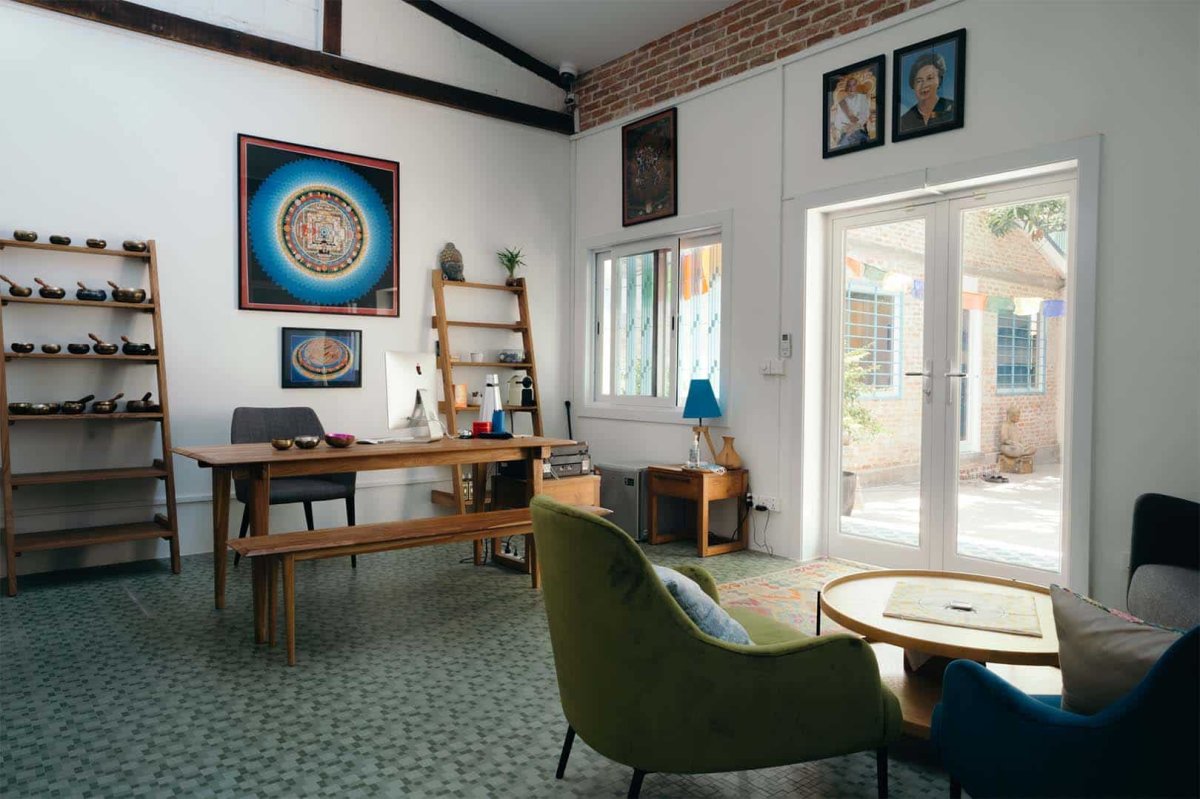
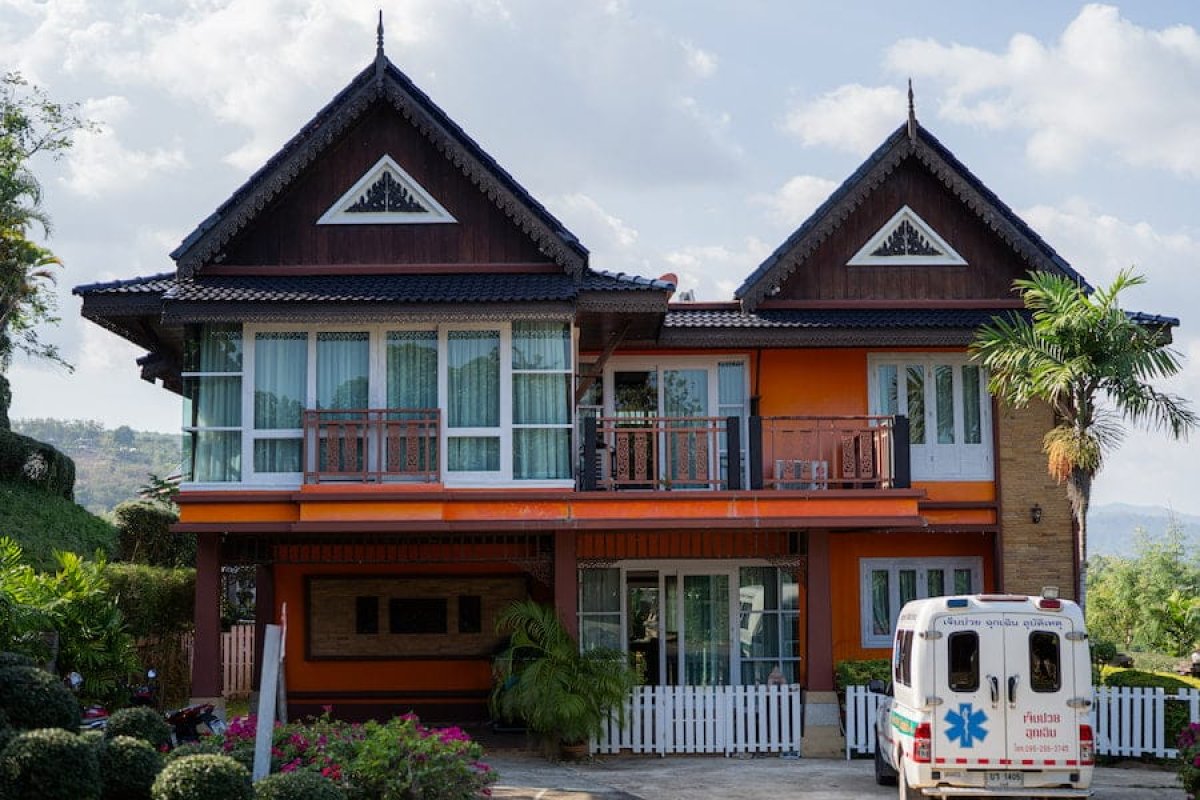
What types of anorexia treatment programs are available in Thailand?

Anorexia treatment programs in Thailand mainly include inpatient care with supervised refeeding and therapy. Diamond Rehab offers therapies like Cognitive Behavioural Therapy (CBT), Dialectical Behaviour Therapy (DBT), and mindfulness. Treatment combines medical monitoring and psychological support, but specialised eating disorder services are limited in Bangkok.

  • Inpatient care: supervised refeeding with physician and nursing oversight.
  • Therapies: CBT, DBT, mindfulness, Eye Movement Desensitisation and Reprocessing (EMDR).
  • Support staff: dietitians plan meals; individual and group therapy available.
  • Language considerations: limited English-speaking anorexia specialists in Thailand.
  • Aftercare: long-term recovery needs clear plans for follow-up and Australian transition.

Bookimed Expert Insight: Diamond Rehab Thailand stands out with a range of therapy options for anorexia, despite its core focus on addiction. Australian patients should note the variation in specialised eating disorder services and confirm language and aftercare quality before choosing a clinic.

Patient Consensus: Patients in Thailand appreciate therapy variety but advise checking how much focuses on eating disorders. Continuity of care and clear aftercare plans back to Australia rank high for peace of mind.

What does a typical anorexia treatment program in Thailand include?

Anorexia treatment programs in Thailand typically include therapy like CBT and DBT, nutritional rehabilitation, and structured daily routines. Many clinics combine eating disorder care with addiction and trauma therapies. Calm, nature-based environments are often used to help patients avoid triggers and support recovery.

  • Therapies: cognitive behavioural therapy (CBT) and dialectical behaviour therapy (DBT) are common in programs.
  • Nutritional rehabilitation: focuses on restoring healthy eating habits and weight gain.
  • Environment: many centres offer natural, quiet settings with a structured daily schedule.
  • Overlap: programs often include trauma and addiction therapies alongside anorexia treatment.
  • Language: English-speaking psychiatrists may be limited; clarity in communication is crucial.

Bookimed Expert Insight: Thailand’s anorexia treatment centres often mix eating disorder care with addiction programs. This can help patients facing overlapping issues but means confirming the clinic’s eating disorder focus is key. Facilities with natural settings attract patients sensitive to stress, supporting steady recovery. Clinics like MedConsult Bangkok tailor care plans but English-speaking psychiatrists for full therapy are scarce, so checking staff language skills before choosing is wise.

Patient Consensus: Patients note Thailand’s quiet, nature-focused centres ease stress during recovery. Many say therapies combine addiction and trauma treatments, which felt helpful when needed. Clear English communication is a top priority to get the best from therapy sessions.

What should I look for in a treatment team for anorexia in Thailand?

A strong treatment team for anorexia in Thailand must include specialised therapists and dietitians fluent in English. The team should address both mental and physical health, monitor blood markers, and guide patients through local dietary customs to avoid complications and support recovery.

  • Specialised therapists: Focus on anorexia, not general psychiatry.
  • Dietitian inclusion: Essential for managing nutrition and local meal choices.
  • English fluency: All core team members should speak English well.
  • Holistic care: Team must oversee mental health and physical risks like low potassium.
  • Diet logistics: Ability to advise on no-sugar, MSG-free meals in Thai cuisine.

Bookimed Expert Insight: Many Bangkok psychiatrists focus on broad mental health, so seeking anorexia specialists improves recovery. Clinics like MedConsult Bangkok tailor plans for international patients. Teams combining therapists, dietitians, and general practitioners help coordinate care better than isolated appointments. Clear communication about food preferences is also key to success with Thai hospital meals.

Patient Consensus: Patients note it’s vital that team members speak fluent English to avoid misunderstandings. They also appreciate when therapists and dietitians work together to manage both mind and body. Many found learning how to request suitable meals in Thailand made a real difference in their recovery.

Are the treatment facilities in Thailand specialised in eating disorders like anorexia?

Eating disorder treatment facilities in Thailand are not specialised in anorexia. Services focus mainly on general mental health and outpatient care, rather than full anorexia programmes or inpatient treatment with multidisciplinary teams.

  • General psychiatric focus: Bangkok mental health experts treat broad mental issues.
  • Lack of dedicated anorexia programmes: Few clinics provide specialised eating disorder therapy.
  • Developing field: Professionals are training as eating disorder therapists but programmes are limited.
  • Outpatient care common: Comprehensive inpatient anorexia treatment is rare in Thailand.
  • Language and protocol: Important to confirm English-speaking therapists familiar with Western protocols.

Bookimed Expert Insight: Thailand’s mental health clinics mostly offer general psychiatric care, not specialised anorexia treatment. MedConsult Bangkok Clinic serves international patients but focuses on health screenings and cosmetology, not eating disorders. Australian patients often find better specialised care closer to home or in Western countries with established anorexia programmes.

Patient Consensus: Patients note that Thailand offers good advice on diet, but not intensive anorexia therapy. They say therapists sometimes lack specific training in eating disorders. English fluency and a clear treatment plan should always be checked beforehand in Thailand.

How do I know if I need residential (inpatient) anorexia treatment in Thailand?

Residential anorexia treatment in Thailand is needed when eating is severely limited or potassium levels drop dangerously. Local medical monitoring by a GP or dietitian is vital before considering inpatient care abroad. Involuntary hospitalisation may occur without proper local care.

  • Low potassium levels: Prioritise immediate local medical support to avoid urgent hospital hold.
  • Severe food intake restriction: Indicates need for close inpatient supervision.
  • Qualified clinical staff: Confirm staff treat anorexia, not just offer budget accommodation.
  • Continuity of care: Plan for ongoing support after residential treatment ends.
  • Safety over cost: Choose a facility balancing affordability and safety carefully.

Bookimed Expert Insight: Thailand offers 147 clinics but lacks specialised anorexia inpatient programmes. Patients often select overseas care due to financial limits, not quality. Local GP involvement before and after inpatient care abroad strongly supports recovery. Secure a clear aftercare plan to maintain gains post-discharge.

Patient Consensus: Australians value honesty about medical history and local GP monitoring before inpatient stays in Thailand. Many note that mindful eating helps but doesn’t replace therapy and regular counselling in recovery.

Is English-speaking support available for anorexia treatment in Thailand?

English-speaking support is available for anorexia treatment in Thailand. Many clinics employ Western-trained clinicians fluent in English. Bangkok and Chiang Mai offer strong options for international patients requiring English communication in mental health care.

  • English-speaking clinicians: Many have international or Western training and fluency.
  • City hubs: Bangkok and Chiang Mai host most English-language mental health clinics.
  • Remote support: Telehealth with familiar therapists can continue during treatment stays.
  • Support network: Local friends or family help with medication and cultural adjustment.

Bookimed Expert Insight: Thailand ranks 6th globally for medical tourism with 147 clinics offering mental health support. Clinics like MedConsult Bangkok serve international patients and provide tailored care plans. English-speaking mental health support is widespread but confirming therapist experience with eating disorders is key.

Patient Consensus: Patients note English is widely spoken by therapists, which helps ease communication. Many say having remote therapists and local support makes treatment less stressful. Bangkok is the common choice for English-speaking care and feels comfortable for Australians.

Is aftercare support provided for anorexia treatment patients returning home from Thailand?

Aftercare support for anorexia patients returning home from Thailand is not formally provided. Patients are advised to arrange local therapists and dietitians beforehand in Australia for continuous care.

  • Local support: Securing Australian therapists aids recovery post-Thailand treatment.
  • Formal aftercare: Thai centres lack structured follow-up programmes for returning patients.
  • Long-term success: Depends largely on self-driven routines and habits after treatment.
  • Preparation: Discuss travel-related risks and coping strategies with local GPs before returning.
  • Tools: Using recovery journals during treatment helps maintain progress back home.

Bookimed Expert Insight: Thailand counts 147 clinics but offers limited anorexia aftercare. Patients benefit most when they organise local support ahead. MedConsult Bangkok serves around 1,000 patients yearly with tailored plans, yet no formal follow-up is reported. So, planning continued care in Australia is the smartest move.

Patient Consensus: Patients note it's crucial to have an Australian dietitian lined up before leaving Thailand. Many describe treatment there as a reset, with lasting recovery needing commitment back home. Keeping a habit tracker helped patients maintain their progress after returning to familiar environments.

احصل على استشارة مجانية

حدد أفضل طريقة للاتصال بك

