Memorial Göztepe Hospital
تركيا, إسطنبول


تمت مراجعة المقالة طبيا من قبل
فهد مولود

الدكتور خليل جان جمالماز هو أستاذ جراحة العظام والكسور في إسطنبول. وهو رائد في تركيا في إجراءات تقويم العظام ثلاثية الأبعاد المخصصة للمرضى. يتخصص الدكتور جمالماز في استبدال المفاصل بمساعدة الروبوت للركبة والورك. يشغل حالياً منصب عضو هيئة تدريس في كلية الطب بجامعة أطلس.
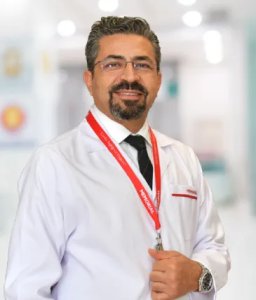
د. مهمت أيدوغان اختصاصي في جراحة العظام والكسور وجراحة العمود الفقري في مستشفى ميموريال شيشلي. عمل هناك في جراحة العمود الفقري خلال 2024–2025، ويعمل في جراحة العظام منذ 2026. ترأّس سابقاً مركز جراحة العظام والكسور وجراحة العمود الفقري المتقدمة في مستشفى إمسِي (2018–2022). وتشمل خبرته مركز التميّز الجراحي للعمود الفقري EURO SPINE في سويسرا (2022–2024) وزمالة بحثية في مركز العمود الفقري الشامل بجامعة كاليفورنيا في لوس أنجلوس (2009–2011). كما شغل مناصب في مركز بوغازيتشي للعمود الفقري، ميديكال با
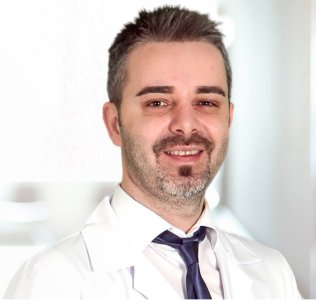
يتخصص الدكتور فرات أوروك في جراحة العظام للأطفال، بما في ذلك حالات العظم الزورقي الإضافي، في مجمع مستشفيات ميديكال بارك أنطاليا.
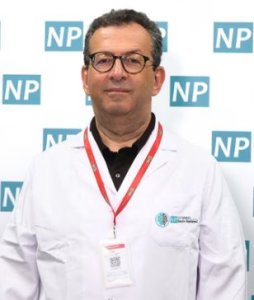
 Anna Leonova
نادراً ما تكون الجراحة هي الخيار الأول لمتلازمة العظم الزورقي الإضافي. يوصي المتخصصون في تركيا بالرعاية المحافظة لمعظم المرضى. تشمل الطرق غير الجراحية النموذجية التثبيت، والتقويم المخصص، والعلاج الطبيعي. لا يفكر الجراحون في استئصال العظم إلا إذا كان الألم المستمر يؤثر على الحركة اليومية أو إذا تكرر الالتهاب الشديد بشكل متكرر.
رؤية خبير Bookimed: غالباً ما يستخدم جراحو العظام الأتراك التخطيط ثلاثي الأبعاد الخاص بالمريض لتشوهات القدم المعقدة. بينما تتعامل المراكز العامة مع عمليات الاستئصال الأساسية، يستخدم متخصصون مثل الدكتور خليل جان جمالماز النمذجة ثلاثية الأبعاد لضمان إعادة ربط الأوتار بدقة. يمكن لهذا التخطيط المتقدم أن يحسن بشكل كبير الميكانيكا الحيوية بعد الجراحة للمرضى الذين يعانون من القدم المسطحة.
إجماع المرضى: يؤكد العديد من المرضى أن الجلسات غير الجراحية قد تستغرق شهوراً من تخفيف التحميل قبل ظهور النتائج. وغالباً ما يقترحون طلب آراء ثانية من متخصصي القدم والكاحل للتأكد من أن الجراحة هي حقاً الملاذ الأخير.
تتضمن جراحة العظم الزورقي الإضافي في تركيا إزالة العظم الزائد لتخفيف الألم المزمن واستعادة وظيفة القدم. يقوم الجراحون بإجراء شق صغير في الجزء الداخلي من القدم. كما قد يقومون بإعادة ربط وتر الظنبوب الخلفي من خلال إجراء كيدنر (Kidner) لتحسين الدعم الهيكلي.
رؤية خبراء Bookimed: توفر مراكز العظام التركية ميزة كبيرة لتشوهات القدم المعقدة. يجمع جراحون مثل الدكتور بورسين كيسيجي في مستشفى ميديكال بوينت الدولي بين الخبرة المتخصصة في الكاحل والتدريب في الطب الرياضي. وهذا أمر حيوي لأن الجراحة تتطلب غالباً تصحيح ميكانيكا القدم المسطحة الكامنة في نفس الوقت. يدير الأطباء ذوو التخصص المزدوج في الإصابات وطب الأطفال هذه الإجراءات المشتركة بشكل أكثر فعالية.
إجماع المرضى: يؤكد المرضى أن التعافي يستغرق وقتاً أطول من المتوقع بسبب التيبس المتبقي. يوصي الكثيرون بتوضيح ما إذا كنت ستحتاج إلى إزالة عظمية بسيطة أو إجراء كيدنر قبل تحديد الموعد.
يبقى المرضى عادةً في تركيا لمدة تتراوح بين 7 إلى 14 يومًا بعد جراحة العظم الزورقي الإضافي. يطلب الجراحون عادةً فترة عدم تحميل الوزن لمدة تتراوح بين أسبوعين إلى 6 أسابيع باستخدام جبيرة أو دعامة. وتحدث العودة الكاملة للرياضة بين 3 إلى 6 أشهر بعد العملية.
رؤية خبير Bookimed: على الرغم من أن العديد من العيادات تقدم خدمات تقويم العظام، إلا أن الجراحين المتخصصين مثل الدكتور بورسين كيسيسي أو الأستاذ الدكتور خليل جان جمالماز يركزون على إعادة بناء القدم المعقدة. يضمن اختيار متخصصين يتمتعون بخبرة تزيد عن 20 عامًا إدارة أفضل للأوتار أثناء إزالة العظم الزورقي. غالبًا ما تقصر هذه الخبرة مرحلة التيبس طويلة المدى للمرضى النشطين.
إجماع المرضى: يشير المرضى إلى أن الأسبوعين الأولين هما الأكثر تقييدًا بسبب الحاجة الصارمة لرفع القدم. يذكر الكثيرون أنه على الرغم من أن القدم تبدو ملتئمة في وقت مبكر، إلا أن تحمل الأحذية المريحة يستغرق عدة أشهر.
يختار المرضى تركيا لإجراء جراحة العظم الزورقي الإضافي بسبب الوصول إلى الخبرة العظمية المتخصصة وتقنيات التصوير ثلاثي الأبعاد. تقدم العيادات الرائدة في إسطنبول مساعدة جراحية سريعة ونهجاً متعدد التخصصات. يركز الجراحون المعتمدون على إزالة العظم الزائد مع إعادة بناء العضلة الظنبوبية الخلفية لتطبيع وظيفة القدم.
رأي خبير Bookimed: تظهر البيانات أن اختيار جراحين مثل البروفيسور الدكتور خليل جان جمالماز يتيح الوصول إلى أدلة جراحية ثلاثية الأبعاد مخصصة. هذه التكنولوجيا غالباً ما تكون غير متوفرة في المستشفيات العامة العادية. يجب على المرضى البحث عن جراحين يجمعون بين التخطيط ثلاثي الأبعاد وقاعدة بحثية جامعية لضمان أقصى درجات الدقة عند تثبيت الأوتار.
إجماع المرضى: يقدر المرضى الخدمات اللوجستية «الشاملة»، بما في ذلك الإقامة في الفندق وخدمات الترجمة، لكنهم يشعرون بالقلق بشأن الرعاية اللاحقة بعد العودة إلى المنزل. يؤكد الكثيرون على أهمية تأكيد ضرورة الجراحة من خلال رأي ثانٍ قبل السفر لإجراء العملية.
يجب على المرضى طلب تقييم طبي للاشتباه في وجود عظم زورقي إضافي عندما يصبح البروز العظمي في القوس الداخلي مؤلماً. يشير الألم المستمر أو التورم بعد النشاط البدني إلى تطور المتلازمة. إذا تسبب الحذاء في تهيج أو بدا أن القوس يتسطح، فإن التقييم المتخصص في مراكز تقويم العظام التركية ضروري.
رؤية خبراء Bookimed: غالباً ما يجمع أخصائيو تقويم العظام الأتراك مثل الدكتور بورسين كيسيجي والدكتور فرات أوروك بين الخبرة في طب الأطفال وجراحة الكاحل. تُظهر بياناتنا أن العيادات في إزمير وأنطاليا تدير هذه الحالات بشكل متكرر باستخدام تقنية الرنين المغناطيسي المتطورة 3 تسلا. تساعد هذه التكنولوجيا في تمييز العظم الزورقي الإضافي عن مشاكل وتر الظنبوب الخلفي بشكل أوضح من الفحوصات القياسية. غالباً ما يمنع التصوير المبكر في هذه المراكز المتخصصة الحاجة إلى جراحة تصحيحية معقدة لاحقاً.
إجماع المرضى: يشير المرضى إلى أهمية مراجعة الطبيب عندما يظل الألم موجوداً حتى بعد الراحة. يسلط الكثيرون الضوء على أن الشعور بضيق الحذاء فجأة أو الألم فوق البروز العظمي يعد علامة تحذير رئيسية.