علاج العظم الزورقي الإضافي في إسبانيا: 1 مستشفى


تمت مراجعة المقالة طبيا من قبل
فهد مولود
ما هي تكلفة العظم الزورقي الإضافي إجراءات التشخيص والعلاج في إسبانيا؟ اعرف الآن
مزاياك وضماناتك مع Bookimed
أسعار مباشرة
Bookimed لا يضيف رسوماً إضافية على أسعار علاج العظم الزورقي الإضافي. الأسعار مأخوذة من قوائم الأسعار الرسمية للعيادات. تدفع مباشرة في العيادة مقابل علاجك عند وصولك إلى البلد.
عيادات وأطباء معتمدون فقط
Bookimed ملتزم بسلامتك. نحن نعمل فقط مع المؤسسات الطبية التي تحافظ على معايير دولية عالية في علاج العظم الزورقي الإضافي ولديها التراخيص اللازمة لخدمة المرضى الدوليين في جميع أنحاء العالم.
مساعدة مجانية على مدار الساعة
Bookimed يقدم مساعدة خبراء مجانية. منسق طبي شخصي يدعمك قبل وأثناء وبعد العلاج، ويحل أي مشاكل. لن تكون وحيداً أبداً في رحلة علاج العظم الزورقي الإضافي.

منسقك الطبي الشخصي في Bookimed
- يدعمك في كل مرحلة
- المساعدة في اختيار العيادة الطبية المناسبة والطبيب المناسب
- يضمن الوصول السريع والمريح إلى المعلومات
اكتشف أفضل العظم الزورقي الإضافي العيادات في إسبانيا: 1 خيار معتمدة والأسعار
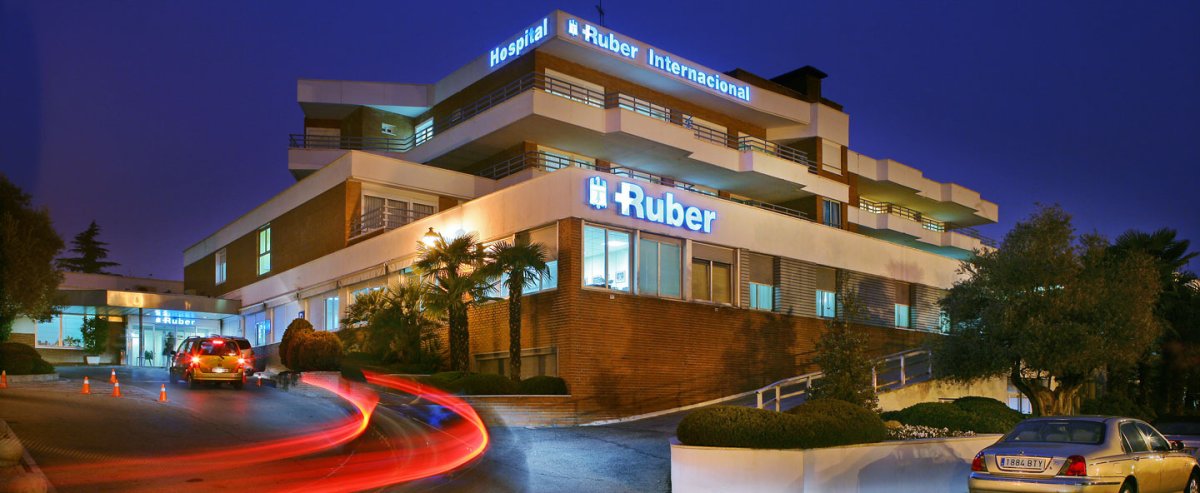


احصلوا على تقييم طبي لـ العظم الزورقي الإضافي في إسبانيا: استشيروا أطباء ذوي خبرة الآن
عرض جميع الأطباء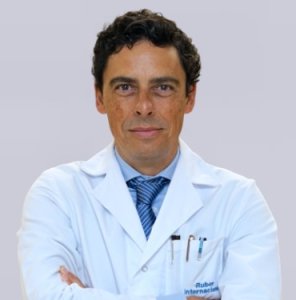
Pablo De La Cuadra
الدكتور بابلو دي لا كوادره (Pablo Cuadra de la Virgili) جرّاح عظام واختصاصي طب الرضوح في مدريد. يختص بإصابات الرياضيين وجراحة الكتف في Hospital Ruber Internacional، حيث يعمل منذ عام 1999. لديه خبرة تفوق 25 عامًا. يقود وحدة متعددة التخصصات ويرأس فريقًا متخصصًا في طب الرضوح. يُعد خبيرًا معترفًا به في اضطرابات الكتف المعقدة. يستخدم تقنيات تنظير مفصلي وترميم متقدمة لعلاج عدم الاستقرار وإصابات الكفة المدورة.
المؤهلات: دكتور في الطب (1993) ودكتوراه في الطب (2001) من جامعة مدريد المستقلة. اخت
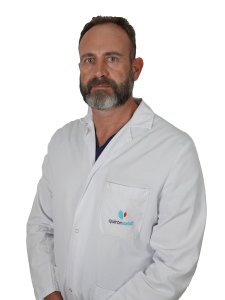
Néstor Antonio Zurita Uroz
الطبيب هو أخصائي مرموق في جراحة العظام والرضوض، ويشغل حالياً منصب رئيس قسم الرضوض في مستشفى كيرونسالود توريفايجا (Hospital Quirónsalud Torrevieja). بفضل حصوله على درجة الدكتوراه في الطب والجراحة، يتمتع الطبيب بخبرة واسعة في إصابات الملاعب، وجراحة الركبة والكتف، وتقنيات تنظير المفاصل طفيفة التوغل. يقدم الطبيب الرعاية الطبية للمنتخب الإسباني للسباحة منذ عام 1996، ويعمل كمحرر للمجلة الأوروبية KSST.
يُعرف الطبيب بتميزه في علاج إصابات الجهاز العضلي الهيكلي وحالات المفاصل التنكسية، وهو عضو نش
مشاركة المحتوى
قصص فيديو من مرضى Bookimed
 Anna Leonova
أسئلة متكررة حول علاج العظم الزورقي الإضافي في إسبانيا
متى تكون الجراحة ضرورية، وما هو الإجراء المستخدم عادة في إسبانيا لعظمة الزورقي الإضافية؟
تكون الجراحة لعظمة الزورقي الإضافية ضرورية عندما تفشل العلاجات التحفظية مثل تقويم العظام أو العلاج الطبيعي في حل الألم المزمن. في إسبانيا، يقوم الجراحون عادةً بإجراء عملية كيدنر (Kidner procedure). تتضمن هذه التقنية إزالة العظمة الإضافية وإعادة ربط وتر الظنبوب الخلفي لاستعادة وظيفة القدم.
- دواعي الجراحة: الألم المستمر، التورم، وإعاقة الحركة على الرغم من أشهر من الرعاية غير الجراحية.
- التقنية القياسية: تفصل عملية كيدنر العظمة الإضافية للقضاء على البروز المؤلم.
- إعادة ربط الوتر: يقوم الجراحون بتوجيه وتر الظنبوب الخلفي إلى عظمة الزورقي الرئيسية.
- النهج المعدل: تسمح الاختلافات طفيفة التوغل بالتعافي بشكل أسرع عن طريق تنعيم العظم دون فصل كامل.
رؤية خبير Bookimed: يجري مستشفى روبير الدولي (Hospital Ruber Internacional) أكثر من 6000 عملية جراحية سنويًا ضمن إطار عمل معتمد من اللجنة الدولية المشتركة (JCI). تظهر البيانات أن متخصصين مثل الدكتور بابلو دي لا كوادرا يركزون على جراحة العظام بالمنظار والجراحة طفيفة التوغل. غالبًا ما تقلل هذه التقنيات من فترة التثبيت مقارنة بالجراحات المفتوحة التقليدية. اختيار منشأة ذات حجم جراحي مرتفع يضمن الوصول إلى تقنيات متطورة لتثبيت الأوتار.
إجماع المرضى: يشير المرضى إلى أن الجراحة هي الملاذ الأخير بعد فشل تقويم العظام. يؤكد الكثيرون أن التعافي الناجح يعتمد على معالجة الجراح لكل من العظمة الإضافية وميكانيكا الوتر.
ما هو الجدول الزمني النموذجي للتعافي بعد جراحة العظم الزورقي الإضافي في إسبانيا؟
يستغرق التعافي بعد جراحة العظم الزورقي الإضافي في إسبانيا عادةً من 3 إلى 6 أشهر. يقضي المرضى أول أسبوعين في جبيرة دون تحميل وزن. تستخدم العيادات الإسبانية الحديثة علاجاً طبيعياً متخصصاً لاستعادة الحركة في غضون 12 أسبوعاً. عادةً ما يتم استئناف الرياضات عالية التأثير بعد 6 أشهر.
- التثبيت الأولي: يستخدم الجراحون جبائر صلبة لمدة 14 يوماً لحماية موقع الجراحة.
- الانتقال إلى تحميل الوزن: غالباً ما يبدأ المرضى في تحميل الوزن جزئياً باستخدام حذاء طبي (ووكر) حوالي الأسبوع الثالث.
- العلاج الطبيعي: تبدأ إعادة التأهيل التي تركز على نطاق الحركة عادةً بحلول الأسبوع السادس.
- العودة إلى النشاط: تحدث العودة إلى الرياضات عالية التأثير عموماً بين 4 و 6 أشهر بعد الجراحة.
رؤية خبير Bookimed: تجمع المراكز الإسبانية مثل مستشفى روبر الدولي (Hospital Ruber Internacional) بين الإزالة الجراحية وطب الإصابات الرياضية المتخصص. يتمتع الدكتور بابلو دي لا كوادرا بأكثر من 25 عاماً من الخبرة في التعافي الوظيفي. يضمن تركيز فريقه بدء بروتوكولات إعادة التأهيل في وقت مبكر. تساعد هذه الخبرة المرضى على الانتقال من الأحذية الطبية إلى الأحذية العادية بحلول الأسبوع الثاني عشر. يضمن استخدام المرافق المعتمدة من اللجنة الدولية المشتركة (JCI) أن تتبع هذه الجداول الزمنية معايير السلامة الدولية.
إجماع المرضى: يشير المرضى إلى أن الشهر الأول هو الفترة الأكثر تقييداً. يؤكد معظمهم أن التورم قد يستمر حتى بعد التئام الشق الجراحي تماماً.
ما هي العلاجات غير الجراحية القياسية في إسبانيا للعظم الزورقي الإضافي؟
تركز العلاجات غير الجراحية القياسية في إسبانيا للعظم الزورقي الإضافي على التصحيح الميكانيكي الحيوي والتحكم في الالتهاب. يستخدم المتخصصون تقويمات مخصصة لدعم قوس القدم. يسمح التثبيت المؤقت في أحذية المشي أو دعامات الكاحل للأنسجة بالشفاء. يتضمن العلاج الطبيعي تقوية مستهدفة لوتر الظنبوب الخلفي.
- تقويمات مخصصة: يقوم أطباء القدم بتصميم نعال لتقليل الضغط على وتر الظنبوب الخلفي.
- الراحة الميكانيكية: تُستخدم أحذية المشي القابلة للإزالة لمدة أسبوعين إلى 3 أسابيع أثناء نوبات الألم.
- الحقن الموجه: يستخدم المتخصصون حقن الكورتيكوستيرويد الموجهة بالموجات فوق الصوتية لاستهداف الالتهاب بدقة وأمان.
- العلاج الطبيعي: يشمل العلاج تمديد عضلة الساق وتقوية العضلات الجوهرية للقدم.
- العلاج بالموجات التصادمية: يمكن استخدام العلاج بالموجات التصادمية من خارج الجسم لتحفيز الشفاء في الحالات المزمنة.
رؤية خبير Bookimed: تعطي مراكز الرعاية الصحية الإسبانية الأولوية للرعاية متعددة التخصصات. على سبيل المثال، يضم مستشفى روبير الدولي أكثر من 800 طبيب عبر 42 قسماً. يستخدم الدكتور بابلو دي لا كوادرا أكثر من 25 عاماً من الخبرة في جراحة العظام والرضوض لإدارة إصابات القدم. يضمن هذا الحجم الكبير الذي يتجاوز 6000 عملية جراحية سنوياً أن يدرك المتخصصون أي المرضى يستفيدون حقاً من الرعاية التحفظية مقابل الجراحة الفورية. يضمن اختيار العيادات المعتمدة من اللجنة الدولية المشتركة (JCI) حصول المرضى على بروتوكولات تتبع معايير السلامة والجودة الدولية.
أين توجد المستشفيات والعيادات الإسبانية الرائدة المتخصصة في علاج العظم الزورقي الإضافي؟
تتركز المستشفيات الإسبانية الرائدة لعلاج العظم الزورقي الإضافي في مدريد وبرشلونة. تشمل المرافق من الدرجة الأولى مستشفى روبر الدولي (Hospital Ruber Internacional) ومركز تكنون الطبي (Centro Medico Teknon). تتميز هذه المراكز بوحدات معتمدة من اللجنة الدولية المشتركة (JCI). يستخدم الجراحون تقنيات تنظير المفاصل وإجراء كيدنر لحل آلام وتر الظنبوب الخلفي بفعالية.
- مستشفى روبر الدولي: مرفق مقره مدريد يجري أكثر من 6000 عملية جراحية سنويًا مع شهادات JCI وISO.
- جراح عظام خبير: يقدم الدكتور بابلو دي لا كوادرا أكثر من 25 عامًا من الخبرة في التقنيات الترميمية.
- تشخيص متقدم: تستخدم المراكز تقنية التصوير بالرنين المغناطيسي 3-تسلا لتقييم تهيج الأوتار وبروز العظام.
- وحدات متخصصة: تعطي أقسام القدم والكاحل الأولوية لبروتوكولات الاستئصال طفيف التوغل وإعادة ربط الأوتار.
رؤية خبير Bookimed: يحافظ مستشفى روبر الدولي على نسبة عالية من الأطباء إلى المرضى مع 800 طبيب يخدمون حوالي 25000 مريض سنويًا. هذا التركيز في الخبرة حيوي لحالات العظم الزورقي الإضافي. غالبًا ما تتطلب هذه الحالات إعادة بناء معقدة لمنتصف القدم بدلاً من مجرد إزالة العظام. اختيار المراكز ذات الأحجام الجراحية العالية، مثل 6000 إجراء سنوي في روبر، يضمن أن الجراحين على دراية بالاختلافات الميكانيكية الحيوية النادرة.
إجماع المرضى: يؤكد المرضى على أهمية العثور على متخصص في القدم والكاحل بدلاً من جراح عظام عام. ويشيرون إلى أن التصوير بالرنين المغناطيسي أمر بالغ الأهمية لأن الألم غالبًا