العظم الزورقي الإضافي العلاج في تايلاند - التكاليف 2026


تمت مراجعة المقالة طبيا من قبل
فهد مولود
ما هي تكلفة العظم الزورقي الإضافي إجراءات التشخيص والعلاج في تايلاند؟ اعرف الآن
مزاياك وضماناتك مع Bookimed
أسعار مباشرة
Bookimed لا يضيف رسوماً إضافية على أسعار علاج العظم الزورقي الإضافي. الأسعار مأخوذة من قوائم الأسعار الرسمية للعيادات. تدفع مباشرة في العيادة مقابل علاجك عند وصولك إلى البلد.
عيادات وأطباء معتمدون فقط
Bookimed ملتزم بسلامتك. نحن نعمل فقط مع المؤسسات الطبية التي تحافظ على معايير دولية عالية في علاج العظم الزورقي الإضافي ولديها التراخيص اللازمة لخدمة المرضى الدوليين في جميع أنحاء العالم.
مساعدة مجانية على مدار الساعة
Bookimed يقدم مساعدة خبراء مجانية. منسق طبي شخصي يدعمك قبل وأثناء وبعد العلاج، ويحل أي مشاكل. لن تكون وحيداً أبداً في رحلة علاج العظم الزورقي الإضافي.

منسقك الطبي الشخصي في Bookimed
- يدعمك في كل مرحلة
- المساعدة في اختيار العيادة الطبية المناسبة والطبيب المناسب
- يضمن الوصول السريع والمريح إلى المعلومات
اكتشف أفضل العظم الزورقي الإضافي العيادات في تايلاند: 1 خيار معتمدة والأسعار

احصلوا على تقييم طبي لـ العظم الزورقي الإضافي في تايلاند: استشيروا أطباء ذوي خبرة الآن
عرض جميع الأطباء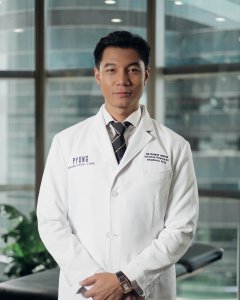
Kantaphong Thongrong
الدكتور ثونغرونغ، المعروف أيضًا باسم الدكتور PYONG، هو طبيب فيزيائي معتمد متخصص في تقنيات إعادة التأهيل غير الجراحية وإدارة الألم.
- خبير في إعادة التأهيل العصبي والتعافي من السكتة الدماغية
- يستخدم تقنيات متقدمة للروبوتات والهياكل الخارجية القابلة للارتداء لتدريب المشي
- متخصص في التدخلات الموجهة بالموجات فوق الصوتية والتحلل المائي
- مؤسس مجموعة PYONG لإعادة التأهيل في بانكوك
- باحث منشور حول تدريب المشي الروبوتي باستخدام الهياكل الخارجية القابلة للارتداء
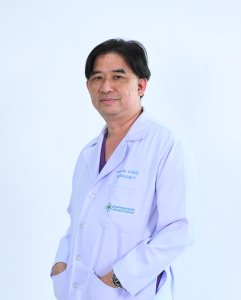
Pradab Pradasuk
الدكتور براداب براداسوك جرّاح عظام يتمتّع بـ24 عاماً من الخبرة في مستشفى نافامين 9 في بانكوك. يقدّم الاستشارات بالإنجليزية والتايلندية.
يركّز عمله على تنظير المفاصل وإعادة بناء الركبة. يشمل ذلك جراحة الرباط الصليبي الأمامي، واستئصال الغضروف الهلالي، ورأب المفصل، واستبدال المفصل. يعالج اضطرابات الكتف، بما في ذلك تمزقات الكفّة المدورة. يعالج حالات الكاحل والقدم، بما في ذلك إيثاق المفصل، واستبدال المفصل، وإصلاح وتر أخيل، وإعادة بناء أصابع القدم أو القدم. يجري جراحات الكسور للساعد والحوض و
مشاركة المحتوى
قصص فيديو من مرضى Bookimed
 Anna Leonova
أسئلة متكررة حول علاج العظم الزورقي الإضافي في تايلاند
ما هو العظم الزورقي الإضافي ولماذا يسبب الألم؟
العظم الزورقي الإضافي هو عظمة صغيرة أو قطعة غضروفية إضافية في الجزء الداخلي من القدم. حوالي 10% إلى 14% من الناس لديهم هذه الحالة الخلقية. يحدث الألم عندما يسحب وتر الظنبوب الخلفي العظم. هذا السحب يسبب التهابًا وعدم ارتياح في منتصف القدم أثناء الأنشطة.
- سبب الألم: يرتبط وتر الظنبوب الخلفي بهذه العظمة الإضافية بدلاً من العظم الزورقي الرئيسي.
- التهيج الميكانيكي: يؤدي احتكاك الحذاء بالبروز العظمي إلى الاحمرار والتورم والحساسية الموضعية.
- حالات مصاحبة: غالبًا ما يعاني المرضى المصابون بالقدم المسطحة من إجهاد أعلى على هذا الهيكل العظمي الثانوي.
- محفزات الأعراض: يمكن للنشاط البدني، أو طفرات النمو، أو إصابات القدم أن تجعل العظم الساكن يسبب أعراضًا.
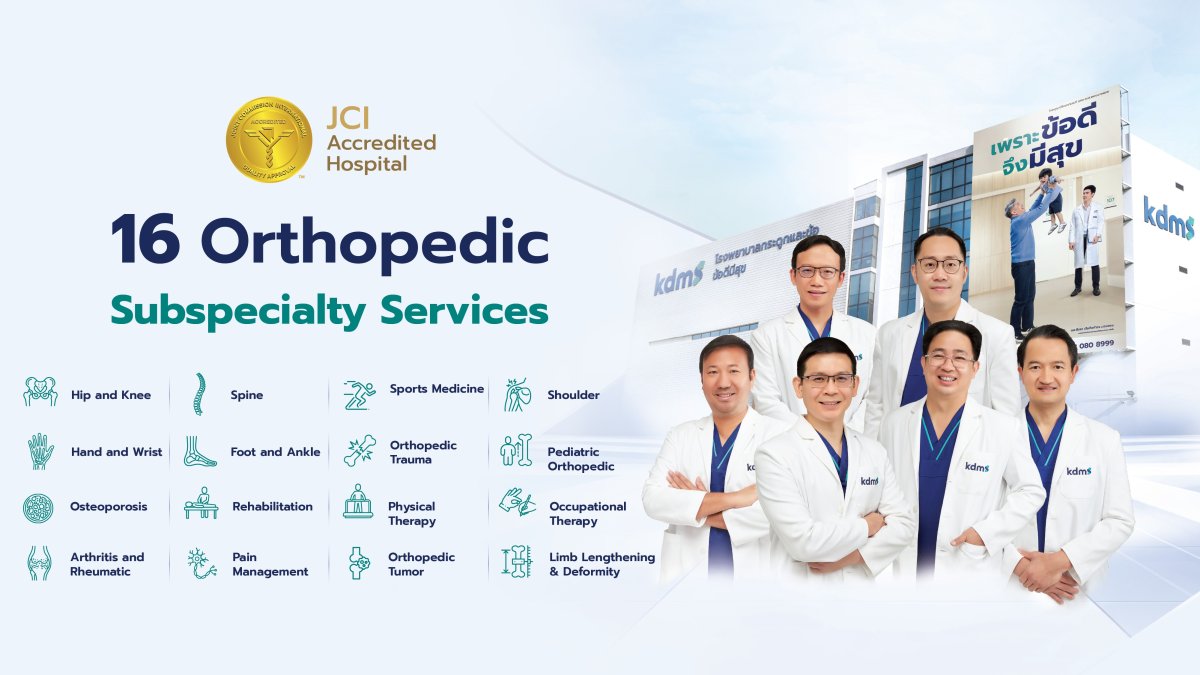
رؤية خبير Bookimed: بينما تعالج العديد من المستشفيات العامة آلام القدم، تقدم المراكز المتخصصة مثل مستشفى KDMS التخصصي لجراحة العظام في بانكوك نتائج أكثر دقة. وباعتباره أول مستشفى متخصص في جراحة العظام في تايلاند، فهم يجمعون بين مساحات العلاج المتخصصة والجراحة بمساعدة الروبوت. هذه البيئة المركزة مثالية لعمليات إعادة بناء القدم المعقدة حيث تؤثر الدقة على استقرار قوس القدم على المدى الطويل.
إجماع المرضى: يلاحظ المرضى أن الألم غالبًا ما يظل خفيًا لسنوات حتى تحدث إصابة رياضية معينة أو طفرة نمو. ويؤكدون على أهمية العثور على أحذية ذات مقدمة أوسع لمنع احتكاك الكتلة الداخلية.
ما هي الأعراض الشائعة لمتلازمة العظم الزورقي الإضافي؟
تظهر متلازمة العظم الزورقي الإضافي كعظمة إضافية أو قطعة غضروفية على الجزء الداخلي من القدم تسبب التهابًا. تشمل الأعراض الرئيسية بروزًا مرئيًا، وألمًا في قوس القدم، وتورمًا موضعيًا. غالبًا ما تظهر الأعراض أثناء فترة المراهقة أو بعد الإصابات. كما أن تهيج القدم بسبب الحذاء وصعوبة القيام بالأنشطة التي تتطلب تحميل الوزن هي أيضًا مؤشرات شائعة.
- بروز مرئي: تظهر كتلة صلبة وملموسة على الجزء الداخلي من القدم فوق قوس القدم.
- ألم متعلق بالنشاط: يزداد الألم النابض أو الوجع في منتصف القدم سوءًا أثناء الجري أو المشي لمسافات طويلة.
- علامات الالتهاب: يحدث احمرار ودفء وتورم موضعي فوق الهيكل العظمي الإضافي.
- عدم تحمل الحذاء: تسبب الأحذية الضيقة احتكاكًا، مما يؤدي إلى ظهور بثور أو ألم حاد في الموقع.
رؤية خبير Bookimed: تستخدم مراكز جراحة العظام التايلاندية مثل مستشفى KDMS التخصصي لجراحة العظام تقنيات تصوير متقدمة مثل الرنين المغناطيسي لتمييز هذه الحالة عن القدم المسطحة (الفلات فوت). يجلب المتخصص الدكتور براداب براداسوك في مستشفى نافامين 9 أكثر من 20 عامًا من الخبرة في عمليات إعادة بناء القدم. تساعد خبرته في تحديد ما إذا كان وتر الظنبوب الخلفي متأثرًا أيضًا قبل التوصية بالجراحة.
إجماع المرضى: يذكر المرضى أن الألم غالبًا ما يتقلب، حيث يشتد بعد ممارسة الرياضة ولكنه يتحسن مع الراحة. يلاحظ الكثيرون أن الكتلة غالبًا ما يتم الخلط بينها وبين كدمة بسيطة حتى يصبح الألم مستمرًا.
ما هي العلاجات غير الجراحية التي تُستخدم أولاً في تايلاند؟
يعطي أخصائيو العظام التايلانديون الأولوية للعلاج التحفظي لآلام العظم الزورقي الإضافي باستخدام التثبيت والرعاية الداعمة. تشمل علاجات الخط الأول تقويم العظام المخصص، ودعامات القوس، والعلاج الطبيعي لتثبيت وتر الظنبوب الخلفي. بالنسبة لنوبات الالتهاب الحادة، يصف الأطباء غالباً مضادات الالتهاب غير الستيرويدية وأحذية التثبيت.
- دعامات القوس: تعمل القوالب المخصصة على تخفيف الضغط على العظم الزورقي ودعم القوس.
- تعديل النشاط: تقليل الرياضات عالية التأثير يقلل من تهيج وتر الظنبوب الخلفي والعظم.
- التثبيت: تعمل أحذية المشي أو الجبائر على تثبيت القدم خلال فترات الالتهاب الشديد.
- العلاج بالموجات فوق الصوتية: تساعد التدخلات الموجهة بالموجات فوق الصوتية والعلاج بالليزر في إدارة الألم المزمن والالتهاب.
رؤية خبير Bookimed: تعمل مراكز العظام التايلاندية، مثل مستشفى KDMS التخصصي للعظام، كمرافق مخصصة حصرياً لصحة العظام. تظهر البيانات أن هذه العيادات تدمج العلاج الطبيعي المتقدم مع أحدث تقنيات التدريب على المشي الروبوتي في وقت مبكر من عملية التعافي. يضمن هذا التركيز على بيئات العظام المتخصصة مراقبة العلاجات التحفظية من قبل موظفين متخصصين فرعيين بدلاً من الممارسين العامين.
إجماع المرضى: يشير المرضى إلى أن الأحذية الداعمة وقوالب القوس المخصصة توفر أهم راحة يومية. يؤكد الكثيرون أن العودة إلى التمارين المكثفة بسرعة كبيرة غالباً ما تتسبب في عودة الألم بعد التحسن الأولي.
متى يوصى بالجراحة للعظم الزورقي الإضافي؟
يوصى بالجراحة للعظم الزورقي الإضافي عندما تفشل العلاجات التحفظية في حل الألم المزمن. عادةً ما ينصح المتخصصون بالتدخل بعد 3 إلى 6 أشهر من الرعاية غير الجراحية. تشمل المؤشرات الشائعة التورم المستمر وصعوبة ارتداء الأحذية بسبب نتوء عظمي بارز.
- فشل العلاج غير الجراحي: استمرار الأعراض على الرغم من استخدام تقويم العظام المخصص أو العلاج الطبيعي أو التثبيت.
- التأثير الوظيفي: ألم مستمر يحد من المشي أو الجري أو الوقوف لفترات طويلة.
- إشراك الأوتار: التهاب مزمن في وتر الظنبوب الخلفي يؤثر على استقرار قوس القدم.
- الاحتكاك العظمي: تهيج جسدي أو احمرار ناتج عن احتكاك العظم الإضافي بالحذاء.
رؤية خبير Bookimed: توفر مراكز العظام التايلاندية مثل مستشفى KDMS التخصصي للعظام مساحات علاج مشترك مخصصة للتعافي. يجب على المرضى الذين يسعون للجراحة إعطاء الأولوية للعيادات التي تمتلك إمكانيات التصوير بالرنين المغناطيسي والأشعة المقطعية في الموقع. يضمن هذا تخطيطاً دقيقاً للعظم الإضافي قبل بدء إجراء كيدنر. يعالج متخصصون مثل الدكتور براداب براداسوك في مستشفى نافامين 9 هذه الحالات المعقدة للكاحل والقدم.
إجماع المرضى: يشير المرضى إلى أن التدخل الجراحي يصبح ضرورياً عندما يؤدي الالتهاب إلى انزعاج لا رجعة فيه. يؤكد الكثيرون على البدء بتقويم العظام والعلاج الطبيعي قبل اتخاذ قرار الجراحة.
ما الذي تتضمنه جراحة كيدنر؟
تتضمن جراحة كيدنر إزالة العظم الزورقي الإضافي المصحوب بأعراض وإعادة تثبيت وتر الظنبوب الخلفي. يستخدم جراحو العظام التايلانديون شقوقاً صغيرة للوصول إلى العظم. يعمل هذا الإجراء على استعادة ميكانيكا القدم الصحيحة وتخفيف آلام قوس القدم الداخلية المزمنة. يتعافى معظم المرضى تماماً في غضون ستة أسابيع.
- استئصال العظم: يقوم الجراحون بإزالة العظم الإضافي غير الطبيعي وأي غضروف ملتهب.
- إعادة تثبيت الوتر: يتم إعادة وضع وتر الظنبوب الخلفي وتثبيته في العظم الرئيسي.
- إصلاح الأنسجة الرخوة: تساعد إزالة الأكياس الملتهبة أو الأنسجة الزائدة في تقليل الألم الموضعي.
- الرعاية بعد الجراحة: يستخدم المرضى عادةً أحذية واقية وعكازات أثناء فترة التعافي المبكرة.
رؤية خبير Bookimed: توفر تايلاند رعاية متخصصة من خلال مرافق مثل مستشفى KDMS التخصصي للعظام في بانكوك. يركز هذا المستشفى المتخصص حصرياً على جراحة العظام والطب الرياضي. غالباً ما يضمن اختيار المراكز ذات الحجم الكبير من المرضى المتخصصين استخدام الجراحين لأحدث التقنيات طفيفة التوغل. يتمتع جراحون مثل الدكتور براداب براداسوك بخبرة تزيد عن 20 عاماً في عمليات إعادة بناء القدم المعقدة.
إجماع المرضى: يشير المرضى إلى أن فترات التعافي غالباً ما تبدو أطول مما كان متوقعاً. ويؤكد الكثيرون على ضرورة توضيح ما إذا كان الجراحون سيضيفون تصحيحاً للقدم المسطحة أثناء العملية.
ما هو وقت التعافي المتوقع بعد الجراحة؟
يستغرق التعافي بعد جراحة العظم الزورقي الإضافي (accessory navicular) في تايلاند عادةً من 6 إلى 12 أسبوعاً للأنشطة اليومية. يتطلب الشفاء التام للرياضات ذات التأثير العالي من 3 إلى 6 أشهر. يقضي المرضى عدة أسابيع دون تحميل وزن على القدم بعد الإجراء. تستخدم مراكز العظام المتخصصة في بانكوك تقنيات طفيفة التوغل لتقليل وقت التعافي.
- حالة تحميل الوزن: يظل المرضى دون تحميل وزن لعدة أسابيع لضمان التئام العظام والأوتار.
- الأنشطة اليومية: يعود معظم المرضى إلى المهام الروتينية الأساسية في غضون 6 إلى 12 أسبوعاً بعد الجراحة.
- العودة للرياضة: تتطلب الرياضات والأنشطة ذات التأثير العالي عادةً من 3 إلى 6 أشهر من التعافي.
- النهج الجراحي: تؤدي الطرق طفيفة التوغل المتاحة في مراكز بانكوك إلى شقوق أصغر وألم أقل.
رؤية خبير Bookimed: تركز مستشفيات العظام المتخصصة في تايلاند، مثل KDMS، حصرياً على صحة الجهاز العضلي الهيكلي. تستخدم هذه المرافق تكنولوجيا بمساعدة الروبوت ومساحات مخصصة للعلاج المشترك لتبسيط عملية إعادة التأهيل. تعتمد فترات التعافي غالباً على ما إذا كان الجراح يجري عملية إعادة ربط الأوتار أو تصحيح القدم المسطحة إلى جانب إزالة العظام. اختيار مستشفى متخصص في العظام يضمن الوصول إلى أطباء مثل الدكتور براداب براداسوك، الذي لديه أكثر من 20 عاماً من الخبرة في إعادة بناء القدم المعقدة.
إجماع المرضى: يلاحظ المرضى أن مستويات الألم تتحسن أسرع بكثير من القدرة على الحركة، مما يتطلب صبراً خلال مرحلة عدم تحميل الوزن. يؤكد الكثيرون على أهمية البقاء
هل يمكن للعظم الزورقي الإضافي أن يزول تلقائياً دون علاج؟
لا يزول العظم الزورقي الإضافي أو يختفي تلقائياً دون علاج. هذا الاختلاف التشريحي الخلقي هو عظم إضافي دائم أو مرحلة غضروفية. وبينما يظل العظم موجوداً، غالباً ما يمكن تخفيف الألم والالتهاب المرتبطين به من خلال الإدارة الطبية التحفظية وإعادة التأهيل المتخصصة.
- الاستمرارية التشريحية: الهيكل العظمي الإضافي لا يذوب فيزيائياً أبداً ولا يمتصه الجسم بشكل طبيعي.
- إدارة الأعراض: قد يزول الألم والتورم من خلال الراحة، أو تعديل الأنشطة، أو تغيير الأحذية.
- الرعاية غير الجراحية: يستخدم الأطباء تقويمات مخصصة، أو حشوات كعب إنسية، أو الجبس لتقليل تهيج الأوتار.
- الإزالة الجراحية: يتطلب الألم المستمر الذي لا يستجيب للرعاية التحفظية استئصالاً جراحياً لقطعة العظم الإضافية.
رؤية خبير Bookimed: توفر مراكز العظام التايلاندية ميزة فريدة من خلال دمج التشخيصات المتقدمة، مثل الأشعة المقطعية أثناء الوقوف، مع إعادة التأهيل الشاملة. يتمتع الدكتور براداب براداسوك في مستشفى نافامين 9 بخبرة تزيد عن 20 عاماً في حالات الكاحل وتقويم الأطراف. يضمن هذا الجمع حصول المرضى على تقييمات هيكلية دقيقة. تركز المنشآت المتخصصة مثل مستشفى KDMS حصرياً على جراحة العظام لتقديم بروتوكولات تعافي مستهدفة.
إجماع المرضى: يشير المرضى إلى أنه على الرغم من أن الألم قد يختفي مؤقتاً مع الراحة، إلا أن النوبات غالباً ما تعود أثناء ممارسة الرياضة أو فترات الوقوف الطويلة. يجد الكثيرون أن العظام الإضافية الصغيرة قد تسبب انزعاجاً أكبر من العظام الكبيرة.