ID Clinic Bangkok
تايلاند, بانكوك
Dr Phatcharasak Kraisornphongsakul Md
34سنة خبره ١٦ سنة • تم تنفيذ 20000+ علاجات

حافظة الجراح
العيادة معتمدة من قبل : 


تمت مراجعة المقالة طبيا من قبل
فهد مولود
تتراوح تكلفة تجميل الأنف بالموجات فوق الصوتية في تايلاند عادةً بين السعر عند الطلب و السعر عند الطلب. يعتمد السعر النهائي على تعقيد العملية، واعتماد العيادة، وخبرة الجراح المتخصصة. تشمل هذه العروض عادةً جراحة الـ piezo والتخدير ورسوم المنشأة في بانكوك.
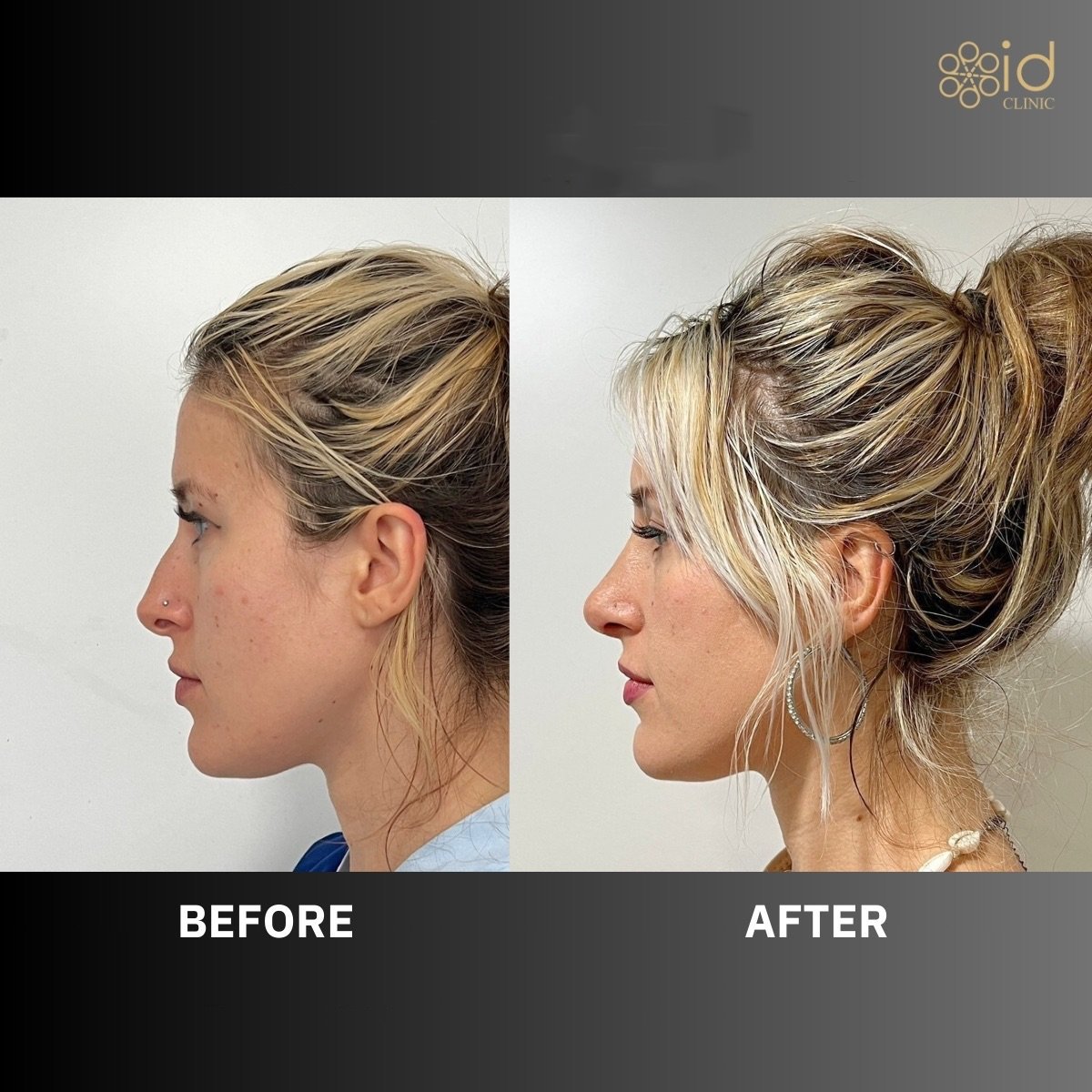
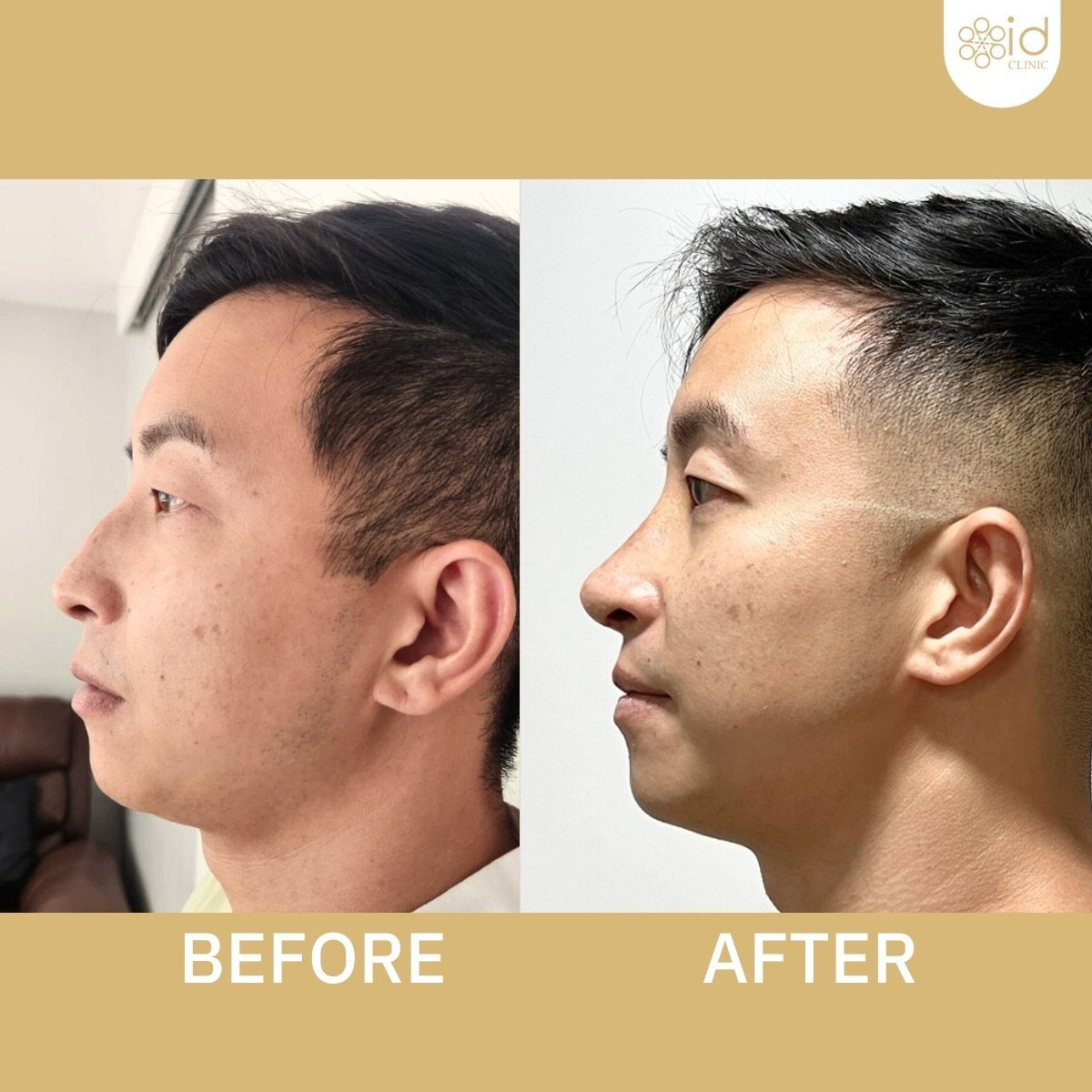
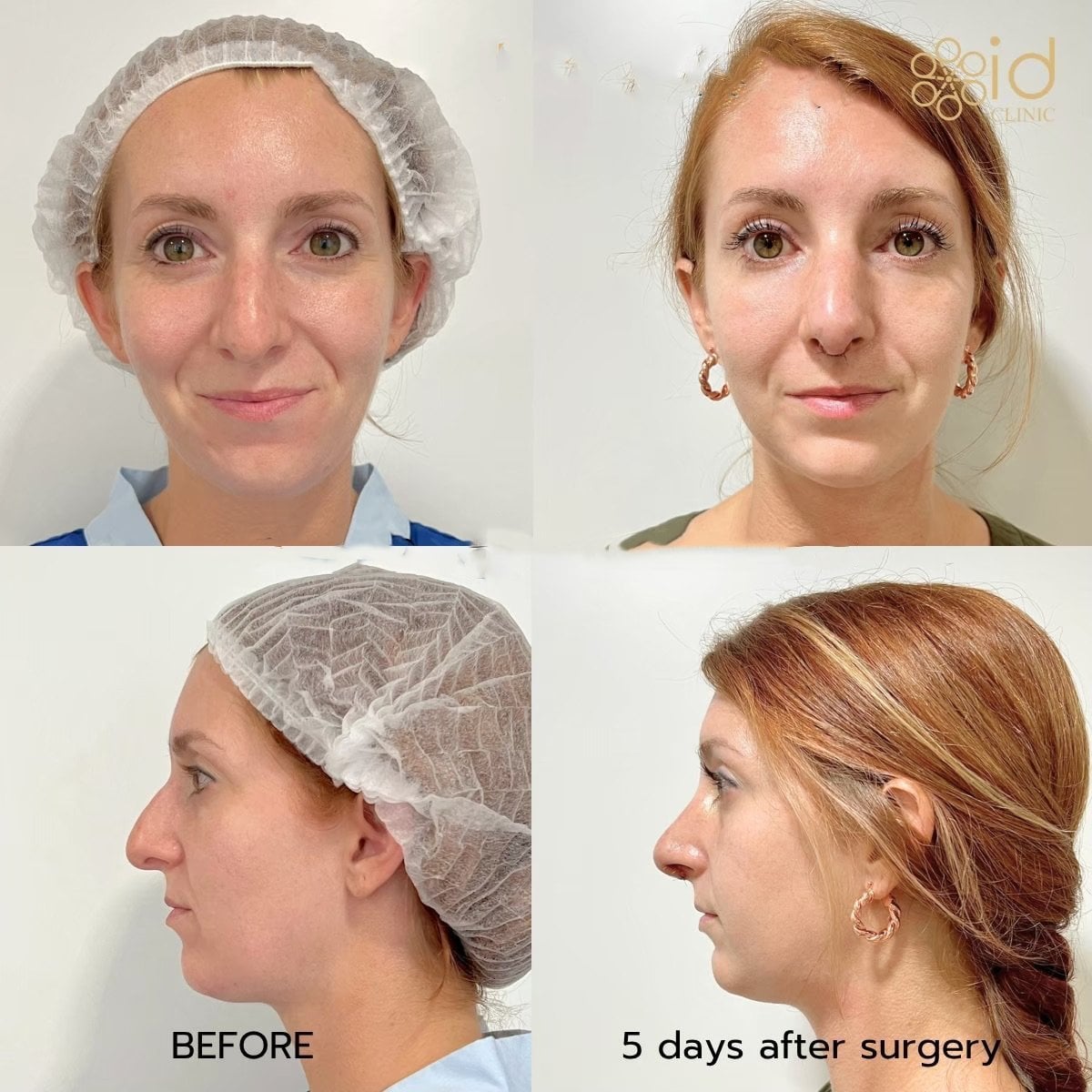
رأي خبراء Bookimed: يضمن اختيار مستشفى حاصل على اعتمادات دولية أفضل قيمة للسياح العلاجيين. على سبيل المثال، يحمل مستشفى Asia Cosmetic اعتمدات JCI و ISO. تُشير التقارير إلى عدم وجود مضاعفات لديهم، وهو أمر حيوي لجراحات الوجه المعقدة. رغم أن عيادة ID Clinic Bangkok تقدم أسعاراً تنافسية تبدأ من 3,100 $، توفر المستشفيات الكبرى دعماً متعدد التخصصات. يُفضل اختيار المنشآت التي تدمج أدوية ما بعد الجراحة وانتقالات المطار ضمن العرض الأولي.
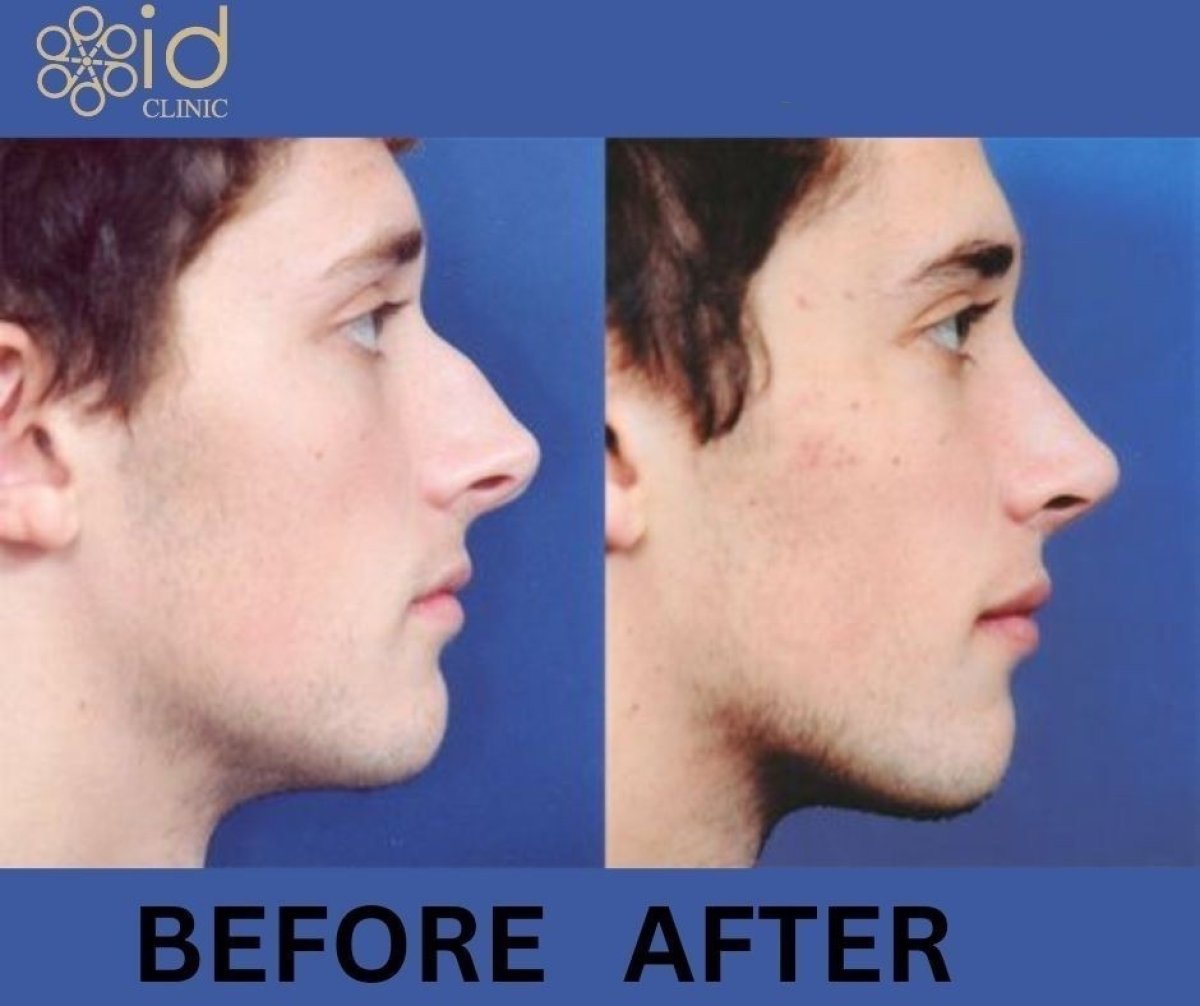
يغير الإجراء شكل الأنف أو حجمه ، ويعزز انسجام الوجه ، ويحسن مشاكل التنفس.
يعمل هذا الإجراء على تحسين طرف الأنف ، ويعزز التوازن والتناغم الأنفي من خلال إعادة التشكيل ، مما يوفر مظهرًا أكثر جمالية.
تعيد العملية تشكيل الأنف داخليًا ، مما يضمن مظهرًا أفضل مع الحد الأدنى من التندب والتعافي بشكل أسرع.
تعيد العملية تشكيل الأنف عبر شقوق في الخارج ، مما يوفر تحكمًا جراحيًا أكبر ووضوحًا أكبر.
يقوم هذا الإجراء بإصلاح جراحات الأنف السابقة وتحسين الوظيفة والمظهر من خلال تقنيات ترميمية دقيقة.
تعمل العملية على تنعيم شكل الأنف عن طريق إزالة العظام والغضاريف الزائدة ، وتعزيز تناسق الوجه.
توفر العملية بنية أنف صناعية ، وتحسين المظهر ، واستعادة الوظيفة ، وتعزيز الثقة بالنفس. إنه غير جراحي وقابل للتخصيص.

جراح تجميل وجراح فم ووجه وفكين معتمد – يجمع الدكتور راتاناشيناكورن بين التدريب المتقدم والتقنيات الدقيقة في مستشفى إنتارارات.


 Anna Leonova

يستخدم تقنية الموجات فوق الصوتية لإعادة تشكيل الأنف بدقة وبتأثيرات ضئيلة.
يتطلب التحقق من العيادات التايلاندية لإجراء تجميل الأنف بالموجات فوق الصوتية التأكد من تسجيل الجراح لدى المجلس الطبي في تايلاند وحصوله على شهادة من جمعية جراحي التجميل والترميم في تايلاند. أعطِ الأولوية للمرافق الحاصلة على اعتماد ISO 9001:2015 أو اللجنة الدولية المشتركة لضمان معايير السلامة الجراحية وبروتوكولات الدعم في حالات الطوارئ.
رؤية خبير Bookimed: تحتل تايلاند المرتبة الثالثة عالميًا في طلبات جراحة التجميل، إلا أن أحجام العيادات تختلف بشكل كبير. تخدم المرافق الكبيرة مثل Intrarat Hospital 100,000 مريض سنويًا، بينما تركز المراكز المتخصصة مثل ID Clinic Bangkok على 4,000 مريض. لإجراءات العظام المعقدة، اختر مستشفيات ذات حجم عمل مرتفع تضم ما لا يقل عن 150 سريرًا لضمان توافر الرعاية التمريضية على مدار 24 ساعة.
إجماع المرضى: يؤكد المرضى أهمية اختيار الجراح بناءً على سجله في العمل على البنية التشريحية بدلًا من الاعتماد على وصف ال
يختار المرضى الدوليون تايلاند لإجراء تجميل الأنف بالموجات فوق الصوتية للوصول إلى تقنية Piezo التي تستخدم الاهتزازات الصوتية لنحت العظام بدقة. تحافظ هذه الطريقة على الأنسجة الرخوة، وتقلل الكدمات، وتسرّع التعافي.
رؤية خبير Bookimed: تحتل تايلاند المرتبة الثالثة عالميًا في طلبات السياحة العلاجية، ويرجع ذلك إلى حد كبير إلى قدرتها الاستشفائية الضخمة. يخدم مستشفى Intrarat وحده 100,000 مريض سنويًا عبر 26 قسمًا. ويضمن هذا الحجم الكبير من المرضى أن يحافظ الجراحون على مهارات متقنة في إعادة تشكيل الأنف العرقية والوظيفية المعقدة.
إجماع المرضى: يعطي المسافرون الأولوية للمستشفيات الكبيرة على العيادات الصغيرة لضمان الوصول إلى العناية المركزة والموظفين المتخصصين. يعتمد النجاح على البحث في ملف أعمال الجراح المحدد بدلًا من مقارنة أسعار الباقات
تستخدم عملية تجميل الأنف بالموجات فوق الصوتية في تايلاند تقنية كهرضغطية لتشكيل عظام الأنف باستخدام موجات صوتية عالية التردد. وعلى عكس الطرق التقليدية التي تستخدم الأزاميل اليدوية، تحافظ هذه الأداة المعتمدة على الاهتزاز على الأنسجة الرخوة والأوعية الدموية والغشاء المخاطي. ويؤدي هذا النهج المتقدم إلى كدمات أقل بكثير وتعافٍ مبكر أسرع للمرضى.
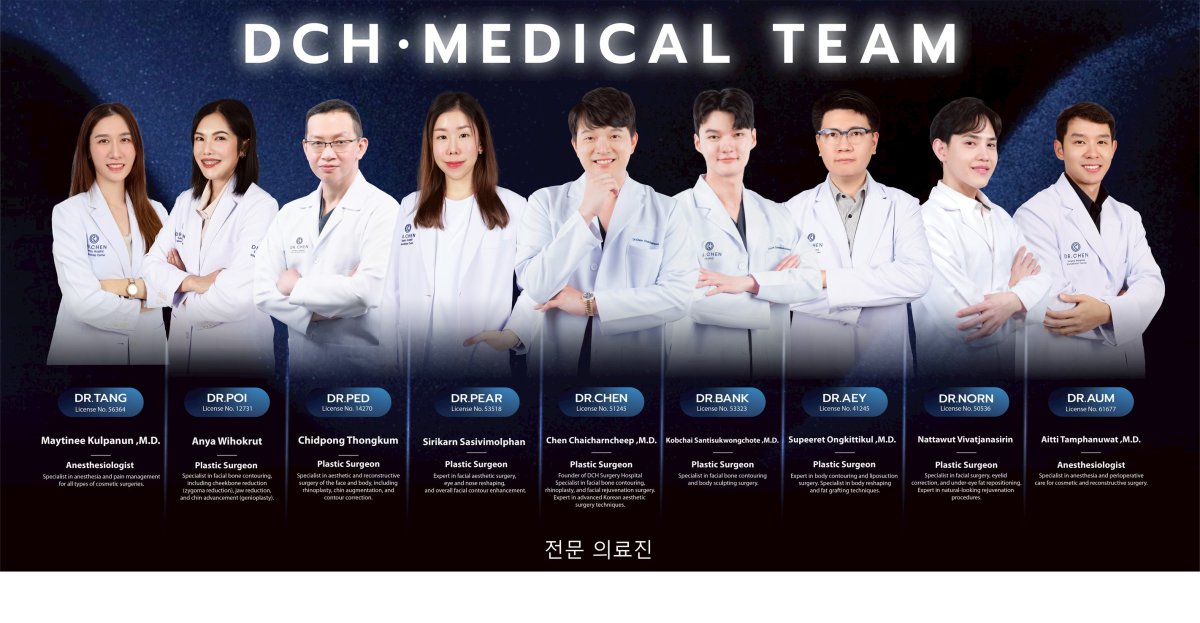
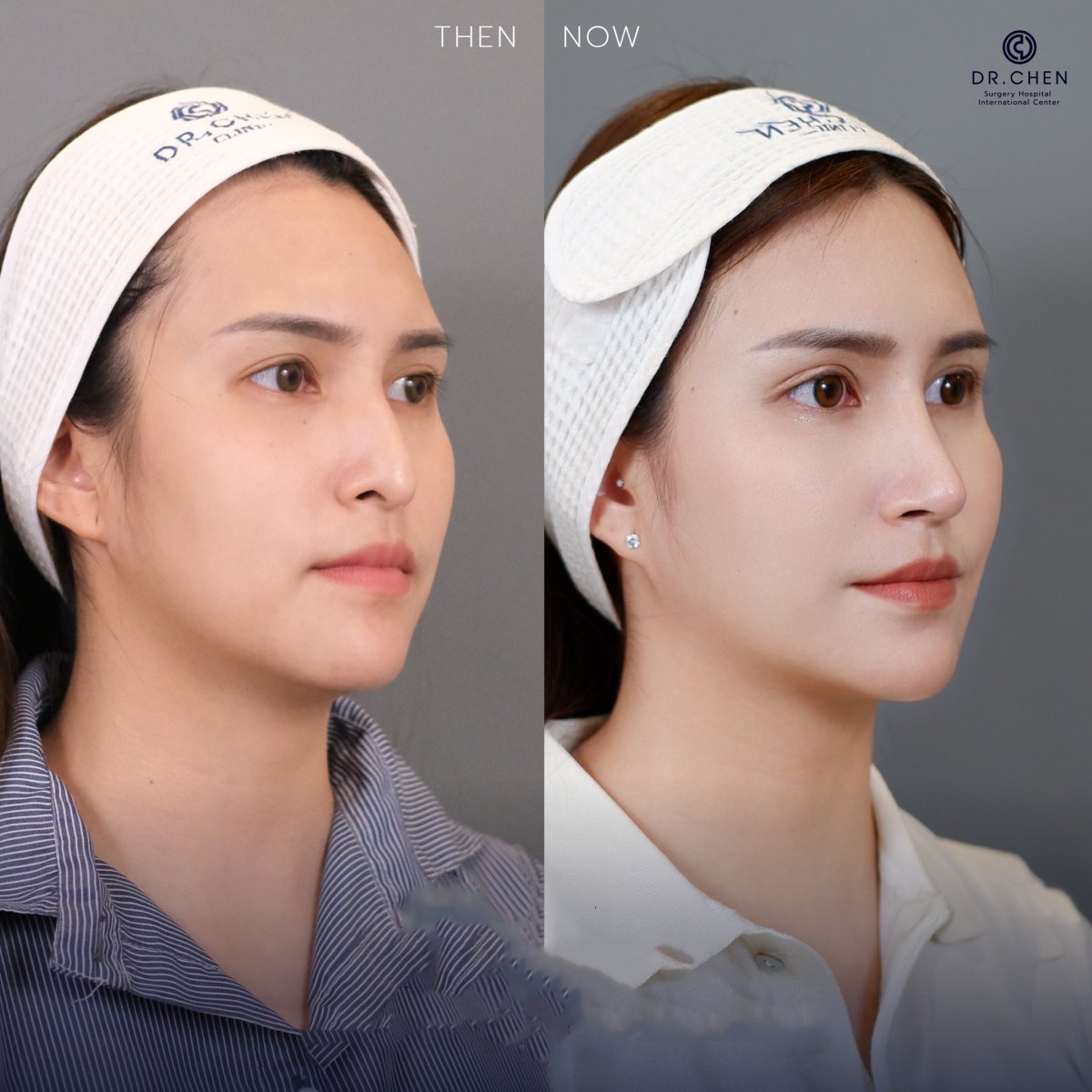
رؤية خبير Bookimed: تحتل تايلاند المرتبة الثالثة عالميًا في الطلبات الطبية، ومع ذلك فإن أدوات الموجات فوق الصوتية ليست معيارًا في كل مكان. تستخدم عيادات مثل Dr. Chen Surgery Hospital تصويرًا متخصصًا ثلاثي الأبعاد للوجه لرسم بنية العظام قبل استخدام الأدوات الكهرضغطية. تأكد دائمًا من أن جراحك يستخدم الجهاز خلال مرحلة إعادة تشكيل العظام بالكامل، وليس فقط للتنعيم البسيط.
إجماع المرضى: يقدّر المرضى انخفاض الرضوض وسرعة الشفاء، لكنهم يؤكدون أن التكنولوجيا لا يمكن أن تحل محل الحس الجمالي للجراح
خطط للبقاء في تايلاند لمدة 10 إلى 14 يومًا بعد عملية تجميل الأنف بالموجات فوق الصوتية. تتيح هذه المدة التعافي الأساسي، وفحوصات المتابعة، وإزالة الجبيرة بعد أسبوعين. يمكنك عادةً السفر إلى المنزل بمجرد أن يزيل الجرّاح دعامة الأنف والغرز.
رؤية خبير Bookimed: تحتل تايلاند المرتبة الثالثة عالميًا لهذه الطلبات، وتخدم مراكز مثل مستشفى Intrarat 100,000 مريض سنويًا. وغالبًا ما يتدرب جراحون رائدون مثل الدكتورة Ploypailin Rattanachinnakorn دوليًا لإتقان تشكيل العظام الدقيق بتقنية البيزو. يشير هذا الحجم إلى كفاءة سريرية عالية في إدارة الجداول الزمنية لتعافي المرضى الدوليين بأمان.
إجماع المرضى: يؤكد المرضى أنه رغم أن تقنية البيزو تقلل الكدمات، يجب عليك الاستمرار في الراحة للتحكم في التورم. وينصحون بالبقاء لمدة 14 يومًا كاملة لضمان إزالة الجبيرة بواسطة جرّاحك الأصلي.