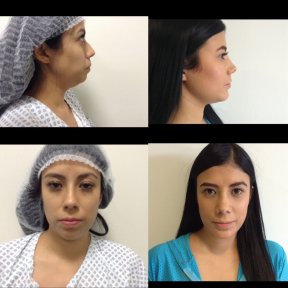
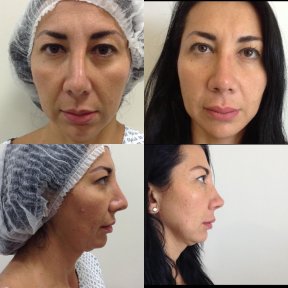
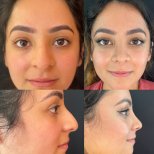
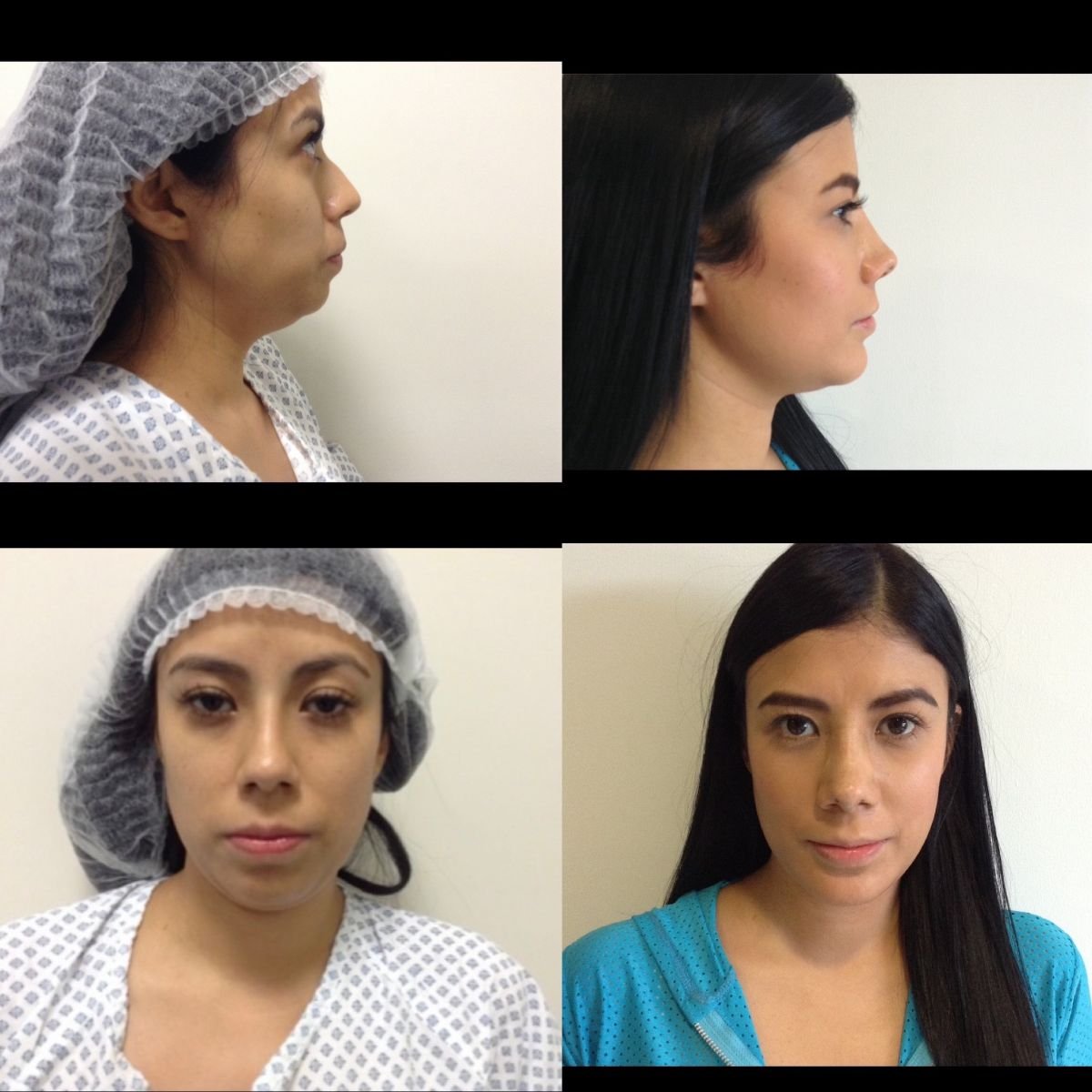
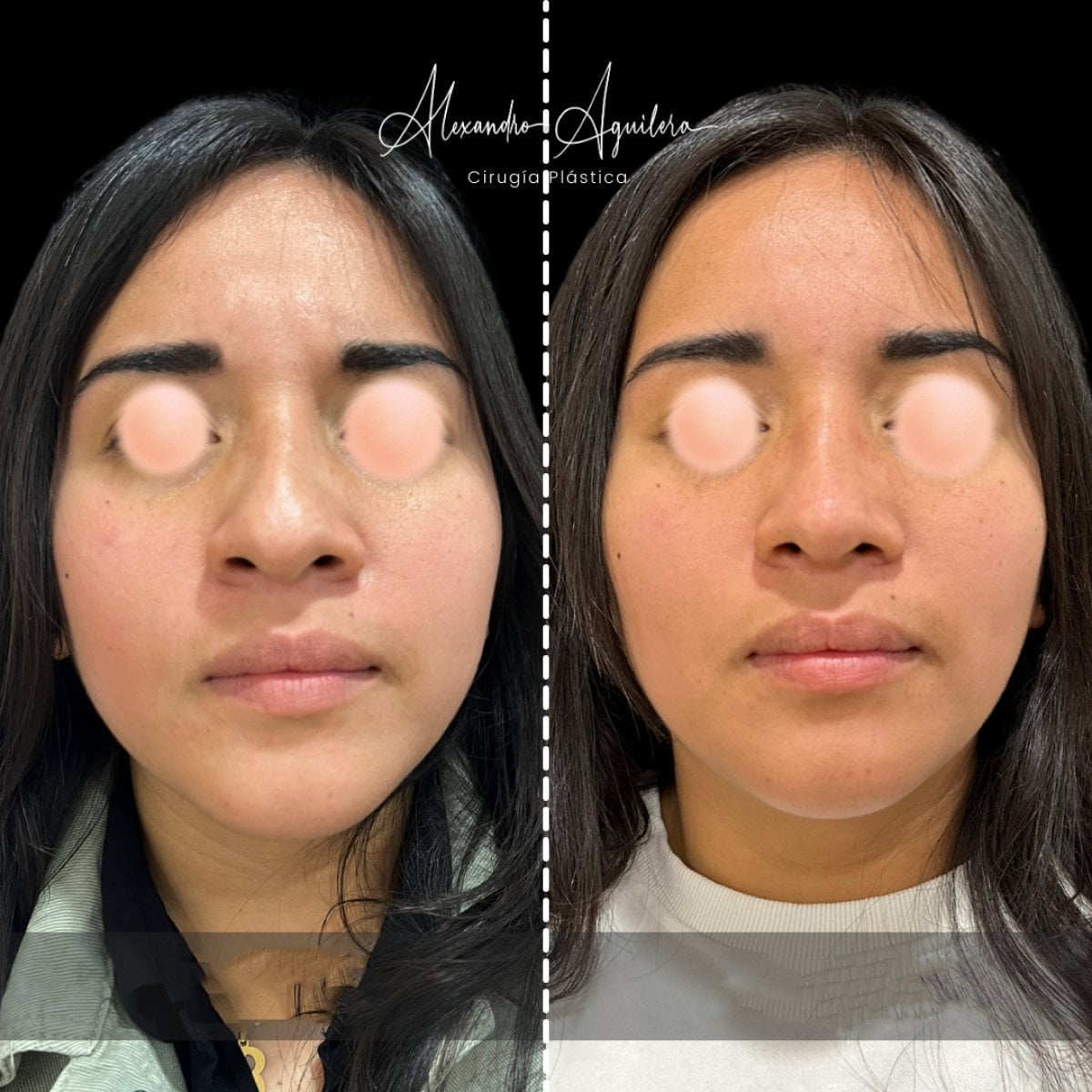
يبقى معظم المرضى الذين يخضعون لعملية تجميل الأنف بالموجات فوق الصوتية في المكسيك لمدة تتراوح بين 7 إلى 10 أيام قبل العودة إلى ديارهم. تسمح هذه الفترة الزمنية للجراحين بمراقبة الشفاء الأولي، وإدارة احتقان الأنف، وإزالة الجبيرة الخارجية بأمان. قد تتطلب التغييرات الهيكلية الكبيرة أو حالات المراجعة ما يصل إلى 14 يوماً بعد العملية.
- إزالة الجبيرة: يقوم الجراحون عادةً بإزالة جبيرة الأنف الواقية بين اليوم الخامس واليوم السابع.
- تكنولوجيا الشفاء: تقلل تقنية Piezotome من الكدمات والتورم، مما يسمح غالباً بالحصول على تصريح سفر أسرع.
- سلامة الطيران: يجب على المرضى الانتظار لمدة 7 أيام على الأقل لتجنب النزيف أو التورم المرتبط بالضغط.
- اعتمادات الجراح: يحمل كبار المتخصصين المكسيكيين شهادات من AMCPER والجمعية الدولية لجراحة التجميل (ISAPS).
رؤية خبير Bookimed: بينما تقدم العديد من العيادات تقديراً لمدة 7 أيام، غالباً ما توصي العيادات في غوادالاخارا ومدينة مكسيكو بـ 10 أيام للمرضى الدوليين. يضمن هذا الوقت الإضافي حضورك للمتابعة النهائية حيث يقوم الأطباء بفحص صمامات الأنف الداخلية. اختيار منشأة معتمدة من JCI مثل Marroquín & Sandoval يضمن معايير سلامة أعلى خلال هذه الفترة الحرجة.
إجماع المرضى: يقترح المرضى حجز تذاكر طيران مرنة لأن التورم أو النزيف الطفيف قد يؤخر أحياناً تصريح السفر. النصيحة الأكثر شيوعاً هي تجنب رفع الأشياء الثقيلة أو المشي لمسافات طويلة في المطار أثناء رحلة العودة.