ID Clinic Bangkok
تايلاند, بانكوك
Dr Phatcharasak Kraisornphongsakul Md
34سنة خبره ١٦ سنة • تم تنفيذ 20000+ علاجات

حافظة الجراح
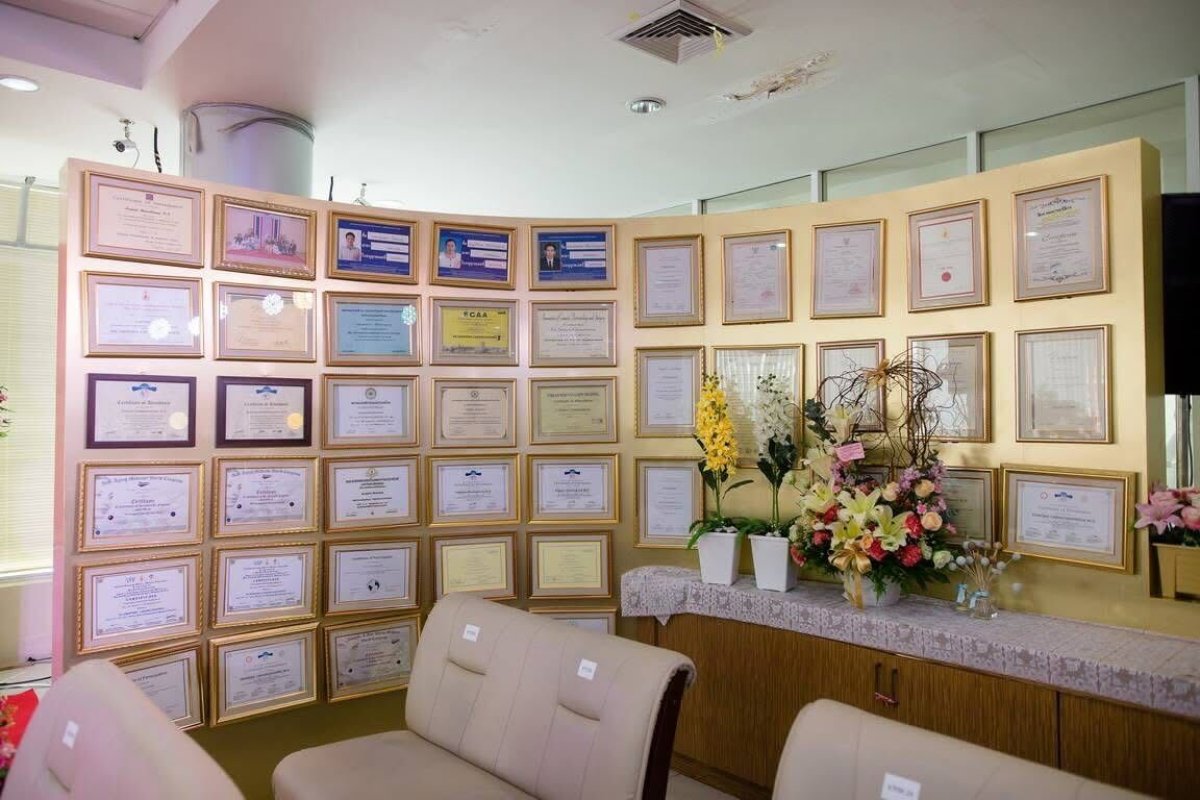
العيادة معتمدة من قبل : 


تمت مراجعة المقالة طبيا من قبل
فهد مولود
تتراوح تكلفة عملية تجميل طرف الأنف في تايلاند بين $1,500 / 51,000฿ و $3,000 / 102,000฿. يعتمد السعر النهائي على التقنية الجراحية المتبعة، سواء كانت مفتوحة أو مغلقة، ومستوى اعتماد العيادة. تشمل الباقات التايلاندية القياسية رسوم الجراح، والنمذجة ثلاثية الأبعاد، والرعاية اللاحقة.
رأي خبراء Bookimed: اختيار أخصائي متوسط المستوى يحقق أفضل قيمة دون المساومة على السلامة. يحافظ مستشفى آسيا كوزمتيك على معدل مضاعفات 0%، مع باقات تبدأ من 1,300 $ تقريبًا. هذا أقل بكثير من المراكز المتميزة مثل مركز بي كير الطبي، حيث تبدأ الباقات من 2,200 $ تقريبًا. يُنصح بالبحث عن جراحين حاصلين على شهادة ISAPS لضمان المعايير الدولية بأسعار محلية تنافسية.
| تركيا | تايلاند | كوريا الجنوبية | |
|---|---|---|---|
| عملية تجميل أرنبة الأنف | من $2,000 / 68,000฿ | من $1,500 / 51,000฿ | من $2,300 / 78,200฿ |
تلتزم Bookimed، وهي منصة عالمية رائدة في مجال السياحة الطبية، بمساعدة العملاء الذين يبحثون عن جراحة تجميل الأنف في تايلاند من خلال تقديم مساعدة الخبراء والحلول الطبية الجديرة بالثقة لكل حالة. يُستخدم نظام التصنيف التلقائي الذكي لإنشاء قوائم عيادات شفافة، ويتم صيانتها بدقة بواسطة عالم بيانات يستخدم الذكاء الاصطناعي للتأكد من دقتها. تضمن المنصة الأصالة من خلال نشر مراجعات من مرضى حقيقيين بعد علاجهم. يقدم Bookimed حلولاً طبية شاملة، مع تحديثات من العيادات لضمان الثقة. يلتزم المحتوى الخاص بعملية تجميل الأنف في تايلاند، والذي وضعه مؤلفون طبيون ذوو خبرة ومراجعته من قبل متخصصين، بإرشادات Bookimed التحريرية ، مما يعكس التزام المنصة بتقديم معلومات صحية واضحة وعالية الجودة. لمزيد من التفاصيل أو الاستفسارات، لا تتردد في الاتصال بنا على Marketing@bookimed.com أو معرفة المزيد عنا وعن مهمتنا عن Bookimed .
متخصص في تجميل طرف الأنف – تقنية دقيقة لإعادة تشكيل الأنف.

الدكتور تانونغساك بانيويرونروج هو جراح تجميل رائد في مستشفى آسيا كوزمتيك في بانكوك. أجرى أكثر من 15,000 عملية جراحية طوال مسيرته المهنية. يتخصص الدكتور تانونغساك في الإجراءات التحويلية مثل تجميل الأنف وجراحات تصحيح الجنس. أكمل زمالات في الولايات المتحدة وكندا وكوريا الجنوبية وتايوان.

يتخصص الدكتور واناشامراس في تجميل طرف الأنف، ويتمتع بخبرة _doctor_8533_ سنوات في الجراحة التجميلية والترميمية.

يتخصص الدكتور كاسيمساك بيونجتاناسوب في تجميل طرف الأنف في مستشفى وانسيري، ويتمتع بخبرة جراحية تزيد عن _doctor_8536_ عاماً.


 Anna Leonova

تركز هذه العملية على إعادة تشكيل طرف الأنف لتحسين الجمالية أو الوظيفة.
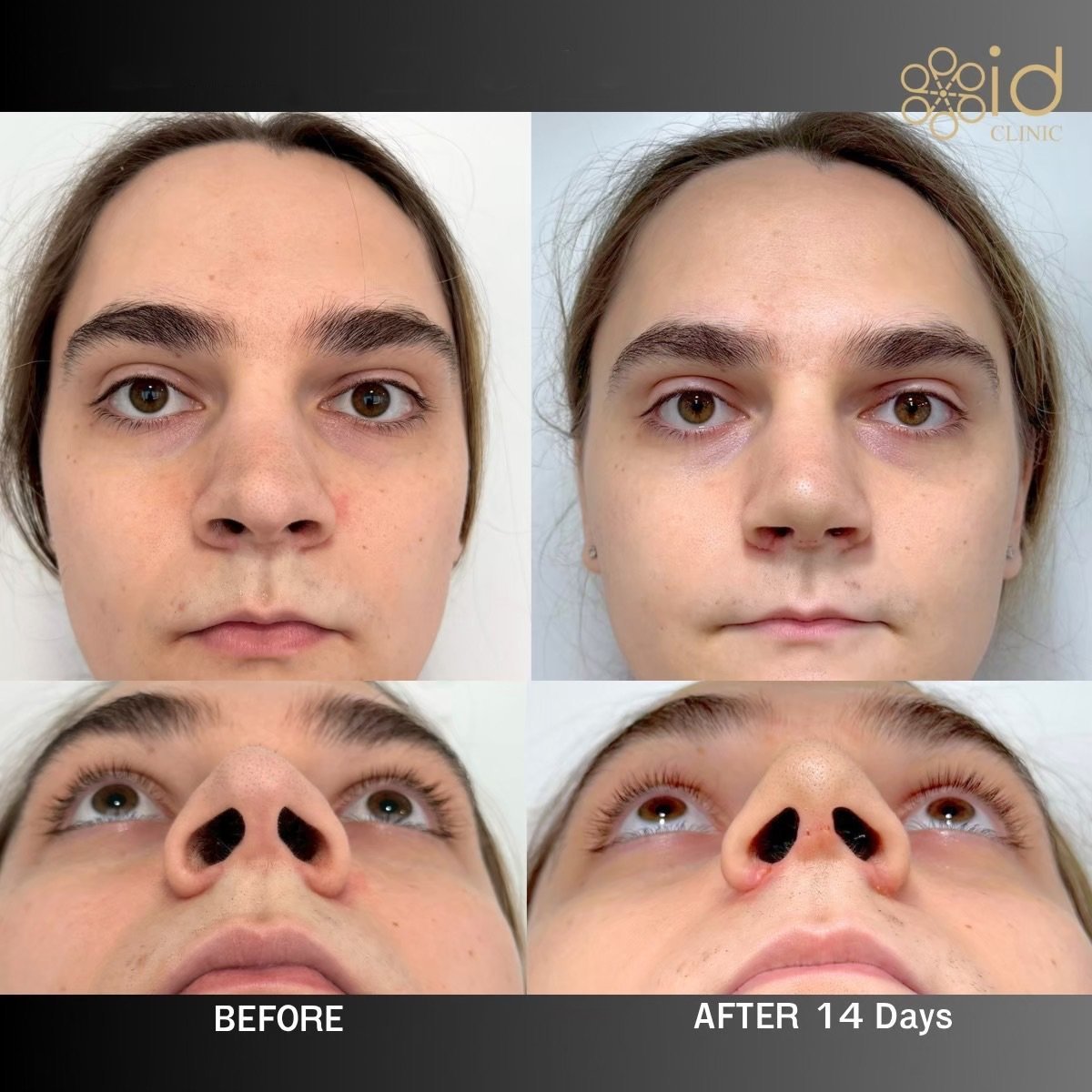
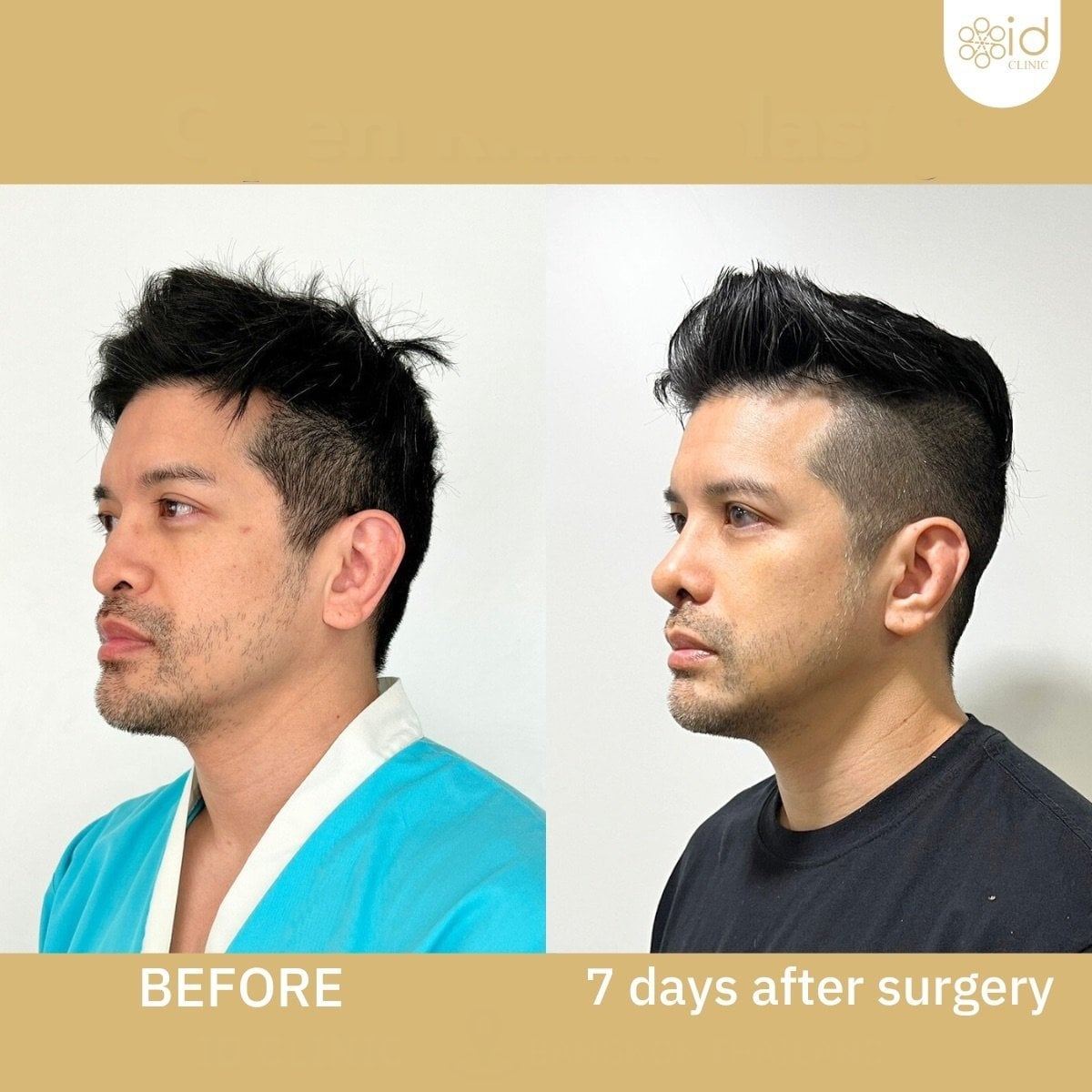
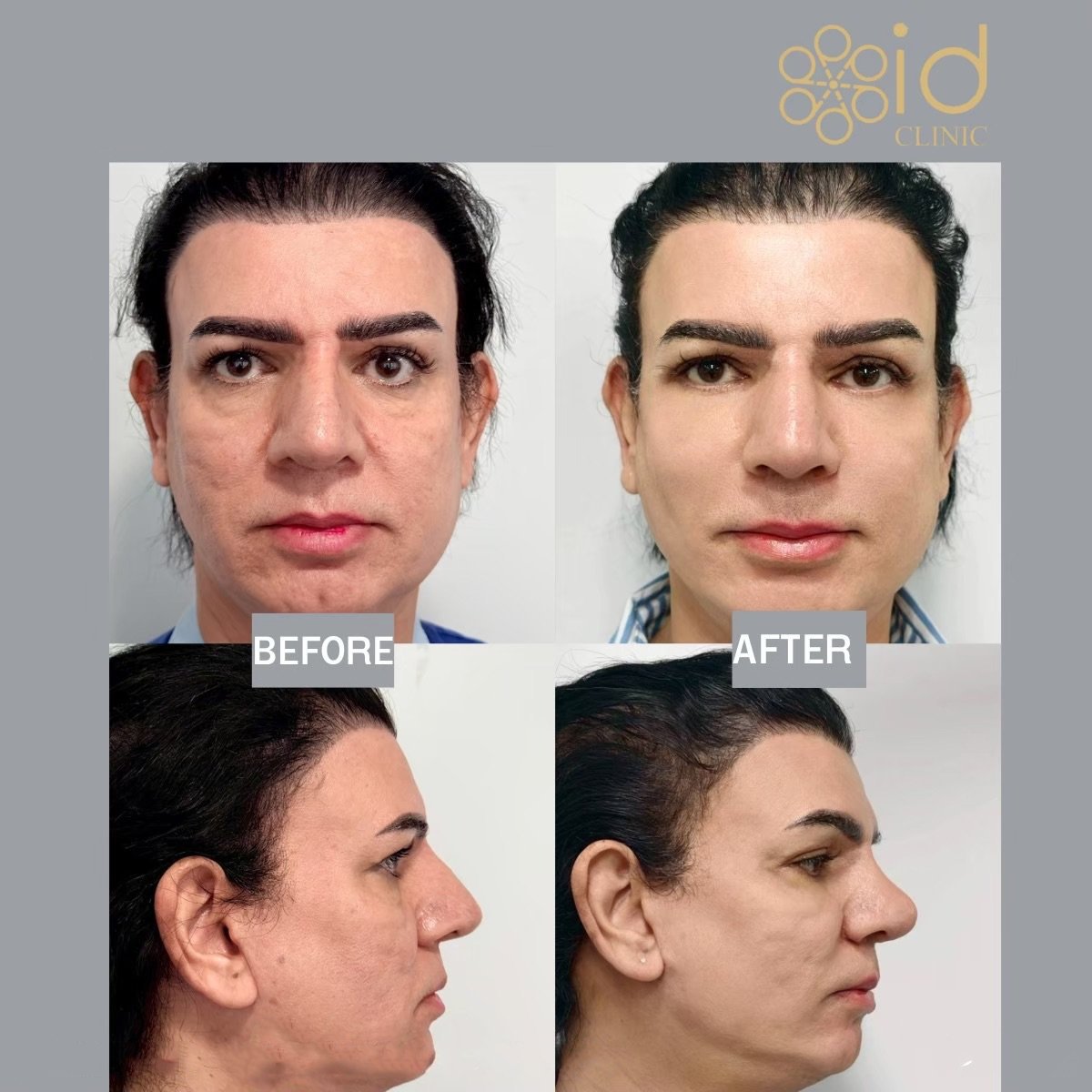
A refined, balanced nasal tip is the main goal of tip rhinoplasty in Thailand, and the results are long-lasting. In fact, 85% of patients who undergo the procedure never require a second operation.
Tip rhinoplasty reliably reshapes the lower nose, and the results usually remain stable for years. Because the tip consists of delicate cartilage, it is the most precise part of the nose to perfect.
How your surgeon approaches the surgery directly impacts your final result. Comparative studies show that patients report higher satisfaction with the open rhinoplasty technique than with the closed (fully-inside) approach.
The open approach gives the surgeon a clearer 3D view of the inner structures. The closed method leaves no outside scar, and healing settles a little faster.
With a modern, stitch-based technique, the surgeon shapes the tip and keeps most of the cartilage. About 97% of patients never get a pinched-looking tip that needs repair.
The tip is the area patients most commonly seek to adjust during secondary surgery. During your consultation, ask your surgeon which shaping techniques they use and how often their patients need a touch-up.
Tip surgery is the right choice when the surgeon only reshapes the soft cartilage at the tip. If your concerns involve the nasal bridge or bone, a full nose job is required. Your surgeon will determine the right approach after examining your nose.
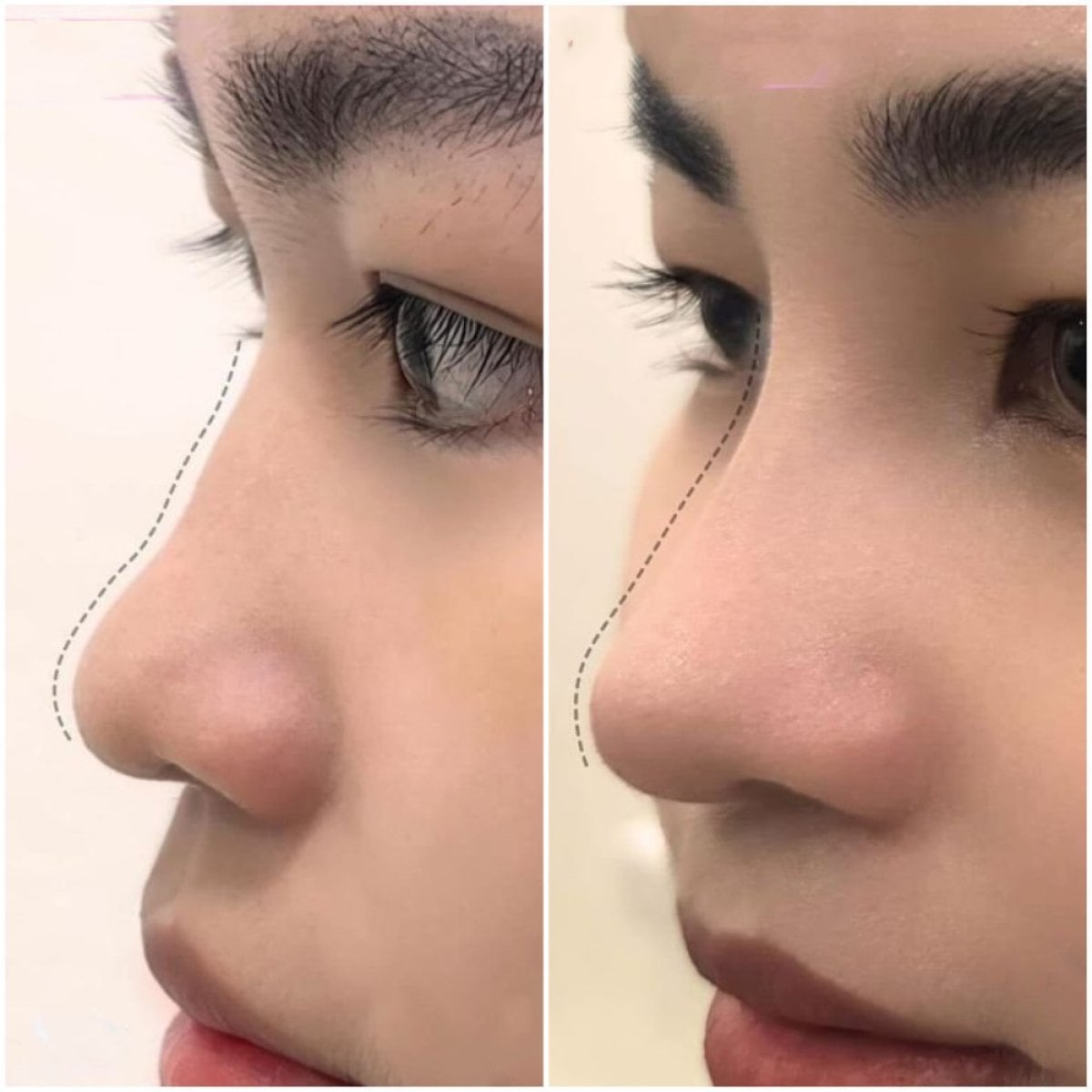
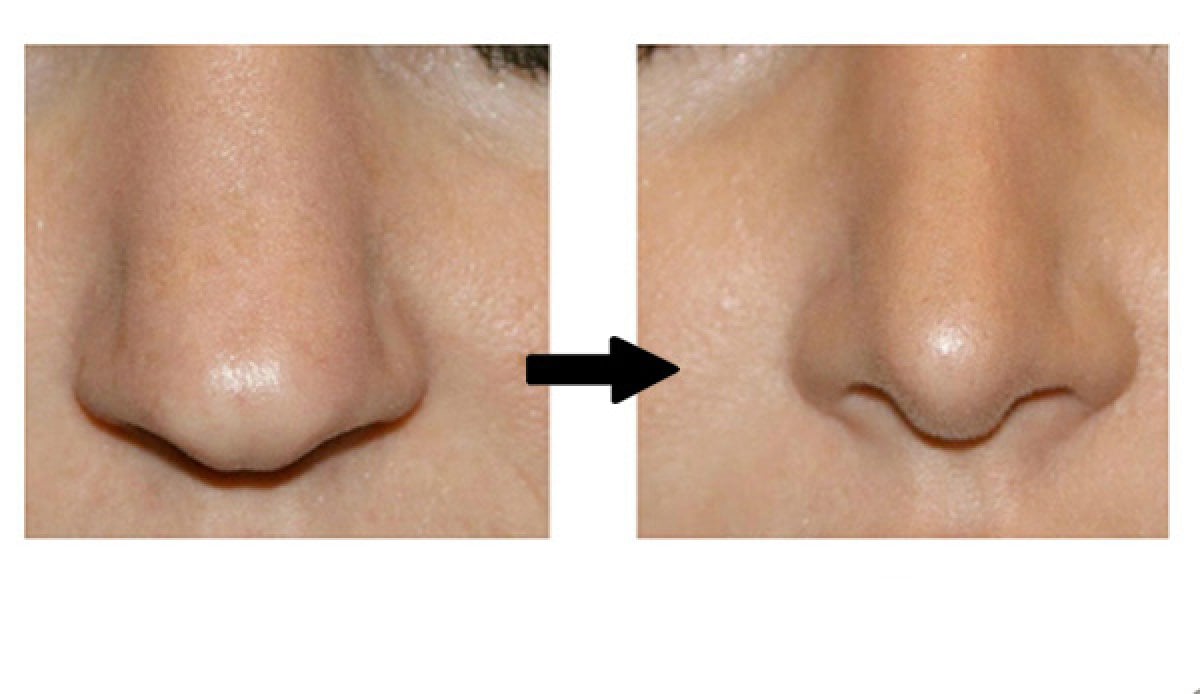
Tip surgery reshapes only the lower, soft part of the nose. It can round down a wide tip, lift a drooping tip, or correct asymmetry. Because no nasal bones are altered or broken, the operation is shorter and takes about 60–90 minutes, and post-operative bruising is usually milder.
Some aesthetic or structural issues extend beyond the tip. Full nose reshaping is recommended when structural changes to the upper nose are necessary, including:
Reshaping the tip cartilage without rebuilding its support can cause the tip to droop or restrict airflow later. That is why the surgeon examines your tip cartilage, bridge, and aesthetic goals before setting a surgical plan.
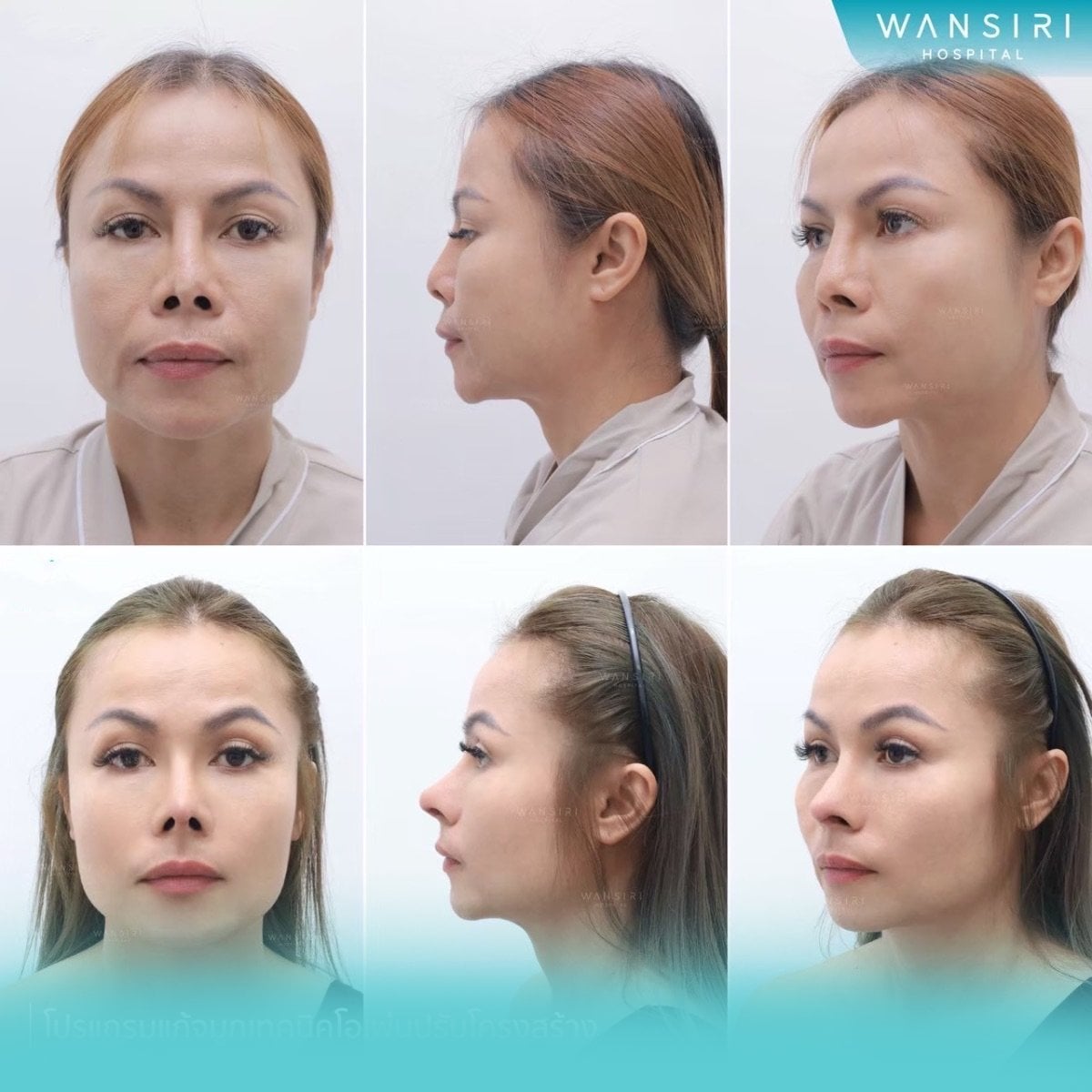
Surgical facilities with comprehensive care options can perform either procedure based on your evaluation. At Wansiri Hospital, both tip surgery and full rhinoplasty are performed by a specialized team led by Dr. Saran Wannachamras.
A refined nasal tip is supported using stitches, your own cartilage, or a soft silicone implant. The best option for you depends on your unique nasal anatomy and skin thickness.
| Option | What it is | How long it holds | Best for |
|---|---|---|---|
| Stitches | Fine stitches that reshape your own tip cartilage without adding external grafts | Depends on the strength of your own cartilage | Small changes to a tip with firm cartilage |
| Your own cartilage | A small graft from the nose wall or ear, added for height and support | Stays steady for years in long-term follow-up | Thicker skin or a tip with little natural support |
| Silicone implant | A soft synthetic insert that adds height without taking your cartilage | Holds its height, with some chance of shifting later | Patients who want to avoid a second donor-site incision |
Cartilage taken from your own body integrates naturally with your tissue, so no synthetic material is used. A surgeon can harvest this cartilage from the wall inside your nose (the septum) or from your ear. A silicone implant avoids the need for a second donor incision. However, over time, it has a higher chance of shifting, showing through thin skin, or coming loose.
A long-term study followed Asian patients who received grafts made from ear or rib cartilage. While both options provided good support initially, rib cartilage held the tip's height and volume more reliably over time, whereas ear cartilage showed a higher rate of shrinking in the long run.
During your consultation, ask the surgeon why they recommend your own cartilage or an implant for your nose. Ask them to explain the difference in plain words.
Any graft material can bend, shift, show through thin skin, or shrink a little over time. To limit these risks, the surgeon adds extra support.
Verified Bangkok centers offer both routes, cartilage and implant. One Bangkok partner, Dr. Chen Chaicharncheep, completed hands-on training in open rhinoplasty using rib cartilage. Another partner, B.Care Medical Center, lists nasal-tip correction, cartilage relocation, and implant work among its techniques.
While initial bruising clears within a couple of weeks, the tip settles into its shape over many months. Achieving the final, refined shape typically takes about 12–18 months, and up to about 2 years for patients with thicker skin.
Recovery follows a steady pattern for most people:
By month 3, the tip already looks close to its intended result. However, it may still look wider or uneven in the morning or after salty meals for the first few months. This is a normal part of early fluid retention and healing.
The tip settles last because its skin is thick, with many oil glands and slow fluid drainage. As a result, swelling persists longest where the skin is thickest.
Following simple aftercare steps helps reduce the swelling and protect the healing tip:
Feeling ready to go out in public happens well before it is safe to fly home. Throughout your early recovery, Bangkok hospitals provide patient support services, including interpreters and airport transfers for international patients.
Before booking rhinoplasty in Bangkok, focus on two crucial credentials: the hospital's international accreditation and the surgeon's registration for nose surgery. Be sure to confirm both before paying any deposit.
Joint Commission International (JCI) is a global hospital safety standard that covers clean operating rooms, infection control, and emergency response. Choosing a JCI-accredited hospital is the safest starting point.
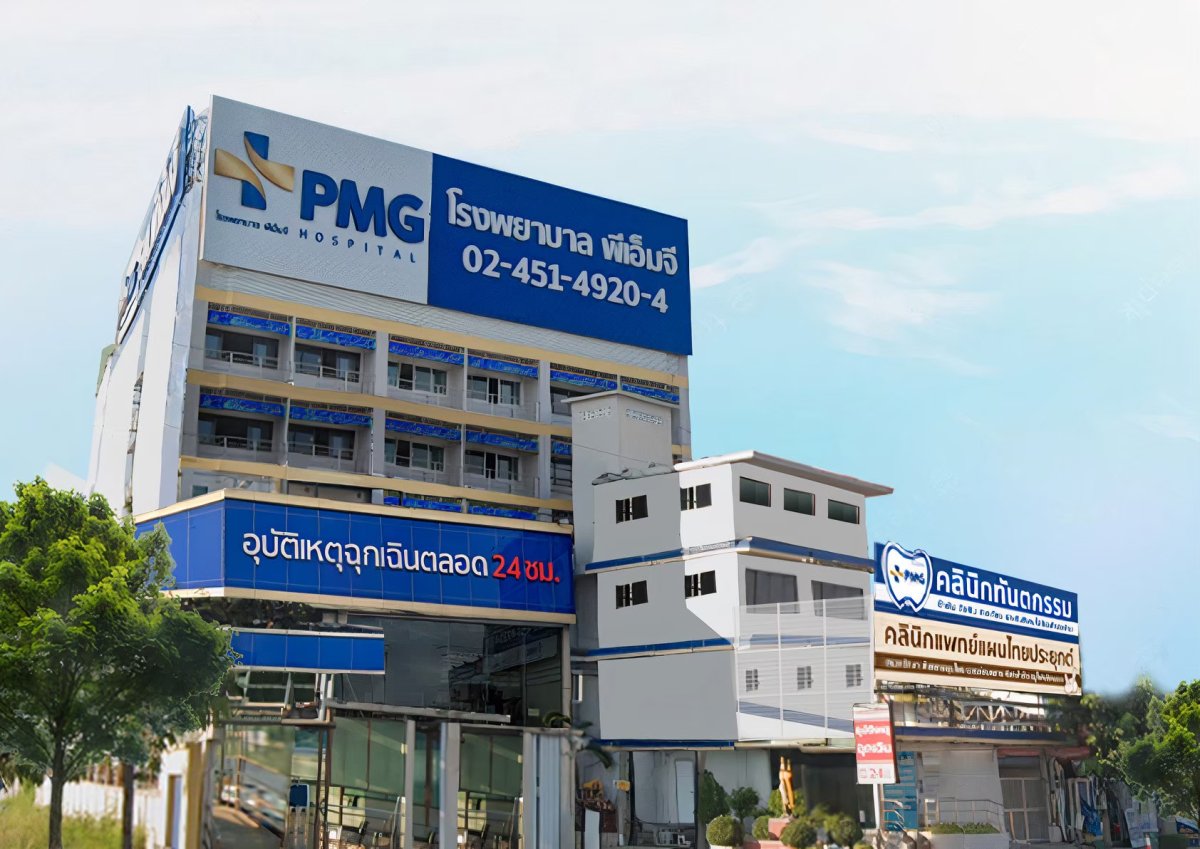
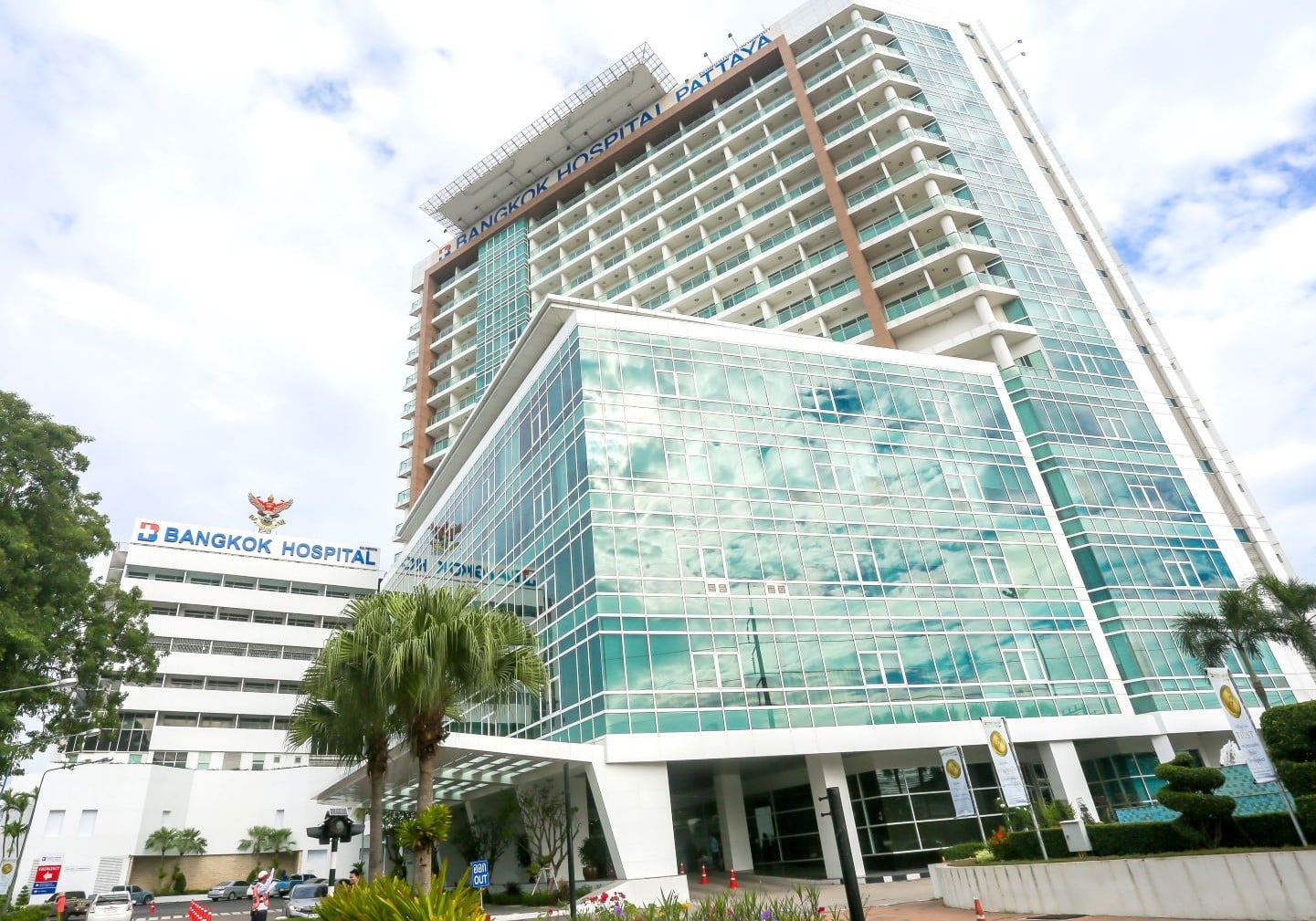
In Thailand, Bumrungrad International Hospital was the first facility in Asia to earn JCI accreditation. Other accredited options include Bangkok Hospital Pattaya, Sikarin Hospital, and PMG Hospital.
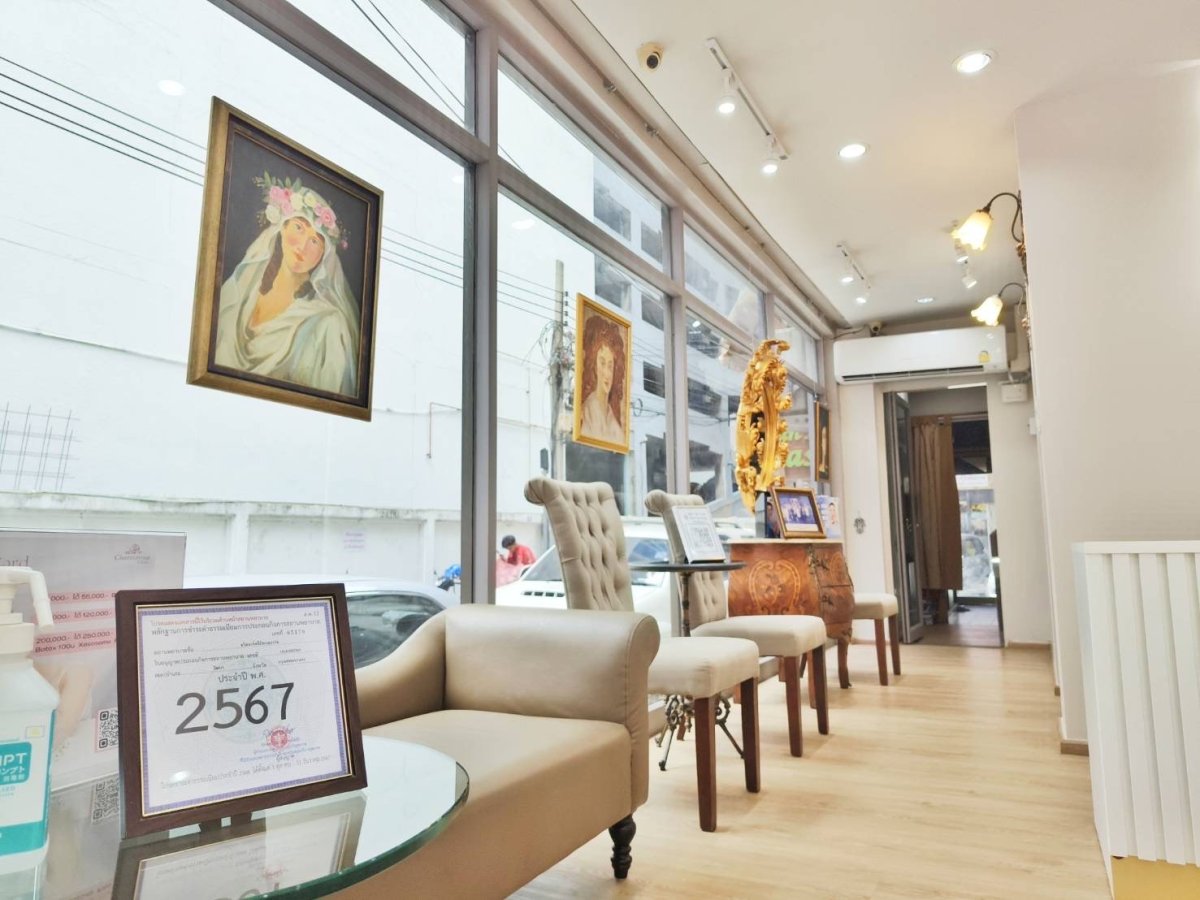
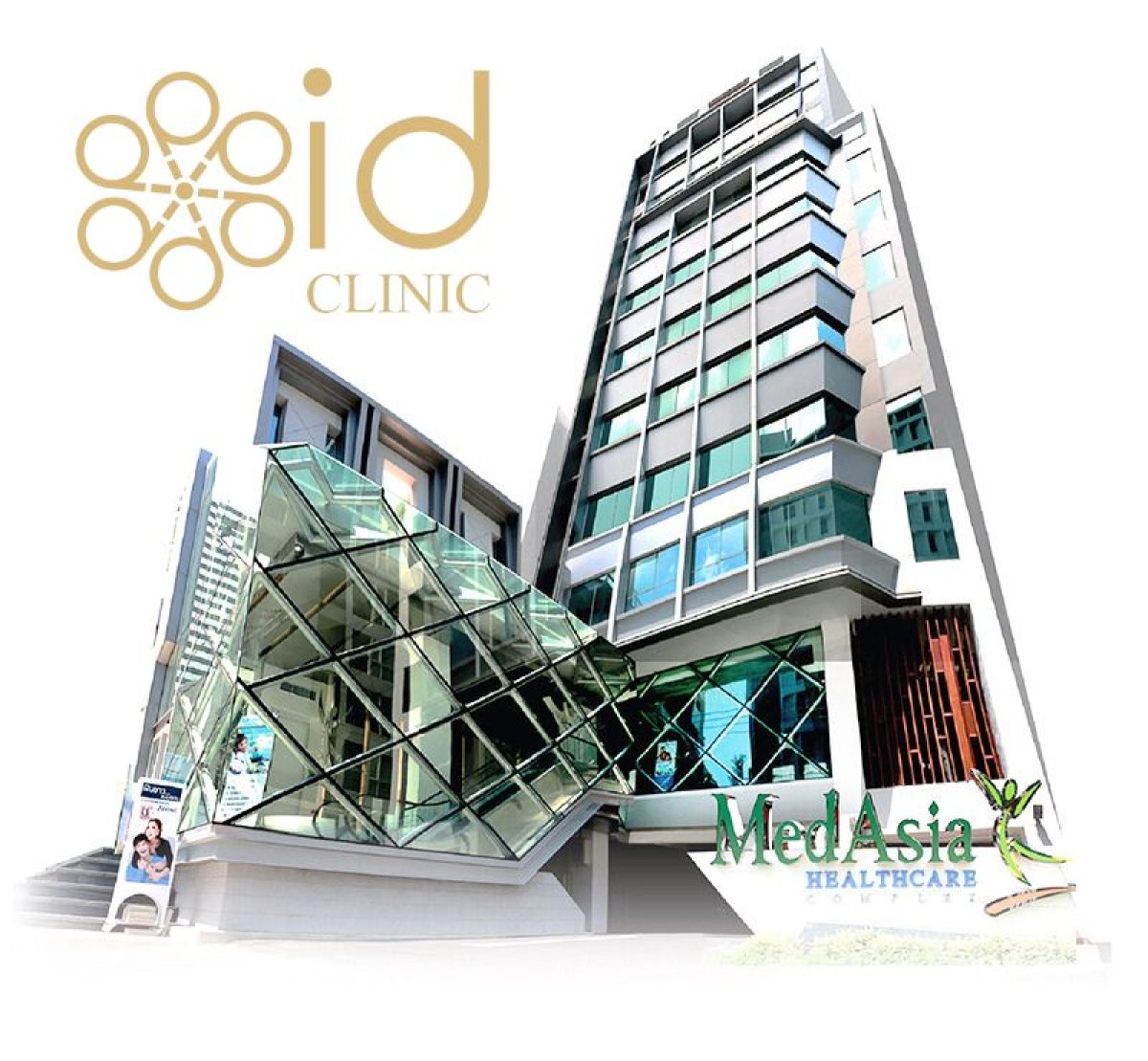
Also verify that the clinic holds a valid license from the Ministry of Public Health, the basic permission to operate in Thailand. ID Clinic Bangkok and Somchai Clinic both hold that license.
Confirm that your surgeon is registered with the Medical Council of Thailand. Ideally, they should also hold the Diploma of the Thai Board of Plastic Surgery. For tip refinement, a facial plastic surgeon or an ear, nose, and throat (ENT) specialist is a good fit.
Prominent international organizations like ISAPS (International Society of Aesthetic Plastic Surgery) and ASPS (American Society of Plastic Surgeons) maintain public directories of qualified members. For example, Dr. Pichet Rodchareon is a member of ISAPS and an international member of ASPS. Dr. Ajchariya Sarovath, another Bookimed-listed surgeon, holds the Diploma of the Thai Board of Plastic Surgery.
Two questions are worth asking before you book. First, how many nose operations does the surgeon perform each year? A surgeon who regularly performs nose surgeries is a safer choice for tip work. Second, get written confirmation that the named surgeon will carry out the procedure from start to finish.
Most healthy adults can safely undergo tip surgery in Thailand. However, in certain situations, a surgeon may advise delaying the procedure for clear health or safety reasons.
Your surgeon will evaluate your health and goals, and may advise waiting in these situations:
Most surgeons advise staying in Thailand for 7 to 10 days before flying home. Changes in cabin pressure can increase swelling, so build this recovery window into your trip. Keep in mind that remote video follow-ups after you return home may not catch early recovery issues that an in-person check would identify. A repeat operation back home may not be covered, so choose your surgeon carefully from the start.
Be sure to arrange insurance before you travel. Standard travel and health insurance policies usually exclude complications arising from elective cosmetic surgery performed abroad. Buy a policy that covers your procedure and ensures protection if unexpected medical complications arise during your trip.
You can verify your medical safety measures in Thailand before you travel: a JCI-accredited hospital, a licensed clinic, and a registered surgeon mean safety protocols that match Western standards. A valid consent form outlines realistic expectations, as a surgeon cannot promise a perfect result. Bookimed stays in touch with patients throughout their treatment and after they return home.
لاختيار أفضل مستشفى أو جراح لعملية تجميل طرف الأنف في تايلاند، أعط الأولوية للمتخصصين المعتمدين ذوي الخبرة العالية والتدريب الدولي. ابحث عن الجراحين الحاصلين على شهادات من جمعية جراحي التجميل والترميم في تايلاند (ThPRS) والذين يعملون في مرافق معتمدة من اللجنة الدولية المشتركة (JCI).
رؤية خبير Bookimed: غالباً ما تقدم العيادات ذات الحجم الكبير نتائج أكثر اتساقاً لتحسين طرف الأنف. في حين تخدم المستشفيات الكبيرة مثل Bumrungrad مليون مريض سنوياً، تحافظ المراكز المتخصصة مثل Asia Cosmetic Hospital على معدل مضاعفات 0%. يشير هذا إلى أن الفرق الجراحية المركزة في المرافق المتوسطة الحجم والمعتمدة قد توفر اهتماماً أكثر تخصصاً للعمل الدقيق على طرف الأنف.
إجماع المرضى: يؤكد المرضى على أهمية الاستشارات الفردية (1:1) مع الجراح الفعلي بدلاً من موظفي المبيعات. تسلط التعليقات الواقعية الضوء على أن النتائج الناجحة تعتمد غالباً على محفظة الجراح المحددة في هياكل الأنف الآسيوية ورعاية المتابعة طويلة الأمد.
يتم الحفاظ على السلامة في مرافق تجميل الأنف في تايلاند من خلال اعتماد JCI والإشراف الإلزامي من قبل فرق طبية متخصصة. يتم التخفيف من مخاطر مثل أخطاء التخدير أو العدوى من خلال الاستعانة بجراحين معتمدين وأطباء تخدير في الموقع في مستشفيات بانكوك من الدرجة الأولى، والتي تبلغ عن معدلات مضاعفات بعد الجراحة بنسبة 0%.
رؤية خبير Bookimed: بينما يركز الكثيرون على السعر، فإن عامل التمييز الحقيقي للسلامة في تايلاند هو وجود وحدة العناية المركزة في الموقع. تخدم المراكز ذات الحجم الكبير مثل مستشفى سيكارين أو بامرونجراد أكثر من 250,000 مريض سنويًا لأنها تستطيع إدارة حالات الطوارئ النادرة على الفور. اختيار مستشفى متكامل بدلاً من عيادة صغيرة يقلل بشكل كبير من المخاطر الجهازية أثناء التخدير.
إجماع المرضى: يؤكد المرضى على أهمية فحص العيادات من خلال المجلس الطبي التايلاندي لتجنب الجراحين غير المهرة. كما يوصون بتوثيق سياسة مراجعة واضحة لإدارة المخاوف النادرة مثل التورم طويل الأمد أو عدم التماثل البسيط.
أنت مرشح مثالي لعملية تجميل طرف الأنف في تايلاند إذا كنت تسعى لتحسين طرف الأنف المنتفخ أو المتدلي أو غير المتماثل دون تغيير جسر الأنف. يجب أن يكون عمر المرشحين أكثر من 18 عاماً، وغير مدخنين، ويتمتعون بصحة جيدة لضمان الشفاء الأمثل بعد هذا الإجراء المتخصص.
رؤية خبير Bookimed: بينما يبحث الكثيرون عن صفقات `شاملة كلياً`، تكمن القيمة الأعلى في تايلاند في البنية التحتية للسلامة. تحافظ عيادات مثل مستشفى آسيا التجميلي على معدل مضاعفات 0% من خلال وجود أطباء تخدير وأطباء قلب يشرفون على كل عملية جراحية. غالباً ما يتم إغفال هذا الإشراف الطبي في العيادات ذات المستوى الأدنى ولكنه حيوي للمرضى الدوليين الذين يسافرون بمفردهم.
إجماع المرضى: يؤكد المرضى أنه على الرغم من أن الشكل المحسن الأولي مرئي في وقت مبكر، إلا أن مظهر `الخنزير` أو التيبس يستغرق حوالي 6 أشهر ليصبح ناعماً تماماً. يوصي معظم المسافرين بإجراء 3 استشارات افتراضية على الأقل مع صور معدلة (morphs) لمواءمة التوقعات قبل حجز الرحلات الجوية.
يعود المرضى عادةً إلى الأنشطة الخفيفة بعد 7 إلى 14 يومًا من تجميل طرف الأنف في تايلاند. في حين أن الكدمات المرئية تتلاشى في غضون أسبوعين، فإن تحسين طرف الأنف هو عملية تدريجية تتطلب من 12 إلى 18 شهرًا للوصول إلى شكلها وخطوطها النهائية.
رؤية خبير Bookimed: بينما يركز الكثيرون على إزالة الجبيرة في اليوم السابع، فإن المتابعة لمدة 6 أشهر هي المعلم الحقيقي لجراحة طرف الأنف. تشمل العيادات مثل مستشفى آسيا التجميلي 6 أشهر من الرعاية الرقمية لأن تورم طرف الأنف أكثر استمرارًا من تورم جسر الأنف. يضمن اختيار باقة مع مراقبة عن بعد ممتدة أن يتمكن جراحك من تتبع هذه التغييرات الدقيقة في التحسين من المنزل.
إجماع المرضى: يؤكد المرضى على التخطيط لإقامة لمدة 10 إلى 14 يومًا لتجنب التسرع في الشفاء الأولي. يوصى بشدة باستخدام الكمادات الباردة على الفور للتحكم في ذروة التورم التي تظهر في الأيام الثلاثة الأولى.
للحصول على رحلة آمنة لعملية تجميل طرف الأنف في تايلاند، خطط للبقاء ما بين 10 إلى 14 يوماً. يسمح هذا الإطار الزمني بإجراء الفحوصات الأساسية قبل الجراحة، والإجراء الجراحي، والرعاية الحرجة بعد الجراحة، وتحديداً ضمان الإزالة المهنية للغرز والجبائر التي تحدث عادةً في اليوم السابع تقريباً.
رؤية خبير Bookimed: بينما تقترح معظم العيادات 7 أيام، تشير بياناتنا التي تظهر أحجاماً كبيرة من المرضى في مراكز مثل مركز B.Care الطبي إلى أن الإقامة لمدة 12 يوماً أكثر أماناً. يأخذ هذا الهامش الإضافي في الاعتبار المناخ الاستوائي في تايلاند، والذي يمكن أن يطيل أحياناً الالتهاب الأولي مقارنة بالمناطق المعتدلة.
إجماع المرضى: يؤكد المرضى على البقاء حتى إزالة جميع الغرز لأن التقييمات الافتراضية لا يمكنها تقييم التورم الداخلي بدقة. يوصي الكثيرون بحجز فنادق على بعد 15 دقيقة من العيادة لتبسيط الفحوصات اليومية.
تعد بانكوك المركز العالمي الأول لعمليات تجميل طرف الأنف، حيث تضم أعلى كثافة من المستشفيات المعتمدة من اللجنة الدولية المشتركة (JCI) وجراحي الوجه المتخصصين. وتعمل بوكيت وباتايا كوجهات ثانوية، حيث توفر في المقام الأول بيئات تعافي على طراز المنتجعات في مرافق مثل معهد بوكيت للجراحة التجميلية ومستشفى بانكوك باتايا.
رؤية خبير Bookimed: في حين توفر المستشفيات الكبيرة مثل بومرونجراد بنية تحتية عالمية المستوى، تظهر بياناتنا أن العيادات البوتيكية المتخصصة غالبًا ما توفر قيمة متفوقة لتحسين طرف الأنف. تحافظ عيادات مثل مستشفى آسيا التجميلي على معدل مضاعفات 0% من خلال إشراف أطباء القلب على جميع العمليات. بالنسبة لأعمال طرف الأنف المعقدة بدون غرسات، فإن اختيار جراح معتمد من ISAPS مثل الدكتور تانونجساك بانيويرونروج غالبًا ما يضمن نتائج أكثر طبيعية من التناوب في المستشفيات العامة.
إجماع المرضى: يؤكد المرضى أن سمعة الجراح الفردي
جميع المحتوى الطبي في هذه الصفحة أعده مؤلفون من ذوي المؤهلات الطبية المتخصصة وتمت مراجعته من قبل أطباء معتمدين في المجال ذي الصلة. تمت مراجعة المحتوى الطبي من قبل فهد مولود، محرر طبي وعالم بيانات.
آخر تحديث: 10/07/2026.
جميع البيانات المقدمة هي لأغراض إعلامية عامة فقط وقد لا تعكس النتائج أو التجارب الفردية.