العلاج بالخلايا الجذعية لاضطراب فرط الحركة ونقص الانتباه (ADHD) في تايلاند — احصل على 3 عيادات مطابقة مع التكاليف


تمت مراجعة المقالة طبيا من قبل
فهد مولود
ما هي تكلفة العلاج بالخلايا الجذعية لاضطراب فرط الحركة ونقص الانتباه (ADHD) في تايلاند؟ اكتشف الآن
تتراوح تكلفة علاج اضطراب فرط الحركة ونقص الانتباه بالخلايا الجذعية في تايلاند بين السعر عند الطلب و السعر عند الطلب. يعتمد السعر الإجمالي على مصدر الخلايا والجرعة وموقع العيادة. تغطي الأسعار القياسية عادةً تقييمات ما قبل العلاج، واستخلاص الخلايا، ومعالجتها مخبرياً، والحقن، ومتابعة ما بعد العلاج.
- نوع الخلايا والجرعة: تختلف التكاليف باختلاف استخدام خلايا الحبل السري أو الخلايا الذاتية.
- مواقع المراكز الطبية: تعمل المرافق في بانكوك وبوكيت كمراكز رئيسية للعلاج غالباً.
- اعتماد العيادة: تعكس فئات الأسعار معايير مثل شهادة المنظمة الدولية للمعايير (ISO).
- باقات الخدمات: يضمّن العديد من مقدمي الخدمة انتقالات المطار والتنقلات المحلية في السعر.
رأي خبراء Bookimed: تكمن القيمة في تايلاند في دمج العلاج الخلوي مع الدعم الأيضي الشامل. يمثل مستشفى بانا سي راما 2 هذا النموذج بدمج تجديد الخلايا المعتمد من GMP مع العلاج بالأوزون. يعالج هذا المستشفى نحو 1,000 مريض سنوياً باستخدام نهج تكاملي. يضمن اختيار مرفق حاصل على شهادة ISO جودة إدارة المعايير البروتوكولية الدولية. يوفر هذا النموذج الشامل قيمة أفضل غالباً من جلسات الحقن الخلوي المنفردة.
مزاياك وضماناتك مع Bookimed
أسعار مباشرة
Bookimed لا يضيف رسوماً إضافية على أسعار العلاج بالخلايا الجذعية لاضطراب فرط الحركة ونقص الانتباه (ADHD). الأسعار مأخوذة من قوائم الأسعار الرسمية للعيادات. تدفع مباشرة في العيادة مقابل العلاج بالخلايا الجذعية لاضطراب فرط الحركة ونقص الانتباه (ADHD) عند وصولك.
عيادات وأطباء معتمدون فقط
Bookimed ملتزم بسلامتك. نحن نعمل فقط مع المؤسسات الطبية التي تحافظ على معايير دولية عالية في العلاج بالخلايا الجذعية لاضطراب فرط الحركة ونقص الانتباه (ADHD) ولديها التراخيص اللازمة لخدمة المرضى الدوليين في جميع أنحاء العالم.
مساعدة مجانية على مدار الساعة
Bookimed يقدم مساعدة خبراء مجانية. منسق طبي شخصي يدعمك قبل وأثناء وبعد العلاج، ويحل أي مشاكل. لن تكون وحيداً أبداً في رحلة العلاج بالخلايا الجذعية لاضطراب فرط الحركة ونقص الانتباه (ADHD).

منسقك الطبي الشخصي في Bookimed
- يدعمك في كل مرحلة
- المساعدة في اختيار العيادة الطبية المناسبة والطبيب المناسب
- يضمن الوصول السريع والمريح إلى المعلومات
اكتشف أفضل العلاج بالخلايا الجذعية لاضطراب فرط الحركة ونقص الانتباه (ADHD) العيادات في تايلاند: 3 خيارات معتمدة والأسعار
نظرة عامة على العلاج بالخلايا الجذعية لاضطراب فرط الحركة ونقص الانتباه (ADHD) في تايلاند
- العلاج بالخلايا الجذعية - من $1,500
هذا العلاج هو علاج باستخدام خلايا الجسم لإصلاح الأنسجة التالفة. إنه فعال وآمن ومتعدد الاستخدامات.
- العلاج بالخلايا الجذعية لالتهاب المفاصل - من $2,500
يستخدم هذا العلاج خلايا الشخص لإصلاح المفاصل التالفة ، وتقليل الألم والالتهابات المصاحبة لالتهاب المفاصل.
- علاج التوحد بالخلايا الجذعية - من $5,200
يستخدم هذا العلاج خلايا الجسم لإصلاح تلف الدماغ المرتبط بالتوحد ، مما يوفر سلوكًا اجتماعيًا محسنًا.
- علاج الشلل الدماغي بالخلايا الجذعية - من $5,000
يستخدم هذا العلاج الخلايا المتجددة لعلاج تلف الدماغ وتحسين الوظائف الحركية لدى الأشخاص المصابين بالشلل الدماغي.
- علاج مرض باركنسون بالخلايا الجذعية - من $7,000
يستخدم هذا العلاج الخلايا التي يحافظ عليها الجسم لإبطاء تقدم مرض باركنسون ، وتعزيز وظائف المخ وقدرته على الحركة.
- علاج مرض السكري بالخلايا الجذعية - من $10,300
يستخدم هذا العلاج الخلايا الجذعية لإصلاح خلايا البنكرياس التالفة ، والسيطرة على أعراض مرض السكري.
- العلاج بالخلايا الجذعية للركبتين - من $2,200
يعتمد هذا العلاج على إمكانات الشفاء الذاتي ، عن طريق حقن الخلايا المحصودة في مفاصل الركبة لإصلاح الغضروف التالف.
- برنامج علاج بالخلايا الجذعية الخاصة - من $6,500
يستخدم هذا العلاج الخلايا الجذعية لإصلاح الخلايا والأنسجة التالفة وتحسين صحتك.
- إيداع Bookimed: 200 دولار أو 200 يورو.
- وديعة العيادة: ادفع نسبة محددة مقدمًا.
احصل على تقييم طبي لـ العلاج بالخلايا الجذعية لاضطراب فرط الحركة ونقص الانتباه (ADHD) في تايلاند: اختر أخصائيك من بين الأفضل في هذا المجال
عرض جميع الأطباء
Ohm Sudchumphae
الدكتور أوم سودتشومبهاي هو أخصائي في الطب التجديدي في مستشفى باناسي راما 2 في بانكوك. وهو حاصل على درجة الماجستير في التغذية السريرية والطب التكاملي. يتابع الدكتور أوم حاليًا درجة الدكتوراه في علم النفس. وهو متخصص في الجمع بين العلاج بالخلايا، والتغذية الوريدية، وطب الأعشاب للحالات المزمنة.
- معتمد من المجلس الأمريكي للعافية الغذائية.
- يحمل شهادة كطبيب في الأورام التكاملي.
- يجري علاج تجديد الخلايا الجذعية والعلاج بالأوزون من أجل طول العمر.
- يعالج الحالات المعقدة
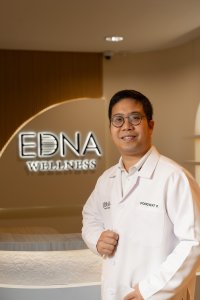
Pongwat Polpong
الدكتور بونغوات بولبونغ هو جراح أعصاب بارز ومتخصص في الطب التجديدي في تايلاند، ويتمتع بخبرة تزيد عن 15 عامًا في الممارسة السريرية والتدريس والبحث. تلقى تدريبه في مستشفى سيريراج، والمعهد العصبي التايلاندي، والمعهد الدولي لعلوم الأعصاب في ألمانيا.
نشر الدكتور بونغوات العديد من الأبحاث حول جراحة الأعصاب، والطفيليات، واضطرابات العمود الفقري، وأمراض الدماغ. وتشمل أعماله دراسات عن استئصال الغضروف القطني بالمنظار، وداء الكيسات المذنبة الدماغي، وإصابات الحبل الشوكي، واضطرابات الأوعية الدموية
Issariya Wongla
الدكتور إيساريا وونغلا (د. تَك) جرّاح عام معتمد من البورد التايلندي للجراحة العامة بمستشفى Rajavithi. حاصل على درجة دكتور في الطب (MD) من جامعة Naresuan ومرخّص من المجلس الطبي التايلندي. وهو عضو ممارس في الجمعية التايلاندية لجراحة وطب التجميل.
في وحدة فيغا لطب الجلد ورعاية الجروح، يقدّم رعاية جراحية ضمن برامج العناية المتقدمة بالجروح والطب التجديدي. تتركّز مجالاته على التئام الأنسجة، وإدارة الجروح الجراحية، والطب التجميلي، والتقنيات طفيفة التوغّل.
يشمل تدريبه ممارسة الطب التجميل
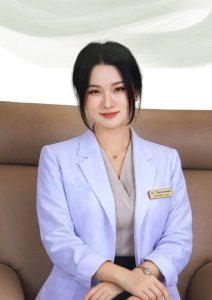
Bee Thamonwan Trongpanyachot
الدكتورة ثامونوان ترونغبانياتشوت (د. بي) طبيبة في مركز بليناري ويلنس في بوكيت، متخصصة في الطب التجميلي، ومكافحة الشيخوخة، والطب التجديدي. حصلت على شهادة الطب من جامعة لوبلين الطبية في بولندا.
تتقن الدكتورة بي العلاجات التجميلية المتقدمة مثل البوتوكس، والفيلر، وسكلبترا، وحقن المحفزات الحيوية، مع التركيز على تحقيق نتائج طبيعية ودائمة. في الطب التجديدي، تقدم علاج البلازما الغنية بالصفائح الدموية للشعر، وميزوثيرابي الشعر بالبلازما، وعلاج الخلايا الجذعية لمكافحة الشيخوخة وتجديد البشرة.
قصص فيديو من مرضى Bookimed
المراجعات
جميع المراجعاتمشاركة المحتوى
 Anna Leonova
أسئلة متكررة حول العلاج بالخلايا الجذعية لاضطراب فرط الحركة ونقص الانتباه (ADHD) في تايلاند
ما هي المستندات المطلوبة للتقدم للحصول على تأشيرة لتايلاند للعلاج؟
للتقدم للحصول على تأشيرة دخول إلى تايلاند ، هناك عدد من المستندات المطلوبة. يمكن تقديم الأوراق اللازمة قبل 90 يومًا من المغادرة المخطط لها. قائمة الوثائق تشمل :
- بطاقة الهوية
- تأكيد التسجيل عبر الإنترنت وملء الاستبيان
- شهادة الدخل والأموال (20000 باهت لكل شخص / 40 ألف بات لكل أسرة)
- بوليصة التأمين لفترة الإقامة في تايلاند (الأصل والنسخة)
- 2 صورة (4x6)
- الحصول على تأشيرة
- تذكرة طيران ذهابًا وإيابًا (مدفوعة بالكامل) وحجز الفنادق
- رأي الطبيب في الحاجة للعلاج.
ما هو مستوى الطب في تايلاند؟
الرعاية الصحية هي قطاع التنمية الرئيسي للحكومة التايلاندية. السلطات التايلاندية مقتنعة بأن رعاية صحة المواطنين يجب أن تكون أولوية غير مشروطة لسياسة الدولة ، وتنفق سنويًا حوالي 25 مليار بات على الرعاية الصحية.
نتيجة لذلك ، توفر 36673 منشأة طبية رعاية طبية ممتازة في البلاد. تم اعتماد 64 مركزًا طبيًا في المملكة من قبل اللجنة المشتركة الدولية (JCI) ، وهي هيئة دولية لتحسين جودة وسلامة الخدمات الطبية في جميع أنحاء العالم. فهرس الشهادات المتلقاة هو الأكبر. للمقارنة ، هناك 20 مؤسسة معتمدة من اللجنة الدولية المشتركة في إسرائيل ، و 10 عيادات فقط من هذا النوع في ألمانيا.
ما هو أفضل وقت للذهاب إلى تايلاند؟
الميزة الرئيسية للمنتجعات التايلاندية هي موسم الشاطئ الطويل. يختلف المناخ على السواحل الشرقية والغربية ، لذا ضع ذلك في الاعتبار عند التخطيط لرحلتك. أفضل وقت للسفر هو خلال الموسم البارد والجاف من نوفمبر إلى أوائل أبريل. يحدث تدفق كبير للسياح في مارس ومايو ، عندما تصل درجة حرارة الهواء إلى + 30 درجة مئوية.
ما تحتاج لمعرفته عن تايلاند قبل رحلتك؟
اسم رسمي | مملكة تايلاند |
عملة | البات التايلندي (يمكنك أيضًا الدفع مقابل الخدمات بالدولار) |
أفضل فترة للسفر | نوفمبر - بداية أبريل |
لغة | التايلاندية (معظم الطاقم الطبي يتحدث الإنجليزية بطلاقة) |
تأشيرة | مطلوب لرحلة مدتها 3-6 أشهر |
فارق التوقيت مع أوروبا | الساعه 7 |
فارق التوقيت من الولايات المتحدة الأمريكية |
يوجد في مملكة تايلاند فنادق ذات نطاقات أسعار ومستويات خدمة مختلفة. مستوى الفنادق التايلاندية مشابه للفنادق في تونس أو المغرب أو مصر. يختار معظم السياح فنادق 4 و 5 نجوم مع وجبات شاملة كليًا. تحتوي هذه الفنادق على كل شيء لإقامة مريحة: طعام متنوع ، منطقة كبيرة جيدة الإعداد ، رسوم متحركة للأطفال والكبار. تحتوي بعض الفنادق على حديقة مائية خاصة بها ، والتي يمكن للضيوف استخدامها مجانًا. يمكن للمسافرين ذوي الميزانية المحدودة حجز فندق اقتصادي من فئة 3 نجوم مع نصف إقامة أو بدون وجبات على الإطلاق.
|