تتراوح تكلفة علاج أمراض العيون بالخلايا الجذعية في تايلاند بين $8,000 / 272,000฿ و $17,000 / 578,000฿. يعتمد السعر النهائي على الحالة المحددة، مثل التنكس البقعي أو ضمور العصب البصري. في المملكة العربية السعودية، تبلغ تكلفة الإجراءات المماثلة حوالي _price_compare_SA_average_ في المتوسط. توفر تايلاند وفراً يصل إلى _price_percent_discount_%. تشمل معظم الباقات الفحوصات الطبية، واستشارات المتخصصين، ومعالجة الخلايا الجذعية.
رأي خبراء Bookimed: يضمن اختيار المرافق الحاصلة على اعتماد ISO في بانكوك معايير سلامة عالية بأسعار تنافسية. يستخدم مستشفى Panacee Hospital Rama 2 تقنيات تجديد الخلايا المعتمدة من GMP لضمان دقة العلاج. يجد العديد من المرضى قيمة أكبر في العيادات التي تضم متخصصين تدربوا في الولايات المتحدة. على سبيل المثال، يحمل الأطباء في مستشفى Intrarat Hospital زمالات من جامعة إلينوي. غالباً ما توفر البرامج التي تبدأ من حوالي 11,200 $ قيمة أكبر مقارنة بحقن العيادات الخارجية البسيطة.
| تايلاند | تركيا | إسبانيا | |
| العلاج بالخلايا الجذعية لأمراض العيون | من $8,000 / 272,000฿ | من $7,500 / 255,000฿ | من $9,000 / 306,000฿ |
Bookimed لا يضيف رسوماً إضافية على أسعار العلاج بالخلايا الجذعية لأمراض العيون. الأسعار مأخوذة من قوائم الأسعار الرسمية للعيادات. تدفع مباشرة في العيادة مقابل العلاج بالخلايا الجذعية لأمراض العيون عند وصولك.
Bookimed ملتزم بسلامتك. نحن نعمل فقط مع المؤسسات الطبية التي تحافظ على معايير دولية عالية في العلاج بالخلايا الجذعية لأمراض العيون ولديها التراخيص اللازمة لخدمة المرضى الدوليين في جميع أنحاء العالم.
Bookimed يقدم مساعدة خبراء مجانية. منسق طبي شخصي يدعمك قبل وأثناء وبعد العلاج، ويحل أي مشاكل. لن تكون وحيداً أبداً في رحلة العلاج بالخلايا الجذعية لأمراض العيون.
هذا العلاج هو علاج باستخدام خلايا الجسم لإصلاح الأنسجة التالفة. إنه فعال وآمن ومتعدد الاستخدامات.
يستخدم هذا العلاج خلايا الشخص لإصلاح المفاصل التالفة ، وتقليل الألم والالتهابات المصاحبة لالتهاب المفاصل.
يستخدم هذا العلاج خلايا الجسم لإصلاح تلف الدماغ المرتبط بالتوحد ، مما يوفر سلوكًا اجتماعيًا محسنًا.
يستخدم هذا العلاج الخلايا المتجددة لعلاج تلف الدماغ وتحسين الوظائف الحركية لدى الأشخاص المصابين بالشلل الدماغي.
يستخدم هذا العلاج الخلايا التي يحافظ عليها الجسم لإبطاء تقدم مرض باركنسون ، وتعزيز وظائف المخ وقدرته على الحركة.
يستخدم هذا العلاج الخلايا الجذعية لإصلاح خلايا البنكرياس التالفة ، والسيطرة على أعراض مرض السكري.
يعتمد هذا العلاج على إمكانات الشفاء الذاتي ، عن طريق حقن الخلايا المحصودة في مفاصل الركبة لإصلاح الغضروف التالف.
يستخدم هذا العلاج الخلايا الجذعية لإصلاح الخلايا والأنسجة التالفة وتحسين صحتك.
يستخدم هذا العلاج الخلايا الجذعية الموهوبة لتحل محل الخلايا التالفة ، مما يمكّن الجسم من شفاء نفسه بشكل فعال.
يستخدم هذا العلاج دم الحبل السري المحفوظ لحديثي الولادة لعلاج الأمراض الخطيرة ، ويقدم علاجًا متعدد الاستخدامات وآمنًا.
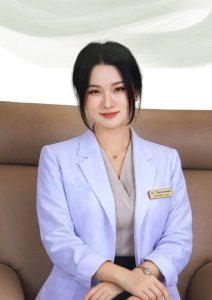
يتخصص الدكتور جينداراك في طب العيون مع تدريب متقدم في الجلوكوما والعلاج بالخلايا الجذعية لأمراض العيون في مستشفى إنترارات.
كتب بواسطة Mariia Mytrofankina
Stem cell therapy for eye disease in Thailand is generally safe at accredited facilities. Safety relies on mesenchymal stem cells from reputable labs and oversight by specialised ophthalmologists. These specialists often hold fellowships from recognised institutions in the USA or Australia.
Bookimed Expert Insight: Thailand has over 150 clinics. The safest path involves choosing hospitals with on-site ophthalmology departments. Dr Ponpawee Jindarak trained at the Illinois Eye and Ear Infirmary in the US. This adds international safety standards that general wellness clinics often lack.
Patient Consensus: Patients in Thailand recommend verifying if an ophthalmologist oversees the treatment. They suggest getting a specialist opinion in Australia first. Patients also recommend checking if the clinic publishes its safety data.
Stem cell therapy for eye disease in Thailand shows improvement rates between 81.3% and 83% for conditions like optic nerve atrophy. Clinics in Bangkok use mesenchymal stem cells (MSCs) and exosome therapy to repair tissue. Outcomes depend on the disease stage and specific pathology.
Bookimed Expert Insight: Improvement rates reach 81.3%. Patients should look for clinics partnering with specialised laboratories. STC Clinic in Bangkok works with LBM Lab for quality control. This oversight helps confirm the potency of umbilical cord cells used in vision repair.
Patient Consensus: Treatment in Thailand feels experimental and outcomes vary for every person. Patients recommend asking for published clinical trial data for your specific condition. Most people suggest ignoring high success guarantees for advanced vision loss.
Thailand clinics provide stem cell therapy for degenerative eye conditions. These include optic nerve atrophy, retinitis pigmentosa, and macular degeneration. Bangkok specialists use mesenchymal stem cells from umbilical cords to target damaged retinal cells. They treat underdeveloped optic nerves through retrobulbar or intravenous administration.
Bookimed Expert Insight: Bangkok clinics like STC Clinic process mesenchymal cells through specialised labs for high viability. While Thailand is a global hub, these treatments remain experimental. Patients should seek specialists like Dr Ponpawee Jindarak at Intrarat Hospital, who holds US fellowship training.
Patient Consensus: Retinitis pigmentosa is the most discussed condition for treatment in Thailand. Patients recommend verifying trial registrations and weighing risks. This is important because these regenerative procedures are still experimental.
Australian patients should choose Thai clinics with international fellowships and Good Manufacturing Practice (GMP) standards. Vital factors include specialist credentials in ophthalmology and documented quality control for cell processing. Patients should also check for transparent protocols for conditions like macular degeneration.
Bookimed Expert Insight: Thailand has over 150 clinics providing regenerative medicine. Focus on those with dedicated research partnerships. The price for eye stem cell therapy ranges from $8,000 to $17,000. This reflects the complexity of laboratory-grown mesenchymal cells versus basic solutions.
Patient Consensus: Patients recommend asking for a simple explanation of the cell source. They also suggest requesting documented quality-control data before booking. In Thailand, patients should prioritise medical centres with clear follow-up plans over facilities focused on tourism.
Stem cell therapy for eye disease in Thailand uses regenerative mesenchymal cells to repair damaged ocular tissues. Specialists typically deliver umbilical cord-derived stem cells via targeted injections or intravenous infusions. These protocols aim to treat retinal degeneration, optic nerve damage, or corneal injuries in Bangkok clinics.
Bookimed Expert Insight: While many expect direct eye surgery, Thai clinics frequently use systemic intravenous infusions. Centres like STC Clinic in Bangkok serve 1,500+ patients annually by combining stem cells with exosomes. This dual approach aims to improve cellular uptake without always requiring invasive intraocular procedures.
Patient Consensus: Patients in Thailand often receive exosomes and stem cells within a single session. Many find clinics require proof of travel bookings to coordinate these specialised regenerative protocols effectively.
Patients should plan to stay in Thailand for 3 to 14 days for eye stem cell therapy. Standard protocols for retinal or optic nerve conditions often require 3 to 7 days. This time covers consultations and infusions. More intensive cases may need 10 to 14 days for recovery and monitoring before travel.
Bookimed Expert Insight: Many clinics suggest a quick 3-day turnaround. However, specialists like Dr Ponpawee Jindarak at Intrarat Hospital often require follow-up imaging. This process is rarely a one-off visit. Regenerative protocols for the eye frequently involve multiple doses over several months. Booking a stay near the clinic helps, as Bangkok traffic can complicate daily commutes for post-injection reviews.
Patient Consensus: Visitors to Thailand suggest booking flexible return flights. This is because protocols for eye treatments are clinic-specific and experimental. Patients often build in extra buffer days for reassessment needs or travel tiredness after the procedure.
اسم رسمي | مملكة تايلاند |
عملة | البات التايلندي (يمكنك أيضًا الدفع مقابل الخدمات بالدولار) |
أفضل فترة للسفر | نوفمبر - بداية أبريل |
لغة | التايلاندية (معظم الطاقم الطبي يتحدث الإنجليزية بطلاقة) |
تأشيرة | مطلوب لرحلة مدتها 3-6 أشهر |
فارق التوقيت مع أوروبا | الساعه 7 |
فارق التوقيت من الولايات المتحدة الأمريكية | 12 ساعة |
عاصمة | بانكوك |
مركز السياحة العلاجية | بانكوك |
منتجعات رائجة | كوه ساموي ، فوكيت ، شيانغ ماي ، كوه تشانج ، هوا هين |
الرعاية الصحية هي قطاع التنمية الرئيسي للحكومة التايلاندية. السلطات التايلاندية مقتنعة بأن رعاية صحة المواطنين يجب أن تكون أولوية غير مشروطة لسياسة الدولة ، وتنفق سنويًا حوالي 25 مليار بات على الرعاية الصحية.
نتيجة لذلك ، توفر 36673 منشأة طبية رعاية طبية ممتازة في البلاد. تم اعتماد 64 مركزًا طبيًا في المملكة من قبل اللجنة المشتركة الدولية (JCI) ، وهي هيئة دولية لتحسين جودة وسلامة الخدمات الطبية في جميع أنحاء العالم. فهرس الشهادات المتلقاة هو الأكبر. للمقارنة ، هناك 20 مؤسسة معتمدة من اللجنة الدولية المشتركة في إسرائيل ، و 10 عيادات فقط من هذا النوع في ألمانيا.
يوجد في مملكة تايلاند فنادق ذات نطاقات أسعار ومستويات خدمة مختلفة. مستوى الفنادق التايلاندية مشابه للفنادق في تونس أو المغرب أو مصر. يختار معظم السياح فنادق 4 و 5 نجوم مع وجبات شاملة كليًا. تحتوي هذه الفنادق على كل شيء لإقامة مريحة: طعام متنوع ، منطقة كبيرة جيدة الإعداد ، رسوم متحركة للأطفال والكبار. تحتوي بعض الفنادق على حديقة مائية خاصة بها ، والتي يمكن للضيوف استخدامها مجانًا. يمكن للمسافرين ذوي الميزانية المحدودة حجز فندق اقتصادي من فئة 3 نجوم مع نصف إقامة أو بدون وجبات على الإطلاق.
الميزة الرئيسية للمنتجعات التايلاندية هي موسم الشاطئ الطويل. يختلف المناخ على السواحل الشرقية والغربية ، لذا ضع ذلك في الاعتبار عند التخطيط لرحلتك. أفضل وقت للسفر هو خلال الموسم البارد والجاف من نوفمبر إلى أوائل أبريل. يحدث تدفق كبير للسياح في مارس ومايو ، عندما تصل درجة حرارة الهواء إلى + 30 درجة مئوية.
في الوقت الحالي ، تتطلب مملكة تايلاند أنظمة تأشيرات مختلفة لدول مختلفة. يمكن لبعض الأجانب البقاء في البلاد دون مراقبة التأشيرة لمدة 60 يومًا ، والبعض الآخر - 14 يومًا فقط.
كم من الوقت يمكنك البقاء في تايلاند وأي البلدان يمكن أن تعبر الحدود بسهولة اقرأ هنا .
للتقدم للحصول على تأشيرة دخول إلى تايلاند ، هناك عدد من المستندات المطلوبة. يمكن تقديم الأوراق اللازمة قبل 90 يومًا من المغادرة المخطط لها. قائمة الوثائق تشمل :