






العودة إلى الصفحة الرئيسية
820К+ مريضًا حصلوا على المساعدة منذ عام 2014
50 دول
1,500 عيادات
6K+ تقييمات
3K+ طبيب مؤهل

ما هي تكلفة جراحة العمود الفقري في تايلاند؟ اكتشف الآن

Spinal surgery in Thailand generally costs from $14,400 / 489,600฿ to $43,600 / 1,482,400฿. Final prices depend on the complexity of the procedure, hospital location, and the use of specialized technology like robotic assistance or minimally invasive techniques. Patients can expect 30-80% savings compared to the United States.

Typical Spinal Surgery Costs in Thailand

  • MRI of the spine cord: $300 / 10,200฿ – $500 / 17,000฿
  • Herniated disc surgery: $6,200 / 210,800฿ – $12,100 / 411,400฿
  • Surgical treatment of scoliosis: $15,000 / 510,000฿ – $35,000 / 1,190,000฿
  • ApiFix system implantation: $18,000 / 612,000฿ – $26,000 / 884,000฿
  • Discectomy: $6,500 / 221,000฿ – $11,000 / 374,000฿
  • Surgery for syringomyelia: $20,000 / 680,000฿ – $35,000 / 1,190,000฿
  • Laminectomy: $6,000 / 204,000฿ – $10,000 / 340,000฿
  • Anterior Cervical Discectomy and Fusion: $12,500 / 425,000฿ – $19,500 / 663,000฿
  • Kyphoplasty: $6,500 / 221,000฿ – $9,500 / 323,000฿
  • Minimally invasive fusion surgery: $25,000 / 850,000฿ – $40,000 / 1,360,000฿

Most international patients choose JCI-accredited facilities in Bangkok or Phuket. While Bangkok remains the primary hub for complex neurosurgery, facilities in Phuket provide accessible options for elective spine care. Consult with a specialist to get accurate pricing for your specific condition.

تم التحقق من البيانات بواسطة Bookimed اعتبارًا من May 2026، استنادًا إلى طلبات المرضى والعروض الرسمية من 19 عيادة حول العالم. تستند التكاليف المتوسطة إلى الفواتير الحقيقية (2025–2026) ويتم تحديثها شهريًا. قد تختلف الأسعار الفعلية.

مزاياك وضماناتك مع Bookimed

أسعار مباشرة

Bookimed لا يضيف رسوماً إضافية على أسعار علاج جراحة العمود الفقري. الأسعار مأخوذة من قوائم الأسعار الرسمية للعيادات. تدفع مباشرة في العيادة مقابل علاجك عند وصولك إلى البلد.

عيادات وأطباء معتمدون فقط

Bookimed ملتزم بسلامتك. نحن نعمل فقط مع المؤسسات الطبية التي تحافظ على معايير دولية عالية في علاج جراحة العمود الفقري ولديها التراخيص اللازمة لخدمة المرضى الدوليين في جميع أنحاء العالم.

مساعدة مجانية على مدار الساعة

Bookimed يقدم مساعدة خبراء مجانية. منسق طبي شخصي يدعمك قبل وأثناء وبعد العلاج، ويحل أي مشاكل. لن تكون وحيداً أبداً في رحلة علاج جراحة العمود الفقري.

لماذا نحن؟

منسقك الطبي الشخصي في Bookimed

  • يدعمك في كل مرحلة
  • المساعدة في اختيار العيادة الطبية المناسبة والطبيب المناسب
  • يضمن الوصول السريع والمريح إلى المعلومات

اكتشف أفضل عيادات جراحة العمود الفقري: 19 خيارات معتمدة والأسعار

تم تصنيف العيادات بواسطة نظام Bookimed الذكي، باستخدام تحليل علوم البيانات عبر 5 معايير رئيسية.
KDMS Specialized Orthopedic Hosipital
Bumrungrad International Hospital
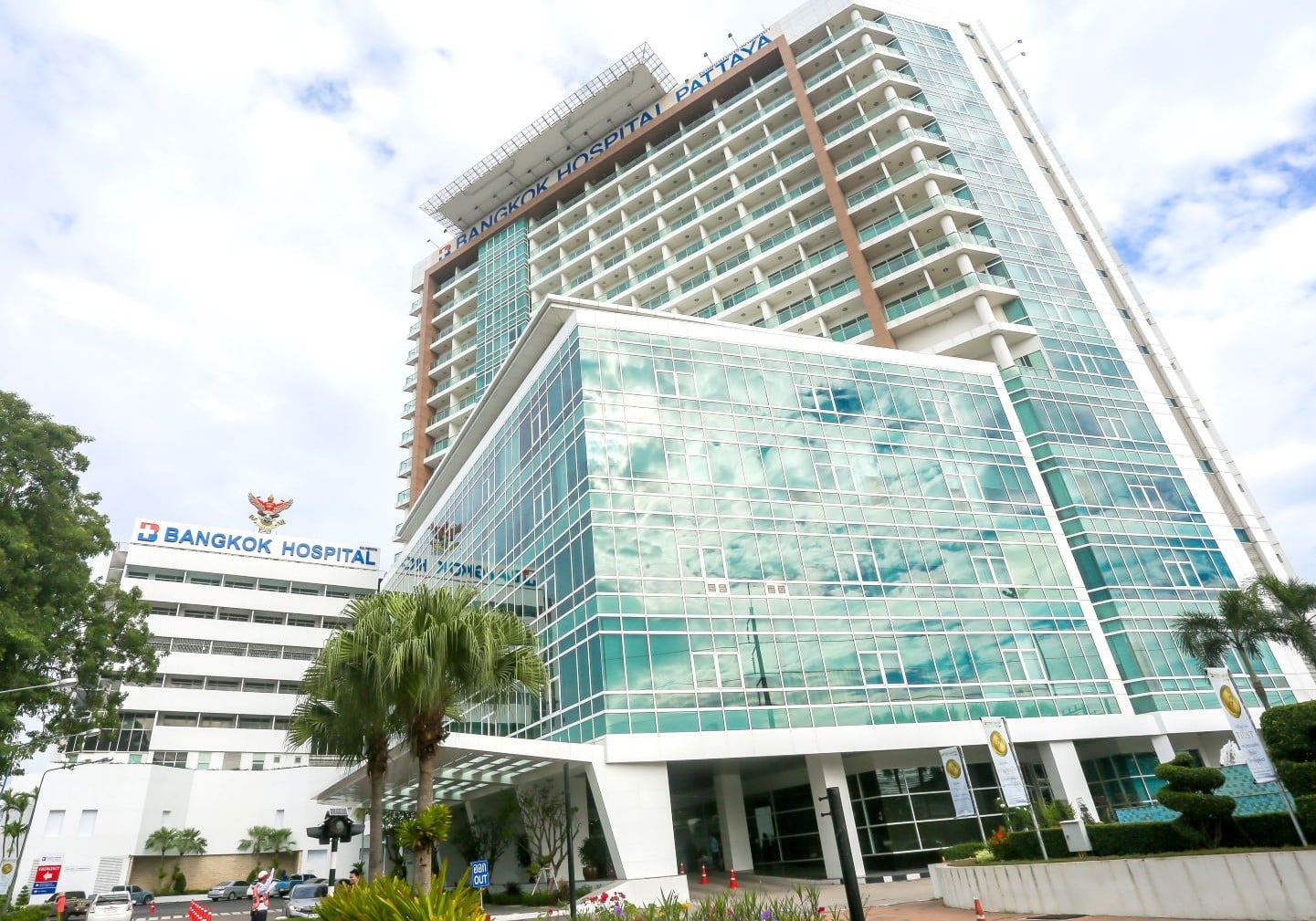
Bangkok Hospital Pattaya
Sikarin Hospital
لقد شاهدتم 5 من 19 عيادات

أفضل مراكز جراحة العمود الفقري في تايلاند

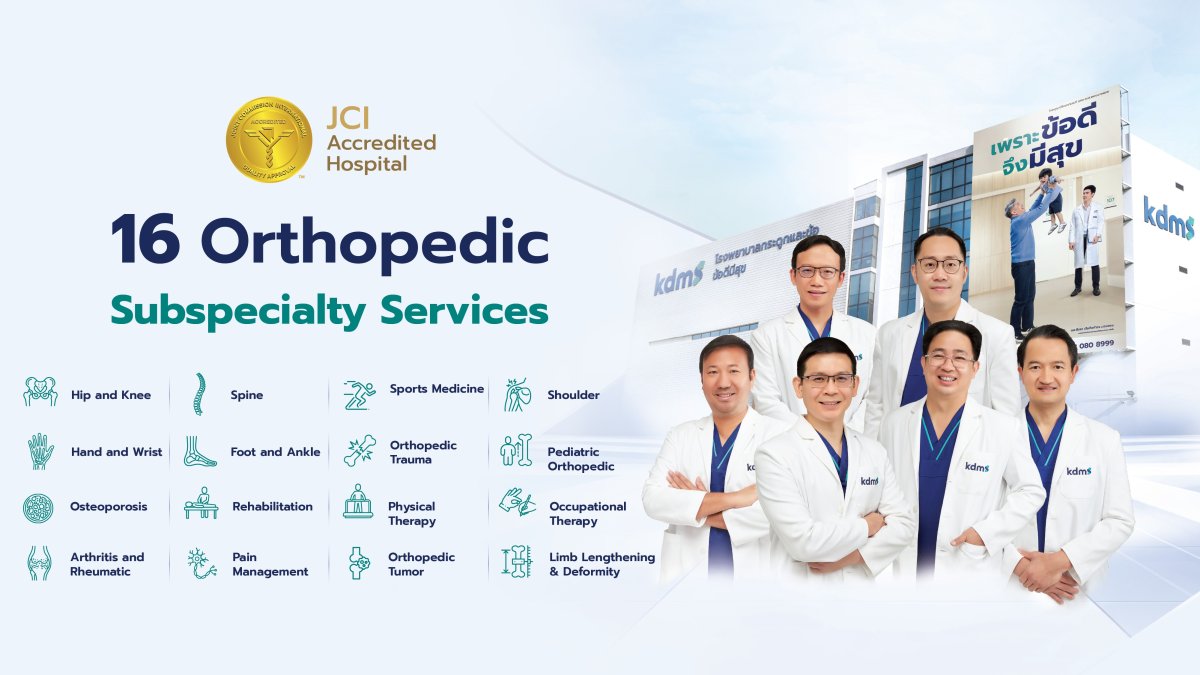
  • KDMS Specialized Orthopedic Hosipital, تايلاند
  • Bumrungrad International Hospital, تايلاند
  • Bangkok Hospital Pattaya, تايلاند
  • Sikarin Hospital, تايلاند
  • , تايلاند

احصل على تقييم طبي لـ جراحة العمود الفقري في تايلاند. استشر الآن 12 أطباء ذوي الخبرة.

عرض جميع الأطباء
يؤكد

Yosawat Tangtrongchit

11سنة خبره ١٦ سنة

الدكتور Yosawat Tangtrongchit جرّاح عظام ويتمتع بخبرة تخصصية فرعية في جراحة العمود الفقري.

حصل على درجة دكتور في الطب (MD) من كلية الطب بمستشفى سيريراج بجامعة ماهيدول (2002–2008). يحمل دبلوم البورد التايلندي في جراحة العظام من مستشفى فرامونغكلاو (2011–2015). أكمل زمالة سريرية في جراحة العمود الفقري في مستشفى الملك شولالونغكورن التذكاري (2024–2025).

يؤكد

Dr Keerapat Phiromkraiphakdi

28سنة خبره ١٦ سنة

يجمع الدكتور كيرابات فيرومكرايفاكدي، وهو جراح تجميل معتمد، بين الخبرة في جراحة العمود الفقري التجميلية والترميمية والتدريب الدولي في الولايات المتحدة.

  • متخصص في إجراءات العمود الفقري التجميلية والوظيفية
  • تلقى تدريبه في أفضل المؤسسات بما في ذلك UTHSC وUMC
  • أستاذ طبي في جامعة سريناخارينويروت
  • عضو في الجمعية التايلاندية لجراحي التجميل
يؤكد

Jirachai Pisutbenya

19سنة خبره ١٦ سنة

متخصص في تقنيات العمود الفقري طفيفة التوغل - يركز الدكتور بيسوتبينيا على تقليل فترات التعافي في مستشفى KDMS المتخصص لجراحة العظام.

  • مدرب على جراحة العمود الفقري بالمنظار والتدخل الجراحي المحدود
  • خبرة في تشوهات العمود الفقري لدى البالغين وإجراءات العمود الفقري العنقي
  • جراح عظام معتمد مع زمالة متقدمة في جراحة العمود الفقري
  • تخرج من البرنامج الطبي المرموق في جامعة ماهيدول
يؤكد

Wuttichai Sutantavibul

20سنة خبره ١٦ سنة

يتخصص الدكتور ووتيشاي سوتانتافيبول في جراحة العمود الفقري طفيفة التوغل، وقد تدرب على تقنيات متقدمة في تايلاند وكوريا الجنوبية واليابان.

  • خبير في عمليات رأب الفقرات، ورأب التحدب، وإجراءات العمود الفقري بالمنظار
  • حاصل على زمالة تدريبية من مستشفى سيول سانجييرو وجامعة واكاياما الطبية
  • حاصل على شهادة البورد في جراحة العظام مع تركيز واسع على العمود الفقري
  • يقوم بإجراء تثبيت البراغي عبر الجلد وحقن الستيرويد فوق الجافية

مشاركة المحتوى

Twitter XLinkedinFacebookWhatsAppEmail
أحصل على الرابط

قصص فيديو من مرضى Bookimed

Dayana
جمعت بين إجازتي في أنطاليا والفحص الطبي.
إجراء: فحص صحة الإناث (انظر فحص النساء)
Igor
كان رائعاً! التنقلات والإقامة والعلاج - كل شيء مشمول.
إجراء: زرع الأسنان
مستشفى: WestDent Clinic
Marina
قام Bookimed بكل شيء من أجلي. لم أضطر للقلق بشأن أي شيء.
إجراء: فحص صحة الإناث (انظر فحص النساء)
مستشفى: Severance Hospital
محدث: 05/28/2025
تأليف
Anna Leonova
Anna Leonova
رئيس فريق تسويق المحتوى
محررة طبية معتمدة لديها خبرة تزيد عن 10 سنوات، طوّرت محتوى Bookimed الموثوق، مدعومة بماجستير في علم اللغة ومقابلات مع خبراء طبيين من جميع أنحاء العالم.
تمت المراجعة من قبل المستشار الطبي في Bookimed
فهد مولود
محرر طبي وعالم بيانات
طبيب عام. حاصل على 4 جوائز علمية. خدم في غرب آسيا. رئيس الفريق الطبي الناطق بالعربية سابقا ومسؤول عن معالجة البيانات ودقة المحتوى الطبي حاليا.
فهد مولود Linkedin
قد تحتوي هذه الصفحة على معلومات تتعلق بمختلف الحالات الطبية والعلاجات وخدمات الرعاية الصحية المتوفرة في بلدان مختلفة. يرجى العلم أن المحتوى مقدم لأغراض إعلامية فقط ولا ينبغي تفسيره على أنه نصيحة أو إرشادات طبية. يرجى استشارة طبيبك أو أخصائي طبي مؤهل قبل البدء أو تغيير العلاج الطبي.

إخلاء المسؤولية الطبية: هذا المقال مخصص لأغراض إعلامية فقط وليس استشارة طبية. يُرجى دائماً استشارة مقدم رعاية صحية مؤهل قبل اتخاذ أي قرارات طبية. قد تختلف النتائج. اقرأ إخلاء المسؤولية الكامل

What to Know About Surgical Solutions for Spine Conditions

faq image

Designed by Freepik

Spinal surgery is a specialized field focused on treating conditions that affect the spinal column — including herniated discs, spinal stenosis, scoliosis, fractures, and spinal tumors. 

The main goal is to relieve pressure on nerves, restore stability, and reduce chronic back or neck pain when non-surgical treatments no longer help.

👉 In simple terms, the spine acts like a tall, flexible tower of bones protecting the body’s nerve highway — the spinal cord. When one “floor” of this tower collapses or presses on a nerve, surgery restores its shape and balance, so the system can move smoothly again.

Over the past 2 decades, spine surgery has evolved from open procedures with large incisions to minimally invasive and robotic-assisted techniques, allowing surgeons to reach problem areas through small openings with minimal tissue damage.

Is Back Surgery Right for Everyone?

Before recommending spinal surgery, Thai doctors carry out detailed neurological and imaging assessments to ensure the procedure is both safe and beneficial. 

❗Surgery is usually the last step when medications, physiotherapy, or injections no longer relieve pain or restore mobility.

✅ Most suitable candidates

People who typically benefit from spine surgery in Thailand include those who:

  • Have persistent back or neck pain that lasts more than 3–6 months despite non-surgical treatments.

  • Experience nerve compression symptoms — such as numbness, tingling, or weakness in the arms or legs.

  • Have degenerative conditions (herniated discs, spinal stenosis, spondylolisthesis) confirmed by MRI or CT scans.

  • Suffer from spinal deformities such as scoliosis or kyphosis that affect posture or breathing.

  • Have sustained spinal fractures or instability after trauma.

  • Are generally healthy enough for anesthesia and rehabilitation.

🚫 When surgery may not be advised

Spinal surgery might not be suitable for patients who:

  • Have mild pain that can still be managed through physiotherapy or medication.

  • Show widespread arthritis or osteoporosis that could compromise bone healing.

  • Have active infections, severe obesity, or uncontrolled diabetes increasing surgical risk.

  • Present severe cardiovascular or respiratory disease, making anesthesia unsafe.

  • Expect unrealistic results or cannot commit to the required rehabilitation program.

Pre-surgery evaluation

✅The best spine surgery specialists in Thailand conduct a full diagnostic workup — including MRI, X-ray, blood tests, and sometimes electromyography — before confirming candidacy. This ensures that every patient receives the most appropriate and minimally invasive treatment option possible.

Why Choose Thailand for Spine Surgery?

faq image

Designed by Freepik

Thailand has become one of Asia’s most trusted destinations for spinal surgery, attracting patients from Australia, the Middle East, and Europe who seek world-class care at a reasonable price. Patients searching for the best spine surgery hospital in Thailand will find several internationally accredited centers that specialize in advanced spinal care. 

💡The country’s medical tourism sector exceeded several hundred million USD in 2024 and continues to grow steadily toward 2030, supported by strong government investment and modern hospital infrastructure.

High international standards

Thailand leads Asia with over 60 Joint Commission International (JCI)–accredited hospitals, ensuring global benchmarks in patient safety, hygiene, and surgical quality. 

✅ Private hospitals in Bangkok and Phuket follow the same operating protocols used in the U.S. and Europe, with 24-hour intensive care units and advanced diagnostic imaging.

Highly trained spine specialists

Thai orthopedic and neurosurgical spine surgeons are licensed by the Medical Council of Thailand and often trained at global centers in the U.K., Japan, or the U.S.

Many hold memberships in the Asia Pacific Spine Society (APSS), American Academy of Orthopaedic Surgeons (AAOS), or AO Spine International (AOSpine) — ensuring continuous education and experience with complex cases such as scoliosis correction or revision spine surgery.

Advanced technology and equipment

Spine surgery hospitals in Thailand use robotic and navigation-guided systems (MAZOR, ROSA), intraoperative CT scanners, and real-time neuro-monitoring to protect nerves and improve precision.

High-quality implants from Zimmer Biomet, Medtronic, and Stryker are widely available, allowing custom solutions for each patient.

Short waiting times and smooth coordination

Unlike many Western systems, where patients wait weeks or months for surgery, in Thailand procedures can be scheduled within 7–14 days after preoperative evaluation.

Affordable spine surgery cost in Thailand

faq image

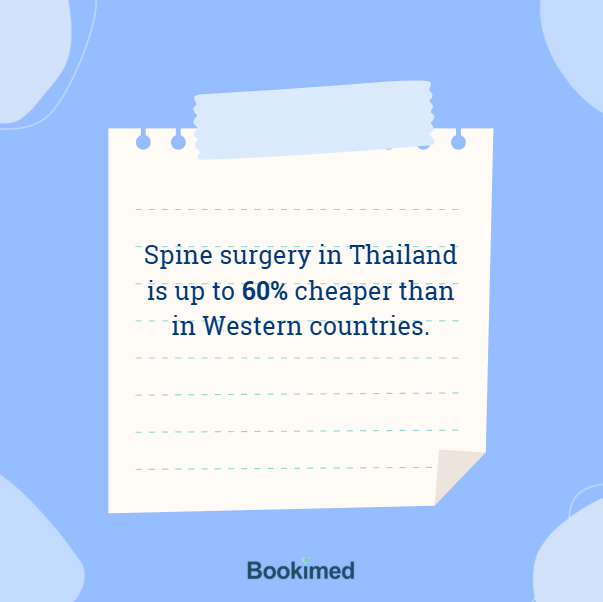
The spine surgery cost in Thailand generally ranges from $8,000 to $18,000, depending on the procedure and technology used, up to 60% cheaper than in the U.S. or Australia.

💚 Packages usually include consultations, surgery, hospital stay, and follow-up appointments.

Recovery in a healing environment

Patients recover comfortably in private, hotel-standard hospital rooms or nearby resorts. Rehabilitation centers in Phuket, Chiang Mai, and Bangkok provide personalized physiotherapy programs to speed recovery and reduce pain in a calm, tropical environment.

💚 Through Bookimed, patients can compare verified spine surgery hospitals, read real reviews, and access exclusive package discounts — often lower than direct clinic prices.

What’s Covered in Spinal Treatment Packages at Thai Clinics

Spine surgery packages in Thailand are structured to make treatment smooth for international patients — from diagnosis to recovery. 

💡While most major hospitals include core services, some add-ons like robotic assistance or extended rehabilitation may vary.

Most Likely Included Must Be Confirmed
Preoperative diagnostics — MRI, CT, X-ray, blood tests, ECG. 3D CT navigation or intraoperative neuro-monitoring availability.
Consultation with the spine surgeon and anesthesiologist. Additional specialist opinions (neurologist, cardiologist).
Surgery under general anesthesia (minimally invasive or open). Robotic or laser-assisted technique surcharge.
Hospital stay (usually 3–7 days, including meals and nursing care). ICU services, private suite upgrades, or prolonged hospitalization.
Use of a standard spinal implant or fixation system. Specific implant brand — Zimmer Biomet, Medtronic, or Stryker.
Medications and pain management during hospital stay. Take-home medicines or long-term prescriptions.
Two postoperative check-ups before discharge. Remote or tele-follow-up after returning home.
Basic physiotherapy and mobility training. Extended rehabilitation or hydrotherapy sessions.
Airport–hospital transfers. Hotel accommodation, city transfers, and recovery assistance.
English-speaking international coordinator. Translators for other languages (available through Bookimed).

💚 Booking through Bookimed gives access to verified partner hospitals offering discounted spine surgery packages, transparent quotes, and personal coordination throughout your medical trip.

Common Back Operations Available at Thai Medical Centers

The country offers a complete range of spinal procedures — from minimally invasive decompression to advanced correction and tumor treatment.

💡Modern hospitals in Bangkok, Phuket, and Chiang Mai use navigation-guided and robotic systems (MAZOR, ROSA) to improve precision and safety, while certified spine surgeons combine neurosurgical and orthopedic expertise.

Hospitals such as those in Bangkok and Phuket are recognized among the best spine surgery hospitals in Thailand, equipped for laser spine surgery procedures and other minimally invasive options.

Clinical research confirms that outcomes in Thailand match global standards. An extensive analysis of minimally invasive spine surgery (MISS) reported fusion success in over 80–98% of patients, with faster recovery and shorter hospital stays — typically 2–4 days less than with open methods.

Other studies show that spinal decompression for lumbar stenosis provides 70–80% pain relief within the first month, while scoliosis correction surgery achieves about 78% curve correction that remains stable for years.

Type of Procedure Purpose / Description Typical Recovery
Minimally Invasive Spine Surgery (MISS) Performed through small incisions using tubular retractors to reduce tissue trauma and blood loss. Common for herniated discs and spinal stenosis. 1–3 days in hospital; return to light activity in 2–4 weeks.
Spinal Decompression Surgery Relieves nerve compression by removing bone or disc fragments (laminectomy or microdiscectomy). 2–5 days in hospital; functional recovery in 3–6 weeks.
Surgical Treatment of Scoliosis Corrects abnormal spinal curvature using rods, screws, and bone grafts for improved alignment and posture. 5–7 days in hospital; full recovery in 6–12 months.
Surgical Treatment of Radiculopathy Removes the source of nerve root compression, easing pain, numbness, or weakness in limbs. 2–4 days in hospital; symptom relief often within days.
Vertebroplasty / Kyphoplasty Stabilizes vertebral fractures caused by osteoporosis or tumors by injecting medical-grade bone cement. Usually outpatient or 1-day stay; pain relief within 24 hours.
Surgery for Syringomyelia Decompresses or drains fluid-filled cysts (syrinx) in the spinal cord to prevent neurological decline. 4–7 days in hospital; follow-up MRI after 3 months.
Spine Tumor Embolization / Resection Reduces tumor blood flow before removal or directly removes spinal tumors to relieve compression and pain. 5–10 days in hospital, depending on tumor type and size.
Spinal Fusion or Disc Replacement Stabilizes or replaces damaged vertebrae/discs with bone grafts or artificial implants. Common for degenerative conditions or instability. 4–6 days in hospital; recovery in 2–3 months.

💡 In Thailand, spine surgeries are performed under strict international safety standards, and postoperative physiotherapy is included in most rehabilitation programs to help patients regain stability and mobility faster.

The Spine Surgery Procedure in Thailand

Spinal surgery in Thailand takes place in internationally accredited hospitals that combine advanced technology with multidisciplinary spine care. 

Stage What Happens
1. Preoperative evaluation MRI, CT, and blood tests help identify spinal disorders such as spinal stenosis, scoliosis, or spinal tumors. Surgeons develop a tailored plan to restore spinal stability and relieve chronic back or neck pain.
2. Anesthesia and positioning General anesthesia is administered. The patient is carefully positioned to allow full access to the affected spinal segment while minimizing tissue pressure — crucial for minimally invasive and endoscopic procedures.
3. Surgical access Small incisions are made for endoscopic spine surgery or transforaminal/anterior lumbar interbody fusion. Standard approaches are used for deformity correction or tumor removal.
4. Core treatment
  • Spine decompression – removes bone or disc material to reduce nerve compression.
  • Spinal fusion – stabilizes vertebrae with bone grafts and metal screws.
  • Surgery for syringomyelia – restores cerebrospinal fluid flow in the spinal canal.
  • Spine tumor embolization – limits tumor blood supply before or during excision.
5. Implant placement High-quality implants from Zimmer Biomet, Medtronic, and Stryker are used to reinforce the spine and restore balance.
6. Closure and recovery monitoring The incision is closed with absorbable sutures. Patients are monitored in specialized recovery or intensive-care units to manage postoperative pain and track neurological function.

Most spine surgery in Thailand lasts 2–5 hours, depending on the complexity.

💚 Through Bookimed, international patients can compare verified clinics, access transparent spine surgery cost in Thailand packages, and receive support throughout treatment and recovery.

Rehabilitation Journey After a Spinal Operation in Thai Hospitals

Recovery is designed to help patients regain mobility quickly and safely. Multidisciplinary teams of spine surgeons, physiotherapists, and pain specialists guide every stage of healing, focusing on reducing pain and restoring function.

Rehabilitation usually starts within 24–48 hours. For minimally invasive spine surgery, the hospital stay is shorter and mobility returns faster compared with traditional open procedures.

Recovery Stage Typical Progress
Day 1–2 Begin gentle movement and assisted walking. Pain managed with medication.
Days 3–5 Discharge with a personalized physical therapy plan and movement precautions.
Week 1–2 Swelling and stiffness lessen; daily stretching and walking encouraged.
Week 4–6 Most patients return to normal routines and light work.
Month 3–6 Full recovery achieved; follow-up (online or in person) confirms spinal stability.

Many hospitals also provide hydrotherapy, muscle-strengthening sessions, and posture correction to support long-term spinal health.

💚 Patients booking through Bookimed can access structured rehabilitation packages, including physiotherapy and follow-up care, at verified hospitals offering international-standard spine treatment.

Are Spine Surgeries in Thailand Safe? 

Spine procedures in Thailand are performed under strict surgical and hygiene protocols comparable to those in Western countries. Operating rooms use real-time imaging, neuro-monitoring, and air-filtration systems to maintain precision and sterility throughout the operation.

Clinical data from long-term follow-ups in Thai hospitals show a 95–98% success rate for spinal fusion and decompression surgeries, with most patients reporting significant pain reduction and restored mobility.

faq image

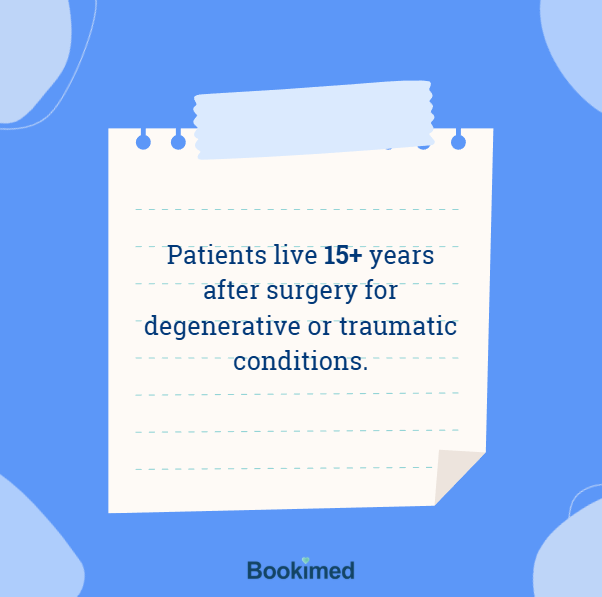
👉Spine surgery for degenerative or traumatic conditions is very safe, with most patients living at least 15 years after the procedure 

Complications are rare but can include:

  • Minor wound infection or bleeding;

  • Short-term numbness or nerve irritation;

  • Implant loosening or revision spine surgery in complex cases.

Thai spine surgeons continuously update their methods through international fellowships and training programs in the U.S., Japan, and Europe — ensuring up-to-date expertise and safe recovery for patients.

💚 Verified hospitals partnered with Bookimed share transparent outcome data and provide dedicated postoperative support for medical tourists seeking advanced spine care in Thailand.

References

  • Thailand Medical Tourism Market Size | Industry Report 2030. Market Research Reports & Consulting | Grand View Research, Inc. URL: https://www.grandviewresearch.com/industry-analysis/thailand-medical-tourism-market-report (date of access: 07.11.2025).
  • 1. Incidence of spine surgery for degenerative and traumatic pathologies in patients with a history of cancer: a nationwide register-based study between 1997 and 2020 from Finland / L. A. Toivonen et al. Acta Orthopaedica. 2025. Vol. 96. P. 506–511. URL: https://doi.org/10.2340/17453674.2025.44247 (date of access: 11.11.2025).
  • Strategies for Optimizing Clinical Outcomes in Minimally Invasive Spine Surgery / C. A. Ikwuegbuenyi et al. Neurosurgery. 2025. Vol. 96, no. 3S. P. S139–S147. URL: https://doi.org/10.1227/neu.0000000000003331 (date of access: 11.11.2025).
  • Tsitsani P., Katsaras G., Soteriades E. S. Barriers to and Facilitators of Providing Care for Adolescents Suffering from Rare Diseases: A Mixed Systematic Review. Pediatric Reports. 2023. Vol. 15, no. 3. P. 462–482. URL: https://doi.org/10.3390/pediatric15030043 (date of access: 11.11.2025).

أسئلة متكررة حول جراحة العمود الفقري في تايلاند

هذه الأسئلة الشائعة مأخوذة من مرضى حقيقيين يبحثون عن رعاية طبية عبر Bookimed. يتم تقديم الإجابات من قبل منسقين طبيين ذوي خبرة وممثلين موثوقين من العيادات.

تبلغ معدلات النجاح في المستشفيات التايلاندية نسبًا تتراوح بين 85% و95% لعمليات الاندماج الفقري القياسية. وتصل الإجراءات الجراحية البسيطة إلى نجاح بنسبة 95% غالبًا بسبب تقليل مخاطر العدوى. تستخدم المرافق المعتمدة من JCI في بانكوك وبتايا تقنية Medtronic لتلبية معايير السلامة الدولية في حالات العمود الفقري المعقدة.

  • مدة التعافي: يتعافى المرضى غالبًا في غضون 2 إلى 4 أسابيع بعد الجراحة البسيطة.
  • التكنولوجيا: تستخدم مرافق مثل مستشفى بامرونجراد الدولي أنظمة الذكاء الاصطناعي والروبوتات لتحقيق الدقة.
  • الرعاية المتخصصة: يعالج مستشفى KDMS المتخصص في جراحة العظام حصريًا حالات العظام والمفاصل والعضلات.
  • الخبرة: يحمل الجراحون مثل الدكتور رتاليرك أروناكول زمالات كلينيكية من كلية الطب بجامعة ييل.

رؤية الخبراء في Bookimed: تُظهر مراكز العظام التايلاندية ارتباطًا عاليًا بين عدد المرضى وثبات النتائج. يعالج مستشفى بامرونجراد الدولي مليون مريض سنويًا. يتيح هذا النطاق الهائل للجراحين تحسين تقنياتهم في بيئات ذات كثافة عالية. تقدم العيادات التي تضم أكثر من 50 طبيبًا متخصصًا نتائج أكثر توقعًا في جراحات الجنف والقرص.

إجماع المرضى: يلاحظ المرضى أن النتائج تكون أكثر موثوقية عند تجنب التصحيحات المعقدة إذا كان لديهم مشاكل صحية أساسية. يؤكد العديد منهم أن الحصول على مراجعة MRI عن بعد من قبل متخصصين يساعد في تأكيد إمكانات النجاح بنسبة 95% قبل السفر.

يعتبر الجرّاحون المتخصصون في العمود الفقري في تايلاند مؤهلين تمامًا لإجراء الإجراءات المتقدمة مثل الجراحة التنظيرية وتصحيح الجنف. يحمل العديد منهم زمالات من مؤسسات مرموقة مثل كلية طب جامعة ييل أو جامعة كاليفورنيا في لوس أنجلوس. تحافظ المرافق الرائدة في بانكوك على الاعتماد من اللجنة الدولية المشتركة وتستخدم أنظمة الملاحة المتقدمة من شركة Stryker و Medtronic للحالات المعقدة.

  • المؤهلات الخبيرة: جرّاحون مثل الدكتور راتتليرك أروناكول أكملوا زمالات في تخصص العمود الفقري في كلية الطب بجامعة ييل.
  • التكنولوجيا المتخصصة: تستخدم مرافق مثل مستشفى بمرنجراد الدولي أنظمة الذكاء الاصطناعي والروبوتات لتصوير العمود الفقري.
  • التقنيات المتقدمة: يقوم المتخصصون بإجراء عمليات MIS TLIF وLLIF والإجراءات التنظيرية لتسريع التعافي.
  • الحجم الكبير: تركز عيادات مثل مستشفى KDMS Specialized Orthopedic Hospital حصريًا على رعاية العظام والمفاصل.

نظرة خبراء Bookimed: تُظهر المراكز التايلاندية المتخصصة في العظام نمطًا قويًا من التعاون الدولي. على سبيل المثال، أكمل الدكتور وتيتشاي سوتنتافيبول زمالات متخصصة في كوريا الجنوبية واليابان في عام 2023 وحده. يضمن هذا التدريب المستمر عبر الحدود حصول المرضى في بانكوك على نفس التقنيات الميكروتنظيرية والمستعرضة للجلد المستخدمة في أهم مراكز الطبية المتقدمة عالميًا.

إجماع المرضى: يشير المرضى إلى أن الجراحين غالبًا ما يحملون زمالات من مؤسسات غربية رائدة مثل Mayo Clinic. ويقترح الكثيرون ترتيب استشارة فيديو أولًا للتأكد من أسلوب تواصل الجراح وخبرته.

لا توجد قوائم انتظار طويلة لإجراءات العمود الفقري في المستشفيات الخاصة في تايلاند. غالباً ما يقوم المرضى الدوليون بجدولة العمليات الجراحية الاختيارية مثل استئصالات الأقراص أو عمليات الاندماج خلال أيام. هذه المرافق المعتمدة من JCI تتناقض بشدة مع الانتظار الطويل في الرعاية الصحية العامة. عادة ما يكمل المرضى الاستشارات والتشخيصات في غضون أسبوع واحد.

  • التشخيص السريع: تتوفر عادة فحوصات التصوير بالرنين المغناطيسي (MRI) والأشعة المقطعية (CT) في غضون 24–48 ساعة.
  • جدولة الجراحة: يقوم معظم المرضى بحجز عمليات العمود الفقري الكبرى في غضون أقل من 14 يومًا.
  • إمكانية الوصول للمرافق: تقدم المراكز المعتمدة من JCI مثل مستشفى بمرونجراد الدولي الاستشارات الفورية مع الأخصائيين.
  • الرعاية المتخصصة: تركز المراكز المتخصصة مثل مستشفى KDMS لتخصصات العظام بشكل حصري على تخصص العظام.

رؤية خبراء Bookimed: تشير البيانات إلى أن الكثافة العالية لعدد المرضى في المراكز الكبرى تقصر فعلاً أوقات الانتظار. تتعامل مستشفيات مثل مستشفى بمرونجراد الدولي مع مليون مريض سنويًا وتوظف 1,300 طبيباً. تسمح هذه البنية التحتية الضخمة لهم بتشغيل غرف جراحية متعددة في نفس الوقت. بالنسبة للمرضى، يعني ذلك أنه يمكن حجز عملية دمج فقري يوم الثلاثاء لجراحة ستجرى يوم الجمعة.

إجماع المرضى: غالباً ما يُدهش المرضى من قدرتهم على الحصول على استشارة يوم الإثنين وإجراء الجراحة في الأسبوع التالي. يلاحظون أن السرعة في المستشفيات الخاصة في تايلاند تُعتبر مصدر ارتياح كبير مقارنة بالأشهر انتظار في بلادهم.

الجراحة طفيفة التوغل للعمود الفقري متوفرة بشكل واسع في تايلاند في المرافق المعتمدة من JCI. يقوم الجراحون بإجراء عمليات متقدمة مثل استئصال الغضروف بالمنظار ودمج الفقرات بمساعدة الروبوت. تستخدم هذه التقنيات شقوقًا صغيرة لتقليل الأضرار النسيجية. معظم المرضى يختبرون أوقات تعافي أسرع تتراوح بين أسبوع إلى أسبوعين مقارنة بالجراحة التقليدية.

  • التقنيات المتوفرة: الجراحة المجهرية للعمود الفقري، MIS TLIF، LLIF، وتثبيت البراغي عبر الجلد شائعة.
  • التشخيصات المتقدمة: توفر العيادات التصوير بالرنين المغناطيسي للعمود الفقري وفحوصات التصوير المقطعي للتخطيط الدقيق.
  • الخبرة المتخصصة: غالبًا ما يحمل الجراحون زمالات من مؤسسات رائدة في الولايات المتحدة وكوريا الجنوبية.
  • جدول زمني للتعافي: تستمر الإقامة النموذجية بعد الجراحة لمدة أسبوعين لإعادة التأهيل الكاملة والمراقبة.

رؤية خبراء Bookimed: تُظهر البيانات من مستشفيات بانكوك مثل مستشفى KDMS المتخصص في الأورام أن هناك تحولًا نحو التخصص الدقيق. غالبًا ما تخصص العيادات ذات التصنيف العالي طوابق كاملة لأمراض العمود الفقري المحددة بدلاً من جراحة العظام العامة. يساعد تركز المعدات والطاقم المتخصص الجراحين على الحفاظ على حجم عالٍ من الإجراءات للحالات المعقدة لتقنيات الجراحة الدقيقة طفيفة التوغل.

إجماع المرضى: يُبرز المرضى أهمية مراجعة التصوير قبل الجراحة من قبل العديد من المتخصصين. يشيرون إلى أن التحقق من خبرة الجراح مع أكثر من 200 حالة سنوية من تقنيات الجراحة طفيفة التوغل يؤدي إلى نتائج أكثر توقعاً.

كم من الوقت يجب أن أبقى في تايلاند بعد جراحة العمود الفقري؟

يجب أن يبقى معظم المرضى في تايلاند لمدة تتراوح بين 7 إلى 21 يومًا بعد جراحة العمود الفقري. تعتمد المدة الدقيقة على نوع الإجراء وتقدم التعافي. يتطلب الجراحون في المرافق المعتمدة من قبل JCI، مثل مستشفى بومرنجراد الدولي، هذه الفترة لمراقبة المضاعفات وضمان أمان الطيران.

  • الإقامة في المستشفى: توقع البقاء في الرعاية الداخلية من 1 إلى 7 أيام حسب تعقيد العملية الجراحية.
  • فترة التعافي: يستمر التعافي المحلي عادة لمدة 7 إلى 10 أيام بعد الخروج من المستشفى.
  • إجراءات الدمج: حالات دمج العمود الفقري تتطلب غالبًا من 14 إلى 21 يومًا قبل السفر لمسافات بعيدة.
  • إزالة الغرز: يقوم الجراحون عادة بإزالة الغرز وتقديم تصريح السفر حوالي اليوم الرابع عشر.

نظرة خبراء بوكيميد: تظهر البيانات أن اختيار منشأة متخصصة مثل مستشفى KDMS المتخصص في جراحة العظام يمكن أن يسهل التعافي. غالبًا ما تحتوي هذه المراكز المتخصصة على عدد أعلى من مرضى العظام مقارنة بالمستشفيات العامة. يؤدي هذا التركيز إلى بروتوكولات ما بعد الجراحة أكثر كفاءة. ينبغي للمرضى التحقق مما إذا كانت الحزمة تشمل النقل المحلي لفحوصات الجروح المتابعة. يخفف هذا التفصيل الصغير بشكل كبير من الإجهاد البدني خلال الأسابيع الأولى الحاسمة.

إجماع المرضى: يؤكد المرضى على حجز إقامة مرنة بالقرب من المستشفى لتسهيل الوصول لفحوصات الجروح اليومية. يوصي الكثيرون بإضافة 3 إلى 5 أيام إضافية على إقامتهم للسماح بالتورم غير المتوقع قبل العودة إلى الوطن.

السفر إلى الوطن بعد جراحة العمود الفقري آمن بشكل عام إذا اتبعت جداول زمنية سريرية محددة. يوصي معظم الجراحين في تايلاند بالانتظار من 4 إلى 6 أسابيع قبل السفر الدولي. تتيح هذه الفترة للشفاء الأولي وتقليل المخاطر مثل التخثر الوريدي العميق (DVT) أو نوبات الألم الشديد.

  • الجدول الزمني للسفر: بالنسبة للرحلات الطويلة، يحتاج المرضى غالباً إلى 4-6 أسابيع من التعافي قبل الصعود على الطائرة.
  • سلامة جلطات الدم: استخدام الجوارب الضاغطة والتحرك كل ساعة للوقاية من التخثر الوريدي العميق.
  • نوع الجراحة: يحتاج المرضى الذين خضعوا لجراحة دمج الفقرات عادة إلى فترات استقرار أطول من أولئك الذين خضعوا لاستئصال بسيط للغضروف.
  • الإشراف السريري: توفر المراكز المعتمدة من JCI مثل مستشفى بامرونجراد الدولي بروتوكولات تفصيلية لتصريح السفر بعد الجراحة.

رأي خبير Bookimed: تركز المستشفيات التايلاندية لجراحة العظام مثل مستشفى KDMS المتخصص في جراحة العظام بشكل حصري على حالات العظام والمفاصل. غالبًا ما يؤدي هذا التخصص إلى فتحات سفر أكثر تحفظًا تركز على السلامة. تُظهر بياناتنا أن العيادات ذات الحجم الدولي العالي، مثل مستشفى سيكارين، غالبًا ما تشتمل على مراقبة متخصصة بعد العملية لضمان تلبية المرضى لمعايير الجاهزية للسفر بأمان.

إجماع المرضى: يؤكد المرضى أن تغييرات الضغط في المقصورة يمكن أن تسبب انتفاخات غير متوقعة وآلام في الظهر. يقترح العديد من المسافرين حجز مقاعد في الممر لجعل الوقوف والتمدد أسهل خلال الرحلات الطويلة إلى الوطن.

تغطي حزم جراحة العمود الفقري التايلاندية النموذجية الإجراء الرئيسي، ورسوم غرفة العمليات، والتخدير القياسي. تشمل معظم الخطط البقاء في المستشفى لمدة 3 إلى 5 ليالٍ في غرفة خاصة. غالبًا ما يتم تضمين الاختبارات التشخيصية مثل الأشعة السينية أو الأشعة المقطعية لتسهيل التخطيط الفوري قبل الجراحة.

  • رسوم الجراحة: تغطي الإجراء الرئيسي ورسوم الجراح الأخصائي.
  • الإقامة في المستشفى: عادةً تشمل 3-5 ليالٍ في غرفة خاصة مع رعاية تمريضية.
  • التشخيصات: غالبًا ما يتم تجميع استشارة، والأشعة السينية للعمود الفقري، والفحوصات الأساسية بالأشعة المقطعية أو الرنين المغناطيسي.
  • الرعاية بعد الجراحة: تشمل جلسات العلاج الطبيعي الأولية والأدوية الأساسية بعد الجراحة.

رؤية خبراء Bookimed: تُظهر البيانات أن العيادات ذات الأحجام الدولية الكبيرة، مثل مستشفى بومرونجراد الدولي، تستخدم أنظمة الذكاء الاصطناعي والروبوتات لتعزيز الدقة. بينما تغطي الحزم الأساسية الجراحة القياسية، يجب على المرضى التحقق مما إذا كانت هذه التقنيات الروبوتية المتقدمة مضمنة أو تتطلب تكلفة إضافية. غالباً ما توفر المراكز ذات الأحجام الكبيرة مراقبة شاملة بعد الجراحة ضمن أسعارها الأساسية.

إجماع المرضى: يلاحظ المرضى أنه من الضروري توضيح ما إذا كانت الغرسات الفقرية المتخصصة مشمولة أو تكلف إضافيًا. يقترح الكثيرون تخصيص ميزانية للإقامة المحلية من 2-4 أسابيع حيث أن إعادة التأهيل على المدى الطويل ورحلات الطيران نادراً ما تكون جزءًا من الحزمة الأولية.

جميع المحتوى الطبي في هذه الصفحة أعده مؤلفون من ذوي المؤهلات الطبية المتخصصة وتمت مراجعته من قبل أطباء معتمدين في المجال ذي الصلة. تمت مراجعة المحتوى الطبي من قبل فهد مولود، محرر طبي وعالم بيانات.

آخر تحديث: May, 2026.

  • الإحصائيات: تستند الأرقام إلى قاعدة بيانات Bookimed الداخلية لشهر May 2026، والتي تتضمن تحليلاً لعدد 12,450 من طلبات المرضى في 19 من العيادات المعتمدة في تايلاند.
  • الأسعار: معلومات التكلفة مقدمة مباشرة من عيادات Bookimed الشريكة ويتم تحديثها بانتظام لتعكس ظروف السوق الحالية لعام 2026. قد تختلف النفقات الفعلية حسب تعقيد الحالة وخبرة الجراح وموقع العيادة.
  • البيانات السريرية: يتم جمع نتائج العلاج وأرقام رضا المرضى من قاعدة بيانات العيادات المعتمدة على Bookimed وبدعم من بيانات مصادر طبية محكمة مثل PubMed وThe Lancet وJAMA وNEJM (2023–2026).

جميع البيانات المقدمة هي لأغراض إعلامية عامة فقط وقد لا تعكس النتائج أو التجارب الفردية.

احصل على استشارة مجانية

حدد أفضل طريقة للاتصال بك