جراحة دمج العمود الفقري بالحد الأدنى من التدخل في إسبانيا — احصل على 3 عيادات مطابقة مع التكاليف


تمت مراجعة المقالة طبيا من قبل
فهد مولود
ما هي تكلفة جراحة دمج العمود الفقري بالحد الأدنى من التدخل في إسبانيا؟ اكتشف الآن
من $14,500. تعتمد الأسعار على عدد الفقرات المعالجة، والنهج الجراحي، وموقع العيادة.
- استئصال القرص العنقي الأمامي: يوفر بديلاً أقل تكلفة لدمج الرقبة مقارنة بإجراءات الفقرات القطنية المعقدة.
- المراكز الحضرية: تزيد الأسعار في مدريد وبرشلونة بنسبة 15-20% عن المناطق الساحلية.
- جودة المستلزمات: تشمل التكاليف غرسات التيتانيوم أو PEEK الفاخرة التي يستخدمها جراحو الأعصاب الإسبان.
- الإقامة بالمستشفى: تغطي التقديرات عادةً إقامة من يومين إلى أربعة أيام مع رعاية تمريضية كاملة وأدوية.
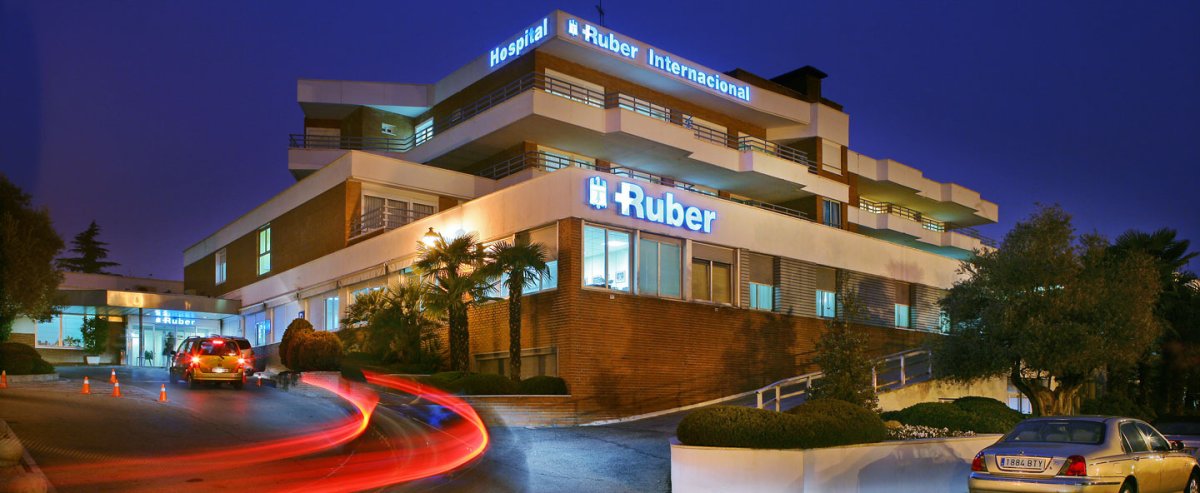
رأي خبراء Bookimed: تقدم إسبانيا قيمة فريدة عبر توفير جراحة أعصاب متميزة بأسعار متوسطة. تعالج مراكز مثل سنتيرو ميديكو تكنون نخبة الرياضيين وتستخدم أنظمة ملاحة عصبية دقيقة. للحصول على أفضل قيمة، يُنصح باختيار العيادات المعتمدة من JCI في برشلونة أو مدريد. يحافظ مستشفى روبر إنترناشيونال على معدلات نجاح عالية للمرضى الدوليين. يضمن اختيار هذه المراكز الوصول إلى تقنيات الجراحة الروبوتية التي يستخدمها جراحون حاصلون على زمالات دولية.
المزايا الرئيسية
لماذا تختار إسبانيا لجراحة الدمج القليل التدخل؟
- عيادات معتمدة: المستشفيات المعتمدة من JCI تلتزم بأعلى معايير الرعاية وسلامة المرضى.
- أحدث التقنيات: تستخدم إسبانيا تقنيات مبتكرة مثل XLIF (الدمج بين الفقرات الجانبية المتطرفة) وALIF (الدمج بين الفقرات القطنية الأمامية). تعتمد هذه الإجراءات على مواد مثل أقفاص PEEK (بولي إيثر إيثر كيتون) وزرعات التيتانيوم من أفضل العلامات التجارية مثل Medtronic وNuVasive.
- نسب نجاح عالية: تتمتع جراحة الدمج القليل التدخل في إسبانيا بمعدل فعالية 85-90%. وهذا يحسن بشكل كبير من نتائج المرضى ويقلل من وقت التعافي.
- جراحون خبراء: جراحو العمود الفقري المشهورون، والعديد منهم معتمدون من الجمعية الأوروبية للعمود الفقري، أجروا أكثر من 500 عملية دمج قليلة التدخل. خبرتهم الواسعة ومهارتهم موثوقة للغاية.
احصل على حلول متقدمة لجراحة الدمج القليل التدخل في عيادات موثوقة من $14,500.
| تركيا | إسبانيا | ألمانيا | |
|---|---|---|---|
| جراحة دمج العمود الفقري بالحد الأدنى من التدخل | من $8,000 | من $14,500 | من $21,500 |
| اندماج الفقرات القطنية عبر الثقبة الفقرية (TLIF) | من $14,000 | ≈ $15,500 | ≈ $19,500 |
مزاياك وضماناتك مع Bookimed
أسعار مباشرة
Bookimed لا يضيف رسوماً إضافية على أسعار جراحة دمج العمود الفقري بالحد الأدنى من التدخل. الأسعار مأخوذة من قوائم الأسعار الرسمية للعيادات. تدفع مباشرة في العيادة مقابل جراحة دمج العمود الفقري بالحد الأدنى من التدخل عند وصولك.
عيادات وأطباء معتمدون فقط
Bookimed ملتزم بسلامتك. نحن نعمل فقط مع المؤسسات الطبية التي تحافظ على معايير دولية عالية في جراحة دمج العمود الفقري بالحد الأدنى من التدخل ولديها التراخيص اللازمة لخدمة المرضى الدوليين في جميع أنحاء العالم.
مساعدة مجانية على مدار الساعة
Bookimed يقدم مساعدة خبراء مجانية. منسق طبي شخصي يدعمك قبل وأثناء وبعد العلاج، ويحل أي مشاكل. لن تكون وحيداً أبداً في رحلة جراحة دمج العمود الفقري بالحد الأدنى من التدخل.

منسقك الطبي الشخصي في Bookimed
- يدعمك في كل مرحلة
- المساعدة في اختيار العيادة الطبية المناسبة والطبيب المناسب
- يضمن الوصول السريع والمريح إلى المعلومات
اكتشف أفضل جراحة دمج العمود الفقري بالحد الأدنى من التدخل العيادات في إسبانيا: 7 خيارات معتمدة والأسعار







Policlinica Ntra. Sra. del Rosario




نظرة عامة على جراحة دمج العمود الفقري بالحد الأدنى من التدخل في إسبانيا
- جراحة دمج العمود الفقري بالحد الأدنى من التدخل - من $14,500
يدمج هذا العلاج العظام باستخدام شقوق صغيرة ، مما يقلل من الصدمة والألم ووقت الشفاء.
اليوم 1
- الوصول إلى المطار.
- نقل من المطار إلى الفندق.
- استرح وتكيف مع البيئة الجديدة.
اليوم الثاني
- الانتقال من الفندق إلى العيادة.
- التشاور مع جراح العظام.
- إجراء الفحوصات الطبية اللازمة.
يوم 3
- التحضير للجراحة.
- إدارة التخدير.
- إجراء جراحة الدمج طفيفة التوغل.
- رعاية ما بعد الجراحة في العيادة.
يوم 4-7
- رعاية ما بعد الجراحة والمراقبة.
- إدارة الألم والعناية بالجروح.
- الانتقال من العيادة للفندق.
الأسبوع 1-2
- فترة النقاهة الأولية في الفندق.
- فحوصات منتظمة في العيادة.
الأسبوع 3-6
- العودة التدريجية للأنشطة الخفيفة.
- الفحوصات والمتابعة المستمرة.
الأسبوع 6-12
- العودة إلى العمل والأنشطة العادية الأخرى.
- الفحص النهائي والخروج من العيادة.
يرجى ملاحظة أن الجدول الزمني والإجراءات قد تختلف بناءً على الظروف الصحية الفردية وتقييم الطبيب. اتبع دائمًا التعليمات والإرشادات الموضحة لتحقيق انتعاش سلس.
- إيداع Bookimed: 200 دولار أو 200 يورو.
- وديعة العيادة: ادفع نسبة محددة مقدمًا.
احصل على تقييم طبي لـ جراحة دمج العمود الفقري بالحد الأدنى من التدخل في إسبانيا. استشر الآن 6 أطباء ذوي الخبرة.
عرض جميع الأطباء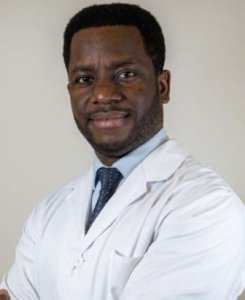
Nnamdi Elenwoke
يتخصص الدكتور نامدي إلينوك في جراحة الأعصاب طفيفة التوغل والوظيفية في مركز تكنون الطبي (Centro Médico Teknon) – أحد مراكز جراحة الأعصاب الرائدة في أوروبا.
- أكثر من 15 عاماً من الخبرة في جراحة الأعصاب
- خبرة في تشوه أرنولد-كياري واضطرابات الوصلة القحفية الفقرية
- تدرب على جراحة قاعدة الجمجمة بالمنظار في جامعة إيموري
- عضو في الجمعية الأوروبية لجمعيات جراحة الأعصاب
- يستخدم أنظمة تصوير وملاحة عصبية متقدمة لضمان الدقة
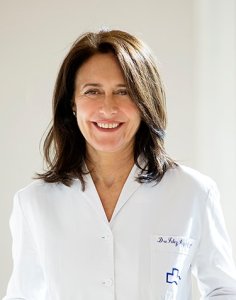
Dora Fernández Agrafojo
الطبيب متخصص في طب الأنف والأذن والحنجرة ويمارس عمله في مستشفى كيرونسالود توريفاييخا. بفضل حصوله على شهادة الطب والتخصص من الجامعة الكاثوليكية في لوفان، يركز الطبيب على تشخيص وإدارة حالات الأذن والأنف والحنجرة، بما في ذلك أعراض السمع والأنف والحنجرة. تشمل الممارسة السريرية استشارات الأنف والأذن والحنجرة للبالغين، والتشخيص في العيادات الخارجية، والتقييمات الطبية متعددة التخصصات داخل بيئة مستشفى خاص.
يحتفظ الطبيب بعضويات مهنية في الجمعية الملكية البلجيكية للأنف والأذن والحنجرة والجمعية ال

Pedro Delgado
رئيس قسم جراحة العظام والكسور في مستشفى HM Montepríncipe الجامعي، يقود الدكتور ديلجادو فريقاً متخصصاً في جراحة اليد.
- جزء من فريق يضم جراحي يد حاصلين على زمالة تدريبية
- يعمل جنباً إلى جنب مع خبراء حاصلين على دبلومات أوروبية في جراحة اليد
- يتعاون مع جراحين تدربوا في معاهد أمريكية مرموقة

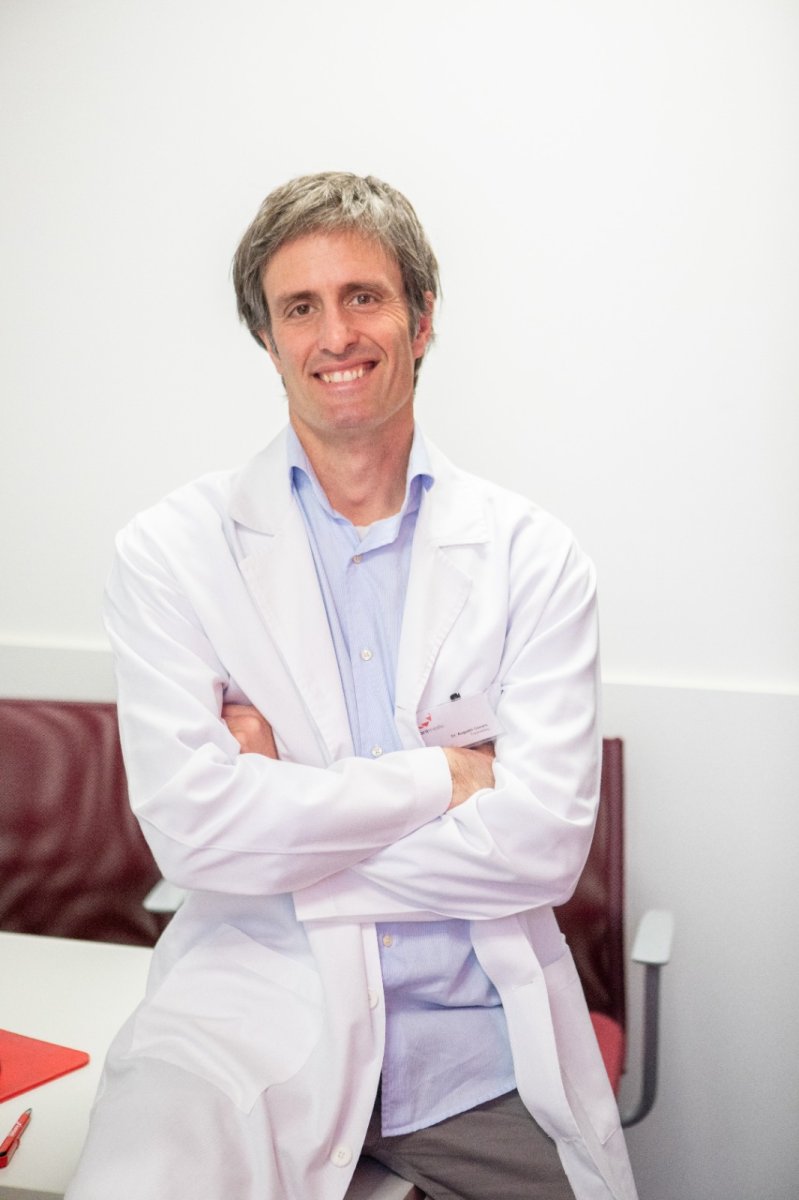
Drcovaro
متخصص في جراحة العمود الفقري طفيفة التوغل مع زمالات دولية في الدنمارك والسويد. يمارس الدكتور كوفارو عمله في أفضل المؤسسات في برشلونة.
- يجري علاجات للانزلاق الغضروفي، والجنف، وتضيق العمود الفقري
- أكمل زمالات في جراحة العمود الفقري المعقدة من آرهوس وأوبسالا
- يساهم في الأبحاث والمنشورات الدولية لجراحة العمود الفقري
- يستخدم مواد وتقنيات متقدمة مصممة خصيصاً لكل مريض
قصص فيديو من مرضى Bookimed
المراجعات
جميع المراجعات


مشاركة المحتوى
 Anna Leonova
أسئلة متكررة حول جراحة دمج العمود الفقري بالحد الأدنى من التدخل في إسبانيا
ما هي مخاطر جراحة دمج الفقرات طفيفة التوغل في إسبانيا؟
تنطوي جراحة دمج الفقرات طفيفة التوغل في إسبانيا على مضاعفات مثل المفصل الكاذب (pseudoarthrosis)، حيث تفشل الفقرات في الاندماج، ومرض المستوى المجاور بسبب الإجهاد الميكانيكي. وفي حين تعطي المراكز المعتمدة من قبل اللجنة الدولية المشتركة (JCI) في برشلونة ومدريد الأولوية للسلامة، تظل الإصابات العصبية المحتملة والألم المستمر بعد الجراحة مخاطر متأصلة في الإجراء.
- فشل تكوين العظام: يحدث المفصل الكاذب عندما يفشل العظم في التصلب، مما قد يتطلب جراحة تصحيحية ثانوية.
- مرض المستوى المجاور: يمكن أن تؤدي قطاعات العمود الفقري المتصلبة إلى تسريع التنكس في الأقراص المجاورة بسبب الضغط.
- السلامة العصبية: قد يحدث تلف في جذور الأعصاب أو تنميل مستمر على الرغم من أنظمة الملاحة العصبية المتقدمة.
- مكافحة العدوى: تظل مخاطر العدوى بعد الجراحة قائمة، وإن تم تقليلها من خلال بيئات جراحية معقمة ومتخصصة.
رؤية خبير بوكيميد (Bookimed): يؤكد كبار جراحي الأعصاب في إسبانيا، مثل أولئك الموجودين في Centro Médico Teknon الذين يجرون 23,500 عملية سنوياً، أن خبرة الجراح في تقنيات محددة مثل دمج الفقرات القطنية عبر الثقبة (TLIF) أكثر أهمية من التكنولوجيا نفسها. غالباً ما تحافظ المراكز ذات الحجم الكبير على معدلات مضاعفات أقل باستخدام أنظمة روبوتية مخصصة للوضع الدقيق.
إجماع المرضى: يجد العديد من المرضى أن مصطلح طفيف التوغل مضلل لأن التعافي لا يزال يتطلب الصبر لكي تلتئم الأعصاب بمعدل 1 مم شهرياً. غالباً ما يُنصح بالمشي فوراً لمنع التيبس وإدارة الإحساس الشائع بآلام ع
ما هو معدل نجاح جراحة دمج الفقرات طفيفة التوغل؟
تحافظ جراحة دمج الفقرات طفيفة التوغل على معدلات نجاح تتراوح بين 80% و95% لتخفيف الألم وتحسين الوظائف. تتطابق النتائج السريرية مع الجراحة المفتوحة التقليدية مع توفير مزايا كبيرة، بما في ذلك تقليل تلف الأنسجة، وأوقات تعافي أسرع بنسبة 65%، وانخفاض خطر الإصابة بعدوى ما بعد الجراحة في المراكز المتخصصة.
- مقاييس النجاح: أفاد أكثر من 92% من المرضى بنتائج إيجابية بعد إجراءات دمج الفقرات الحديثة.
- المكاسب الوظيفية: يحقق معظم المرضى تحسناً كبيراً في الأنشطة اليومية ومستويات تنقل شبه طبيعية.
- تنوع التقنيات: تتراوح فعالية الأساليب المحددة مثل TLIF وXLIF من 70% إلى 95%.
- المعيار الذهبي: يظهر دمج المفصل العجزي الحرقفي باستخدام غرسات التيتانيوم المثلثة iFuse نتائج فائقة على المدى الطويل.
رؤية خبراء Bookimed: تحتل إسبانيا المرتبة الثالثة عالمياً في طلبات جراحة الأعصاب على Bookimed، ويرجع ذلك إلى حد كبير إلى المراكز ذات الحجم المرتفع مثل Centro Médico Teknon. مع إجراء 23,500 عملية سنوياً، يحافظ جراحوهم على معدلات إعادة جراحة أقل. عادة ما يرتبط حجم المرضى المرتفع بإتقان أفضل للتقنيات الروبوتية والجراحة المجهرية.
إجماع المرضى: نادراً ما يعني النجاح التخلص من الألم بنسبة 100%، ولكنه يعني استعادة القدرة على العيش بشكل طبيعي. يؤكد المرضى أن الرضا على المدى الطويل يعتمد بشكل كبير على العلاج الطبيعي المتفاني وخبرة الجراح.
ما هي جراحة دمج الفقرات طفيفة التوغل (MIS)؟
جراحة دمج الفقرات طفيفة التوغل (MIS) هي تقنية متقدمة تعمل على تثبيت العمود الفقري باستخدام شقوق صغيرة وأدوات متخصصة. على عكس الجراحة المفتوحة، تحافظ تقنية MIS على العضلات والأربطة أثناء معالجة عدم الاستقرار الميكانيكي، مما يؤدي إلى صدمة أقل وتعافي أسرع في المرافق الإسبانية المعتمدة من قبل JCI.
- الأسلوب الجراحي: يستخدم الجراحون شقوقاً صغيرة يبلغ طولها حوالي 3 سم بدلاً من الفتحات الكبيرة.
- الحفاظ على الأنسجة: تنشئ الضواغط العضلية أنفاقاً للوصول إلى الفقرات دون قطع الأنسجة الحيوية.
- هدف التثبيت: تعمل البراغي والقضبان المعدنية على ربط الفقرات لمنع الحركة المؤلمة الناتجة عن عدم الاستقرار.
- التوجيه بالتصوير: تضمن تقنيات الوقت الفعلي والأنظمة الروبوتية وضع الأجهزة بدقة أثناء الجراحة.
- أهلية المريض: مثالية لانزلاق الفقرات أو مرض القرص التنكسي الذي يسبب عدم استقرار ميكانيكي موثق.
رؤية خبراء Bookimed: غالباً ما تميز مراكز جراحة الأعصاب الإسبانية مثل Centro Médico Teknon أو Quiron-Dexeus بدقة بين إزالة القرص بالمنظار ودمج الفقرات MIS. على الرغم من أن المنظار أقل توغلاً، إلا أنه لا يزيل سوى المادة المنفتقة. تظهر بياناتنا أن كبار الجراحين الإسبان يوصون بدمج الفقرات MIS فقط عندما تؤكد الأشعة السينية الديناميكية وجود تلف في الأربطة أو عدم استقرار في العمود الفقري، مما يضمن تجنب المرضى للجراحات الكبرى غير الضرورية.
إجماع المرضى: يؤكد المرضى أن العلاج الطبيعي حيوي قبل وبعد الدمج لمنع المضاعفات. تعتمد العديد م
ما هي الحالات التي يمكن علاجها بجراحة دمج الفقرات طفيفة التوغل في إسبانيا؟
تعالج جراحة دمج الفقرات طفيفة التوغل في إسبانيا مرض القرص التنكسي، وانزلاق الفقرات، وتضيق العمود الفقري، وأورام العمود الفقري المختلفة. تستخدم المستشفيات في برشلونة ومدريد تقنيات مثل MIS-TLIF وجراحة الأعصاب الروبوتية لتثبيت قطاعات العمود الفقري مع تقليل إزالة العظام والحفاظ على الأنسجة العضلية المحيطة لضمان تعافي أسرع.
- الحالات التنكسية: تعالج الألم المزمن الناجم عن البلى باستخدام تقنية MIS-TLIF المتقدمة أو التثبيت بالجراحة المجهرية.
- عدم الاستقرار الميكانيكي: تحل مشكلة انزلاق الفقرات والأربطة التالفة باستخدام طرق التثبيت عبر الجلد.
- الاضطرابات الهيكلية: تصحح انحراف العمود الفقري (الجنف) لدى البالغين، والحداب، وتضيق العمود الفقري من خلال الأساليب الجراحية الموجهة بالملاحة العصبية.
- الأمراض المعقدة: تعالج كسور الفقرات، وأورام العمود الفقري، ومتلازمة فشل جراحة الظهر باستخدام جراحة الأعصاب بمساعدة الروبوت.
رؤية خبراء Bookimed: في حين أن إسبانيا هي واحدة من أفضل 3 وجهات للحالات المعقدة، غالباً ما يخلط المرضى بين استئصال القرص المجهري والدمج. تظهر البيانات أن عيادات مثل Centro Médico Teknon وHospital Universitari Quiron-Dexeus تتخصص في عمليات الدمج الموجهة بالروبوت والملاحة العصبية. هذه الأساليب عالية التقنية أفضل لتحقيق الاستقرار ولكنها تتطلب جراحين يتمتعون بخبرة تزيد عن 15 عاماً لضمان الدقة.
إجماع المرضى: يؤكد المرضى على أهمية الحصول على صور أشعة سينية ديناميكية لإثبات عدم الاستقرار قبل الجراحة. ويشير معظمهم إلى أنه على
ما هي فوائد جراحة دمج الفقرات طفيفة التوغل مقارنة بالجراحة التقليدية؟
تعمل جراحة دمج الفقرات طفيفة التوغل على تقليل صدمة الأنسجة من خلال شقوق أصغر وتقنيات تحافظ على العضلات، مما يسرع من التعافي بشكل كبير. غالبًا ما يمشي المرضى في غضون 24 ساعة، ويعودون إلى العمل في غضون 4-6 أسابيع - أي أسرع بثلاث مرات تقريبًا من الجراحة المفتوحة التقليدية. تشمل المزايا الرئيسية تقليل فقدان الدم، وانخفاض مخاطر الإصابة بالعدوى، والحد الأدنى من الندبات.
- سرعة التعافي: العودة إلى العمل في 4-6 أسابيع مقابل 3-6 أشهر في الجراحة التقليدية.
- الإقامة في المستشفى: عادة ما يعود المرضى إلى منازلهم في غضون 1-2 يوم مقارنة بـ 4-7 أيام.
- الحفاظ على الأنسجة: تعمل الضواغط الأنبوبية على حماية العضلات والأربطة، مما يمنع الضعف والضمور على المدى الطويل.
- إدارة الألم: يؤدي التعامل اللطيف مع الأنسجة إلى تقليل ألم ما بعد الجراحة والحاجة إلى الأدوية المخدرة بشكل كبير.
رؤية خبراء Bookimed: أصبحت إسبانيا مركزاً رئيسياً لجراحات العمود الفقري، حيث تجري عيادات رائدة مثل Centro Médico Teknon أكثر من 23,500 عملية سنوياً. وتُظهر البيانات أن هذه المرافق تدمج غالباً أنظمة متقدمة للملاحة العصبية والروبوتات. وعادة ما يرتبط حجم الإجراءات المرتفع هذا بانخفاض معدلات المضاعفات في حالات دمج الفقرات المعقدة.
إجماع المرضى: على الرغم من أن الحساسية الأولية للعمود الفقري تستمر لمدة شهرين تقريباً، إلا أن المرضى يفيدون بأن ألم الاحتكاك الأصلي يختفي بسرعة. يشعر معظمهم بحالة جيدة بعد 6 أشهر وبالكاد يلاحظون الجراحة بعد عام واحد.
ما هي فترة التعافي بعد جراحة الدمج طفيفة التوغل؟
عادةً ما تسمح فترة التعافي بعد جراحة الدمج طفيفة التوغل بالعودة إلى العمل الخفيف في غضون أسبوعين إلى 4 أسابيع. يحقق معظم المرضى تعافياً وظيفياً كاملاً في غضون 6 إلى 12 شهراً، على الرغم من أن التصلب العظمي الكامل يستغرق من 12 إلى 18 شهراً في المرافق الإسبانية المعتمدة من JCI.
- الخروج من المستشفى: غالباً ما يغادر المرضى المستشفى في غضون 24 ساعة بعد الجراحة.
- الحركة الأولية: يبدأ المشي عادةً في اليوم الثاني لتحسين الدورة الدموية.
- إدارة الألم: يتوقف معظم المرضى عن تناول مسكنات الألم الموصوفة بحلول الأسبوع الثاني.
- النشاط البدني: عادةً ما يتم العودة إلى تمارين الصالة الرياضية بعد حوالي 4 أشهر من العملية.
رؤية خبير بوكيميد (Bookimed): تحتل إسبانيا المرتبة الثالثة عالمياً في الطلبات الطبية، ويرجع ذلك جزئياً إلى المراكز ذات الحجم الكبير مثل مركز تكنون الطبي. يجري معهد الأعصاب التابع لهم أكثر من 23,500 عملية جراحية سنوياً. غالباً ما يؤدي هذا الحجم الجراحي الهائل إلى بروتوكولات محسنة، مثل الخروج من المستشفى في يوم واحد فقط مقارنة بالإقامات التقليدية التي تستغرق 3 أيام.
إجماع المرضى: تكون الأيام الخمسة الأولى هي الأكثر صعوبة من حيث الشعور بعدم الراحة. ومع ذلك، يجد الكثير من الناس أنهم يستطيعون المشي لعدة أميال يومياً بحلول نهاية أسبوعهم الثاني.
هل يغطي التأمين جراحة الدمج طفيفة التوغل في إسبانيا؟
عادةً ما يغطي التأمين الدولي جراحة الدمج طفيفة التوغل في إسبانيا إذا تم الاعتراف بها كضرورة طبية. تقبل العديد من المرافق المعتمدة من قبل اللجنة الدولية المشتركة (JCI)، مثل مستشفى روبر الدولي ومركز تكنون الطبي (Centro Médico Teknon)، خطط التأمين العالمية لعلاج أمراض القرص التنكسية، أو الجنف، أو انضغاط الأعصاب.
- الضرورة الطبية: يتطلب التحقق إجراء تصوير (رنين مغناطيسي أو أشعة مقطعية) يظهر وجود ضغط متوسط إلى شديد على العصب.
- الرعاية التحفظية: غالباً ما تطلب شركات التأمين توثيق فشل العلاج الطبيعي أو الحقن أو الأدوية.
- المرافق المعتمدة: تحافظ المراكز الرائدة مثل مركز تكنون الطبي على معايير اللجنة الدولية المشتركة (JCI).
- شمولية التغطية: تغطي المطالبات المعتمدة عموماً الرسوم الجراحية، واختبارات التشخيص، والغرسات، والإقامة في المستشفى.
رؤية خبير بوكيميد (Bookimed): على الرغم من أن إسبانيا هي واحدة من أفضل 3 وجهات عالمية لجراحة الأعصاب، فإن الحصول على موافقة التأمين غالباً ما يعتمد على دعم الجراح. تُظهر البيانات المستمدة من أكثر من 498 طلباً أن عيادات مثل مركز تكنون الطبي، الذي يجري 23,500 عملية جراحية سنوياً، لديها منسقون مخصصون يساعدون في المراجعات الطبية التي تتطلبها شركات التأمين لإلغاء قرارات الرفض الأولية.
إجماع المرضى: يؤكد المرضى أن الخطط التأمينية الصادرة من الولايات المتحدة نادراً ما تغطي جراحة العمود الفقري الاختيارية في الخارج بدون ملاحق دولية محددة. يعتمد النجاح غالباً على أدلة الرنين المغناطيسي التفصيلية والتدخل