العلاج الجراحي للجنف في إسبانيا — احصل على 3 عيادات مطابقة مع التكاليف


تمت مراجعة المقالة طبيا من قبل
فهد مولود
ما هي تكلفة العلاج الجراحي للجنف في إسبانيا؟ اكتشف الآن
من $56,100. تعتمد التكلفة الإجمالية على تعقيد تقوس العمود الفقري، والتقنية الجراحية المستخدمة، ومركز الرعاية المختار. تشتمل الباقات الجراحية القياسية عادةً على فحوصات التصوير قبل العملية، وزراعة التيتانيوم، وإقامة لعدة أيام في المستشفى.
- زراعة نظام ApiFix: تتراوح بين $17,500 و $25,000 لدعامة داخلية أقل تداخلاً تحافظ على الحركة.
- العلاج التحفظي: يتراوح بين من $2,000 للتثبيت والعلاج غير الجراحي.
- التصوير التخصصي: غالباً ما يتطلب التصوير عالي الدقة للجهاز العضلي الهيكلي بنظام EOS رسوماً إضافية مستقلة.
- الموقع الجغرافي: تضم المدن الرئيسية كبرشلونة، ومدريد، وبامبلونا مراكز متطورة لتصحيح العمود الفقري.
رأي خبراء Bookimed: يتيح اختيار برشلونة أو مدريد الوصول إلى خبرات عالمية. يُعد الدكتور فيران بيليسيه أوركيزا في مستشفى فالديرون متخصصاً أوروبياً مرموقاً. تستخدم مراكز رائدة مثل سنترو ميديكو تكنون تشخيصات متطورة للمرضى. تقدم عيادات مثل مستشفى إتش إم نو ديلفوس تصوير EOS المتخصص للتخطيط الدقيق. تبدأ بعض باقات التعافي المتميزة في برشلونة من حوالي 85,000 $. تشمل هذه الباقات غالباً إعادة تأهيل مكثفة ومرافق ذات تصنيف 5 نجوم للمرضى الدوليين.
المزايا الرئيسية
لماذا يختار المرضى إسبانيا للعلاج الجراحي للجنف؟
- عيادات معتمدة: حصلت المستشفيات الرائدة في إسبانيا على شهادة JCI، التي تضمن معايير عالية في رعاية المرضى وسلامتهم.
- أحدث التقنيات: تعزز الأساليب المبتكرة، مثل استخدام الغرسات الفقرية المطبوعة بتقنية ثلاثية الأبعاد والإجراءات الجراحية الأقل توغلاً، من دقة الجراحة وسرعة التعافي. توفر العلامات التجارية البارزة مثل Medtronic وNuVasive أجهزة ومواد متقدمة.
- نسب نجاح عالية: يحقق العلاج الجراحي للجنف في إسبانيا نسبة فعالية تتراوح بين 85-90% لحالات المرضى المختلفة. يؤدي ذلك إلى تحسينات كبيرة في محاذاة العمود الفقري وجودة الحياة.
- جراحون خبراء: قام الجراحون الإسبان الرائدون، الذين غالباً ما تلقوا تدريباً دولياً، بإجراء آلاف العمليات الجراحية لعلاج الجنف. يحملون شهادات من مؤسسات مرموقة ويشتهرون بخبرتهم في تشوهات العمود الفقري المعقدة.
احصل على حلول علاج جراحي متقدمة للجنف في عيادات موثوقة من $56,100.
| تركيا | إسبانيا | ألمانيا | |
|---|---|---|---|
| العلاج الجراحي للجنف | من $15,000 | من $56,100 | من $35,000 |
| زرع نظام ApiFix | من $30,000 | ≈ $17,500 | ≈ $22,000 |
| جراحة الجنف | من $22,400 | ≈ $26,000 | ≈ $38,000 |
| العلاج المحافظ لحالات الجنف | من $2,500 | من $2,000 | ≈ $2,200 |
مزاياك وضماناتك مع Bookimed
أسعار مباشرة
Bookimed لا يضيف رسوماً إضافية على أسعار العلاج الجراحي للجنف. الأسعار مأخوذة من قوائم الأسعار الرسمية للعيادات. تدفع مباشرة في العيادة مقابل العلاج الجراحي للجنف عند وصولك.
عيادات وأطباء معتمدون فقط
Bookimed ملتزم بسلامتك. نحن نعمل فقط مع المؤسسات الطبية التي تحافظ على معايير دولية عالية في العلاج الجراحي للجنف ولديها التراخيص اللازمة لخدمة المرضى الدوليين في جميع أنحاء العالم.
مساعدة مجانية على مدار الساعة
Bookimed يقدم مساعدة خبراء مجانية. منسق طبي شخصي يدعمك قبل وأثناء وبعد العلاج، ويحل أي مشاكل. لن تكون وحيداً أبداً في رحلة العلاج الجراحي للجنف.

منسقك الطبي الشخصي في Bookimed
- يدعمك في كل مرحلة
- المساعدة في اختيار العيادة الطبية المناسبة والطبيب المناسب
- يضمن الوصول السريع والمريح إلى المعلومات
اكتشف أفضل العلاج الجراحي للجنف العيادات في إسبانيا: 8 خيارات معتمدة والأسعار







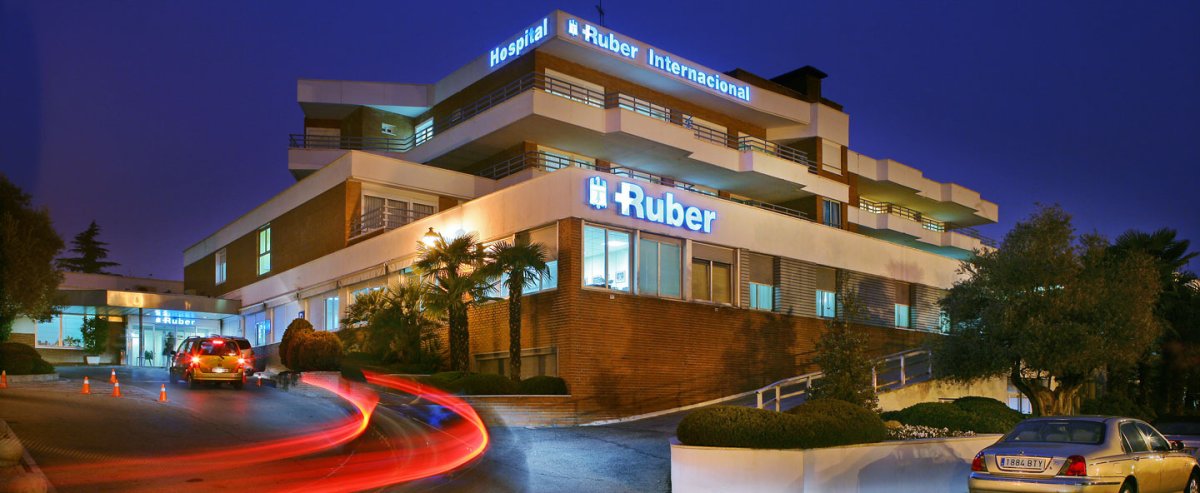


SJD Barcelona Children’s Hospital










نظرة عامة على العلاج الجراحي للجنف في إسبانيا
- العلاج الجراحي للجنف - من $56,100
يصحح هذا العلاج انحناء العمود الفقري ، ويتضمن وضع المسامير والقضبان ويحسن الوضع والتنفس.
- العلاج المحافظ لحالات الجنف - من $2,000
يهدف هذا العلاج إلى إدارة انحناء العمود الفقري بدون جراحة ، وذلك باستخدام الأقواس والعلاج الطبيعي والتمارين الرياضية. إنها أقل خطورة وخطورة.
- زرع نظام ApiFix - من $17,500
يتضمن الإجراء جراحة طفيفة التوغل لتصحيح انحناء العمود الفقري باستخدام قضيب مرن للحركة الطبيعية.
اليوم الأول: الوصول
- نقل من المطار إلى الفندق.
- استرح وتكيف مع البيئة الجديدة.
اليوم الثاني: ما قبل العملية
- نقل من فندق إلى عيادة.
- استشارة طبيب أعصاب وجراح عظام.
- إجراء تعداد دم كامل باستخدام علامات السرطان ومخطط بروتيني.
- اختبارات إضافية إذا اقترحها المختصون.
اليوم الثالث: الجراحة
- الدخول الى المستشفى.
- التحضير قبل الجراحة.
- العلاج الجراحي للجنف تحت التخدير العام.
- يمكن أن تختلف مدة الجراحة من 4 إلى 8 ساعات.
من اليوم الرابع إلى اليوم العاشر: ما بعد العملية
- رعاية ما بعد الجراحة في العيادة.
- المراقبة من قبل الفريق الطبي.
- ابدأ تمارين علاج طبيعي لطيفة.
الأسبوع الثاني إلى الأسبوع السادس: إعادة التأهيل
- نقل من عيادة للفندق.
- تواصل مع تمارين العلاج الطبيعي.
- زيادة النشاط البدني تدريجيًا.
الأسبوع السابع: العودة إلى العمل / المدرسة
- واجبات خفيفة وعمل نصف يوم / مدرسة في البداية.
الأسبوع الثاني عشر: العودة إلى الرياضة والأنشطة الأخرى
- استأنف الرياضة والأنشطة الأخرى تدريجيًا.
الأسبوع 24: النتيجة النهائية
- سيكون التحسن في محاذاة العمود الفقري مرئيًا.
يرجى ملاحظة أن كل حالة فردية وقد يختلف الجدول الزمني بناءً على الحالة الصحية للمريض وسرعة الشفاء.
ماذا يحب المرضى:
- يكلف. تتراوح تكلفة العلاج الجراحي للجنف في إسبانيا من 25000 دولار إلى 35000 دولار. وبالمقارنة ، فإن متوسط السعر في الولايات المتحدة أعلى بكثير ، حيث يصل إلى 100000 دولار.
- احتراف الأطباء. يقدر المرضى الثقة التي غرسها الأطباء الإسبان منذ الاستشارة الأولى. يتم ملاحظة الفرق الجراحية كمهنيين عظماء.
- مستوى الخدمة. يسعد المرضى بظروف الغرفة ووسائل الراحة الإضافية المقدمة ، بما في ذلك الطعام لكل من المريض والمرافق.
- فعالية العلاج الجراحي للجنف. يفيد المرضى أن النتائج غالبًا ما تتجاوز توقعاتهم ، مما يؤدي إلى التعافي السريع وتحسين الرفاهية.
- الخدمات اللوجستية. يثني المرضى على العملية السلسة ، من المساعدة الفورية إلى التسليم السريع للوثائق الطبية.
ما لا يحبه المرضى:
- وقت الانتظار. يعبر بعض المرضى عن رغبتهم في استلام أسرع لوثائق ما بعد الجراحة.
- حاجز اللغة. على الرغم من توفر المترجمين ، قد يجد بعض المرضى صعوبة في الاختلافات اللغوية.
- إيداع Bookimed: 200 دولار أو 200 يورو.
- وديعة العيادة: ادفع نسبة محددة مقدمًا.
احصل على تقييم طبي لـ العلاج الجراحي للجنف في إسبانيا: اختر أخصائيك من بين الأفضل في هذا المجال
عرض جميع الأطباء
Javier Albiñana
41 سنة متخصص في جراحة عظام الأطفال – يقود الدكتور ألبينيانا علاج الجنف في مستشفى كيرون سالود مدريد.
- رئيس سابق لقسم جراحة عظام الأطفال في مستشفى لا باز
- تدرب في جامعة آيوا وجامعة أكسفورد في جراحة عظام الأطفال
- نشر أبحاثاً حول خلل التنسج الوركي وتطور الحق

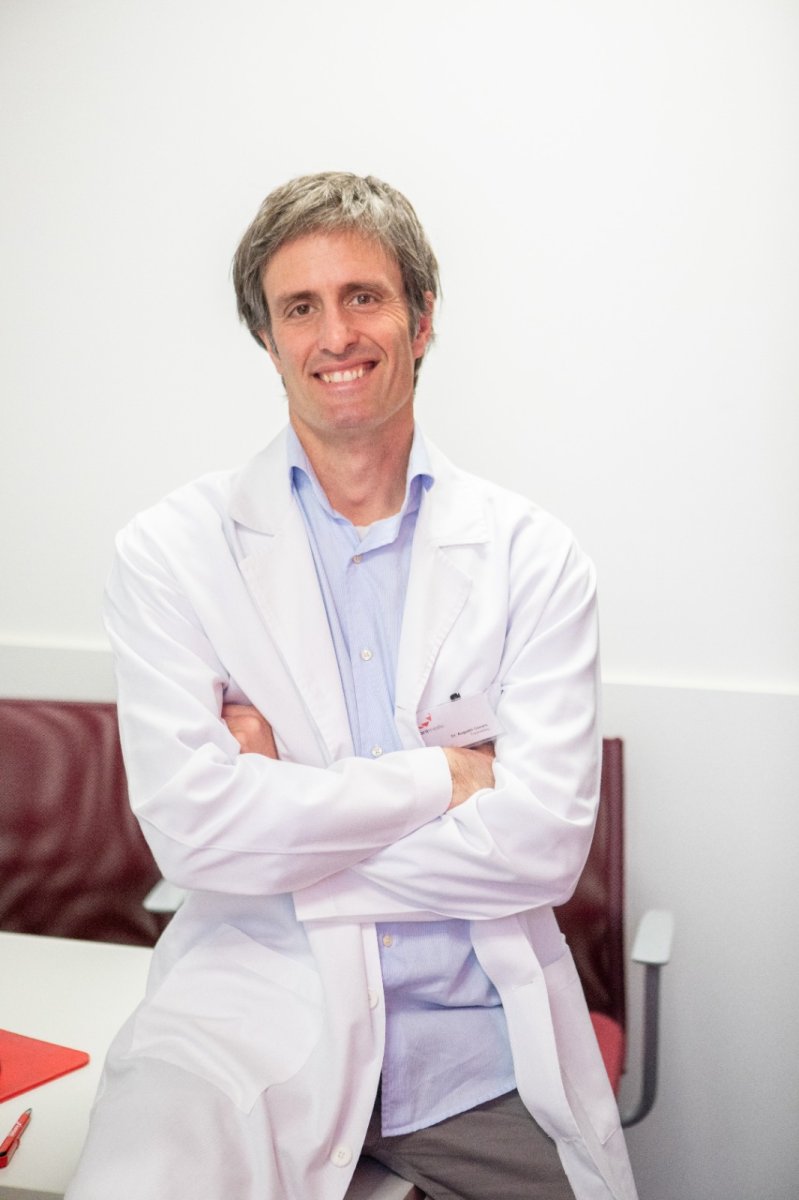
Dr Augusto Covaro
أكمل الدكتور أوغستو كوفارو زمالات متقدمة في جراحة العمود الفقري في جامعة آرهوس وأوبسالا. وهو يجلب خبرة متخصصة في علاج الجنف في مستشفى كيرون-ديكسيوس الجامعي.
- زمالتان دوليتان في تقنيات جراحة العمود الفقري
- مساهم نشط في المنشورات العلمية حول علاجات العمود الفقري
- عضو في AOspine وEurospine والجمعيات الإسبانية لجراحة العظام
- يركز على نهج الرعاية الفردية للمرضى

Microscopic Spine Surgery
يتخصص الدكتور كوفارو في جراحة العمود الفقري المجهرية مع مساهمات في الأبحاث الدولية وعضويات مهنية متعددة.
- عضو في الجمعية الإسبانية لجراحة العظام وEurospine
- يعمل في معهد دكسيوس الجامعي ومستشفى بيلفيتجي الجامعي
- مشارك منتظم في اجتماعات جراحة العمود الفقري الدولية
- نشر العديد من المقالات في المجلات العلمية

Drcovaro
متخصص في جراحة العمود الفقري باستخدام تقنيات متقدمة – يقوم الدكتور كوفارو بإجراء عمليات معقدة في مستشفى كيرون-ديكسوس الجامعي في برشلونة.
- أكمل زمالات في جراحة العمود الفقري في آرهوس وأوبسالا
- خبير في علاج الجنف، والانزلاق الغضروفي، وتضيق القناة الشوكية
- مشارك نشط في اجتماعات جراحة العمود الفقري الدولية
- نشر العديد من المقالات في المجلات العلمية
المراجعات
جميع المراجعات
العلاج الجراحي للجنف: صور قبل/بعد
عرض جميع الصور قبل وبعد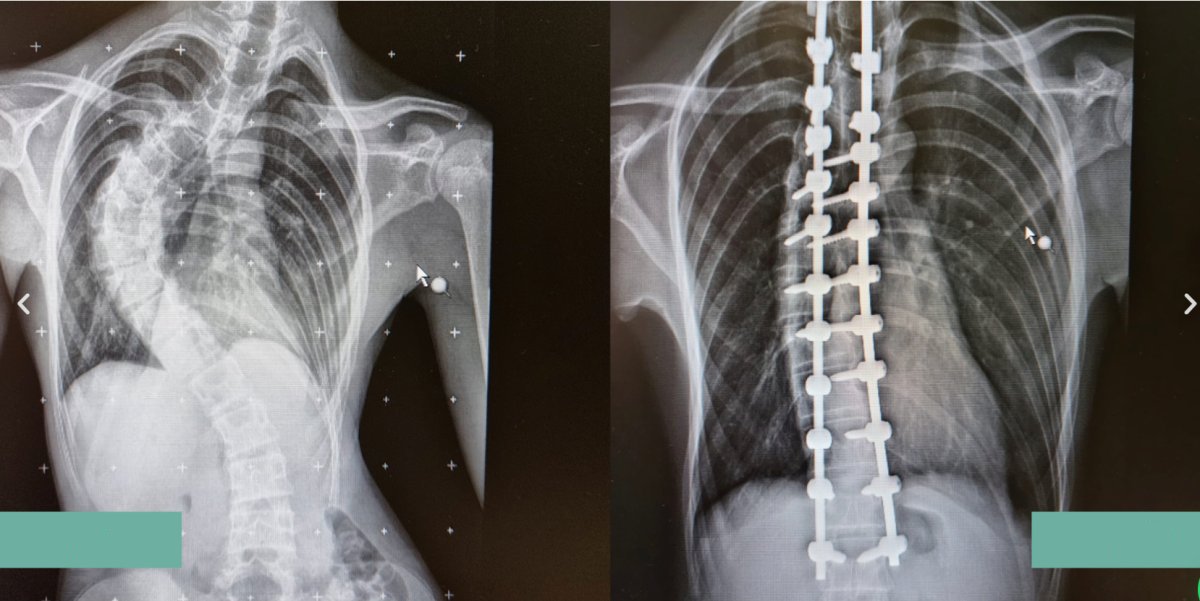
مشاركة المحتوى
قصص فيديو من مرضى Bookimed
 Anna Leonova
أسئلة متكررة حول العلاج الجراحي للجنف في إسبانيا
ما هي التقنيات المتطورة التي يستخدمها جراحو العمود الفقري الإسبان أثناء عمليات الجنف؟
يستخدم جراحو العمود الفقري الإسبان الملاحة بالواقع المعزز (AR)، ووضع البراغي بمساعدة الروبوت، والمراقبة العصبية في الوقت الفعلي لعلاج الجنف. تستخدم المراكز الرائدة مثل Centro Médico Teknon وSant Joan de Déu النمذجة الرقمية ثلاثية الأبعاد وبرامج التصحيح المعتمدة على الذكاء الاصطناعي لزيادة الدقة مع الحفاظ على حركة العمود الفقري لدى الأطفال والبالغين.
- الملاحة الروبوتية: توجه أنظمة مثل Mazor X المثاقب على طول مسارات مبرمجة مسبقًا للحصول على دقة دون مليمترية في وضع البراغي.
- معايير المراقبة العصبية: يمنع التتبع المستمر لـ EMG وSSEP تلف الأعصاب أثناء المناورات التصحيحية المعقدة.
- الغرسات المخصصة: يستخدم الجراحون نمذجة الذكاء الاصطناعي لتصميم قضبان تيتانيوم مخصصة تتوافق مع المحاذاة المثالية للعمود الفقري.
- الحفاظ على الحركة: توفر أنظمة ApiFix وربط جسم الفقرة بدائل مرنة لدمج العمود الفقري التقليدي.
رؤية خبير Bookimed: تعطي المراكز الإسبانية الأولوية للحركة طويلة المدى باستخدام الأساليب الهجينة الأمامية والخلفية ونظام ApiFix. تظهر البيانات أن جراحين مثل Ferran Pellisé Urquiza قد ساهموا في المعايير الدولية من خلال آلاف العمليات الجراحية الموثقة. يسمح هذا الحجم الكبير للعيادات في برشلونة ومدريد بتقديم تقنيات جلدية متقدمة تقلل من أوقات التعافي مقارنة بالجراحة المفتوحة التقليدية.
إجماع المرضى: يؤكد المرضى أن المراقبة العصبية أثناء الجراحة هي ميزة أمان غير قابلة للتفاوض في إسبانيا. ينصح الكثيرون بتأكيد توفر الملاحة ثلاثية الأبعا
ما هي المستشفيات والمدن في إسبانيا التي تعتبر الأفضل لجراحات الجنف المتقدمة؟
تعد برشلونة ومدريد المركزين الرئيسيين في إسبانيا لجراحات الجنف المتقدمة، حيث تضم مرافق معتمدة من قبل اللجنة الدولية المشتركة (JCI). توفر هذه المدن وحدات متخصصة في العمود الفقري تستخدم تقنية التصوير ثلاثي الأبعاد EOS، والملاحة الروبوتية، ورسم خرائط الأعصاب أثناء الجراحة لعلاج التشوهات المعقدة لدى البالغين والحالات لدى الأطفال بأمان.
- مراكز برشلونة: يوفر مركز Centro Medico Teknon ومستشفى Hospital Universitari Quiron-Dexeus أنظمة ملاحة دقيقة للعمود الفقري.
- مراكز مدريد: تتخصص مستشفيات Quironsalud Madrid و HM Hospitales في تصحيح التشوهات الشديدة والمراقبة العصبية.
- الخبرة في طب الأطفال: يعد مستشفى Sant Joan de Deu Barcelona مركزاً أوروبياً رائداً لتقنيات عدم الدمج (non-fusion).
- القيادة السريرية: يرأس الدكتور فيران بيليس في مستشفى Vall d’Hebron جمعية أبحاث الجنف العالمية.
رؤية خبير Bookimed: بينما يختار الكثيرون برشلونة لجراحيها البارزين، غالباً ما تُصنف Clinica Universidad de Navarra في بامبلونا كأفضل مستشفى في إسبانيا. كانت أول مستشفى في البلاد تحصل على اعتماد JCI وتدير أكثر من 700,000 حالة مرضية دولية سنوياً، وتقدم نهجاً أكاديمياً عالياً لإعادة بناء العمود الفقري المعقدة التي تنافس مراكز المدن الكبرى.
إجماع المرضى: يؤكد المرضى أن سمعة الجراح الفردية في إسبانيا غالباً ما تفوق العلامة التجارية للمستشفى. في حين أن الرعاية باللغة الإنجليزية موثوقة في مراكز مدريد وبرشلونة، يظل تنسيق رعاية المتابعة طويلة الأمد عبر الحدود ال
ما الذي يتم تضمينه عادةً في باقة السياحة العلاجية الإسبانية القياسية لجراحة الجنف؟
باقات السياحة العلاجية الإسبانية القياسية لجراحة الجنف هي حزم سريرية شاملة. وهي تشمل عادةً التشخيص قبل الجراحة، والإجراء الجراحي مع غرسات العمود الفقري، وإقامة متخصصة في المستشفى لمدة تتراوح بين 6 إلى 10 أيام. توفر معظم الباقات أيضاً تنسيقاً إدارياً، ومترجمين فوريين ثنائيي اللغة، وخدمات نقل بري خاصة من المطار إلى المستشفى.
- الأتعاب الطبية: تغطي تكاليف جراحي العمود الفقري الرئيسيين، وأطباء التخدير، وطاقم التمريض الجراحي بالكامل.
- الإقامة في المستشفى: تشمل 6-10 ليالٍ في غرفة خاصة مع خدمات الوجبات للمرافقين.
- الغرسات المتقدمة: تتميز بقضبان التيتانيوم عالية الجودة، أو البراغي، أو الأنظمة الحديثة للحفاظ على الحركة مثل ApiFix.
- إعادة التأهيل داخل المستشفى: توفر العلاج الطبيعي الفوري بعد الجراحة وتدريب التحريك قبل الخروج الطبي.
رؤية خبير Bookimed: غالباً ما تدمج المراكز الإسبانية مثل مستشفى HM Nou Delfos تقنية تصوير EOS عالية الدقة في باقات الجراحة الخاصة بها. توفر هذه التقنية مسحاً ثلاثي الأبعاد للجسم بالكامل مع إشعاع أقل بنسبة 85% من الأشعة السينية التقليدية. بالنسبة لمرضى الجنف الذين يحتاجون إلى متابعات متعددة، فإن اختيار منشأة تجمع بين تقنية التصوير المحددة هذه يقلل بشكل كبير من التعرض للإشعاع على المدى الطويل دون إضافة رسوم تشخيصية غير مجمعة.
إجماع المرضى: يؤكد المسافرون أن القيمة تكمن في الدعم الإداري للسجلات الطبية والأوراق. ويوصون بالتأكد مما إذا كانت خدمات المترجم متاحة يومياً أو فقط خلال الجولات السريرية الرئيسية.
ما هي المدة التي يجب أن يخطط المرضى الدوليون للبقاء فيها في إسبانيا لإجراء جراحة الجنف والمتابعة؟
يجب على المرضى الدوليين التخطيط للبقاء في إسبانيا لمدة تتراوح بين 14 إلى 21 يوماً بعد جراحة الجنف. تشمل هذه الفترة نافذة ما قبل الجراحة لمدة 1-2 يوم، وإقامة في المستشفى لمدة 3-10 أيام، وفترة تعافي محلية أساسية لمدة 1-2 أسبوع قبل الحصول على تصريح السفر جواً.
- التحضير قبل الجراحة: يصل المرضى قبل 48 ساعة لإجراء الفحوصات المخبرية وتصوير EOS المتخصص عالي الدقة.
- الإقامة في المستشفى: توقع البقاء من 3 إلى 10 أيام لإدارة الألم وعلاج التحريك الأولي.
- تصريح السفر جواً: يتطلب الجراحون من 7 إلى 14 يوماً بعد الخروج من المستشفى لمراقبة التئام الجروح بأمان.
- المراقبة طويلة المدى: تستمر المتابعة عن بُعد لمدة 12 شهراً باستخدام صور الأشعة السينية من بلد المريض والطب عن بُعد.
رؤية خبير Bookimed: تستخدم المراكز الإسبانية مثل Centro Médico Teknon و Hospital HM Nou Delfos تقنية تصوير EOS للجنف. يوفر هذا النظام صوراً عضلية هيكلية عالية الدقة مع إشعاع أقل بكثير من الفحوصات القياسية. تعد هذه ميزة حاسمة لمرضى الأطفال الذين يحتاجون إلى صور متابعة متعددة خلال فترة تعافي مدتها 12 شهراً.
إجماع المرضى: يوصي العديد من المرضى بتخصيص ميزانية لإقامة لمدة 4 أسابيع لتشمل إعادة التأهيل تحت الإشراف. كما يسلطون الضوء على الحاجة إلى ترتيب النقل البري مسبقاً لأن القيادة مقيدة لمدة 6 أسابيع.
ما هو الجدول الزمني المتوقع للتعافي شهراً بشهر بعد جراحة الجنف في إسبانيا؟
يستغرق التعافي من جراحة الجنف في إسبانيا عادةً من 12 إلى 24 شهراً للشفاء التام. يحقق معظم المرضى استقلالية وظيفية في غضون 6 أشهر، بينما يستمر اندماج العمود الفقري الداخلي لمدة تصل إلى عامين. تستخدم المراكز الرائدة تقنية التصوير المتقدمة EOS لمراقبة الاستقرار طوال العملية.
- الشهر 1: تبدأ الحركة في غضون يومين. تجنب الانحناء ورفع الأثقال والالتواء.
- الأشهر 2-3: العودة إلى العمل المكتبي أو الدراسة بدوام جزئي. ابدأ العلاج الطبيعي منخفض التأثير.
- الأشهر 4-6: التركيز على تقوية العضلات الأساسية. استئناف الجري الخفيف على الأسطح المستوية.
- الأشهر 6-12: التأكد من الاندماج الصلب عن طريق الأشعة المقطعية. العودة إلى الرياضات غير التلامسية.
رؤية خبير Bookimed: يؤكد الجراحون الخبراء في إسبانيا، مثل البروفيسور الدكتور فيران بيليس أوركيزا الذي أجرى أكثر من 2500 عملية، أن حجم عمليات الجراح يرتبط ارتباطاً مباشراً بتعافي أكثر سلاسة. غالباً ما يستخدم المتخصصون ذوو الخبرة العالية تقنيات تصوير متقدمة مثل EOS في مركز تيكنون الطبي (Centro Médico Teknon). توفر هذه التقنية صوراً عالية الدقة للجهاز العضلي الهيكلي مع تقليل التعرض للإشعاع خلال فحوصات المتابعة الحاسمة في عامك الأول.
إجماع المرضى: الأسبوعان الأولان هما الأكثر تحدياً بسبب الإرهاق الشديد والتيبس. غالباً ما يحدث التحسن على مراحل وليس في خط مستقيم، مما يجعل الصبر أمراً ضرورياً خلال السنة الأولى.
هل ستؤثر حواجز اللغة على جودة الرعاية للمرضى الناطقين بالإنجليزية في إسبانيا؟
نادراً ما تؤدي حواجز اللغة في إسبانيا إلى تقليل دقة الجراحة، ولكنها قد تعقد التعافي بعد الجراحة والتنقل الإداري. معظم الجراحين في القطاع الخاص في مراكز مثل برشلونة ومدريد حاصلون على شهادات دولية ويتحدثون الإنجليزية بطلاقة. وعلى العكس من ذلك، غالباً ما يفتقر طاقم التمريض والإدارة في الخطوط الأمامية في المرافق العامة إلى الكفاءة المتقدمة في اللغة الإنجليزية.
- اختلافات القطاعات: تقوم العيادات الخاصة مثل Centro Médico Teknon بتوظيف موظفين يتحدثون الإنجليزية لمنسقيها الدوليين.
- التواصل السريري: تتطلب جراحة الجنف حواراً دقيقاً فيما يتعلق بالعلامات العصبية وقيود الحركة بعد الجراحة.
- المراكز الجغرافية: توفر المدن الكبرى مثل مدريد وبرشلونة شبكات طبية متفوقة ناطقة بالإنجليزية.
- التعليمات المكتوبة: طلب جميع أوامر الخروج باللغة الإنجليزية يمنع سوء الفهم فيما يتعلق بجداول أدوية الألم.
رؤية خبير Bookimed: في حين أن جراحاً مثل الدكتور فيران بيليس أوركيزا قد يكون معترفاً به عالمياً، فإن مهارته الجراحية لا تضمن طلاقة اللغة الإنجليزية لدى جميع موظفي الجناح. تُظهر بياناتنا أن المستشفيات الخاصة من الدرجة الأولى في إسبانيا، التي تخدم أكثر من 10,000 مريض سنوياً، توفر عادةً أقساماً دولية مخصصة لسد فجوات التواصل هذه أثناء التعافي.
إجماع المرضى: يؤكد المرضى أن المهارة الجراحية ممتازة، لكن التواصل اليومي مع موظفي الطابق يظل تحدياً. يوصي الكثيرون بتوظيف مترجم طبي مستقل لضمان فهم رعاية المتابعة وتعليمات الطوارئ بشكل كامل.