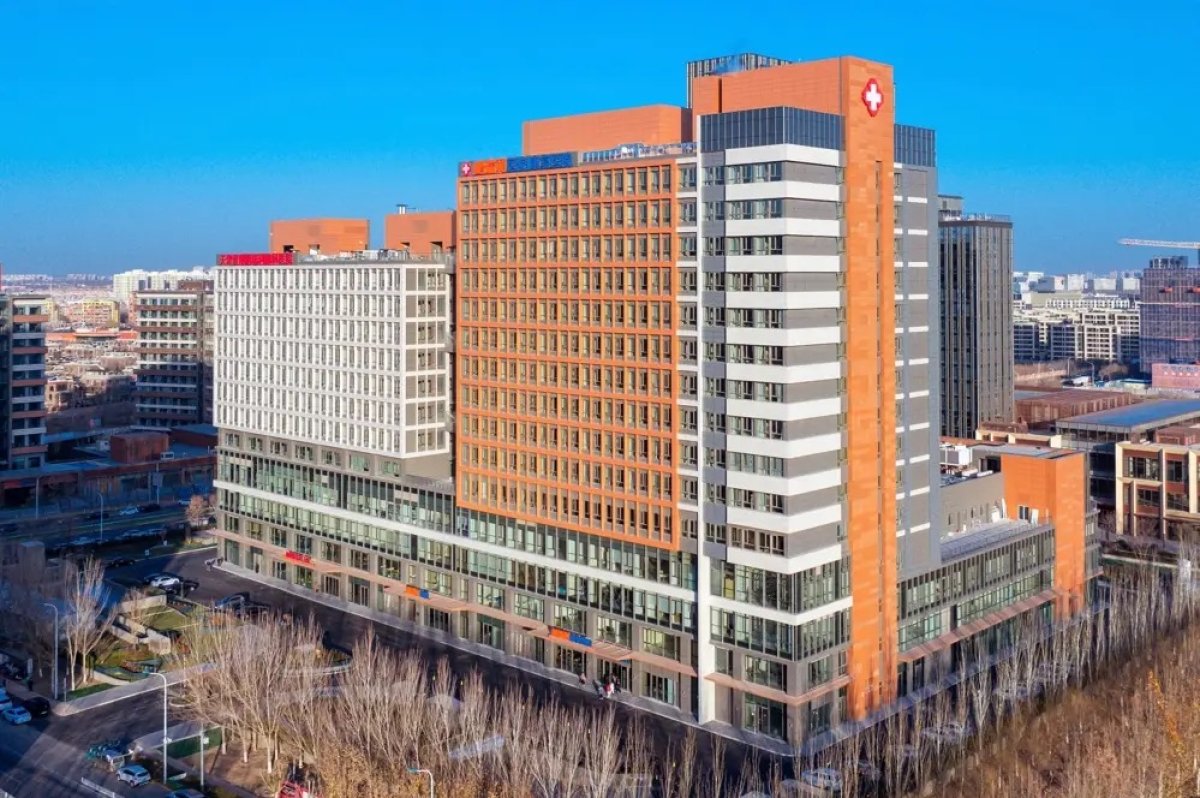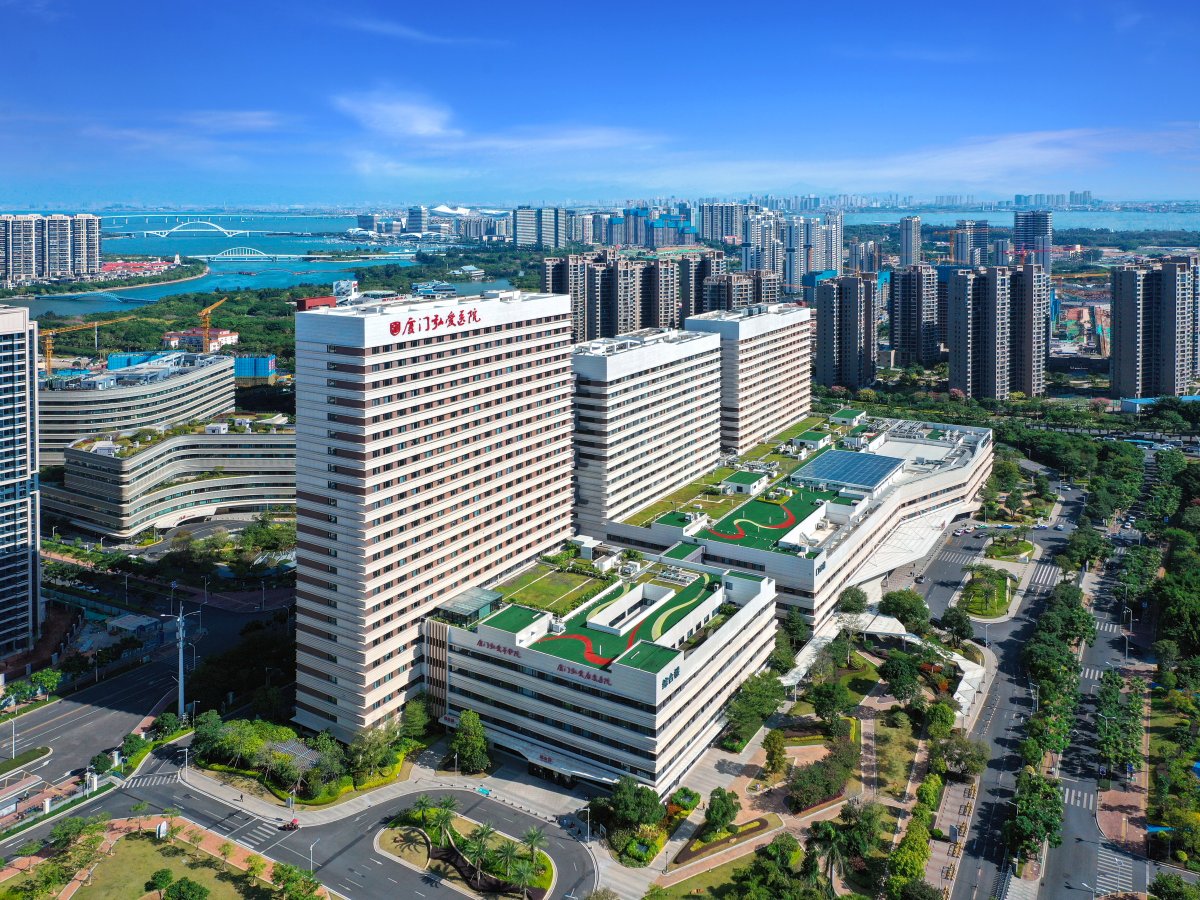
مستشفى شيامن هيومانيتي
الصين, شيامن


تمت مراجعة المقالة طبيا من قبل
فهد مولود
تتراوح تكلفة جراحة العمود الفقري في الصين عادةً ما بين $13,600 و $34,900. تعتمد النفقات النهائية على التقنية الجراحية المحددة، وما إذا كانت الغرسات المستخدمة محلية أم مستوردة، ونوع المنشأة المختارة. يمكن للمرضى المسافرين من الولايات المتحدة توقع توفير ما بين 50-70% من تكاليف هذه الإجراءات الطبية.
تكاليف جراحة العمود الفقري النموذجية في الصين
تشمل المراكز الطبية الرئيسية لرعاية العمود الفقري بكين وشنغهاي، حيث توفر العيادات الدولية غالبًا وسائل راحة على الطراز الغربي. للحصول على تقدير دقيق للسعر لحالتك الخاصة، استشر أخصائيًا لمناقشة خطة علاج مخصصة.
| الصين | تركيا | إسبانيا | |
|---|---|---|---|
| رأبُ الفقرة | ≈ $6,200 | من $4,000 | من $22,300 |
| جراحة دمج العمود الفقري بالحد الأدنى من التدخل | ≈ $19,500 | من $8,000 | من $14,500 |
| جراحة الانزلاق الغضروفي | من $56,000 | من $5,000 | من $11,000 |
| العلاج الجراحي للجنف | ≈ $16,000 | من $15,000 | من $55,800 |
| العلاج الجراحي لاعتلال الجذور | ≈ $5,500 | من $4,000 | ≈ $7,200 |
Bookimed لا يضيف رسوماً إضافية على أسعار علاج جراحة العمود الفقري. الأسعار مأخوذة من قوائم الأسعار الرسمية للعيادات. تدفع مباشرة في العيادة مقابل علاجك عند وصولك إلى البلد.
Bookimed ملتزم بسلامتك. نحن نعمل فقط مع المؤسسات الطبية التي تحافظ على معايير دولية عالية في علاج جراحة العمود الفقري ولديها التراخيص اللازمة لخدمة المرضى الدوليين في جميع أنحاء العالم.
Bookimed يقدم مساعدة خبراء مجانية. منسق طبي شخصي يدعمك قبل وأثناء وبعد العلاج، ويحل أي مشاكل. لن تكون وحيداً أبداً في رحلة علاج جراحة العمود الفقري.


البروفيسور سون تشين يانغ طبيب رائد في الطب التكاملي الصيني التقليدي والغربي، متخصص في جراحة العمود الفقري بمستشفى دكتور إيبر للدماغ.

الدكتور ما بين، MD, PhD، استشاري ومشرف ماجستير في جراحة العمود الفقري بمستشفى إحالة ثلاثي. لديه أكثر من 20 عامًا من الخبرة. يركّز عمله على أمراض العمود الفقري التنكسية والجراحة طفيفة التوغل. متمرس في PELD، والتثبيت بمسامير السويقة عبر الجلد، وإزالة الضغط والالتحام بمساعدة مبعد أنبوبي.
يشغل عضوية لجنة جراحة العمود الفقري طفيفة التوغل في الجمعية الصينية لجراحة العظام، وهو عضو اللجنة الدائمة للجنة المهنية لجراحة العمود الفقري طفيفة التوغل في جمعية الأطباء الصينية. يلقي بانتظام محاضرات رئي

الأستاذ تشانغ إن دا كبير الأطباء في تأهيل إصابات الحبل الشوكي، ويتمتع بأكثر من 30 عامًا من الخبرة السريرية. أتم تدريبًا متقدمًا في مستشفى صن يات-سن التذكاري وفي قسم الأعصاب بالمستشفى الأول الملحق بجامعة الصين الطبية.
يركّز على تأهيل إصابات الحبل الشوكي بمختلف أسبابها. يتولى علاج الشلل الرباعي والشلل النصفي السفلي، والشلل غير الكامل، واضطرابات الإحساس، وخلل المثانة والأمعاء العصبي، بما في ذلك احتباس البول والسلس وفرط نشاط المثانة والإمساك وسلس البراز. كما يعالج اضطرابات الحركة بعد الالت
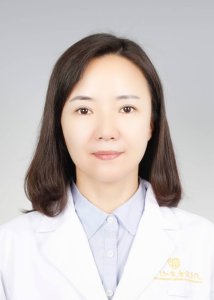
الأستاذة ليانغ شياوشياو مديرة القسم ورئيسة الأطباء في إعادة التأهيل العصبي. تحمل درجة الماجستير في طب الأعصاب. متمرسة في التعديل العصبي لاضطرابات الوعي والإدراك والحركة. يتركز عملها على حالات ناجمة عن أمراض الأوعية الدموية الدماغية، ومرض باركنسون، وحالات ذات صلة. كما تُجري حقن توكسين البوتولينوم بتوجيه الموجات فوق الصوتية لعلاج تشنج الجفن، وتشنج نصف الوجه، وتشنج الأطراف، وفرط سيلان اللعاب، وآلام الأعصاب.
الاعتمادات والمناصب: عضوة في لجان إعادة التأهيل العصبي، وإعادة تأهيل اضطرابات الإد
 Anna Leonova
في الصين، تُجرى جراحات العمود الفقري الآمنة في مستشفيات معتمدة من اللجنة الدولية المشتركة (JCI) من الفئة الثالثة (أ). تستخدم هذه المرافق أنظمة روبوتية متطورة وتقنيات الملاحة أثناء الجراحة. ويساهم العدد الكبير من العمليات الجراحية في تطوير الخبرة في الحالات المعقدة. وغالبًا ما يحمل الجراحون البارزون شهادات دكتوراه في الطب من مؤسسات دولية مرموقة.
رأي خبراء بوكيمد: تشير البيانات إلى أن مستشفيات بكين الرائدة، مثل مستشفى ياندا الدولي، تستقبل 2.5 مليون مريض سنويًا. هذا العدد الكبير من العمليات الجراحية يُحقق ميزة كفاءة ملحوظة في جراحات العمود الفقري الروتينية. مع ذلك، ينبغي على المرضى إعطاء الأولوية للعيادات التي يعمل بها جراحون، مثل الدكتو
في الصين، تركز جراحات العمود الفقري بشكل أساسي على علاج الأمراض التنكسية باستخدام تقنيات طفيفة التوغل. تشمل الإجراءات الشائعة دمج الفقرات، واستئصال القرص بالمنظار، واستئصال الصفيحة الفقرية لتخفيف الضغط. في عام 2022، أُجريت 519,966 عملية جراحية للعمود الفقري في المراكز الصينية. وتجمع المؤسسات الطبية الحديثة، مثل مستشفى ياندا الدولي، بين البروتوكولات الدولية وأحدث التقنيات الجراحية.
رأي خبراء بوكيمد: تخلّت الصين إلى حد كبير عن عصر جراحة العمود الفقري المجهرية، واعتمدت أساليب التنظير الداخلي كمعيار أساسي. يُجري جراحون مثل البروفيسور يو وانغ من مركز إيه إم كير لجراحة العظام والطب الرياضي ما يصل إلى 1000 عملية جراحية لتصحيح تشوهات العمود الفقري سنويًا. يُمكّن هذا العدد الكبي
تشمل المراكز الموصى بها لجراحة العمود الفقري في الصين مؤسسات معتمدة من اللجنة الدولية المشتركة (JCI)، مثل مستشفى ياندا الدولي في بكين. تتخصص هذه المراكز في جراحات إعادة بناء العمود الفقري المعقدة وجراحة العمود الفقري طفيفة التوغل. ويُجري جراحون بارزون، مثل البروفيسور يو وانغ، أكثر من 800 عملية جراحية لتصحيح تشوهات العمود الفقري سنويًا، مما يضمن حجمًا كبيرًا من العمليات الجراحية.
رأي خبراء بوكيمد: غالبًا ما تجمع مراكز علاج العمود الفقري الرائدة في الصين بنجاح بين عدد كبير من الحالات والرعاية المتخصصة. فبينما يُجري مستشفى ياندا الدولي 9000 عملية جراحية سنويًا، يتخصص أخصائيون مثل البروفيسور يو وانغ في علاج الجنف. هذا ال
في الصين، تتراوح مدة الإقامة في المستشفى بعد جراحة العمود الفقري عادةً بين 3 و10 أيام، وذلك بحسب نوع العملية. أما العمليات الجراحية طفيفة التوغل، مثل استئصال القرص بالمنظار، فغالباً ما تتطلب من يوم إلى ثلاثة أيام فقط. بينما قد تتطلب جراحات دمج الفقرات المعقدة مدة إضافية تتراوح بين 7 و10 أيام للمراقبة الأولية وتحقيق الاستقرار.
رأي خبراء بوكيمد: تُظهر البيانات من المراكز الصينية الكبرى، مثل مستشفى ياندا الدولي، اتجاهاً نحو دمج الأساليب التقليدية مع البروتوكولات الدولية. غالباً ما يُسفر هذا الدمج عن فترات إقامة أقصر في المستشفى مقارنةً بالمتوسطات التاريخية. يستخدم بعض الجراحين الذين يُجرون عددا
عادةً ما يدخل المرضى القادمون إلى الصين لإجراء جراحة العمود الفقري بتأشيرة S2 أو L. تتطلب العمليات الجراحية المعقدة دعوة من مؤسسة طبية مرخصة. توفر المستشفيات عالية الجودة من المستوى الثالث، مثل مستشفى ياندا الدولي، هذه الوثائق. تحدد هذه الدعوة نوع العلاج ومدة الإقامة.
رأي خبراء بوكيمد: تعالج مراكز كبيرة مثل مستشفى جاندا الدولي أكثر من 2,500,000 مريض سنويًا، وهي معتمدة من قبل اللجنة الدولية المشتركة (JCI). غالبًا ما تمتلك هذه المؤسسات المرموقة أقسامًا متخصصة في التوثيق الدولي. يُعد اختيار عيادة من الفئة A III أمرًا بالغ الأهمية، إذ تتمتع هذه المؤسسات بأعلى سلطة لإصدار الدعوات الرسمية لحالات العمود الفقري المعقدة.
رأي المرضى: يعتقد معظم المرضى أن تأشير
تستخدم المستشفيات الصينية الرائدة على نطاق واسع غرسات العمود الفقري من الشركات المصنعة العالمية. وتسيطر علامات تجارية كبرى مثل ميدترونيك، وديبوي سينثيس، وسترايكر على جراحات العمود الفقري المتطورة. وتستخدم المستشفيات الحكومية المتخصصة والمراكز الدولية في بكين وقوانغتشو بانتظام هذه الأنظمة الغربية لإجراء جراحات ترميمية معقدة.
رأي خبراء بوكيمد: تعالج المراكز الكبيرة، مثل مستشفى جاندا الدولي، 2,500,000 مريض سنويًا. يُمكّن هذا الحجم هذه المستشفيات من الحفاظ على مخزون دائم من الغرسات بمختلف الأحجام العالمية. قد لا تتوفر هذه الخيارات في المؤسسات الأصغر. لذا، يُنصح المرضى باختيار المستشفيات المتخصصة في المدن الك