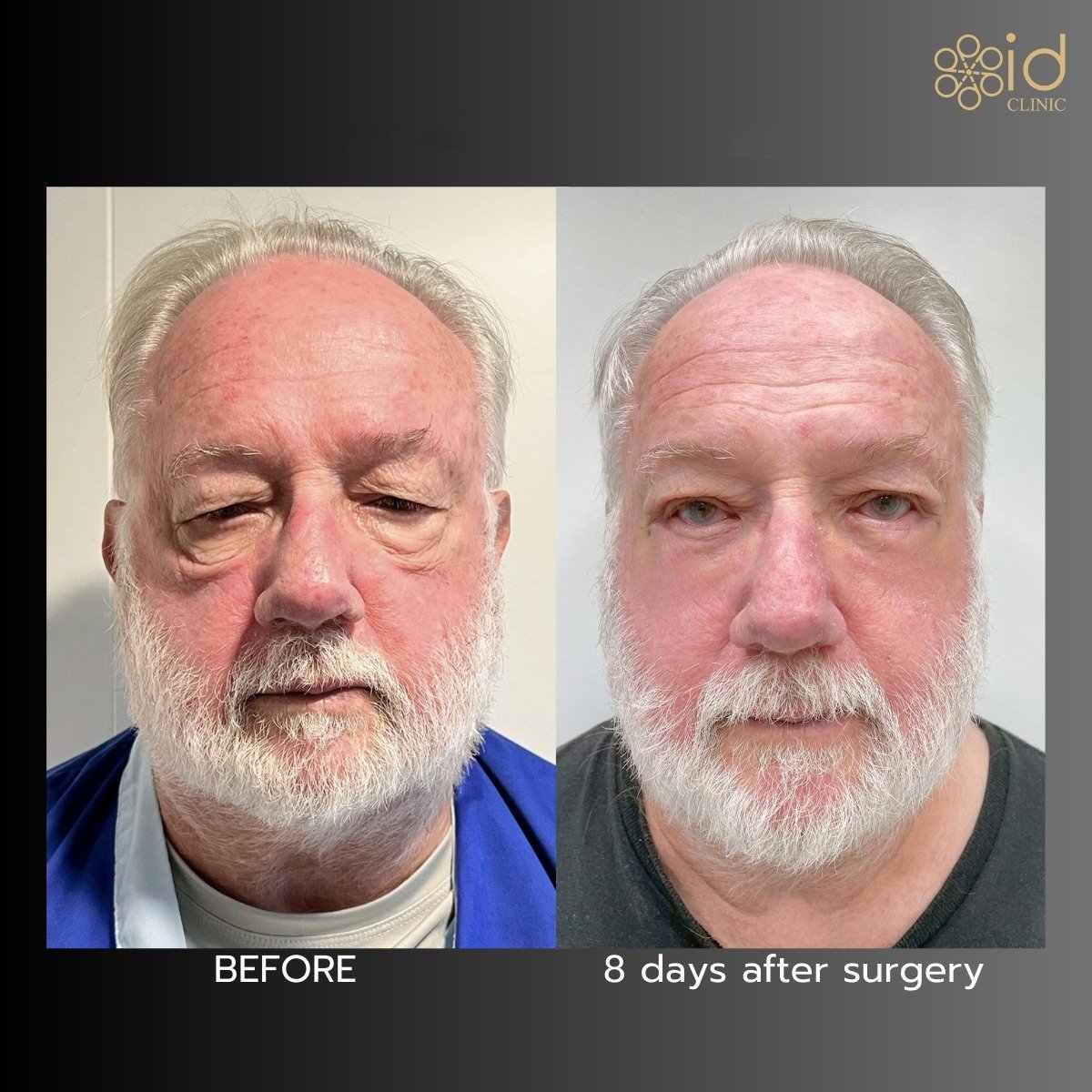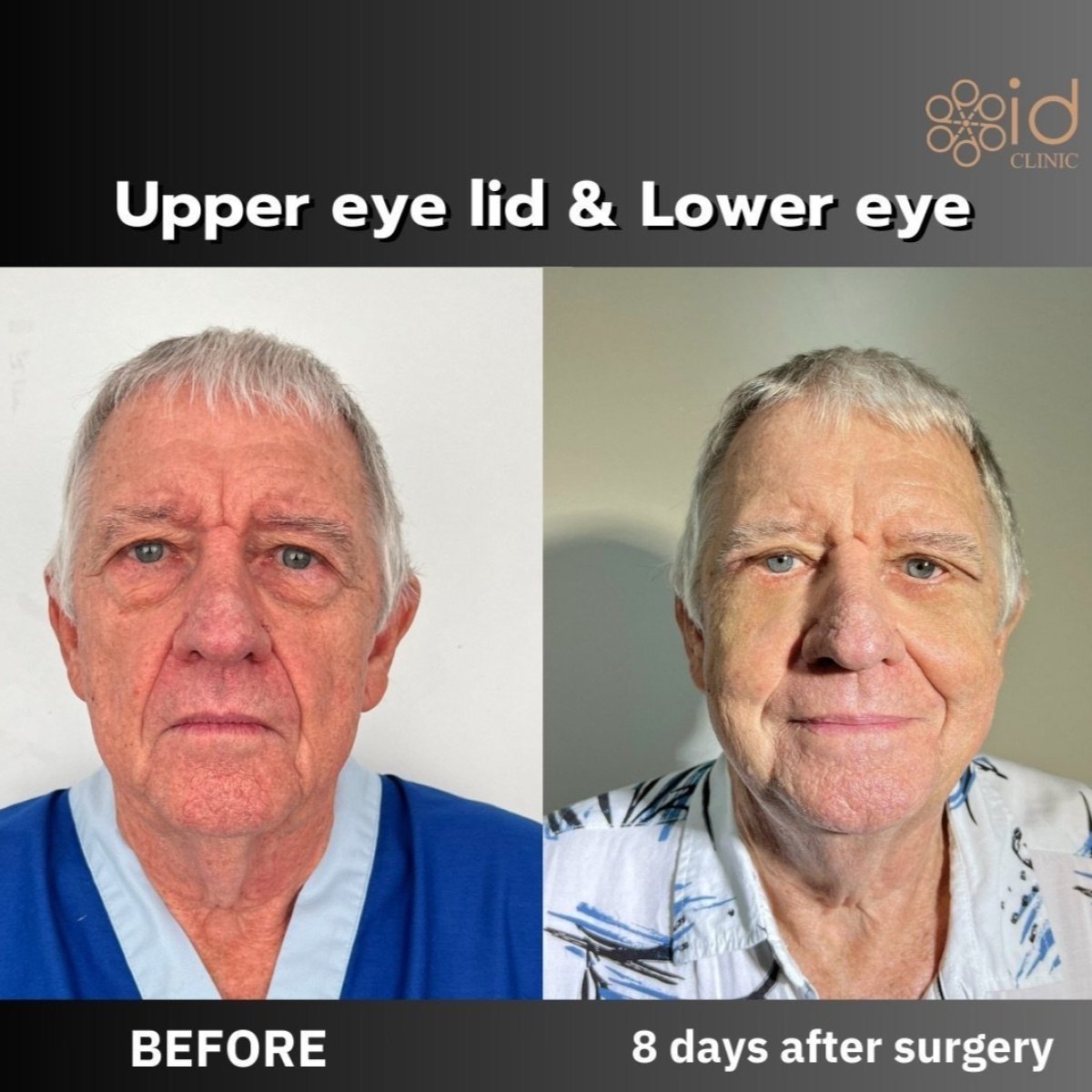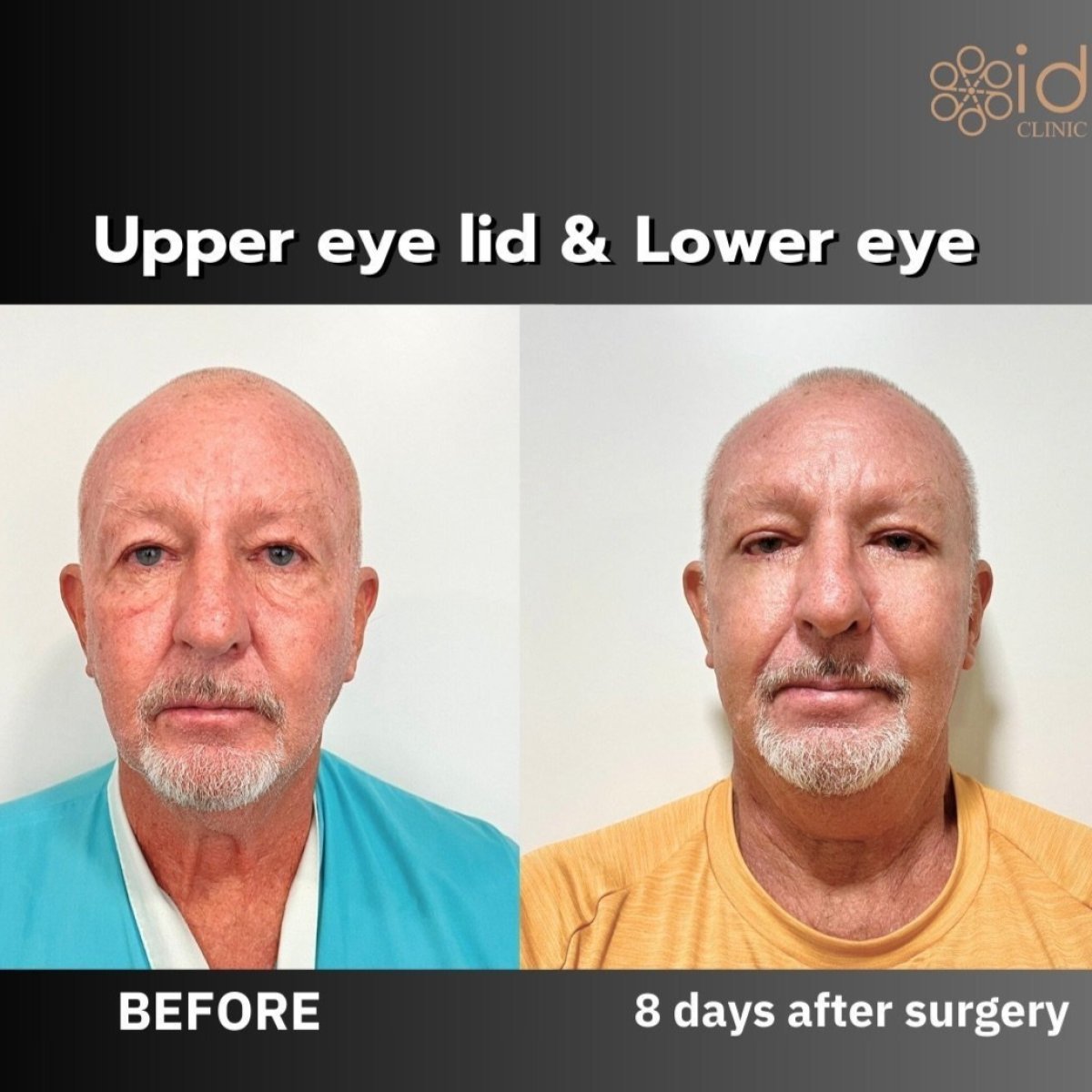
تتراوح تكلفة جراحة تدلي الجفون في تايلاند عادةً بين $1,300 / 44,200฿ و $2,900 / 98,600฿. يعتمد السعر النهائي على حاجة الحالة إلى إصلاح العضلة أو الاكتفاء بإزالة الجلد. تبلغ تكلفة الإجراءات المماثلة في المملكة العربية السعودية متوسط _price_compare_SA_average_. كما توفر تايلاند وفراً يصل إلى نحو _price_percent_discount_%. تغطي رسوم العيادات عادةً أتعاب الجراح، والتخدير الموضعي، والأدوية، والرعاية اللاحقة.
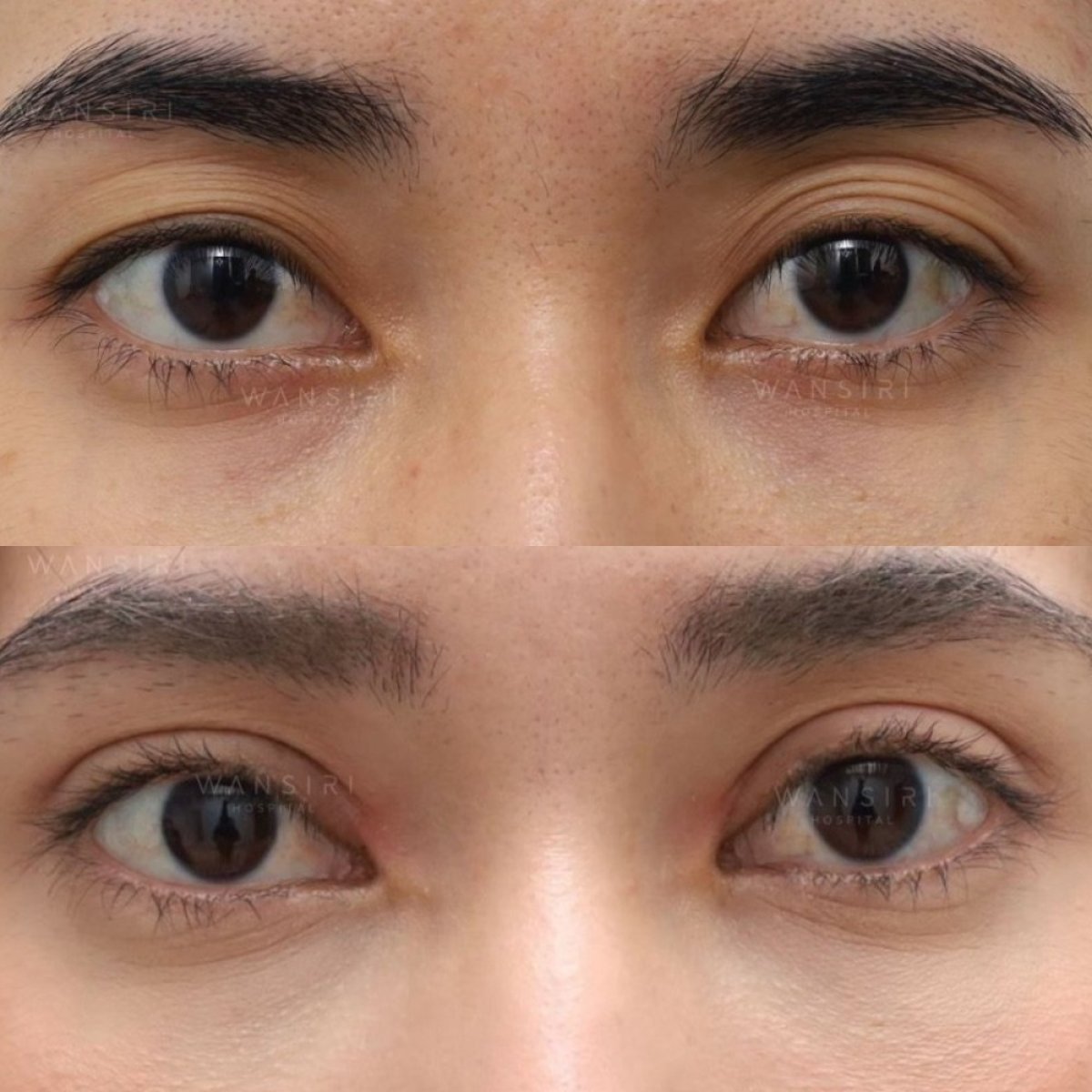
رأي خبراء Bookimed: يضمن اختيار أخصائي تجميل العيون أفضل قيمة لتصحيحات العضلات المعقدة. على سبيل المثال، تحمل الدكتورة وارانكانا تشايفونغ في مستشفى وانسيري شهادات متخصصة في طب العيون وتجميل الجفون الكوري. بينما تقدم العيادات المتخصصة مثل آي دي كلينيك بانكوك أسعاراً تنافسية، توفر المرافق المعتمدة من JCI مثل آسيا كوزمتيك هوسبيتال أعلى معايير السلامة. يعد هذا التوازن بين الخبرة والأمان سمة مميزة لمراكز الرعاية الطبية في تايلاند.
| تركيا | تايلاند | كوريا الجنوبية | |
| جراحة تدلي الجفن | من $1,300 / 44,200฿ | من $1,338 / 45,492฿ | من $1,365 / 46,410฿ |
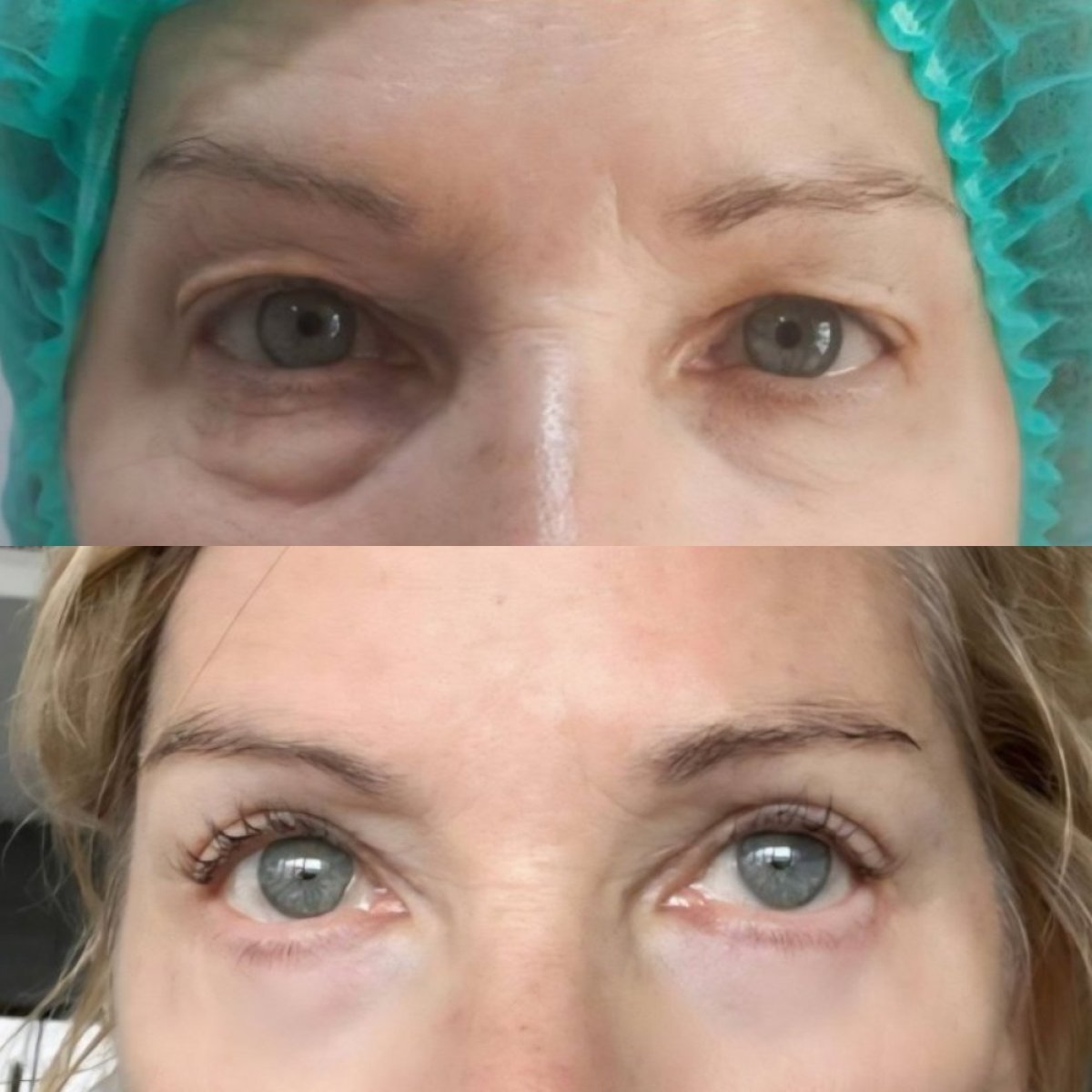
تساعد العملية على إنعاش العيون المتعبة عن طريق إزالة الجلد الزائد أو الدهون ، مما يخلق مظهرًا أكثر شبابًا وأكثر يقظة.
الإجراء يرفع الجفون المتدلية ، ويعزز الرؤية والجمال. يتضمن إزالة الجلد الزائد والأنسجة الدهنية والعضلات.
تعمل هذه العملية على تصحيح الترهلات أو الجلد الزائد تحت العين عن طريق إزالة الدهون أو إعادة تموضعها وتحسين المظهر.
هذا العلاج يصلح الجلد المترهل حول العينين ، وينعش المظهر ، ويمكن أن يحسن الرؤية عن طريق إزالة الأنسجة الزائدة.
تعمل هذه الجراحة على تحسين مظهر العين من خلال تشكيل تجعد ، وتنشيط المظهر وتحسين الرؤية.
يعمل هذا الإجراء على تصحيح ترهل الجفون وتحسين المظهر والرؤية عن طريق إزالة الجلد الزائد والدهون.
هذا الإجراء يصحح تدلي الجفون لتحسين الرؤية والمظهر ، بمشاركة جراح ماهر يزيل الجلد الزائد.
هذا الإجراء يصحح تدلي الجفون مما يؤدي إلى تحسين الرؤية والمظهر باستخدام طريقة جراحية آمنة وسريعة.
اليوم 1
اليوم الثاني
يوم 3
يوم 4-7
الأسبوع 1-2
الأسبوع 3-4
الأسبوع 5-6
يرجى ملاحظة أن حالة كل مريض فريدة وقد يختلف الجدول الزمني.
يتخصص الدكتور باتشاراساك كرايسورنفونجساكول، دكتور في الطب، في جراحة تدلي الجفون في عيادة ID في بانكوك، ويقدم نتائج دقيقة وطبيعية المظهر.
تلقى الدكتور ساران واناكامراس تدريبه في الجراحة التجميلية والترميمية في EVIMS في الولايات المتحدة الأمريكية - وهي جهة رائدة في الإجراءات التجميلية مثل جراحة تدلي الجفون.
متخصص في تجديد منطقة ما حول العين – تدرب الدكتور ميفاسانا في قسم الجراحة التجميلية بجامعة شولالونغكورن.
متخصص في جراحة تجميل وترميم الجفون في مستشفى وانسيري، مع تدريب من أفضل المؤسسات في تايلاند.
يتضمن إصلاح الجفن تصحيح الجفون المتدلية لتحسين الرؤية والمظهر.
Choosing a safe surgeon for droopy eyelid surgery in Thailand requires verifying Board of Ophthalmology certification. Patients should look for specialised oculoplastic training. Australian patients should prioritise doctors at JCI-accredited facilities like Asia Cosmetic Hospital. These hospitals maintain international safety standards and employ anaesthetists for every procedure.
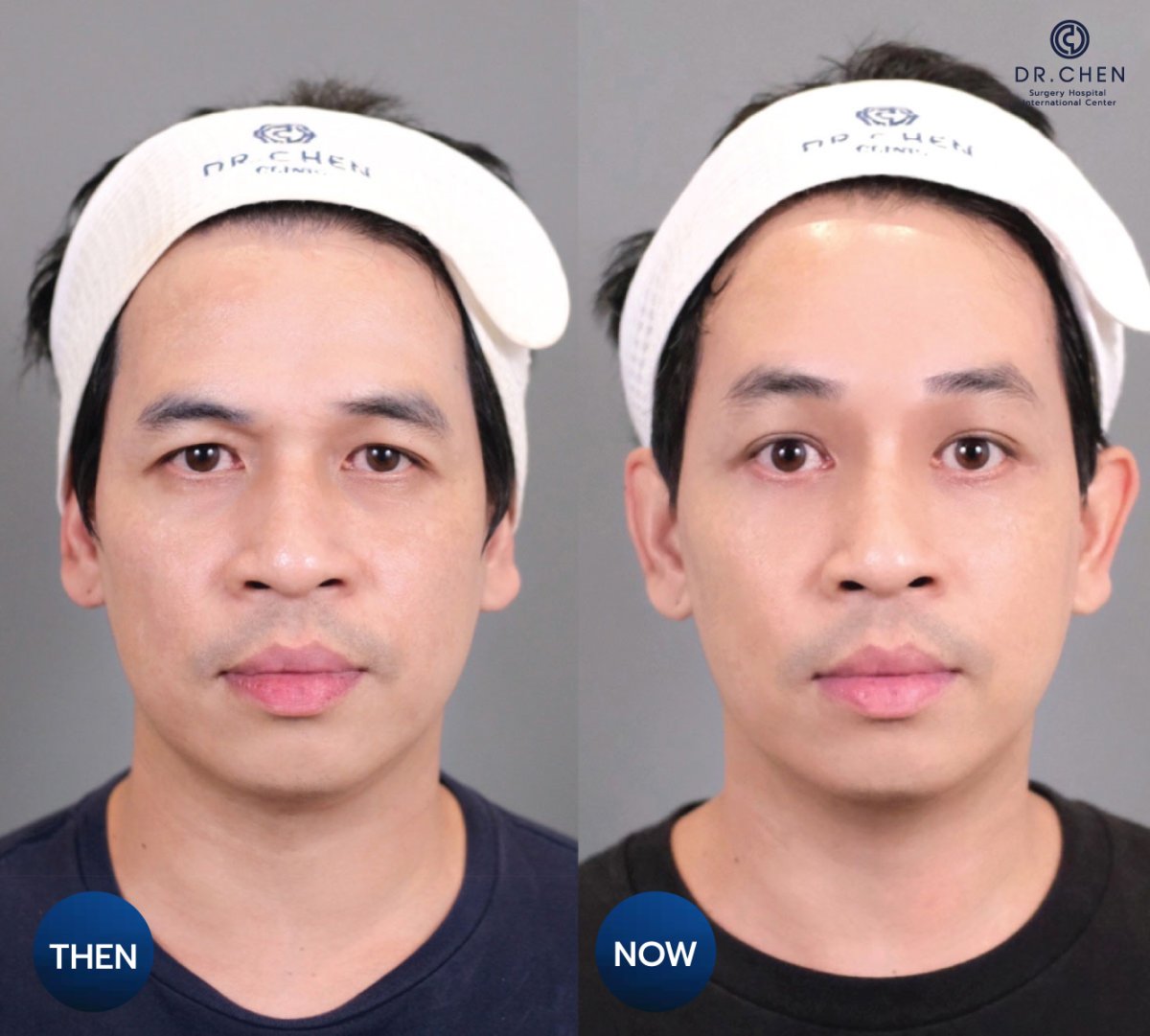
Bookimed Expert Insight: High patient volume often indicates technical mastery in Bangkok centres. Some clinics serve 1,000 patients annually. Others like Dr. Chen Surgery Hospital manage over 10,000 cases. This level of repetition typically results in lower revision rates and more predictable outcomes.
Patient Consensus: Patients in Thailand recommend confirming that your surgeon specialises in eyelid anatomy. They should not focus on general body contouring. Patients suggest asking for unfiltered, close-up photos of previous cases to ensure results look natural.
Droopy eyelid surgery in Thailand involves standard risks like infection, bruising, and scarring. Specific complications may include asymmetry, dry eye, or ectropion. Ectropion occurs when the lower lid pulls away from the eye. Patients should also consider travel risks, such as cabin pressure affecting early healing.
Bookimed Expert Insight: Many centres have high volumes, but patients should target clinics with oculoplastic specialists. Dr Warangkana Chaivong is one such specialist. General surgeons perform blepharoplasties, but oculoplastic experts have specific training in eye anatomy. This specialisation helps reduce risks like dry eye and overcorrection.
Patient Consensus: Patients in Thailand often focus on scar placement and asymmetry management during healing. Many suggest arranging a GP follow-up in Australia before departing to manage early wound concerns.
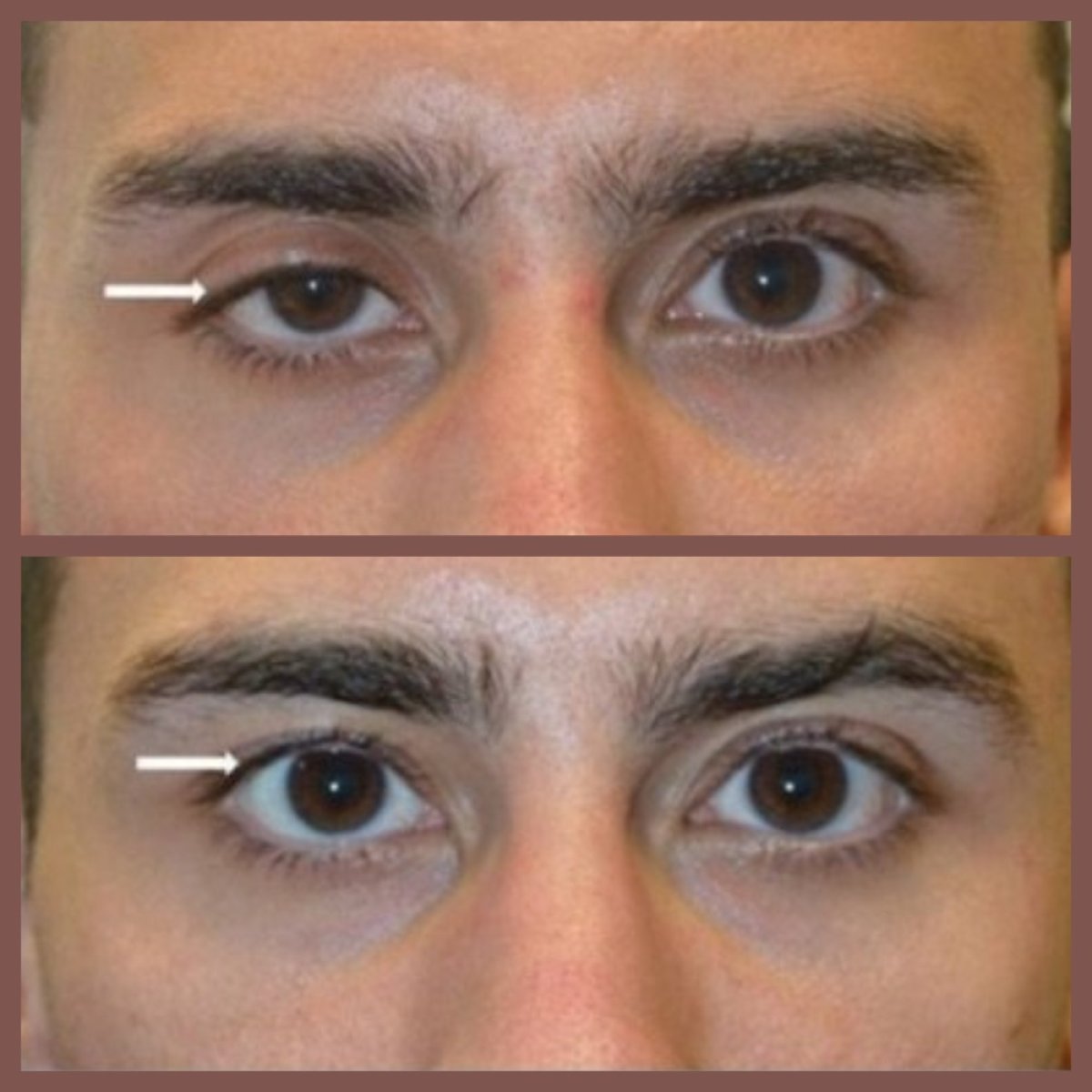
Ptosis repair in Thailand strengthens the internal levator muscle to raise the eyelid margin. Blepharoplasty removes excess skin and fat. Ptosis repair treats functional eyelid weakness. Blepharoplasty addresses sagging skin. Surgeons often combine both techniques to restore vision and improve eye aesthetics.
Bookimed Expert Insight: Thai specialists like Dr Chen at Dr Chen Surgery Hospital often use Swiss 3D scanning. This helps differentiate between muscle weakness and skin sagging. Precision is vital because treating only the skin when the muscle is weak will not fix the droopy look.
Patient Consensus: Patients in Thailand appreciate when surgeons explain whether a droop is true ptosis or just excess skin. Many report that combining both procedures provides the most alert and natural-looking result.
Recovery after droopy eyelid surgery in Thailand generally requires 7 to 10 days before patients feel comfortable in public. While the procedure is usually outpatient, initial swelling and bruising typically peak within the first 5 days. These symptoms then gradually subside during the second week.
Bookimed Expert Insight: Leading Bangkok centres like Dr. Chen Surgery Hospital offer hyperbaric oxygen and light therapy after surgery. These treatments can speed up the healing of delicate eyelid tissues. Patients using these therapies often report faster resolution of bruising compared to standard recovery protocols.
Patient Consensus: Expect the most visible swelling during the first 5 days in Thailand. Patients recommend staying at least 14 days before flying home to ensure sutures are removed safely.
Thailand attracts Australians for droopy eyelid surgery by combining specialised oculoplastic expertise with affordability. Facilities including Asia Cosmetic Hospital and Wansiri Hospital provide JCI-accredited care. Surgical costs range from $1,300 to $2,900. This offers up to 55% savings compared to Australian private healthcare averages.
Bookimed Expert Insight: Thai clinics often integrate intensive aftercare into eyelid procedures. Dr. Chen Surgery Hospital provides hyperbaric oxygen and light therapy to reduce swelling. This helps Australian patients recover faster before their flight home.
Patient Consensus: Australians choose Thailand for lower prices and faster access to high-volume specialists. Many travellers appreciate English-speaking coordinators and packaged hotel plans for a comfortable recovery.
Combining droopy eyelid surgery with a Thailand holiday is common. Patients must plan for a 7–10 day recovery. Most clinics in Bangkok require this stay for suture removal and flight clearance. Light sightseeing is possible once initial swelling subsides. However, patients must avoid direct sun and strenuous activity.
Bookimed Expert Insight: Experience levels in Bangkok are high. Surgeons often perform thousands of eyelid procedures. Dr Phatcharasak Kraisornphongsakul alone has completed 20,000+ operations. This high volume leads to refined techniques and lower complication rates for international patients.
Patient Consensus: Travellers suggest staying in Bangkok until stitches are out and swelling settles. Expect bruising in the first week. Plan quiet local activities rather than intensive sightseeing.
Blepharoplasty removes excess skin and fat to rejuvenate the eye, while ptosis surgery repairs the levator muscle to lift a drooping eyelid margin. While both involve upper lid incisions, ptosis correction is a functional procedure targeting muscle weakness that simple skin removal cannot fix.
Bookimed Expert Insight: Data from Bangkok clinics shows a rising trend in combined procedures. Specialists like Dr. Warangkana Chaivong at Wansiri Hospital often perform ptosis correction alongside epicanthoplasty. This combination ensures that the functional muscle lift matches the aesthetic eye shape for a more natural look.
Patient Consensus: Patients emphasize that a simple blepharoplasty will not fix a heavy lid caused by muscle weakness. Many recommend consulting an oculoplastic surgeon to ensure the correct cause of the droop is targeted before surgery.
Thailand is a premier destination for ptosis correction due to specialized oculoplastic expertise and significant savings of 60% compared to US costs. Surgeons in Bangkok often hold international certifications and utilize advanced techniques for both functional repair and aesthetic eyelid enhancements.
Bookimed Expert Insight: While many choose Thailand for lower prices, the real advantage is surgeon specialization. Some clinics in Bangkok serve over 10,000 patients annually. This massive volume allows surgeons to master sensitive functional repairs, such as levator muscle adjustment, which requires more precision than standard cosmetic skin removal.
Patient Consensus: Many patients find the quality excellent and appreciate that eyelid procedures are normalized within local beauty culture. They recommend prioritizing surgeon-specific experience for complex ptosis cases rather than just selecting a clinic based on price.
Droopy eyelid surgery in Thailand is primarily performed under local anesthesia, frequently combined with IV sedation. This method is preferred as it allows surgeons to check eye symmetry in real-time. General anesthesia is available at some facilities but typically requires an additional fee.
Bookimed Expert Insight: While local anesthesia is the clinical standard, Thailand's large-scale hospitals like Wansiri or Dr. Chen Surgery Hospital offer advanced general anesthesia setups. High-volume surgeons often recommend sedation over general anesthesia. This allows them to monitor muscle function while you remain relaxed and pain-free.
Patient Consensus: Patients report feeling pressure and tugging during the procedure, even when fully numbed. Most find the initial numbing injections to be the only significant discomfort of the surgery.
Droopy eyelid surgery in Thailand requires a stay of 8 to 12 days to ensure safe travel. Functional recovery occurs within 24 to 72 hours, while swelling and bruising typically resolve over 7 to 14 days. Surgeons usually remove stitches between day 5 and 10.
Bookimed Expert Insight: While many general clinics offer blepharoplasty, Wansiri Hospital and Dr. Chen Surgery Hospital prioritize advanced environments like Clean Room standards and HEPA filtration. Choosing facilities with these specific technologies helps minimize infection risks in Thailand's humid climate during the critical first 7 days of healing.
Patient Consensus: Patients suggest staying 9 to 12 nights to manage travel fatigue and avoid the stress of finding a local doctor for stitch removal back home.