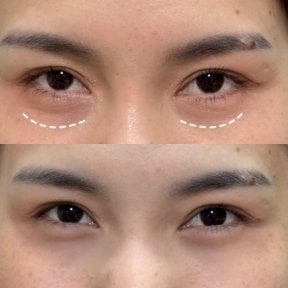
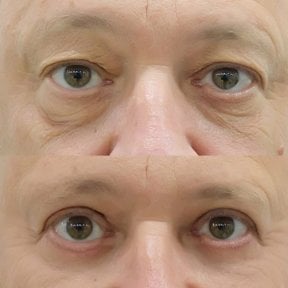
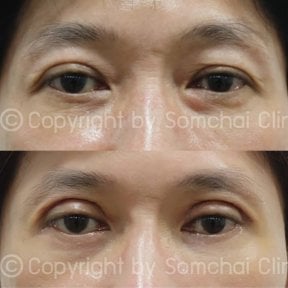
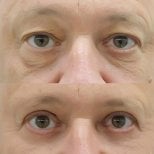
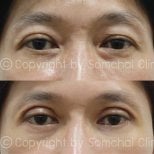
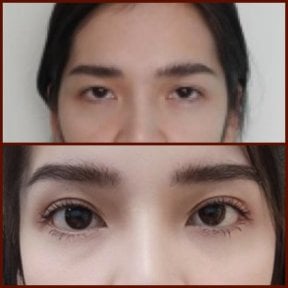
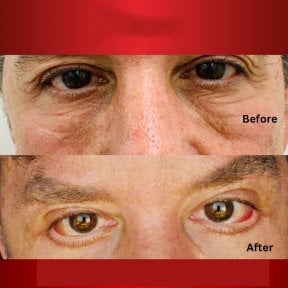
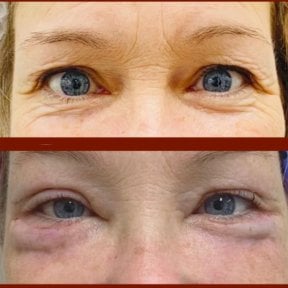
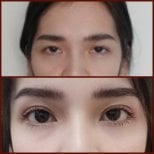
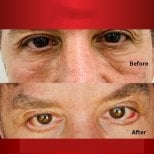
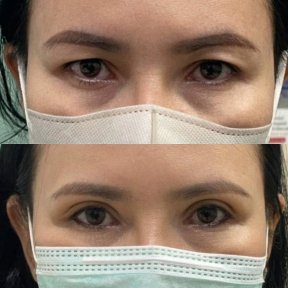
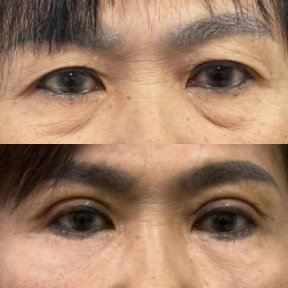
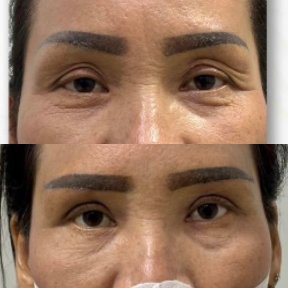
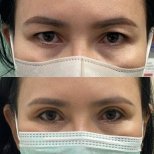
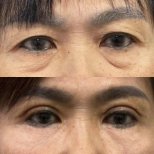
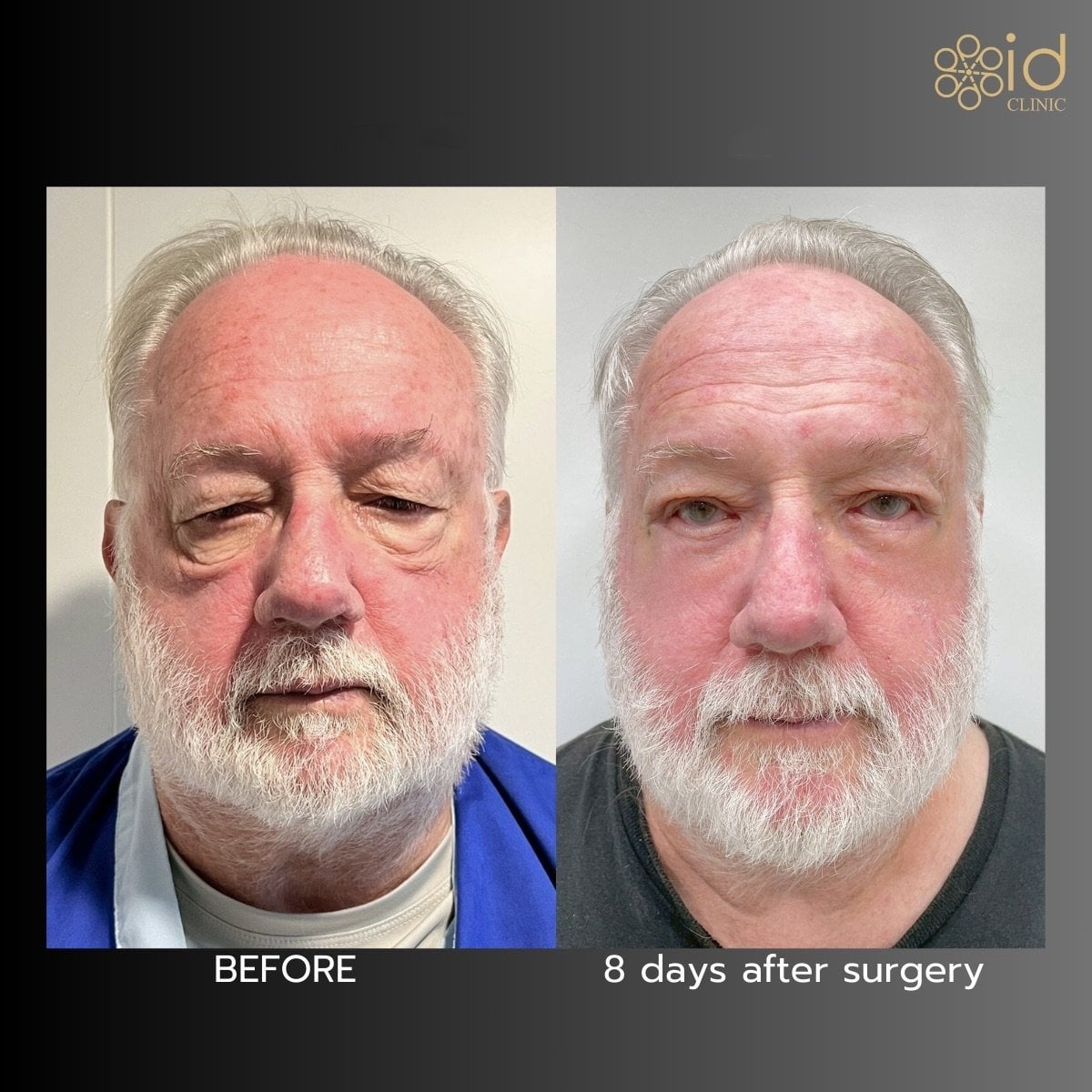
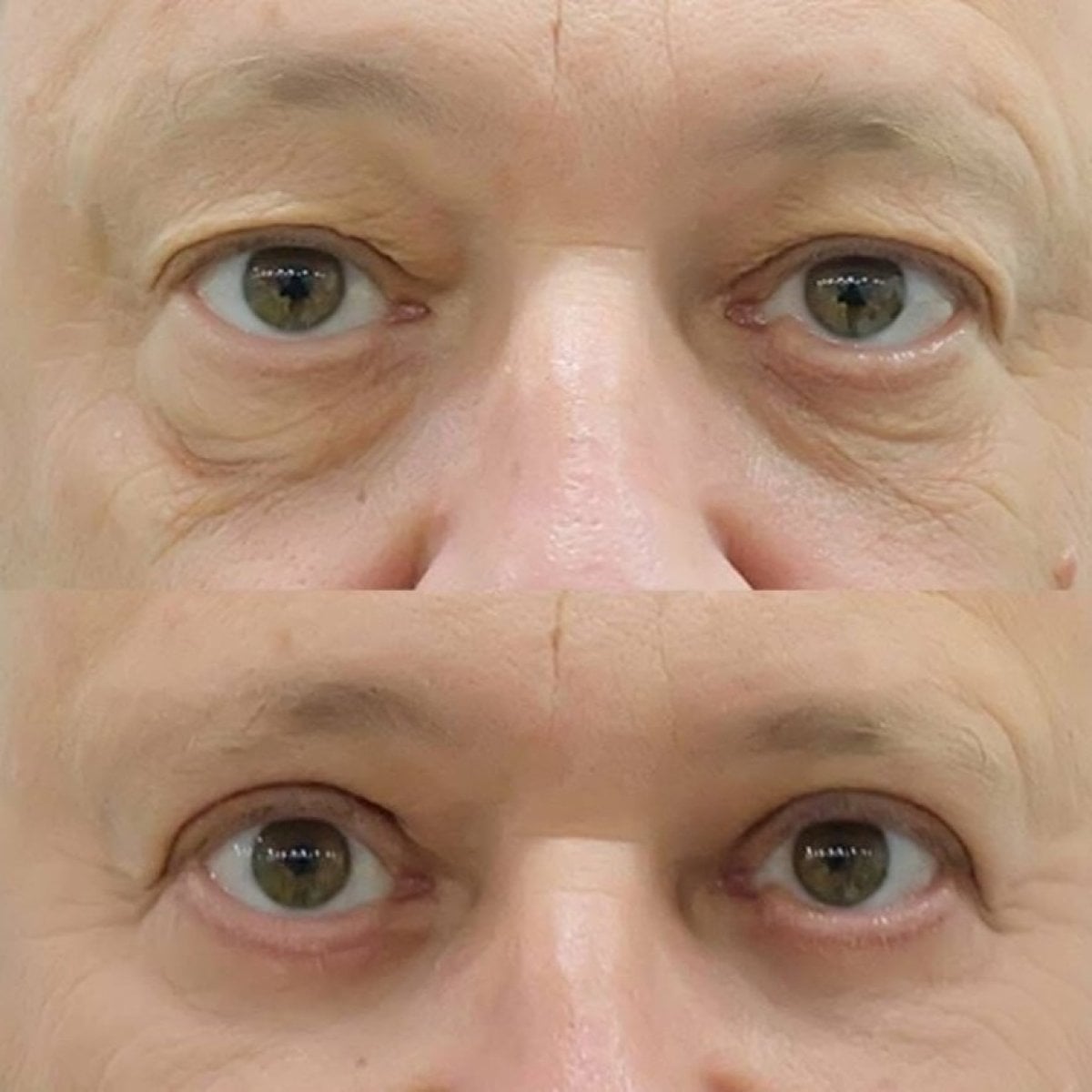
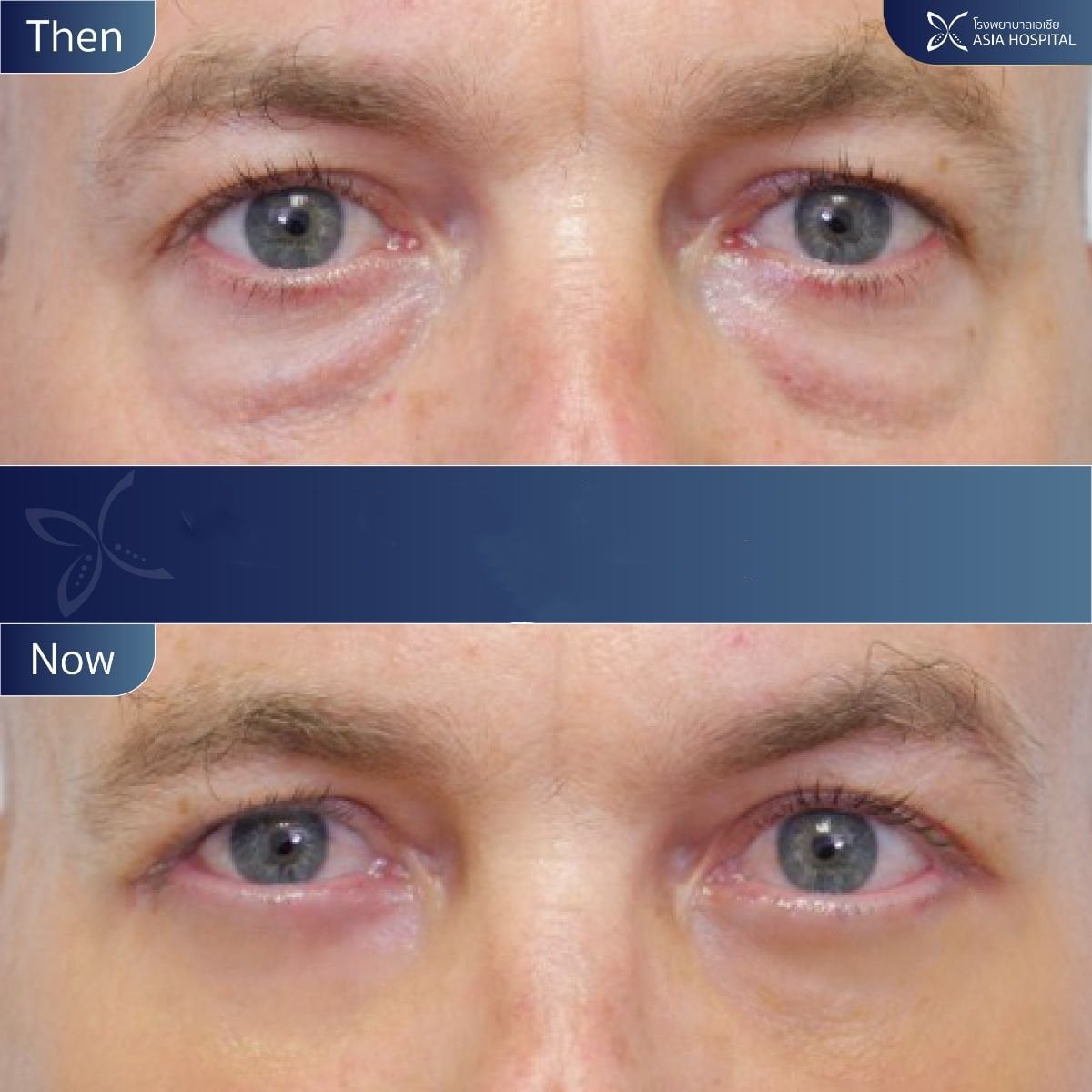
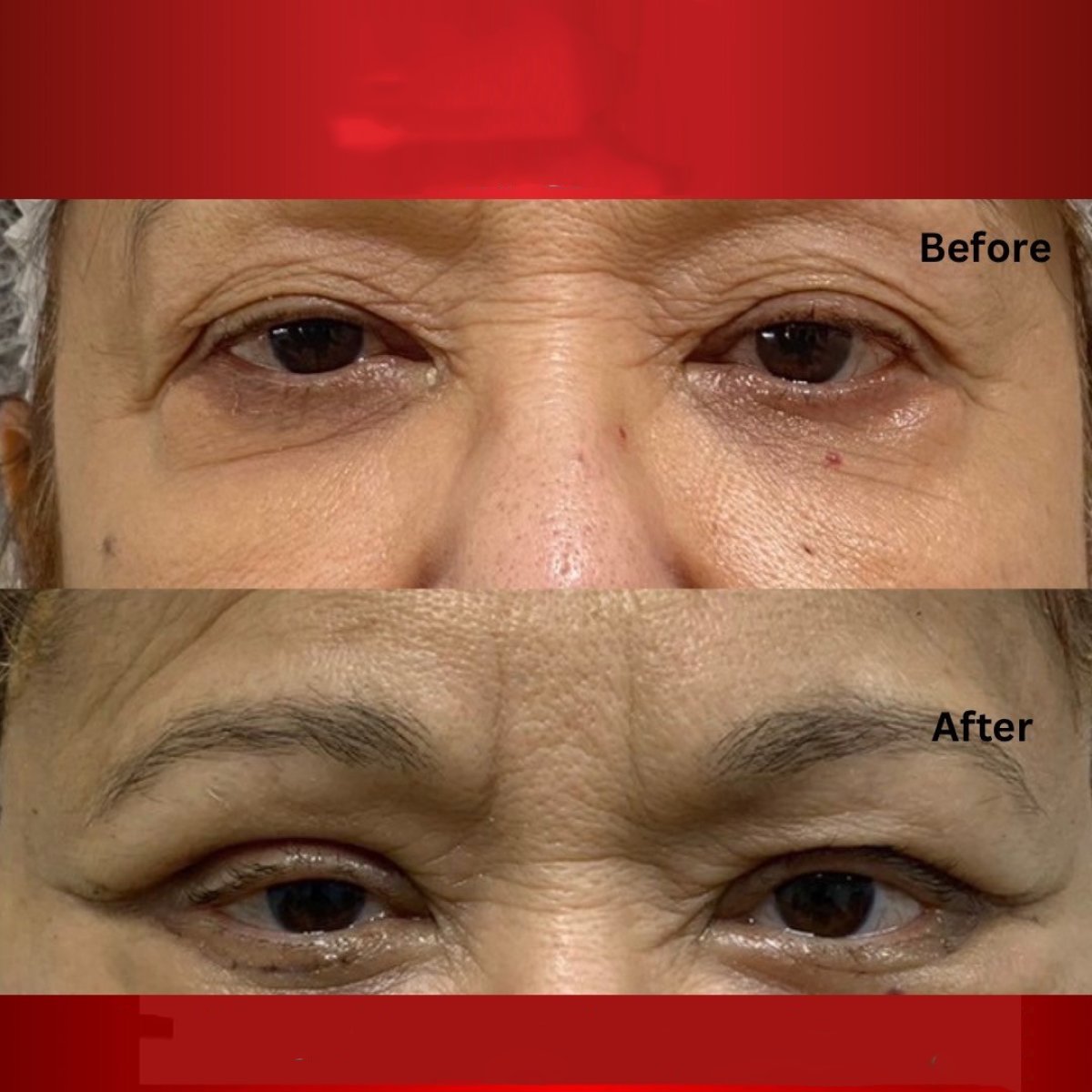
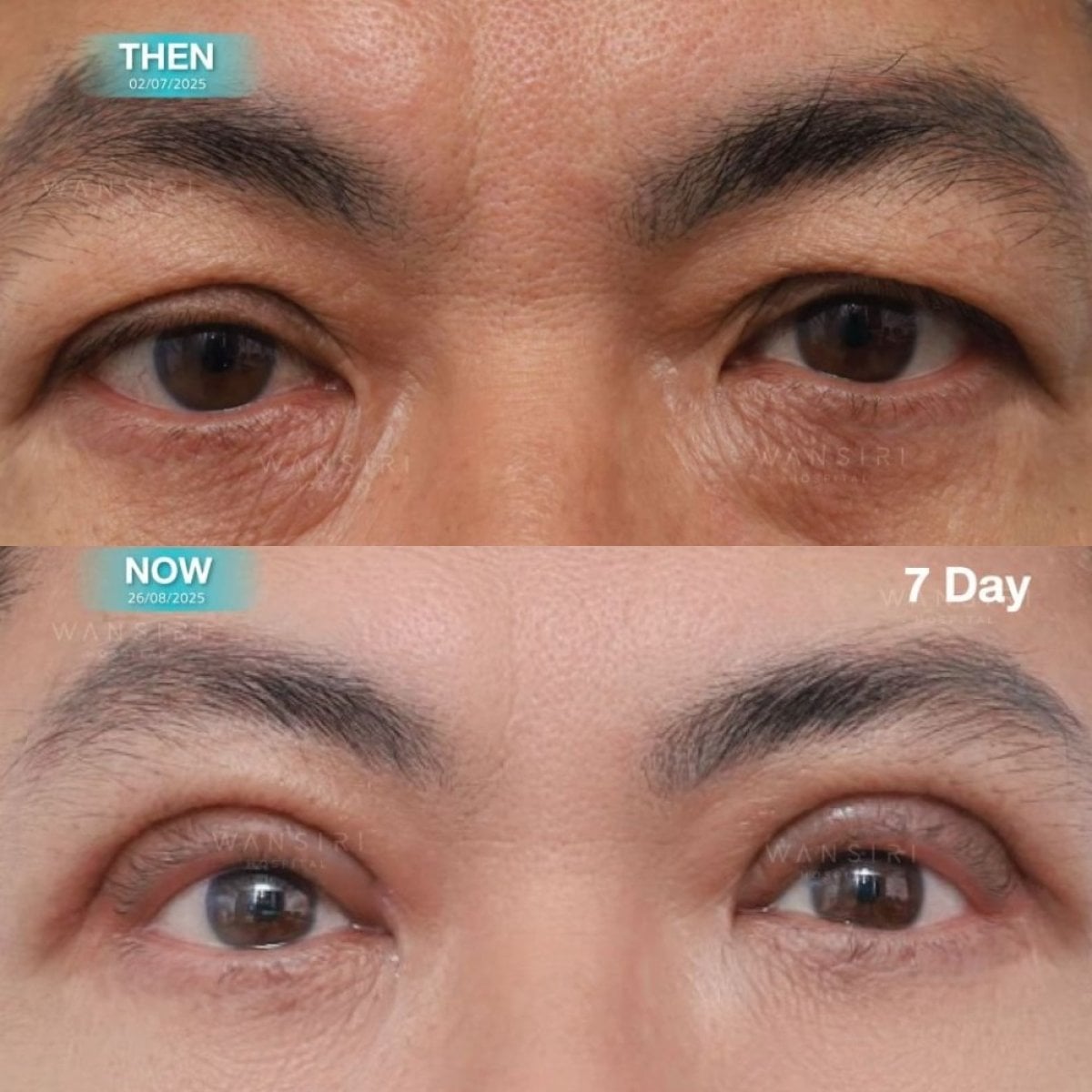
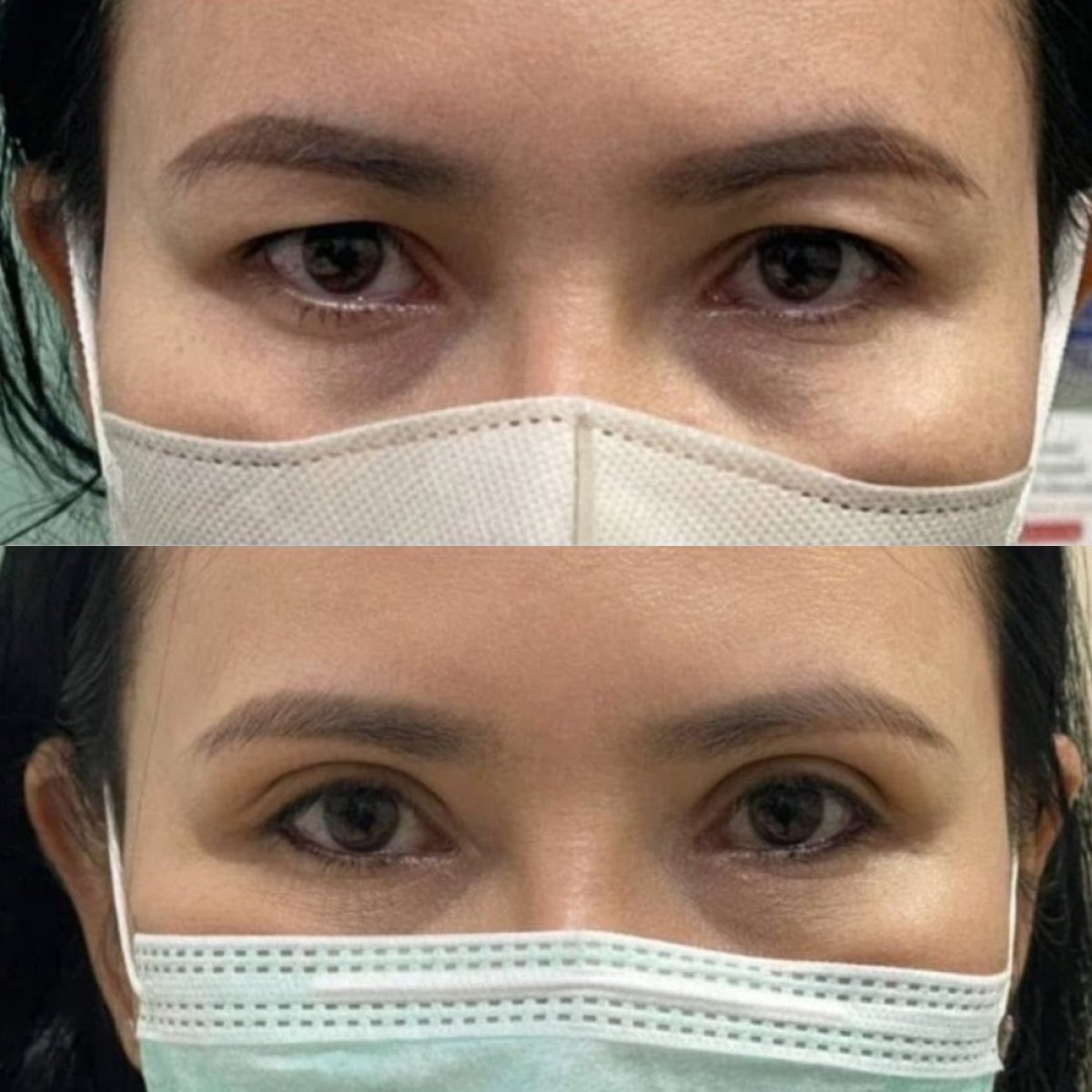
عادة ما تكون ندبات جراحة تجميل الجفون في تايلاند غير مرئية تقريبًا بمجرد التئامها تمامًا لأن الجراحين يضعون الشقوق بشكل استراتيجي داخل التشريح الطبيعي للعين. تقع ندبات الجفن العلوي داخل الثنية الطبيعية، بينما تحدث شقوق الجفن السفلي إما داخل الجفن أو أسفل خط الرموش مباشرة لإخفائها.
- موضع الجفن العلوي: يخفي الجراحون الشقوق داخل الثنية الطبيعية لضمان بقائها غير واضحة عند فتح العين.
- تقنيات الجفن السفلي: لا تترك الأساليب عبر الملتحمة أي ندبات خارجية عن طريق وضع الشقوق داخل الجفن السفلي.
- النهج تحت الرموش: تتبع الشقوق الخارجية خط الرموش السفلي، ويتم تمويهها بواسطة الرموش وخطوط الابتسام الطبيعية.
- الجدول الزمني للشفاء: عادة ما تصبح الندبات مسطحة وتتلاشى من اللون الوردي إلى لون الجلد بين 6 و 12 شهرًا.
رؤية خبير Bookimed: تخدم المستشفيات التايلاندية مثل Yanhee و Wansiri أكثر من 450,000 و 2,000 مريض سنويًا على التوالي، وكثير منهم يسعون لإجراء جراحة الجفون. تظهر البيانات أن كبار الجراحين مثل الدكتور تشين تشايتشارنشيب يحملون شهادات سنغافورية وكورية متقدمة في تقنيات الخياطة والشق. يسمح هذا التدريب المتخصص بغرز أدق بكثير، ولهذا السبب تحافظ عيادات مثل مستشفى آسيا التجميلي على معدل مضاعفات بعد الجراحة بنسبة 0%.
إجماع المرضى: يبلغ معظم المرضى أنه على الرغم من أن الشقوق تبدو حمراء أو منتفخة بعد حوالي 4-6 أسابيع، إلا أنهم يرون تحسنًا كبيرًا بحلول الشهر الثالث. تؤكد التعليقات الواقعية أنه عند إخفائها في الثنيات الطبيعية، تصبح هذه الندب