علاج مضاعفات السكتة الدماغية في النمسا: 2 مستشفيات


تمت مراجعة المقالة طبيا من قبل
فهد مولود
ما هي تكلفة مضاعفات السكتة الدماغية إجراءات التشخيص والعلاج في النمسا؟ اعرف الآن
مزاياك وضماناتك مع Bookimed
أسعار مباشرة
Bookimed لا يضيف رسوماً إضافية على أسعار علاج مضاعفات السكتة الدماغية. الأسعار مأخوذة من قوائم الأسعار الرسمية للعيادات. تدفع مباشرة في العيادة مقابل علاجك عند وصولك إلى البلد.
عيادات وأطباء معتمدون فقط
Bookimed ملتزم بسلامتك. نحن نعمل فقط مع المؤسسات الطبية التي تحافظ على معايير دولية عالية في علاج مضاعفات السكتة الدماغية ولديها التراخيص اللازمة لخدمة المرضى الدوليين في جميع أنحاء العالم.
مساعدة مجانية على مدار الساعة
Bookimed يقدم مساعدة خبراء مجانية. منسق طبي شخصي يدعمك قبل وأثناء وبعد العلاج، ويحل أي مشاكل. لن تكون وحيداً أبداً في رحلة علاج مضاعفات السكتة الدماغية.

منسقك الطبي الشخصي في Bookimed
- يدعمك في كل مرحلة
- المساعدة في اختيار العيادة الطبية المناسبة والطبيب المناسب
- يضمن الوصول السريع والمريح إلى المعلومات
اكتشف أفضل مضاعفات السكتة الدماغية العيادات في النمسا: 2 خيارات معتمدة والأسعار
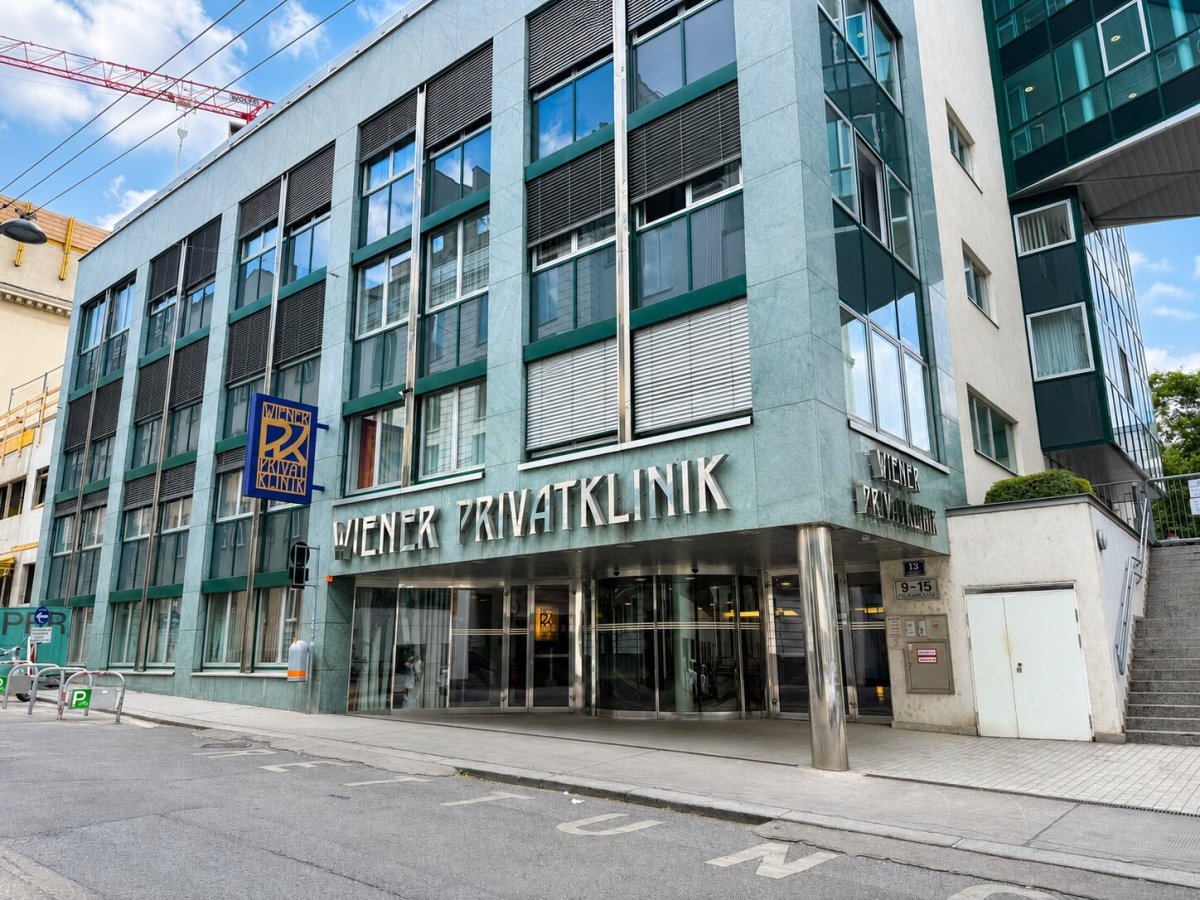



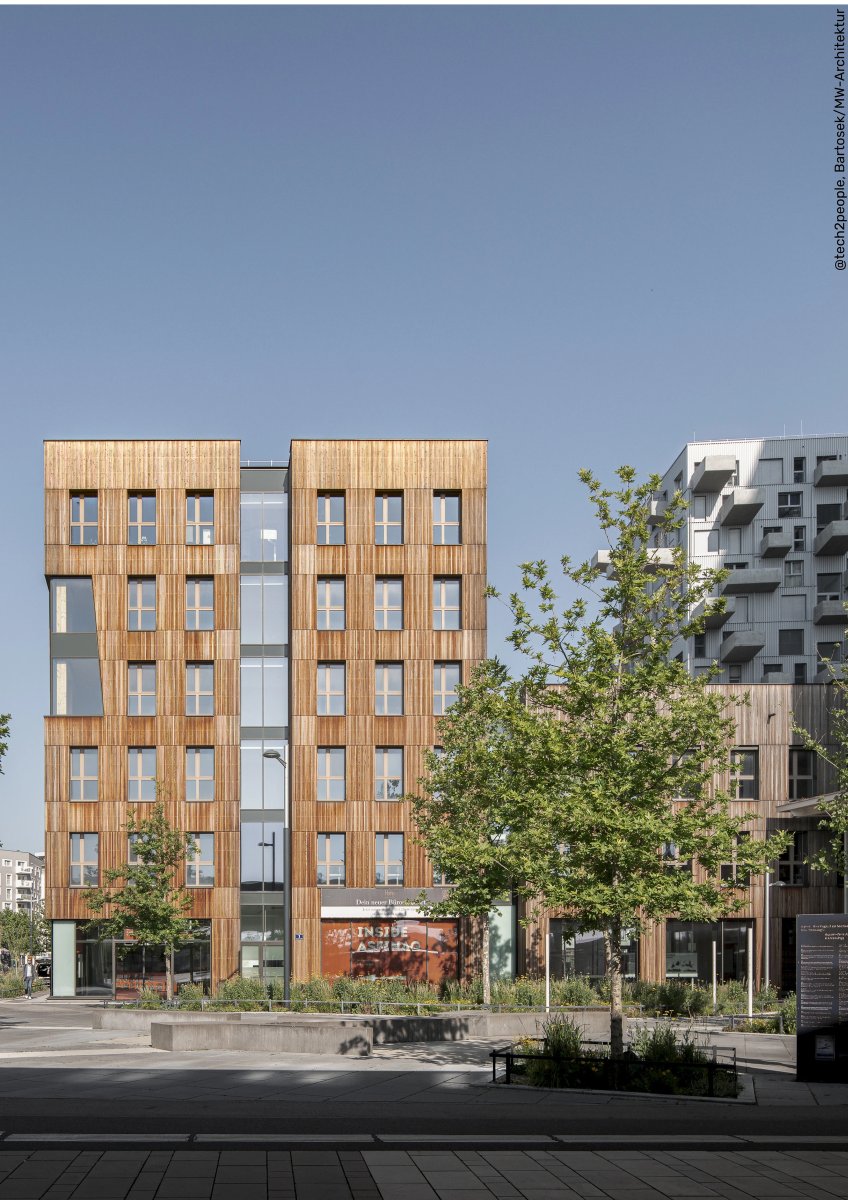
tech2people Therapiezentrum
احصلوا على تقييم طبي لـ مضاعفات السكتة الدماغية في النمسا: استشيروا أطباء ذوي خبرة الآن
عرض جميع الأطباء
Wilfried Lang
كان البروفيسور ويلفريد لانغ رائدًا في أساليب جديدة لعلاج السكتة الدماغية الحادة، وقد شكل ملامح طب الأعصاب الحديث في النمسا على مدى ثلاثة عقود.
- متخصص في طب الأعصاب الوعائي الدماغي وفيزيولوجيا السكتة الدماغية
- رئيس سابق لقسم الأعصاب في مستشفى Barmherzige Brüder في فيينا
- نشر العديد من الأبحاث حول إدارة السكتة الدماغية وإعادة التأهيل العصبي
- استشاري أول في عيادة Wiener Privatklinik مع التركيز على الوقاية من السكتة الدماغية
مشاركة المحتوى
قصص فيديو من مرضى Bookimed
 Anna Leonova
أسئلة متكررة حول علاج مضاعفات السكتة الدماغية في النمسا
كيف يتم الانتقال من رعاية السكتة الدماغية الحادة إلى علاج المضاعفات في النمسا؟
في النمسا، يتم الانتقال من الرعاية الحادة للسكتة الدماغية إلى علاج مضاعفاتها عبر وحدات متخصصة. تجمع هذه الوحدات بين التدخلات عالية الفعالية والإدارة الفورية للمضاعفات. ويضمن تتبع البيانات في الوقت الفعلي من خلال سجل وحدات السكتة الدماغية النمساوي تجنب 91% من المرضى للمضاعفات الطبية المبكرة بفضل البروتوكولات الموحدة.
- وحدات السكتة الدماغية المتكاملة: تجمع هذه المرافق بين الرعاية الطارئة والمراقبة المكثفة في وحدة واحدة.
- صيانة السجل الإلزامية: يقوم السجل النمساوي للسكتة الدماغية (ASUR) بتوثيق المضاعفات لتحسين العلاج.
- إمكانية الوصول إلى خدمات المتخصصين في مختلف المجالات: فرق من أطباء الأعصاب، وأطباء الأشعة العصبية، وجراحي الأعصاب ينسقون عملهم داخل منشأة طبية واحدة.
- إعادة التأهيل العصبي التدريجي: بمجرد استقرار حالة المرضى، ينتقلون على الفور إلى برامج علاجية منظمة للمرضى الداخليين لمدة 6 أسابيع.
رأي خبراء بوكيمد: في النمسا، تتركز الخبرة السريرية بشكل كبير في الأوساط الأكاديمية. على سبيل المثال، ساهم البروفيسور ويلفريد لانغ من مستشفى فيينا الخاص في إنشاء سجل وطني للسكتات الدماغية. هذا الانخراط العميق في المعايير الوطنية يعني أن المرضى في العيادات الخاصة يحصلون على نفس الب
ما هي العلاجات المتقدمة المتاحة لمضاعفات الحركة الشديدة مثل الشلل أو التشنج؟
تقدم العيادات النمساوية تقنيات تعديل الأعصاب وإجراءات جراحية عصبية متقدمة لاستعادة الحركة وتخفيف توتر العضلات. تشمل الخيارات الرئيسية واجهات الدماغ والحاسوب القابلة للزرع، وتحفيز العصب المبهم المزدوج، ومضخات الباكلوفين داخل القراب. يستخدم الأخصائيون هذه التقنيات لتجاوز الشبكات العصبية المتضررة وتحسين التحكم الإرادي بالعضلات.
- أجهزة تعديل الأعصاب: يجمع تحفيز العصب المبهم بين النبضات الكهربائية والعلاج لإنشاء مسارات عصبية جديدة.
- مضخات باكلوفين داخل القراب: تقوم المضخات بتوصيل الأدوية المضادة للتشنج مباشرة إلى السائل النخاعي لتقليل التصلب.
- التدريب على المشي باستخدام الروبوت: تساعد الأنظمة الروبوتية المتخصصة المرضى على ممارسة المشي واستعادة قوة الساق.
- قطع العصب الانتقائي: يقوم الجراحون بقطع فروع الأعصاب المفرطة النشاط بدقة لوقف الانقباضات العضلية القوية واللاإرادية.
رأي خبراء بوكيميد: تتفوق النمسا في مجال إعادة التأهيل العصبي بفضل أطباء الأعصاب البارزين، مثل الدكتور ويلفريد لانغ من عيادة فينر الخاصة، الذين يدمجون علم وظائف الأعصاب التشخيصي مع العلاج الداخلي. تُظهر بياناتنا أن المراكز النمساوية غالبًا ما تجمع بين بروتوكولات تسجيل السكتة الدماغية المتخصصة والتشخيصات القا
كيف يتم التعامل مع مشاكل النطق واللغة والإدراك في نظام إعادة تأهيل مرضى السكتة الدماغية في النمسا؟
في النمسا، يركز التأهيل بعد السكتة الدماغية على معالجة اضطرابات النطق والإدراك من خلال بروتوكولات فورية ومتعددة التخصصات. وتستخدم فرق متخصصة علاج النطق القائم على المرونة العصبية والتقييم النفسي العصبي. يبدأ العلاج في المرحلة الحادة، ويُجرى وفقًا لتوصيات الجمعية النمساوية للسكتة الدماغية في مؤسسات معتمدة لتحقيق أقصى قدر من نتائج التعافي.
- نهج تدريجي للعلاج: انتقال منهجي من الاستقرار الحاد إلى إعادة التأهيل المكثف لمدة 28 يومًا.
- العلاج النطقي: يعمل المتخصصون على استعادة مهارات إيجاد الكلمات والبلع باستخدام برامج اللغة الألمانية مثل Neolexon.
- التقييم المعرفي: يستخدم أخصائيو علم النفس العصبي اختبارات متخصصة للكشف عن الاختلالات الطفيفة في الانتباه والذاكرة.
- الفرق المتكاملة: يقوم أخصائيو العلاج الوظيفي بدمج التمارين المعرفية في الأنشطة الوظيفية اليومية للمرضى.
رأي خبراء بوكيمد: غالبًا ما تحدد القيادة السريرية جودة إعادة التأهيل في فيينا. ساهم الدكتور ويلفريد لانغ، من مستشفى فيينا الخاص، في إنشاء السجل الوطني للسكتات الدماغية. تضمن خبرته المزدوجة في الرعاية الحادة وطب الشيخوخة مراعاة العوامل المناسبة لكل فئة عمرية في العلاج المعرفي. تمنع هذه الخبرة المؤسسية إغفال أي قصور
هل توجد برامج إقليمية تقدم رعاية طويلة الأمد للمرضى الخارجيين بعد الخروج من المستشفى؟
تُقدّم البرامج الإقليمية النمساوية رعاية شاملة للمرضى الخارجيين للتعافي من السكتة الدماغية. ويبدأ التكامل حتى قبل الخروج من المستشفى. وتُنسّق شبكات الرعاية الصحية المحلية علم وظائف الأعصاب السريري وإعادة التأهيل العصبي. وتمنع هذه الأنظمة إعادة دخول المستشفى من خلال تسهيل الربط بين العلاج في المستشفى والتعافي في المنزل. وتضمن سجلات السكتة الدماغية الإقليمية متابعة موحدة في جميع المقاطعات.
- وحدات متخصصة: تقدم الفرق السريرية خدمات إعادة التأهيل على المدى الطويل في وحدات عصبية خارجية متخصصة.
- التتبع القائم على السجلات: تقوم سجلات السكتة الدماغية الإقليمية بتتبع تحسن حالة المرضى على المدى الطويل ونتائج العلاج.
- شبكات الأطباء: يشارك أكثر من 400 متخصص في فيينا في برامج إعادة تأهيل منسقة.
- المراقبة التشخيصية: تشمل البرامج التشخيص العصبي المستمر للاضطرابات الحركية والمعرفية بناءً على تخطيط كهربية الدماغ (EEG).
رأي خبراء بوكيمد: تكمن قوة النمسا في نظام الرعاية الصحية لديها، والذي يركز على البحث الأكاديمي. معظم أطباء الأعصاب ذوي الكفاءة العالية في البلاد، مثل الدكتور ويلفريد لانغ، هم أساتذة في جامعة فيينا الطبية. غالبًا ما يرأس هؤلاء الأخصائيون أقسامًا إقليمية لطب الشيخوخة الحاد
ما هي تدابير دعم الصحة النفسية التي يتضمنها برنامج التعافي من السكتة الدماغية في النمسا لمكافحة الاكتئاب والقلق؟
في النمسا، يدمج مركز إعادة تأهيل مرضى السكتة الدماغية الصحة النفسية من خلال بروتوكولات متخصصة لإعادة التأهيل العصبي. وتعالج فرق متعددة التخصصات الاكتئاب والقلق بعد السكتة الدماغية باستخدام العلاج السلوكي المعرفي والعلاج النفسي الداعم. ويشرف أطباء الأعصاب، مثل الدكتور ويلفريد لانغ من عيادة فينر الخاصة، على خطط العلاج العصبي والنفسي الشاملة هذه.
- الرعاية المتخصصة: يقوم أطباء الأعصاب الحاصلون على تدريب في الطب النفسي بعلاج اضطرابات المزاج إلى جانب إعادة تأهيل الوظائف الحركية.
- فرق متكاملة: تشمل برامج إعادة التأهيل الدعم النفسي بجانب سرير المريض للحفاظ على الدافعية.
- التقييم الوظيفي: يراقب الأطباء اللامبالاة والتهيج أثناء جلسات العلاج الطبيعي اليومية.
- التشخيص المتقدم: يساعد التشخيص العصبي القائم على تخطيط كهربية الدماغ على التمييز بين التغيرات الكيميائية الحيوية في الدماغ والقلق التفاعلي.
رأي خبراء بوكيمد: تُظهر البيانات السريرية أن رعاية مرضى السكتة الدماغية في النمسا تتميز بمركزية فريدة بفضل السجل الوطني. يضمن هذا النظام إجراء أخصائيين، مثل الدكتور ويلفريد لانغ، الذي ساهم في إنشاء السجل، تقييمات نفسية موحدة في المراحل المبكرة من التعافي. يُنصح المرضى بالتوجه إلى مرافق