علاج مضاعفات السكتة الدماغية في إسبانيا — احصل على 3 عيادات مختارة خصيصاً لك


تمت مراجعة المقالة طبيا من قبل
فهد مولود
كيف نعمل؟
ما هي تكلفة مضاعفات السكتة الدماغية إجراءات التشخيص والعلاج في إسبانيا؟ اعرف الآن
اكتشف أفضل مضاعفات السكتة الدماغية العيادات في إسبانيا: 3 خيارات معتمدة والأسعار



احصلوا على تقييم طبي لـ مضاعفات السكتة الدماغية في إسبانيا: استشيروا أطباء ذوي خبرة الآن
عرض جميع الأطباء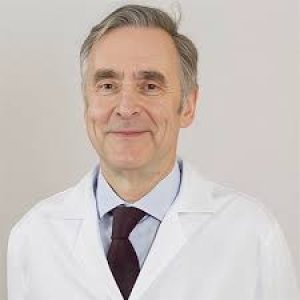
Oriol Franch
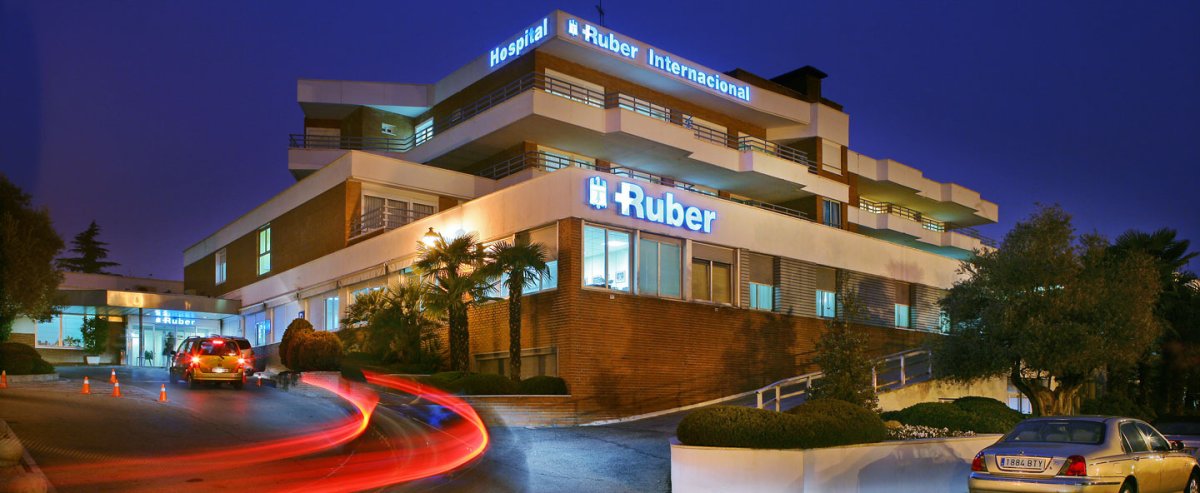
الدكتور أوريول فرانش يشغل منصب رئيس قسم الأعصاب في Hospital Ruber Internacional، كما يقود خدمة الأعصاب في Hospital La Luz (مدريد). وهو استشاري طب الأعصاب يركّز على الحالات التشخيصية المعقّدة وتقديم الآراء الطبية الثانية. تشمل اختصاصاته طب الأعصاب العيني، واضطرابات الحركة (بما في ذلك باركنسون)، والأمراض العصبية العضلية، والاضطرابات العصبية الجينية النادرة.
وهو عضو في الجمعية الإسبانية لطب الأعصاب (SEN)، والأكاديمية الأمريكية لطب الأعصاب (AAN)، والجمعية الأوروبية لطب الأعصاب (ENS). نشر م
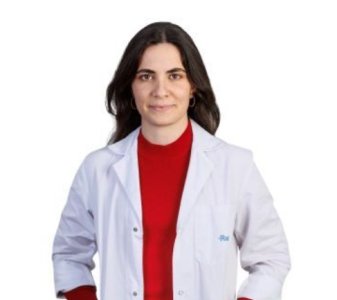
Irene Sánchez Miranda
مشاركة المحتوى
قصص فيديو من مرضى Bookimed
 Anna Leonova
أسئلة متكررة حول علاج مضاعفات السكتة الدماغية في إسبانيا
ما هي العلاجات المتخصصة المتاحة في إسبانيا لمضاعفات السكتة الدماغية؟
تشمل العلاجات المتخصصة في إسبانيا إعادة التأهيل العصبي عالي الكثافة، والتدريب الروبوتي على المشي، والتحفيز العصبي. تستخدم مراكز مثل مستشفى روبر الدولي (Hospital Ruber Internacional) تشخيصات متقدمة لاضطرابات الحركة. غالبًا ما تجمع البرامج بين تقنية Lokomat وواجهات الدماغ والحاسوب لاستعادة الوظائف الحركية والمعرفية. تستهدف الأساليب الميكانيكية الحيوية المتخصصة التجديد الفسيولوجي بشكل خاص.
- التدريب الروبوتي: يوفر Lokomat والهياكل الخارجية دعمًا مكثفًا لاستعادة المشي الميكانيكي.
- التحفيز العصبي: تربط واجهات الدماغ والحاسوب مثل recoveriX بين النية الذهنية والحركة الجسدية.
- إدارة التشنج: حقن توكسين البوتولينوم وبروتوكولات التمدد تخفف من تصلب العضلات الشديد.
- العلاج المعرفي: يعالج التأهيل النفسي العصبي ضعف الذاكرة والانتباه والوظائف التنفيذية.
رؤية خبير Bookimed: تقدم إسبانيا تباينًا فريدًا بين المستشفيات الكبيرة المعتمدة من اللجنة الدولية المشتركة (JCI) والعيادات المتخصصة الصغيرة. على سبيل المثال، يخدم مستشفى روبر الدولي 25,000 مريض سنويًا باستخدام التصوير عالي التقنية. في غضون ذلك، يعالج مركز الميكانيكا الحيوية للدكتور بلوم 120 مريضًا فقط ببروتوكولات مسجلة ببراءة اختراع. اختيار المستشفى ذو الحجم الكبير أفضل للتشخيصات المعقدة. المراكز الصغيرة مثالية للتعافي الحركي الميكانيكي الحيوي المركز.
إجماع المرضى: يشير المرضى إلى أنه من المهم طلب فريق إعادة تأهيل عصبي متعدد التخصصات. العمل مع معالجي النطق والمهنيين معًا غالبًا ما يؤد
ما مدى سرعة بدء إعادة التأهيل بعد السكتة الدماغية في إسبانيا؟
تبدأ إعادة التأهيل بعد السكتة الدماغية في إسبانيا في غضون 24 إلى 48 ساعة من بدايتها. تتطلب البروتوكولات السريرية التقييم والتحريك المبكر في وحدات السكتة الدماغية الحادة. يبدأ العلاج بمجرد وصول المريض إلى الاستقرار الطبي. تستفيد هذه البداية المبكرة من المرونة العصبية لتحسين نتائج التعافي.
- المرحلة الحادة: يبدأ العلاج الطبيعي بجانب السرير في غضون 48 ساعة من دخول المستشفى.
- الاستقرار الطبي: يسمح الأطباء للمرضى بالخروج بعد أن تؤكد الصور الطبية استقرار الحالة العصبية.
- رعاية المستشفى: تركز الأهداف الأولية على منع التيبس وقرح الفراش.
- الانتقال تحت الحاد: تتبع برامج المرضى الداخليين المكثفة عادةً في غضون 6 أسابيع بعد السكتة الدماغية.
رؤية خبير Bookimed: في حين تبدأ المستشفيات العامة الحركة بجانب السرير بسرعة، توفر المرافق الخاصة مثل مستشفى روبر الدولي (Hospital Ruber Internacional) ميزة متميزة للحالات المعقدة. فهي تجمع بين السلامة المعتمدة من JCI والوصول الفوري إلى متخصصين مثل الدكتور أوريول فرانش. هذه الخبرة عالية المستوى ضرورية لأن نجاح التحريك المبكر يعتمد على التقييم العصبي المتخصص، وليس فقط العلاج الطبيعي العام.
إجماع المرضى: يلاحظ المرضى أنه على الرغم من أن الحركة بجانب السرير تبدأ في اليوم التالي، يجب على العائلات طلب جلسات أكثر كثافة بنشاط. إن الحفاظ على الإصرار مع الفريق الطبي يضمن إحالات أسرع إلى برامج العيادات الخارجية المستمرة.
كم تستغرق مدة برنامج التعافي من السكتة الدماغية للمرضى الداخليين في إسبانيا؟
تستغرق برامج التعافي من السكتة الدماغية للمرضى الداخليين في إسبانيا عادةً ما بين 14 إلى 30 يومًا في المرافق العامة. غالبًا ما توفر مراكز إعادة التأهيل العصبي الخاصة المتخصصة خططًا شاملة تتراوح من 6 أسابيع إلى 3 أشهر. تعتمد المدة على شدة السكتة الدماغية وقدرة المريض على المشاركة في جلسات العلاج اليومية.
- البرامج العامة: يبلغ متوسط الإقامات المكثفة عادةً من 16 إلى 21 يومًا في وحدات مرجعية متخصصة.
- إعادة التأهيل الخاص: غالبًا ما تقوم المراكز المتخصصة بهيكلة برامج تمتد من 30 إلى 90 يومًا للتعافي.
- الكثافة اليومية: توفر البرامج القياسية عالية الكثافة 3 ساعات من العلاج الطبيعي وعلاج النطق النشط.
- معايير الخروج: تعتمد مدة الإقامة غالبًا على تحقيق معالم في المشي والبلع والرعاية الذاتية.
رؤية خبير Bookimed: تدمج المراكز الإسبانية مثل مستشفى روبير الدولي (Hospital Ruber Internacional) تشخيصات متقدمة بما في ذلك التصوير بالرنين المغناطيسي 3-تسلا وفرق أعصاب متخصصة لتحسين جداول التعافي. تظهر البيانات أن المرافق الخاصة في مدريد أو ماربيا غالبًا ما تتعامل مع أحجام مرضى أقل من الأجنحة العامة. وهذا يسمح بتعديلات علاجية أكثر تخصيصًا. يجب على المرضى البحث عن مرافق معتمدة من اللجنة الدولية المشتركة (JCI) لضمان معايير السلامة الدولية أثناء التنقل في نافذة التعافي المكثف لمدة 3 أشهر.
إجماع المرضى: يلاحظ المرضى أن الإقامة الأولية في المستشفى غالبًا ما تبدو أقصر مما كان متوقعًا. يحدث العمل الحقيقي خلال مرحلة إعادة التأهيل المنفصلة حيث يحدد ا
أين تقع أفضل مراكز علاج السكتة الدماغية في إسبانيا؟
تقع أفضل مراكز علاج السكتة الدماغية في إسبانيا في مدريد وبرشلونة. تضم هذه المدن مرافق معتمدة من قبل اللجنة الدولية المشتركة (JCI) تقدم خدمات طوارئ عصبية على مدار الساعة طوال أيام الأسبوع. توفر مراكز متخصصة في ماربيا وبامبلونا إعادة تأهيل عصبي متقدمة. تستخدم المستشفيات الرائدة استئصال الخثرة الميكانيكي وبروتوكولات التعافي بمساعدة الروبوت.
- مستشفى روبر الدولي (Hospital Ruber Internacional): مرفق في مدريد يقدم خدمات طوارئ عصبية على مدار الساعة ورعاية معتمدة من JCI.
- القيادة في طب الأعصاب المتخصص: يقود الدكتور أوريول فرانش التشخيصات المعقدة والرعاية الوعائية العصبية في مدريد.
- مراكز إعادة التأهيل المتقدمة: يستخدم مركز الميكانيكا الحيوية للدكتور بلوم في ماربيا طرقاً حاصلة على براءة اختراع للتعافي الحركي.
- التشخيص عالي الكفاءة: توفر المراكز الإسبانية تصوير بالرنين المغناطيسي بقوة 3 تسلا وتصوير عصبي متخصص للاستجابة السريعة للسكتة الدماغية.
رؤية خبير Bookimed: تتميز مدريد بقدرة رعاية عالية، حيث يدير مستشفى روبر الدولي أكثر من 25,000 مريض سنوياً. بينما تعد برشلونة مركزاً رئيسياً، غالباً ما توفر المرافق الخاصة في مدريد وصولاً أسرع إلى الفرق متعددة التخصصات. الدكتور أوريول فرانش هو متخصص رئيسي هنا للحصول على آراء ثانية معقدة.
إجماع المرضى: يؤكد المرضى أن الوصول السريع إلى فرق التدخل العصبي أمر حيوي للتعافي. يُفضل المستشفيات الجامعية ذات الحجم الكبير في المدن الكبرى لمسارات طوارئ السكتة الدماغية المتاحة على مدار الساعة.
هل تستوعب برامج إعادة التأهيل الإسبانية المرضى الناطقين بالإنجليزية؟
توفر برامج إعادة التأهيل الإسبانية تسهيلات كبيرة للمرضى الناطقين بالإنجليزية من خلال فرق طبية ثنائية اللغة وأقسام دولية مخصصة. تستخدم المرافق الخاصة في مدريد وماربيا بروتوكولات معتمدة من اللجنة الدولية المشتركة (JCI). يتمتع كبار أطباء الأعصاب مثل الدكتور أوريول فرانش في مستشفى روبر الدولي بطلاقة في اللغة الإنجليزية، مما يضمن تواصلاً واضحاً للتعافي من السكتة الدماغية.
- طلاقة الطاقم الطبي: غالباً ما يتمتع كبار أطباء الأعصاب والاستشاريون بإتقان كامل للغة الإنجليزية.
- التنسيق الدولي للمستشفيات: توظف المراكز الخاصة الكبرى منسقين مخصصين للتعامل مع الخدمات اللوجستية باللغة الإنجليزية.
- عيادات التعافي المتخصصة: تعالج المراكز في ماربيا بشكل متكرر مرضى دوليين من الولايات المتحدة والإمارات العربية المتحدة.
- الاعتماد اللغوي: تتبع المستشفيات المعتمدة من JCI المعايير العالمية لتواصل المرضى وسلامتهم.
رؤية خبير Bookimed: في حين أن المستشفيات الكبرى مثل مستشفى روبر الدولي تتعامل مع أكثر من 90,000 استشارة سنوية بطاقم ثنائي اللغة، فإن المراكز المتخصصة الأصغر تقدم مزايا فريدة. يخدم مركز الميكانيكا الحيوية للدكتور بلوم في ماربيا 120 مريضاً فقط سنوياً. يضمن هذا الحجم الأقل اهتماماً أكثر تخصيصاً للمتحدثين بالإنجليزية على الرغم من صغر حجم الفريق.
إجماع المرضى: يشير المرضى إلى أنه على الرغم من أن الأطباء الرئيسيين يتحدثون الإنجليزية بامتياز، إلا أن تمارين العلاج الطبيعي وأوراق الخروج تظل أحياناً باللغة الإسبانية. من المفيد طلب ترجمات مكتوبة
كم ساعة علاج يتلقاها المرضى يومياً في إسبانيا؟
يتلقى مرضى السكتة الدماغية في إسبانيا عادةً من 3 إلى 4 ساعات من العلاج المكثف يومياً في مراكز إعادة التأهيل المتخصصة للمرضى الداخليين. تشمل هذه الرعاية متعددة التخصصات العلاج الطبيعي، والعلاج الوظيفي، وعلاج النطق. تستغرق الجلسات الخارجية القياسية في العيادات العامة الإسبانية عادةً من 30 إلى 45 دقيقة يومياً.
- إعادة التأهيل المكثف: يخضع المرضى عادةً لـ 3 إلى 4 ساعات من التحفيز متعدد التخصصات يومياً.
- هيكل العلاج: تجمع جداول العلاج اليومية بين جلسات العلاج الطبيعي، والعلاج الوظيفي، وعلاج النطق المتخصص.
- مقدمو الخدمات السريرية: تقدم المراكز المعتمدة من JCI مثل مستشفى روبر الدولي (Hospital Ruber Internacional) خدمات طب الأعصاب والتشخيص المتخصصة.
- العيادات الخارجية العامة: تستغرق الجلسات في النظام العام عادةً من 30 إلى 45 دقيقة فقط.
رؤية خبير Bookimed: بينما تدير المراكز ذات السعة العالية مثل مستشفى روبر الدولي أكثر من 25,000 مريض سنوياً، تختلف كثافة العلاج حسب المنشأة. تركز المراكز المتخصصة الأصغر مثل مركز دكتور بلوم للميكانيكا الحيوية (Dr. Blums Biomechanics Center) على حجم منخفض من المرضى يبلغ 120 مريضاً سنوياً. غالباً ما تستخدم هذه العيادات الأصغر طرقاً حاصلة على براءة اختراع للتركيز على تعافي ميكانيكي حيوي محدد.
إجماع المرضى: يشير المرضى إلى أن جلسات العلاج غالباً ما تكون أخف أو غير متاحة تماماً خلال عطلات نهاية الأسبوع. يوصي الكثيرون بطلب ممارسة إضافية للمشي أو تمارين اليد للحفاظ على التقدم عندما يكون الموظفون أقل تو
هل يمكن لأفراد الأسرة البقاء مع المرضى أثناء إعادة التأهيل من السكتة الدماغية في المستشفى؟
بشكل عام، لا يمكن لأفراد الأسرة المبيت في مرافق المستشفيات الإسبانية. ومع ذلك، غالبًا ما توفر المراكز غرفًا خاصة أو أجنحة فاخرة لتسهيل المشاركة أثناء النهار. يتم تشجيع الحضور بشدة لدعم التعافي على المدى الطويل. غالبًا ما تشرك العيادات المتخصصة الأسرة في فرق الرعاية متعددة التخصصات لتدريب مقدمي الرعاية في المستقبل.
- أنواع الغرف: يوفر مستشفى روبير الدولي (Hospital Ruber Internacional) 108 غرف خاصة و15 جناحًا فاخرًا.
- المشاركة السريرية: غالبًا ما ينضم الأقارب إلى العلاج الطبيعي أو علاج النطق لتعلم تقنيات التعامل الآمن.
- استثناءات المبيت: قد يتم تخفيف السياسات للمرضى الذين يعانون من حبسة كلامية شديدة أو مخاطر عالية للسقوط.
- التنسيق مع الموظفين: يساعد أفراد الأسرة في التغذية وتفسير الاحتياجات أثناء عملية التعافي.
رؤية خبير Bookimed: تركز المستشفيات الإسبانية الخاصة مثل مستشفى روبير الدولي بشكل كبير على راحة المريض مع أكثر من 100 غرفة خاصة. تجعل هذه البنية التحتية مشاركة الأسرة أثناء النهار أسهل بكثير مما هي عليه في المرافق العامة. غالبًا ما تسمح المراكز ذات الحجم الكبير بمرافق واحد معين إذا كان ذلك يقلل من هياج المريض. هذا أمر شائع للمرضى الدوليين الذين يديرون تشخيصات عصبية معقدة في مدريد.
إجماع المرضى: يشير المرضى إلى أن التواجد أثناء جلسات العلاج أمر حيوي لتعلم روتين الرعاية المنزلية. يوصون بالسؤال تحديدًا عن توفر كراسي الاستلقاء إذا أصبح المبيت ضروريًا من الناحية الطبية.