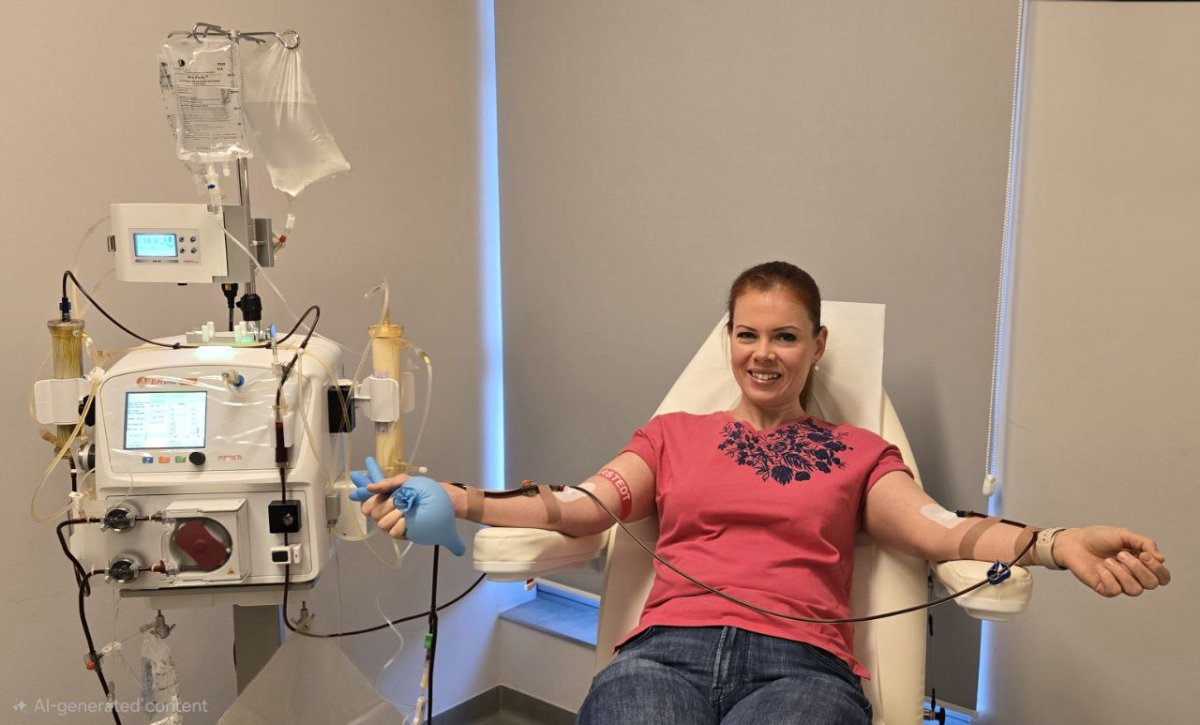
DNTRIPLED Medical Services مركز العلاج بالأفريز العلاجي
بولندا, وارسو


تمت مراجعة المقالة طبيا من قبل
فهد مولود
Bookimed لا يضيف رسوماً إضافية على أسعار علاج مرض التنكس العصبي. الأسعار مأخوذة من قوائم الأسعار الرسمية للعيادات. تدفع مباشرة في العيادة مقابل علاجك عند وصولك إلى البلد.
Bookimed ملتزم بسلامتك. نحن نعمل فقط مع المؤسسات الطبية التي تحافظ على معايير دولية عالية في علاج مرض التنكس العصبي ولديها التراخيص اللازمة لخدمة المرضى الدوليين في جميع أنحاء العالم.
Bookimed يقدم مساعدة خبراء مجانية. منسق طبي شخصي يدعمك قبل وأثناء وبعد العلاج، ويحل أي مشاكل. لن تكون وحيداً أبداً في رحلة علاج مرض التنكس العصبي.


 Anna Leonova
توفر بولندا تدخلات جراحية عصبية متقدمة لمرض باركنسون وخلل التوتر العضلي المقاوم للأدوية. يعد التحفيز العميق للدماغ (DBS) هو الخيار الجراحي القياسي. كما يقدم المتخصصون الموجات فوق الصوتية المركزة الموجهة بالرنين المغناطيسي (MRgFUS) غير الجراحية. تستهدف هذه الإجراءات مناطق الدماغ لتقليل الرعشات وتشنجات العضلات بفعالية.
رؤية خبير Bookimed: بينما يركز الكثيرون على الجراحة نفسها، تظهر بياناتنا أن العيادات في وارسو وكراكوف تتخصص في علامات تجارية معينة للأجهزة. كان المتخصصون البولنديون مثل الدكتور ميروسلاف زابيك في مستشفى ميديكوفر روادًا في هذه التقنيات. يعد اختيار مركز يتمتع بخبرة كبيرة في البرمجة أمرًا حيويًا لأن ضبط الجهاز يحدد النجاح على المدى الطويل.
إجماع المرضى: يشير المرضى إلى أن اجتياز اختبارات الأهلية الرسمية هو العقبة الأكبر. يؤكد الكثيرون أن التحسن الحركي لخلل التوتر العضلي قد يستغرق أشهرًا للظهور بعد الإجراء الأولي.
يتوفر العلاج بالخلايا الجذعية قانونياً في بولندا للأمراض التنكسية العصبية من خلال مسارات تنظيمية محددة. يمكن للمرضى الوصول إلى هذه العلاجات عبر التجارب السريرية المسجلة أو الإعفاءات الاستشفائية (ATMP-HE). يجب أن تتوافق هذه الإجراءات مع معايير وكالة الأدوية الأوروبية وتتطلب موافقة لجنة أخلاقيات البيولوجيا المحلية.
رؤية خبير Bookimed: تحتل بولندا المرتبة الرابعة عالمياً في طلبات المرضى على منصتنا، مما يظهر ثقة تنظيمية عالية. على الرغم من وجود 87 عيادة تعمل على المستوى الوطني، تظل العلاجات التنكسية العصبية تجريبية وتفتقر إلى التمويل الحكومي. يجب على المرضى إعطاء الأولوية للعيادات في المراكز الكبرى مثل وارسو التي تحتفظ بتراخيص تصنيع GIF نشطة.
إجماع المرضى: تشير العائلات إلى أن التوفر لا يعني دائماً التحقق الطبي أو ضمان تحسن بنسبة 100%. ينصح الكثيرون بالتحقق بدقة من أنواع الخلايا المستخدمة والبحث عن أدلة سريرية منشورة قبل الحجز.
تعد وارسو وكراكوف وجيلينيا غورا المراكز الرئيسية لطب الأعصاب المتخصص في بولندا. تشمل المرافق الرائدة مستشفى ميديكوفر (Medicover Hospital) ومركز كارولينا الطبي (Carolina Medical Center). تقدم هذه المراكز رعاية معتمدة من اللجنة الدولية المشتركة (JCI). وهي متخصصة في تشخيص مرض باركنسون، وجراحة العمود الفقري بالمنظار، وإعادة التأهيل العصبي الروبوتي للمرضى الدوليين.
رؤية خبير Bookimed: على الرغم من أن بولندا تحتل المرتبة الرابعة عالمياً في شبكتنا لطلبات الخدمة، إلا أن المرضى غالباً ما يتجاهلون العيادات المتخصصة الأحدث مثل Modern Apheresis في وارسو. تأسس هذا المركز في عام 2024. ويركز على تقنيات تنقية الدم التي يتم بحثها بشكل متزايد لإدارة أعراض التنكس العصبي.
إجماع المرضى: يوصي المرضى باختيار المستشفيات التعليمية الكبرى في وارسو أو كراكوف بدلاً من العيادات الإقليمية الأصغر. ويشيرون إلى أن حجز استشارة أولية خاصة يوفر عادةً وصولاً أسرع بكثير إلى التشخيصات المتقدمة مثل تحليل السائل النخاعي (CSF) والتصوير بالرنين المغناطيسي.
يتحدث أطباء الأعصاب البولنديون في العيادات الخاصة الإنجليزية بطلاقة بشكل عام. يتلقى معظم الأطباء تدريبًا طبيًا بالكامل باللغة الإنجليزية. وهم يشاركون في الأبحاث السريرية العالمية والتجارب الدولية. تلبي المرافق الخاصة في مدن مثل وارسو احتياجات المرضى الدوليين بشكل خاص. تظل الاتصالات مهنية وعملية للمواضيع العصبية المعقدة.
رؤية خبير Bookimed: بولندا وجهة ذات تصنيف عالٍ تضم 87 عيادة تلبي الطلبات الدولية. في حين أن الأطباء يتحدثون بطلاقة عالية، يمكن أن يكون التواصل الإداري لرعاية الأعصاب صعبًا. يجب على المرضى طلب ملخصات مكتوبة باللغة الإنجليزية فورًا بعد الاستشارات. وهذا يضمن فهم كل نتيجة تصوير أو تغيير في الدواء بوضوح من قبل جميع مقدمي الرعاية.
إجماع المرضى: يشير المرضى إلى أن اللغة الإنجليزية الطبية قوية بين المتخصصين في المدن الكبرى. ويوصون بإحضار مرافق ثنائي اللغة لتفاصيل الخروج لتجنب أي فجوات لغوية مع طاقم التمريض.
عادةً ما يبقى المرضى الدوليون في بولندا لمدة تتراوح بين 9 إلى 14 يوماً لإجراء جراحات الأعصاب الكبرى. تغطي هذه الفترة التحضير قبل الجراحة، والإجراء الجراحي، والمراقبة الحاسمة بعد الجراحة. غالباً ما تتطلب الحالات المعقدة مثل بضع القحف أو التحفيز العميق للدماغ ما يصل إلى أسبوعين لضمان السلامة.
رؤية خبير Bookimed: أصبحت بولندا مركزاً طبياً مهماً يضم 87 عيادة متخصصة في الرعاية المعقدة. بينما يخطط العديد من المرضى لرحلة مدتها 10 أيام، تظهر بياناتنا اتجاهاً حيث تتضمن النتائج الأكثر نجاحاً نافذة زمنية مدتها 14 يوماً. يسمح هذا الوقت الإضافي بإجراء متابعات خارجية محلية حاسمة في مدن مثل وارسو قبل المغادرة.
إجماع المرضى: يؤكد المرضى أن السفر غالباً ما يكون الجزء الأكثر صعوبة في الاستعجال. يوصون بإحضار مقدم رعاية وحجز رحلات عودة مرنة لتجنب التوتر خلال مرحلة التعافي.
تركز بولندا أبحاث الزهايمر على التشخيص المبكر والعلاجات الموجهة من خلال اتحادات تقودها أوروبا. تشمل مجالات البحث الرئيسية مترافقات الأجسام المضادة والأدوية في جامعة فروتسواف للعلوم والتكنولوجيا. يستهدف العلماء هناك لويحات الأميلويد مع تقليل الآثار الجانبية. وتجري مراكز في وارسو تجارب بشرية لحقن بروتين تاو.
رؤية خبير Bookimed: بينما يبحث الكثيرون عن علاجات دراماتيكية، تكمن قوة البحث الحقيقية في بولندا في البنية التحتية للتشخيص المبكر. تظهر بيانات Bookimed أن بولندا تحتل المرتبة الرابعة عالمياً في طلبات المرضى. يدعم هذا الحجم الكبير عيادات متخصصة مثل Moderne Apherese في وارسو. تعمل هذه المراكز على سد الفجوة بين البحث الأكاديمي والتطبيق السريري لحالات التنكس العصبي.
إجماع المرضى: يشير المرضى إلى أن حدود البحث الأكثر عملية في بولندا تتضمن التسجيل في التجارب السريرية متعددة الجنسيات. يؤكد الكثيرون على أهمية البحث عن دراسات من خلال المستشفيات الجامعية الأكاديمية بدلاً من العيادا
تُقدم جراحة الأعصاب في بولندا رعاية عالية الجودة في مرافق معتمدة من قبل اللجنة الدولية المشتركة (JCI) والمنظمة الدولية للمعايير (ISO). يلتزم جراحو الأعصاب البولنديون بمعايير تدريب صارمة معتمدة من قبل الاتحاد الأوروبي. وقد أكمل العديد منهم زمالات في الولايات المتحدة أو ألمانيا. وتتوفر التقنيات المتقدمة، مثل جهاز سايبر نايف وجهاز جاما نايف والأنظمة الروبوتية، على نطاق واسع في المراكز الخاصة.
رأي خبراء بوكيمد: تُظهر البيانات وجود علاقة وثيقة بين تخصص العيادة وأصول مرضاها. تعالج عيادة KCM أكثر من 700 مريض دولي سنويًا، وهي متخصصة في جراحة العمود الفقري طفيفة التوغل. يُمكّنها هذا الحجم من العمل من تقديم باقات خدمات متخصصة، تشمل غالبًا حواجز تشخيصية وزرعات محددة،
يُعدّ جراحو الأعصاب البولنديون متخصصين ذوي كفاءة عالية، إذ أتموا ما لا يقل عن 13 عامًا من التدريب الطبي المكثف. يشمل ذلك ست سنوات من الدراسة في كلية الطب، و13 شهرًا من التدريب العملي، وست سنوات من الإقامة. ويجب عليهم اجتياز امتحان التخصص الحكومي (PES)، وغالبًا ما يحصلون على شهادة من الجمعية الأوروبية لجمعيات جراحة الأعصاب (EANS).
رأي خبراء بوكيميد: تشير البيانات إلى أن جراحي الأعصاب البولنديين غالبًا ما يتخصصون في تقنيات بالغة التخصص، مثل نظام ApiFix أو نظام SED-YESS لتنظير الفقرات القطنية. ويجمع أخصائيون مثل الدكتور ستانيسواف كويك من عيادة KCM بين أبحاث ما بعد الدكتوراه والممارسة الجراحية النشطة. هذا المزيج من المعرفة الأكاديمية المتعمقة والخبرة الجراحية الوا
من بين أفضل عيادات جراحة الأعصاب في بولندا مستشفى كارولينا، وعيادة KCM، ومراكز أكاديمية رائدة مثل مستشفى جامعة كراكوف. تقدم هذه المؤسسات علاجات متطورة لأمراض العمود الفقري والدماغ، مطابقة لمعايير الجودة ISO، وتضم أخصائيين أعضاء في منظمات دولية مثل AO Spine.
رأي خبراء بوكيمد: بينما يتجه الكثيرون إلى أكبر المستشفيات، تُظهر البيانات أن عيادات مثل مستشفى كارولينا تُقدم كفاءة أعلى في العمليات الجراحية الاختيارية. فمع وجود أكثر من 40 طبيباً متخصصاً في هذه المنشأة التي تضم 30 سريراً، تكون نسبة الأطباء إلى المرضى أعلى بكثير مما هي عليه في المراكز الجامعية الحكومية. وهذا يعني رعاية ما بعد الجراحة أكثر عناية، وجدولة أسرع بكثير لإجراءات مثل علاج الانزلاق الغضروفي
في بولندا، يركز طب جراحة الأعصاب بشكل أساسي على جراحات العمود الفقري واستئصال أورام الدماغ. وتُجري المستشفيات بشكل متكرر عمليات استئصال القرص المجهرية، ودمج الفقرات، وتحفيز الدماغ العميق. وتستخدم مراكز مثل مستشفى كارولينا وعيادة كي سي إم تقنيات طفيفة التوغل لعلاج الانزلاق الغضروفي، وإصابات العمود الفقري، والاضطرابات العصبية المعقدة.
رأي خبراء بوكيميد: أصبحت بولندا مركزًا متخصصًا في تثبيت العمود الفقري. تتعاون عيادات مثل مستشفى كارولينا مع الفرق الرياضية الوطنية، مما يعكس خبرتها العالية في علاج إصابات العمود الفقري المعقدة. تُظهر بياناتنا أن هذه المؤسسات غالبًا ما تُدمج إعادة التأهيل مباشرةً في العلاج الجراحي. هذا الدمج يقلل من خطر الم