العودة إلى الصفحة الرئيسية
820К+ مريضًا حصلوا على المساعدة منذ عام 2014
50 دول
1,500 عيادات
6K+ تقييمات
3K+ طبيب مؤهل

ما هي تكلفة مرض التنكس العصبي إجراءات التشخيص والعلاج في الصين؟ اعرف الآن

السعر يقدم بعد الطلب

مزاياك وضماناتك مع Bookimed

أسعار مباشرة

Bookimed لا يضيف رسوماً إضافية على أسعار علاج مرض التنكس العصبي. الأسعار مأخوذة من قوائم الأسعار الرسمية للعيادات. تدفع مباشرة في العيادة مقابل علاجك عند وصولك إلى البلد.

عيادات وأطباء معتمدون فقط

Bookimed ملتزم بسلامتك. نحن نعمل فقط مع المؤسسات الطبية التي تحافظ على معايير دولية عالية في علاج مرض التنكس العصبي ولديها التراخيص اللازمة لخدمة المرضى الدوليين في جميع أنحاء العالم.

مساعدة مجانية على مدار الساعة

Bookimed يقدم مساعدة خبراء مجانية. منسق طبي شخصي يدعمك قبل وأثناء وبعد العلاج، ويحل أي مشاكل. لن تكون وحيداً أبداً في رحلة علاج مرض التنكس العصبي.

لماذا نحن؟

منسقك الطبي الشخصي في Bookimed

  • يدعمك في كل مرحلة
  • المساعدة في اختيار العيادة الطبية المناسبة والطبيب المناسب
  • يضمن الوصول السريع والمريح إلى المعلومات

احصلوا على تقييم طبي لـ مرض التنكس العصبي في الصين: استشيروا أطباء ذوي خبرة الآن

عرض جميع الأطباء
يؤكد

Shao Ming

32سنة خبره ١٦ سنة

متخصص في الصرع المقاوم مع أكثر من 900 إجراء تم تنفيذه. يقود الدكتور شاو مينغ مجموعات المراقبة الفيزيولوجية العصبية وقد قدم تقنيات تحديد المواقع المتقدمة في الصين.
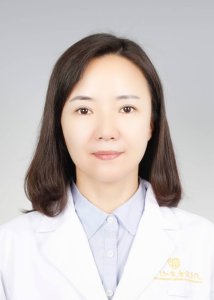
  • 31 عاماً من الخبرة في طب الأعصاب
  • زميل ما بعد الدكتوراه في جامعة هارفارد وجامعة تكساس
  • رائد في استخدام البروبوفول لاختبارات وادا في الصين
  • مؤلف لأكثر من 50 مقالاً علمياً
  • أدوار قيادية متعددة في جمعيات طب الأعصاب الصينية

مشاركة المحتوى

Twitter XLinkedinFacebookWhatsAppEmail
أحصل على الرابط

قصص فيديو من مرضى Bookimed

Dayana
جمعت بين إجازتي في أنطاليا والفحص الطبي.
إجراء: فحص صحة الإناث (انظر فحص النساء)
Igor
كان رائعاً! التنقلات والإقامة والعلاج - كل شيء مشمول.
إجراء: زرع الأسنان
مستشفى: WestDent Clinic
Marina
قام Bookimed بكل شيء من أجلي. لم أضطر للقلق بشأن أي شيء.
إجراء: فحص صحة الإناث (انظر فحص النساء)
مستشفى: Severance Hospital
محدث: 10/23/2024
تأليف
Anna Leonova
Anna Leonova
رئيس فريق تسويق المحتوى
محررة طبية معتمدة لديها خبرة تزيد عن 10 سنوات، طوّرت محتوى Bookimed الموثوق، مدعومة بماجستير في علم اللغة ومقابلات مع خبراء طبيين من جميع أنحاء العالم.
تمت المراجعة من قبل المستشار الطبي في Bookimed
فهد مولود
محرر طبي وعالم بيانات
طبيب عام. حاصل على 4 جوائز علمية. خدم في غرب آسيا. رئيس الفريق الطبي الناطق بالعربية سابقا ومسؤول عن معالجة البيانات ودقة المحتوى الطبي حاليا.
فهد مولود Linkedin
قد تحتوي هذه الصفحة على معلومات تتعلق بمختلف الحالات الطبية والعلاجات وخدمات الرعاية الصحية المتوفرة في بلدان مختلفة. يرجى العلم أن المحتوى مقدم لأغراض إعلامية فقط ولا ينبغي تفسيره على أنه نصيحة أو إرشادات طبية. يرجى استشارة طبيبك أو أخصائي طبي مؤهل قبل البدء أو تغيير العلاج الطبي.

أسئلة متكررة حول علاج مرض التنكس العصبي في الصين

هذه الأسئلة الشائعة مأخوذة من مرضى حقيقيين يبحثون عن رعاية طبية عبر Bookimed. يتم تقديم الإجابات من قبل منسقين طبيين ذوي خبرة وممثلين موثوقين من العيادات.

What cutting-edge stem cell therapies are available for neurodegenerative diseases in China?

China offers advanced stem cell therapies for neurodegenerative diseases including Parkinson's and ALS. Treatments utilize human umbilical cord mesenchymal stem cells and neural stem cells. Procedures involve lumbar punctures or stereotactic injections. These techniques aim to promote synaptogenesis and reduce neuroinflammation.

  • Therapy framework: Regulatory oversight is managed by the NMPA and National Health Commission.
  • Clinical advancement: Researchers report high conversion rates of stem cells into dopamine-producing neurons.
  • Integrative protocols: Cellular transplantation is often combined with acupuncture and neural growth factors.
  • Medical infrastructure: Over 140 public hospitals are registered to conduct human clinical trials.

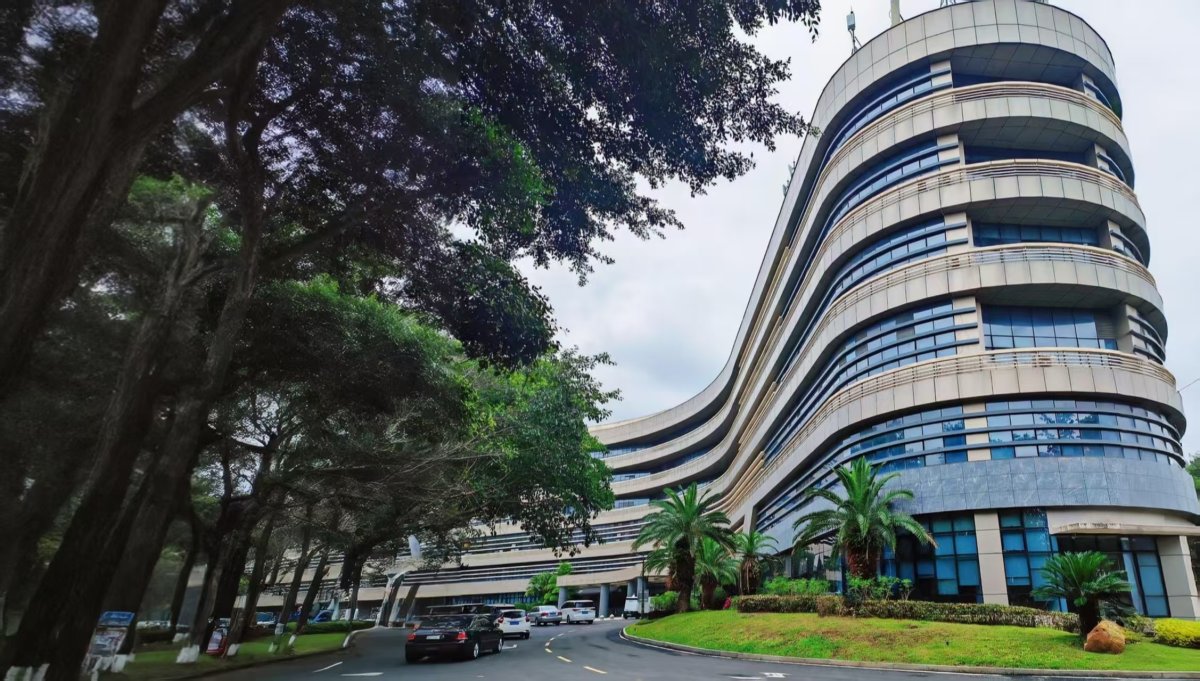
Bookimed Expert Insight: While many facilities focus on general care, Beijing and Tianjin host specialized institutions like Dr. Eber Brain Hospital. These centers maintain 300-bed capacities and 60+ departments specifically for motor function restoration. Dr. Shao Ming at these facilities brings global expertise from Harvard and UCLA. This highlights a shift toward high-capacity academic hubs rather than smaller commercial clinics.

Patient Consensus: Patients note it is vital to distinguish between registered hospital trials and standalone commercial centers. Many express that while functional improvements occur, verifying the exact cell source and trial endpoints is the most critical step before traveling.

What are the primary medical risks and side effects of these treatments?

Neurodegenerative treatments in China prioritize safety through advanced diagnostics at tertiary-level facilities. Primary risks include temporary swelling, local infection, or anesthesia complications. Specialized centers utilize neurophysiological monitoring during procedures. This technology helps protect motor and sensory functions throughout the treatment process.

  • Surgical safety: Procedures occur in facilities like Dr. Eber Brain Hospital.
  • Expert oversight: Dr. Shao Ming uses intraoperative neurophysiological monitoring.
  • Post-treatment effects: Temporary fatigue, dizziness, or mild nausea may occur.
  • Neurological monitoring: Continuous tracks help preserve speech and balance functions.

Bookimed Expert Insight: The integration of neurophysiological monitoring is a major safety signal at Chinese specialized centers. Dr. Shao Ming at Dr. Eber Brain Hospital is a global representative for this specialty. Using real-time electrical stimulation to map brain functions during surgery significantly reduces the risk of long-term speech or motor impairment.

Patient Consensus: Patients often mention that temporary weakness or speech changes can occur right after therapy. Most note these issues resolve quickly, but highlight the importance of thorough follow-up care for managing hardware or stimulation settings.

Are stem cell therapies legally approved and regulated by the Chinese government?

China strictly regulates stem cell therapies through a dual-track system managed by the National Health Commission and National Medical Products Administration. Legitimate treatments are limited to Class 3A hospitals and specific pilot zones. Clinical applications must use Good Manufacturing Practice certified laboratories to ensure cell traceability.

  • Dual-track oversight: National Health Commission oversees medical technology while NMPA regulates commercial drug pathways.
  • Authorized facilities: Therapy is restricted to Tier 3 Grade A public research hospitals.
  • Verified zones: Boao Lecheng Pilot Zone legally fast-tracks approved technologies for international patients.
  • Strict traceability: Hospitals must maintain end-to-end electronic records from laboratory preparation to patient.

Bookimed Expert Insight: Regulatory approval for stem cells in China does not equal a standard cure for neurodegenerative conditions. While centers like Dr. Eber Brain Hospital specialize in central nervous system disorders, they emphasize advanced diagnostic and rehabilitation methods. Our data highlights that top specialists like Dr. Shao Ming hold credentials from institutions like Harvard and the University of Texas. They focus on rigorous scientific protocols rather than unverified commercial claims found in smaller clinics.

Patient Consensus: Patients warn that centers promising guaranteed results for Parkinson's or ALS are major red flags. Experienced individuals emphasize choosing university-affiliated hospitals that provide clear trial registration and published ethics protocols.

What is Deep Cervical Lymphatic-Venous Anastomosis (dcLVA) for Alzheimer's?

Deep Cervical Lymphatic-Venous Anastomosis (dcLVA) is an experimental microsurgical procedure for Alzheimer's disease. Surgeons connect deep cervical lymphatic vessels to nearby veins. This bypass intends to flush metabolic waste like amyloid-beta. It aims to restore the brain's natural glymphatic drainage pathways.

  • Procedure goal: Enhances clearance of neurotoxic proteins from the central nervous system.
  • Surgical mechanism: Creates a drainage bypass to reduce pressure in lymphatic channels.
  • Regulatory status: China's National Health Commission prohibited its clinical use in July 2025.
  • Evidence level: Current benefits are limited to small-scale studies without control groups.

Bookimed Expert Insight: While dcLVA originated in research settings, its application shifted to specialized centers like Dr. Eber Brain Hospital in Tianjin. This facility operates 63 departments and employs about 400 doctors, emphasizing the professional infrastructure behind these procedures. However, the 2025 regulatory ban highlights the critical gap between a clinic's technical capacity and proven clinical efficacy for neurodegeneration.

Patient Consensus: Families note that while the plumbing mechanism sounds logical, the lack of mainstream medical adoption is a major red flag. They emphasize focusing on published human outcome data rather than emotional marketing or theoretical explanations of brain drainage.

How is Traditional Chinese Medicine combined with Western neurology protocols?

Chinese integrative protocols layer Traditional Chinese Medicine (TCM) onto evidence-based neurology to improve neuroplasticity. Clinical teams introduce acupuncture and herbal adjuncts to standard treatments like levodopa or thrombolysis. This combined approach targets chronic symptoms while minimizing drug side effects in specialized hospitals.

  • Strategic integration: TCM starts 3 to 10 days after acute stroke intervention.
  • Symptom management: Acupuncture addresses post-stroke dysphagia, muscle spasticity, and chronic nerve pain.
  • Safety protocols: Herbs are taken 2 hours apart from Western pharmaceutical drugs.
  • Diagnostic bridging: Progress is tracked using standard tools like the National Institutes of Health Stroke Scale.

Bookimed Expert Insight: Leading facilities like Dr. Eber Brain Hospital emphasize massive scales of infrastructure with 63 departments and 300 beds. This high volume allows doctors like Dr. Shao Ming to apply neurophysiological monitoring alongside traditional therapies. The real benefit often comes from the intensive, structured rehabilitation routines that combine daily medical supervision with manual TCM techniques.

Patient Consensus: Patients note that TCM works best as a layer for sleep and fatigue rather than a primary cure. Many emphasize that having neurologists and TCM doctors under one roof ensures medication safety while providing extra hands-on attention.

Does acupuncture effectively slow down neurodegeneration?

Acupuncture effectively manages symptoms of neurodegeneration but does not currently halt disease progression. Clinical evidence shows it improves cognitive scores and motor functions in Alzheimer's or Parkinson's cases. It works by reducing neuroinflammation and regulating neurotransmitters through safe peripheral nerve stimulation.

  • Symptom management: Alleviates muscle stiffness, pain, and sleep disorders.
  • Cognitive support: Electroacupuncture helps improve memory and cognitive scores.
  • Synergistic effects: Combining acupuncture with medications yields better short-term outcomes.
  • Biological impact: Stimulates dopamine release and brain-derived neurotrophic factor.

Bookimed Expert Insight: While acupuncture manages symptoms, Chinese facilities like Dr. Eber Brain Hospital emphasize neurophysiological monitoring for accuracy. Leading neurologists like Dr. Shao Ming focus on integrating these traditional approaches with advanced diagnostics. This hybrid model ensures supportive care never replaces critical medical interventions for complex brain disorders.

Patient Consensus: Patients note that acupuncture provides significant relief for muscle tightness and sleep. They emphasize it as a supportive tool rather than a cure for the condition.

احصل على استشارة مجانية

حدد أفضل طريقة للاتصال بك