الزائدة الانفية العلاج في تايلاند - التكاليف 2026


تمت مراجعة المقالة طبيا من قبل
فهد مولود
ما هي تكلفة الزائدة الانفية إجراءات التشخيص والعلاج في تايلاند؟ اعرف الآن
تتضمن تكلفة علاج اللحمية في تايلاند عمومًا التشخيصات قبل الجراحة مثل الأشعة المقطعية على الجيوب الأنفية، والتي تتراوح تكلفتها من $190 / 6,500฿ إلى $400 / 13,600฿. تعتمد نفقات التدخل الجراحي على مستوى المستشفى، والتقنية المستخدمة، وما إذا كانت الإجراءات مثل استئصال اللوزتين مدمجة معها. يوفر المرضى عادةً حوالي 70% مقارنة بالأسعار في الولايات المتحدة. تشمل أفضل المدن لهذا العلاج بانكوك وباتايا.
تكاليف علاج اللحمية النموذجية في تايلاند
- الأشعة المقطعية على الجيوب الأنفية: $190 / 6,500฿ – $400 / 13,600฿
- تحليل الدم الموسع: من $100 / 3,400฿
- تحليل تخثر الدم (Coagulogram): $30 / 1,000฿ – $50 / 1,700฿
- تخطيط كهربائية القلب (ECG): $19 / 650฿ – $50 / 1,700฿
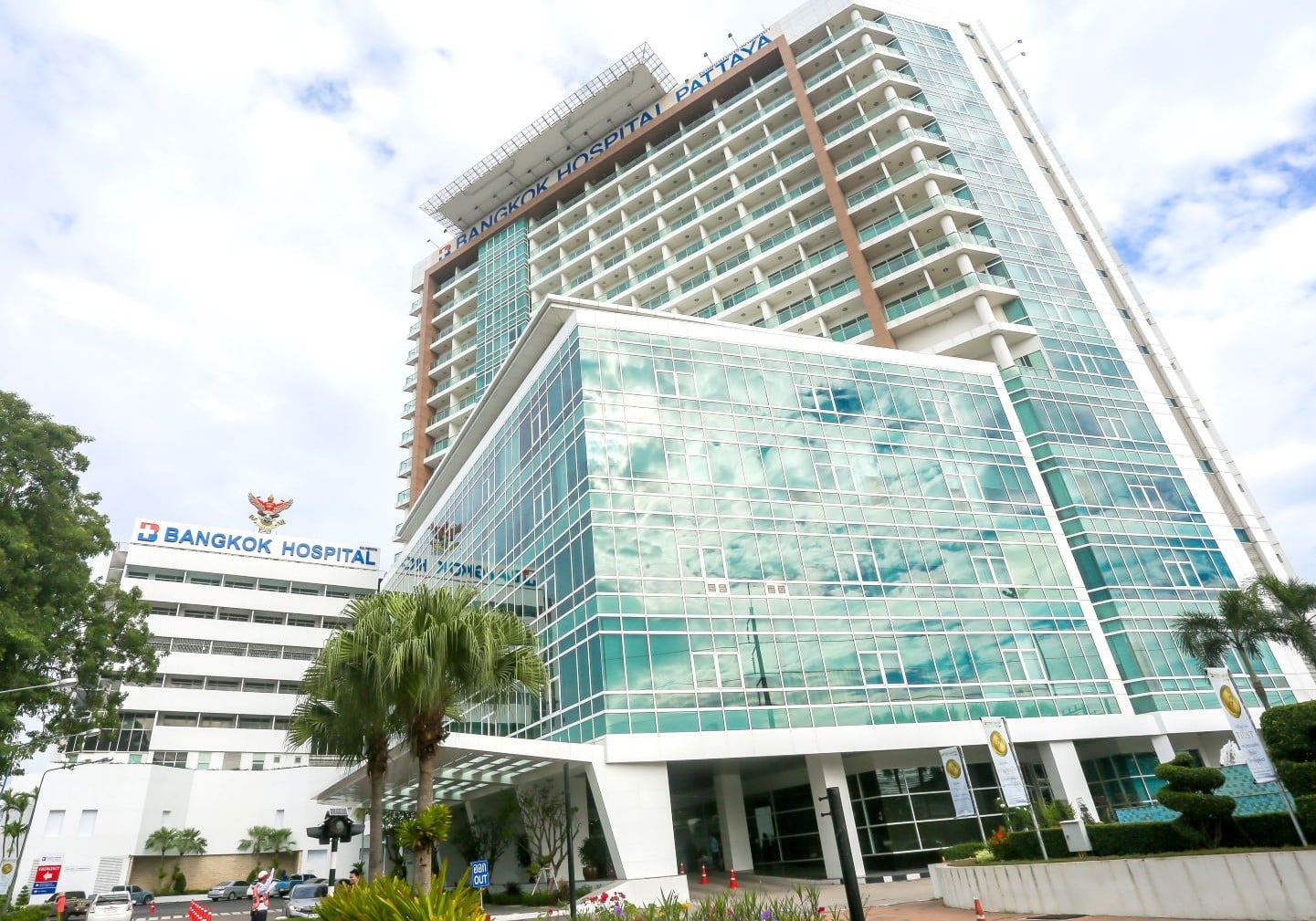
رؤية خبير Bookimed: يجب على المرضى الذين يبحثون عن مستوى عالٍ من الأمان إعطاء الأولوية للمراكز المعتمدة من قبل اللجنة الدولية المشتركة (JCI) مثل مستشفى بانكوك باتايا. تدير هذه المنشأة 400,000 مريض سنويًا وفقًا لمعايير الجودة الدولية. بالنسبة للحالات المعقدة في الرأس والرقبة، يقدم متخصصون مثل الدكتور براباس تيركول في مستشفى إنتارارات خبرة أكاديمية. يضمن اختيار مجموعات المستشفيات الراسخة الوصول إلى أقسام الأنف والأذن والحنجرة متعددة التخصصات وباقات جراحية موحدة.
مزاياك وضماناتك مع Bookimed
أسعار مباشرة
Bookimed لا يضيف رسوماً إضافية على أسعار علاج الزائدة الانفية. الأسعار مأخوذة من قوائم الأسعار الرسمية للعيادات. تدفع مباشرة في العيادة مقابل علاجك عند وصولك إلى البلد.
عيادات وأطباء معتمدون فقط
Bookimed ملتزم بسلامتك. نحن نعمل فقط مع المؤسسات الطبية التي تحافظ على معايير دولية عالية في علاج الزائدة الانفية ولديها التراخيص اللازمة لخدمة المرضى الدوليين في جميع أنحاء العالم.
مساعدة مجانية على مدار الساعة
Bookimed يقدم مساعدة خبراء مجانية. منسق طبي شخصي يدعمك قبل وأثناء وبعد العلاج، ويحل أي مشاكل. لن تكون وحيداً أبداً في رحلة علاج الزائدة الانفية.

منسقك الطبي الشخصي في Bookimed
- يدعمك في كل مرحلة
- المساعدة في اختيار العيادة الطبية المناسبة والطبيب المناسب
- يضمن الوصول السريع والمريح إلى المعلومات
اكتشف أفضل الزائدة الانفية العيادات في تايلاند: 1 خيار معتمدة والأسعار

احصلوا على تقييم طبي لـ الزائدة الانفية في تايلاند: استشيروا أطباء ذوي خبرة الآن
عرض جميع الأطباء
Dr Prapas Teerakul
يتخصص الدكتور براباس تيركول في طب الأنف والأذن والحنجرة في مستشفى إنتارارات، مع تدريب مكثف من مستشفى راماثيبودي، جامعة ماهيدول.
- أستاذ مساعد في قسم الأنف والأذن والحنجرة بمستشفى راماثيبودي
- متخصص في جراحة الرأس والرقبة
- حاصل على شهادة في طب الأنف والأذن والحنجرة من مستشفى راماثيبودي
مشاركة المحتوى
قصص فيديو من مرضى Bookimed
 Anna Leonova
أسئلة متكررة حول علاج الزائدة الانفية في تايلاند
هل يلزم البقاء في المستشفى طوال الليل بعد استئصال اللحمية في تايلاند؟
عادةً لا يلزم البقاء في المستشفى طوال الليل لإجراء عملية استئصال اللحمية في تايلاند. تقوم معظم المرافق المعتمدة من قبل اللجنة الدولية المشتركة (JCI) بإجراء هذه العملية كجراحة خارجية. يخضع المرضى عادةً للمراقبة لمدة تتراوح بين 4 إلى 6 ساعات. وعادةً ما يعود الأطفال والبالغون الأصحاء إلى منازلهم في نفس اليوم.
- فترة المراقبة: يبقى المرضى لمدة 4 إلى 6 ساعات لمراقبة التنفس والبلع.
- المرضى الأصغر سناً: قد يوصي الأطباء بالبقاء ليلة واحدة للأطفال دون سن 3 سنوات.
- معايير السلامة: يتم البقاء في المستشفى إذا كان المريض يعاني من انقطاع النفس أثناء النوم أو يعيش بعيداً.
- الخروج من العيادة: تتبع مراكز مثل مستشفى إنتارات (Intrarat Hospital) بروتوكولات العيادات الخارجية القياسية للمرضى الأصحاء.
رؤية خبراء Bookimed: بينما يعتقد الكثيرون أن العيادات الصغيرة أسرع، يتمتع مستشفى بانكوك باتايا بسعة 300 سرير. وهذا يسمح لهم بتحويل جراحات اليوم الواحد بسهولة إلى إقامة ليلية إذا لزم الأمر. غالباً ما توفر المراكز ذات الحجم الكبير خيارات مراقبة أكثر مرونة للمسافرين الدوليين. تضمن هذه البنية التحتية سلامة المرضى خلال فترة الـ 6 ساعات الحرجة بعد العملية.
إجماع المرضى: يشير المرضى إلى أن الخروج يتم بسرعة. ويقول معظمهم إن العمل الحقيقي للتعافي يبدأ في المنزل بعد اليوم الثالث. ويوصون بتجهيز جهات اتصال العيادة التي تعمل على مدار 24 ساعة قبل مغادرة المستشفى.
كم من الوقت يجب أن أبقى في تايلاند للتعافي والمتابعة بشكل آمن؟
يحتاج معظم المرضى إلى 7 إلى 10 أيام في تايلاند بعد علاج اللحمية. تضمن هذه الإقامة قيام الأطباء بمراقبة علامات التورم أو النزيف النادر. كما تسمح للجراحين بتقديم شهادة لياقة للطيران قبل رحلة العودة. التصريح الطبي ضروري لمنع مضاعفات ضغط الأذن أثناء السفر الجوي.
- الإقامة في المستشفى: تتطلب معظم الإجراءات ليلة واحدة فقط في المستشفى للمراقبة.
- ذروة التورم: غالبًا ما يصل التورم الموضعي إلى ذروته حوالي اليوم الرابع أو الخامس بعد الجراحة.
- سلامة الطيران: يوصي الجراحون بالانتظار لمدة 7 أيام على الأقل قبل ركوب الطائرة.
- زيارة المتابعة: يتم إجراء فحص نهائي بعد 5 إلى 7 أيام من الإجراء للحصول على التصريح.
رؤية خبير Bookimed: تعمل المراكز الطبية التايلاندية مثل مستشفى بانكوك باتايا وفقًا لمعايير JCI. غالبًا ما تفضل هذه البروتوكولات الخروج بشكل أسرع مما هو عليه في الدول الغربية. ومع ذلك، تظهر بياناتنا حجمًا كبيرًا يبلغ 400,000 مريض سنويًا. هذا الحجم الكبير يعني أن جراحين مثل الدكتور براباس تيركول يشرفون على العديد من حالات التعافي الناجحة. يجب على المرضى حجز 8 أيام على الأقل لضمان حصولهم على التصريح الكامل من قبل المتخصصين.
إجماع المرضى: يشير الكثيرون إلى أنهم عادوا إلى تناول الطعام بشكل طبيعي بحلول اليوم الرابع. على الرغم من أن التعافي الأولي سريع، يؤكد المرضى على البقاء لمدة أسبوع كامل. يضمن هذا الإطار الزمني إدارة أي جفاف أو تورم في مرحلة متأخرة بشكل احترافي قبل المغادرة.
ما هي المستشفيات في تايلاند الأكثر شهرة لجراحة اللحمية (الأدينويد)؟
تشمل أفضل المستشفيات التايلاندية لجراحة اللحمية مستشفى بامرونجراد الدولي ومستشفى ساميتيفيج للأطفال. تحمل هذه المرافق اعتماد JCI وتستخدم تقنية الألياف البصرية لحالات الأطفال. تشمل المراكز الشهيرة الأخرى مستشفى بانكوك باتايا ومستشفى إنتارارات، حيث يقوم جراحو الأنف والأذن والحنجرة المتخصصون بإجراء استئصال اللحمية طفيف التوغل.
- خبرة متخصصة: يتخصص جراحون مثل الدكتور براباس تيركول في إجراءات الأنف والأذن والحنجرة المتقدمة.
- مرافق معتمدة: يحافظ مستشفى بانكوك باتايا على شهادات إدارة الجودة JCI وTemos وISO.
- تركيز على الأطفال: يتميز مستشفى ساميتيفيج بوجود عيادة أطفال مخصصة للرعاية المتخصصة.
- حجم المرضى: يعالج مستشفى بانكوك باتايا أكثر من 400,000 مريض دولي ومحلي سنويًا.
رؤية خبير Bookimed: يعمل مستشفى بانكوك باتايا كمركز تشخيص رئيسي للساحل الشرقي لتايلاند. تظهر البيانات أنه يدير 29 قسمًا متخصصًا. يسمح هذا الحجم بتردد جراحي مرتفع عبر أطبائهم المائة. يجد المرضى الذين يبحثون عن علاج خارج بانكوك أمانًا مماثلًا لمعايير JCI هنا دون ازدحام وسط المدينة.
إجماع المرضى: يوصي الآباء بإعطاء الأولوية للمستشفيات المعتمدة من JCI لضمان غرف عمليات حديثة وموظفين يتحدثون الإنجليزية بطلاقة. غالبًا ما يقترحون حجز إقامة صديقة للأطفال بالقرب من المستشفى لفترة تعافي أكثر سلاسة.
ما هي التقنيات الجراحية المستخدمة لإزالة اللحمية في تايلاند؟
يستخدم الجراحون التايلانديون بشكل أساسي طرقاً طفيفة التوغل مثل الكوبليشن (Coblation) واستئصال اللحمية بمساعدة المنظار. يتم إجراء هذه العمليات تحت التخدير العام في مرافق معتمدة. يستخدم الجراحون طاقة الترددات الراديوية أو كاميرات عالية الدقة لتحقيق الدقة. يعود معظم المرضى إلى منازلهم ويستأنفون أنشطتهم الطبيعية في غضون يومين.
- تقنية الكوبليشن: تعمل طاقة الترددات الراديوية منخفضة الحرارة على إذابة الأنسجة مع حماية المناطق المحيطة.
- التصوير بالمنظار: تضمن الكاميرات عالية الدقة الإزالة الكاملة وتمنع نمو الأنسجة مرة أخرى.
- طريقة الميكرودبريدر (Microdebrider): أداة دوارة تعمل بالطاقة تقوم بشفط وقطع الأنسجة بدقة عالية.
- الاستئصال بالترددات الراديوية: تعمل التكنولوجيا القائمة على الطاقة على تقليص الأنسجة بفعالية دون استخدام الكشط اليدوي التقليدي.
رؤية خبير Bookimed: تحتل تايلاند المرتبة الثامنة عالمياً من حيث حجم السياحة العلاجية في شبكتنا. يخدم مستشفى بانكوك باتايا وحده 400,000 مريض سنوياً وفقاً لمعايير JCI. على الرغم من توفر الكشط التقليدي، غالباً ما تضم المراكز المتخصصة أخصائيين في طب الأطفال مثل الدكتور براباس تيركول. يسمح هذا الحجم الكبير للعيادات بالحفاظ على التكنولوجيا المتقدمة مثل الاستئصال بالبلازما بشكل منتظم.
إجماع المرضى: يشير المرضى إلى أن اختيار طرق الكوبليشن أو الميكرودبريدر يؤدي إلى ألم أقل بكثير. يؤكد الكثيرون على أهمية طلب التنظير لضمان تنظيف موقع الجراحة بالكامل.
ما هي التقييمات التي تُجرى قبل الجراحة للمرضى الدوليين؟
تشمل التقييمات قبل الجراحة في تايلاند تحاليل الدم، والفحوصات البدنية، وتقييمات اللياقة للتخدير. غالبًا ما يخضع المرضى الدوليون لفحص الأمراض المعدية ومراجعة المخاطر المتعلقة بالسفر. تعمل المرافق المعتمدة من قبل اللجنة الدولية المشتركة (JCI) مثل مستشفى بانكوك باتايا على توحيد بروتوكولات السلامة هذه. يتم الانتهاء من معظم الاختبارات في الموقع خلال يوم أو يومين.
- التاريخ الطبي: يراجع الجراحون العمليات الجراحية السابقة والأمراض المزمنة وردود الفعل تجاه التخدير.
- التصوير التشخيصي: تصوير الصدر بالأشعة السينية للكشف عن التهابات الرئة وتقييم صحة الجهاز التنفسي.
- تحاليل المختبر: تضمن فحوصات الدم الكاملة وملفات التجلط إجراء جراحة آمنة.
- فحص الأنف والأذن والحنجرة: يؤكد متخصصون مثل الدكتور براباس تيركول تضخم اللحمية من خلال التاريخ الطبي.
رؤية خبير Bookimed: تتعامل المراكز الطبية التايلاندية مع أعداد هائلة من المرضى، حيث يخدم مستشفى بانكوك باتايا 400,000 شخص سنويًا. يسمح هذا التدفق العالي للعيادات بتقديم باقات اختبارات مبسطة قبل القبول. غالبًا ما تكون هذه الباقات التي تستغرق يومًا واحدًا أسرع من تنسيق اختبارات فردية متعددة في الوطن. تضمن اعتمادات JCI وTemos الموحدة أن هذه التقييمات السريعة تلبي معايير السلامة الدولية الصارمة.
إجماع المرضى: يشير المرضى إلى أن الاستشارات الأولية عبر الفيديو لمشاركة التاريخ التنفسي يمكن أن توفر الوقت. ويوصون بإحضار نسخة محلية من سجلات التطعيم لتجنب التأخير غير المتوقع أثناء الفحص النهائي قبل الجراحة.
متى يمكن لطفلي السفر جواً إلى المنزل بعد استئصال اللحمية؟
يمكن لمعظم الأطفال السفر جواً بأمان إلى المنزل بعد 14 يوماً من استئصال اللحمية. تضمن هذه الفترة بقاء الطفل بالقرب من عيادة في حال حدوث نزيف. يمكن أن تسبب تغيرات ضغط المقصورة آلاماً شديدة في الأذن قبل أن يلتئم موقع الجراحة تماماً. انتظر حتى يؤكد جراحك اكتمال التعافي.
- الجدول الزمني للسفر: يوصي الأطباء بالانتظار من 10 إلى 14 يوماً قبل السفر جواً.
- خطر النزيف: يصل خطر النزيف إلى ذروته بين اليوم الخامس واليوم العاشر.
- فترة التعافي: ابقَ على مسافة لا تزيد عن 90 دقيقة من المستشفى لمدة 10 أيام.
- اللياقة للسفر: تأكد من أن الطفل رطب جيداً وأن الألم يتم التحكم فيه عن طريق الفم.
رؤية خبير Bookimed: تعد تايلاند مركزاً رئيسياً لجراحة الأنف والأذن والحنجرة مع 146 عيادة تخدم المرضى الدوليين. تدير المرافق المعتمدة من JCI مثل مستشفى بانكوك باتايا أكثر من 400,000 مريض سنوياً. في حين يسمح بعض الجراحين برحلات قصيرة بعد 48 ساعة، تظهر بياناتنا أن البقاء لمدة 14 يوماً أكثر أماناً. يغطي هذا نافذة التعافي الحرجة عندما تنفصل القشور بعد الجراحة عادةً.
إجماع المرضى: يقترح الآباء البقاء لمدة أسبوع على الأقل لتجنب حالات الطوارئ أثناء الرحلة. يوصون باستخدام بخاخات الأنف للأطفال والمصاصات لمساعدة الأطفال على إدارة ضغط الأذن أثناء الهبوط.
هل توفر المستشفيات التايلاندية دعمًا لغويًا وإقامة للعائلات للسياح الطبيين؟
توفر المستشفيات التايلاندية دعمًا لغويًا شاملاً وأماكن إقامة متنوعة للعائلات للمرضى الدوليين. تقدم المرافق الرئيسية ترجمة مجانية وأجنحة عائلية في الموقع. تدير الأقسام الدولية المخصصة الخدمات اللوجستية وتنسق الموظفين متعددي اللغات. تشمل معظم غرف المرضى الخاصة أرائك سرير مجانية للأقارب.
- الدعم اللغوي: يترجم المترجمون الفوريون أكثر من 20 لغة في المراكز الرائدة.
- أجنحة المستشفى: تستوعب الأجنحة الرئاسية وكبار الشخصيات عائلات بأكملها داخل المستشفى.
- الفنادق الشريكة: تحتفظ المستشفيات بشراكات مع سلاسل فاخرة للإقامات القريبة.
- خدمات الكونسيرج: يساعد الموظفون المتخصصون في تمديد التأشيرة وتسهيلات النقل من وإلى المطار.
رؤية خبير Bookimed: يعالج مستشفى بانكوك باتايا أكثر من 400,000 مريض سنويًا وفقًا لمعايير JCI. عادةً ما تقدم المراكز ذات الحجم الكبير فرقًا لغوية أكثر قوة. غالبًا ما يضمن اختيار العيادات ذات الاعتمادات الدولية الوصول إلى ترجمة طبية احترافية. وهذا يضمن فهم التعليمات قبل الجراحة بوضوح للإجراءات المعقدة.
إجماع المرضى: يشير المرضى إلى أن الترجمة للغات الشائعة ممتازة في بانكوك. يوصون بحجز الغرف العائلية قبل أشهر خلال مواسم الذروة. يساعد استخدام تطبيقات الترجمة دون اتصال بالإنترنت في سد فجوات التواصل البسيطة مع موظفي الدعم.