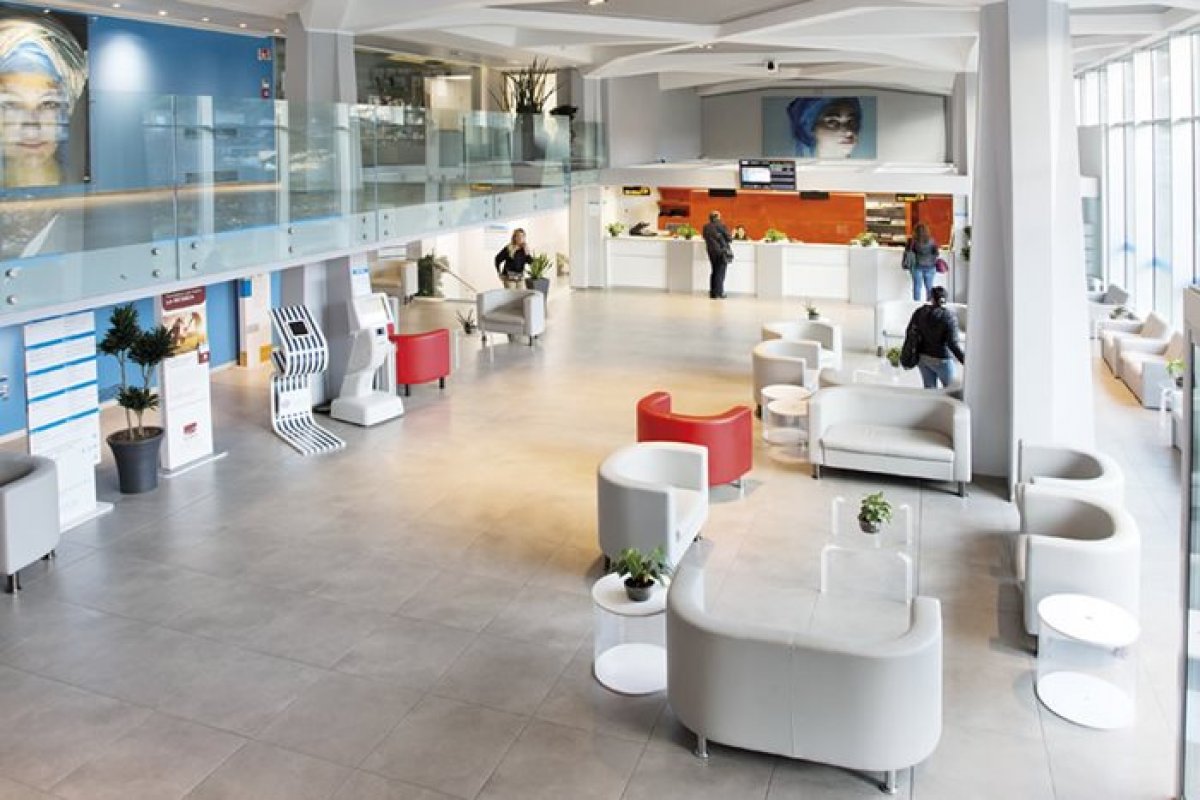
La Madonnina Clinic
إيطاليا,


تمت مراجعة المقالة طبيا من قبل
فهد مولود
تعتمد تكلفة علاج اللحمية في إيطاليا عادةً على الطريقة الجراحية وما إذا كان التشخيص بالتصوير الطبي مثل الأشعة المقطعية للجيوب الأنفية، والتي تتراوح تكلفتها بين $120 و $230، مطلوباً. تتأثر النفقات الإجمالية بمستوى العيادة والموقع الجغرافي. يمكن للمرضى توقع توفير ما يقرب من 20-30% مقارنة بتكاليف الرعاية الصحية الخاصة في الولايات المتحدة. تشمل المراكز الطبية الرئيسية لهذه الإجراءات روما وميلانو وجنوى.
تكاليف علاج اللحمية النموذجية في إيطاليا
رؤية خبراء Bookimed: يجب على المرضى الذين يبحثون عن رعاية جراحية عالية المستوى التفكير في القطاع الخاص في ميلانو. تخدم عيادة La Madonnina نخبة العملاء مع التركيز على الخدمة الشخصية. أما بالنسبة لأولئك الذين يعطون الأولوية للحجم السريري ودعم الطوارئ المتكامل، فإن مستشفى Ospedale San Carlo di Nancy في روما هو الخيار الأمثل، حيث يعالج 15,000 مريض سنوياً وهو معتمد بالكامل من قبل هيئة الصحة الوطنية الإيطالية (SSN).
Bookimed لا يضيف رسوماً إضافية على أسعار علاج الزائدة الانفية. الأسعار مأخوذة من قوائم الأسعار الرسمية للعيادات. تدفع مباشرة في العيادة مقابل علاجك عند وصولك إلى البلد.
Bookimed ملتزم بسلامتك. نحن نعمل فقط مع المؤسسات الطبية التي تحافظ على معايير دولية عالية في علاج الزائدة الانفية ولديها التراخيص اللازمة لخدمة المرضى الدوليين في جميع أنحاء العالم.
Bookimed يقدم مساعدة خبراء مجانية. منسق طبي شخصي يدعمك قبل وأثناء وبعد العلاج، ويحل أي مشاكل. لن تكون وحيداً أبداً في رحلة علاج الزائدة الانفية.

 Anna Leonova
يوصى بالجراحة لتضخم اللحمية عندما تسد أكثر من 75% من مجرى الهواء. تشمل المؤشرات الرئيسية انقطاع النفس الانسدادي النومي، والشخير الشديد، والتنفس الفموي المزمن. ينصح المتخصصون الإيطاليون بالجراحة في حالات العدوى المتكررة أو تراكم السوائل المستمر الذي يؤثر على السمع أو تطور النطق.
رؤية خبير Bookimed: على الرغم من أن إيطاليا لديها فترات انتظار محددة في الصحة العامة تتراوح من 3 إلى 6 أشهر، إلا أن المرافق الخاصة في روما وميلانو توفر وصولاً أسرع. تخدم مراكز مثل Ospedale San Carlo di Nancy أكثر من 14,000 مريض سنويًا وتقدم رعاية جراحية منظمة. اختيار عيادة ضمن مجموعة كبيرة، مثل عيادة La Madonnina، يضمن بروتوكولات طب الأطفال الموحدة عبر الشبكة.
إجماع المرضى: يشير المرضى إلى أنه من المهم تتبع الأعراض لمدة 3-6 أشهر قبل اختيار الجراحة. ويذكرون أن التعافي سريع، وغالبًا ما يتطلب 3-7 أيام فقط من الأطعمة اللينة.
غالبًا ما تتحسن اللحمية بدون جراحة من خلال الإدارة التحفظية. يصف الأخصائيون الإيطاليون عادةً بخاخات الأنف الستيرويدية، أو مضادات الهيستامين، أو المضادات الحيوية لتقليل التهاب الأنسجة. يمكن لهذه العلاجات أن تقلص اللحمية بنسبة 50% لدى الأطفال. المراقبة هي المعيار حيث تتراجع الأنسجة بشكل طبيعي بعد سن السابعة.
رؤية خبير Bookimed: تقدم المراكز الطبية الإيطالية مثل عيادة La Madonnina في ميلانو رعاية تشخيصية عالية المستوى لما يقرب من 3800 مريض سنويًا. في حين يتعامل مستشفى Ospedale San Carlo di Nancy في روما مع 15000 حالة دخول للمستشفى سنويًا، يتم حل العديد من حالات الأطفال من خلال تجارب تحفظية ممتدة. تشير بياناتنا إلى أن الأخصائيين في هذه المناطق يعطون الأولوية لاختبارات الحساسية قبل الجراحة. غالبًا ما يحدد هذا البروتوكول مسببات قابلة للعلاج مما يغني عن الحاجة إلى عملية جراحية.
إجماع المرضى: يجد الآباء أن الاستخد
تستخدم إيطاليا طرقاً جراحية متقدمة مثل الجراحة الروبوتية عبر الفم (TORS) والجراحة عن بُعد بتقنية 5G للإجراءات المعقدة. يستخدم أخصائيو الأورام والأنف والأذن والحنجرة أنظمة روبوتية مرنة وأدوات استئصال دقيقة (Microdebriders) بمساعدة التنظير. تتيح هذه التقنيات استئصال الأنسجة بدقة مع الحد الأدنى من التأثير على الهياكل السليمة المحيطة.
رؤية خبير Bookimed: غالباً ما يتركز التميز الجراحي الإيطالي داخل شبكات طبية ضخمة. تعمل عيادات مثل لا مادونينا (La Madonnina) في ميلانو ضمن شبكة سان دوناتو (San Donato Network). هذه هي أكبر مجموعة طبية في إيطاليا. تظهر البيانات أن هذه المرافق تتعامل مع أعداد كبيرة من المرضى، حيث يخدم مستشفى سان كارلو دي نانسي (Ospedale San Carlo di Nancy) 15,000 مريض سنوياً. يرتبط هذا الحجم بتقييمات عالية، مثل درجة 5.0 لجراحة البروستاتا الروبوتية.
إجماع المرضى: يلاحظ الآباء أن الأطفال الذين يخضعون لعمليات استئصال اللحمية الحديثة في ميلانو غالباً ما يعودون إلى المنزل في نفس اليوم. يؤكد الكثيرون على أهمية طلب أدوات م
يمكن العثور على أخصائيي الأنف والأذن والحنجرة ذوي الخبرة في إيطاليا في مراكز ذات حجم كبير في روما وميلانو. يقود خبراء مثل الدكتور أليساندرو مارولي والبروفيسور ماريو بوسي رعاية اللحمية للأطفال والبالغين. يستخدم هؤلاء الجراحون تنظير الفيديو للتشخيص الدقيق والإزالة طفيفة التوغل.
رؤية خبير Bookimed: على الرغم من وجود عيادات صغيرة، يخدم مستشفى Ospedale San Carlo di Nancy في روما 14,000 مريض سنوياً. غالباً ما توفر المرافق الكبيرة بنية تحتية أفضل للتعافي الجراحي. عادة ما يرتبط حجم المرضى المرتفع ببروتوكولات تخدير أكثر دقة لمرضى الأطفال. هذا أمر بالغ الأهمية للأطفال الذين يخضعون لجراحة اللحمية.
إجماع المرضى: يقترح المرضى اختيار العيادات الخاصة للوصول بشكل أسرع لأن أوقات الانتظار العامة تصل إلى ستة أشهر. كما يلاحظون أن الأخصائيين الإيطاليين غالباً ما يجمعون بين إزالة اللحمية وجراحة المحارات الأنفية.