علاج الزائدة الانفية في كوريا الجنوبية: 7 مستشفيات


تمت مراجعة المقالة طبيا من قبل
فهد مولود
ما هي تكلفة الزائدة الانفية إجراءات التشخيص والعلاج في كوريا الجنوبية؟ اعرف الآن
تتضمن تكلفة علاج اللحمية في جمهورية كوريا عادةً تصويراً متخصصاً وتدخلاً جراحياً. يتراوح سعر الأشعة المقطعية للجيوب الأنفية من $150 إلى $400، بينما تعتمد التكلفة الإجمالية على مستوى المستشفى وأي إجراءات مدمجة مثل استئصال اللوزتين. يمكن للمرضى توقع توفير ما بين 50-60% مقارنة بالولايات المتحدة. تشمل المراكز الطبية الرئيسية لهذا العلاج سيول وإنشيون.
تكاليف علاج اللحمية النموذجية في جمهورية كوريا
- الأشعة المقطعية للجيوب الأنفية: $150 – $400
- تحليل الدم الموسع: من $200
- اختبار تخثر الدم (Coagulogram): $40 – $100
- تخطيط القلب (ECG): من $30
رؤية خبير Bookimed: يجب على المرضى الذين يبحثون عن رعاية طبية دقيقة للأطفال إعطاء الأولوية للمرافق الحاصلة على اعتماد اللجنة الدولية المشتركة (JCI) في سيول. يُعد مستشفى سيفيرانس خياراً أول لحالات الأنف والأذن والحنجرة المعقدة، حيث يخدم 1.6 مليون مريض خارجي سنوياً. بالنسبة لأولئك الذين يقدرون الكفاءة الرقمية، يستخدم مستشفى جامعة سيول الوطنية بوندانغ (SNUBH) نظام BESTcare المتقدم. تعمل هذه التقنية على تقليل الأخطاء الطبية أثناء جراحات الأنف والأذن والحنجرة الدقيقة للأطفال. إن اختيار هذه المراكز المعترف بها دولياً يضمن الوصول إلى نفس المعايير الطبية التي يتلقاها رئيس كوريا الجنوبية.
مزاياك وضماناتك مع Bookimed
أسعار مباشرة
Bookimed لا يضيف رسوماً إضافية على أسعار علاج الزائدة الانفية. الأسعار مأخوذة من قوائم الأسعار الرسمية للعيادات. تدفع مباشرة في العيادة مقابل علاجك عند وصولك إلى البلد.
عيادات وأطباء معتمدون فقط
Bookimed ملتزم بسلامتك. نحن نعمل فقط مع المؤسسات الطبية التي تحافظ على معايير دولية عالية في علاج الزائدة الانفية ولديها التراخيص اللازمة لخدمة المرضى الدوليين في جميع أنحاء العالم.
مساعدة مجانية على مدار الساعة
Bookimed يقدم مساعدة خبراء مجانية. منسق طبي شخصي يدعمك قبل وأثناء وبعد العلاج، ويحل أي مشاكل. لن تكون وحيداً أبداً في رحلة علاج الزائدة الانفية.

منسقك الطبي الشخصي في Bookimed
- يدعمك في كل مرحلة
- المساعدة في اختيار العيادة الطبية المناسبة والطبيب المناسب
- يضمن الوصول السريع والمريح إلى المعلومات
اكتشف أفضل الزائدة الانفية العيادات في كوريا الجنوبية: 7 خيارات معتمدة والأسعار



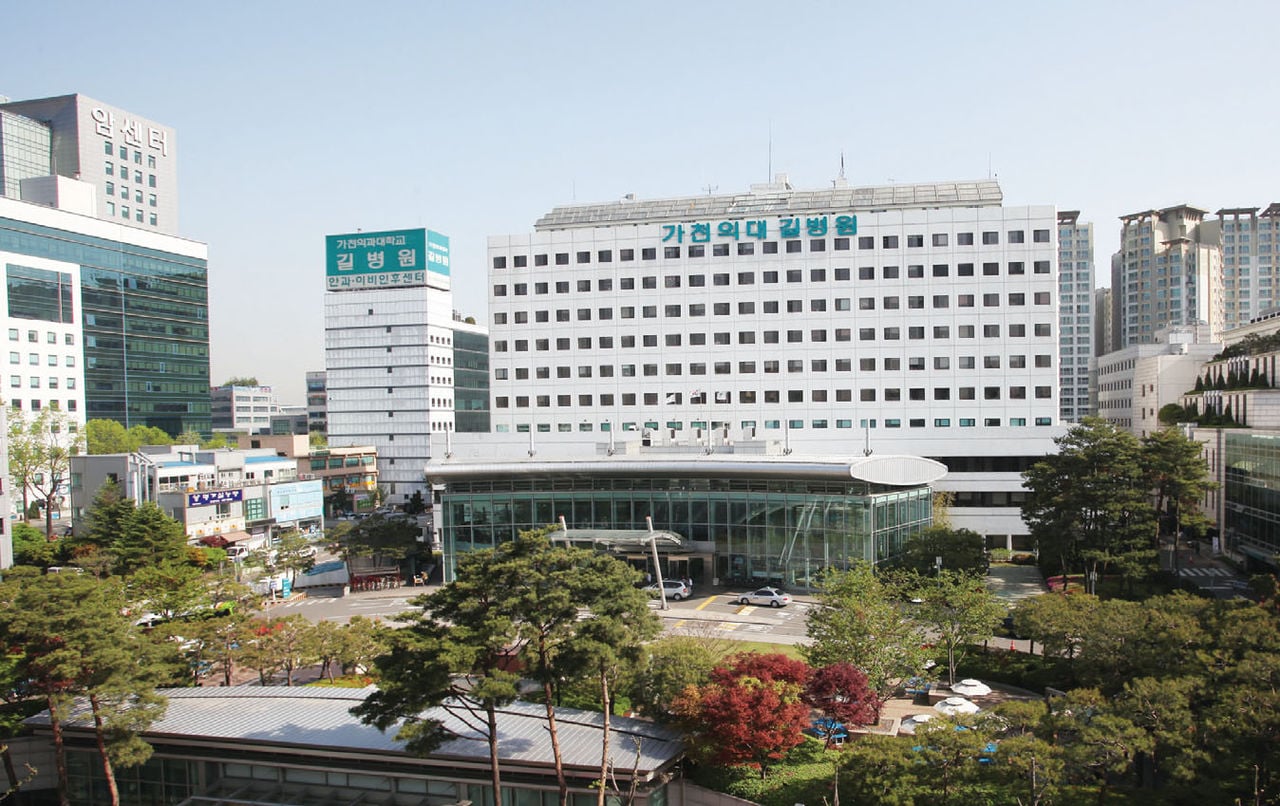






Bumin Hospital Seoul
احصلوا على تقييم طبي لـ الزائدة الانفية في كوريا الجنوبية: استشيروا أطباء ذوي خبرة الآن
عرض جميع الأطباء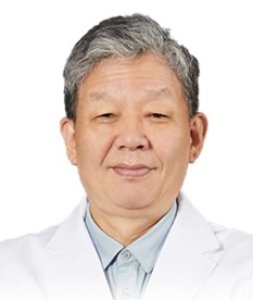
Kim Gyeonrae
الدكتور كيم غيون ري، MD، PhD، اختصاصي أنف وأذن وحنجرة (ENT). يشغل منصب المدير الطبي الفخري في قسم طب الأنف والأذن والحنجرة بمستشفى نايون. تتركز خبرته السريرية على أمراض الأنف، التهاب الأنف والجيوب الأنفية والتهاب الجيوب الأنفية المزمن، التهاب الأنف التحسسي، وجراحة الجيوب الأنفية بالمنظار الوظيفي (FESS).
المؤهلات: ماجستير في الطب (MMed)، جامعة هانيانغ. دكتوراه في الطب، جامعة وونغوانغ. تدريب زمالة في كلية الطب بجورجيا وكلية طب جامعة ولاية أوهايو (الولايات المتحدة). رئيس سابق لقسم طب الأن
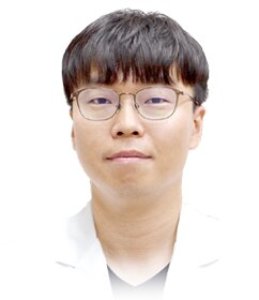
Kim Geonho
الدكتور كيم غونهو أخصائي ورئيس قسم الأنف والأذن والحنجرة في مستشفى نايون. يعالج أمراض اللوزتين واللحمية، والتهاب الجيوب الأنفية، والتهاب الأنف، كما يتعامل مع الشخير وانقطاع النفس أثناء النوم، وتغيرات الصوت الناجمة عن اضطرابات الأحبال الصوتية، وأمراض الغدد اللعابية واضطرابات الغدة الدرقية.
تخرّج من كلية الطب في جامعة هانيانغ، وأتمّ الامتياز والإقامة والزمالة السريرية في طب الأنف والأذن والحنجرة بمستشفى جامعة هانيانغ. شغل سابقاً منصب نائب مدير عيادة بارو (أنف وأذن وحنجرة). أكمل تدريباً م
مشاركة المحتوى
قصص فيديو من مرضى Bookimed
 Anna Leonova
أسئلة متكررة حول علاج الزائدة الانفية في كوريا الجنوبية
هل تؤدي إزالة اللحمية إلى إضعاف مناعة الطفل؟
لا تؤدي إزالة اللحمية إلى إضعاف مناعة الطفل على المدى الطويل، حيث تقوم أنسجة ليمفاوية أخرى بتعويض هذا الفقد. وعلى الرغم من احتمال حدوث انخفاض مؤقت في الأجسام المضادة بعد الجراحة، إلا أن المستويات تعود عادةً إلى طبيعتها في غضون 3 أشهر. يعاني معظم الأطفال من عدد أقل من الالتهابات ويتمتعون بصحة عامة أفضل بعد حل مشاكل الانسداد المزمنة.
- التعويض المناعي: تتولى الأنسجة الليمفاوية والغدد الليمفاوية المتبقية أدوار الدفاع المناعي بفعالية.
- تحسن الصحة: غالباً ما يؤدي حل الالتهاب المزمن إلى تقليل تكرار التهابات الجهاز التنفسي.
- فترة التعافي: تعود مستويات الأجسام المضادة المحلية عادةً إلى خط الأساس قبل الجراحة في غضون 90 يوماً.
- دقة التشخيص: تستخدم المستشفيات الكورية مثل مستشفى سيفيرانس الأشعة المقطعية لتأكيد الضرورة الجراحية.
رؤية خبير Bookimed: غالباً ما ترتبط مؤشرات الجودة في كوريا الجنوبية بحجم المؤسسة والرقمنة. يعالج مستشفى جامعة سيول الوطنية (SNUH) أكثر من 10,000 مريض يومياً ويستخدم أنظمة رقمية بالكامل. يضمن هذا الحجم الكبير حصول أخصائيي الأنف والأذن والحنجرة على خبرة عميقة في حالات الأطفال. يوفر اختيار هذه المراكز الراسخة إمكانية الوصول إلى بروتوكولات موحدة تقلل من المخاطر الجراحية للأطفال.
إجماع المرضى: يشير الآباء إلى أن التخلص من دورات المضادات الحيوية المستمرة أدى إلى أيام مرض أقل بشكل عام. يقترح الكثيرون الاحتفاظ بالبروبيوتيك وتجنب الحشود خلال الشهر الأول بينما تستقر دفاعات الحلق المحلية.
ما هي التقنيات الجراحية المستخدمة لإزالة اللحمية في كوريا؟
يستخدم الجراحون الكوريون تقنيات طفيفة التوغل مثل الكوبليشن (Coblation) واستئصال اللحمية باستخدام الميكرودبريدر (Microdebrider) للأطفال والبالغين. تتم هذه الإجراءات عادةً في مرافق معتمدة من قبل اللجنة الدولية المشتركة (JCI) باستخدام التصوير التنظيري عالي الدقة. يعطي الجراحون الأولوية للحفاظ على الأنسجة والدقة لضمان إجراء 99% من العمليات دون مضاعفات.
- استئصال اللحمية بالكوبليشن: يستخدم بلازما الترددات الراديوية منخفضة الحرارة لإذابة الأنسجة بدقة.
- استئصال اللحمية بالميكرودبريدر: يستخدم أداة آلية مع شفط مستمر للاستئصال.
- التصوير التنظيري: يوفر رؤية عالية الدقة لحماية قنوات استاكيوس المجاورة.
- نهج PITA: يقوم بإزالة جزئية للأنسجة لتقليل الألم بعد الجراحة بشكل كبير.
رؤية خبير Bookimed: يتجاوز حجم المرضى في المراكز الكبرى مثل مستشفى جامعة سيول الوطنية 10,000 زائر يومياً. يضمن هذا المعدل المرتفع احتفاظ الجراحين ببراعة تقنية استثنائية في المناورات التنظيرية. تظهر بياناتنا أن المستشفيات الكورية من الدرجة الأولى تستخدم غالباً النظام الرقمي BESTcare لتتبع التعافي والدقة الجراحية في الوقت الفعلي.
إجماع المرضى: يشير الآباء إلى أن الأطفال غالباً ما يتناولون أطعمة لينة مثل الآيس كريم في يوم الجراحة. يؤكد الكثيرون على طلب الكوبليشن التنظيري تحديداً لتجنب حشو الأنف وتسريع العودة إلى المدرسة.
ما هو وقت التعافي النموذجي وبروتوكول الرعاية اللاحقة؟
يستغرق التعافي بعد علاج اللحمية في كوريا الجنوبية عادةً من 7 إلى 14 يومًا. غالبًا ما يستأنف الأطفال أنشطتهم الطبيعية في غضون 3 إلى 7 أيام. يحتاج البالغون إلى فترة تعافي أطول. تركز البروتوكولات على الترطيب والأنظمة الغذائية اللينة. تستخدم العيادات الكورية تشخيصات متقدمة مثل الأشعة المقطعية للتخطيط الدقيق.
- الجدول الزمني للتعافي: يتعافى الأطفال في 3-7 أيام؛ يحتاج البالغون عادةً إلى 10-14 يومًا.
- البروتوكول الغذائي: الأطعمة اللينة مثل العصيدة مطلوبة. تجنب الأطعمة الساخنة أو الحارة أو منتجات الألبان في البداية.
- المتابعة بعد الجراحة: تساعد الفحوصات الإلزامية في الأيام 3-5 على ضمان الشفاء ومنع العدوى.
- أولوية الترطيب: اشرب السوائل في درجة حرارة الغرفة باستمرار. تجنب استخدام القشات لمدة أسبوعين.
رؤية خبير Bookimed: تتعامل العيادات في سيول وإنتشون، مثل مستشفى سيفيرانس، مع أكثر من 1.6 مليون مريض خارجي سنويًا. تؤدي أحجام المرضى الكبيرة إلى بروتوكولات متابعة مبسطة لمدة 3 أيام. هذه الفحوصات المبكرة هي سمة مميزة للرعاية الكورية. فهي تكتشف المشكلات البسيطة قبل أن تتحول إلى مضاعفات.
إجماع المرضى: يلاحظ الآباء أن الأطفال غالبًا ما يتناولون الآيس كريم في اليوم الثاني ويعودون إلى المدرسة في اليوم الخامس. يؤكد البالغون على إعطاء الأولوية للشاي الدافئ والهواء المرطب لتسريع تنظيف الحلق وتقليل التورم.
هل سيحتاج طفلي للبقاء في كوريا بعد الجراحة؟
عادة ما يبقى الأطفال في جمهورية كوريا لمدة 7 أيام بعد جراحة اللحمية. يتطلب التعافي عادةً من 4 إلى 24 ساعة من المراقبة في المستشفى. غالبًا ما يتم خروج المرضى المستقرين في اليوم التالي. يطلب معظم أطباء الأطفال إجراء زيارة متابعة قبل السماح بالسفر الدولي.
- فترة التنويم: يبقى معظم الأطفال ليلة واحدة لمراقبة مخاطر النزيف.
- فترة المراقبة: تفرض المرافق من 4 إلى 24 ساعة من المراجعة السريرية بعد الجراحة.
- إجمالي مدة الإقامة: خطط لمدة 7 أيام بما في ذلك الجراحة وفترة التعافي.
- تصريح الطيران: يوافق الجراحون عمومًا على الطيران بمجرد استقرار حالة المريض لمدة 48 ساعة بعد الخروج.
رؤية خبير Bookimed: تعالج المراكز ذات الحجم الكبير مثل مستشفى سيفيرانس ومستشفى جامعة سيول الوطنية أكثر من مليون مريض سنويًا. بروتوكولاتهم موحدة للغاية. في حين أن الجراحات البسيطة غالبًا ما تسمح بالخروج في نفس اليوم، تطلب المستشفيات بشكل متكرر إقامة ليلية للأطفال دون سن 6 سنوات. تضمن هذه السياسة السلامة بغض النظر عن تعقيد الإجراء.
إجماع المرضى: يلاحظ الآباء أن الأطفال غالبًا ما يكونون مستعدين لأنشطة قصيرة في غضون يومين. يقترحون حزم جهاز ترطيب للغرفة في الفندق لمساعدة الطفل على التنفس بشكل مريح أثناء التعافي الأولي.